
Structure of the Earth and the Rock Cycle


- Slides: 44
Structure of the Earth and the Rock Cycle
Lithosphere composed of minerals n Definition of “Mineral” ?
Silicate minerals n 92% of crust n silicon and oxygen
n A rock is a natural solid substance made up of minerals n rocks classified by origin : 3 types
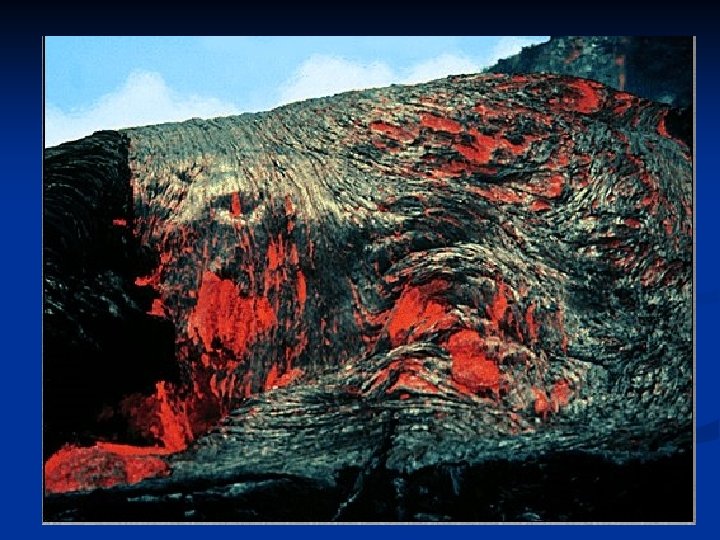
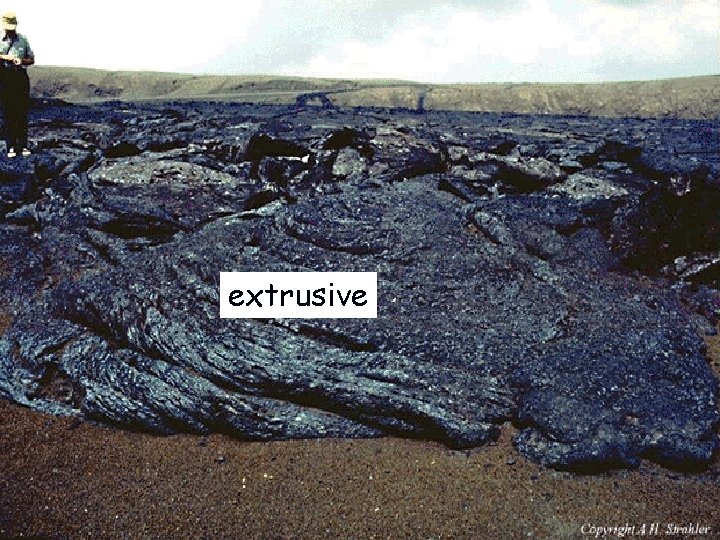
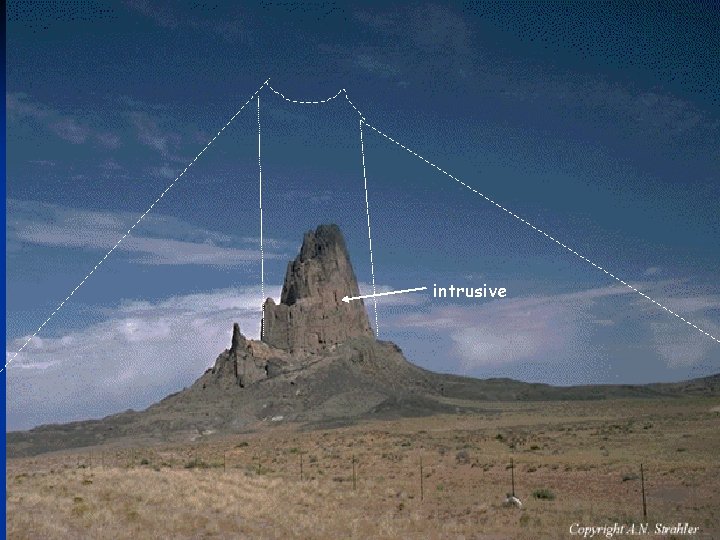
Types of Rocks 1. IGNEOUS n molten rock that has cooled and solidified n molten rock is magma or lava a) INTRUSIVE n cools below surface; big crystals; coarse b) EXTRUSIVE n cools at surface; fine
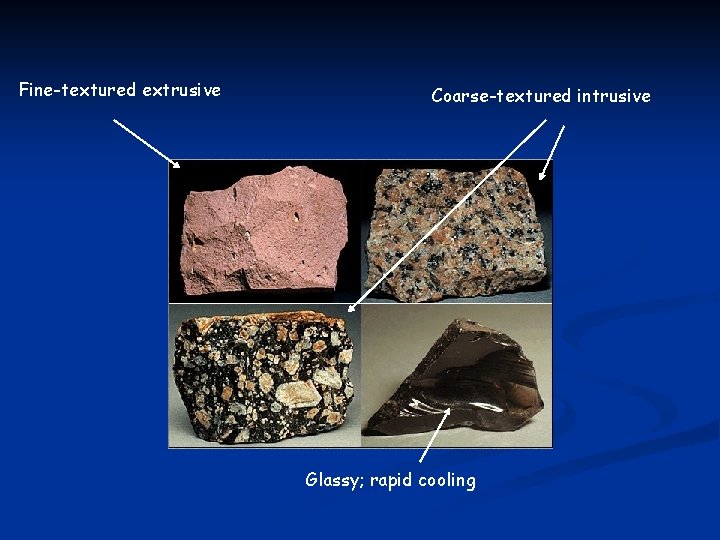
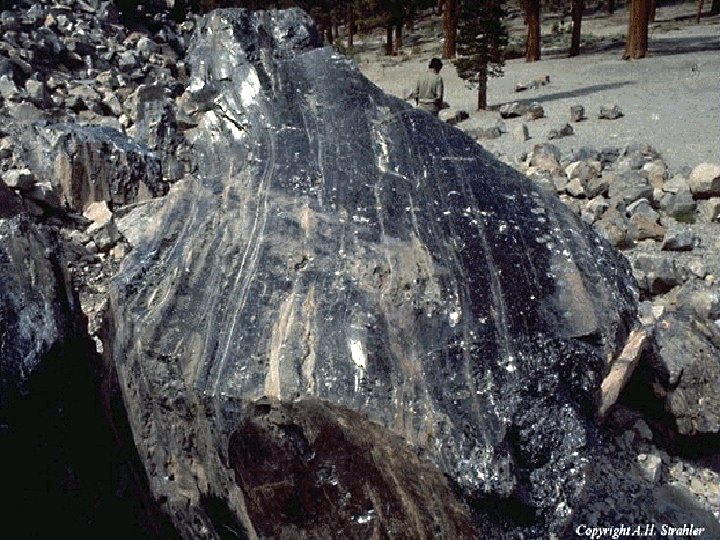
Fine-textured extrusive Coarse-textured intrusive Glassy; rapid cooling
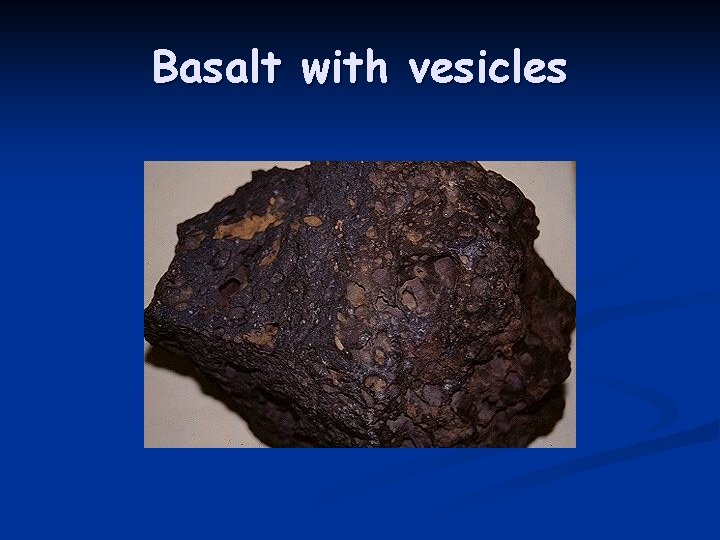
Basalt with vesicles
extrusive
intrusive
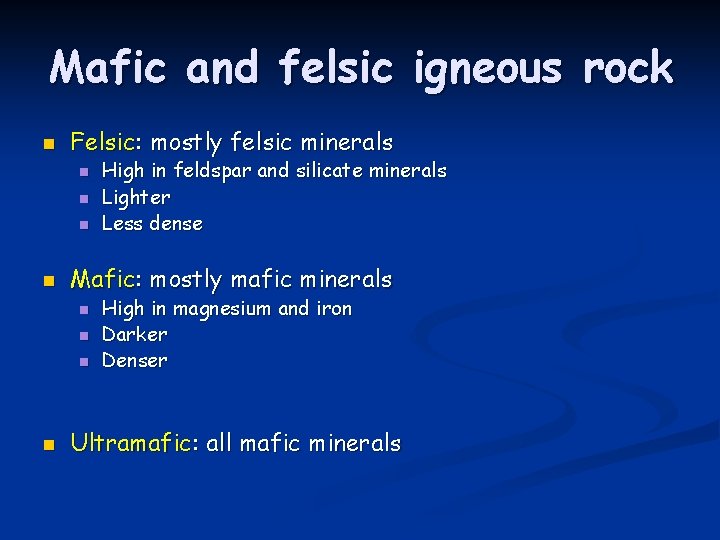
Mafic and felsic igneous rock n Felsic: mostly felsic minerals n n Mafic: mostly mafic minerals n n High in feldspar and silicate minerals Lighter Less dense High in magnesium and iron Darker Denser Ultramafic: all mafic minerals
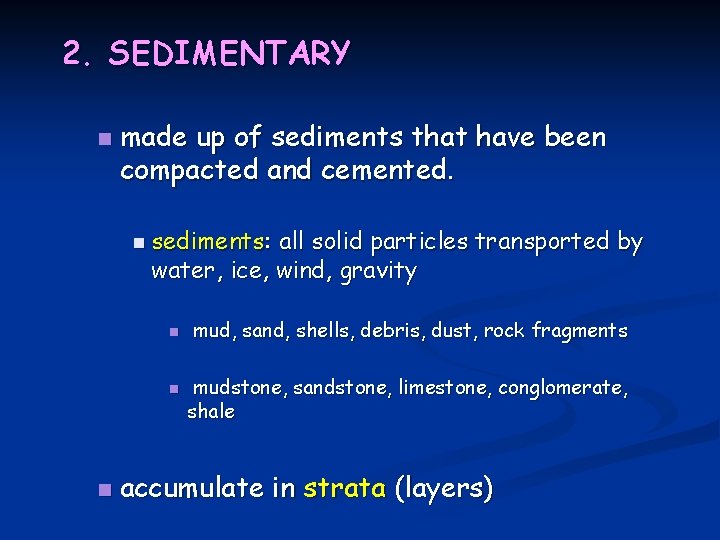
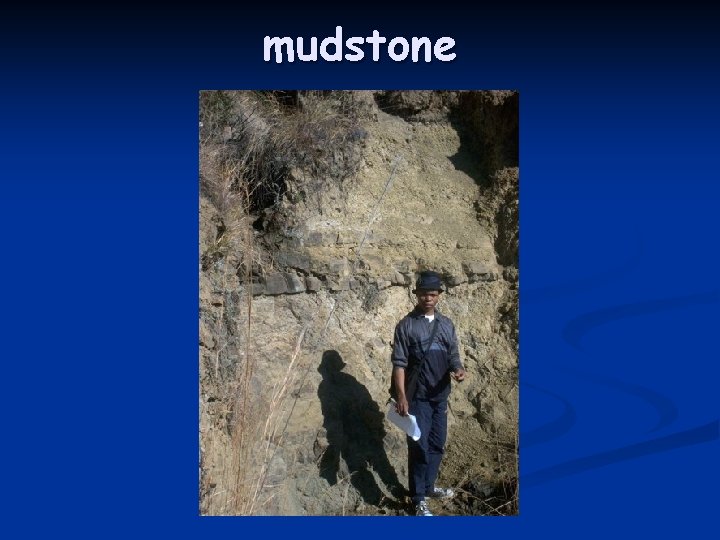
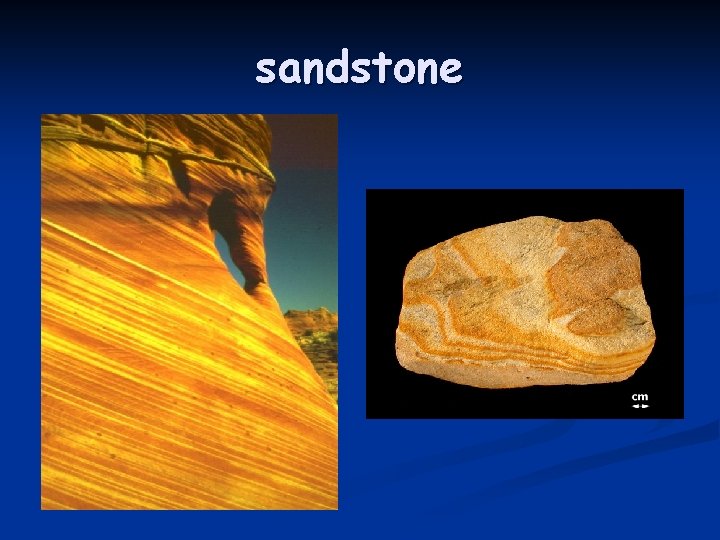
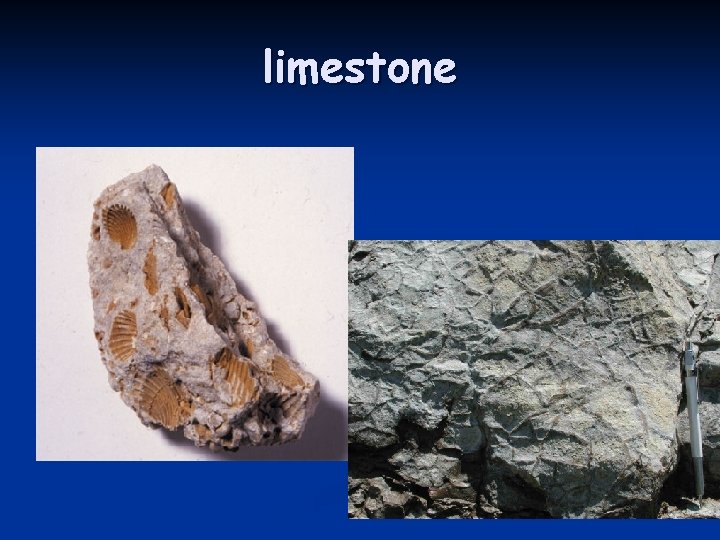
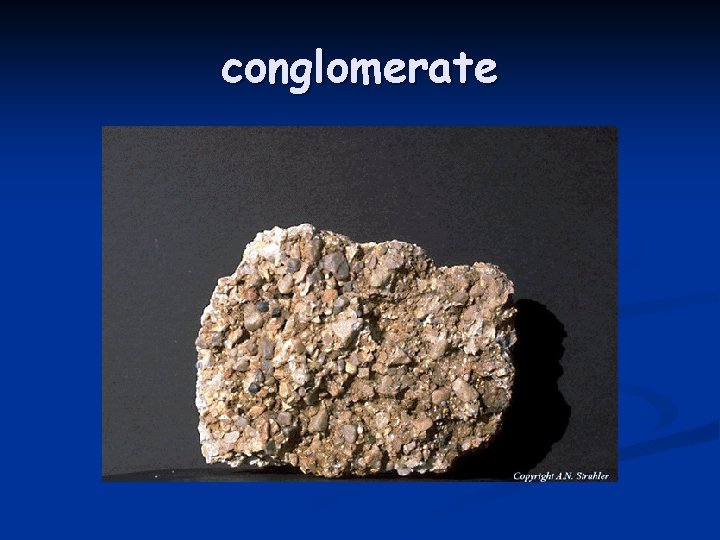
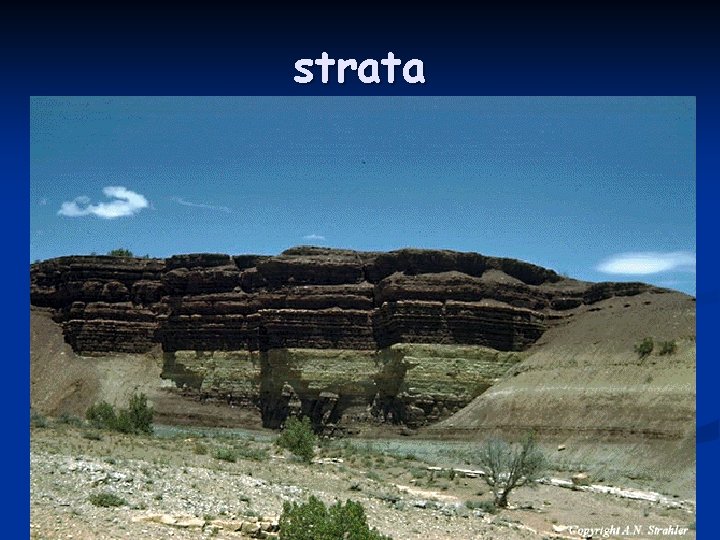
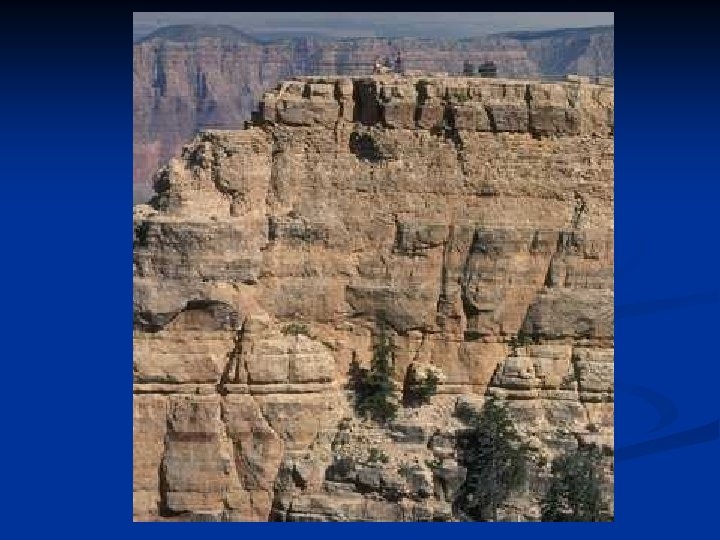
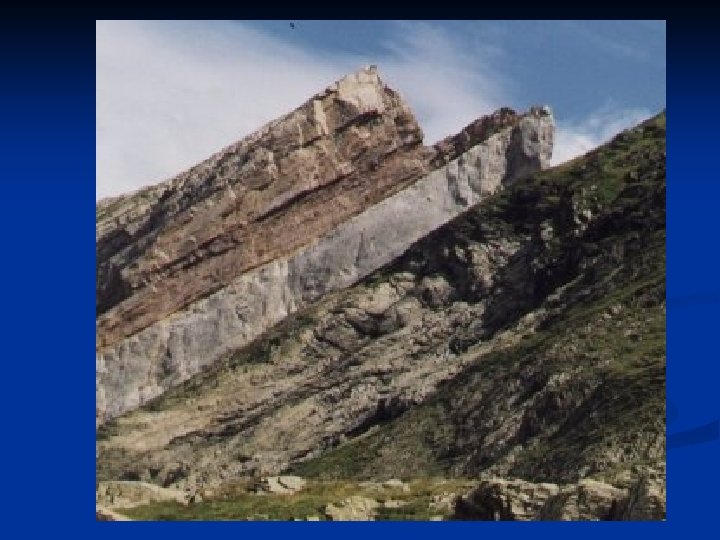
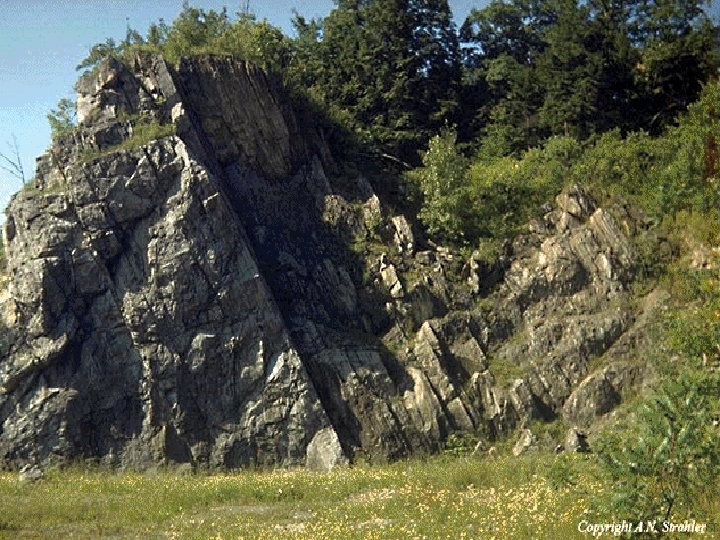
2. SEDIMENTARY n made up of sediments that have been compacted and cemented. n sediments: all solid particles transported by water, ice, wind, gravity n n n mud, sand, shells, debris, dust, rock fragments mudstone, sandstone, limestone, conglomerate, shale accumulate in strata (layers)
mudstone
sandstone
limestone
conglomerate
strata
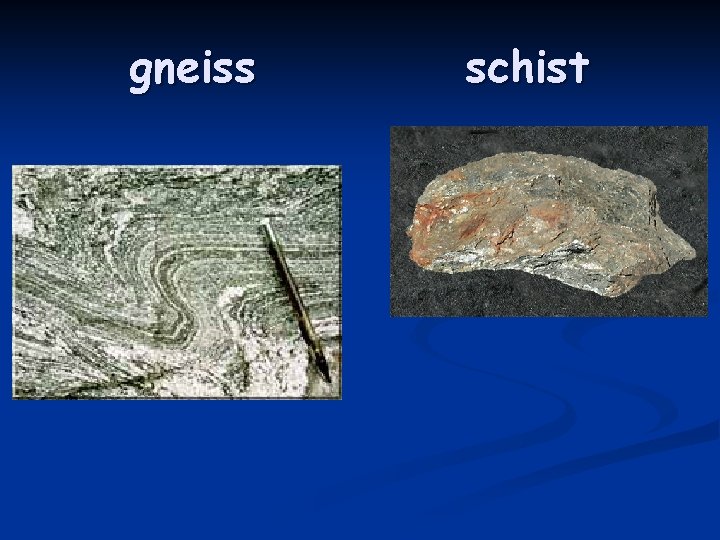
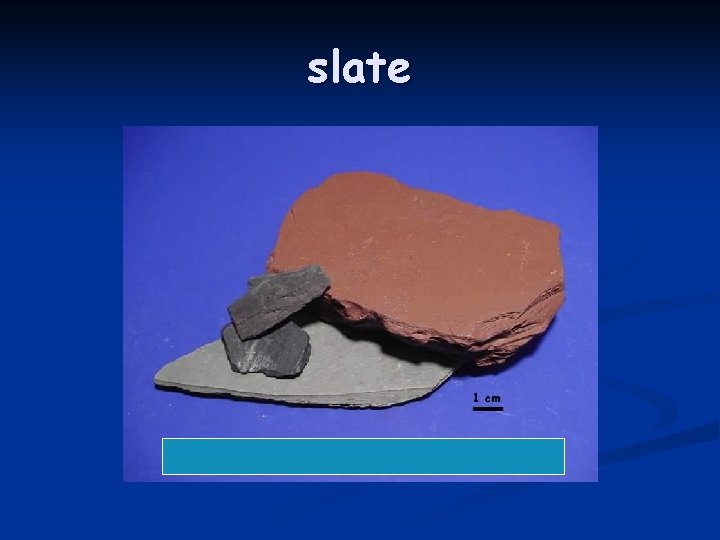
3. METAMORPHIC n n altered from original rock by heat, pressure or chemical activity began as igneous, sedimentary, or metamorphic rock n shale --> slate n slate --> schist n granite --> gneiss n limestone --> marble
gneiss schist
slate
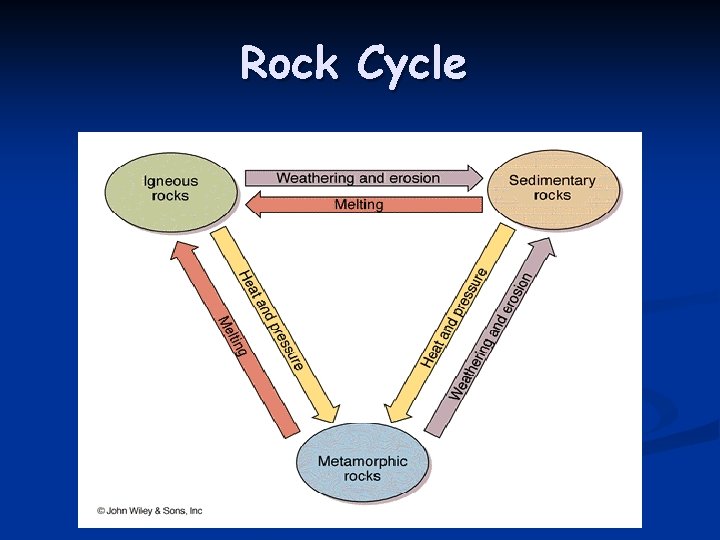
Rock Cycle
Structure of Earth
n Core n Mantle n Crust
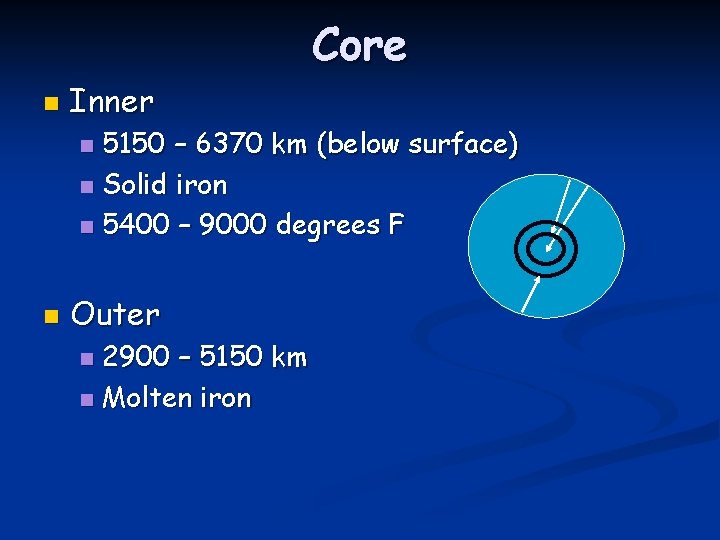
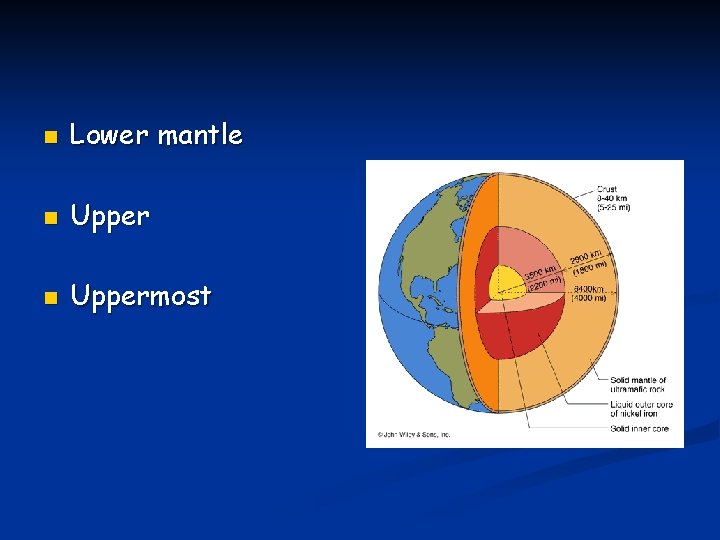
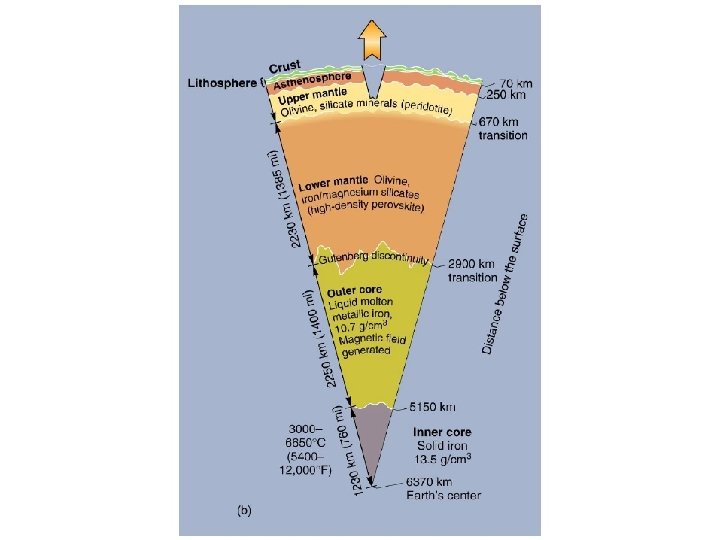
Core n Inner 5150 – 6370 km (below surface) n Solid iron n 5400 – 9000 degrees F n n Outer 2900 – 5150 km n Molten iron n
n Core n Mantle n Crust
n Lower mantle n Uppermost
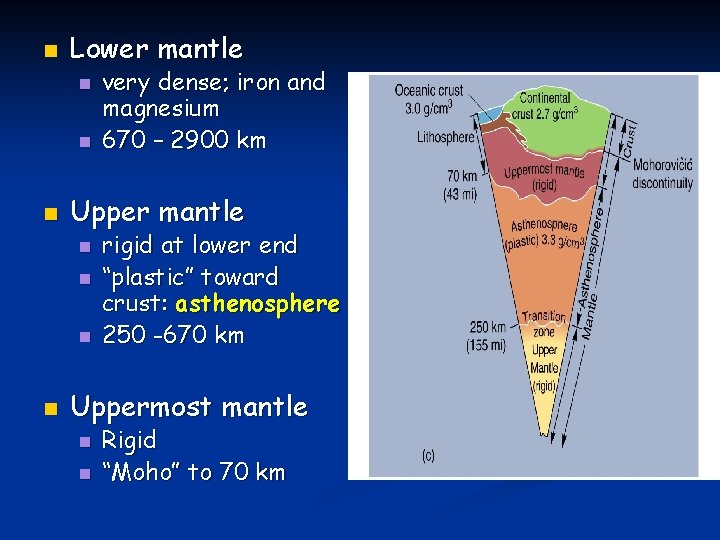
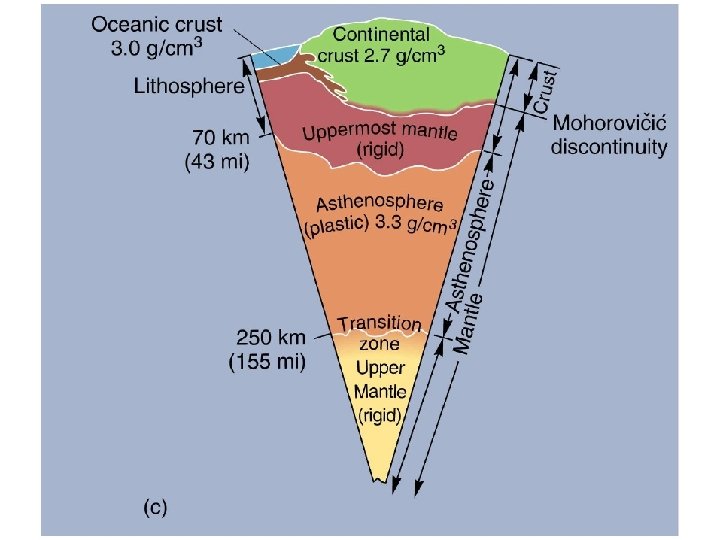
n Lower mantle n n n Upper mantle n n very dense; iron and magnesium 670 – 2900 km rigid at lower end “plastic” toward crust: asthenosphere 250 -670 km Uppermost mantle n n Rigid “Moho” to 70 km
n “Moho” Mohorovičić discontinuity n Boundary between crust and mantle n Change in seismic waves here n
n Core n Mantle n Crust
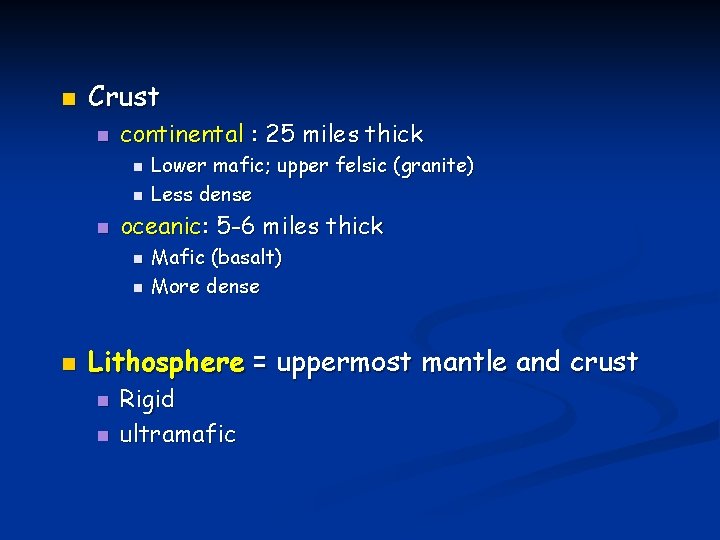
n Crust n continental : 25 miles thick n n n oceanic: 5 -6 miles thick n n n Lower mafic; upper felsic (granite) Less dense Mafic (basalt) More dense Lithosphere = uppermost mantle and crust n n Rigid ultramafic
n n Lithosphere is divided into large plates rigid plates “float” on the plastic asthenosphere, just deep enough to support their own weight: n Isostasy
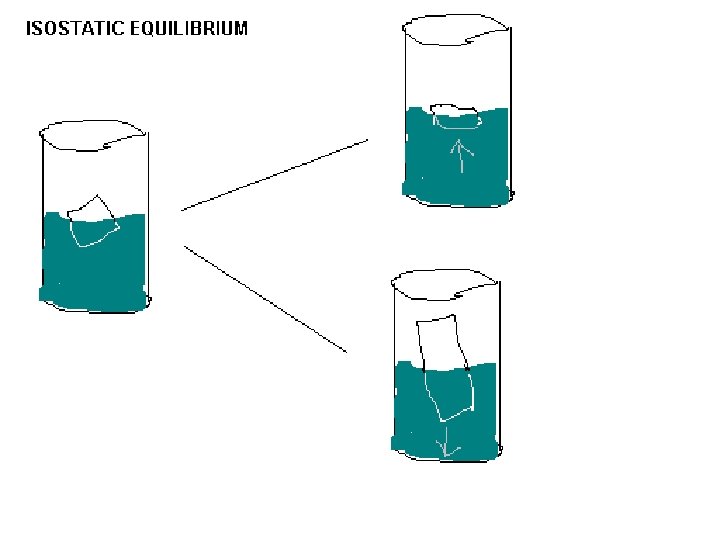
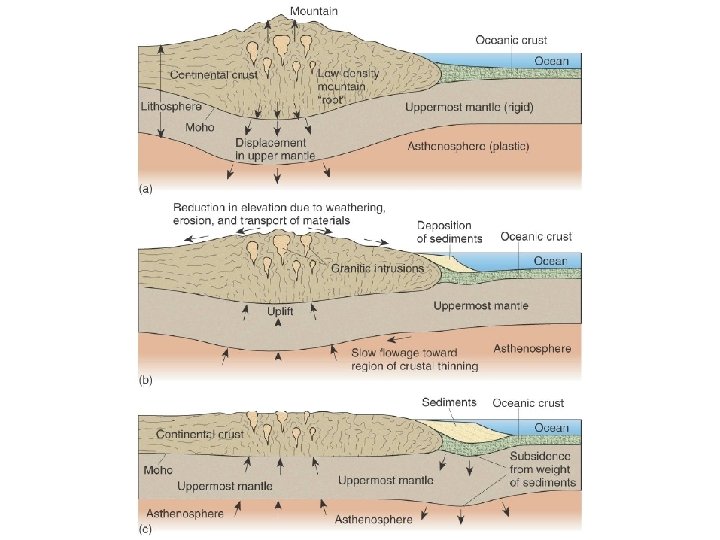
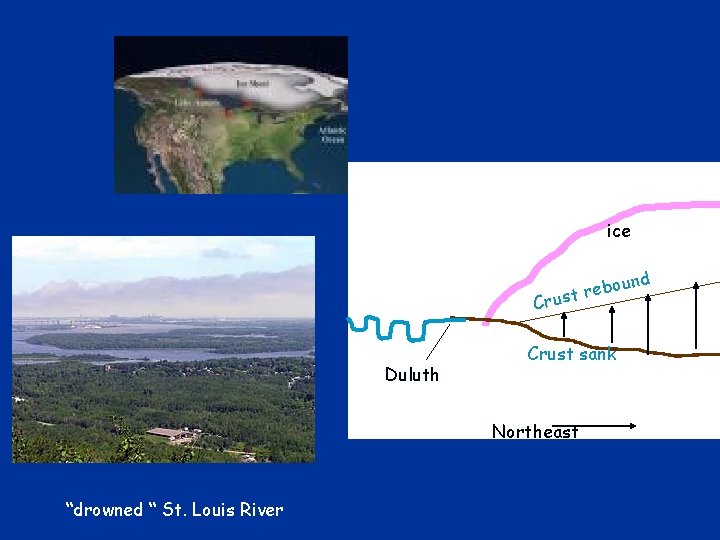
n Isostatic adjustment of crust: n n add weight (sediment, glacial ice): crust will sink remove weight (erosion, glacial ice melts): crust will rebound
ice Cr Duluth Crust sank Northeast “drowned “ St. Louis River nd ebou r t s u