
Structure of Immunoglobulin Antibody Mediated effector functions Opsonization
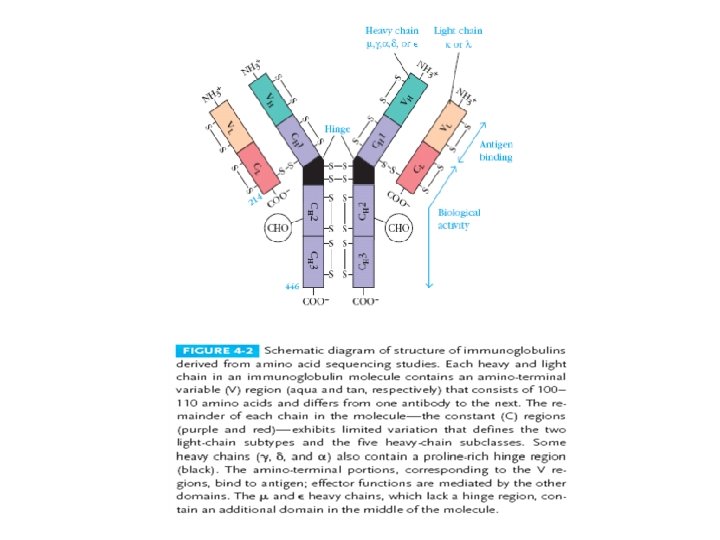
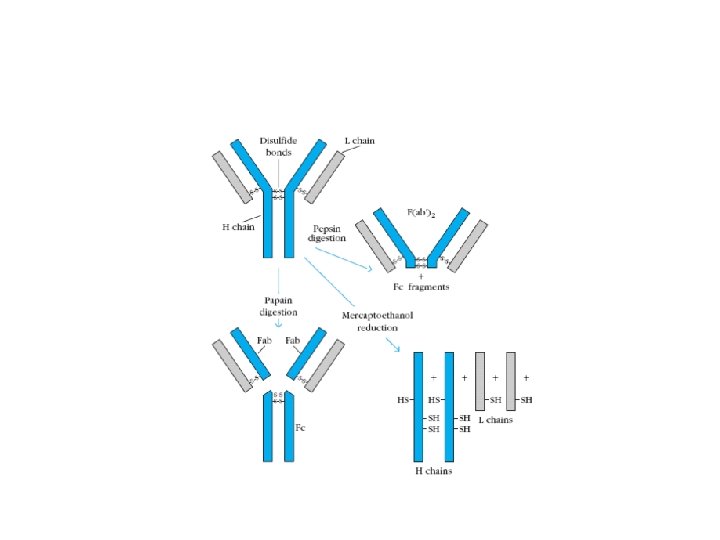
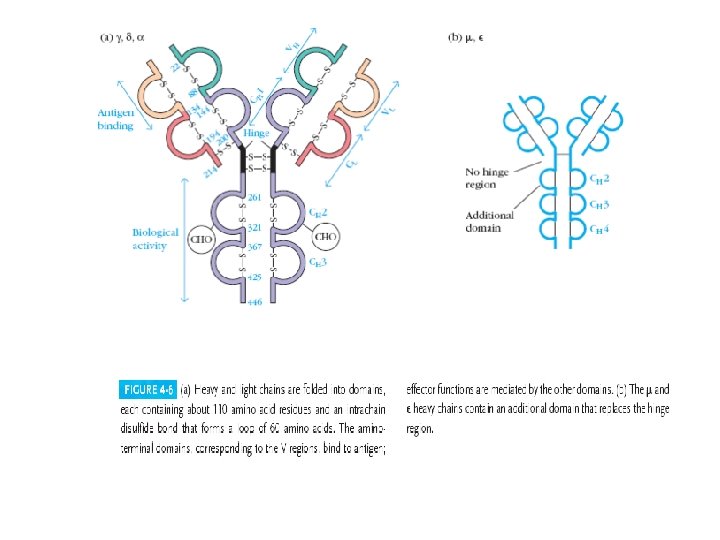
Structure of Immunoglobulin
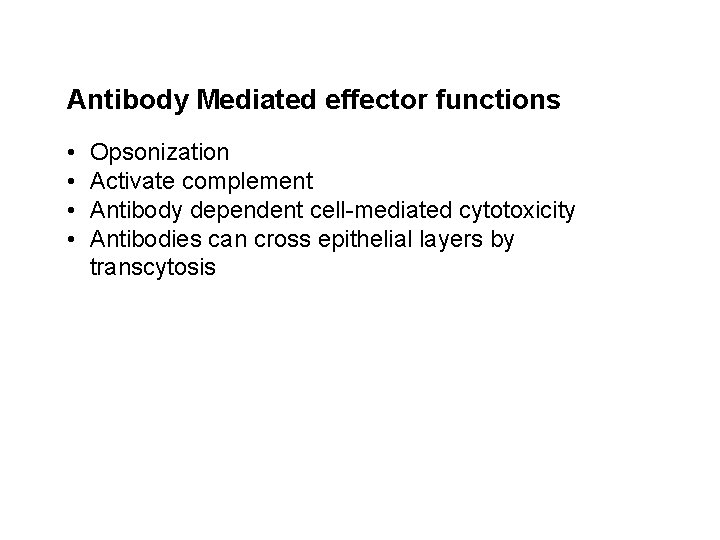
Antibody Mediated effector functions • • Opsonization Activate complement Antibody dependent cell-mediated cytotoxicity Antibodies can cross epithelial layers by transcytosis
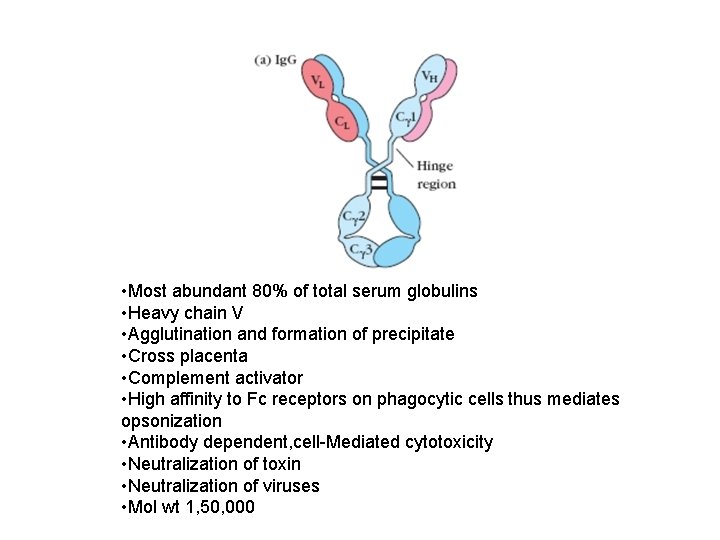
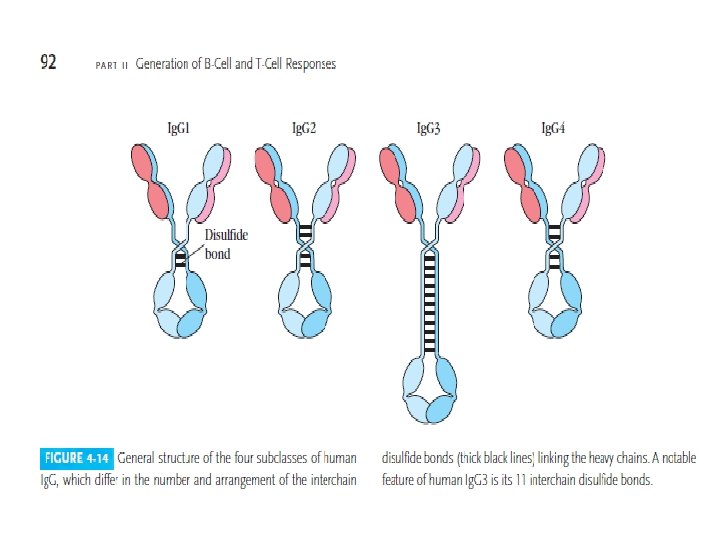
• Most abundant 80% of total serum globulins • Heavy chain V • Agglutination and formation of precipitate • Cross placenta • Complement activator • High affinity to Fc receptors on phagocytic cells thus mediates opsonization • Antibody dependent, cell-Mediated cytotoxicity • Neutralization of toxin • Neutralization of viruses • Mol wt 1, 50, 000
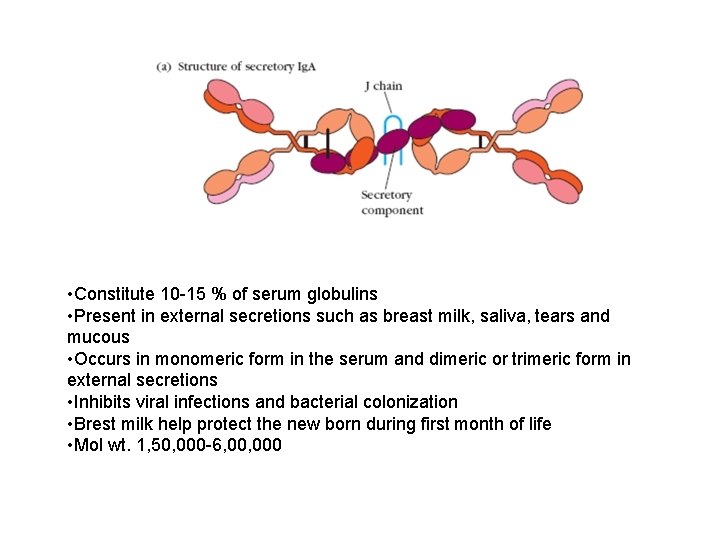
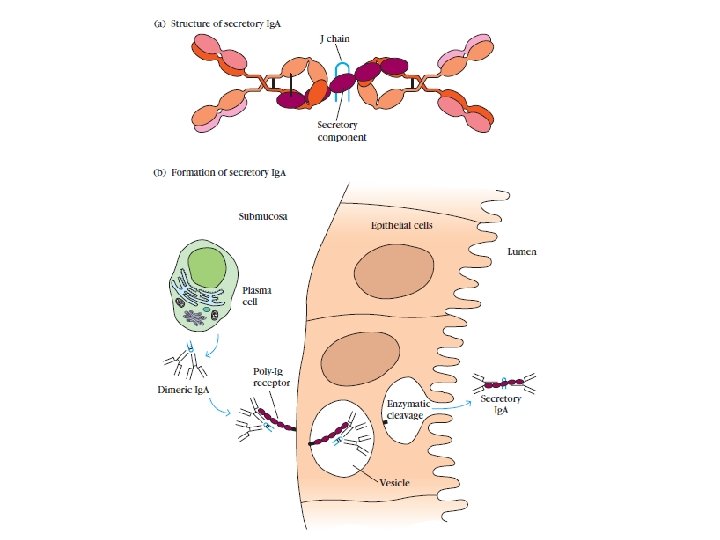
• Constitute 10 -15 % of serum globulins • Present in external secretions such as breast milk, saliva, tears and mucous • Occurs in monomeric form in the serum and dimeric or trimeric form in external secretions • Inhibits viral infections and bacterial colonization • Brest milk help protect the new born during first month of life • Mol wt. 1, 50, 000 -6, 000
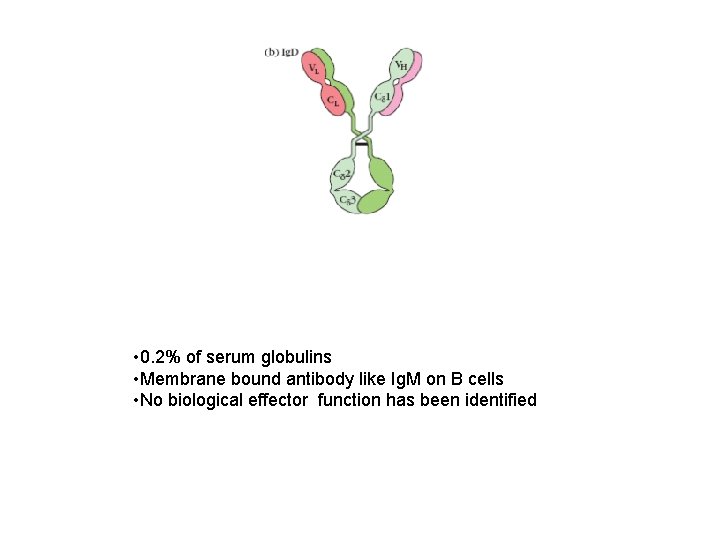
• 0. 2% of serum globulins • Membrane bound antibody like Ig. M on B cells • No biological effector function has been identified
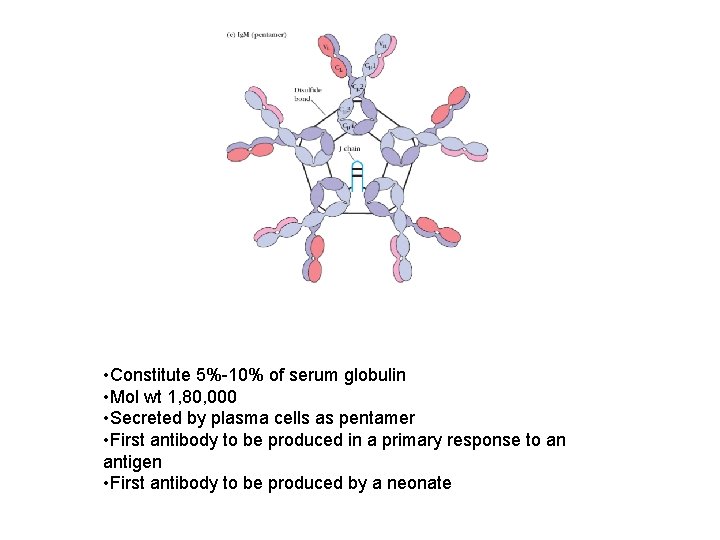
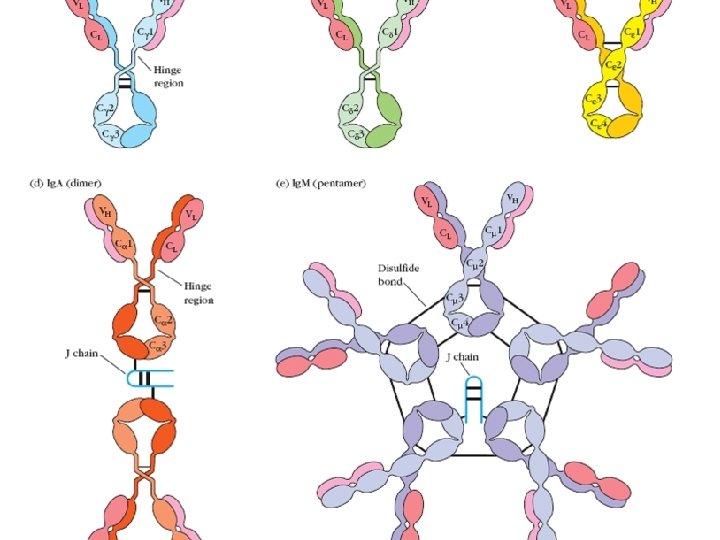
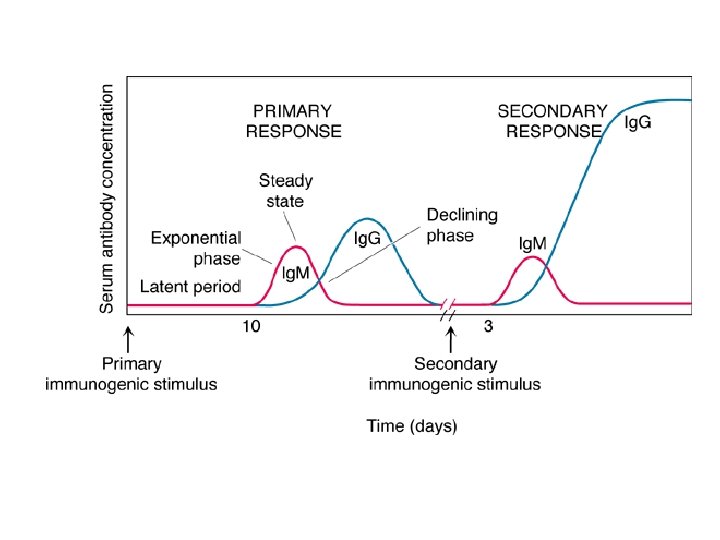
• Constitute 5%-10% of serum globulin • Mol wt 1, 80, 000 • Secreted by plasma cells as pentamer • First antibody to be produced in a primary response to an antigen • First antibody to be produced by a neonate
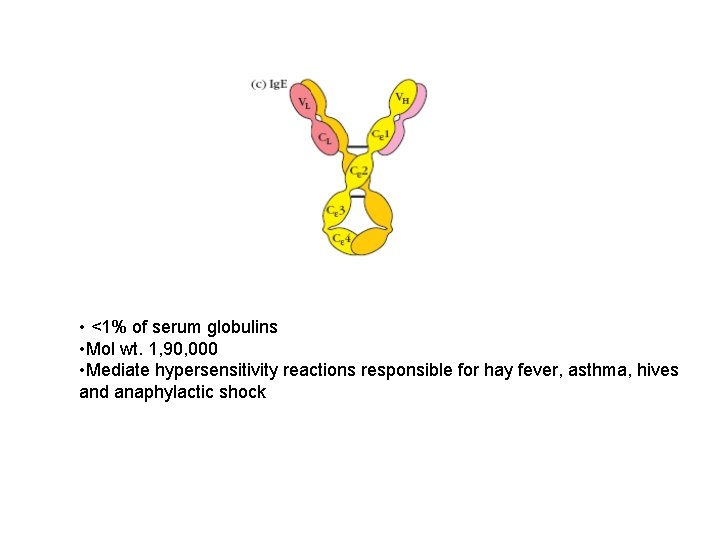
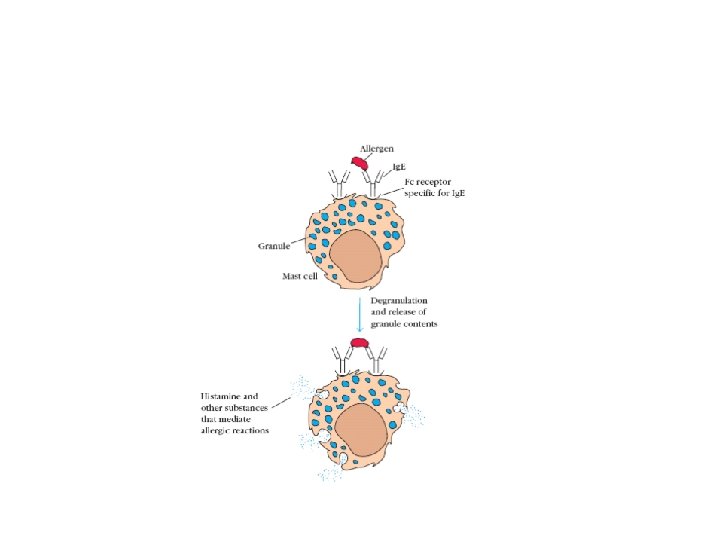
• <1% of serum globulins • Mol wt. 1, 90, 000 • Mediate hypersensitivity reactions responsible for hay fever, asthma, hives and anaphylactic shock
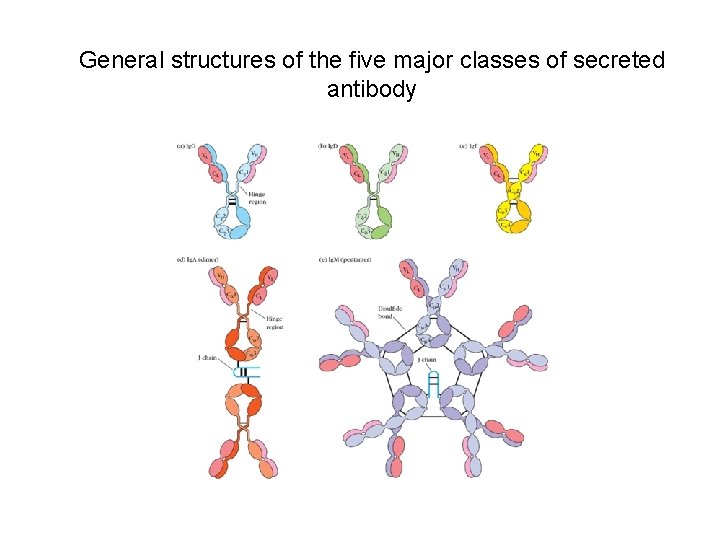
General structures of the five major classes of secreted antibody
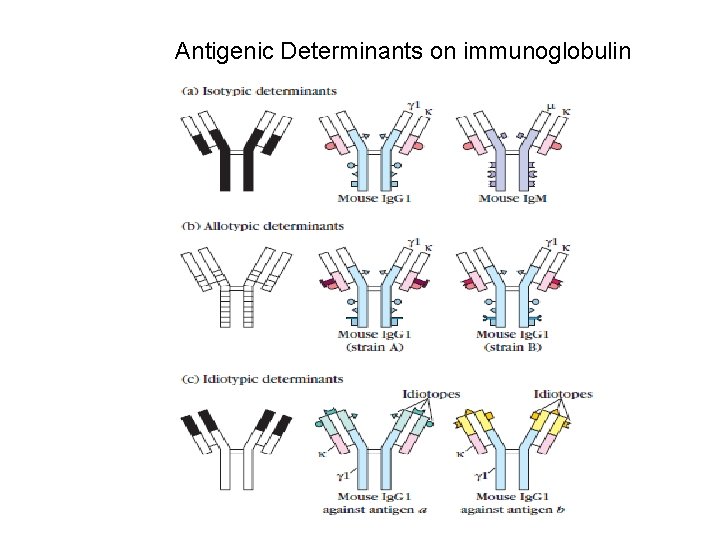
Antigenic Determinants on immunoglobulin
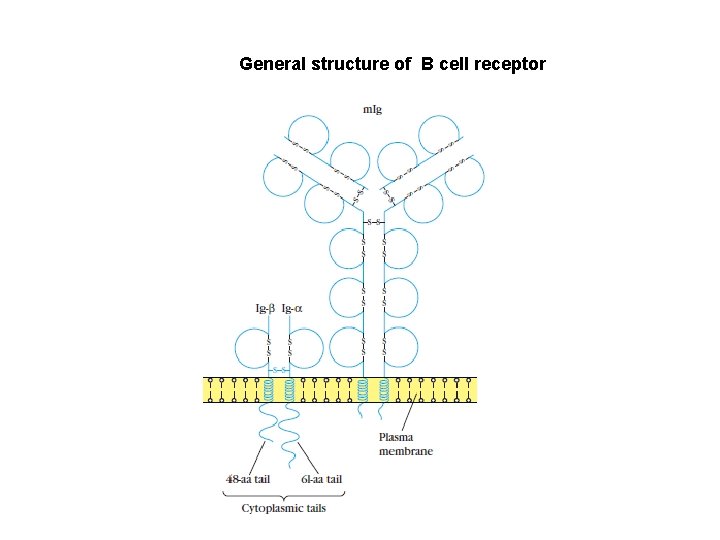
General structure of B cell receptor
- Slides: 18