
STRUCTURE OF DNA TOPIC 1 2015 YEAR 10

- Slides: 33
STRUCTURE OF DNA TOPIC 1 - 2015
YEAR 10 BIOLOGY Topics �Structure of DNA �Chromosomes & Cell division �Genetics & Inheritance �Theory of Evolution �Evidence for Evolution
YEAR 10 BIOLOGY Assessment �Evolution poster �Genetics prac report �Unit test �End of semester examination and various worksheets / quizzes throughout the course. . .
STRUCTURE OF DNA Things to cover �History �Location �Components �Base pairing �Shape
HISTORY OF DNA
HISTORY OF DNA 1869 �DNA was discovered by Friedrich Miescher �His team isolated it from pus on bandages! �He called their discovery nuclein.
HISTORY OF DNA 1929 �Phoebus Levene determined that the compound had a repeating structure. �He called these repeated units nucleotides. �He also suggested that these units link together to form chains. �His theory was correct, but his prediction about the way the chains formed was not.
HISTORY OF DNA 1943 -1953 �Oswald Avery , and Alfred Hershey and Martha Chase made the suggestion that this compound was capable of transferring genetic information between generations
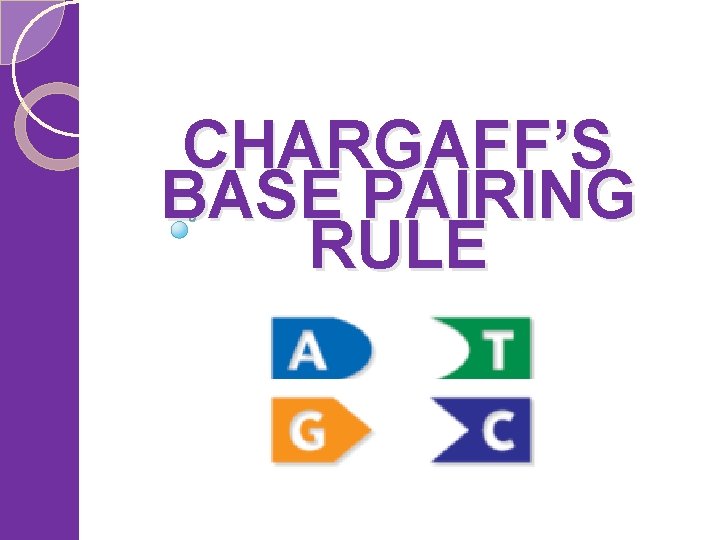
HISTORY OF DNA 1950 �Erwin Chargaff determined that there were four types of nucleotides that paired up within the structure of DNA �This is known as Chargaff’s rule or the base pairing rule.
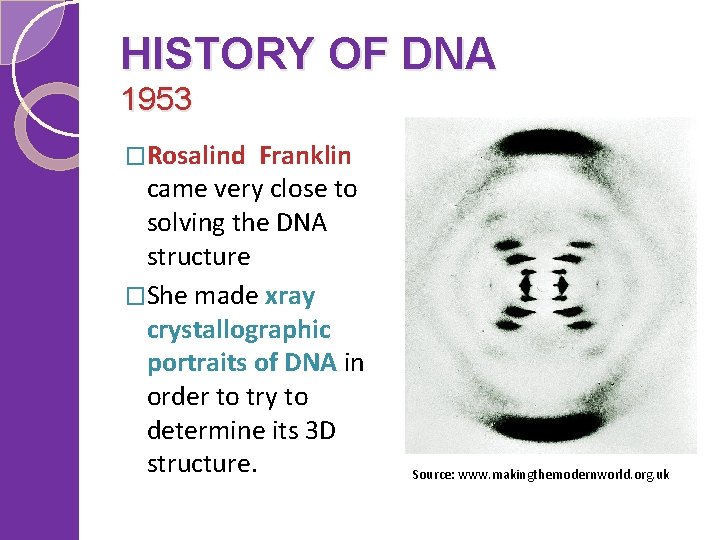
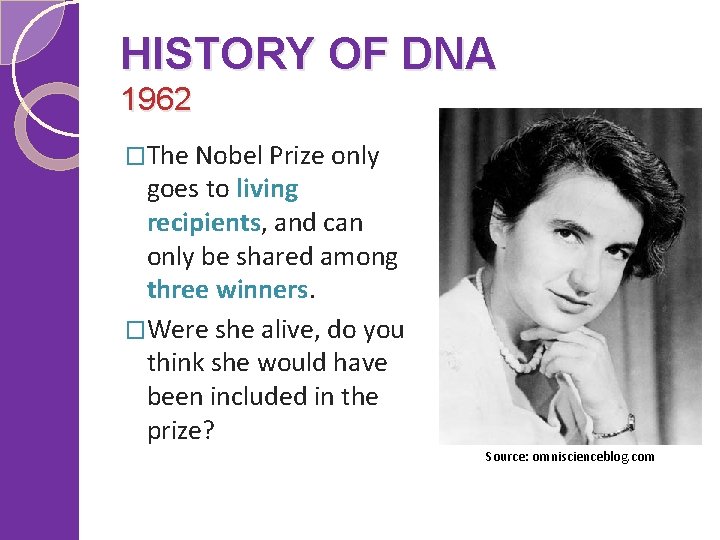
HISTORY OF DNA 1953 �Rosalind Franklin came very close to solving the DNA structure �She made xray crystallographic portraits of DNA in order to try to determine its 3 D structure. Source: www. makingthemodernworld. org. uk
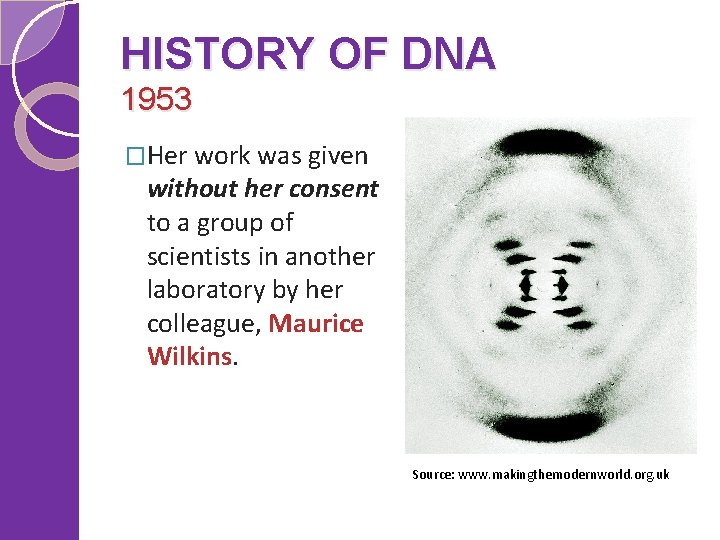
HISTORY OF DNA 1953 �Her work was given without her consent to a group of scientists in another laboratory by her colleague, Maurice Wilkins. Source: www. makingthemodernworld. org. uk
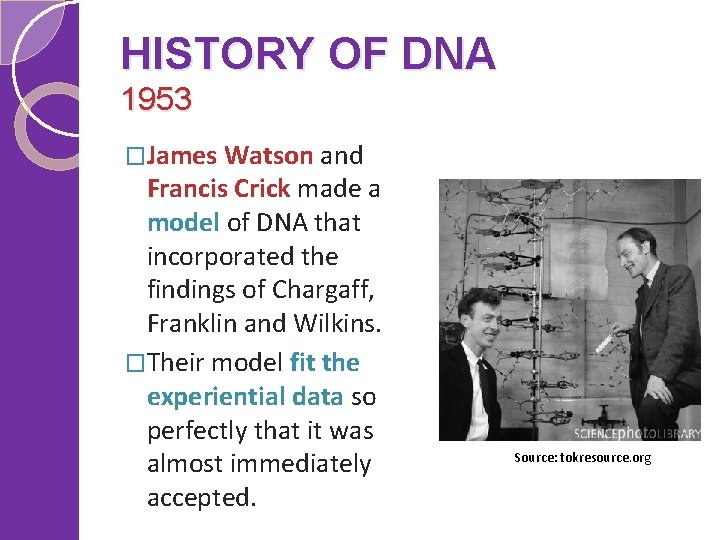
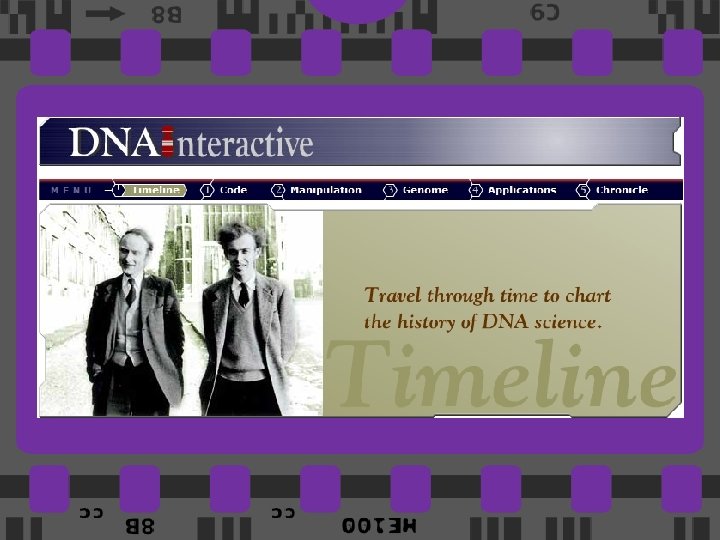
HISTORY OF DNA 1953 �James Watson and Francis Crick made a model of DNA that incorporated the findings of Chargaff, Franklin and Wilkins. �Their model fit the experiential data so perfectly that it was almost immediately accepted. Source: tokresource. org
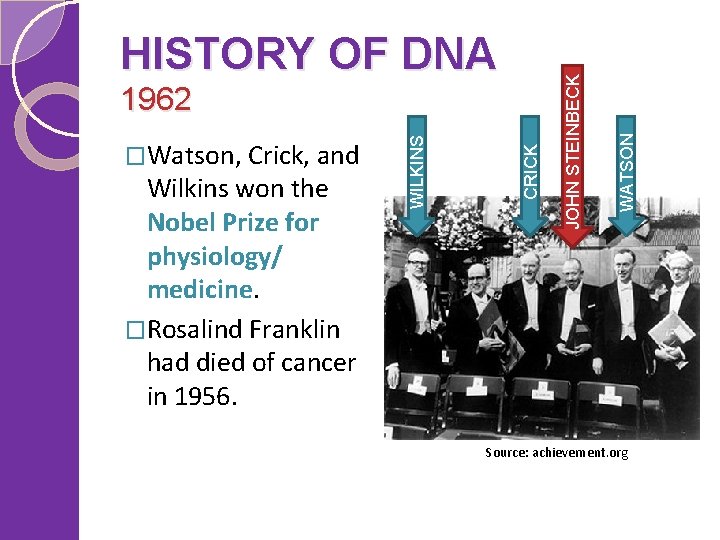
WATSON Wilkins won the Nobel Prize for physiology/ medicine. �Rosalind Franklin had died of cancer in 1956. CRICK �Watson, Crick, and WILKINS 1962 JOHN STEINBECK HISTORY OF DNA Source: achievement. org
HISTORY OF DNA 1962 �The Nobel Prize only goes to living recipients, and can only be shared among three winners. �Were she alive, do you think she would have been included in the prize? Source: omniscienceblog. com
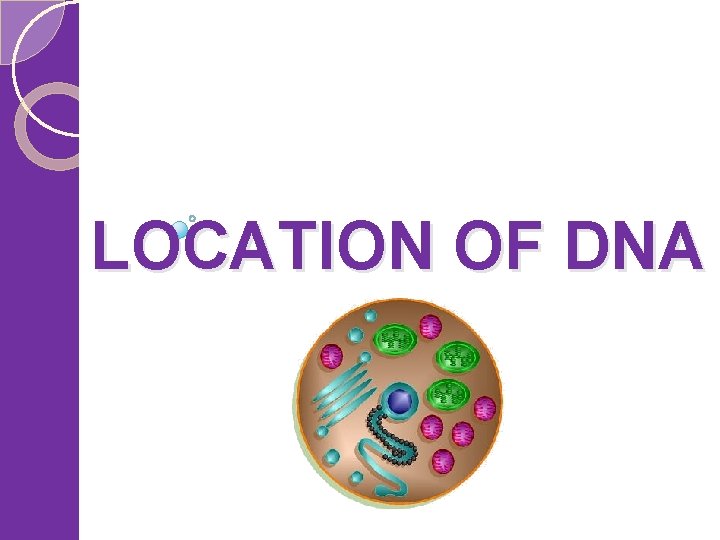
LOCATION OF DNA
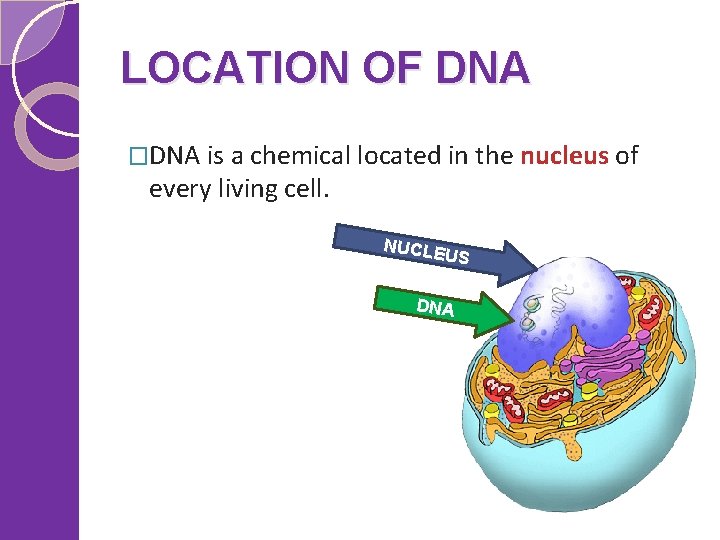
LOCATION OF DNA �DNA is a chemical located in the nucleus of every living cell. NUCLE US DNA
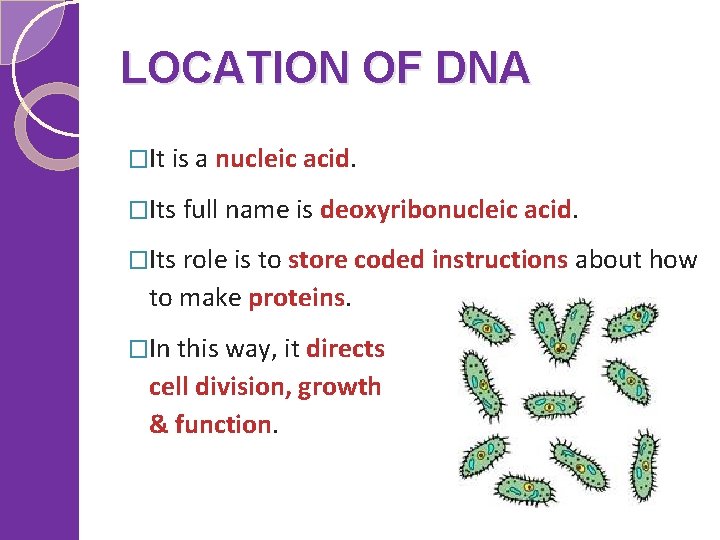
LOCATION OF DNA �It is a nucleic acid. �Its full name is deoxyribonucleic acid. �Its role is to store coded instructions about how to make proteins. �In this way, it directs cell division, growth & function.
COMPONENTS OF DNA
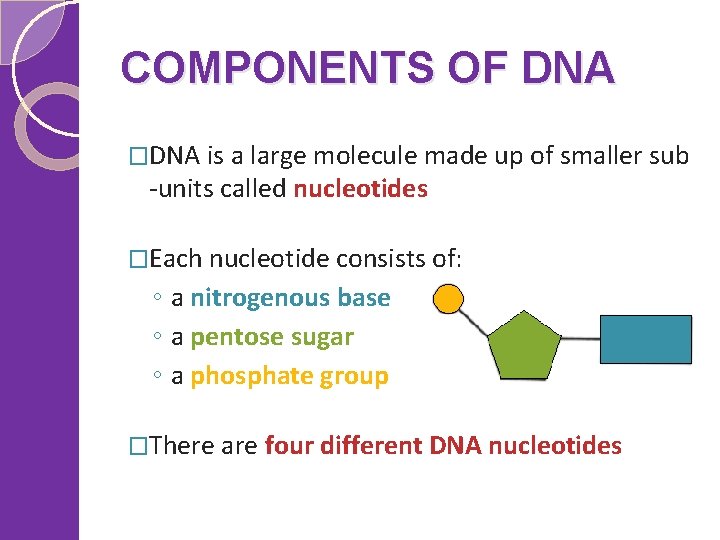
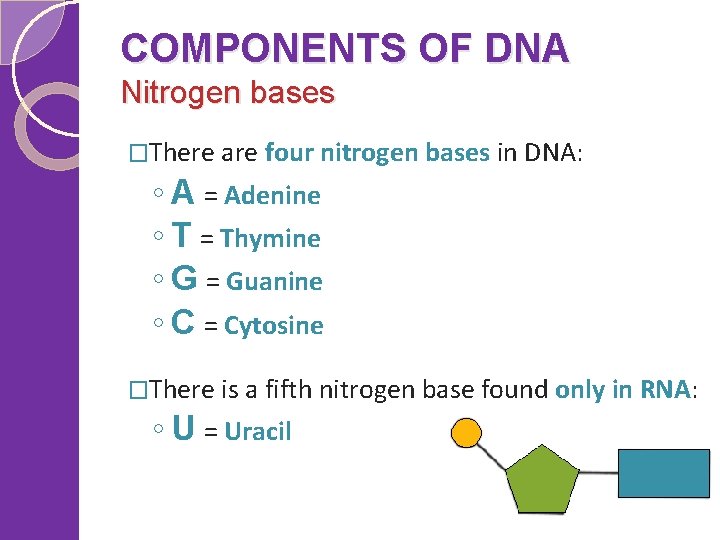
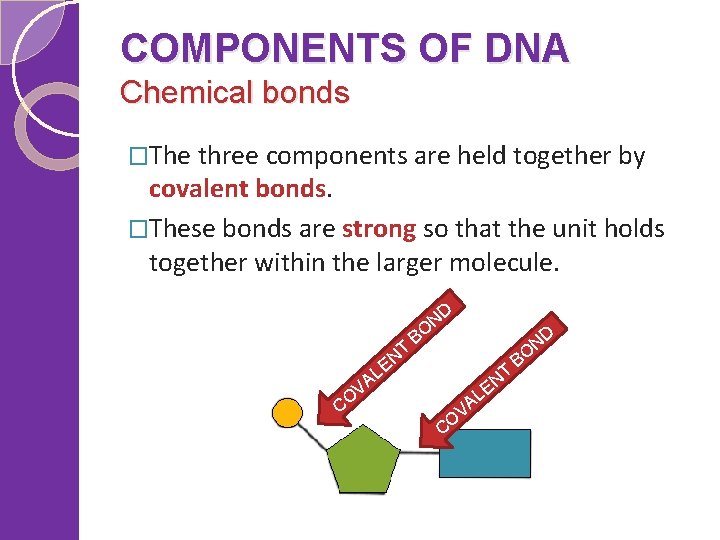
COMPONENTS OF DNA �DNA is a large molecule made up of smaller sub -units called nucleotides �Each nucleotide consists of: ◦ a nitrogenous base ◦ a pentose sugar ◦ a phosphate group �There are four different DNA nucleotides
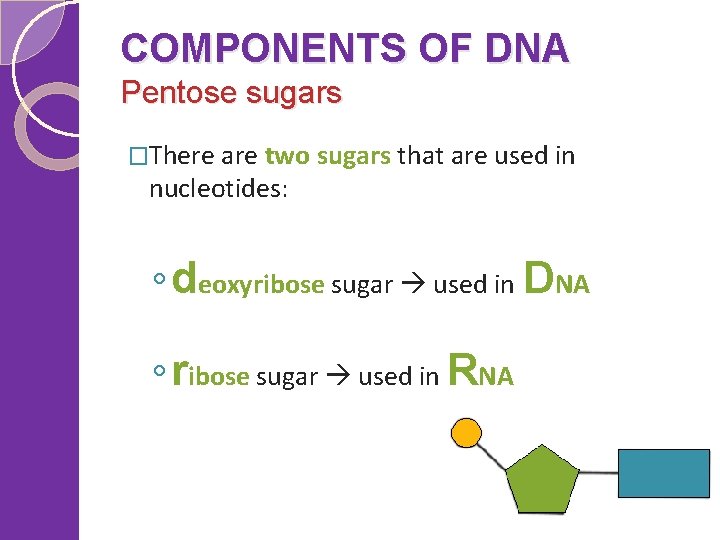
COMPONENTS OF DNA Pentose sugars �There are two sugars that are used in nucleotides: ◦ deoxyribose sugar used in DNA ◦ ribose sugar used in RNA
COMPONENTS OF DNA Nitrogen bases �There are four nitrogen bases in DNA: ◦ A = Adenine ◦ T = Thymine ◦ G = Guanine ◦ C = Cytosine �There is a fifth nitrogen base found only in RNA: ◦ U = Uracil
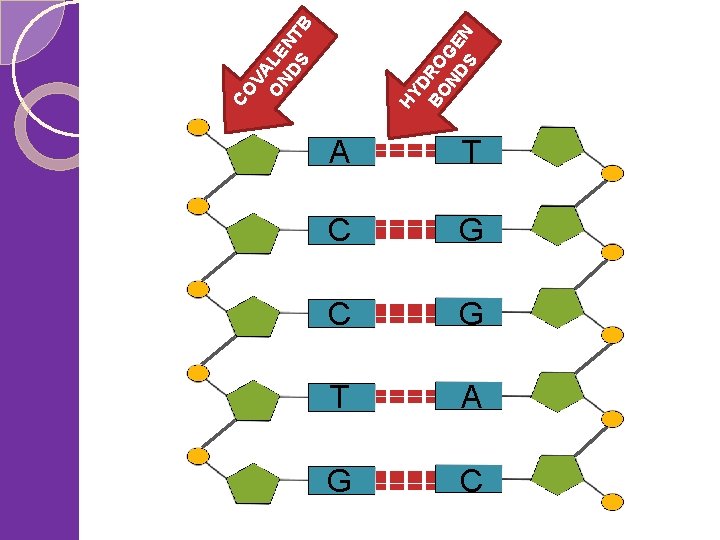
COMPONENTS OF DNA Chemical bonds �The three components are held together by covalent bonds. �These bonds are strong so that the unit holds together within the larger molecule. T N E ND BO ND T N LE CO L A V CO VA BO
CHARGAFF’S BASE PAIRING RULE
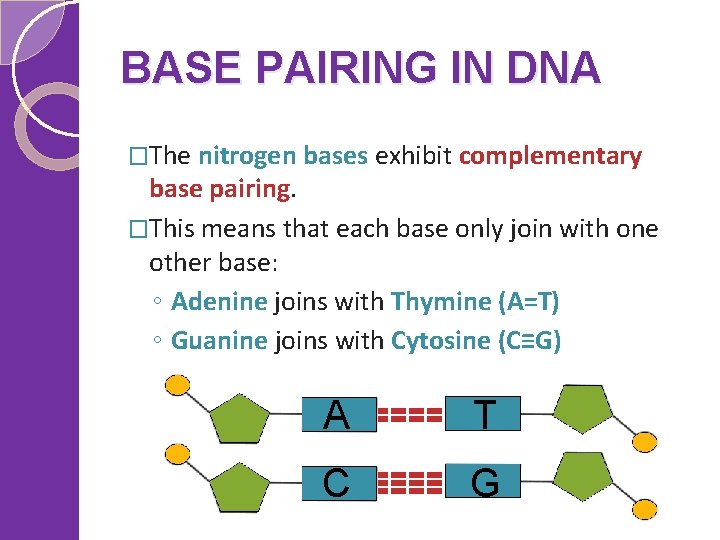
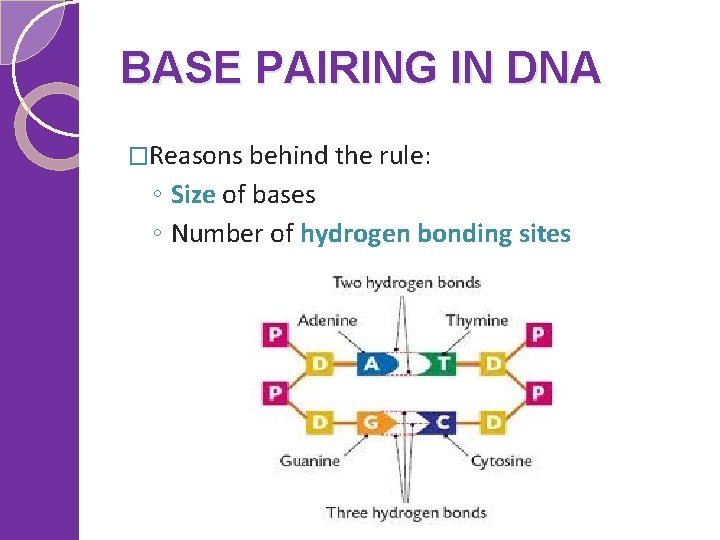
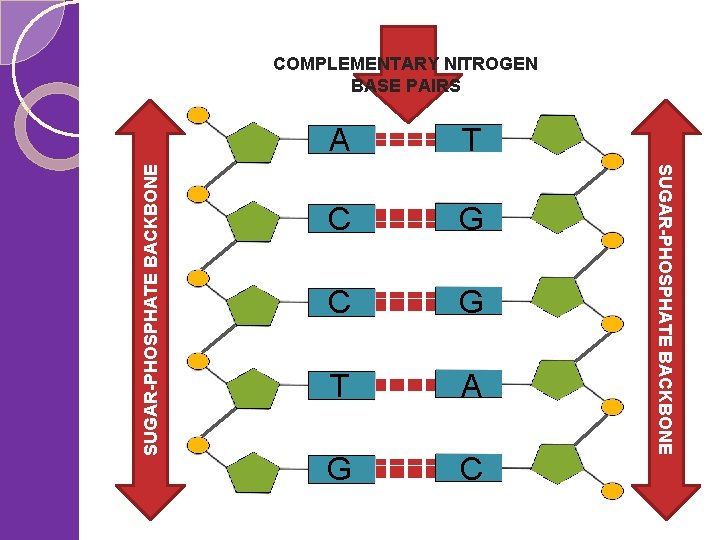
BASE PAIRING IN DNA �The nitrogen bases exhibit complementary base pairing. �This means that each base only join with one other base: ◦ Adenine joins with Thymine (A=T) ◦ Guanine joins with Cytosine (C≡G) A T C G
BASE PAIRING IN DNA �Reasons behind the rule: ◦ Size of bases ◦ Number of hydrogen bonding sites
SHAPE OF DNA
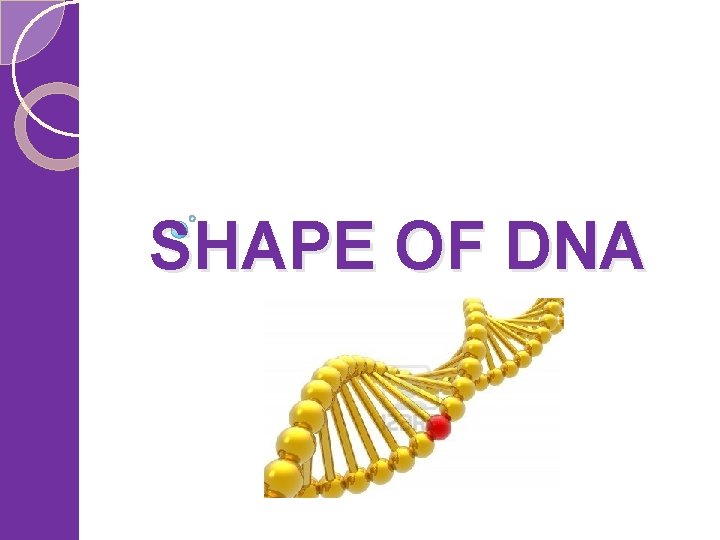
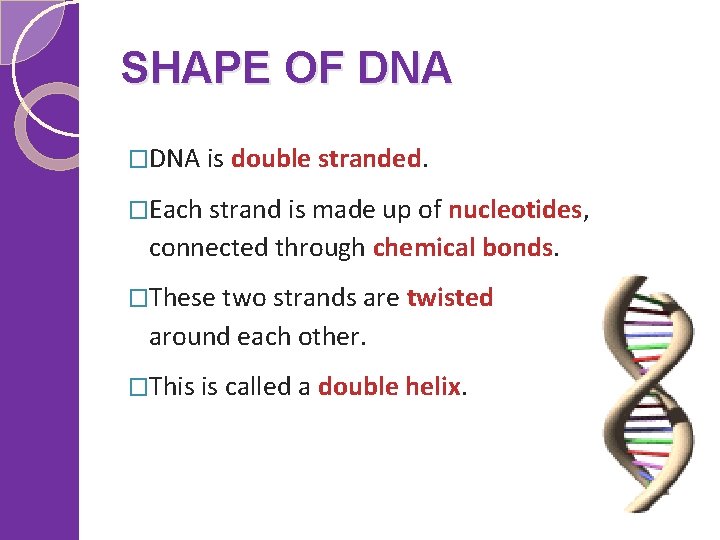
SHAPE OF DNA �DNA is double stranded. �Each strand is made up of nucleotides, connected through chemical bonds. �These two strands are twisted around each other. �This is called a double helix.
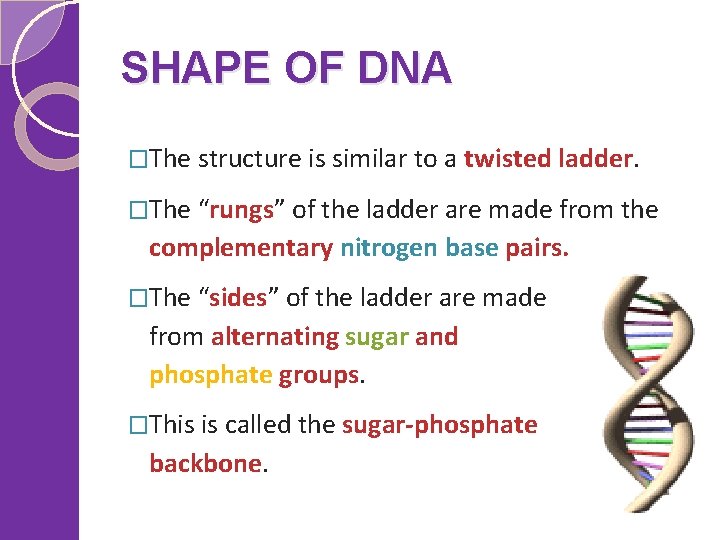
SHAPE OF DNA �The structure is similar to a twisted ladder. �The “rungs” of the ladder are made from the complementary nitrogen base pairs. �The “sides” of the ladder are made from alternating sugar and phosphate groups. �This is called the sugar-phosphate backbone.
A T C G T A G C SUGAR-PHOSPHATE BACKBONE COMPLEMENTARY NITROGEN BASE PAIRS
SHAPE OF DNA �The nucleotides are joined by covalent bonds these are very strong �The two strands are joined by hydrogen bonds these are very weak, �This allows the strands to be separated during DNA replication and protein synthesis without destroying the DNA completely
A T C G T A G C HY DR BO O ND GE S N O LE ND N S TB VA CO