
STRUCTURE OF CONGRESS Essential Question What is the
- Slides: 23
STRUCTURE OF CONGRESS Essential Question: What is the purpose and structure of the Congress?
LEARNING OBJECTIVES I will… We will… Understand how the structure, powers, and functions of both houses of Congress affect the policymaking process • Research the Congressman and Senators that represent me
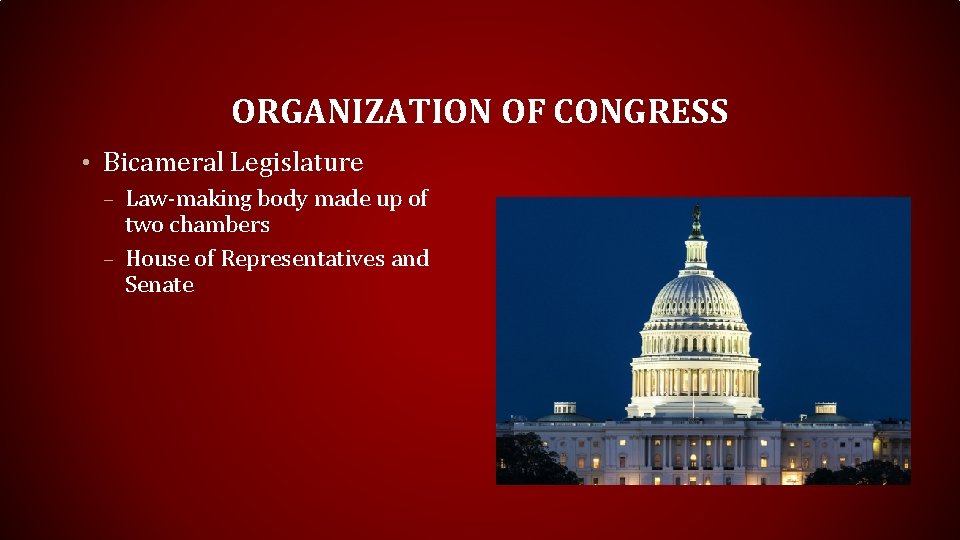
ORGANIZATION OF CONGRESS • Bicameral Legislature – Law-making body made up of two chambers – House of Representatives and Senate
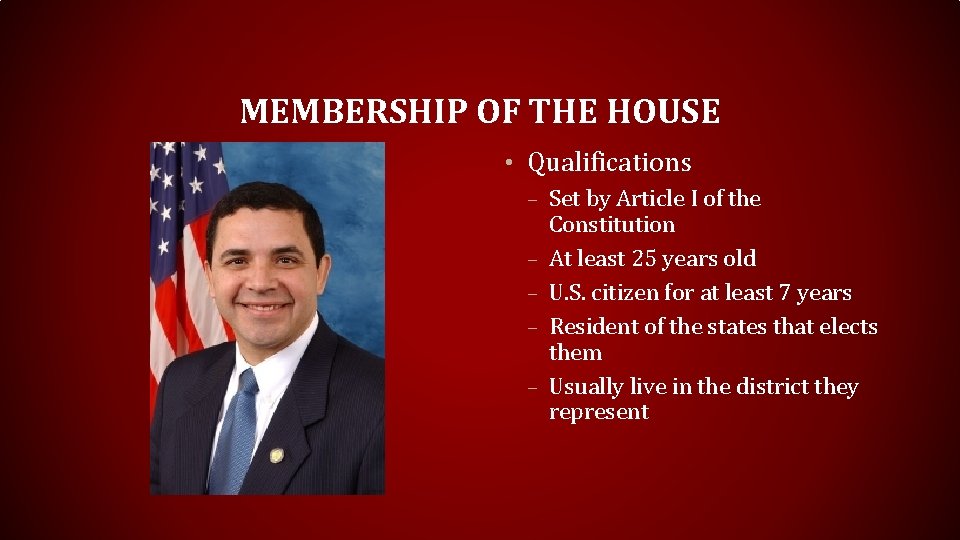
MEMBERSHIP OF THE HOUSE • Qualifications – Set by Article I of the – – Constitution At least 25 years old U. S. citizen for at least 7 years Resident of the states that elects them Usually live in the district they represent
MEMBERSHIP OF THE HOUSE • Terms – Elected for two years – Elections held in November on even-numbered years
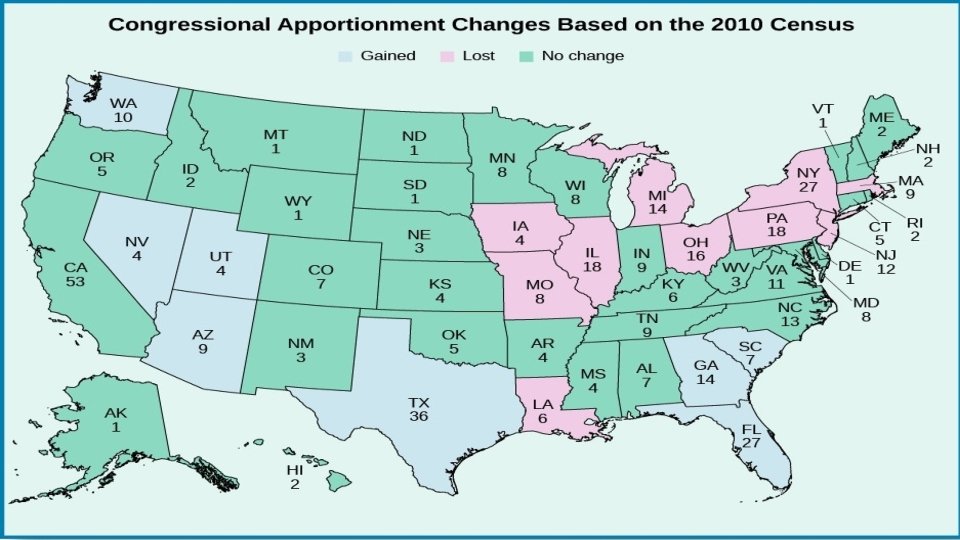
MEMBERSHIP OF THE HOUSE • Census – Population count conducted every 10 years • Reapportionment – Process by which seats are distributed among states – Based on populations calculated by the decennial census – Currently 435 seats
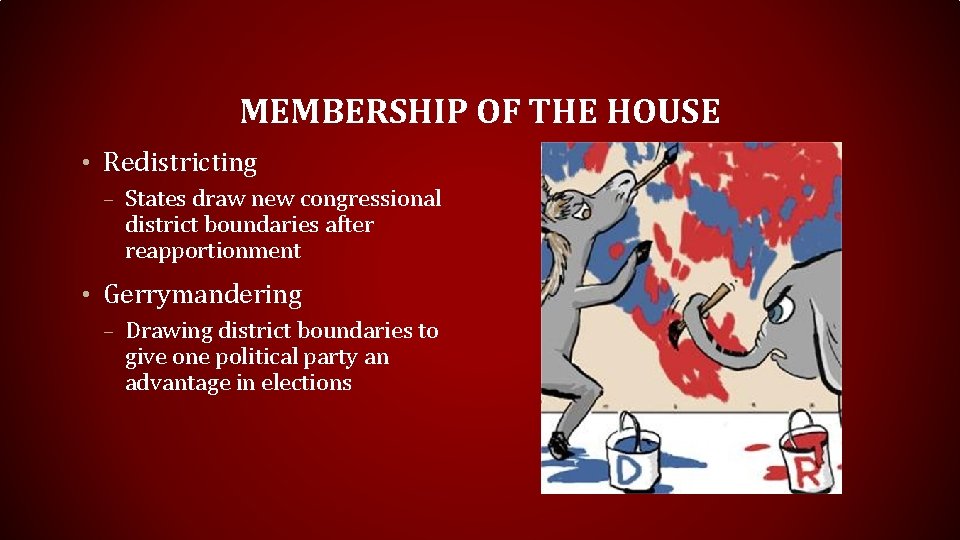
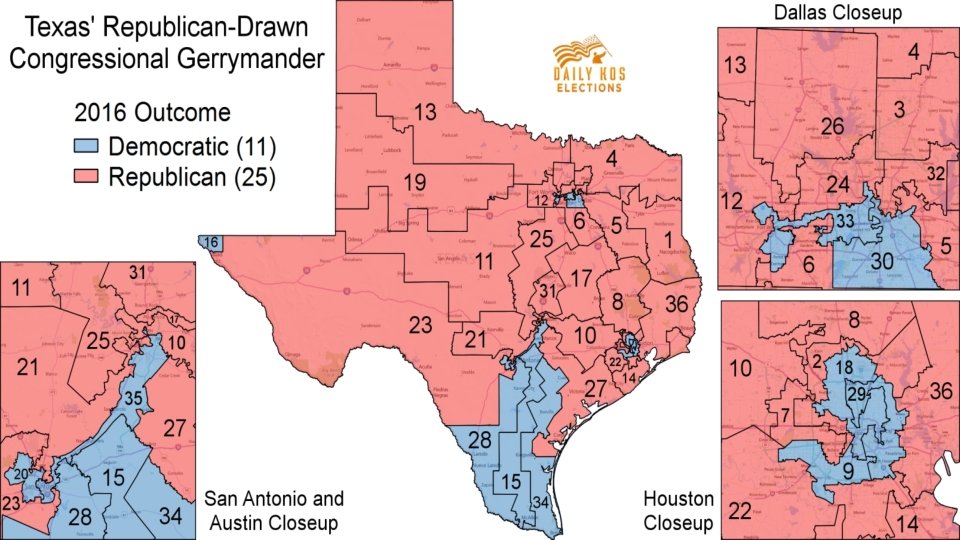
MEMBERSHIP OF THE HOUSE • Redistricting – States draw new congressional district boundaries after reapportionment • Gerrymandering – Drawing district boundaries to give one political party an advantage in elections
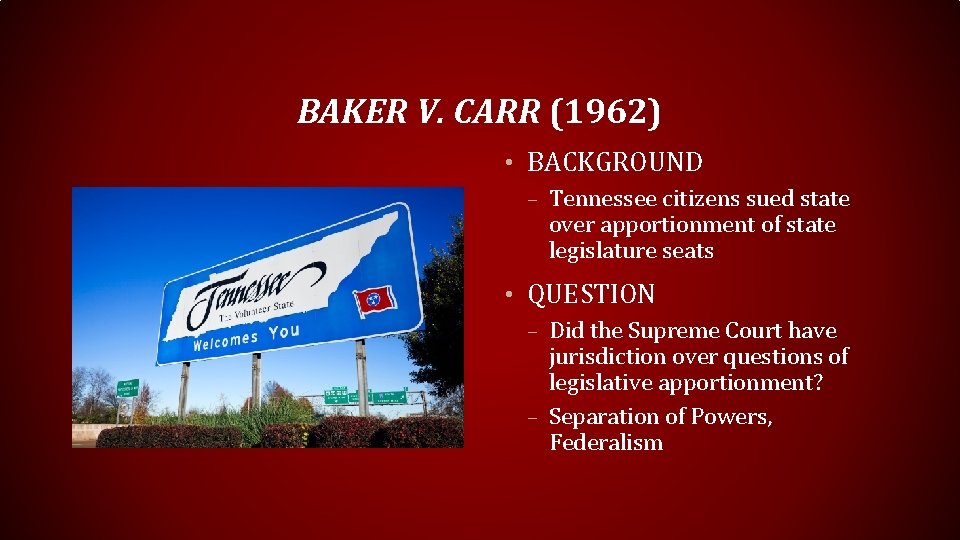
BAKER V. CARR (1962) • BACKGROUND – Tennessee citizens sued state over apportionment of state legislature seats • QUESTION – Did the Supreme Court have jurisdiction over questions of legislative apportionment? – Separation of Powers, Federalism
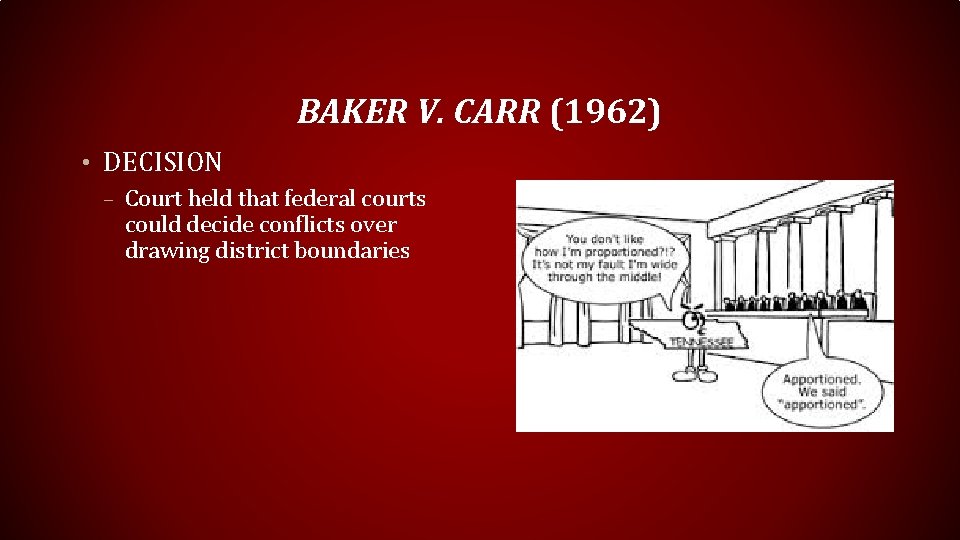
BAKER V. CARR (1962) • DECISION – Court held that federal courts could decide conflicts over drawing district boundaries
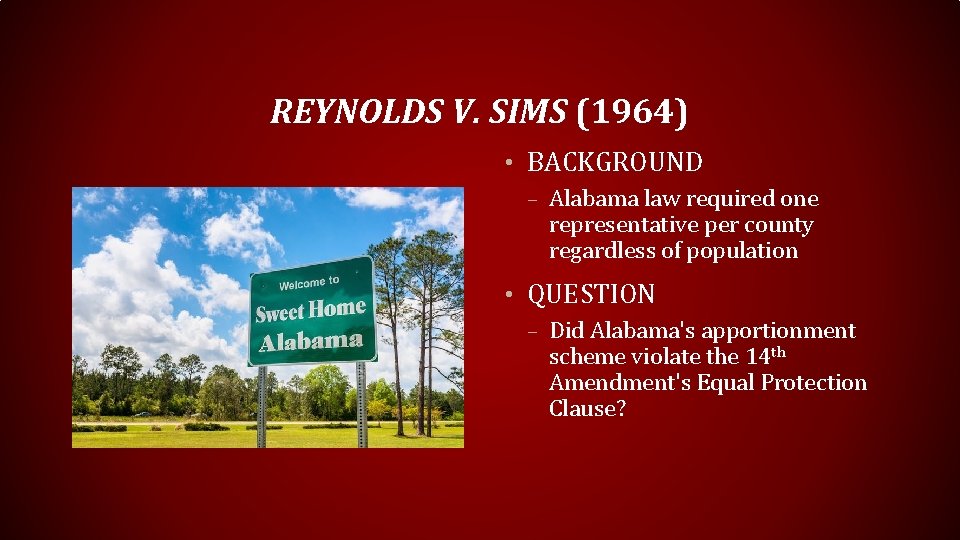
REYNOLDS V. SIMS (1964) • BACKGROUND – Alabama law required one representative per county regardless of population • QUESTION – Did Alabama's apportionment scheme violate the 14 th Amendment's Equal Protection Clause?
REYNOLDS V. SIMS (1964) • DECISION – Court held that equal protection clause of 14 th Amendment required Alabama legislature to be apportioned on a population basis
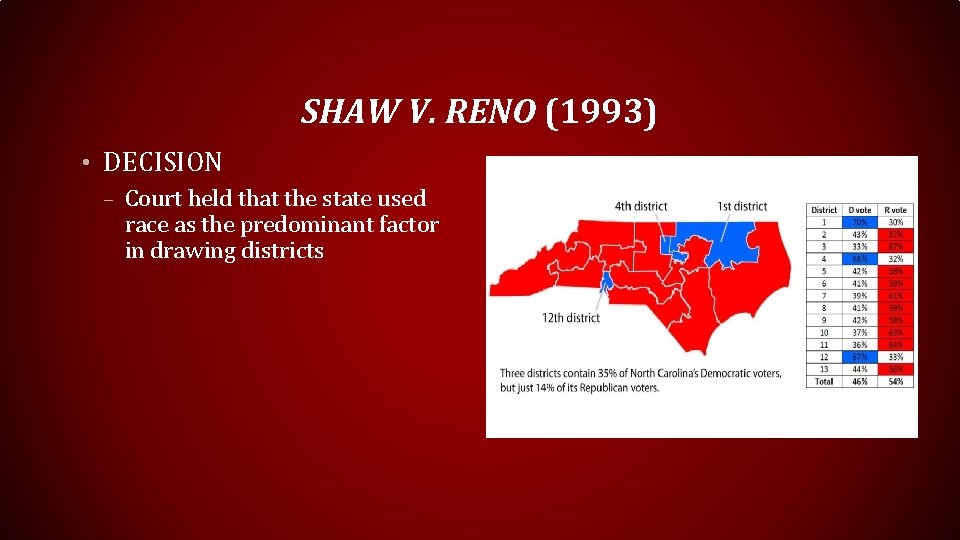
SHAW V. RENO (1993) • BACKGROUND – North Carolina residents claimed district map intentionally prevented the election of black representatives • QUESTION – Did North Carolina’s alleged racial gerrymandering violate equal protection clause of 14 th Amendment?
SHAW V. RENO (1993) • DECISION – Court held that the state used race as the predominant factor in drawing districts
HOUSE LEADERSHIP • Speaker of the House – Presiding officer and most powerful leader – Chosen by the majority party leadership – Entire House membership votes to approve
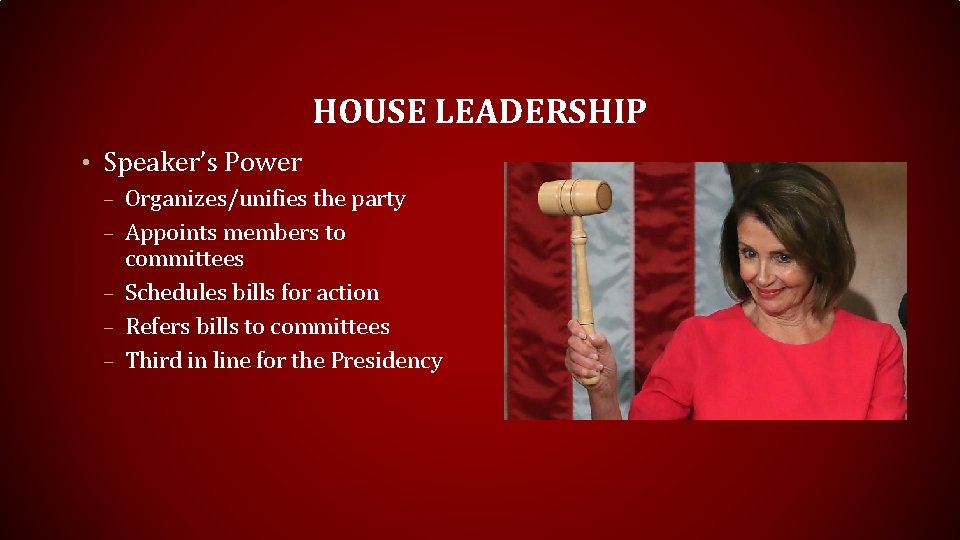
HOUSE LEADERSHIP • Speaker’s Power – Organizes/unifies the party – Appoints members to committees – Schedules bills for action – Refers bills to committees – Third in line for the Presidency
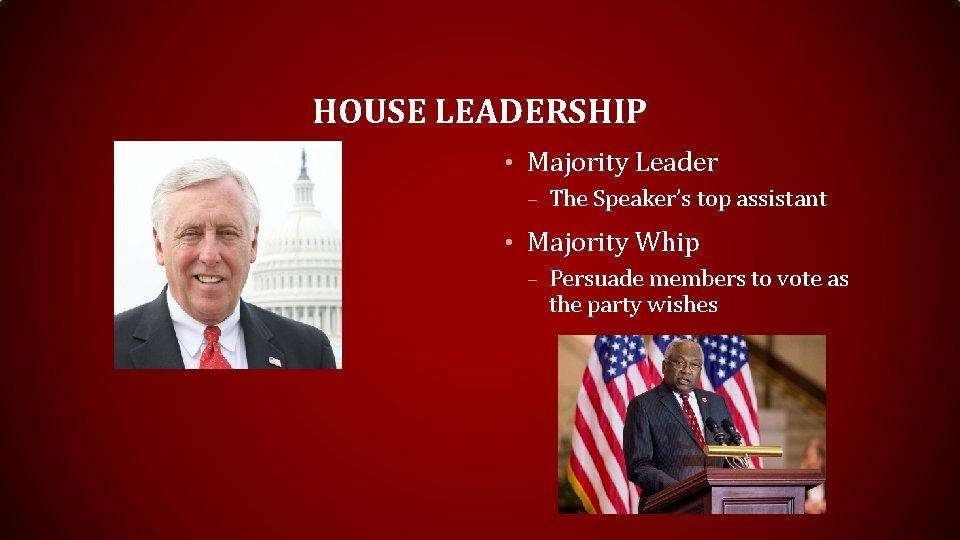
HOUSE LEADERSHIP • Majority Leader – The Speaker’s top assistant • Majority Whip – Persuade members to vote as the party wishes
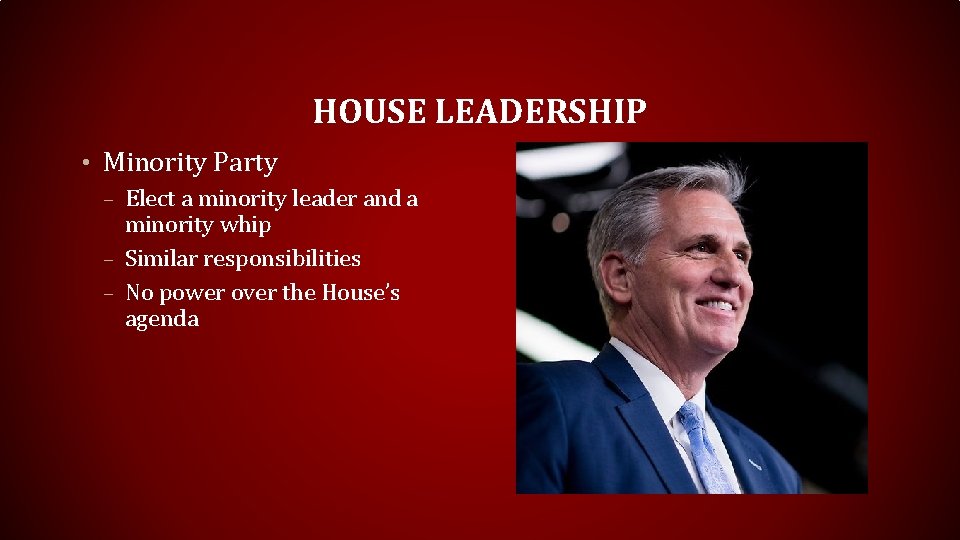
HOUSE LEADERSHIP • Minority Party – Elect a minority leader and a minority whip – Similar responsibilities – No power over the House’s agenda
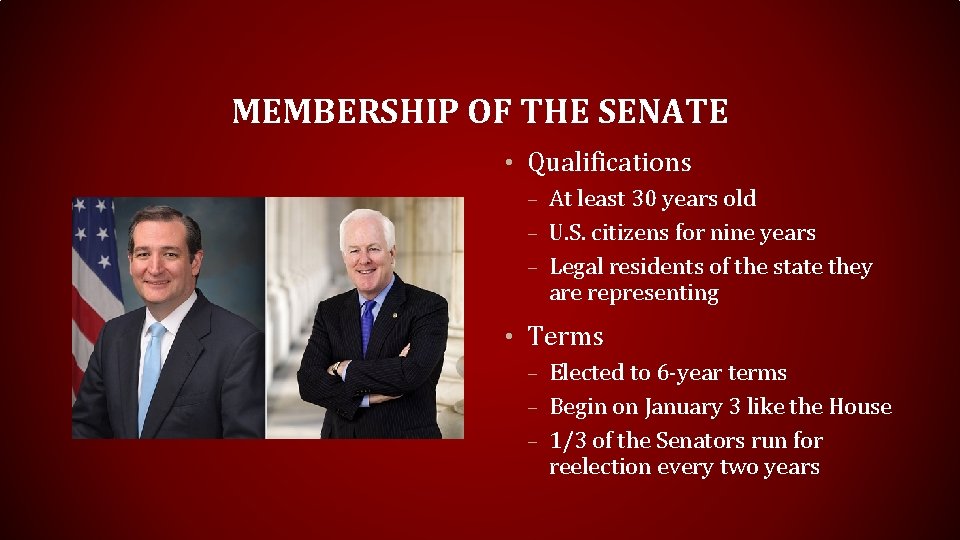
MEMBERSHIP OF THE SENATE • Qualifications – At least 30 years old – U. S. citizens for nine years – Legal residents of the state they are representing • Terms – Elected to 6 -year terms – Begin on January 3 like the House – 1/3 of the Senators run for reelection every two years
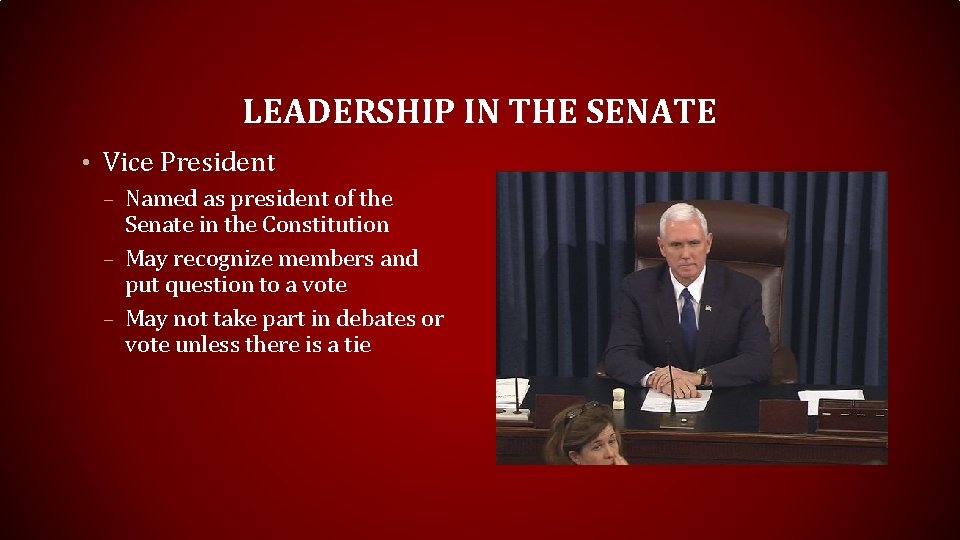
LEADERSHIP IN THE SENATE • Vice President – Named as president of the Senate in the Constitution – May recognize members and put question to a vote – May not take part in debates or vote unless there is a tie
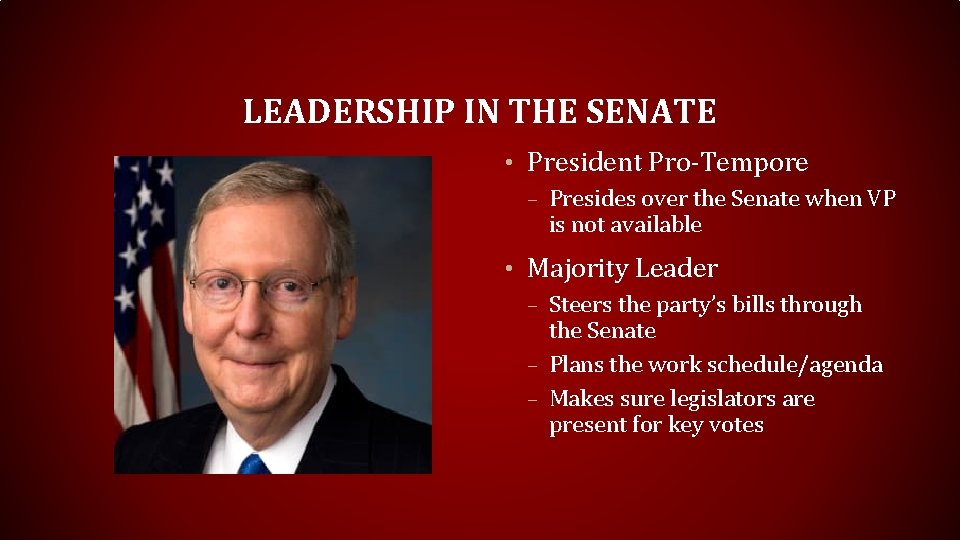
LEADERSHIP IN THE SENATE • President Pro-Tempore – Presides over the Senate when VP is not available • Majority Leader – Steers the party’s bills through the Senate – Plans the work schedule/agenda – Makes sure legislators are present for key votes
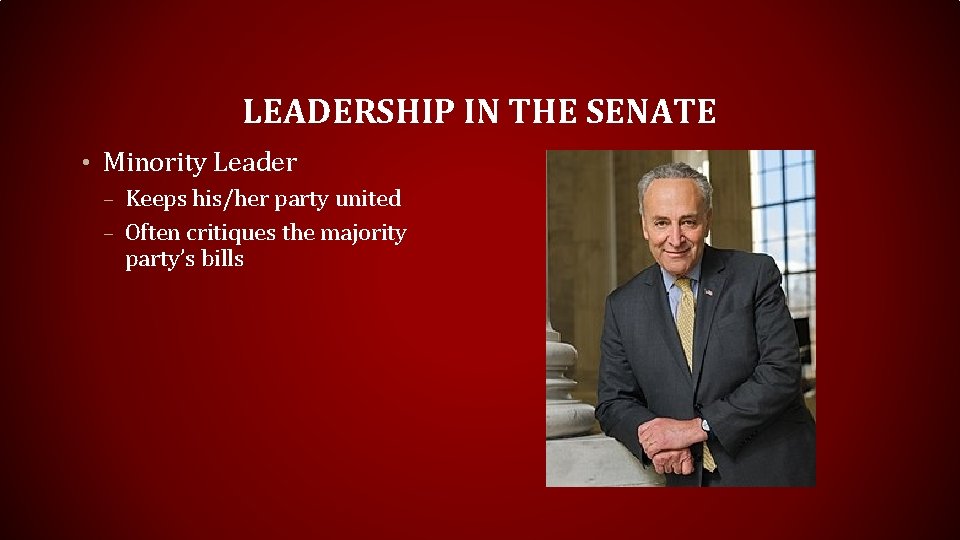
LEADERSHIP IN THE SENATE • Minority Leader – Keeps his/her party united – Often critiques the majority party’s bills