
Structural Adaptations of Organisms Respiration Nutrition Excretion Movement
- Slides: 18
Structural Adaptations of Organisms Respiration, Nutrition, Excretion, & Movement
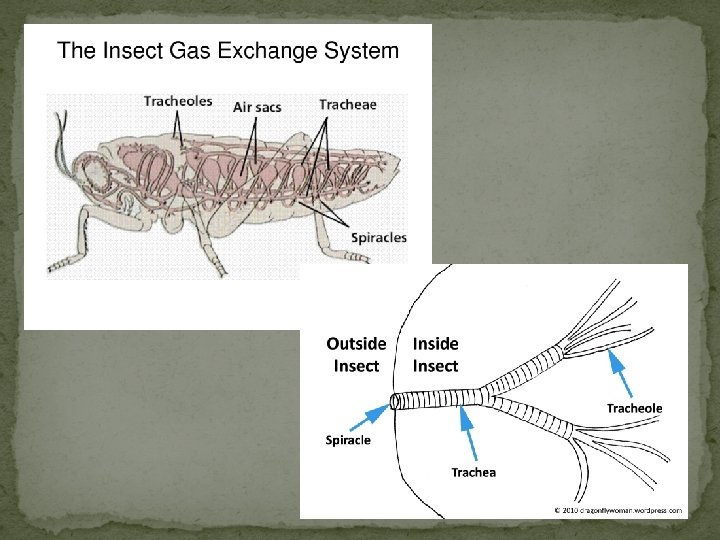
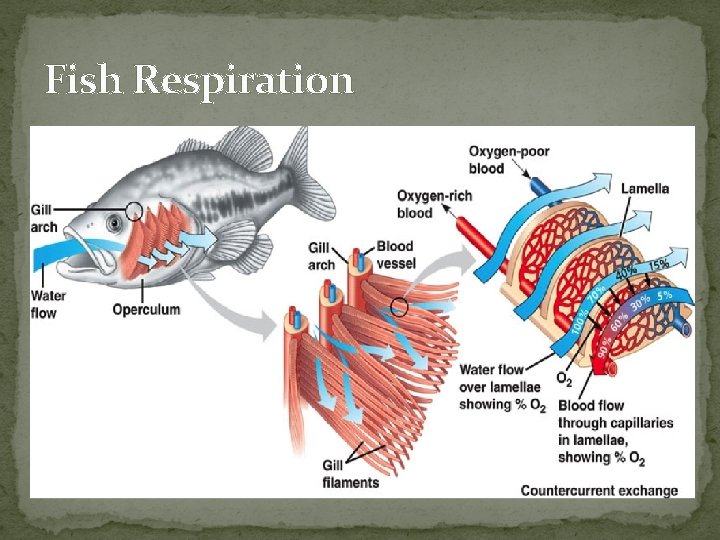
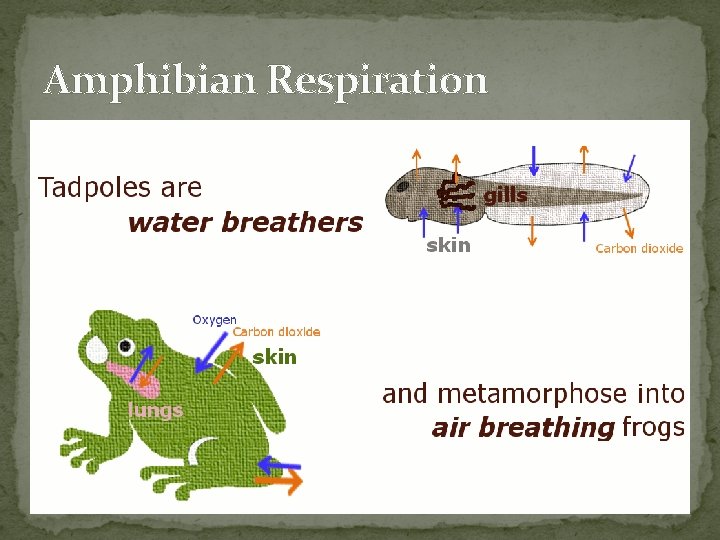
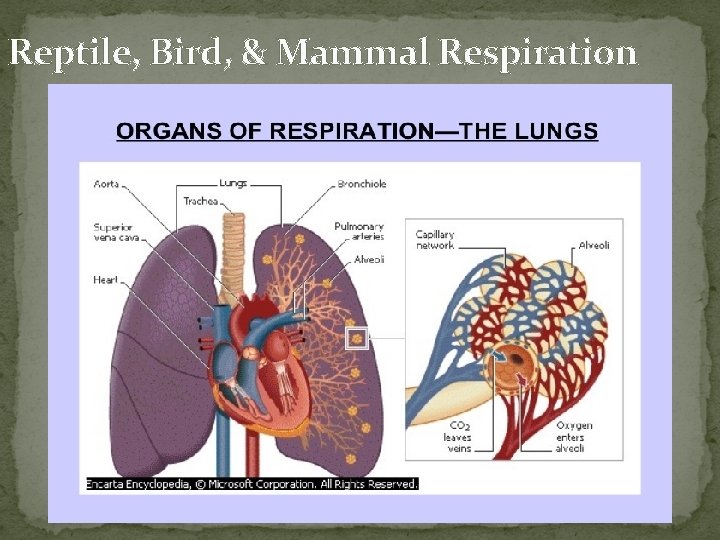
What is Respiration? �The break down of glucose to create ATP energy for cells �Occurs in the mitochondria �Accomplished in various ways: � Ex. �Single-celled organisms(diffusion) �Insects(spiracles & tracheal trunk) �Fish(gills) �Amphibians(gills & lungs) �Reptiles, birds, mammals(lungs)
Fish Respiration
Amphibian Respiration
Reptile, Bird, & Mammal Respiration
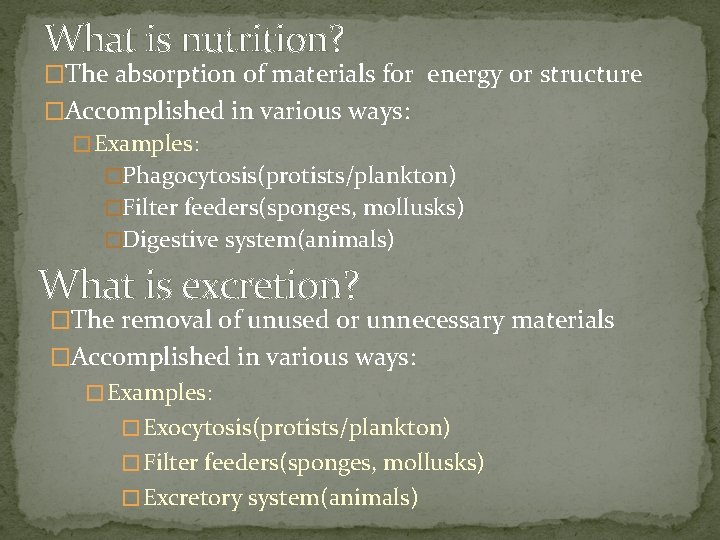
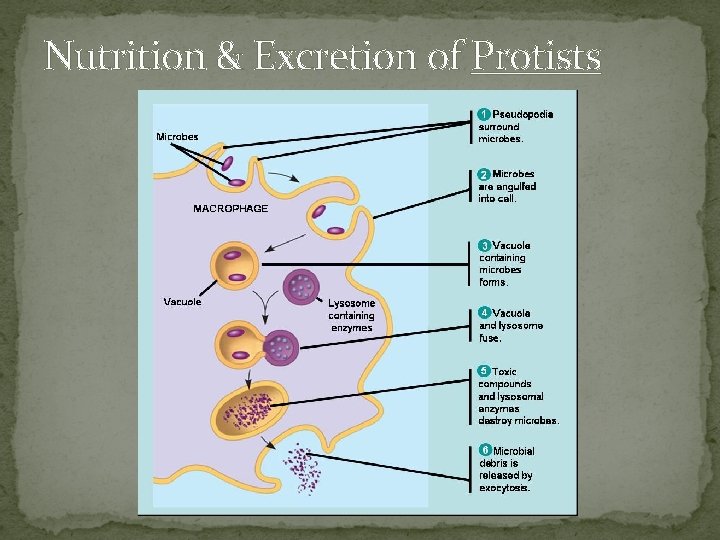
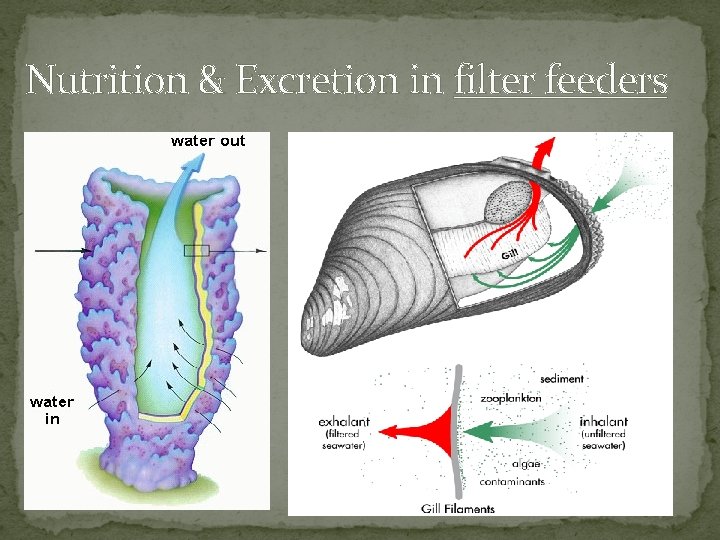
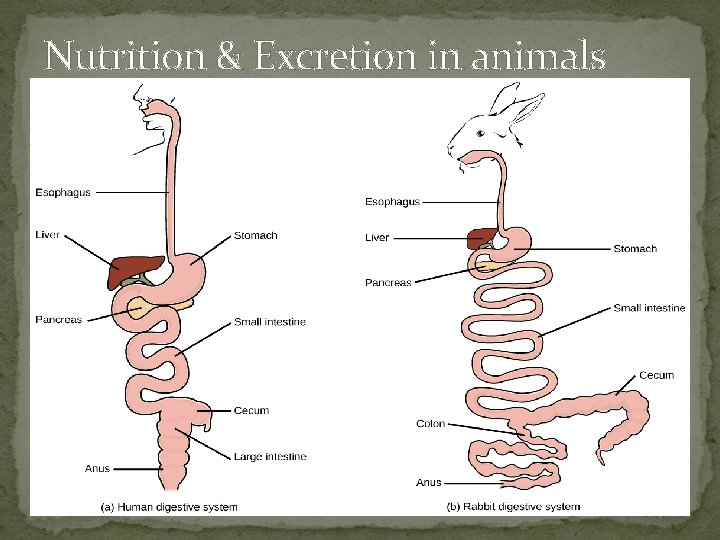
What is nutrition? �The absorption of materials for energy or structure �Accomplished in various ways: � Examples: �Phagocytosis(protists/plankton) �Filter feeders(sponges, mollusks) �Digestive system(animals) What is excretion? �The removal of unused or unnecessary materials �Accomplished in various ways: � Examples: � Exocytosis(protists/plankton) � Filter feeders(sponges, mollusks) � Excretory system(animals)
Nutrition & Excretion of Protists
Nutrition & Excretion in filter feeders
Nutrition & Excretion in animals
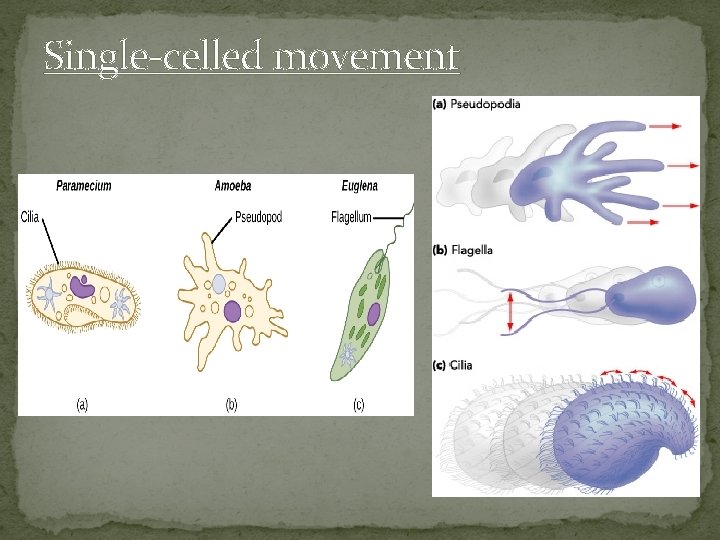
How do organisms move? �Structure matches environmental needs � Examples: �Cilia/flagella/Pseudopods(single-celled organisms) �Fins(fish, aquatic mammals) �Feathers/hollow bones(birds) �Tetrapods(amphibians, reptiles, mammals)
Single-celled movement
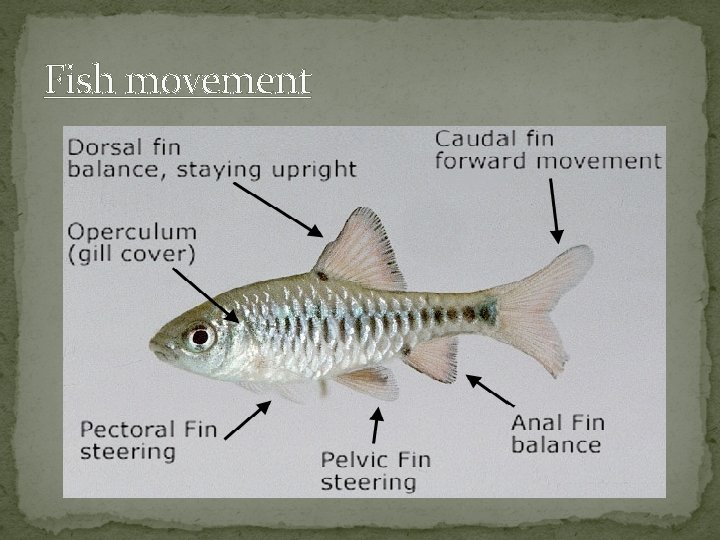
Fish movement
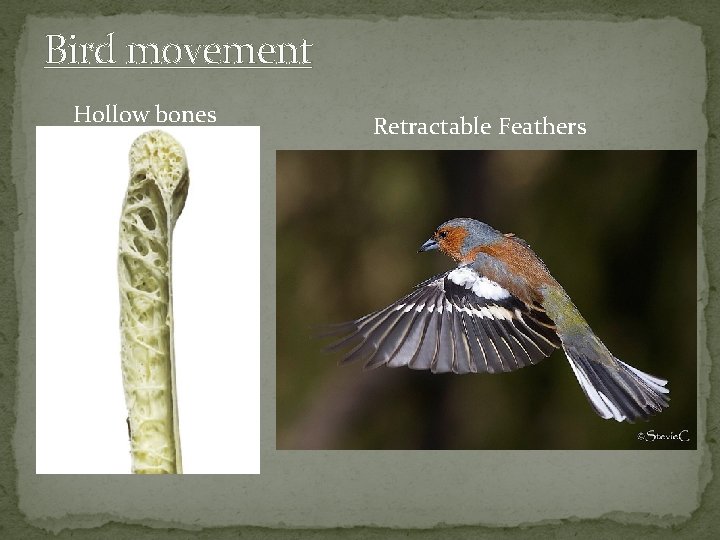
Bird movement Hollow bones Retractable Feathers
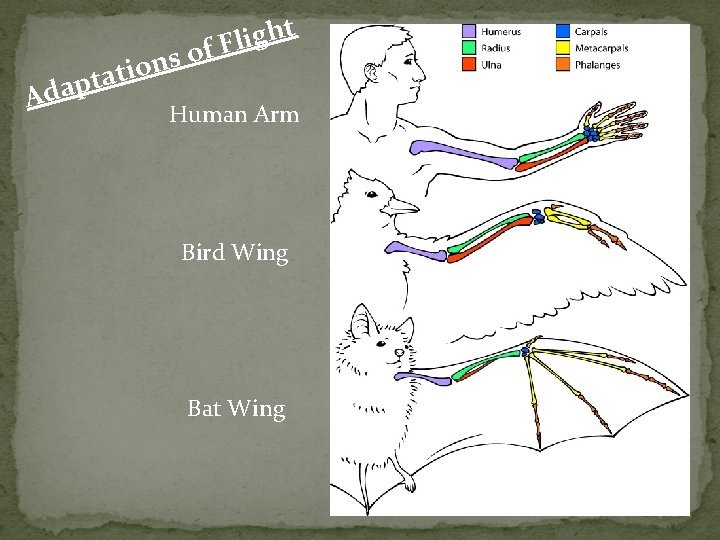
Adap s n o i tat t h g i l of F Human Arm Bird Wing Bat Wing
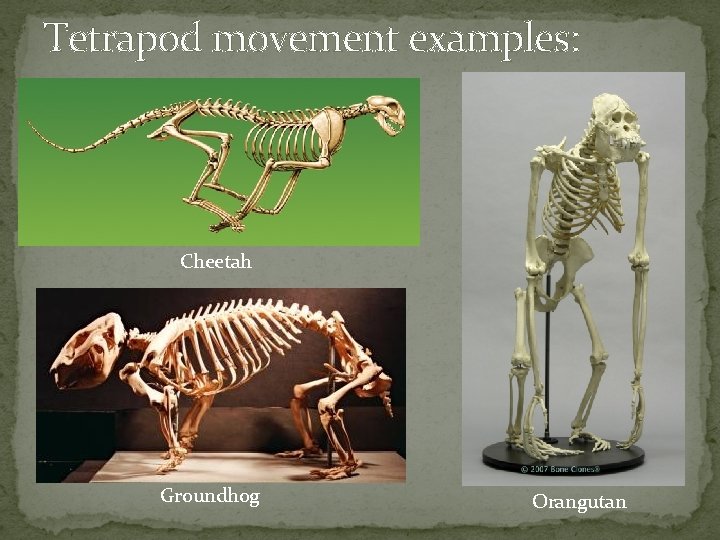
Tetrapod movement examples: Cheetah Groundhog Orangutan
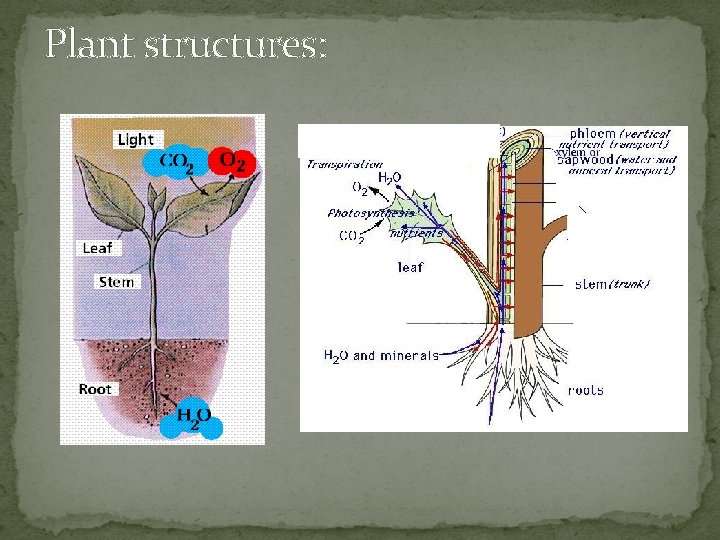
What about Plants? �Structures: � 1) Leaves �Carry out photosynthesis(make sugar) �Release oxygen and absorb carbon dioxide �Release excess water(stomata) � 2) Roots �Absorb nutrients(nitrates, phosphates) and water �Anchor the plant � 3) Stems �Support branches and leaves �Transports materials Xylem- carries water up Phloem- moves nutrients up and down
Plant structures: