
Stress Management Angela Roche adapted from a presentation
- Slides: 22
Stress Management Angela Roche adapted from a presentation by Dr. M. Nasar Sayeed Khan Head department of psychiatry, services Institute of Medical Sciences & Services
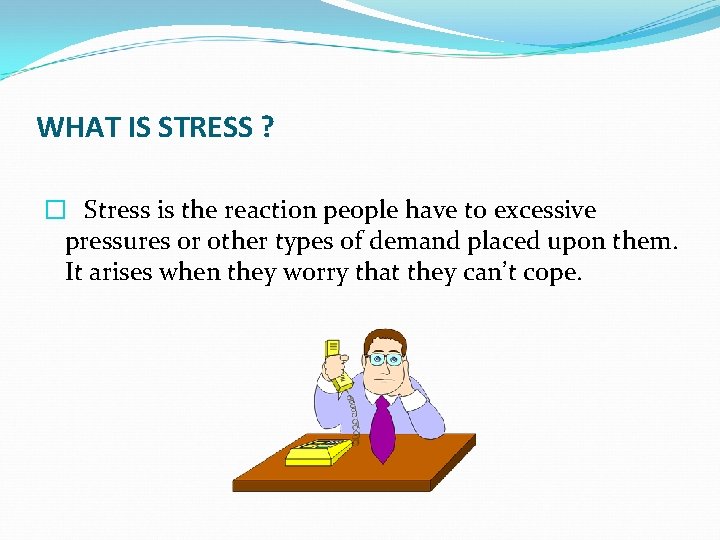
WHAT IS STRESS ? � Stress is the reaction people have to excessive pressures or other types of demand placed upon them. It arises when they worry that they can’t cope.
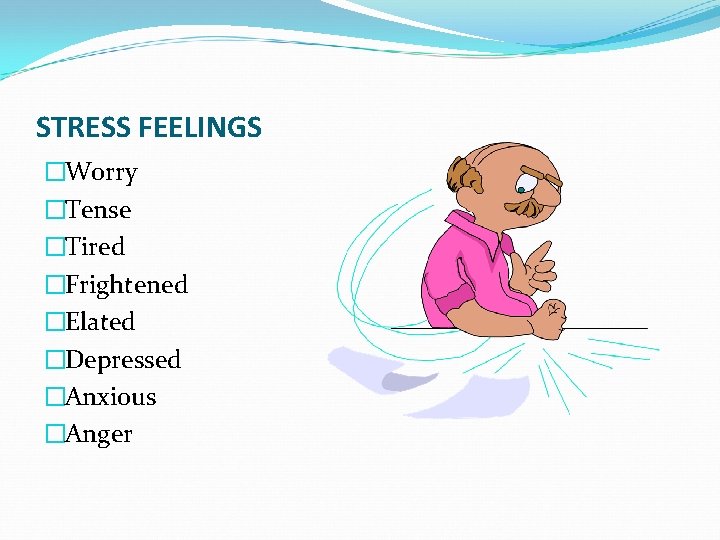
STRESS FEELINGS �Worry �Tense �Tired �Frightened �Elated �Depressed �Anxious �Anger
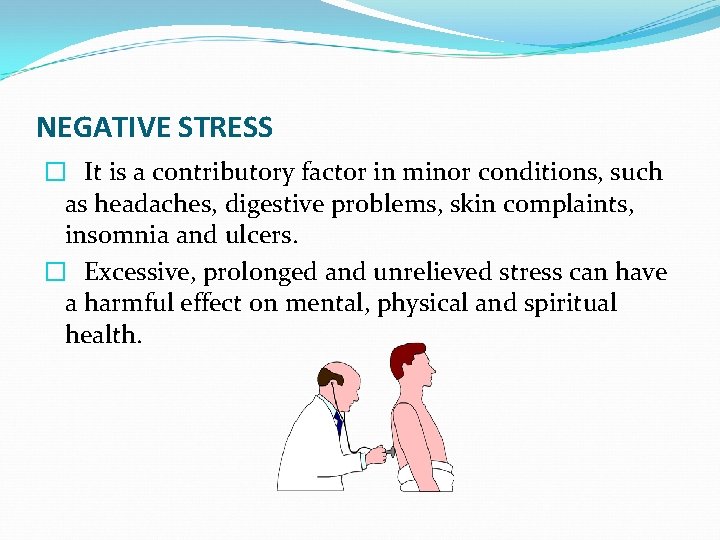
NEGATIVE STRESS � It is a contributory factor in minor conditions, such as headaches, digestive problems, skin complaints, insomnia and ulcers. � Excessive, prolonged and unrelieved stress can have a harmful effect on mental, physical and spiritual health.
POSITIVE STRESS � Stress can also have a positive effect, spurring motivation and awareness, providing the stimulation to cope with challenging situations. � Stress also provides the sense of urgency and alertness needed for survival when confronting threatening situations.
The Stress Response
Endocrine System �Stress response controlled by the Endocrine System. �Demands on the physical or mental systems of the body result in hormone secretion (Adrenaline, testosterone)
ENDOCRINE SYSTEM RESPONSES �Increased pupil dilatation �Perspiration �Increased heart rate and blood pressure �Rapid breathing �Muscle tenseness �Increased mental alertness
ALARM RESPONSE This is the “ Fight or Flight” response that prepares the body for immediate action.
ADAPTATION PHASE � If the source persists, the body prepares for longterm protection, secreting hormones to increase blood sugar levels. �This phase is common and not necessarily harmful, but must include periods of relaxation and rest to counterbalance the stress response. �Fatigue, concentration lapses, irritability and lethargy result as the stress turns negative.
EXHAUSTION � In chronic stress situations, sufferers enter the exhaustion phase: emotional, physical and mental resources suffer heavily, the body experiences ‘ adrenal exhaustion’ leading to decreased stress tolerance, progressive mental and physical exhaustion, illness and collapse.
PHYSICAL SYMPTOMS Sleep pattern changes Fatigue Digestion changes Loss of sexual drive Headaches Aches and pains Infections Indigestion Dizziness Fainting Sweating & trembling Tingling hands & feet Breathlessness Palpitations
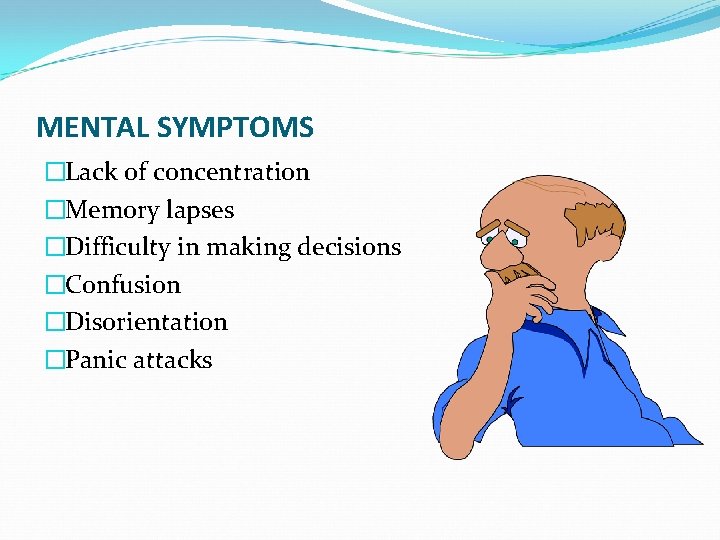
MENTAL SYMPTOMS �Lack of concentration �Memory lapses �Difficulty in making decisions �Confusion �Disorientation �Panic attacks
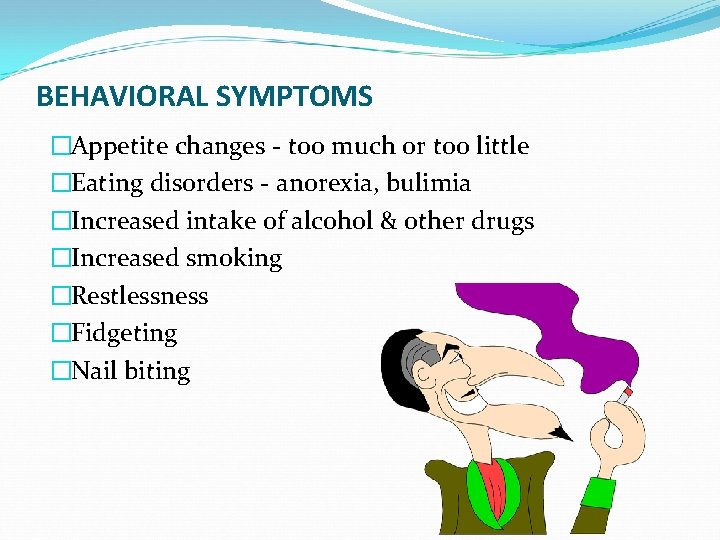
BEHAVIORAL SYMPTOMS �Appetite changes - too much or too little �Eating disorders - anorexia, bulimia �Increased intake of alcohol & other drugs �Increased smoking �Restlessness �Fidgeting �Nail biting
EMOTIONAL SYMPTOMS �Bouts of depression �Impatience �Fits of rage �Tearfulness �Deterioration of personal hygiene and appearance
STRESS RELATED ILLNESSES � Stress is not the same as ill-health, but has been related to such illnesses as; �Cardiovascular disease �Immune system disease �Asthma �Diabetes
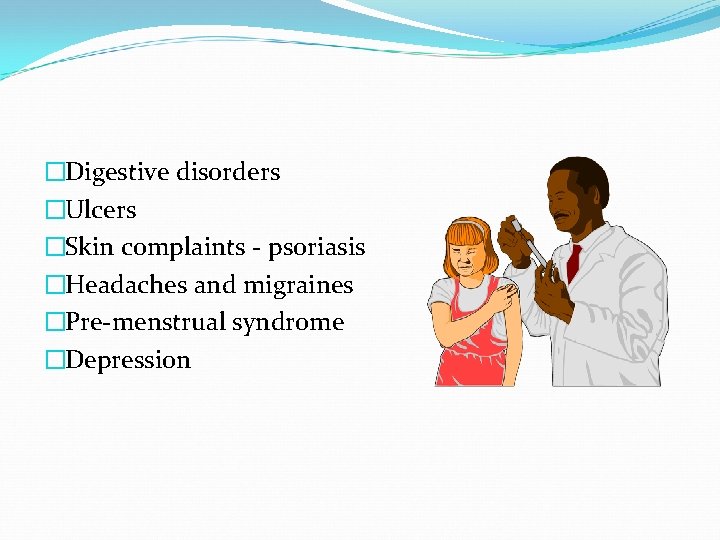
�Digestive disorders �Ulcers �Skin complaints - psoriasis �Headaches and migraines �Pre-menstrual syndrome �Depression
MANAGE STRESS! RECOGNIZE THE PROBLEM � The most important point is to recognize the source of the negative stress. � This is not an admission of weakness or inability to cope! It is a way to identify the problem and plan measures to overcome it.
Stress Management Techniques �Change your thinking �Change your behavior �Change your lifestyle
Positive Thinking �Focus on your strengths �Learn from the stress you are under �Look for opportunities �Seek out the positive - make a change.
Time Management �Make a list � What MUST be done � What SHOULD be done � What would you LIKE to do �Cut out time wasting �Learn to drop unimportant activities �Say no or delegate
Change Your Lifestyle �Take a bath �Exercise �Sleep �Meditation �Massage �Yoga �Counseling �“Venting”