
Stress Management A Life Skills Workshop Presented by

Stress Management A Life Skills Workshop Presented by Dr. Lowell G. Roddy, LMFT Assistant Director, Counseling & Testing Center Austin Peay State University 1
Learning Objectives Learn the characteristics of stress n Learn some common stressors n Using a stress inventory, learn your level of stress n Learn ten ways to reduce your stress level n Practice a stress reduction exercise n 2
What is Stress ? Pressure perceived to be from the outside that can make you feel tense inside. n The rate of wear & tear on the body. n The nonspecific response of the body to any demand made upon it. n It’s the way your mind and body react to any new, threatening or exciting situation. n “It’s what you feel when there’s just too darned much going on!” n 3
What stresses you the most? ( A whiteboard exercise ) 4
How Stressed Are You? 5
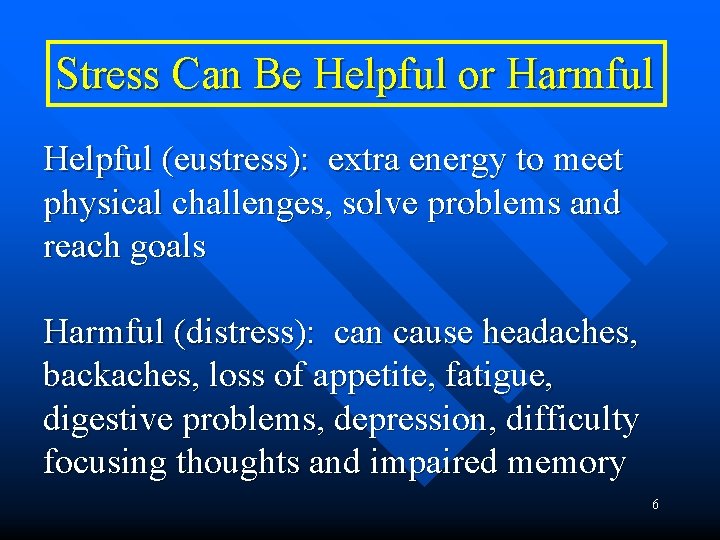
Stress Can Be Helpful or Harmful Helpful (eustress): extra energy to meet physical challenges, solve problems and reach goals Harmful (distress): can cause headaches, backaches, loss of appetite, fatigue, digestive problems, depression, difficulty focusing thoughts and impaired memory 6
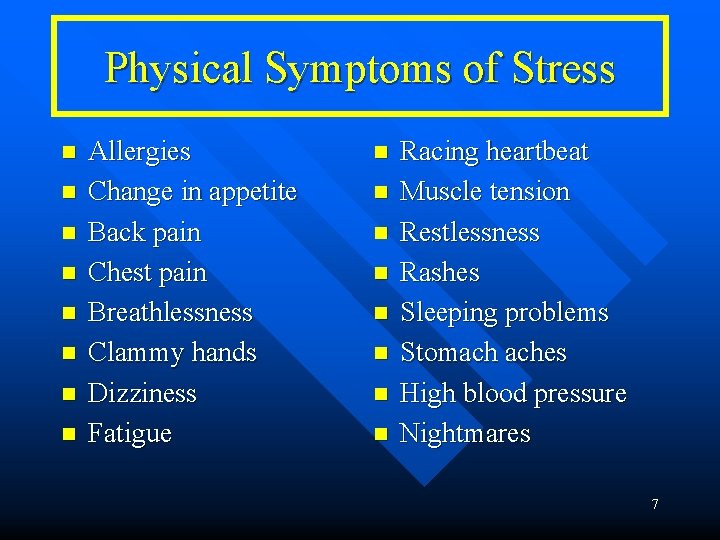
Physical Symptoms of Stress n n n n Allergies Change in appetite Back pain Chest pain Breathlessness Clammy hands Dizziness Fatigue n n n n Racing heartbeat Muscle tension Restlessness Rashes Sleeping problems Stomach aches High blood pressure Nightmares 7
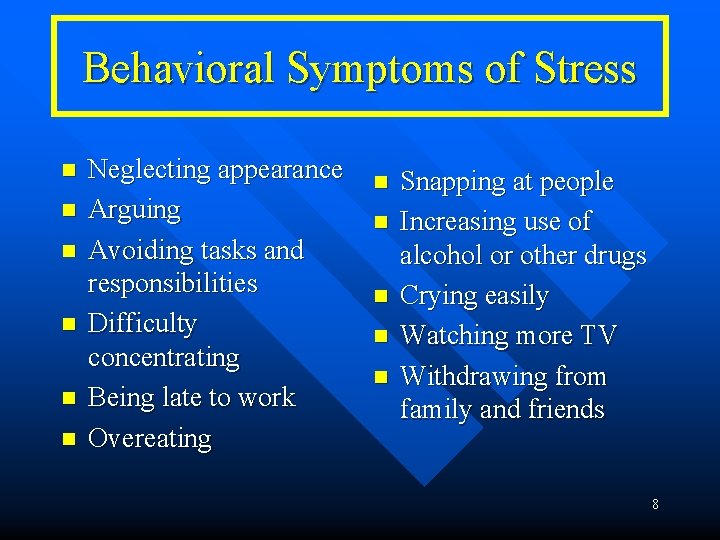
Behavioral Symptoms of Stress n n n Neglecting appearance Arguing Avoiding tasks and responsibilities Difficulty concentrating Being late to work Overeating n n n Snapping at people Increasing use of alcohol or other drugs Crying easily Watching more TV Withdrawing from family and friends 8
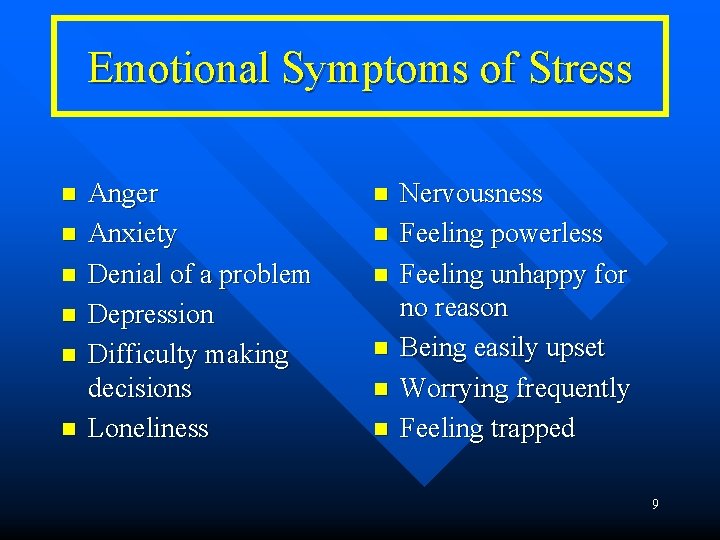
Emotional Symptoms of Stress n n n Anger Anxiety Denial of a problem Depression Difficulty making decisions Loneliness n n n Nervousness Feeling powerless Feeling unhappy for no reason Being easily upset Worrying frequently Feeling trapped 9
Events do not cause stress. Stress is caused by our beliefs about the events. 10
How can I manage my stress? 11

NO!!! 12
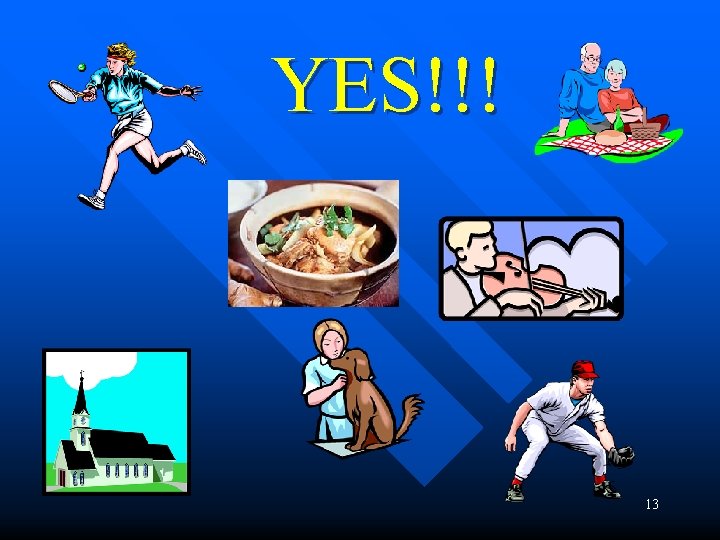
YES!!! 13
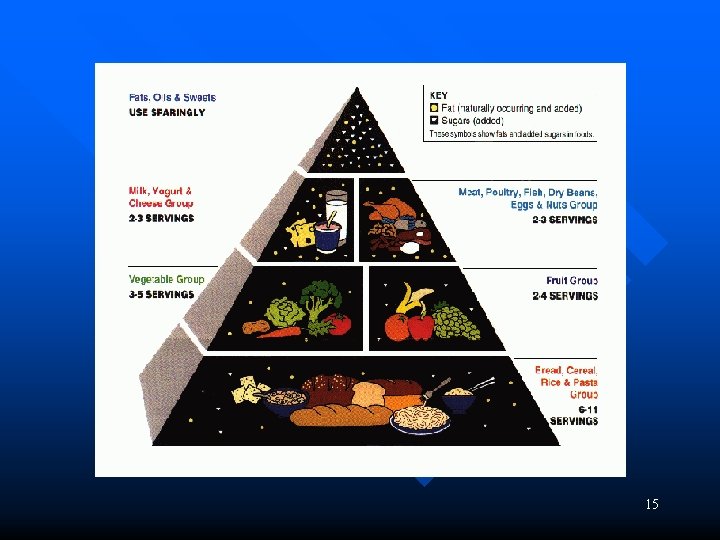
Good personal habits are essential for stress management. Eat right – balanced, nutritious diet, with something from all 5 food groups. Minimize sugar, fats, caffeine and alcohol. n Exercise regularly – 30 minutes or more of moderate physical activity 3 -5 days a week. n An active mind benefits from an active body. Get enough sleep – 6 -9 hours per night. n Take time to relax. n 14
15
Progressive Relaxation A Stress Reduction Exercise 16
Questions? For more in-depth study, enroll in HHP 4300, Introduction to Stress Management 17
Stress Management A Life Skills Workshop Presented by Dr. Lowell G. Roddy, LMFT Assistant Director, Counseling & Testing Center Austin Peay State University 18
- Slides: 18