
Stress in ATC Nicosia Area Control Center E


- Slides: 24
Stress in ATC Nicosia Area Control Center E. Symeonides Air Traffic Control Officer Safety Assessment Specialist Apr 2017
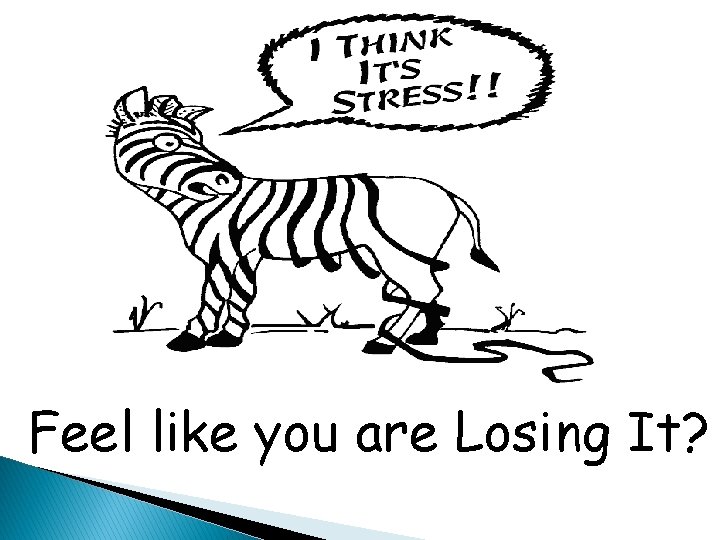
Feel like you are Losing It?
Stress / Stressor Definition � Stress A state of physical, mental or emotional strain (tension) due to some external or internal stimulus. � Stressor Any activity, event or other stimulus that causes stress.
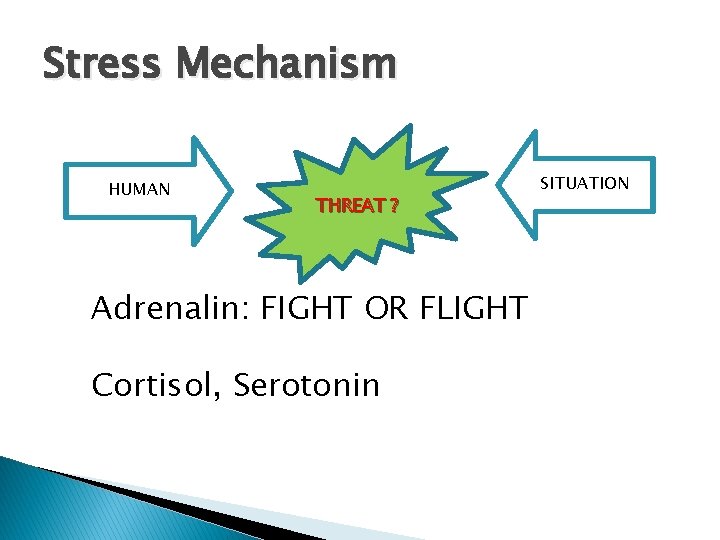
Stress Mechanism HUMAN THREAT ? Adrenalin: FIGHT OR FLIGHT Cortisol, Serotonin SITUATION
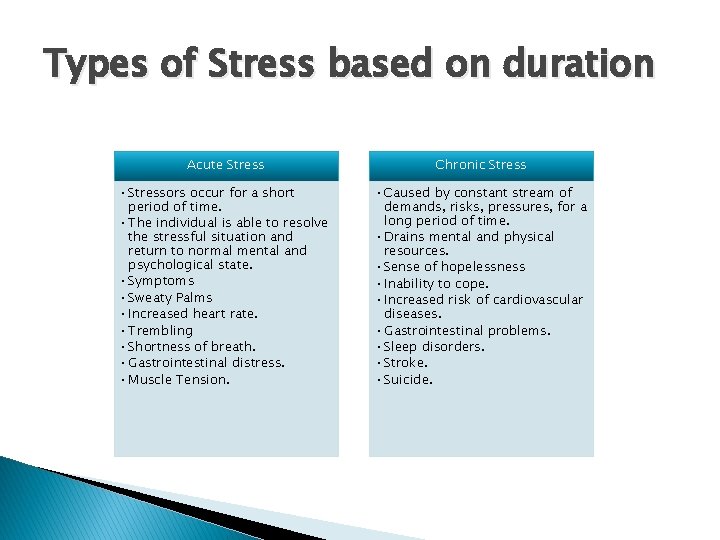
Types of Stress based on duration Acute Stress Chronic Stress • Stressors occur for a short period of time. • The individual is able to resolve the stressful situation and return to normal mental and psychological state. • Symptoms • Sweaty Palms • Increased heart rate. • Trembling • Shortness of breath. • Gastrointestinal distress. • Muscle Tension. • Caused by constant stream of demands, risks, pressures, for a long period of time. • Drains mental and physical resources. • Sense of hopelessness • Inability to cope. • Increased risk of cardiovascular diseases. • Gastrointestinal problems. • Sleep disorders. • Stroke. • Suicide.
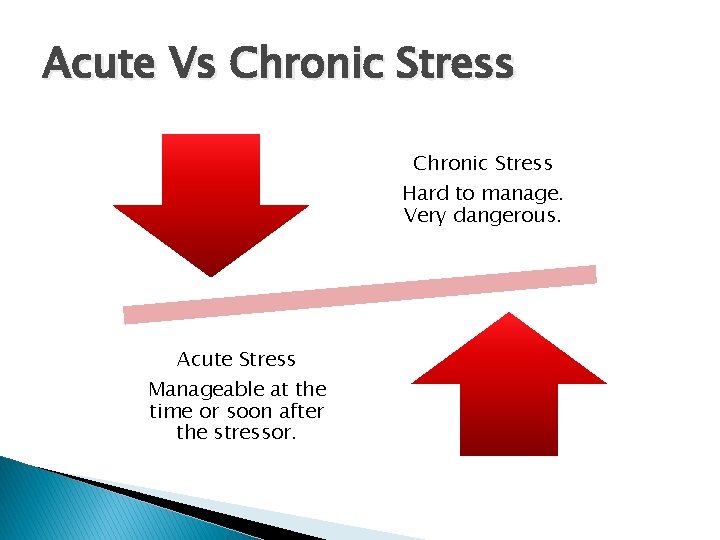
Acute Vs Chronic Stress Hard to manage. Very dangerous. Acute Stress Manageable at the time or soon after the stressor.
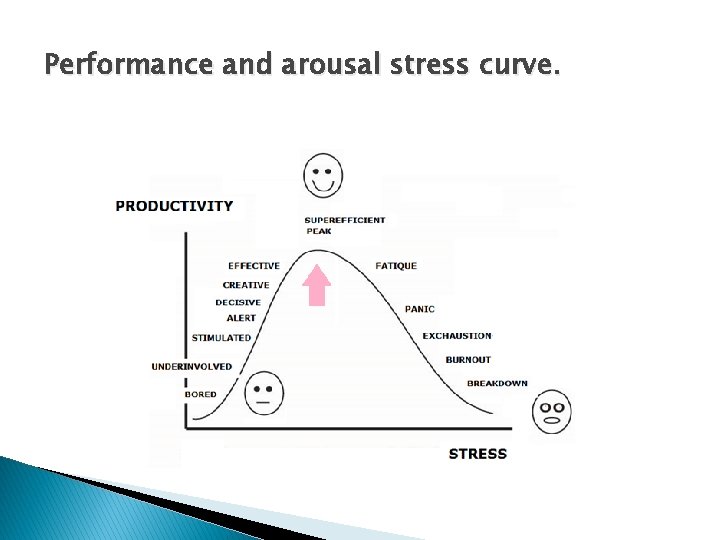
Performance and arousal stress curve.
Types of stress based on performance � Eustress (positive stress) motivates a person to cope with stressors and � Distress (negative stress) occurs when stimulation is excessive and � Anxiety stress related to an unforeseen or imagined threat. It is caused � Remembered Stress is triggered by an event that reminds an individual allows a person to perform effectively and may even increase performance. Eustress generally occurs when an individual perceives that he or she has the ability to effectively cope with a stressor. causes fear of the situation, panic, anxiety or agitation. Distress usually results in poorer performance. by the anticipation or perception that something dangerous, unpleasant or harmful may be about to occur, and the individual is fearful that he or she will not be able to cope with the event. of a past experience that caused extreme stress or harm. The actual stress-causing agent may not be present, but the memory still causes the body to arouse the nervous system, and the stress related to the effects of the unpleasant episode are experienced again.
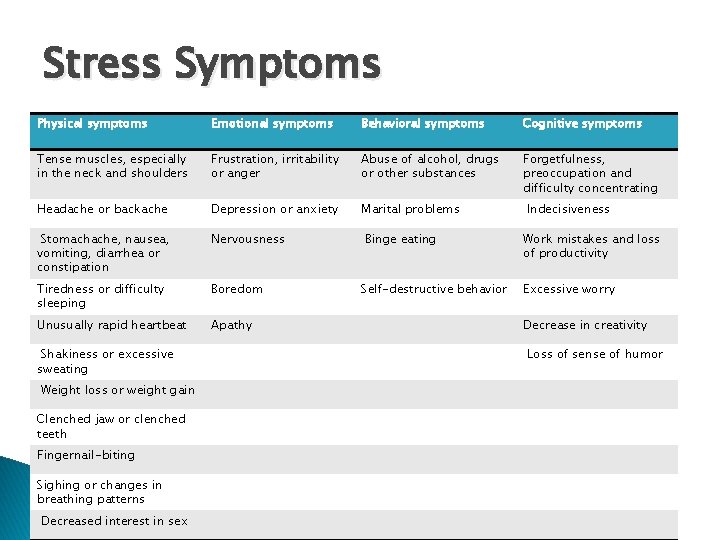
Stress Symptoms Physical symptoms Emotional symptoms Behavioral symptoms Cognitive symptoms Tense muscles, especially in the neck and shoulders Frustration, irritability or anger Abuse of alcohol, drugs or other substances Forgetfulness, preoccupation and difficulty concentrating Headache or backache Depression or anxiety Marital problems Indecisiveness Stomachache, nausea, vomiting, diarrhea or constipation Nervousness Binge eating Work mistakes and loss of productivity Tiredness or difficulty sleeping Boredom Self-destructive behavior Excessive worry Unusually rapid heartbeat Apathy Shakiness or excessive sweating Weight loss or weight gain Clenched jaw or clenched teeth Fingernail-biting Sighing or changes in breathing patterns Decreased interest in sex Decrease in creativity Loss of sense of humor
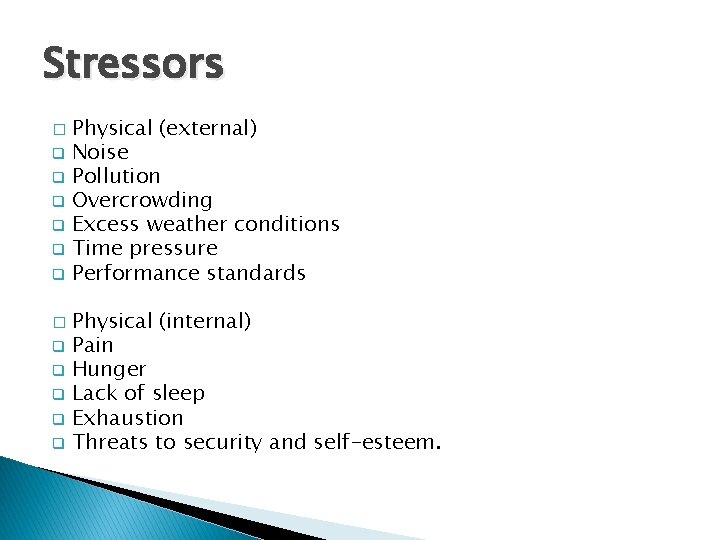
Stressors � q q q Physical (external) Noise Pollution Overcrowding Excess weather conditions Time pressure Performance standards Physical (internal) Pain Hunger Lack of sleep Exhaustion Threats to security and self-esteem.
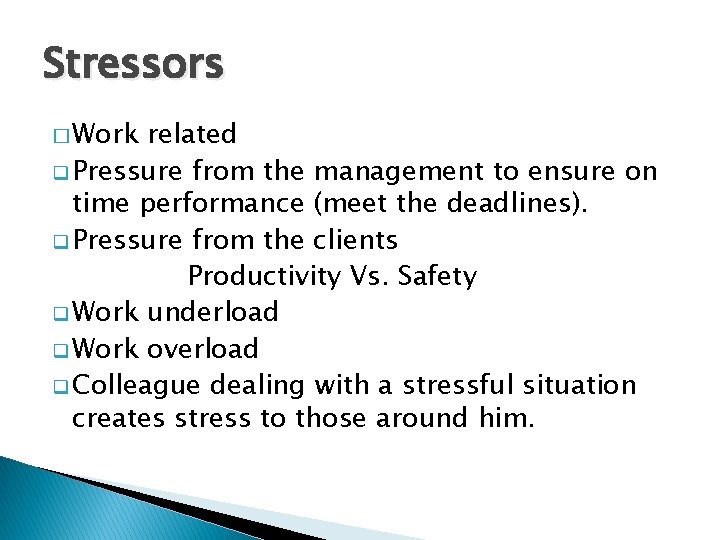
Stressors � Work related q Pressure from the management to ensure on time performance (meet the deadlines). q Pressure from the clients Productivity Vs. Safety q Work underload q Work overload q Colleague dealing with a stressful situation creates stress to those around him.
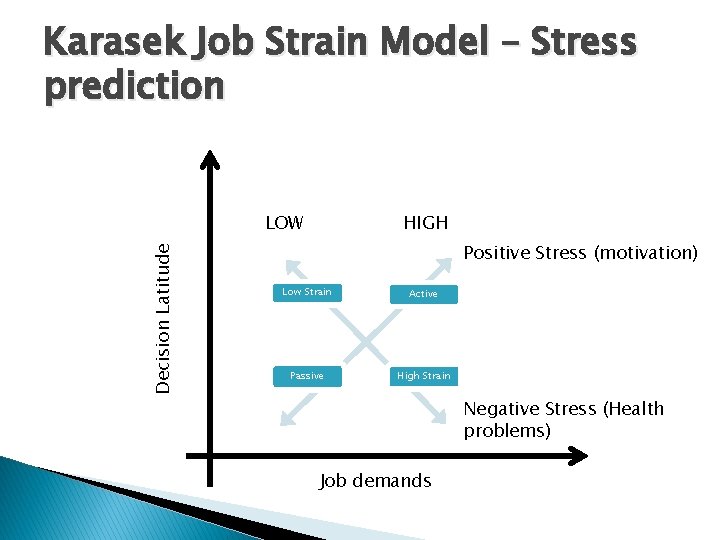
Karasek Job Strain Model – Stress prediction Decision Latitude LOW HIGH Positive Stress (motivation) Low Strain Active Passive High Strain Negative Stress (Health problems) Job demands
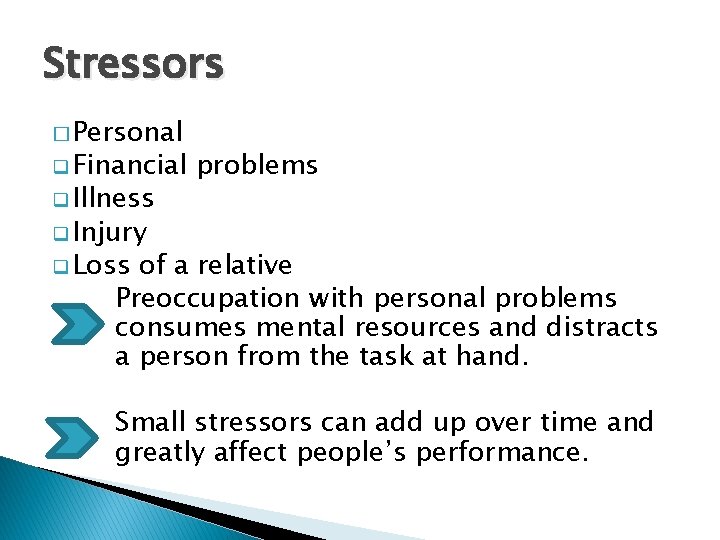
Stressors � Personal q Financial q Illness problems q Injury q Loss of a relative Preoccupation with personal problems consumes mental resources and distracts a person from the task at hand. Small stressors can add up over time and greatly affect people’s performance.
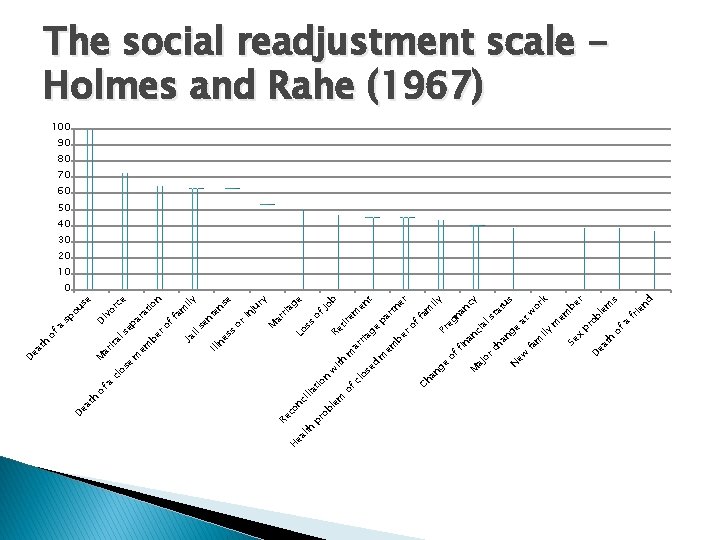
of a M of a se ou sp D ar iv or i t cl a ce ls os ep e m ar em at io be n r of fa m ily Ja il se nt Ill en ne se ss or in ju ry M ar Re ria c H ge on ea L os ci lth lia s of tio pr ob n Jo w b le Re ith m tir of m em ar cl en ria os t ed ge m pa em rt ne be r r of fa Ch m an ily ge Pr eg of na fin nc a nc M y aj ia or ls ch ta tu an s ge N ew at w fa or m k ily m em Se be x r pr ob D ea le m th s of a fr ie nd th ea D The social readjustment scale Holmes and Rahe (1967) 100 90 80 70 60 50 40 30 20 10 0
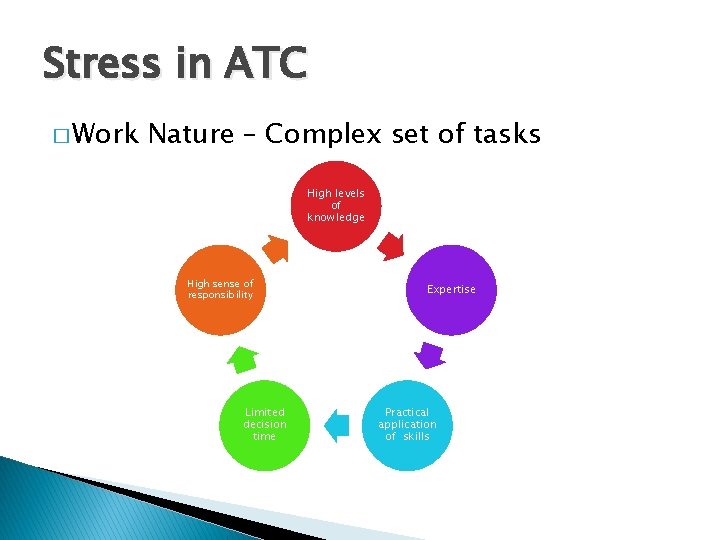
Stress in ATC � Work Nature – Complex set of tasks High levels of knowledge High sense of responsibility Limited decision time Expertise Practical application of skills
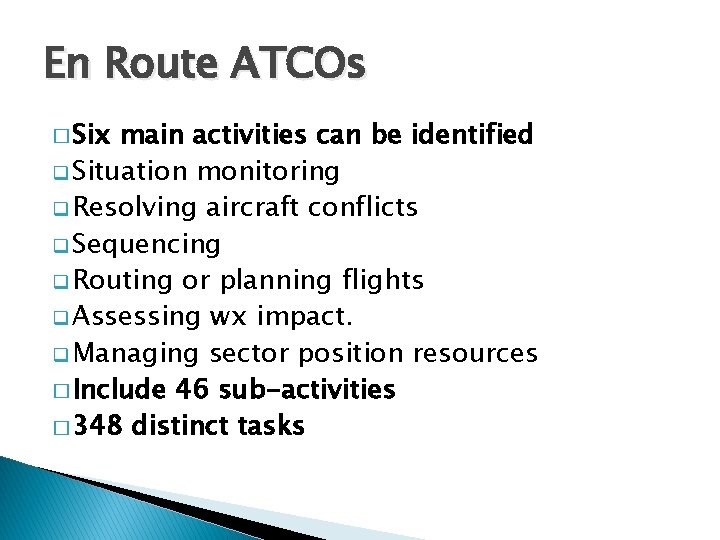
En Route ATCOs � Six main activities can be identified q Situation monitoring q Resolving aircraft conflicts q Sequencing q Routing or planning flights q Assessing wx impact. q Managing sector position resources � Include 46 sub-activities � 348 distinct tasks
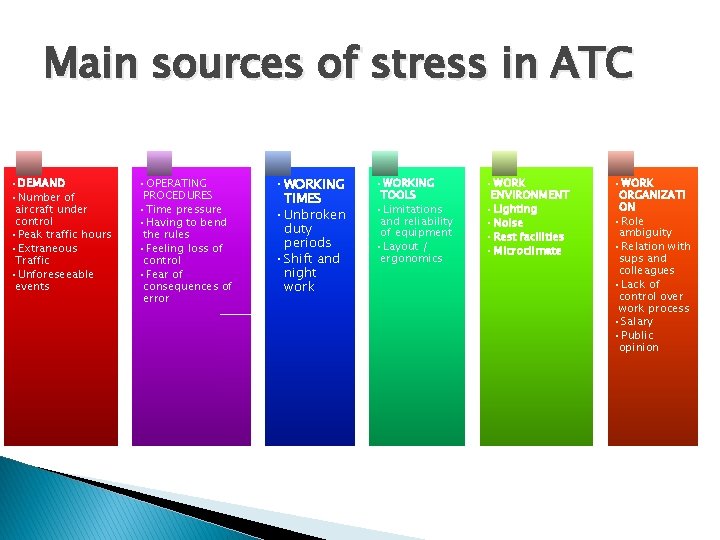
• DEMAND • Number of aircraft under control • Peak traffic hours • Extraneous Traffic • Unforeseeable events • OPERATING PROCEDURES • Time pressure • Having to bend the rules • Feeling loss of control • Fear of consequences of error • WORKING TIMES • Unbroken duty periods • Shift and night work H. L. Ammennan, L. J. Bergen, D. K. Davies, CM. Hostetler, E. E. Inman and G. W. Jones: FAA airtraffic control operations concepts, Vol. VI. AKTCC/HOST En route controllers, report number DOT/FAA/AP/86 -01 (Washington, Federal Aviation Administration, 1987). • WORKING TOOLS • Limitations and reliability of equipment • Layout / ergonomics • WORK ENVIRONMENT • Lighting • Noise • Rest facilities • Microclimate H. L. Ammennan, L. J. Bergen, D. K. Davies, CM. Hostetler, E. E. Inman and G. W. Jones: FAA air traffic control operations concepts, Vol. VI. AKTCC/HOST En route controllers, report number DOT/FAA/AP/86 -01 (Washington, Federal Aviation Administration, 1987). Main sources of stress in ATC • WORK ORGANIZATI ON • Role ambiguity • Relation with sups and colleagues • Lack of control over work process • Salary • Public opinion
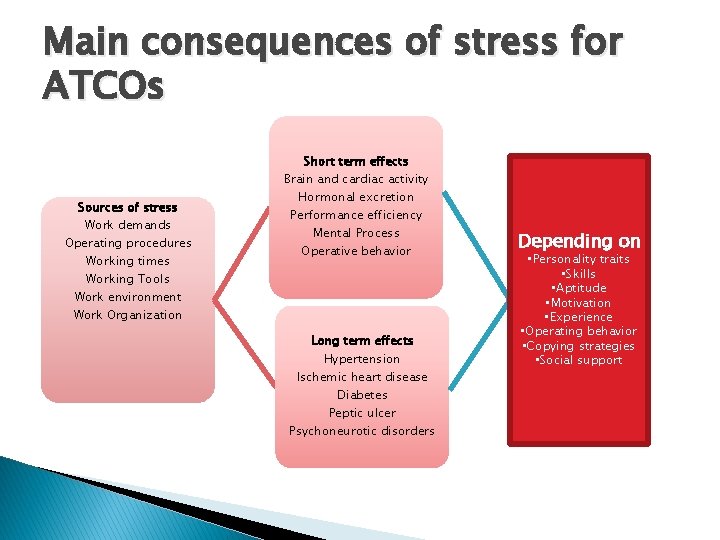
Main consequences of stress for ATCOs Short term effects Brain and cardiac activity Sources of stress Work demands Operating procedures Working times Working Tools Work environment Work Organization Hormonal excretion Performance efficiency Mental Process Operative behavior Long term effects Hypertension Ischemic heart disease Diabetes Peptic ulcer Psychoneurotic disorders Depending on • Personality traits • Skills • Aptitude • Motivation • Experience • Operating behavior • Copying strategies • Social support
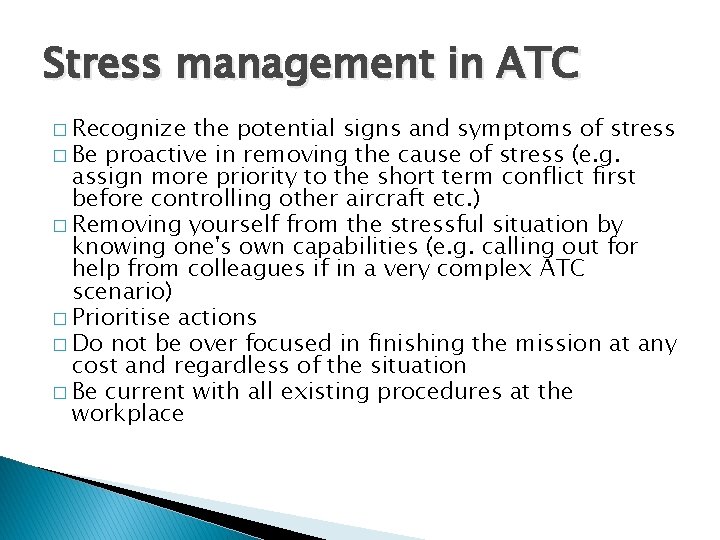
Stress management in ATC � Recognize the potential signs and symptoms of stress � Be proactive in removing the cause of stress (e. g. assign more priority to the short term conflict first before controlling other aircraft etc. ) � Removing yourself from the stressful situation by knowing one's own capabilities (e. g. calling out for help from colleagues if in a very complex ATC scenario) � Prioritise actions � Do not be over focused in finishing the mission at any cost and regardless of the situation � Be current with all existing procedures at the workplace
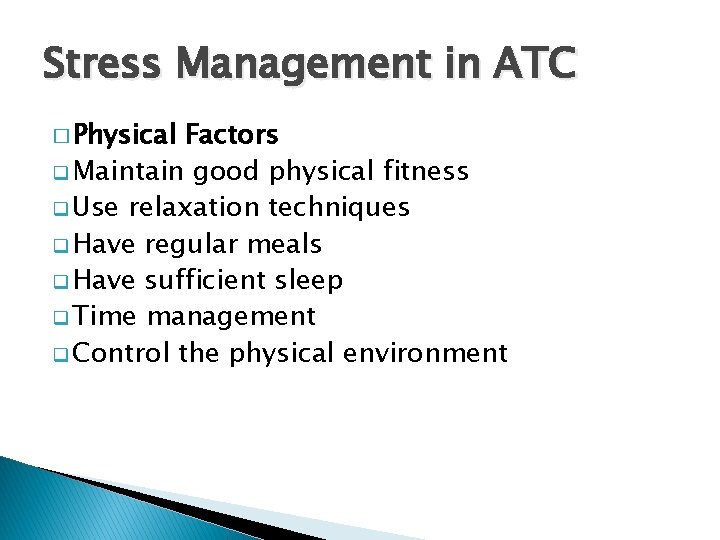
Stress Management in ATC � Physical Factors q Maintain good physical fitness q Use relaxation techniques q Have regular meals q Have sufficient sleep q Time management q Control the physical environment
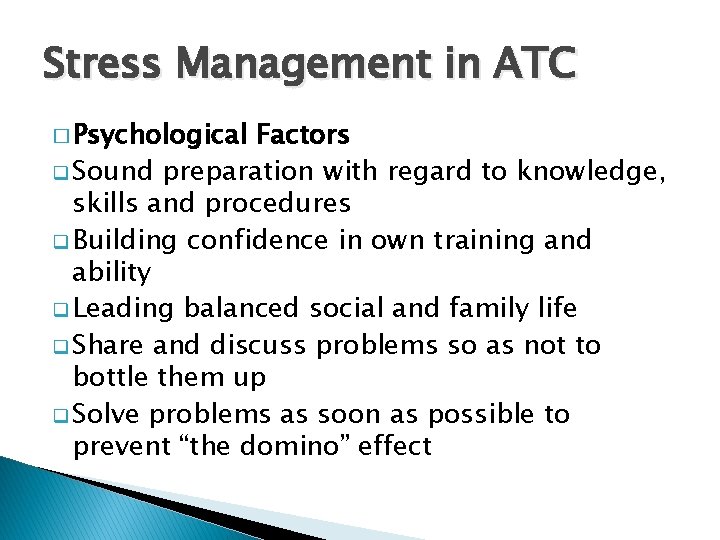
Stress Management in ATC � Psychological Factors q Sound preparation with regard to knowledge, skills and procedures q Building confidence in own training and ability q Leading balanced social and family life q Share and discuss problems so as not to bottle them up q Solve problems as soon as possible to prevent “the domino” effect
Is the modern way of life stressful?
Further Reading � “Stress Management in ATC”, Skybrary � Prof. Giovanni Costa, “Occupational stress and stress prevention in Air Traffic Control” � EUROCONTROL, “Human Factors Module Stress”, 15. 03. 1996
Stress Management Questions