
Streptococci Part 2 Dr Salma Laboratory Diagnosis Smears
Streptococci Part 2 Dr. Salma
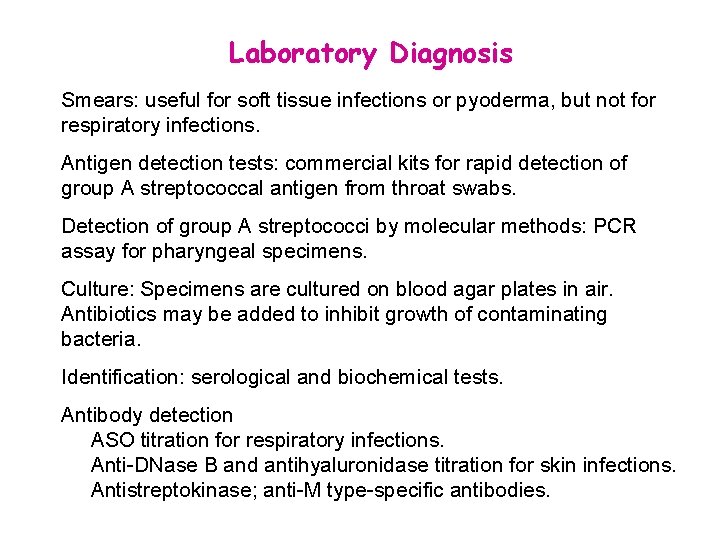
Laboratory Diagnosis Smears: useful for soft tissue infections or pyoderma, but not for respiratory infections. Antigen detection tests: commercial kits for rapid detection of group A streptococcal antigen from throat swabs. Detection of group A streptococci by molecular methods: PCR assay for pharyngeal specimens. Culture: Specimens are cultured on blood agar plates in air. Antibiotics may be added to inhibit growth of contaminating bacteria. Identification: serological and biochemical tests. Antibody detection ASO titration for respiratory infections. Anti-DNase B and antihyaluronidase titration for skin infections. Antistreptokinase; anti-M type-specific antibodies.

ASO test: * Measure Ab against Streptolysin O *ASO test uses in post streptococcal infection complication. This test used to determine significance streptococcal infection by measuring the ASOT: * ASOT (Ab Titer): Normal < 200 < significance result
4
Identification of Gram-positive cocci None

CAMP test Christie R, Atkins NE, and Munch-Peterson E. 1944. A note on a lytic phenomenon shown by group B streptococci. Aust. J. Exp. Biol. Med. Sci. 22: 197 -200
Treatment All S. pyogenes are sensitive to penicillin G. Effective doses of penicillin or erythromycin for 10 days can prevent poststreptococcal diseases. Drainage and aggressive surgical debridement must be promptly initiated in patients with serious soft tissue infections. Group B streptococci are also susceptible to penicillin G. Antibiotic sensitivity test is helpful for treatment of bacterial endocarditis.
Prevention and Control Most streptococci are normal flora of the human body. Source of S. pyogenes and S. agalactiae is a person harboring these organisms (carrier). Control: 1. Prompt eradication of streptococci from early infections. 2. Prophylactic antibiotic treatment for rheumatic fever patients. 3. Eradication of S. pyogenes from carriers. 4. Dust control, ventilation, air filtration, UV irradiation and aerosol mists are of doubtful efficacy. 5. Intrapartum penicillin to mother at risk of giving birth to an infant with invasive group B disease.
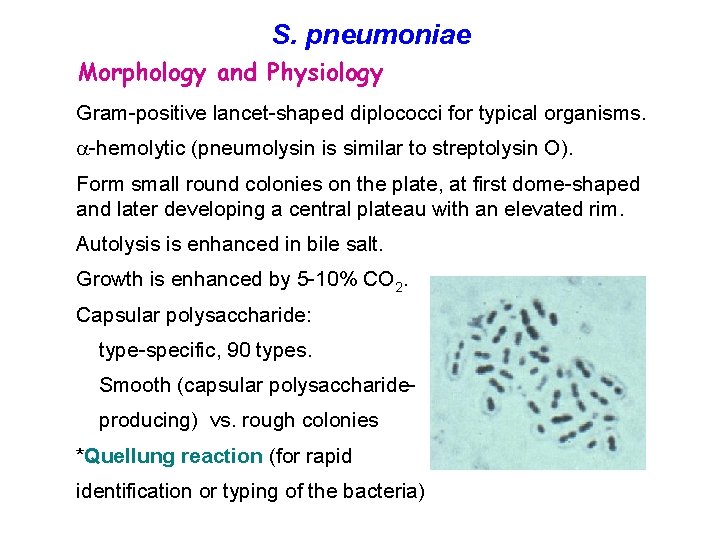
S. pneumoniae Morphology and Physiology Gram-positive lancet-shaped diplococci for typical organisms. -hemolytic (pneumolysin is similar to streptolysin O). Form small round colonies on the plate, at first dome-shaped and later developing a central plateau with an elevated rim. Autolysis is enhanced in bile salt. Growth is enhanced by 5 -10% CO 2. Capsular polysaccharide: type-specific, 90 types. Smooth (capsular polysaccharideproducing) vs. rough colonies *Quellung reaction (for rapid identification or typing of the bacteria)
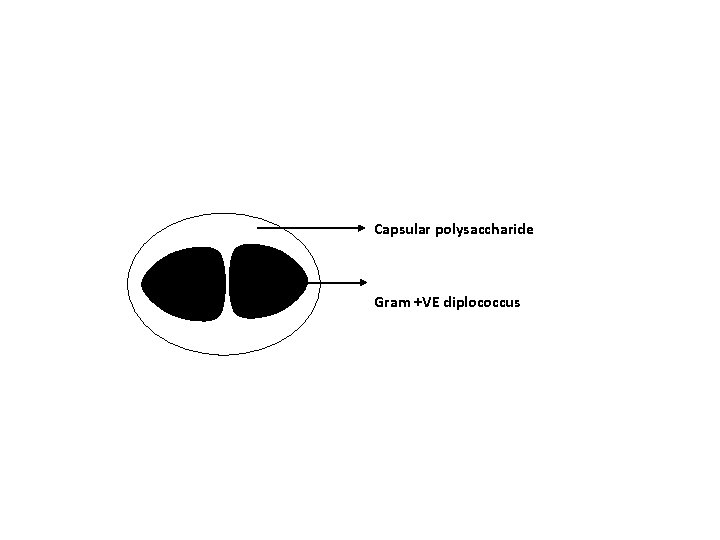
Capsular polysaccharide Gram +VE diplococcus
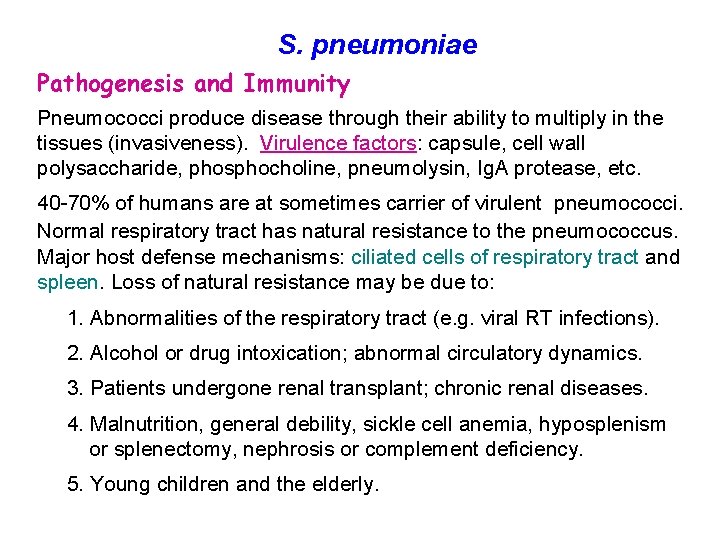
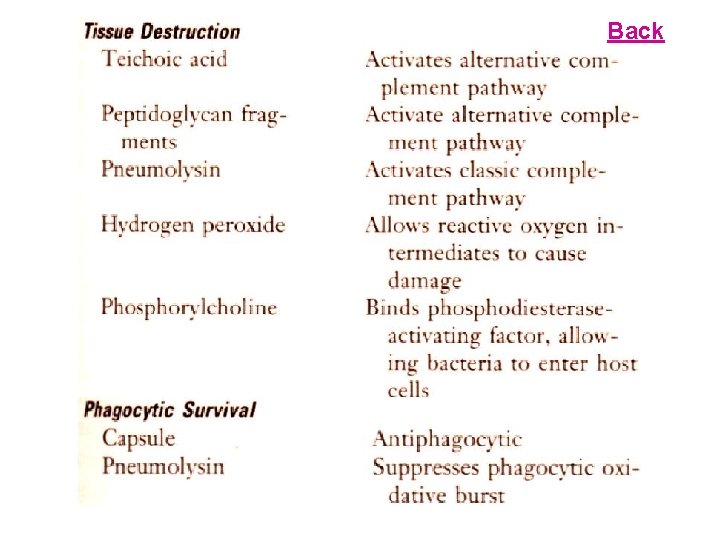
S. pneumoniae Pathogenesis and Immunity Pneumococci produce disease through their ability to multiply in the tissues (invasiveness). Virulence factors: capsule, cell wall polysaccharide, phosphocholine, pneumolysin, Ig. A protease, etc. 40 -70% of humans are at sometimes carrier of virulent pneumococci. Normal respiratory tract has natural resistance to the pneumococcus. Major host defense mechanisms: ciliated cells of respiratory tract and spleen. Loss of natural resistance may be due to: 1. Abnormalities of the respiratory tract (e. g. viral RT infections). 2. Alcohol or drug intoxication; abnormal circulatory dynamics. 3. Patients undergone renal transplant; chronic renal diseases. 4. Malnutrition, general debility, sickle cell anemia, hyposplenism or splenectomy, nephrosis or complement deficiency. 5. Young children and the elderly.
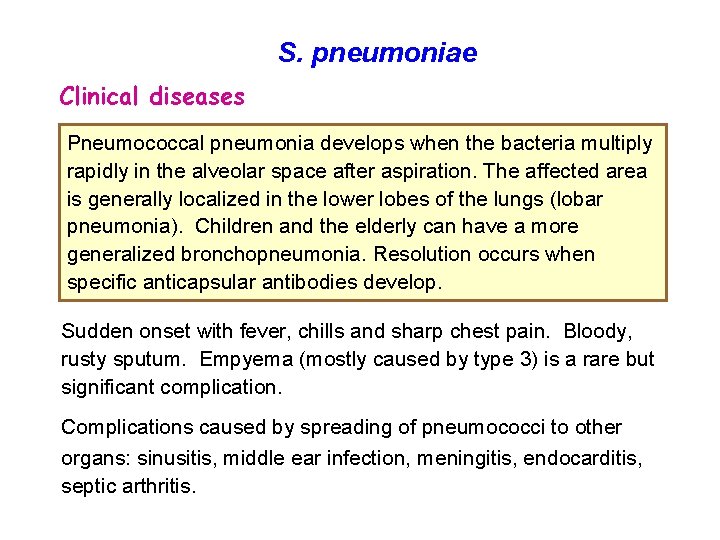
S. pneumoniae Clinical diseases Pneumococcal pneumonia develops when the bacteria multiply rapidly in the alveolar space after aspiration. The affected area is generally localized in the lower lobes of the lungs (lobar pneumonia). Children and the elderly can have a more generalized bronchopneumonia. Resolution occurs when specific anticapsular antibodies develop. Sudden onset with fever, chills and sharp chest pain. Bloody, rusty sputum. Empyema (mostly caused by type 3) is a rare but significant complication. Complications caused by spreading of pneumococci to other organs: sinusitis, middle ear infection, meningitis, endocarditis, septic arthritis.
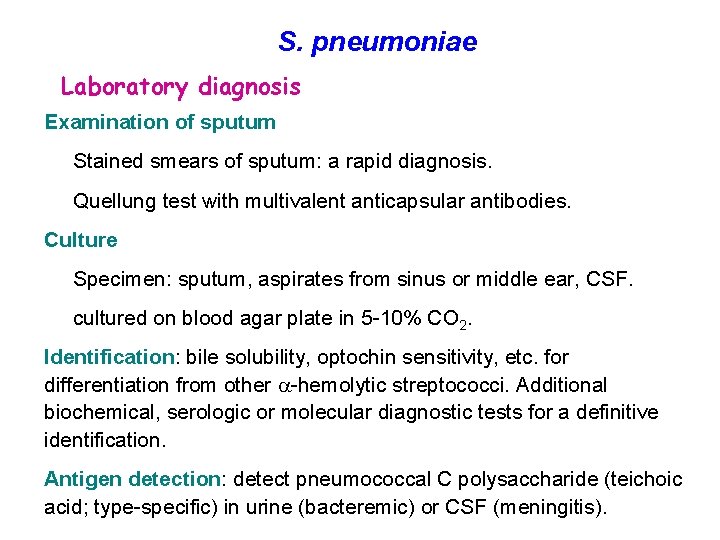
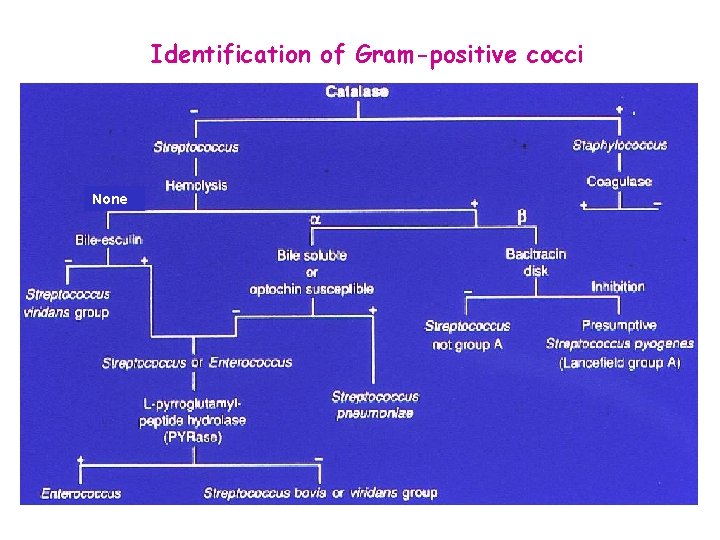
S. pneumoniae Laboratory diagnosis Examination of sputum Stained smears of sputum: a rapid diagnosis. Quellung test with multivalent anticapsular antibodies. Culture Specimen: sputum, aspirates from sinus or middle ear, CSF. cultured on blood agar plate in 5 -10% CO 2. Identification: bile solubility, optochin sensitivity, etc. for differentiation from other -hemolytic streptococci. Additional biochemical, serologic or molecular diagnostic tests for a definitive identification. Antigen detection: detect pneumococcal C polysaccharide (teichoic acid; type-specific) in urine (bacteremic) or CSF (meningitis).
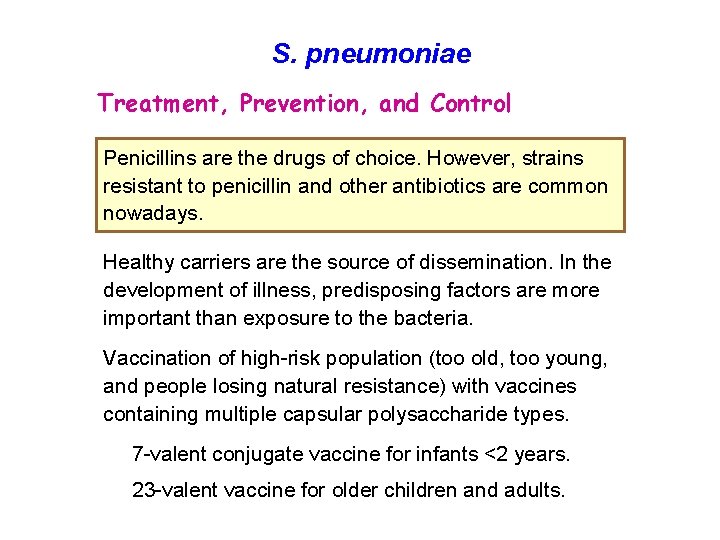
S. pneumoniae Treatment, Prevention, and Control Penicillins are the drugs of choice. However, strains resistant to penicillin and other antibiotics are common nowadays. Healthy carriers are the source of dissemination. In the development of illness, predisposing factors are more important than exposure to the bacteria. Vaccination of high-risk population (too old, too young, and people losing natural resistance) with vaccines containing multiple capsular polysaccharide types. 7 -valent conjugate vaccine for infants <2 years. 23 -valent vaccine for older children and adults.

Enterococci (E. faecalis, E. faecium) Physiological properties are similar to the streptococci. Form large colonies on blood plate; most are nonhemolytic. Microscopic morphology is similar to S. pneumoniae. Resistant to 6. 5% Na. Cl, 0. 1% methyl blue and grow in bile-esculin agar. More resistant to antibiotics than the streptococci. Colonize the large intestine of humans and animals. An opportunist.
Clinical Diseases Enterococci One of the leading causes of nosocomial infections. Urinary tract (UTI), peritoneum (peritonitis) and heart tissue (endocarditis- a severe complication) are involved most often. Particularly common in patients with intravascular or urinary catheters, and in hospitalized patients with prolonged broadspectrum antibiotic treatment. Intra-abdominal abscess and wound infections: generally polymicrobial. Many strains are completely resistant to all conventional antibiotics. Vancomycin-resistant strains have been isolated (first reported in England France in 1987). Laboratory Diagnosis Enterococci can be differentiated by simple biochemical tests (e. g. , resistant to optochin and bile, hydrolyze PYR, etc. )
Enterococci Treatment, Prevention, and Control Resistance in enterococci to aminoglycosides and vancomycin is mediated by plasmids and can be transferred to other bacteria. Combined antibiotic therapy: an aminoglycoside and a cell-wallactive antibiotic. New antibiotics have been developed for treatment of enterococci resistant to both ampicillin and vancomycin. It is difficult to prevent and control enterococcal infections. Control: careful restriction of antibiotic treatment and appropriate infection-control practices (isolation of infected patients; use of gowns and gloves by anyone in contact of patients. )

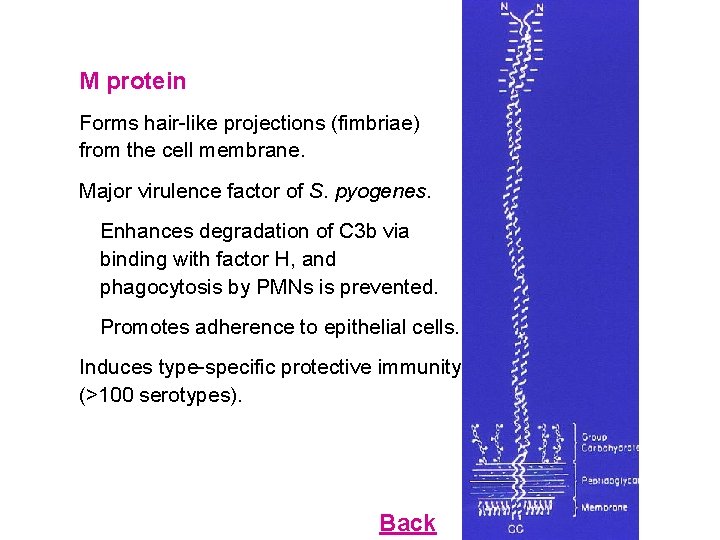
M protein Forms hair-like projections (fimbriae) from the cell membrane. Major virulence factor of S. pyogenes. Enhances degradation of C 3 b via binding with factor H, and phagocytosis by PMNs is prevented. Promotes adherence to epithelial cells. Induces type-specific protective immunity (>100 serotypes). Back
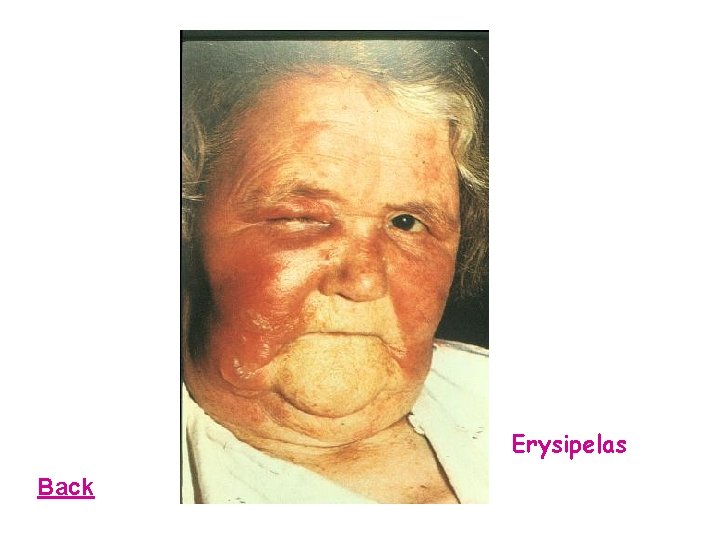
Erysipelas Back
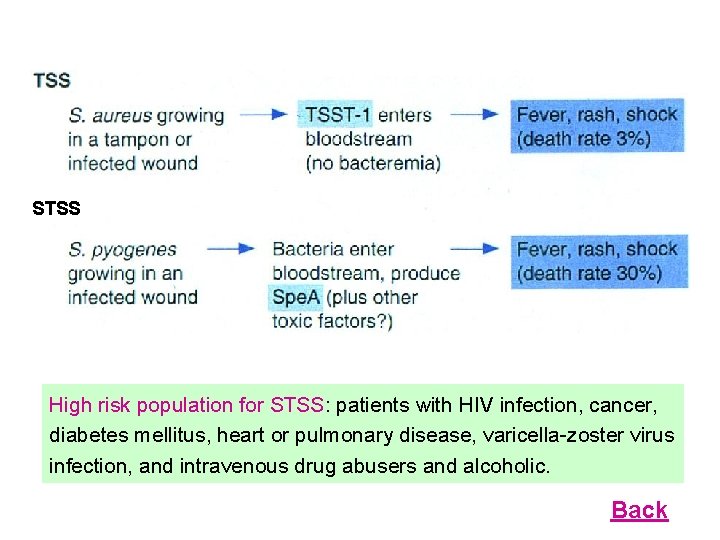
STSS High risk population for STSS: patients with HIV infection, cancer, diabetes mellitus, heart or pulmonary disease, varicella-zoster virus infection, and intravenous drug abusers and alcoholic. Back
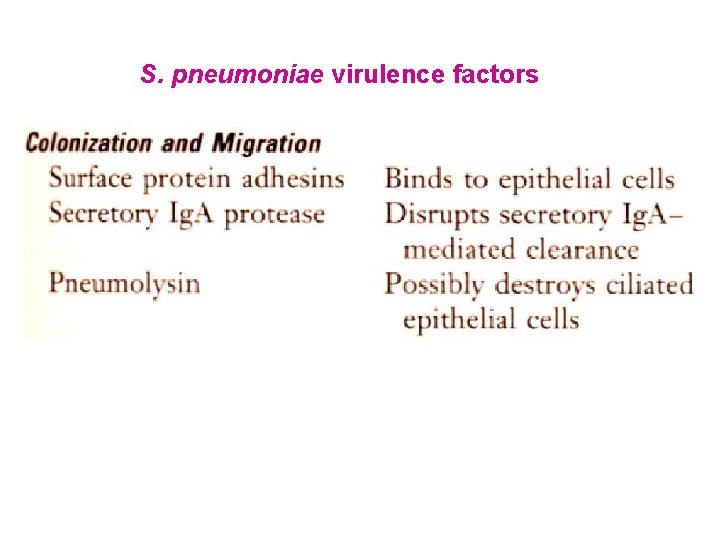
S. pneumoniae virulence factors
Back
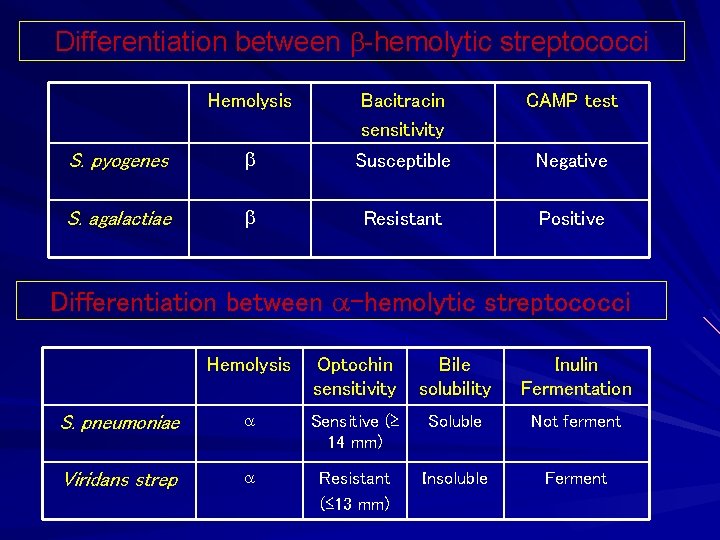
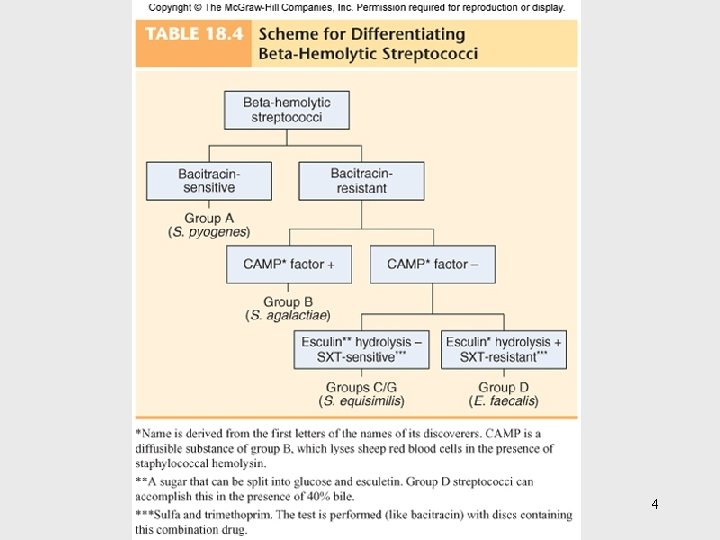
Differentiation between -hemolytic streptococci Hemolysis Bacitracin sensitivity CAMP test S. pyogenes Susceptible Negative S. agalactiae Resistant Positive Differentiation between -hemolytic streptococci Hemolysis Optochin sensitivity Bile solubility Inulin Fermentation S. pneumoniae Sensitive (≥ 14 mm) Soluble Not ferment Viridans strep Resistant (≤ 13 mm) Insoluble Ferment
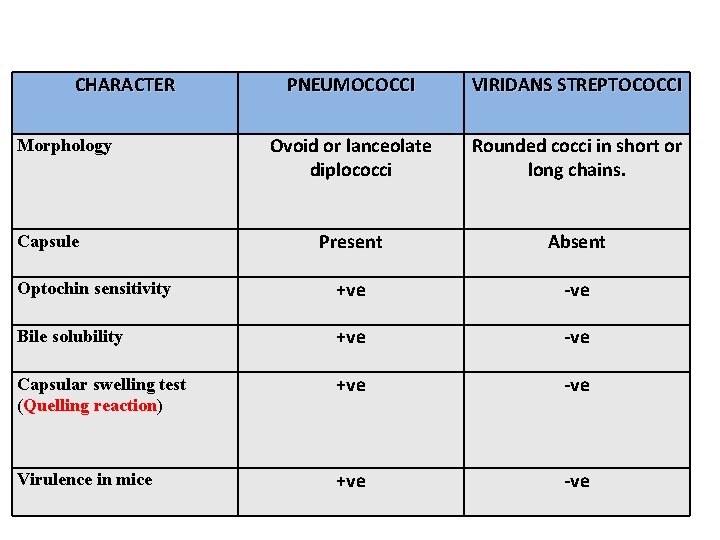
CHARACTER PNEUMOCOCCI VIRIDANS STREPTOCOCCI Ovoid or lanceolate diplococci Rounded cocci in short or long chains. Present Absent Optochin sensitivity +ve -ve Bile solubility +ve -ve Capsular swelling test (Quelling reaction) +ve -ve Virulence in mice +ve -ve Morphology Capsule

THANK YOU
- Slides: 26