
Stray by Cynthia Rylant Review 1 Using your

Stray by Cynthia Rylant Review
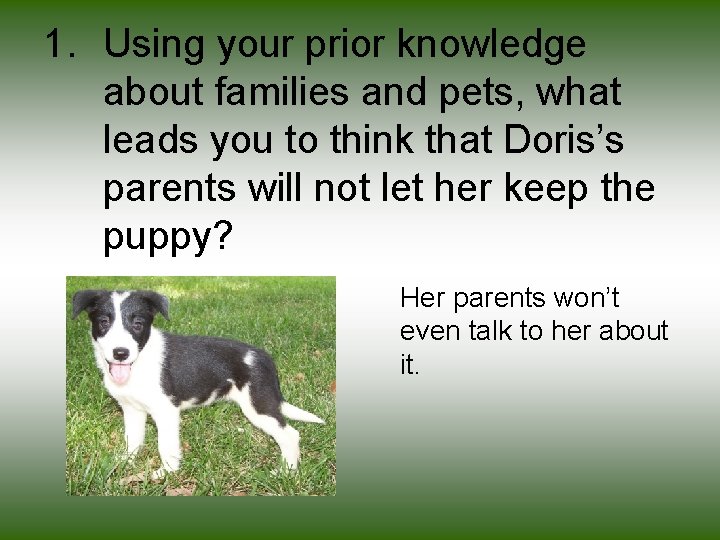
1. Using your prior knowledge about families and pets, what leads you to think that Doris’s parents will not let her keep the puppy? Her parents won’t even talk to her about it.
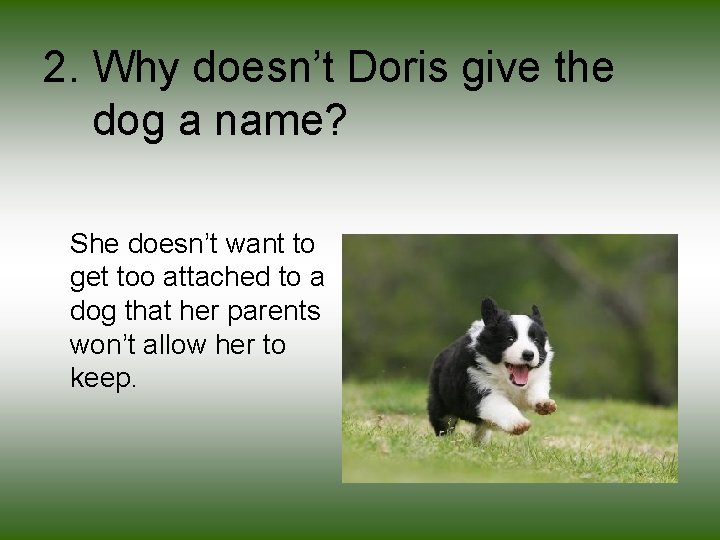
2. Why doesn’t Doris give the dog a name? She doesn’t want to get too attached to a dog that her parents won’t allow her to keep.
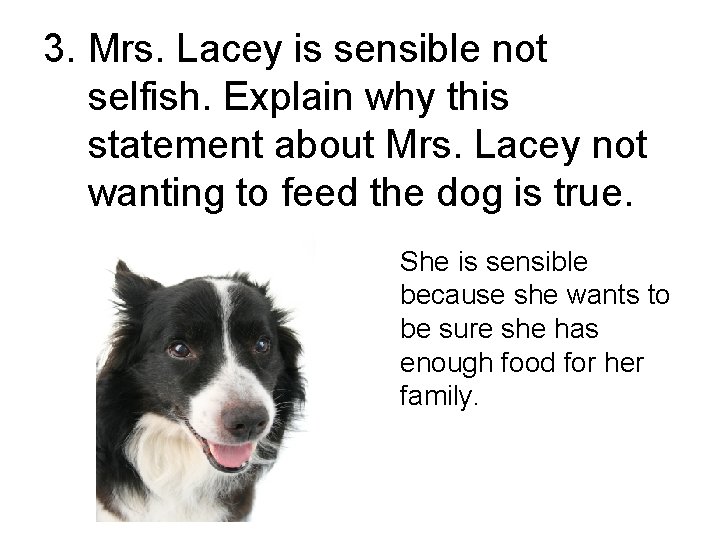
3. Mrs. Lacey is sensible not selfish. Explain why this statement about Mrs. Lacey not wanting to feed the dog is true. She is sensible because she wants to be sure she has enough food for her family.
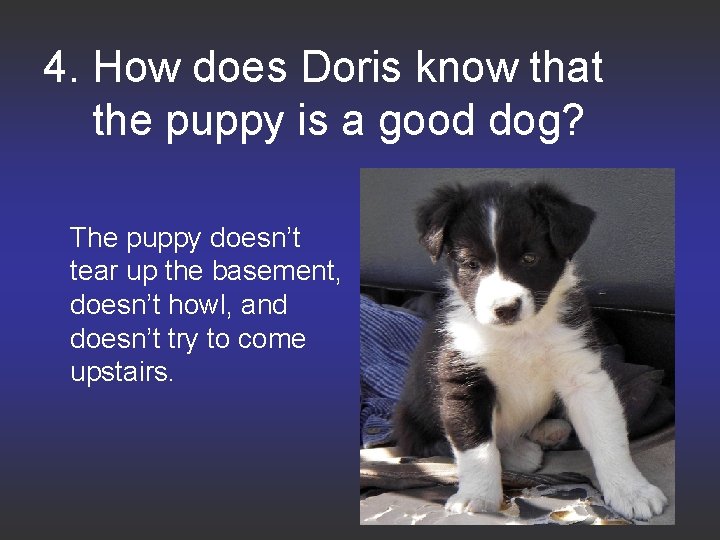
4. How does Doris know that the puppy is a good dog? The puppy doesn’t tear up the basement, doesn’t howl, and doesn’t try to come upstairs.

5. After her father takes the puppy away, what does Doris do? Doris cries herself to sleep.
6. What does Mrs. Lacey mean when she tells Doris to act more grown-up? She wants her to stop crying about the puppy.
7. How would you describe Mr. Lacey at the end of the story? He is kind and softhearted. He lets Doris keep the dog because he doesn’t want to leave it in the shelter.
8. Why does Doris want to keep the puppy? She wants the love and companionship of a pet.
9. Why is the weather important in the exposition of the story? The puppy needs someone to help him survive in the snow.
10. At the end of the story why does Mrs. Lacey smile at her husband? She is surprised by his unusual behavior.
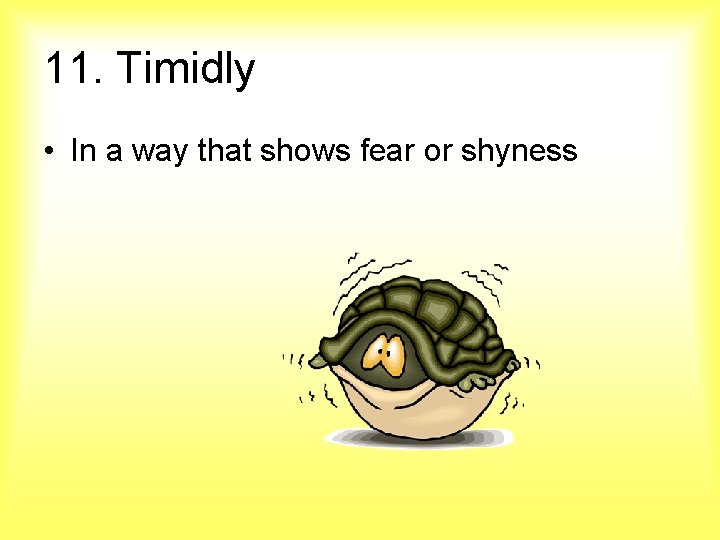
11. Timidly • In a way that shows fear or shyness
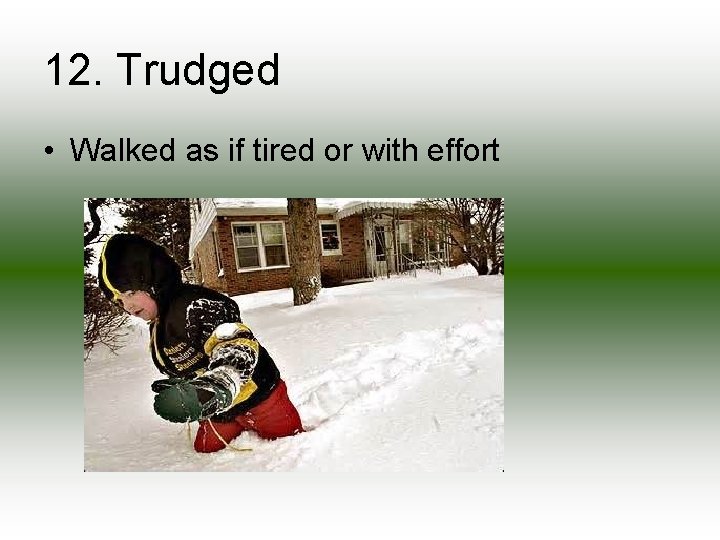
12. Trudged • Walked as if tired or with effort
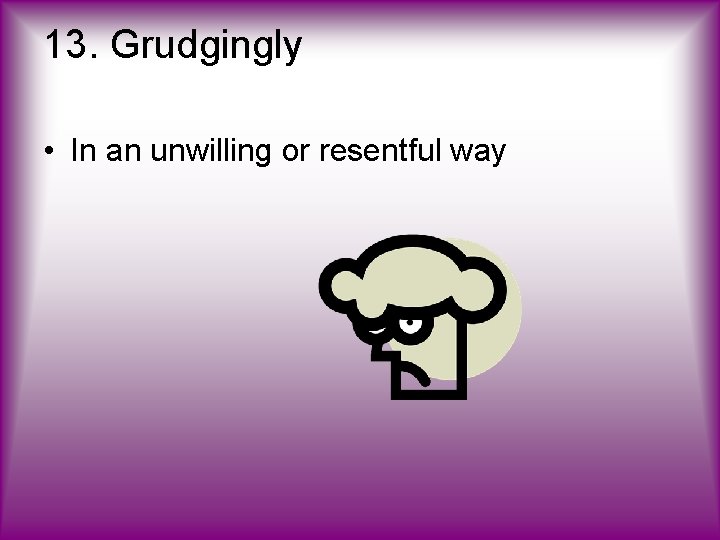
13. Grudgingly • In an unwilling or resentful way
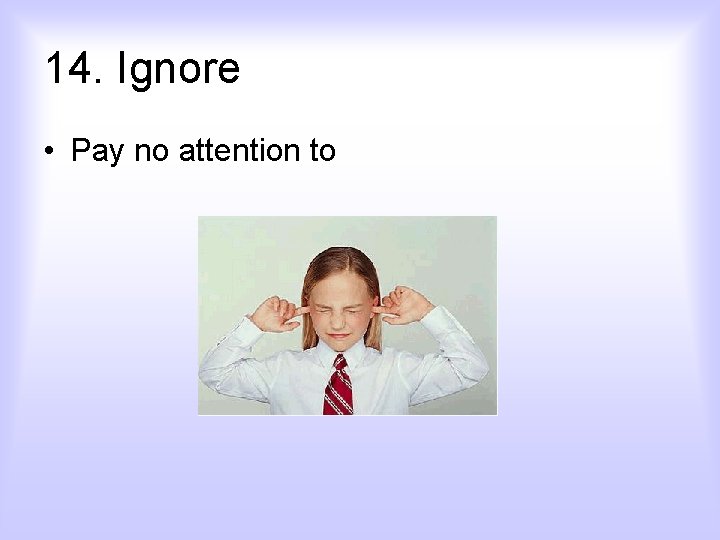
14. Ignore • Pay no attention to
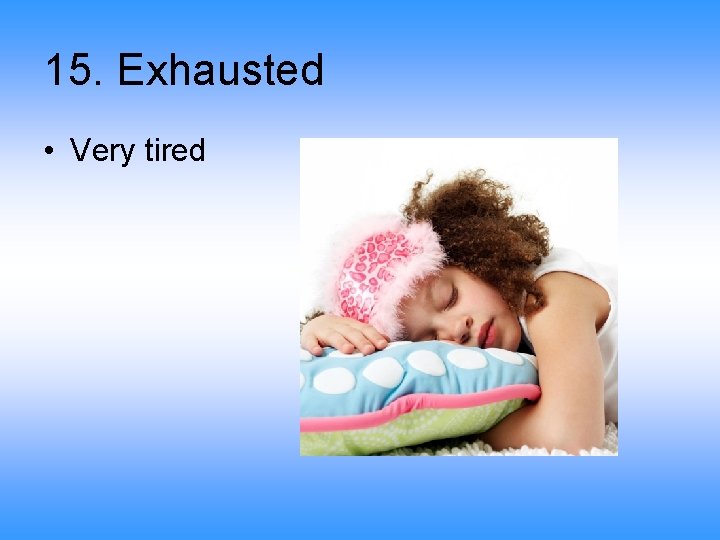
15. Exhausted • Very tired
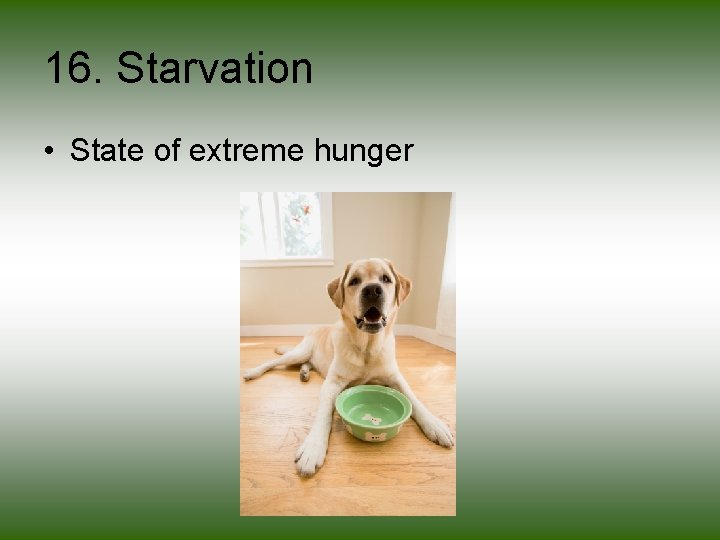
16. Starvation • State of extreme hunger
17. Prediction To make a good prediction readers must prior ______ knowledge and clues or use ______ details from the story. _______
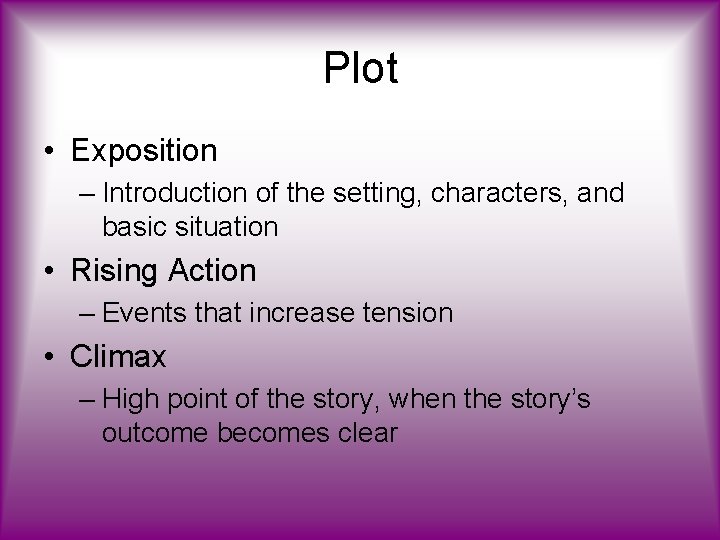
Plot • Exposition – Introduction of the setting, characters, and basic situation • Rising Action – Events that increase tension • Climax – High point of the story, when the story’s outcome becomes clear
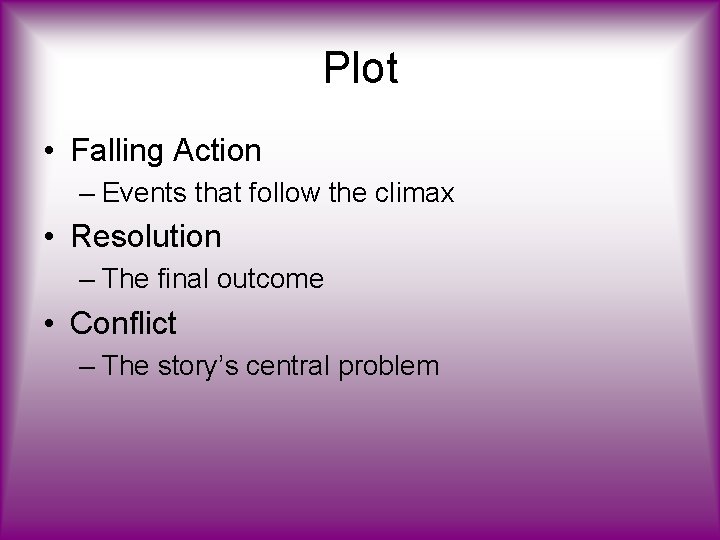
Plot • Falling Action – Events that follow the climax • Resolution – The final outcome • Conflict – The story’s central problem
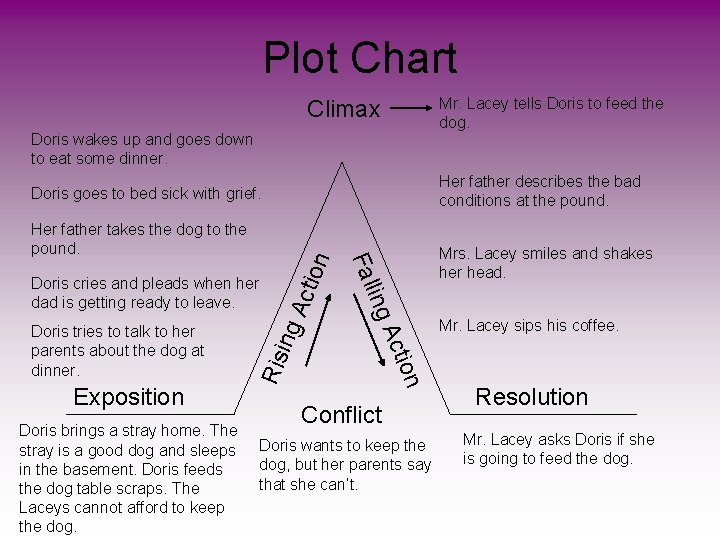
Plot Chart Mr. Lacey tells Doris to feed the dog. Climax Doris wakes up and goes down to eat some dinner. Her father describes the bad conditions at the pound. Doris goes to bed sick with grief. Doris brings a stray home. The stray is a good dog and sleeps in the basement. Doris feeds the dog table scraps. The Laceys cannot afford to keep the dog. ion Act ing Ris ion Exposition Act Doris tries to talk to her parents about the dog at dinner. ling Doris cries and pleads when her dad is getting ready to leave. Mrs. Lacey smiles and shakes her head. Fal Her father takes the dog to the pound. Conflict Doris wants to keep the dog, but her parents say that she can’t. Mr. Lacey sips his coffee. Resolution Mr. Lacey asks Doris if she is going to feed the dog.
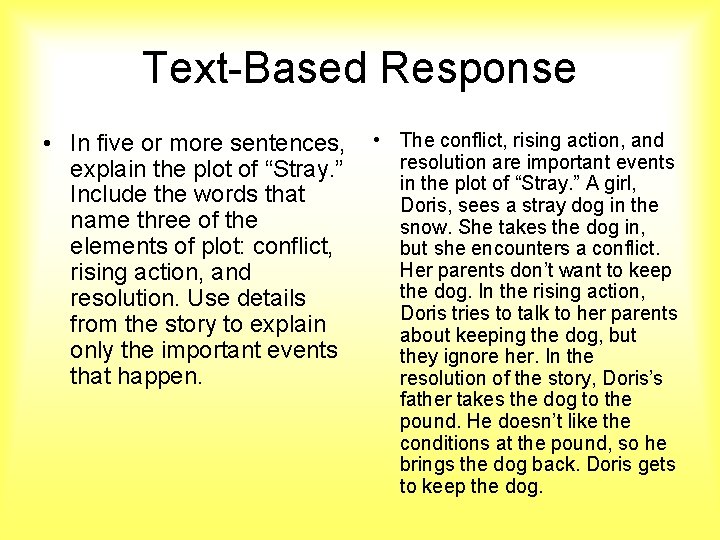
Text-Based Response • In five or more sentences, explain the plot of “Stray. ” Include the words that name three of the elements of plot: conflict, rising action, and resolution. Use details from the story to explain only the important events that happen. • The conflict, rising action, and resolution are important events in the plot of “Stray. ” A girl, Doris, sees a stray dog in the snow. She takes the dog in, but she encounters a conflict. Her parents don’t want to keep the dog. In the rising action, Doris tries to talk to her parents about keeping the dog, but they ignore her. In the resolution of the story, Doris’s father takes the dog to the pound. He doesn’t like the conditions at the pound, so he brings the dog back. Doris gets to keep the dog.
- Slides: 22