
Strategic Planning In Public Health A Program Approach
Strategic Planning In Public Health: A Program Approach TH Tulchinsky MD MPH Braun School of Public Health Hebrew University-Hadassah, Jerusalem October 2003

Strategy • A set of essential measures (preventive and therapeutic) believed sufficient to control a health problem (Last J. Dictionary of Epidemiology, 3 rd edition, 2000) • A program or series of measures, stratagems and activities planned and carried out for the purpose of achieving specific objectives (Webtser Dictionary)
Strategy and Tactics • Strategy - A plan or method or series of maneuvers or stratagems for obtaining a specific goal or result. • The art and science of planning and directing large scale use of resources with long range planning and development to ensure success in achieving objectives e. g. prevent or successfully combat disease in a population, plan a military campaign • Tactics – use and deployment of resources in actual field conditions e. g. military, police, firefighting, public health.
How to Fight and Win • Who is the enemy? • What are the enemy’s objectives? • What are our objectives? • What are their resources/capabilities? • What are our resources/capabilities? • How best can we achieve our objectives? • What are the most suitable methods of combat? • Intelligence and modification of strategy and tactics
Battle of the Atlantic • Phase I, June 1939 -April, 1943 – Convoy system, British codes broken – German wolf packs control of sea lanes increasing – Allies build quantitative strength, new technology – Air gap 800 miles • Phase II May 1943 -1945 – Crisis April-May 1943 -the tide turns – Allied quantitative and qualitative achievements – Air gap closed; convoys plus hunter-killer groups – Technological advances e. g. radar, squid, torpedoes – German innovations too late
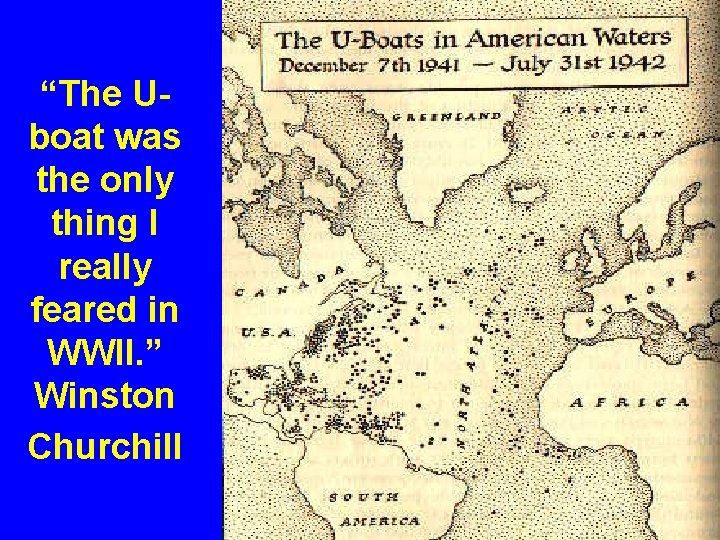
“The Uboat was the only thing I really feared in WWII. ” Winston Churchill
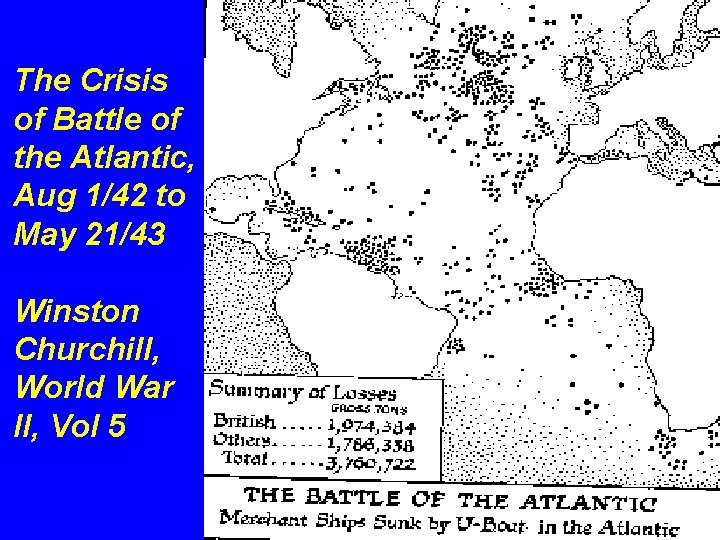
The Crisis of Battle of the Atlantic, Aug 1/42 to May 21/43 Winston Churchill, World War II, Vol 5
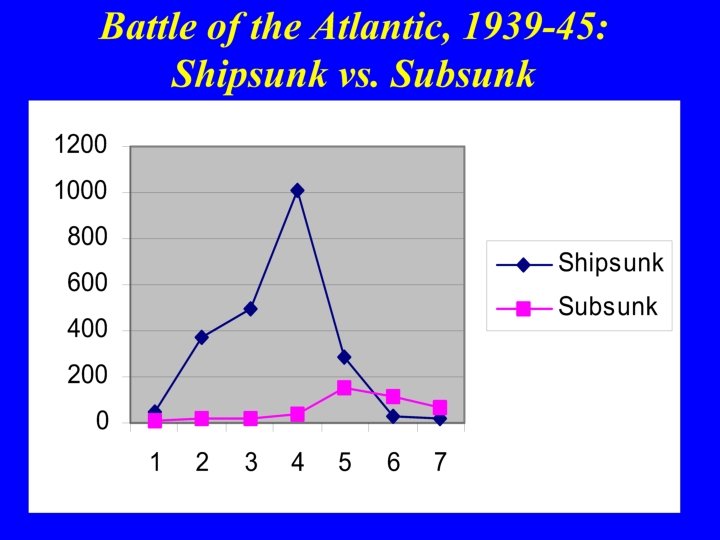
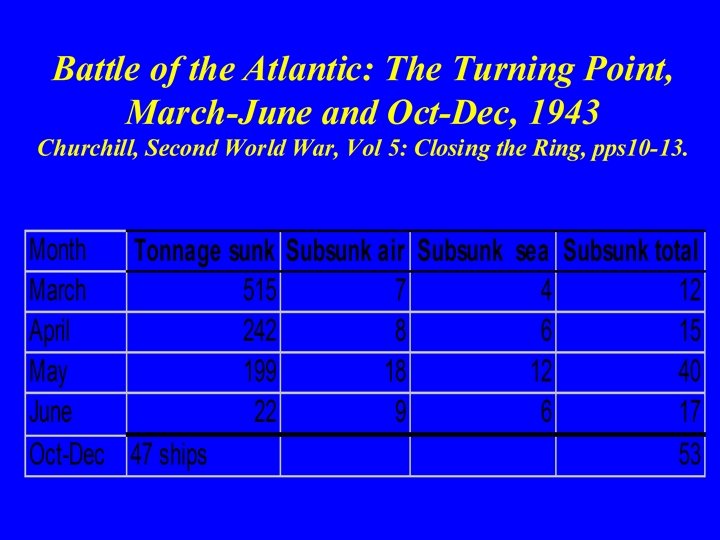
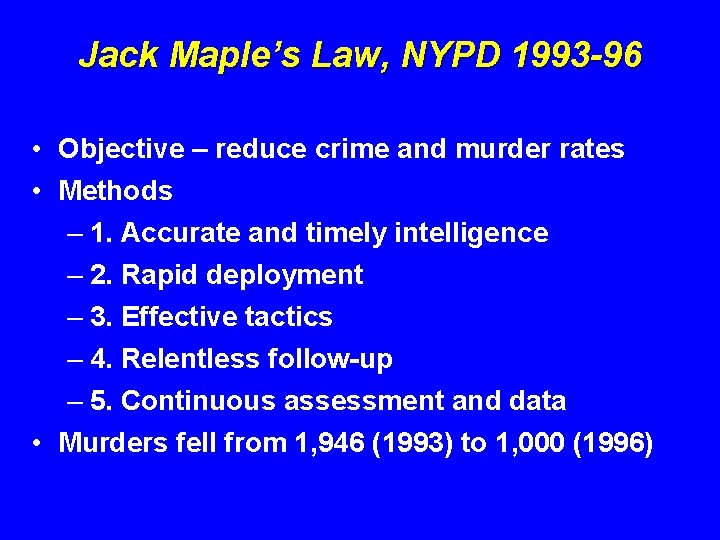
Jack Maple’s Law, NYPD 1993 -96 • Objective – reduce crime and murder rates • Methods – 1. Accurate and timely intelligence – 2. Rapid deployment – 3. Effective tactics – 4. Relentless follow-up – 5. Continuous assessment and data • Murders fell from 1, 946 (1993) to 1, 000 (1996)
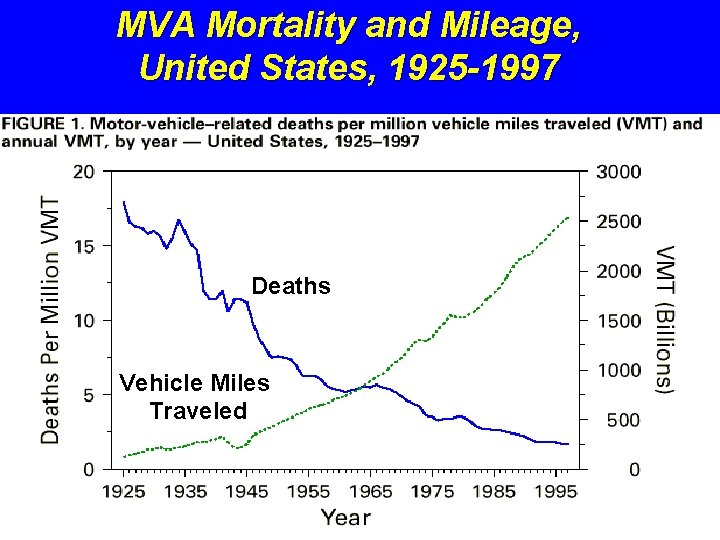
MVA Mortality and Mileage, United States, 1925 -1997 Deaths Vehicle Miles Traveled
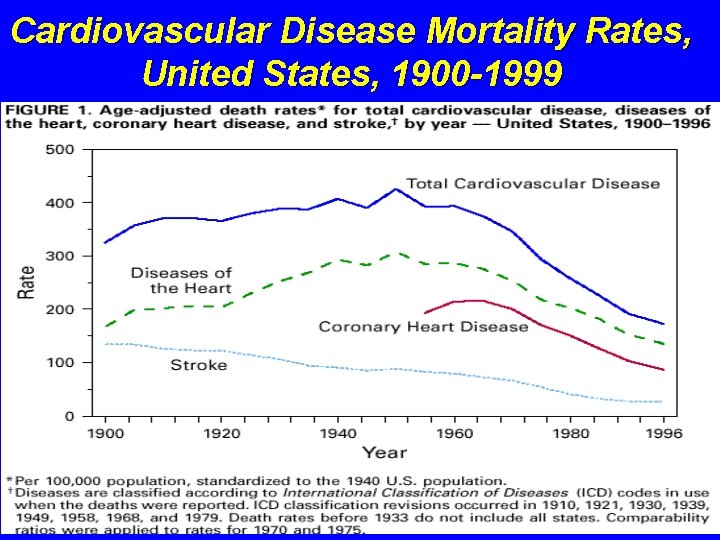
Cardiovascular Disease Mortality Rates, United States, 1900 -1999
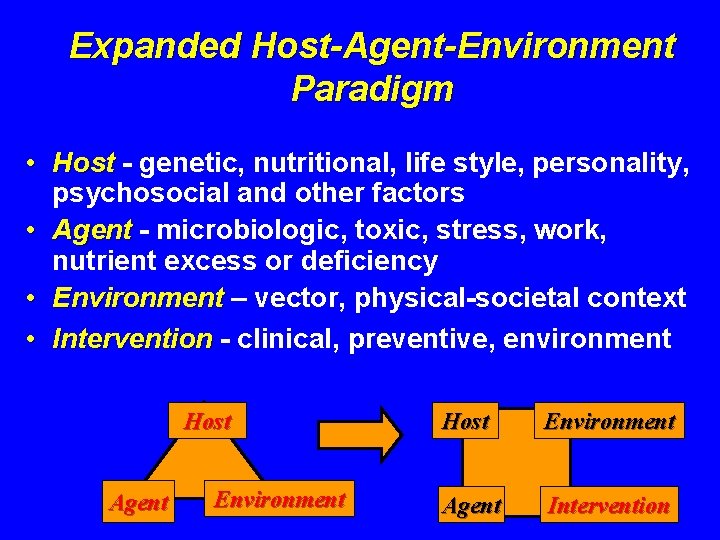
Expanded Host-Agent-Environment Paradigm • Host - genetic, nutritional, life style, personality, psychosocial and other factors • Agent - microbiologic, toxic, stress, work, nutrient excess or deficiency • Environment – vector, physical-societal context • Intervention - clinical, preventive, environment Host Agent Environment Host Environment Agent Intervention
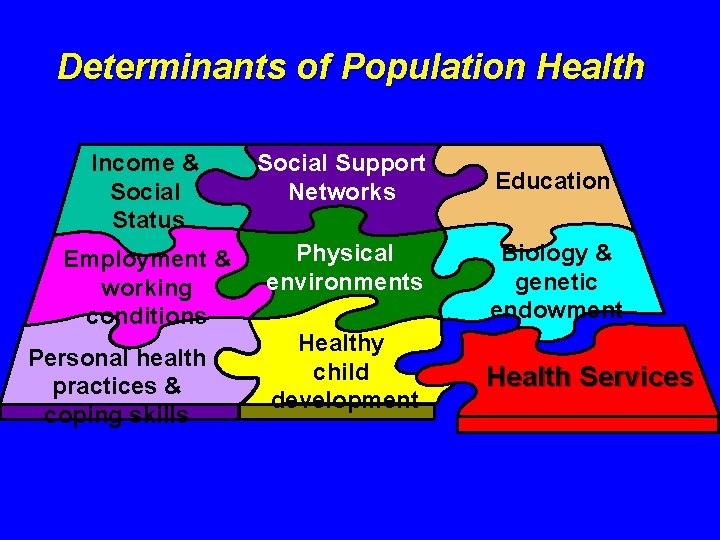
Determinants of Population Health Income & Social Status Social Support Networks Employment & working conditions Physical environments Personal health practices & coping skills Healthy child development Education Biology & genetic endowment Health Services
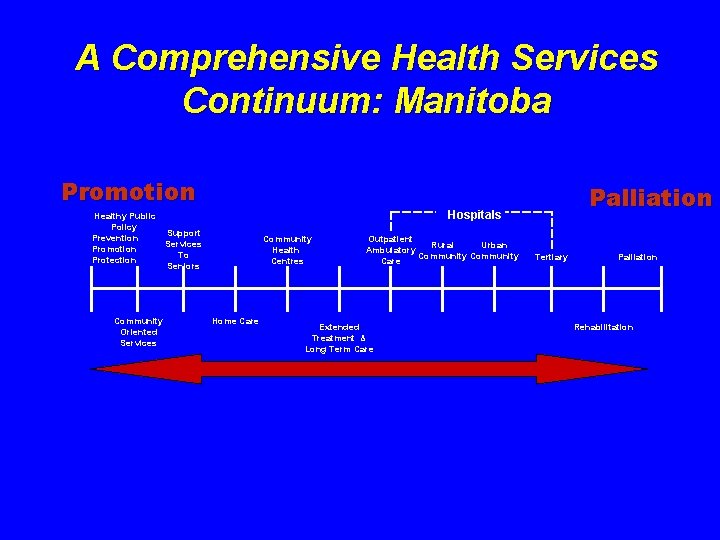
A Comprehensive Health Services Continuum: Manitoba Promotion Healthy Public Policy Prevention Promotion Protection Community Oriented Services Palliation Hospitals Support Services To Seniors Community Health Centres Home Care Outpatient Rural Urban Ambulatory Community Care Extended Treatment & Long Term Care Tertiary Palliation Rehabilitation
Health Resources • Political and public support • Community and media expectations and support • Manpower and training • Money • Facilities for in-patient care – acute and LTC • Community care – clinics, outreach, home care • Drugs • Vaccines • Education
Healthy Infants • Healthy women in age of fertility e. g. iron and folate • Good prenatal care and risk assessment • Good care during delivery e. g. in hospital • Good neonatal care e. g. vitamin K • Good infant care e. g. immunization, • Growth and development monitoring • Breast feeding plus vitamins A, C, D, iron • Formulas to one year • Solid foods from 4 months • Warmth, care, stimulus
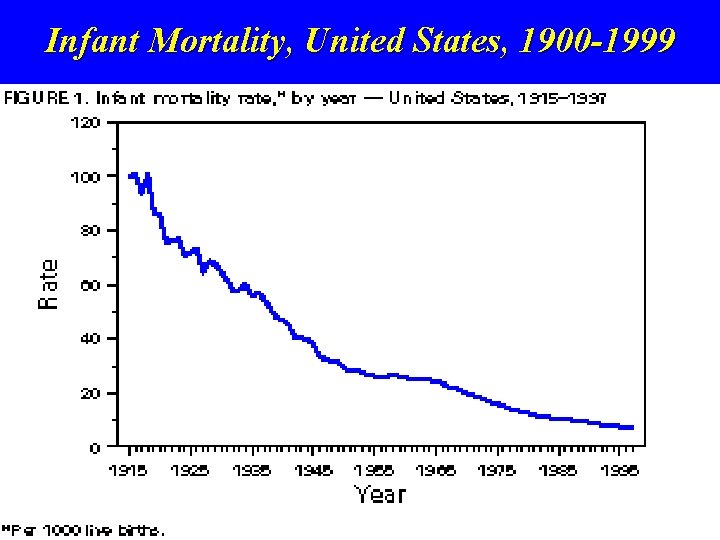
Infant Mortality, United States, 1900 -1999
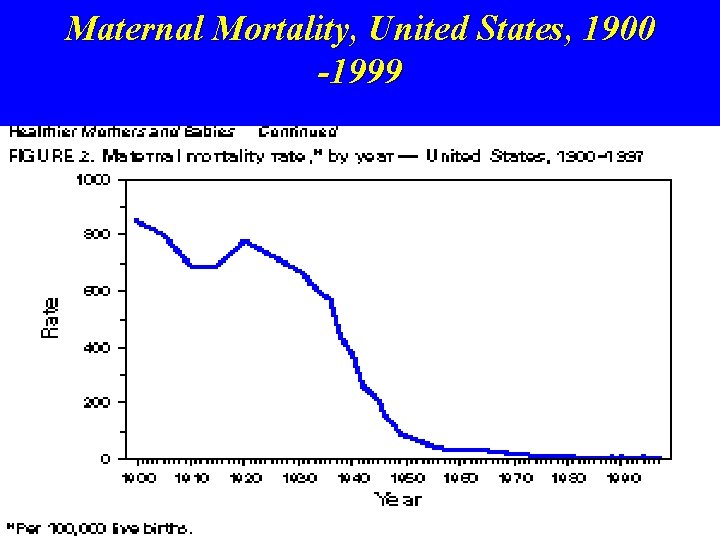
Maternal Mortality, United States, 1900 -1999
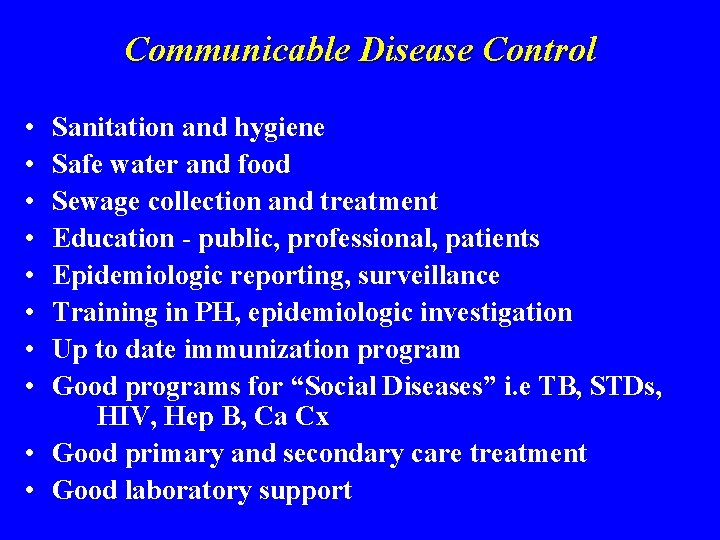
Communicable Disease Control • • Sanitation and hygiene Safe water and food Sewage collection and treatment Education - public, professional, patients Epidemiologic reporting, surveillance Training in PH, epidemiologic investigation Up to date immunization program Good programs for “Social Diseases” i. e TB, STDs, HIV, Hep B, Ca Cx • Good primary and secondary care treatment • Good laboratory support
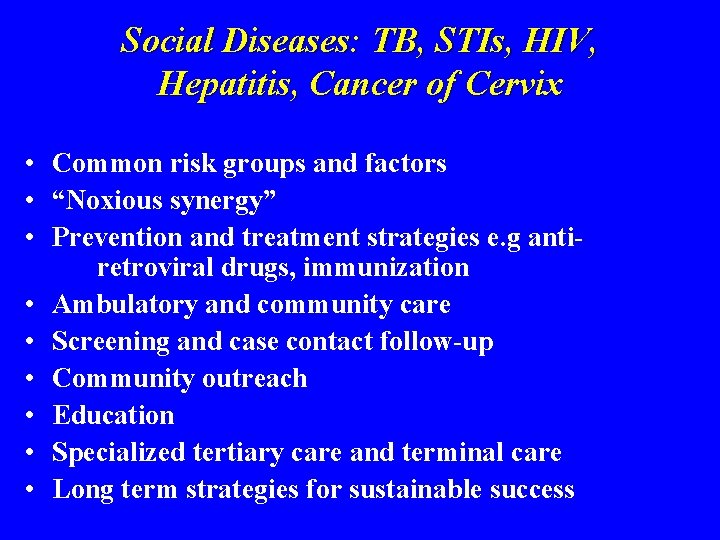
Social Diseases: TB, STIs, HIV, Hepatitis, Cancer of Cervix • Common risk groups and factors • “Noxious synergy” • Prevention and treatment strategies e. g antiretroviral drugs, immunization • Ambulatory and community care • Screening and case contact follow-up • Community outreach • Education • Specialized tertiary care and terminal care • Long term strategies for sustainable success
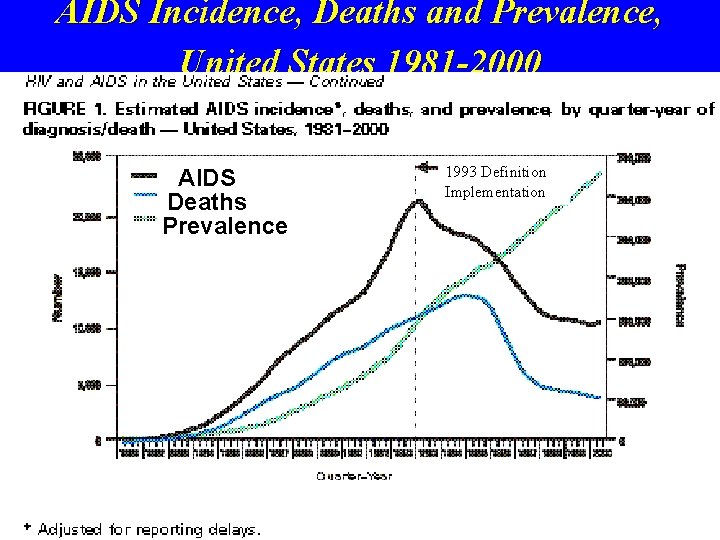
AIDS Incidence, Deaths and Prevalence, United States 1981 -2000 AIDS Deaths Prevalence 1993 Definition Implementation
Safe Community Water Supplies • • • Safe water sources – contamination Coagulation Filtration Disinfection and residual chlorine - mandatory Routine testing – bacterial and chemical Routine chemical testing Sanitary engineering inspection Safe distribution and drainage systems Updated standards Epidemiologic monitoring of diseases
Non-Communicable Disease Control • Primary prevention – Reduce CVD risk factors – BMI, exercise, smoking – Good nutrition e. g. much vegetables, little fat • Secondary Prevention – Hypertension and diabetes control – Good treatment of AMI, stroke – Technology assessment and adoption • Tertiary prevention – Good long term care in community – Hospital care in extremis
Motor Vehicle Trauma Control • Primary prevention – Transport policy e. g. trains vs. cars – Laws and policing e. g. speed, seatbelts, helmets – Roads e. g. shoulders, roundabouts, lights – Alcohol control e. g. supply, taxation, – Education • Secondary prevention – Emergency care at site – Good emergency transportation – trauma care in hospital – Good hospital care and training • Tertiary prevention – Good rehabilitation care
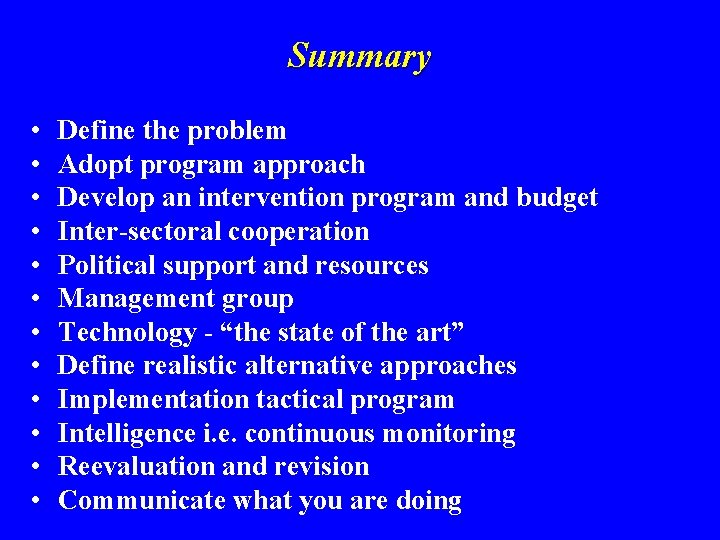
Summary • • • Define the problem Adopt program approach Develop an intervention program and budget Inter-sectoral cooperation Political support and resources Management group Technology - “the state of the art” Define realistic alternative approaches Implementation tactical program Intelligence i. e. continuous monitoring Reevaluation and revision Communicate what you are doing

- Slides: 27