
Storytelling for Sales Professionals ERIC FITZPATRICK ERICARKSPEAKINGANDTRAINING COM
- Slides: 23
Storytelling for Sales Professionals ERIC FITZPATRICK ERIC@ARKSPEAKINGANDTRAINING. COM 087 2851878
§ Why Stories? § What a story is and is not § Component parts of stories § The story finding process § When to use stories § The 5 + 1 stories you should have § Measure R. O. I on Storytelling AGENDA
Why stories?
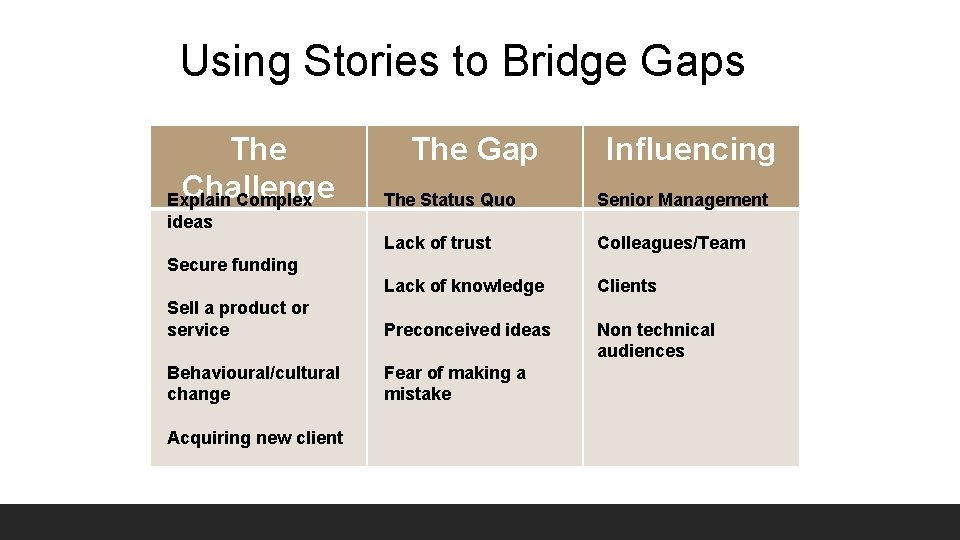
Using Stories to Bridge Gaps The Challenge Explain Complex The Gap Influencing The Status Quo Senior Management Lack of trust Colleagues/Team Lack of knowledge Clients Sell a product or service Preconceived ideas Non technical audiences Behavioural/cultural change Fear of making a mistake ideas Secure funding Acquiring new client
What is a story?
What is a Story? “A medium for connecting your audience with your message”
How do Stories work?
Stories and the Brain
100%= Broca’s & Wernicke’s areas
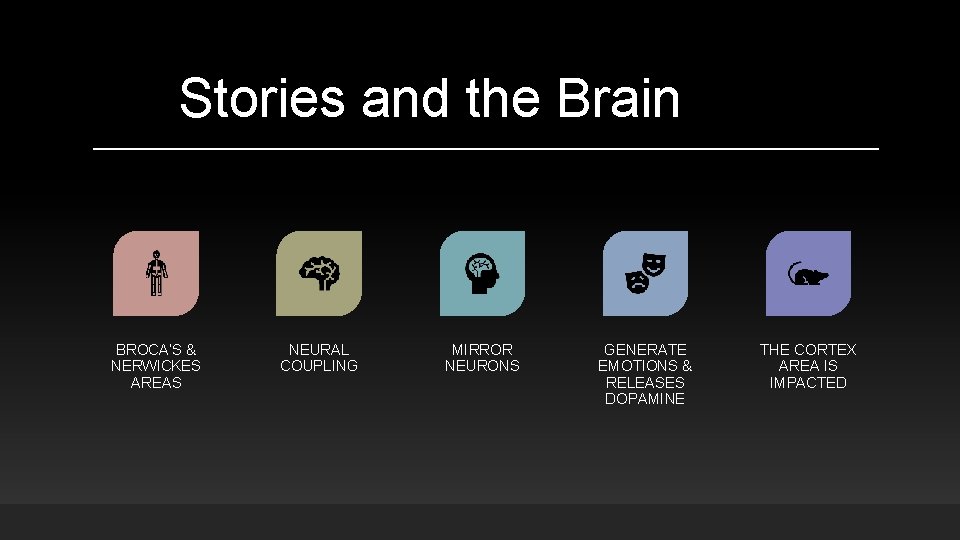
Stories and the Brain BROCA’S & NERWICKES AREAS NEURAL COUPLING MIRROR NEURONS GENERATE EMOTIONS & RELEASES DOPAMINE THE CORTEX AREA IS IMPACTED
The Science behind Stories
Cooper 1997 – generate understanding Research into stories and how they help Coles 1989 – Stories aid recall, message retention, and generate learner enthusiasm Chafe 1985, Pinker 2000 Connect with existing banks of knowledge Mehl-Madrona 2005 Stories create meaning Chafe 1985 – Stories create empathy and increase degree to which listeners want to learn and understand
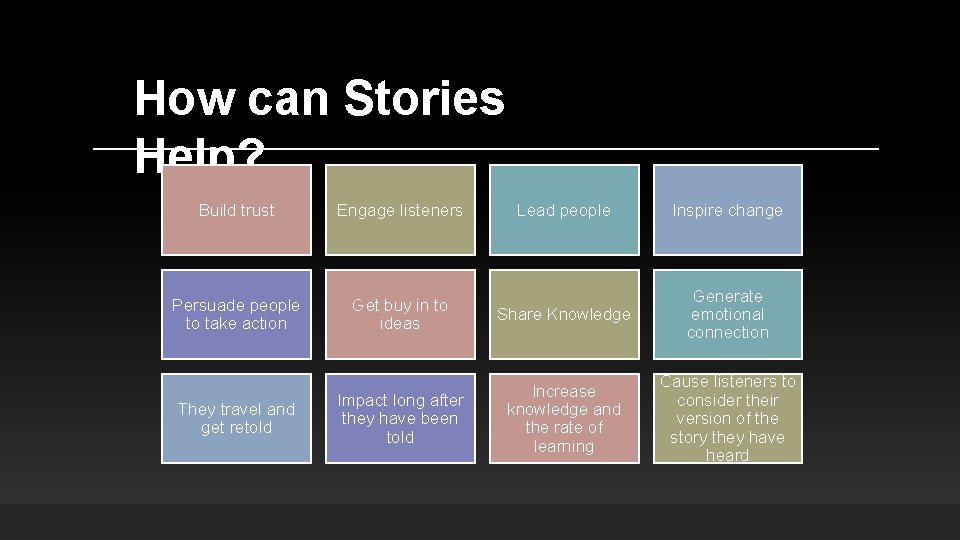
How can Stories Help? Build trust Engage listeners Persuade people to take action They travel and get retold Lead people Inspire change Get buy in to ideas Share Knowledge Generate emotional connection Impact long after they have been told Increase knowledge and the rate of learning Cause listeners to consider their version of the story they have heard
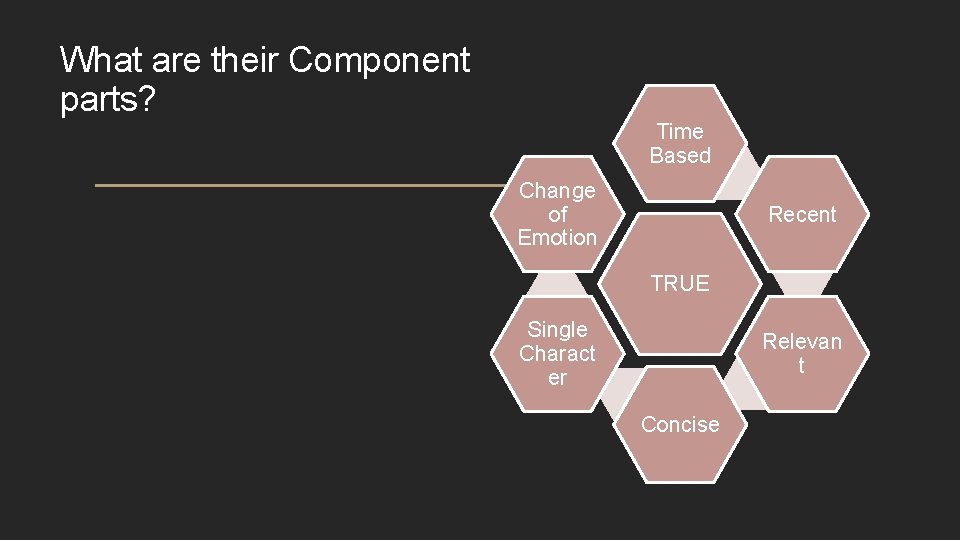
What are their Component parts? Time Based Change of Emotion Recent TRUE Single Charact er Relevan t Concise
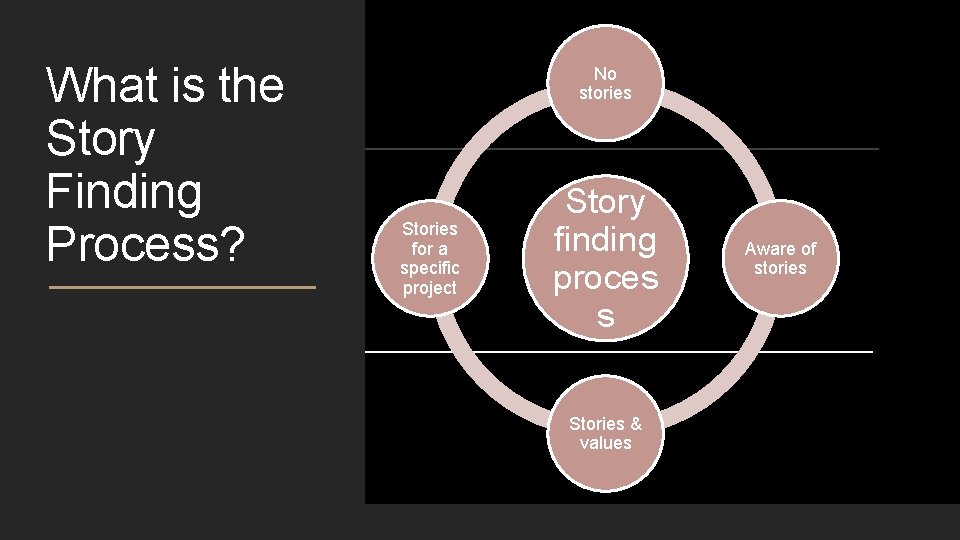
What is the Story Finding Process? No stories Stories for a specific project Story finding proces s Stories & values Aware of stories
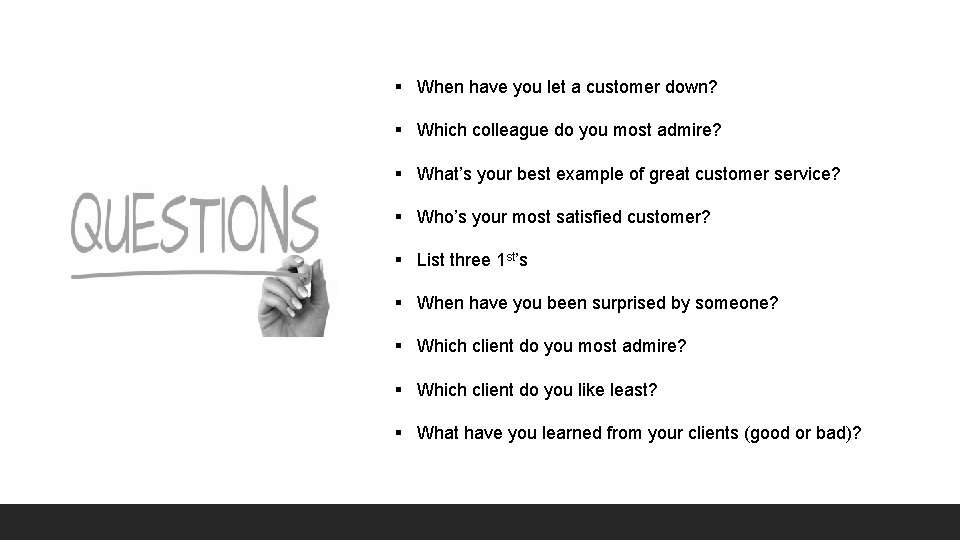
§ When have you let a customer down? § Which colleague do you most admire? § What’s your best example of great customer service? § Who’s your most satisfied customer? § List three 1 st’s § When have you been surprised by someone? § Which client do you most admire? § Which client do you like least? § What have you learned from your clients (good or bad)?
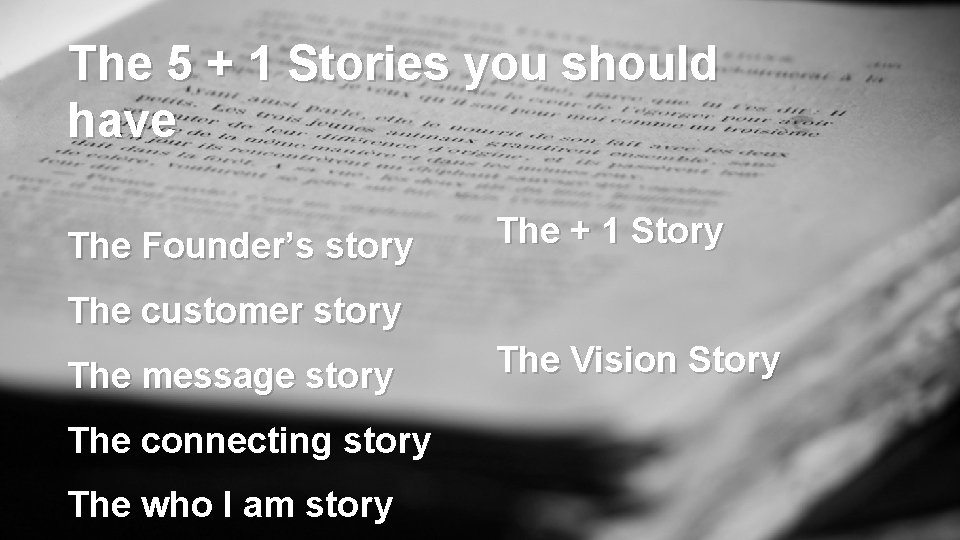
The 5 + 1 Stories you should have The Founder’s story The + 1 Story The customer story The message story The connecting story The who I am story The Vision Story
When to use Stories?
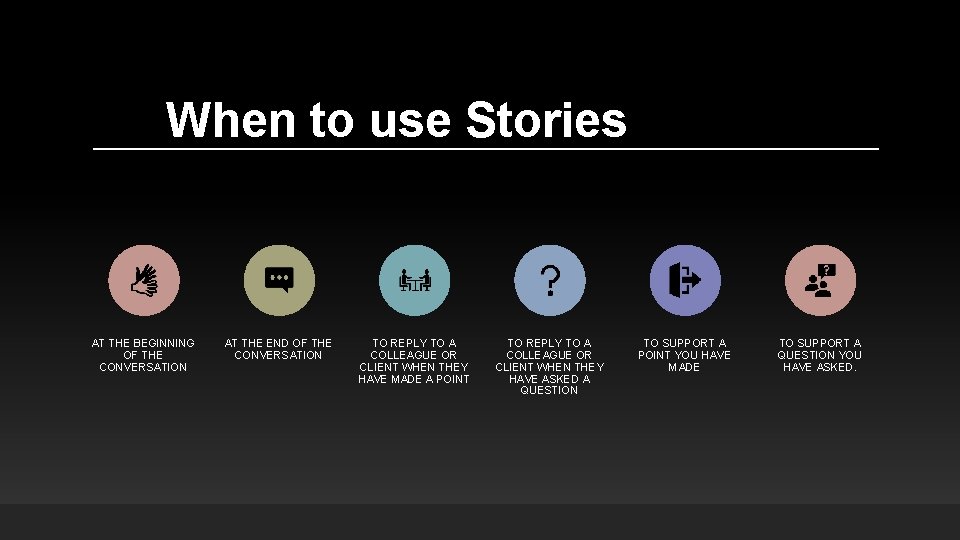
When to use Stories AT THE BEGINNING OF THE CONVERSATION AT THE END OF THE CONVERSATION TO REPLY TO A COLLEAGUE OR CLIENT WHEN THEY HAVE MADE A POINT TO REPLY TO A COLLEAGUE OR CLIENT WHEN THEY HAVE ASKED A QUESTION TO SUPPORT A POINT YOU HAVE MADE TO SUPPORT A QUESTION YOU HAVE ASKED.
Louise’s Story
How to Measure the R. O. I?
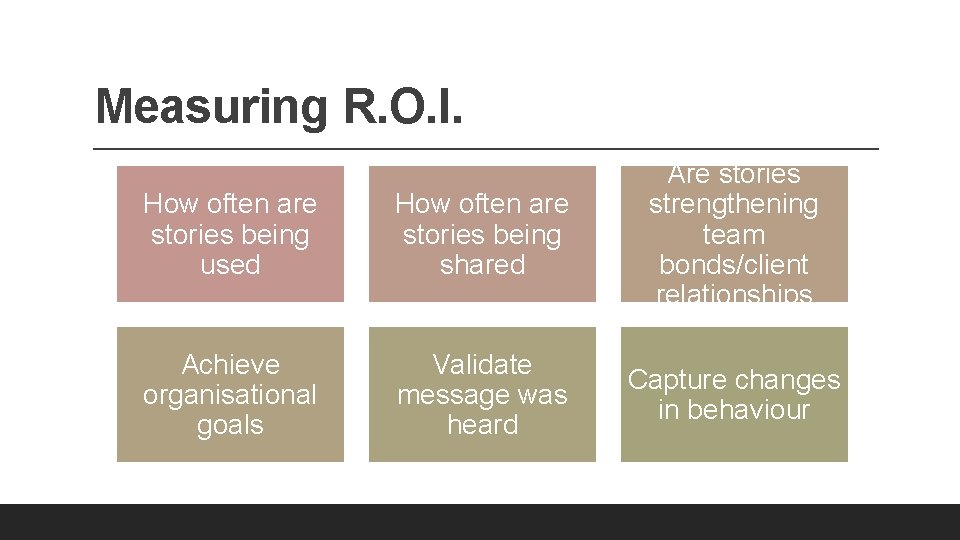
Measuring R. O. I. How often are stories being used How often are stories being shared Are stories strengthening team bonds/client relationships Achieve organisational goals Validate message was heard Capture changes in behaviour
Storytelling for Sales Professionals ERIC FITZPATRICK ERIC@ARKSPEAKINGANDTRAINING. COM 087 2851878