
Storytelling and Dramatization for Young Learners a sample


- Slides: 28
Storytelling and Dramatization for Young Learners: a sample lesson Prof. Dr. Aydan Ersöz
Modern stories • are short. • are carefully screened by experts. • are repetitive. • don’t have disturbing characters. • contain a positive message or a good lesson.
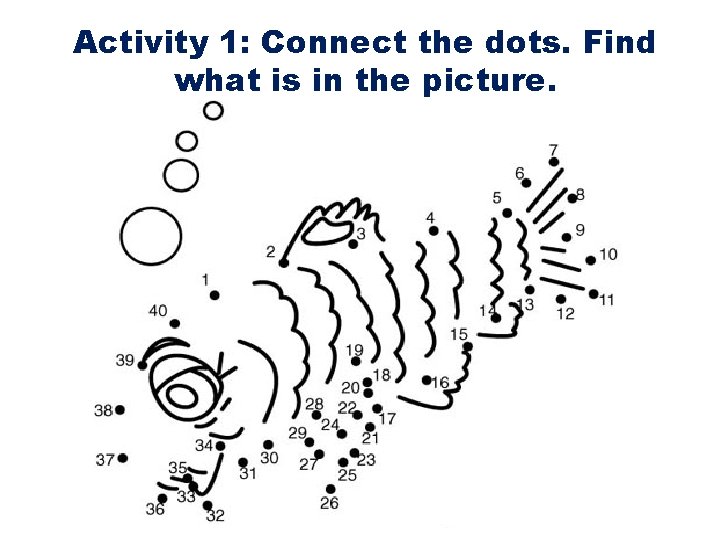
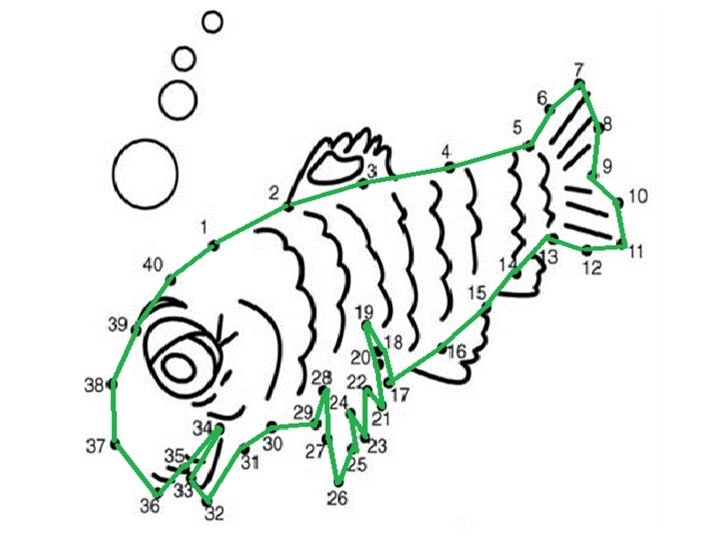
Activity 1: Connect the dots. Find what is in the picture.
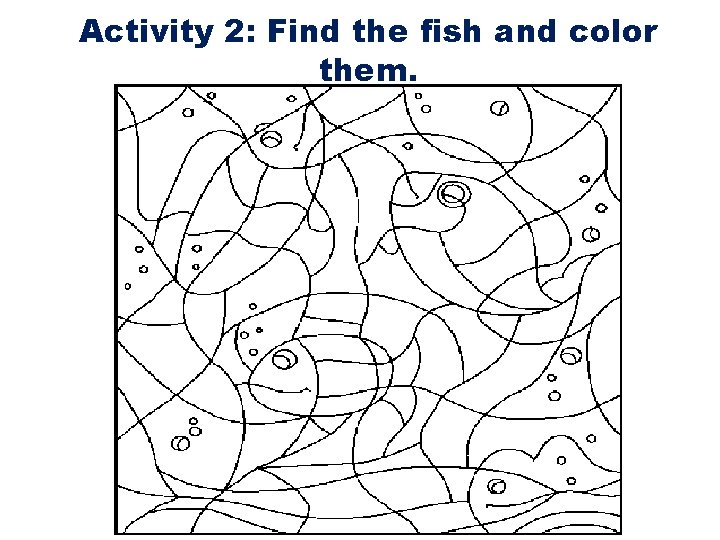
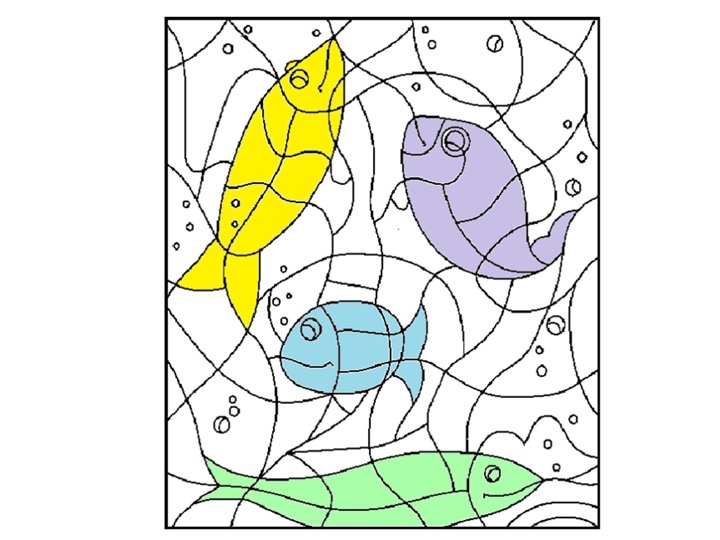
Activity 2: Find the fish and color them.
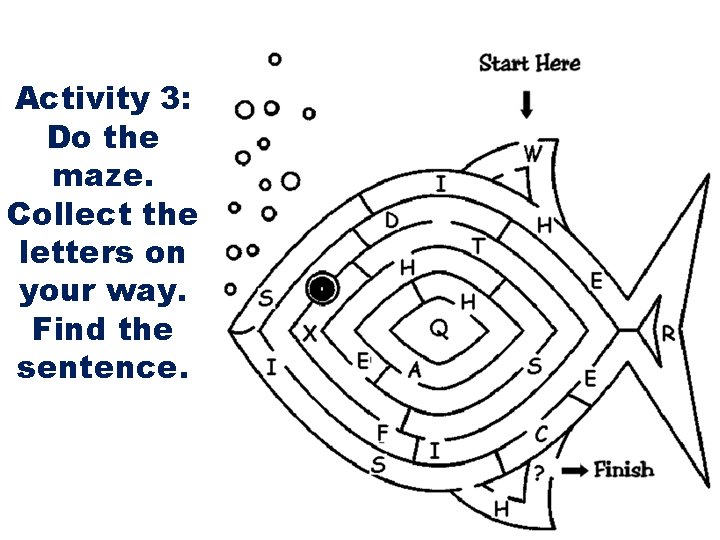
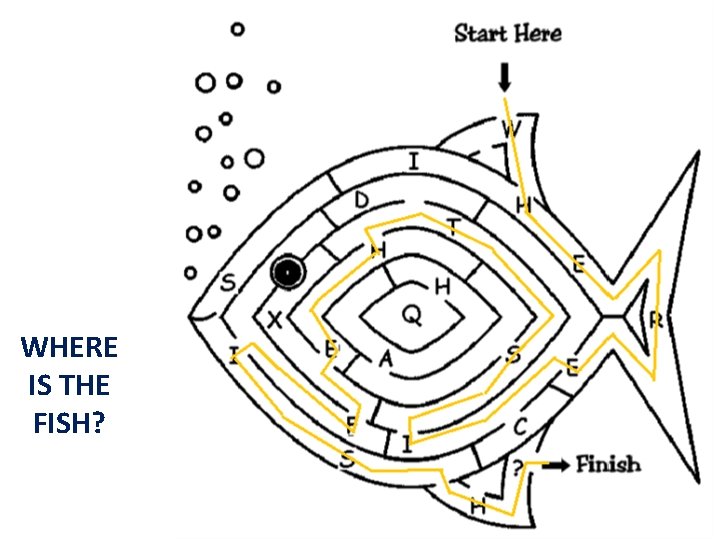
Activity 3: Do the maze. Collect the letters on your way. Find the sentence.
WHERE IS THE FISH?
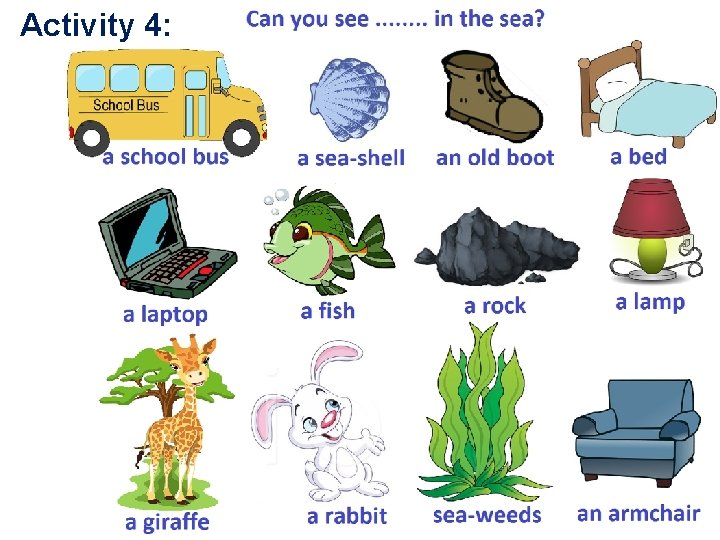
Activity 4:
STORY TIME!
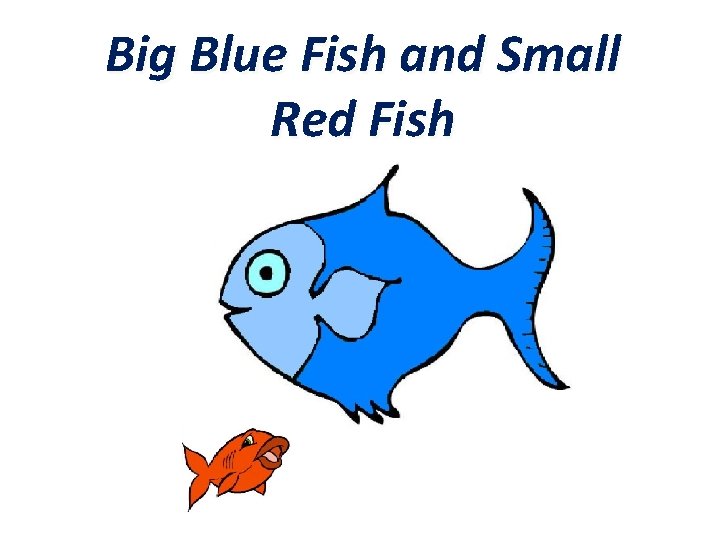
Big Blue Fish and Small Red Fish
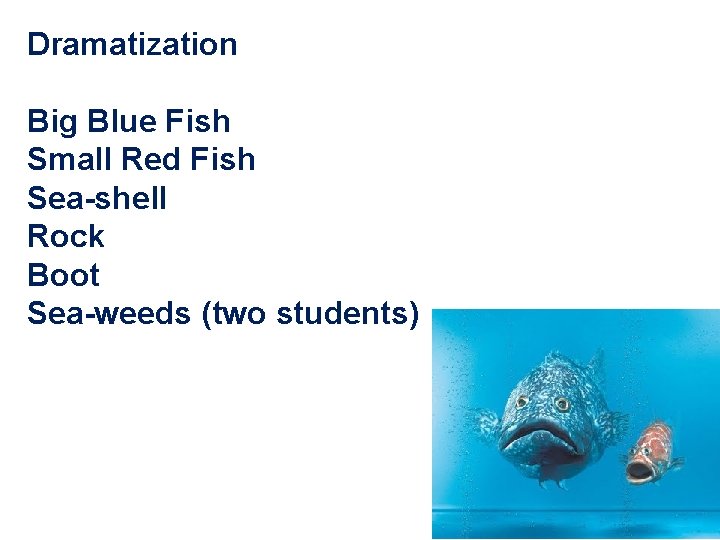
Dramatization Big Blue Fish Small Red Fish Sea-shell Rock Boot Sea-weeds (two students)
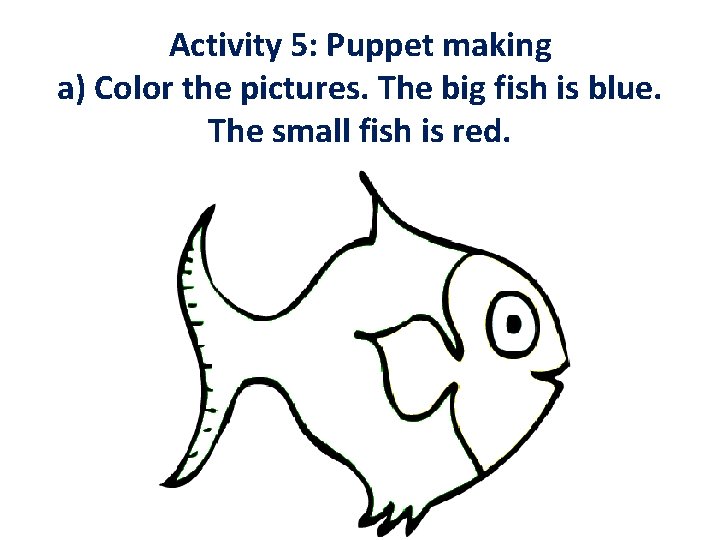
Activity 5: Puppet making a) Color the pictures. The big fish is blue. The small fish is red.
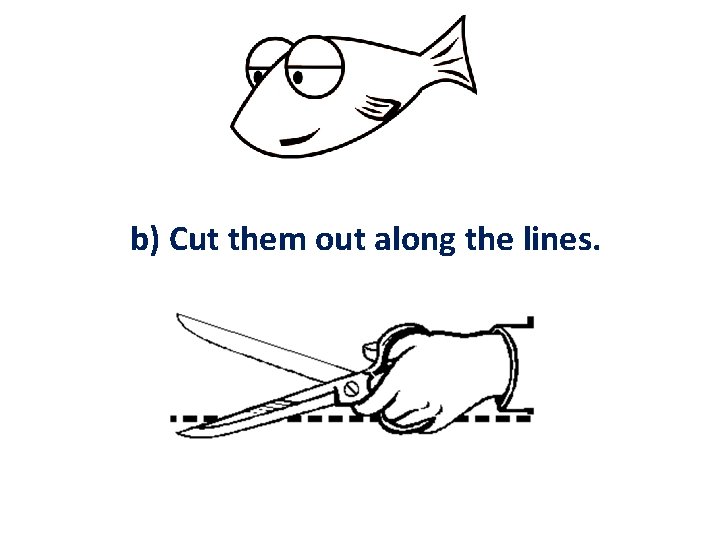
b) Cut them out along the lines.
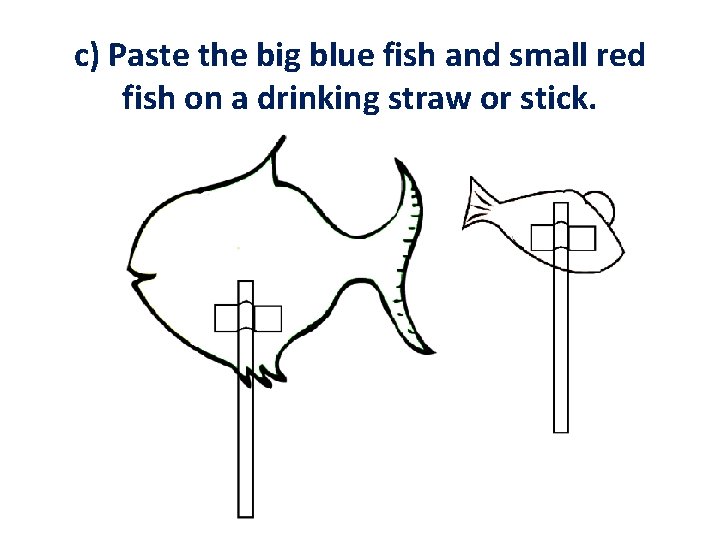
c) Paste the big blue fish and small red fish on a drinking straw or stick.
Activity 6: Use your puppets. Let’s sing a song. (Sung to the tune of The Wheels on the Bus) The fish in the sea go Swim, swim, swim Swim, swim The fish in the sea go Swim swim All day long The fish in the sea go Hide, hide, hide Hide, hide The fish in the sea go Hide, hide All day long. . The fish in the sea go Eat, eat, eat Eat, eat The fish in the sea go Eat, eat All day long
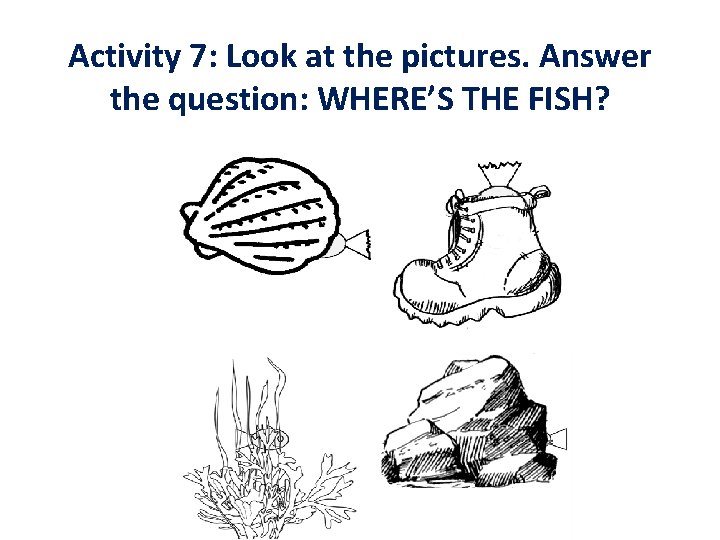
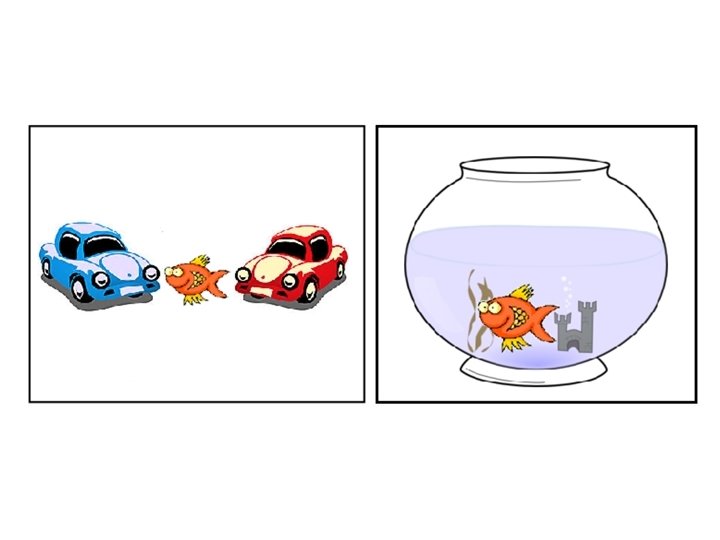
Activity 7: Look at the pictures. Answer the question: WHERE’S THE FISH?
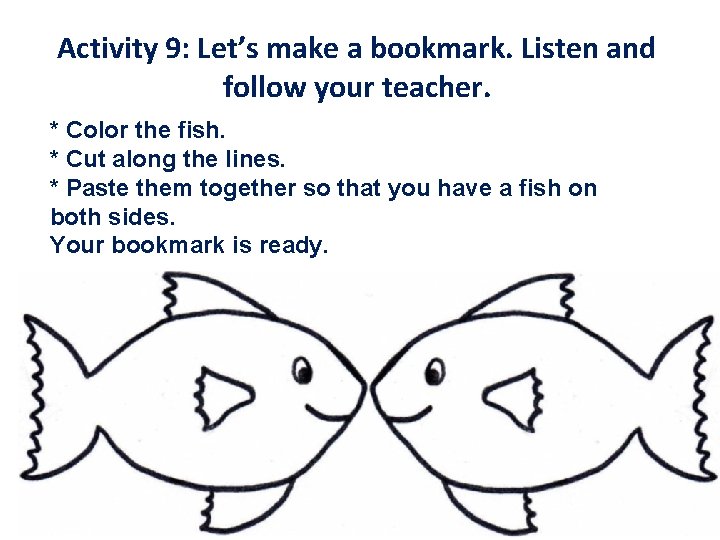
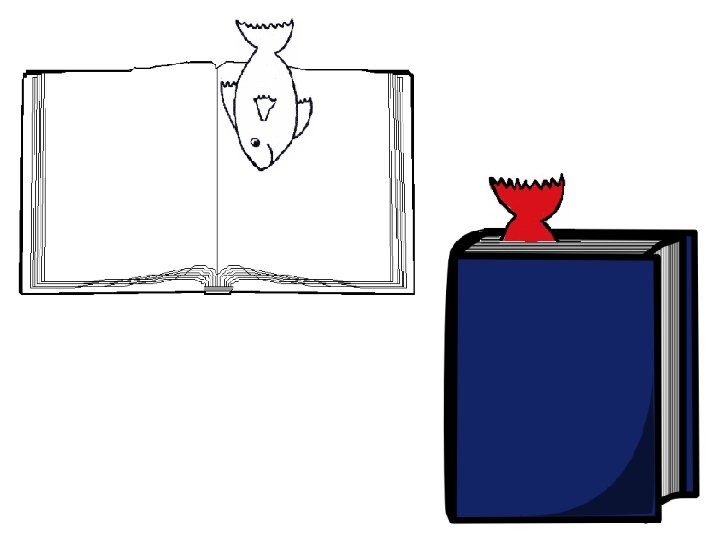
Activity 9: Let’s make a bookmark. Listen and follow your teacher. * Color the fish. * Cut along the lines. * Paste them together so that you have a fish on both sides. Your bookmark is ready.
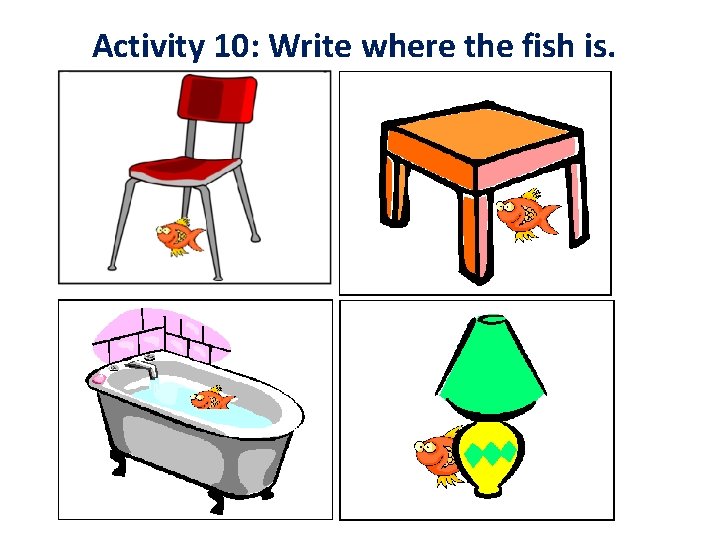
Activity 10: Write where the fish is.
EXTRA ACTIVITIES/ HOMEWORK
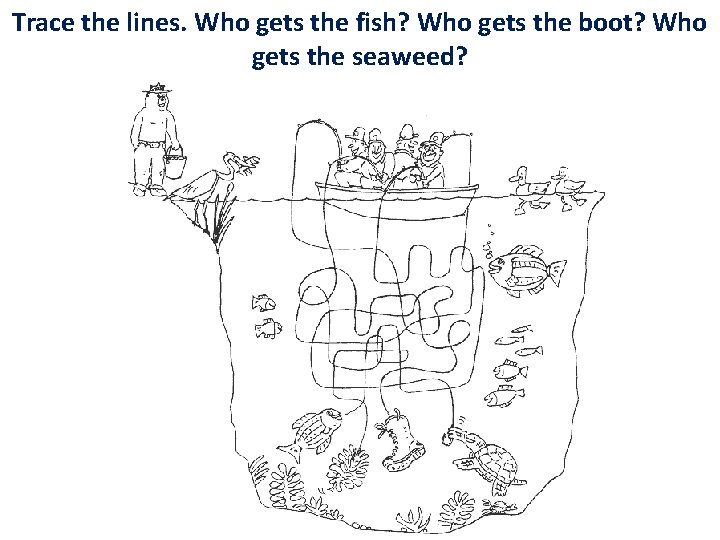
Trace the lines. Who gets the fish? Who gets the boot? Who gets the seaweed?
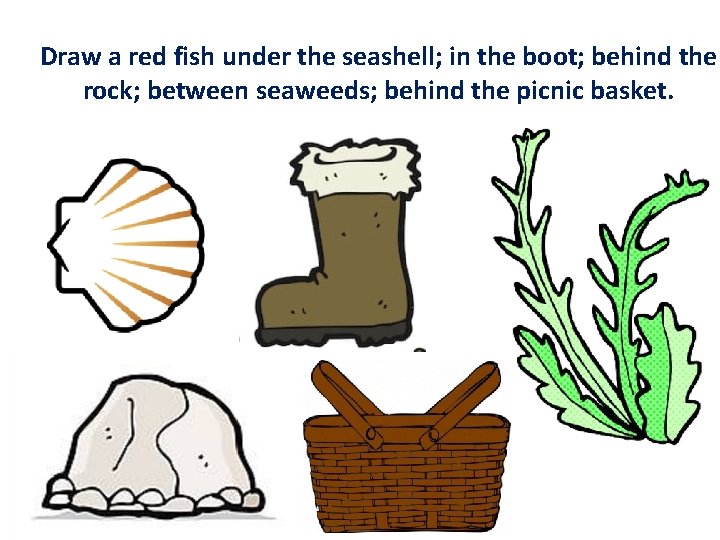
Draw a red fish under the seashell; in the boot; behind the rock; between seaweeds; behind the picnic basket.
REFLECTIONS
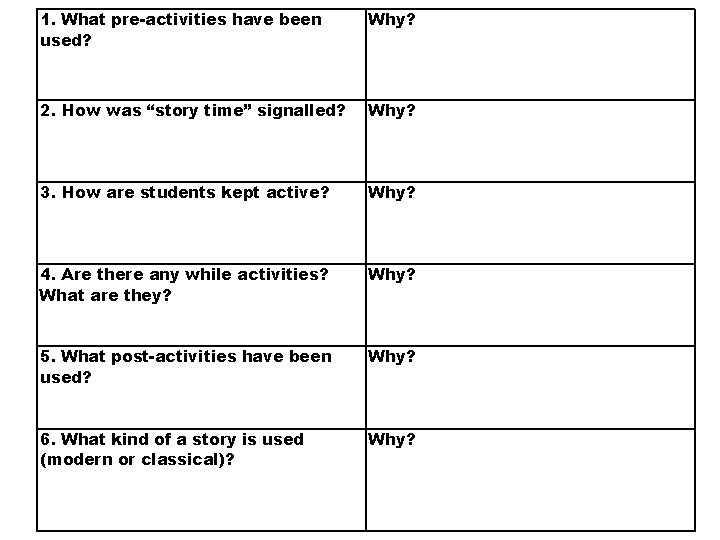
1. What pre-activities have been used? Why? 2. How was “story time” signalled? Why? 3. How are students kept active? Why? 4. Are there any while activities? What are they? Why? 5. What post-activities have been used? Why? 6. What kind of a story is used (modern or classical)? Why?