
Stories of Growth in World Literature The Music
- Slides: 36
Stories of Growth in World Literature The Music of The Violin 2011/11/29 Ann Huang, Natalie Lu, Andrew Wu, Sherlyn Tee, Sally Chen, Tracy Lin, Claire Tian
Outline • • Introduction Summary Family Tension: Parents vs. Sister School Tension: Teachers & Peers(Boys vs. Girls) vs. Friend Social Tension: Gang Motifs, Themes, Imagery Discussion Questions Conclusion
Introduction: Characters • Vukani • his parents • two visitors (Dr. Zwane and Mrs. Zwane) • His sister, Toboho • His friend, Doksiwhose father is a barber; • At school—Ms. Yende (red dress) • Mr. Maseko, the principal
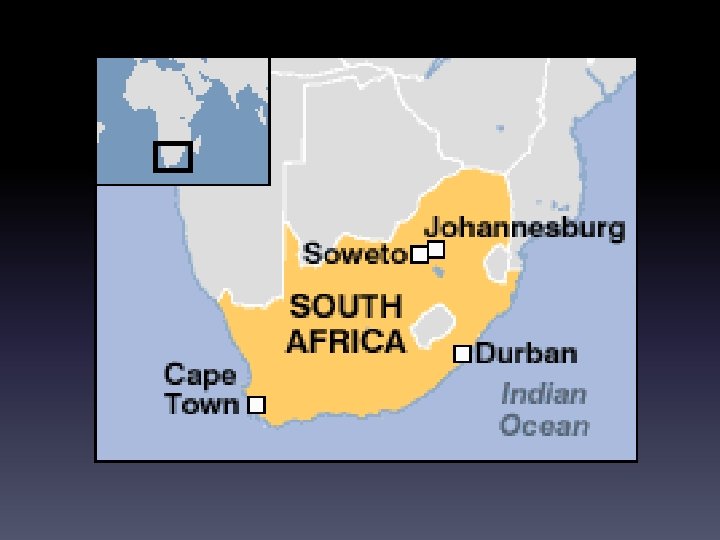
Introduction: Setting • Njabulo Ndebele • Johannesburg township of Soweto • A critical portrait - completely absorbed Western middle-class values and attitudes
Summary • Overhear→ recalling his memory • At school he is forced to “Bantu education”, and at home “Western education” • Humiliating incident → Pressure → desire to escape Ending: Vukani doesn’t want to play anymore → mother retreats to bedroom in tears
Family Pressure • Mainly from Vukani’s parents • Voilin→ parents’ anticipation and showing off • Vukani’s point of view: ---He looked at the violin with dread; as something that could bring both pain and pleasure all at once. (p. 100) ---Today he had been humiliated again in public, …. . It was all because of this violin. (p. 104)
Parents • Father: Inspector of schools • Mother: Nursing sister → Sense of superior; better environment for better future ---His mother never tried of telling him how lucky he was…. . (p. 100) ※Compare to the white boy→ couldn’t get rid of the boundary of different races ---You should never yield to ignorance. (p. 106)
Arrogance & Showing off • Self identity or self hatred? ---”Relatives”, the mother came out, “can be a real nuisance. ” Once you have opened the door, they come trooping in like ants. (p. 110) ---Showing off their son and the violin (p. 107 -108) ---They are not people: they are animals. Absolutely raw. They have to respect for that is better than they. (p. 111)
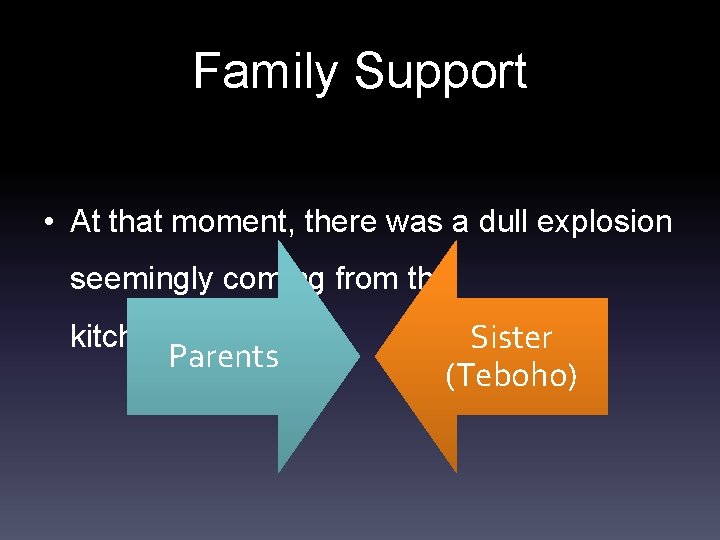
Family Support • At that moment, there was a dull explosion seemingly coming from the kitchen…. . (p. 109) Parents Sister (Teboho)
Siblings Relationship • Both of them suffer the pressure from their parents. ---He wondered where Teboho, his sister, was…. . Their mother tended to make too many demands on them. (p. 97) ---Vukani thought of his sister. He wanted to go to her. They were very lonely. Their parents disapproved of many of their friends. (p. 110)
School Tension : Teachers & Peers (I) • The Western Education of School P 95 & P 107: Homework Questions-------Western Influence • The Representatives-------Most of of Teachers • �P 100: Miss Yende------Repression & Repulsiveness • The Red Dress—Velvety& Flowery Fragrance, but Dreadful Repulsiveness • The Image of Red Color: Beautiful but Repulsive • The Rebellious Power-----Teacher Maseko P 99 “Children, I would rather be a hungry dog that runs freely in the streets, than a fat, chained dog burdened with itself and the weight of the chain. ”
• School Tension : Teachers & Source of pressure at school: Peers (II) -Children at school and the whole class as a pressure group 。Vukani with violin as the target of kid’s mocking “Here’s a fellow with a strange guitar!” (p. 101) 。No one helps him when he finds out his violin is gone (p. 102)
School Tension : Teachers & Peers • Source of pressure at(III) school: Peers -Different genders group in the class Incident: Vukani’s violin is disappeared. 1. Boys: physical strength 。“I’m sure it was taken by one of those big boys whom everybody fears. Big bodies without minds! They ought to be working in town. Just at school to avoid paying tax. ” (p. 102) 2. Girls: take advantages sexually 。Topsana and the girls (p. 103)
School Tension : Teachers & Peers (IV) • Source of Support: Friend─Doksi • Doksi as Vukani’s supporter when he faces with pressure at school (p. 102) -Solid, true friendship -Actual supporting actions • Doksi as another seed of rebellion against Authority -knowing what’s justly right (p. 102) -rebellious nature (p. 110) -a weekly ritual of hair burning. (p. 100)
Street Boys
• Usual harassment – p 104 • That Friday… • Try to play clam when he was being followed • Impala, a prey • A woman stand out for him but can’t help him in the end
• Gang continue humiliated Vukani • Humiliate his sister
Pressure points • Gang • No use when complained to his mother • Blame the fault on violin
• Motifs, Imagery, and Imagery of fire. Symbols • Imagery of animals – Impala – Dogs • Symbolic Significance of The VIolin • Binary Opposition
Imagery of Fire • Power and emotion • Energy, destructive, “burning passion” • Nature (primal) vs. invented (civilized) • Harnessed to work for men • Vukani’s imagination of pages catching flame (99) • Doksi’s hair burning ritual (100)
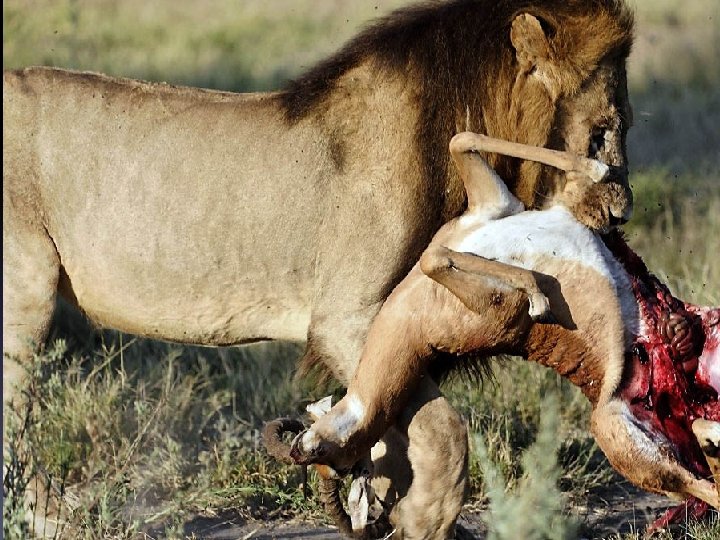
The Lion and the Impala • Dynamic between predator and prey • “Eat or be eaten” • Run!
Imagery of Dogs • Dogs: nature vs. civilization • Teacher Maseko (101; 1 st complete para. ) – Contrast: free dog, chained dog, wandering dog • Vukani’s experience of a primal urge (105) – stray dog – He understands • Woman’ intervention – “Dogs of the street!”
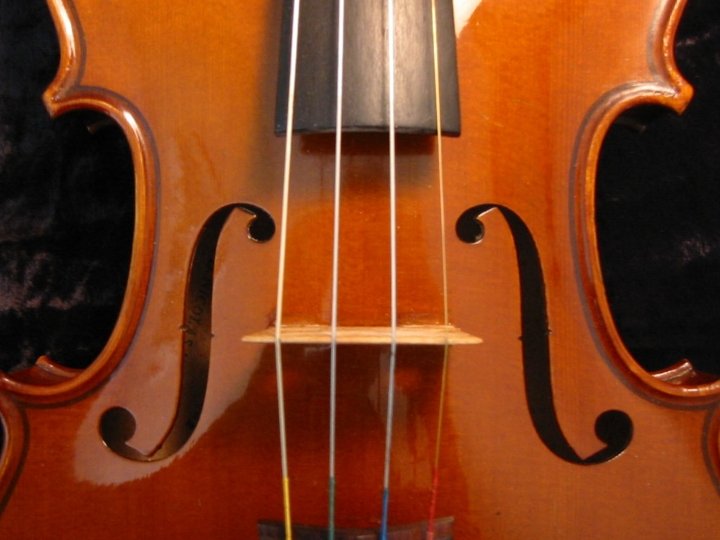
• Symbolic Significance of the Violin Ironic contrast: The devil’s instrument – Western music – Countless shades of tone – Concert master, Violin I & II • Education Status • Beauty in the arts • For Vukani, fear and oppression • Symbol of “difference” (M: status; V: isolation)
Themes • Education, social status • Racial identity • Oppression and power
Education and social status • Irony – examples in speech but also (109; Devorak) • Vanity • Hypocrisy • Jealousy
Racial Identity • Father: Inspecting schools • Mother: obsession • Children: care more for peers
Oppression and Power • Father as authority figure • Mother as nurse • Father vs. Mother • Parents vs. Children (Vukani, Doksi, Teboho) • Carnal: primal urges
Discussion Questions • What are your ideas about the function of education? What do you think about the mother’s motivations of making Vukani learn the violin? • Were you forced as a child to learn a musical instrument as a child? Share your experience. • Discuss your parents and how you were raised. Do you think they ever treat you the way Vukani’s mother treated him?
Do you have any questions or comments?
Conclusion “The Music of the Violin” is a story about racial identity and social issues, but at the heart of the story is a little boy, Vukani, who is ironically imprisoned and oppressed by a fear and hatred of fear and oppression.
Thank you very much