
STORAGE TESTOUT PC PRO Select the appropriate storage





- Slides: 17
STORAGE TESTOUT PC PRO
Select the appropriate storage solution TESTOUT PC PRO
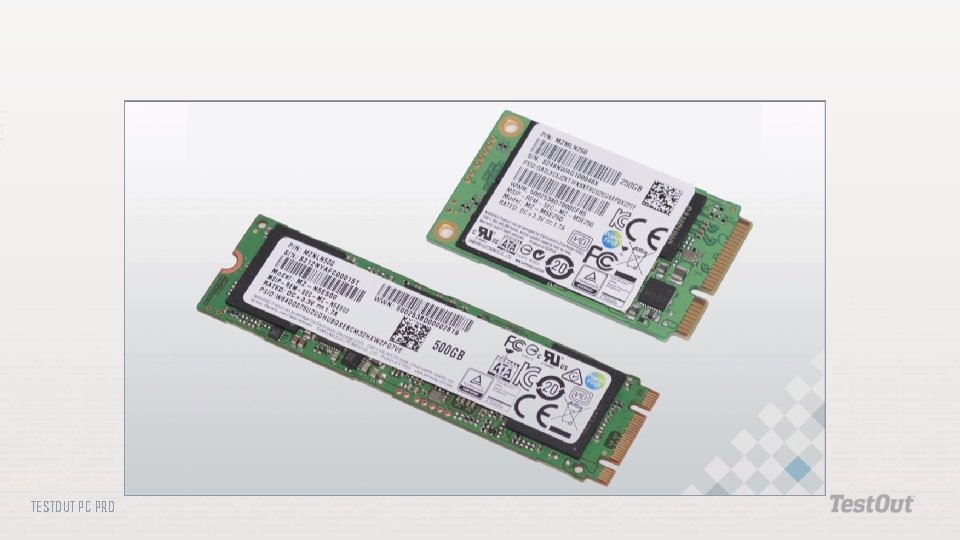
Flash memory Hard disk Integrated Drive Electronics (IDE) Non-Volatile Memory Express (NVMe) Optical disc M. 2 SD card Solid state drive TESTOUT PC PRO
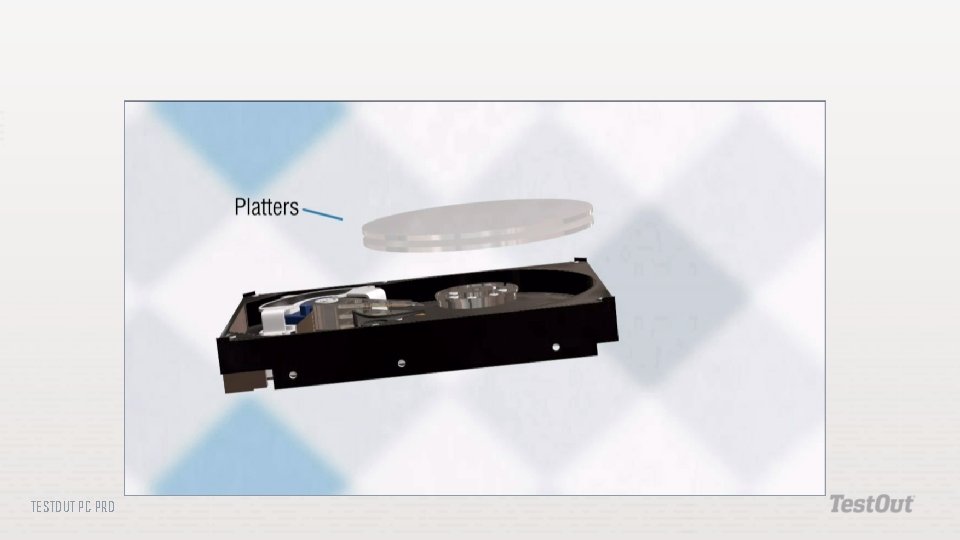
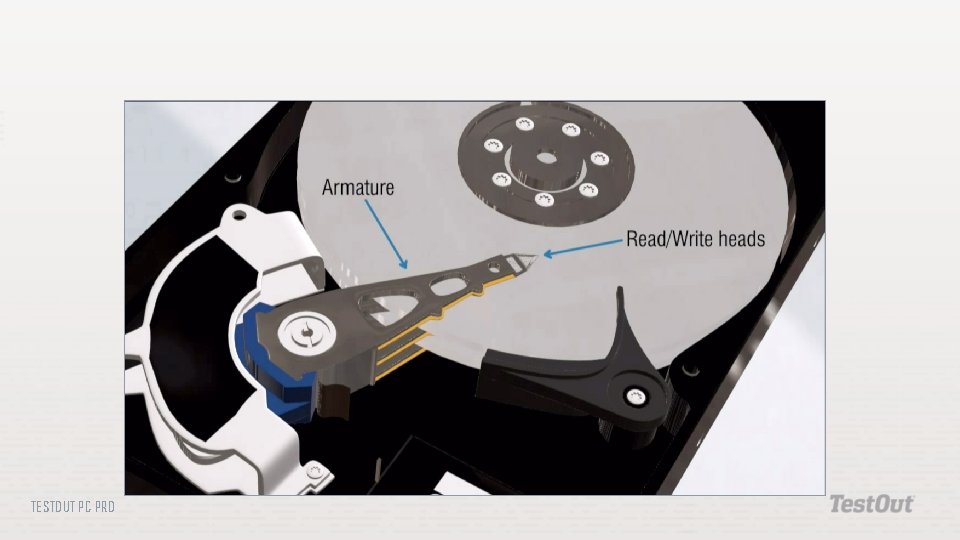
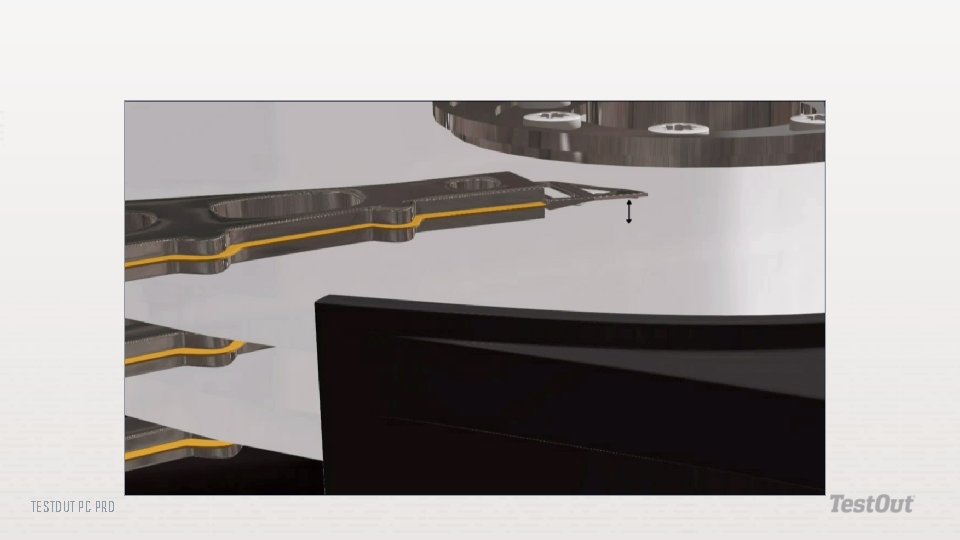
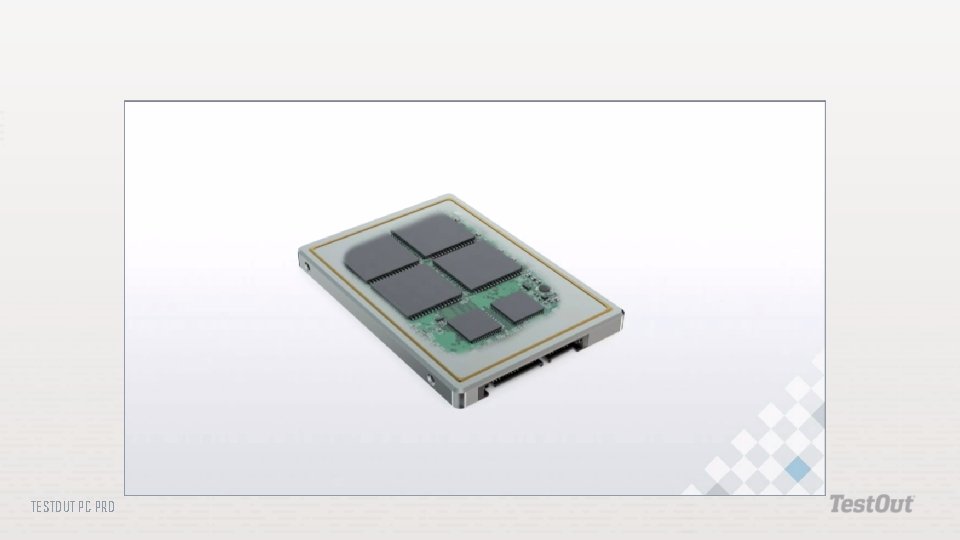
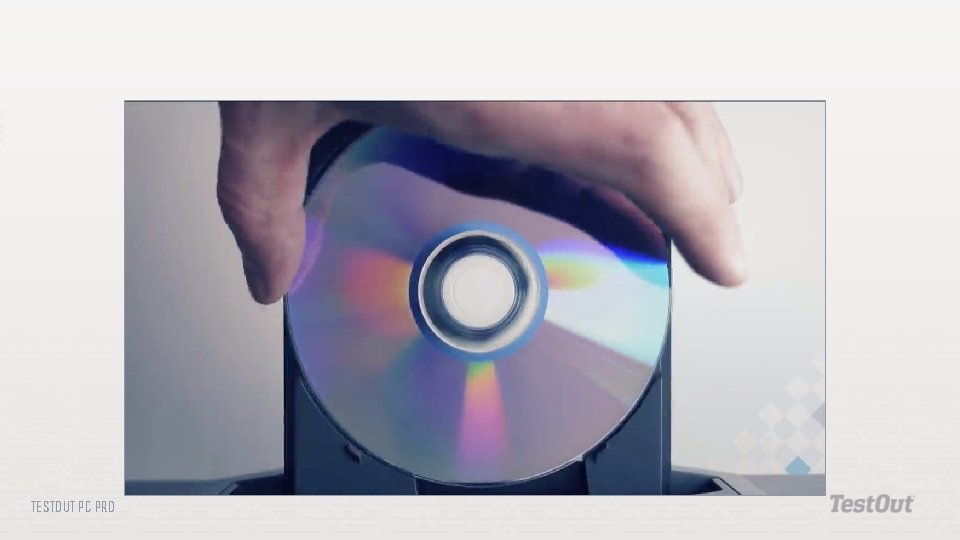
Flash memory: Electronic non-volatile memory that is easy to erase and reprogram. Hard disk: A long-term storage device; a thick magnetic disk made of several aluminum platters in a protective shell. Integrated Drive Electronics (IDE): An electronic interface that allows communication between a motherboard's data pathos or bus and a computer's hard disks. Non-Volatile Memory Express (NVMe): A memory storage device designed to allow access to non-volatile storage media through a PCI express (PCIe) bus. Optical disc: A storage device that records binary information through pits in a reflectively-coated disc. Optical discs use lasers for reading and writing information. M. 2: A popular solid state drive often used in portable electronics. SD card: A flash memory device is often used in digital cameras. Solid state drive: A flash device with a large storage capacity comparable to a hard disk drive's. TESTOUT PC PRO
TESTOUT PC PRO
TESTOUT PC PRO
TESTOUT PC PRO
5400 RPM 7200 RPM 10, 000 RPM TESTOUT PC PRO
TESTOUT PC PRO
TESTOUT PC PRO
TESTOUT PC PRO
TESTOUT PC PRO
TESTOUT PC PRO
Portable Good storage capacity Great long-term storage TESTOUT PC PRO
TESTOUT PC PRO
Quick access, large capacity-HDD or SDD Portable-Flash device or optical media TESTOUT PC PRO
What are the advantages of hard disks over all other forms of storage media? How do optical drives store and read data from a disc? How does a flash device differ from a hard disk? Which storage device types are magnetic media? Which are optical? Which are solid state? TESTOUT PC PRO