
Stokely Carmichael Black Power Lesson starter What were
Stokely Carmichael & Black Power Lesson starter: What were the differences between Martin Luther King and Malcolm X? Write down as many as you can.

Today we will… • Understand the importance of Stokely Carmichael • Identify the aims of the Black Power movement
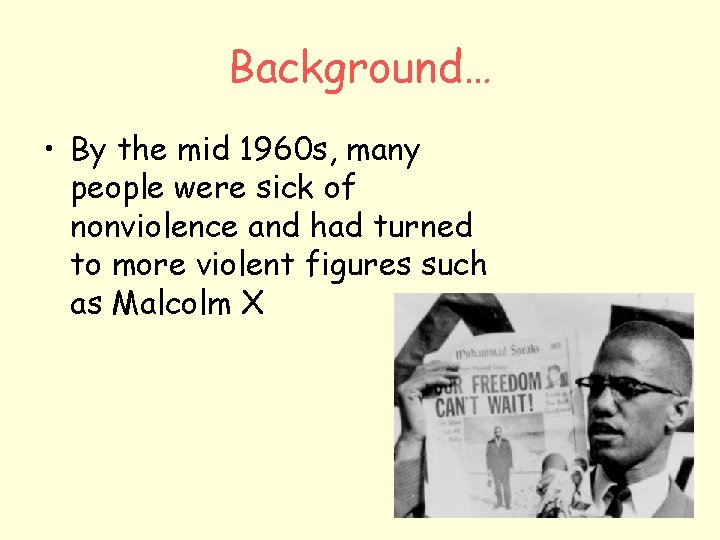
Background… • By the mid 1960 s, many people were sick of nonviolence and had turned to more violent figures such as Malcolm X

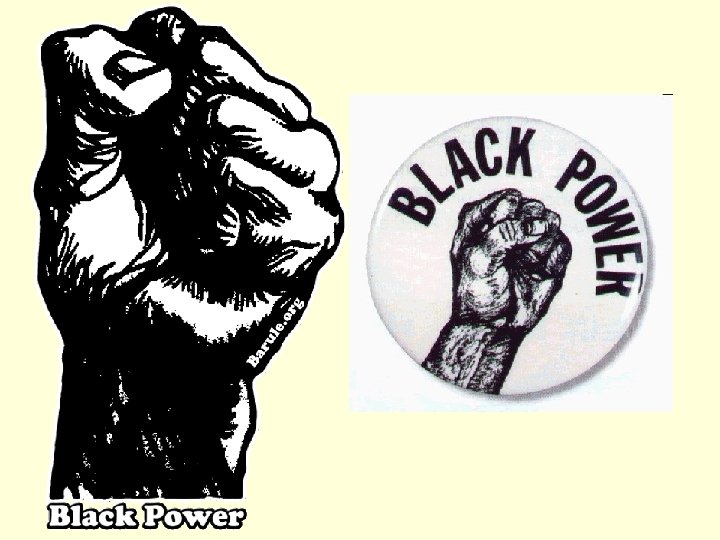
• Stokely Carmichael • First used phrase ‘Black Power’ in 1966 • What did it mean? • It was about having pride in your Black identity and taking a stand against those who have treated you badly

• Involved in Freedom Rides • Elected chairman of SNCC (nonviolent group) in 1966 • Moved away from nonviolence
• "This is the twenty-seventh time I have been arrested and I ain't going to jail no more! The only way we gonna stop them white men from whuppin' us is to take over. What we gonna start sayin' now is Black Power!“ • Stokely after the James Meredith Riots
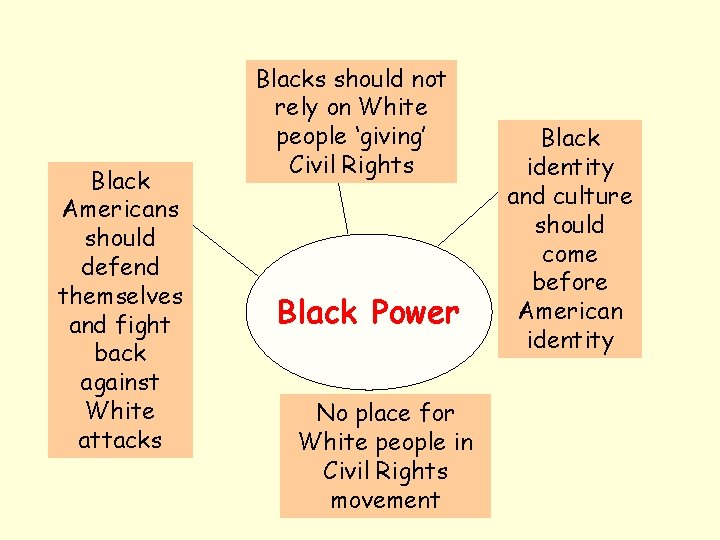
Black Americans should defend themselves and fight back against White attacks Blacks should not rely on White people ‘giving’ Civil Rights Black Power No place for White people in Civil Rights movement Black identity and culture should come before American identity
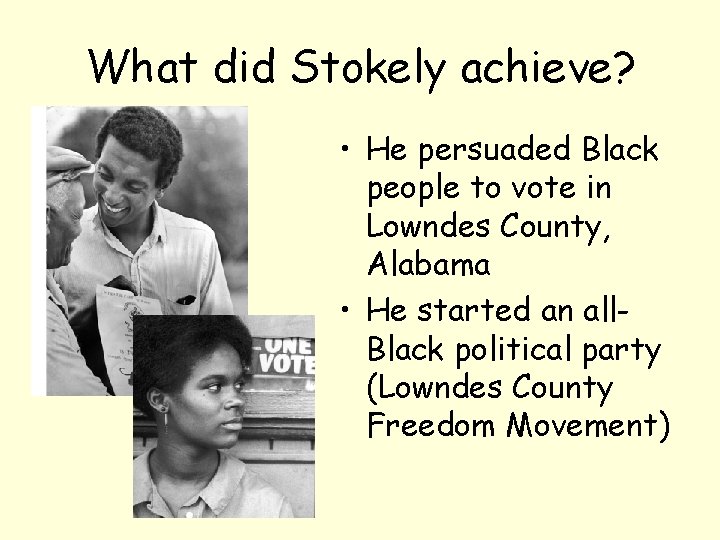
What did Stokely achieve? • He persuaded Black people to vote in Lowndes County, Alabama • He started an all. Black political party (Lowndes County Freedom Movement)

Criticisms • Many people thought the ‘Black Power’ slogan was racist • People thought he condoned violence • He used very violent language • ‘Don’t ask, take!’ • He later left the SNCC to join the Black Panthers (an even more extreme Black group)
Slogans… • • ‘Black is Beautiful’ ‘Black Power’ ‘Burn Baby Burn’ ‘Don’t ask, take’
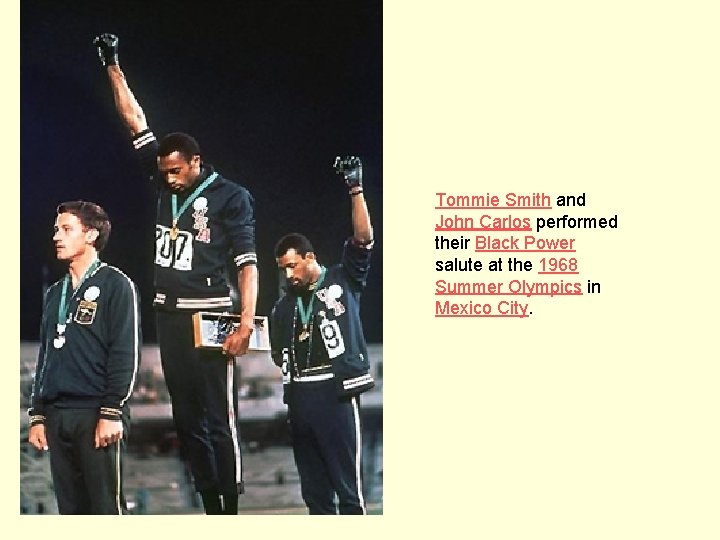
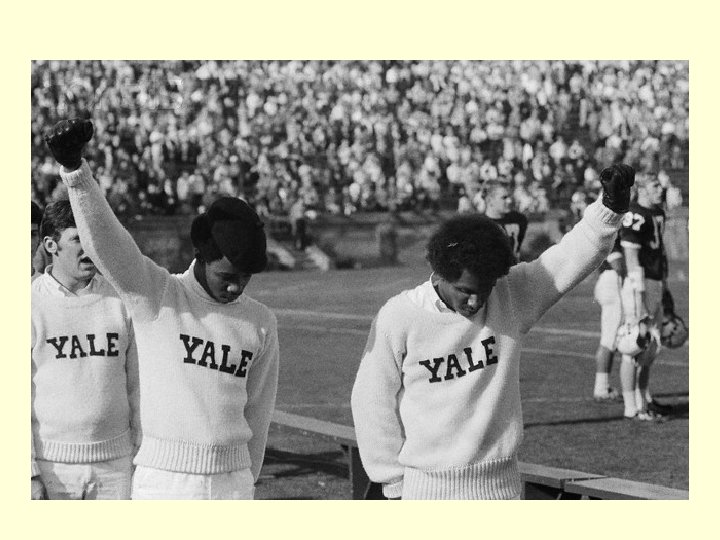
Tommie Smith and John Carlos performed their Black Power salute at the 1968 Summer Olympics in Mexico City.
• Black Power • March against fear • Black Power UK
Today we will… • Understand the importance of Stokely Carmichael • Identify the aims of the Black Power movement
- Slides: 15