
Steven Lanou Deputy Director Sustainability Program EHS Headquarters
Steven Lanou Deputy Director - Sustainability Program EHS Headquarters Office 617 -452 -2907 slanou@mit. edu ehs. mit. edu/site/sustainability A STAFF PERSPECTIVE
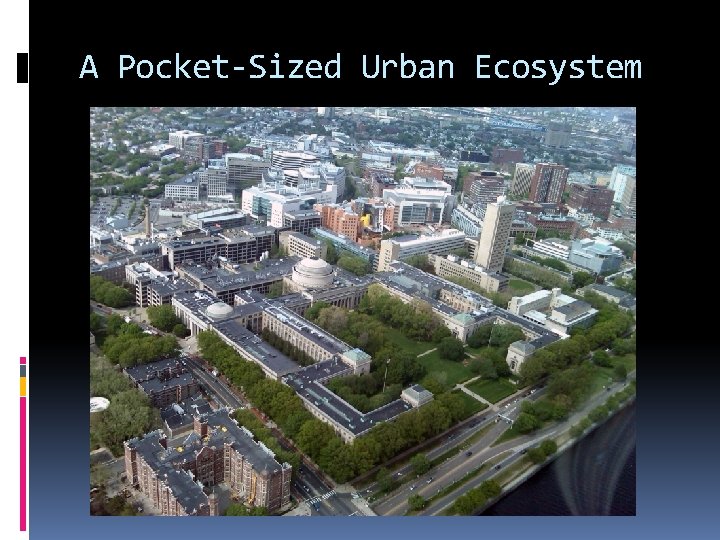
A Pocket-Sized Urban Ecosystem
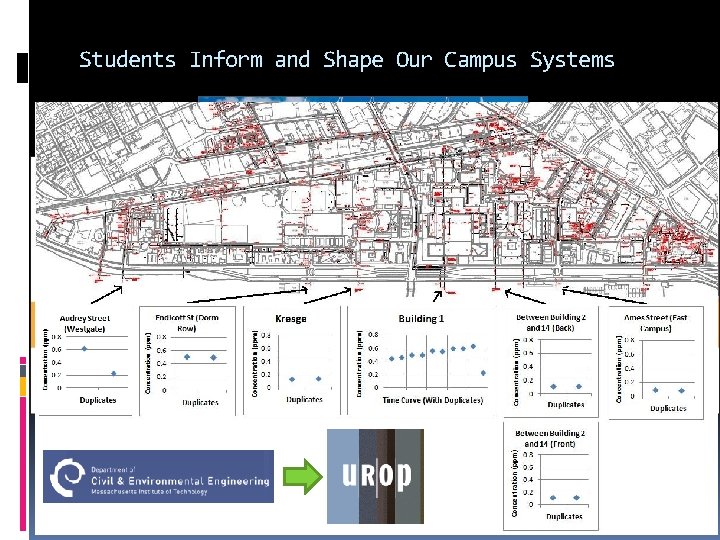
Students Inform and Shape Our Campus Systems
How to Scale this Up? Pose & Expose Challenges and Solutions Interests and Opportunities
Thank You! Steven Lanou Deputy Director - Sustainability Program EHS Headquarters Office 617 -452 -2907 slanou@mit. edu ehs. mit. edu/site/sustainability mit. edu/facilities/environmental Mit. edu/mitei/campus
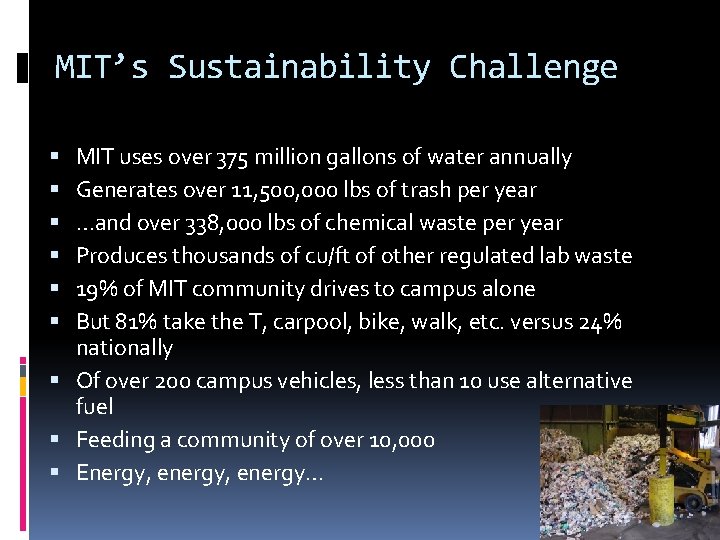
MIT’s Sustainability Challenge MIT uses over 375 million gallons of water annually Generates over 11, 500, 000 lbs of trash per year …and over 338, 000 lbs of chemical waste per year Produces thousands of cu/ft of other regulated lab waste 19% of MIT community drives to campus alone But 81% take the T, carpool, bike, walk, etc. versus 24% nationally Of over 200 campus vehicles, less than 10 use alternative fuel Feeding a community of over 10, 000 Energy, energy…
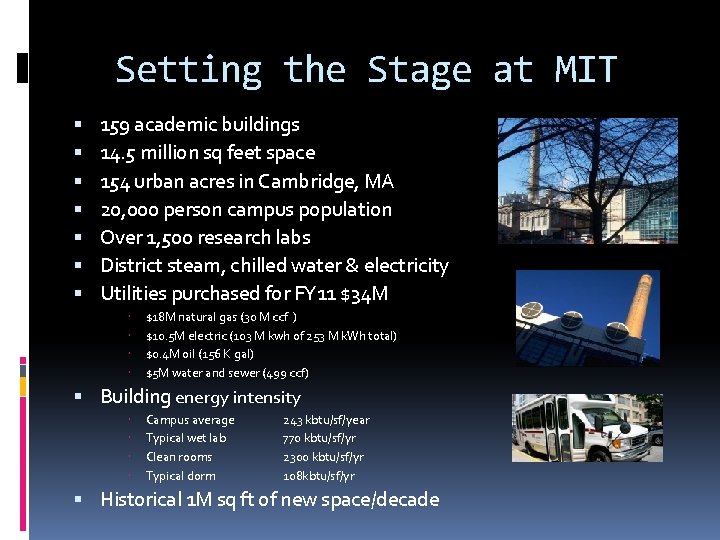
Setting the Stage at MIT 159 academic buildings 14. 5 million sq feet space 154 urban acres in Cambridge, MA 20, 000 person campus population Over 1, 500 research labs District steam, chilled water & electricity Utilities purchased for FY 11 $34 M $18 M natural gas (30 M ccf ) $10. 5 M electric (103 M kwh of 253 M k. Wh total) $0. 4 M oil (156 K gal) $5 M water and sewer (499 ccf) Building energy intensity Campus average Typical wet lab Clean rooms Typical dorm 243 kbtu/sf/year 770 kbtu/sf/yr 2300 kbtu/sf/yr 108 kbtu/sf/yr Historical 1 M sq ft of new space/decade
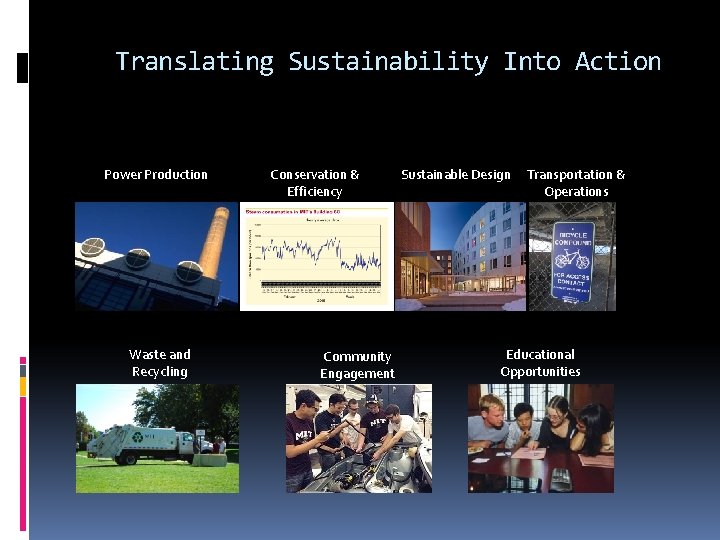
Translating Sustainability Into Action Power Production Waste and Recycling Conservation & Efficiency Community Engagement Sustainable Design Transportation & Operations Educational Opportunities
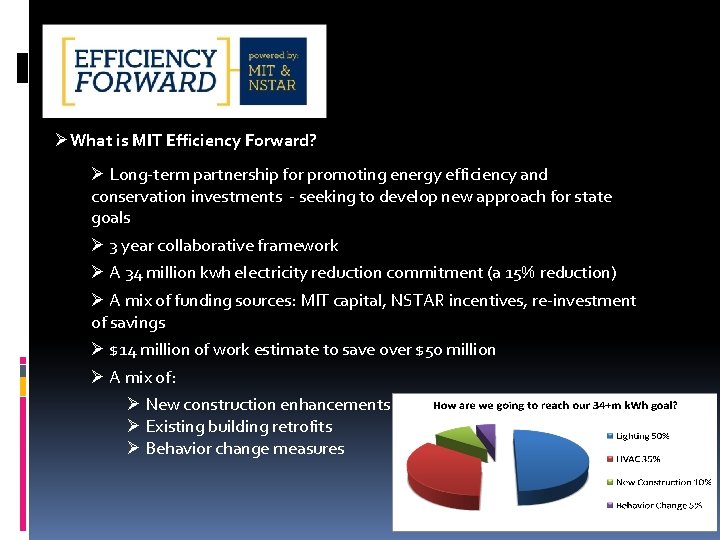
ØWhat is MIT Efficiency Forward? Ø Long-term partnership for promoting energy efficiency and conservation investments - seeking to develop new approach for state goals Ø 3 year collaborative framework Ø A 34 million kwh electricity reduction commitment (a 15% reduction) Ø A mix of funding sources: MIT capital, NSTAR incentives, re-investment of savings Ø $14 million of work estimate to save over $50 million Ø A mix of: Ø New construction enhancements Ø Existing building retrofits Ø Behavior change measures
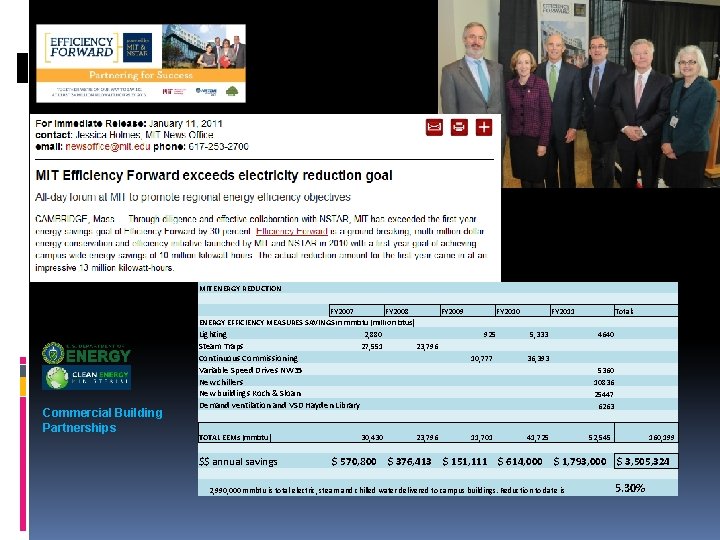
MIT ENERGY REDUCTION FY 2007 FY 2008 FY 2009 FY 2010 FY 2011 ENERGY EFFICIENCY MEASURES SAVINGS in mmbtu (million btus) Lighting 2, 880 925 5, 333 Steam Traps 27, 551 23, 796 Continuous Commissioning 10, 777 36, 393 Commercial Building Partnerships Variable Speed Drives NW 35 New chillers New buildings Koch & Sloan Demand ventilation and VSD Hayden Library TOTAL EEMs (mmbtu) $$ annual savings Totals 4640 5360 10836 25447 6263 30, 430 23, 796 11, 701 41, 725 52, 545 160, 199 $ 570, 800 $ 376, 413 $ 151, 111 $ 614, 000 $ 1, 793, 000 2, 990, 000 mmbtu is total electric, steam and chilled water delivered to campus buildings. Reduction to date is $ 3, 505, 324 5. 30%
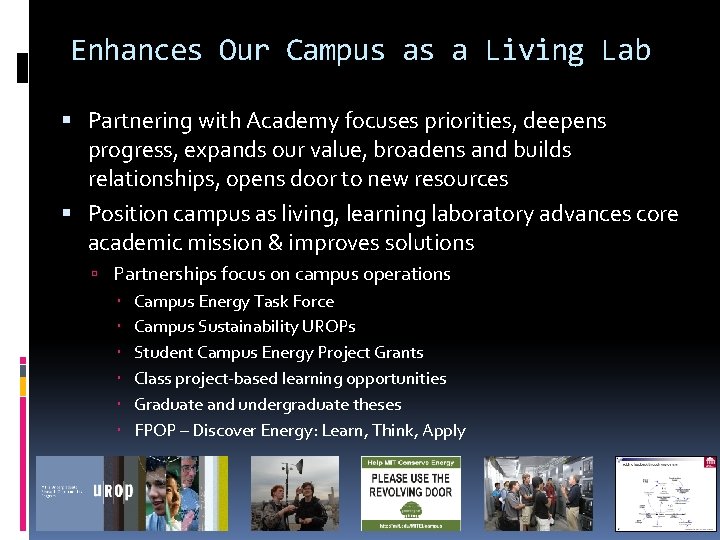
Enhances Our Campus as a Living Lab Partnering with Academy focuses priorities, deepens progress, expands our value, broadens and builds relationships, opens door to new resources Position campus as living, learning laboratory advances core academic mission & improves solutions Partnerships focus on campus operations Campus Energy Task Force Campus Sustainability UROPs Student Campus Energy Project Grants Class project-based learning opportunities Graduate and undergraduate theses FPOP – Discover Energy: Learn, Think, Apply
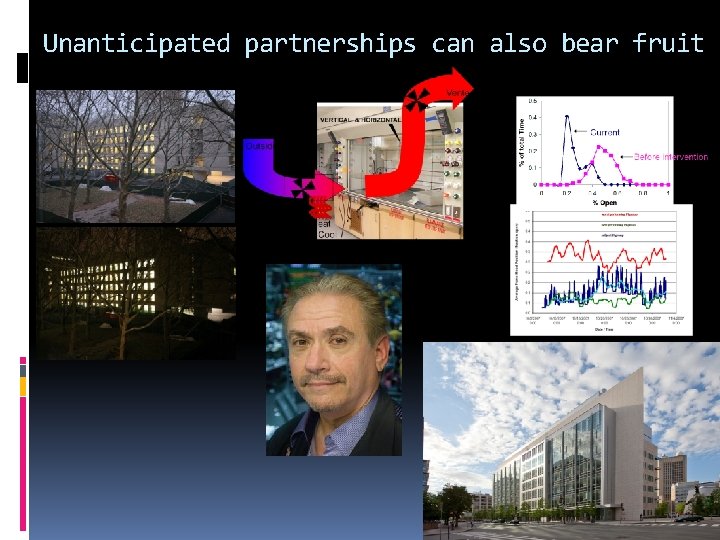
Unanticipated partnerships can also bear fruit
Some campus links: http: //ehs. mit. edu/site/sustainability http: //mit. edu/facilities/environmental http: //mit. edu/mitei/campus
- Slides: 13