
Stem Cells Scientific Potential and Alternatives Review of
- Slides: 22
Stem Cells: Scientific Potential and Alternatives
Review of Terminology � DNA � Gene - functional unit of heredity, a segment of DNA located at a specific site on a chromosome; genes direct the formation of proteins. � Nucleus – � Cell - the basic unit of life, all living organisms are made up of cells • somatic cell • germ cell -
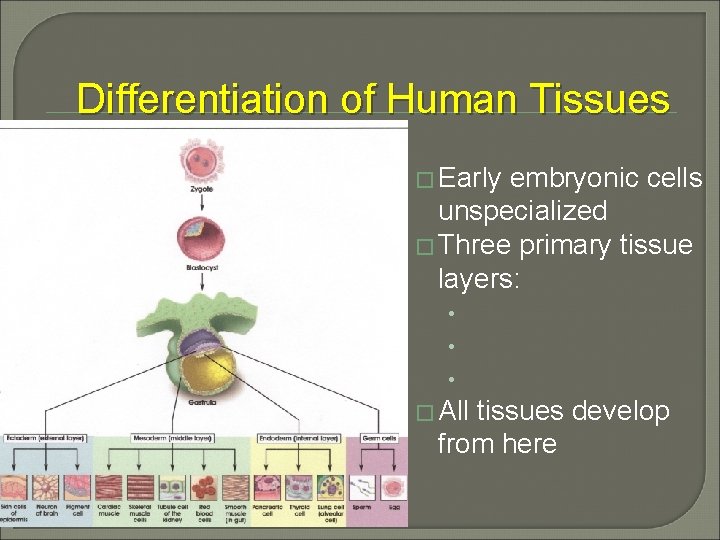
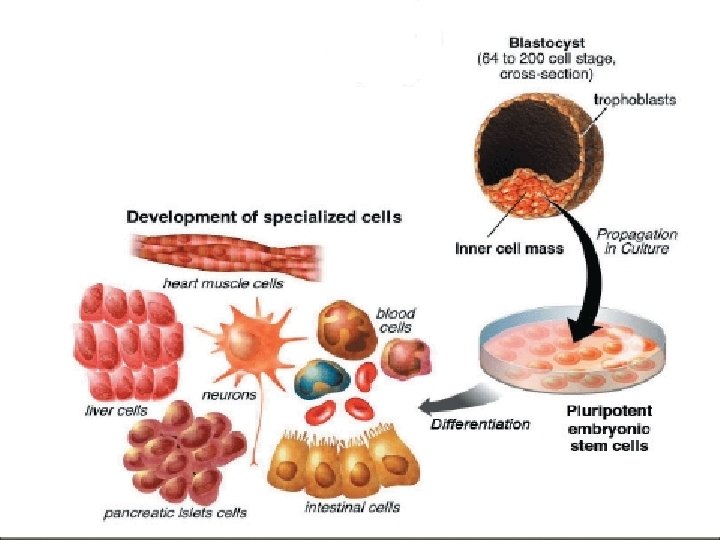
Differentiation of Human Tissues � Early embryonic cells unspecialized � Three primary tissue layers: • • • � All tissues develop from here
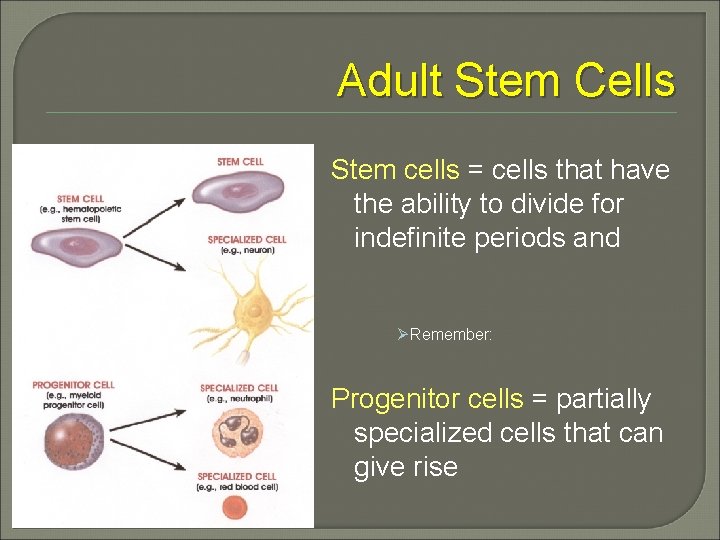
Adult Stem Cells Stem cells = cells that have the ability to divide for indefinite periods and Ø Remember: Progenitor cells = partially specialized cells that can give rise
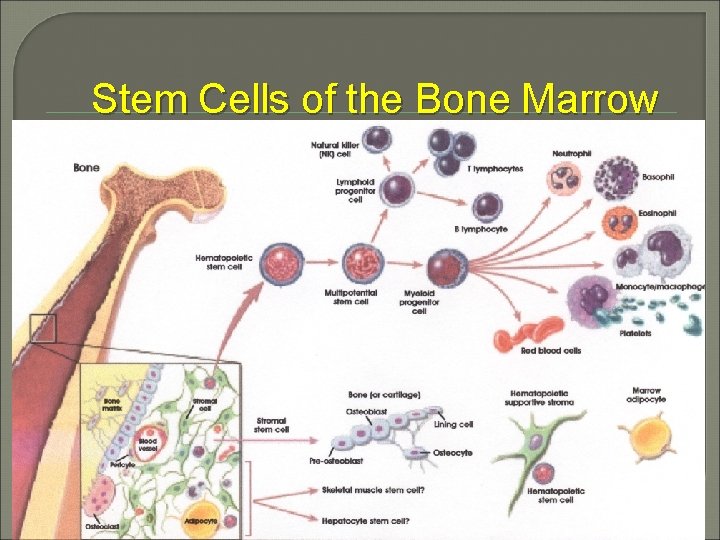
Stem Cells of the Bone Marrow
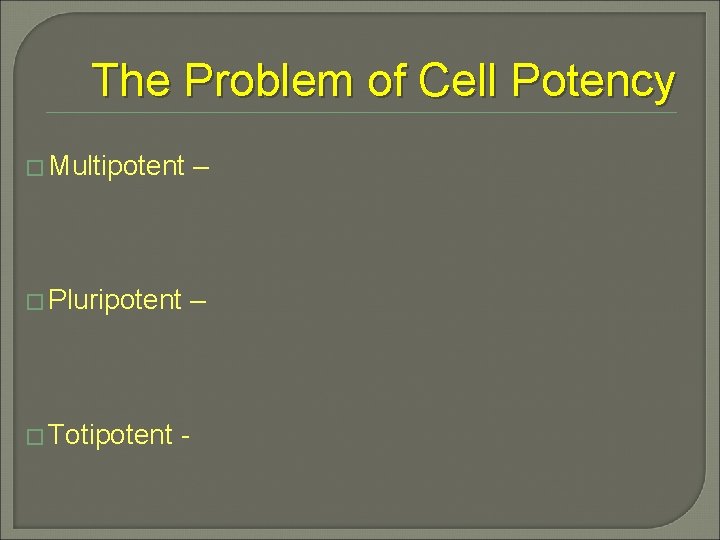
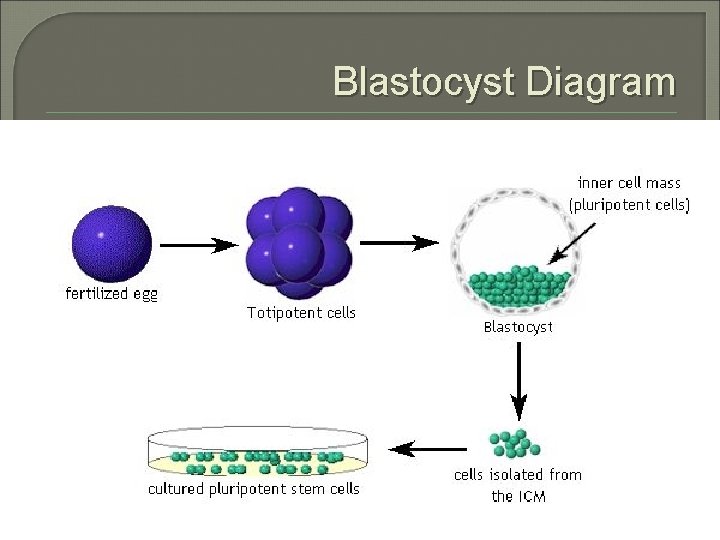
The Problem of Cell Potency � Multipotent – � Pluripotent – � Totipotent -
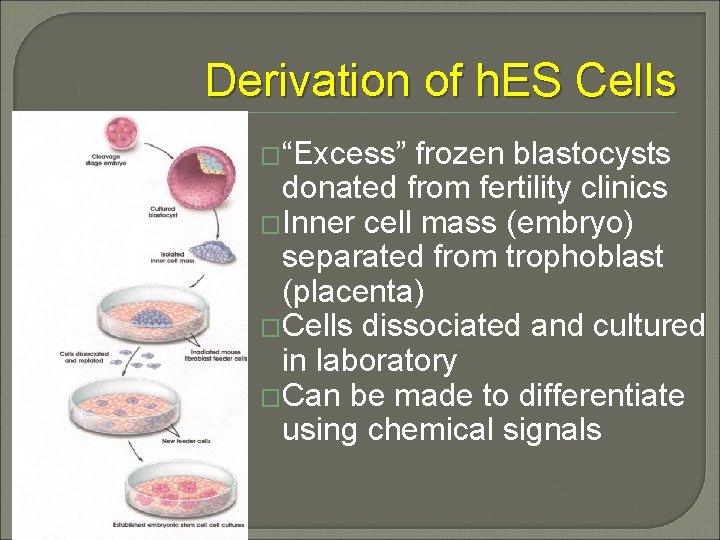
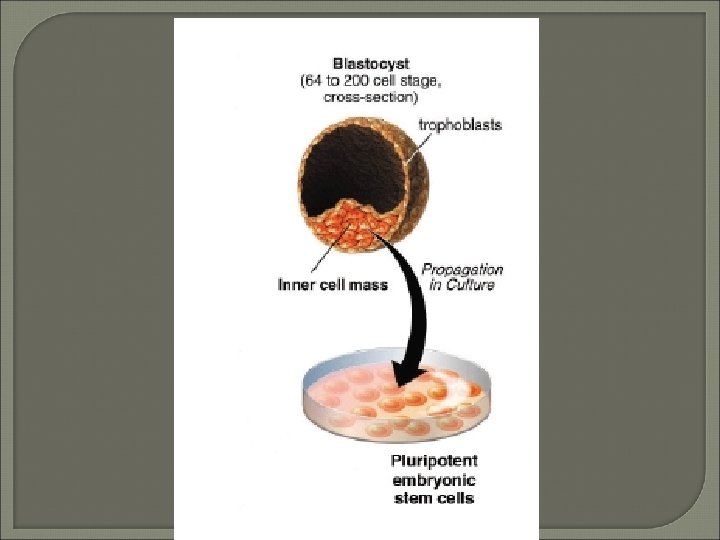
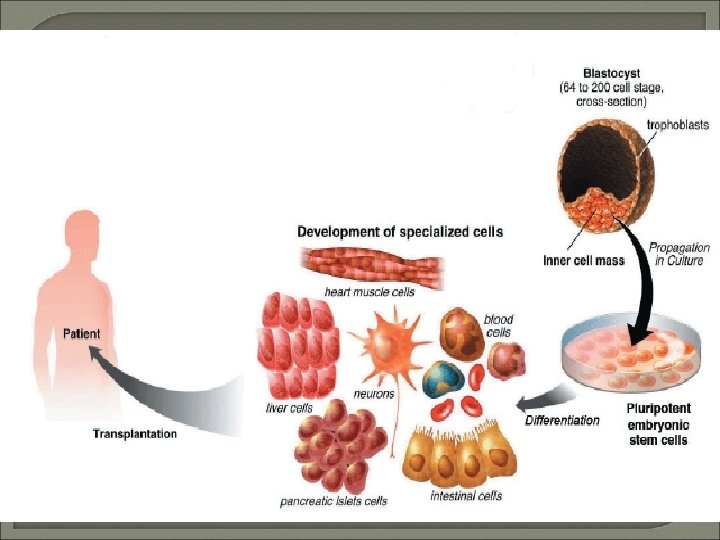
Derivation of h. ES Cells �“Excess” frozen blastocysts donated from fertility clinics �Inner cell mass (embryo) separated from trophoblast (placenta) �Cells dissociated and cultured in laboratory �Can be made to differentiate using chemical signals
Blastocyst Diagram
Dr. Hariom Yadav 12/17/2021
Dr. Hariom Yadav 12/17/2021
Dr. Hariom Yadav 12/17/2021
Applications of Pluripotent Stem Cells � • “decision-making genes” (birth defects, cancer) � • human cell lines for all cell types � • replacement tissue for degenerative conditions (Parkinson’s and Alzheimer’s disease, diabetes, heart disease, stroke, arthritis)
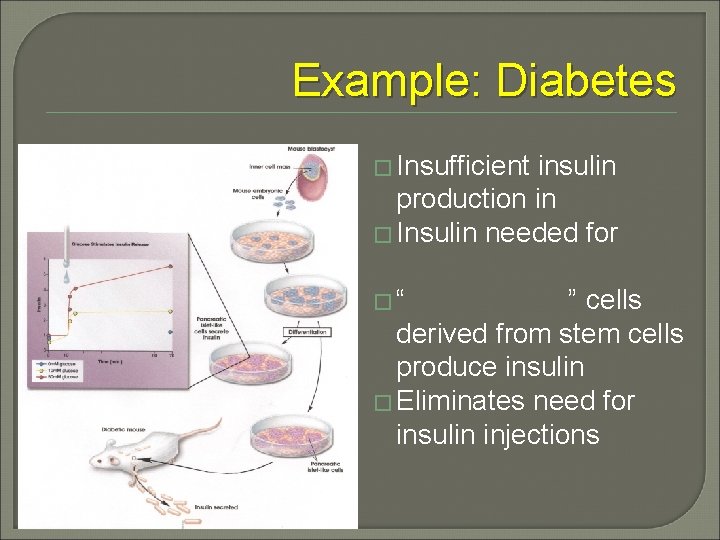
Example: Diabetes � Insufficient insulin production in � Insulin needed for �“ ” cells derived from stem cells produce insulin � Eliminates need for insulin injections
Scientific Challenges Remaining �Understanding of cellular events that lead to and � - Can stem cells be modified to minimize tissue incompatibility? �Time of development and expense of treatments
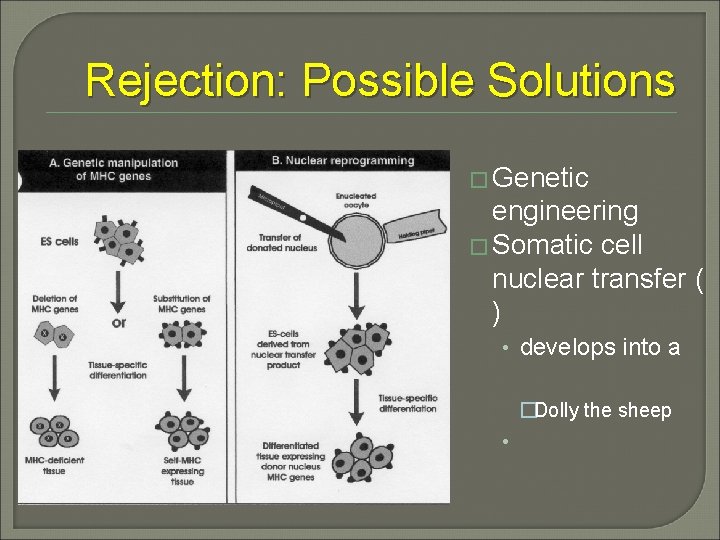
Rejection: Possible Solutions � Genetic engineering � Somatic cell nuclear transfer ( ) • develops into a �Dolly the sheep •
Alternatives to h. ES Cells �Umbilical cord blood • Contains and stem cells (lower potency than h. ES) • Patient specific • Cord blood banks �$2000 collection and $125/year storage fees �Some public banks for donated cells
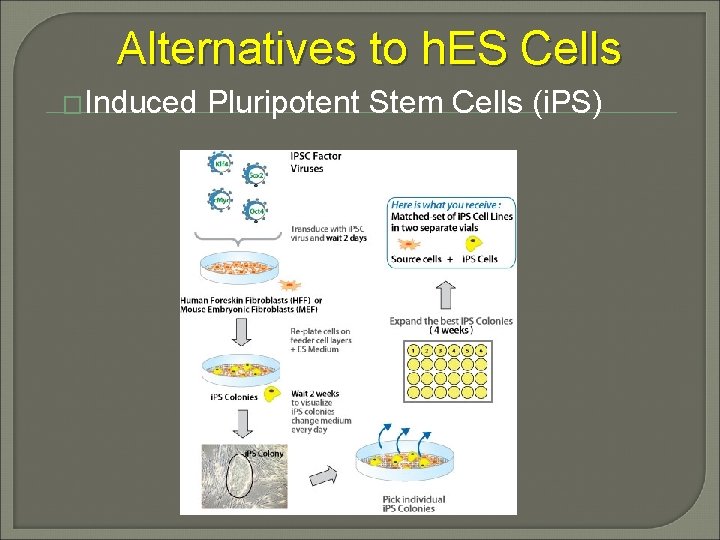
Alternatives to h. ES Cells �Induced Pluripotent Stem Cells (i. PS)
Alternatives to h. ES Cells �Induced Pluripotent Stem Cells (i. PS) • Show potency than cord cells • Low efficiency (recent improvements) • Other problems � � �
Alternatives to h. ES Cells �Direct Cell Reprogramming - 2011 • Turns one cell �(ex. Skin cell Neuron) • Uses RNA, no virus DNA needed • Eliminates need for • Potential and problems are uncertain
Autologous Stem Cell Therapies �Self-donation of �Injected (with or without chemical treatment) into �Not FDA approved • Clinical trials underway (heart attack, spinal cord injury, etc. ) • Many Americans seek overseas options � � �
Questions? The United States has been criticized by some for being too restrictive to stem cell-based research and therapies. Should U. S. laws be relaxed to be more accommodating to those wishing treatment? � A recent study by Duke University predicted that by the year 2050, regenerative procedures based on stem cell and other biotechnologies could extend an average human life span by up to 100 years. Is this a desirable goal? � Many biotechnologies are vastly expensive, yet much of the basic research supporting these developments is paid for by taxpayers. Who should benefit? �