
Stem cells in skin development and skin disease



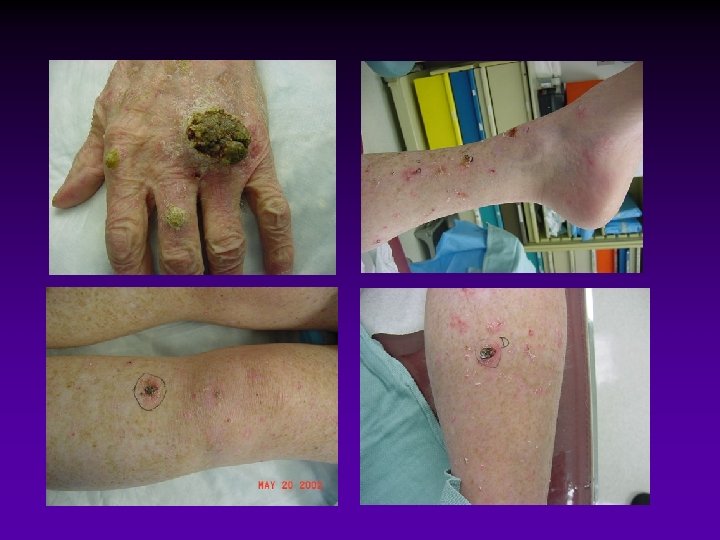


- Slides: 57
Stem cells in skin development and skin disease Andy J. Chien, M. D. , Ph. D. University of Washington Division of Dermatology
Objectives • Understand stem cell basics • Review evidence regarding the location of stem cells in skin • Discuss the regulation of stem cells and implication for disease
Defining the stem cell • Proliferative cells with the capability for selfmaintenance • Ability to divide numerous times and produce progeny that undergo differentiation • Flexibility in self-maintenance and the ability to regenerate tissue • Responsibility for cell replacement during the lifetime of an organism
Degrees of plasticity • Totipotent: – ability to form every cell in an organism – ability to survive implantation and form an entire organism • Pluripotent: – ability to form cells that differentiate into different tissues • Multipotent: – ability to differentiate into multiple cells types of a single organ
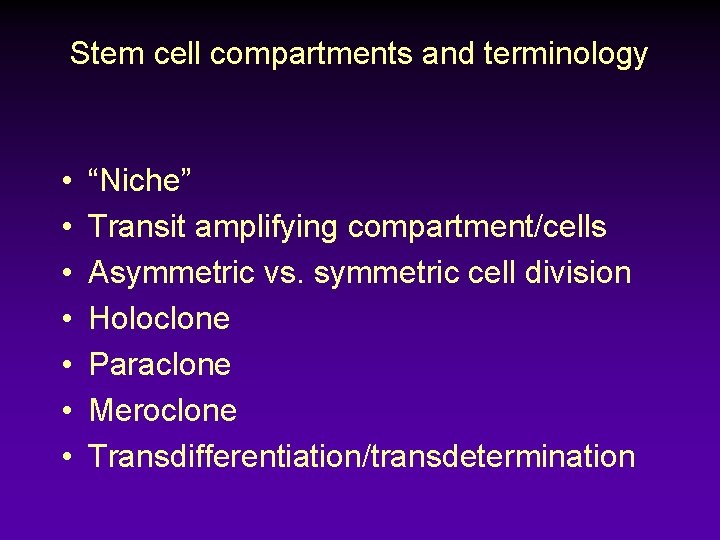
Stem cell compartments and terminology • • “Niche” Transit amplifying compartment/cells Asymmetric vs. symmetric cell division Holoclone Paraclone Meroclone Transdifferentiation/transdetermination
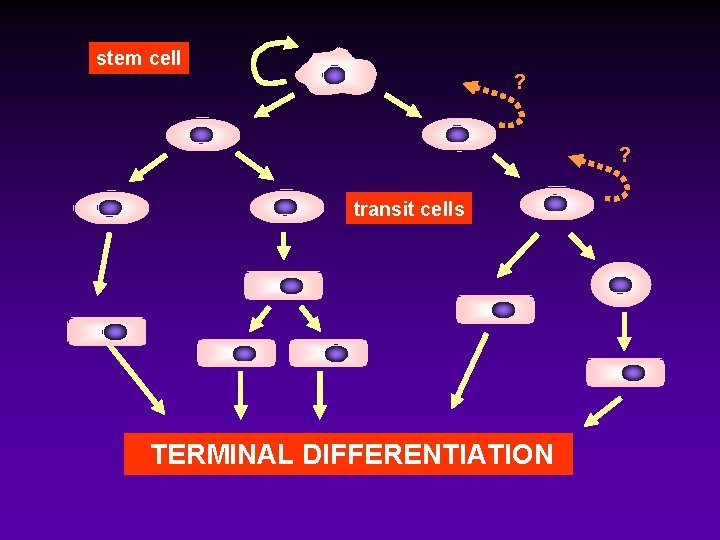
stem cell ? ? transit cells TERMINAL DIFFERENTIATION
Defined properties of stem cells • Low mitotic activity • “Label retaining cells” (LRCs) • “Clonogenic” – high colony-forming ability in culture • Long term proliferation • Flexibility in replication (i. e. injury) • Probable dependence on environmental influences – “niche”
Obstacles in stem cell research • Reliable identification of tissue stem cells • Expansion of stem cells in vitro • Replicating in vivo conditions – the “niche”
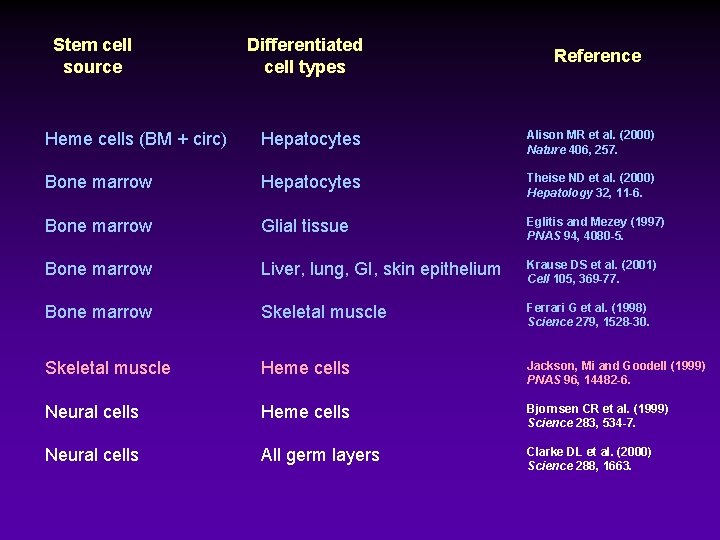
Stem cell source Differentiated cell types Reference Heme cells (BM + circ) Hepatocytes Alison MR et al. (2000) Nature 406, 257. Bone marrow Hepatocytes Theise ND et al. (2000) Hepatology 32, 11 -6. Bone marrow Glial tissue Eglitis and Mezey (1997) PNAS 94, 4080 -5. Bone marrow Liver, lung, GI, skin epithelium Krause DS et al. (2001) Cell 105, 369 -77. Bone marrow Skeletal muscle Ferrari G et al. (1998) Science 279, 1528 -30. Skeletal muscle Heme cells Jackson, Mi and Goodell (1999) PNAS 96, 14482 -6. Neural cells Heme cells Bjornsen CR et al. (1999) Science 283, 534 -7. Neural cells All germ layers Clarke DL et al. (2000) Science 288, 1663.
Objectives • Understand stem cell basics • Review evidence regarding the location of stem cells in skin • Discuss the regulation of stem cells and implication for disease
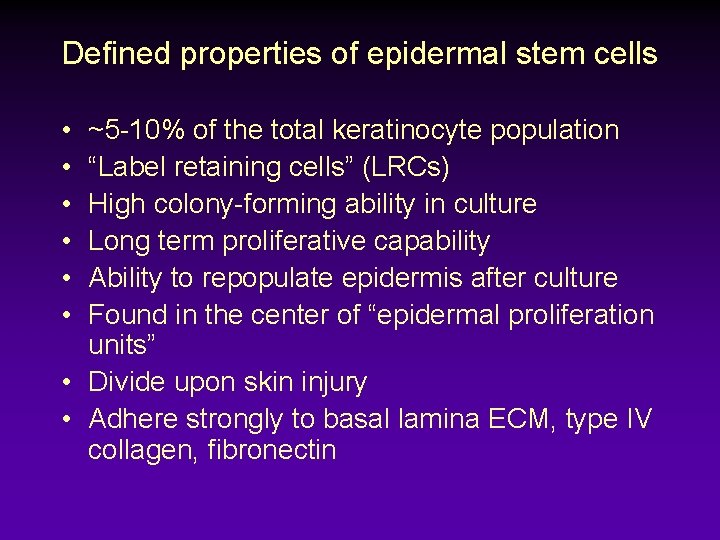
Defined properties of epidermal stem cells • • • ~5 -10% of the total keratinocyte population “Label retaining cells” (LRCs) High colony-forming ability in culture Long term proliferative capability Ability to repopulate epidermis after culture Found in the center of “epidermal proliferation units” • Divide upon skin injury • Adhere strongly to basal lamina ECM, type IV collagen, fibronectin
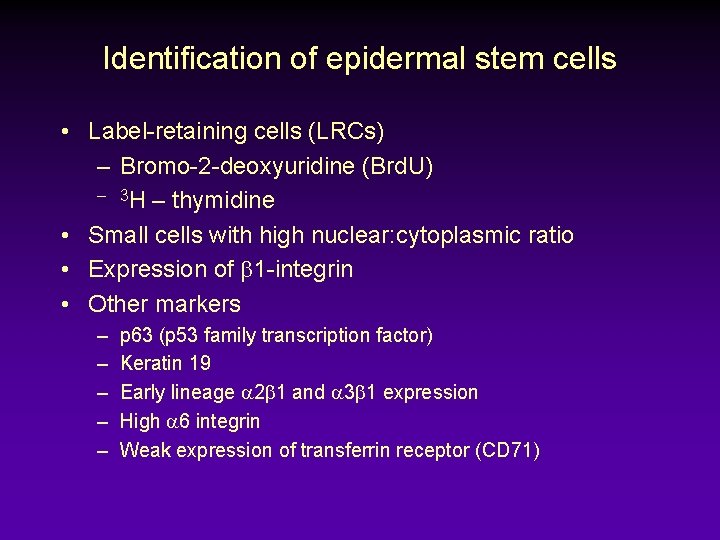
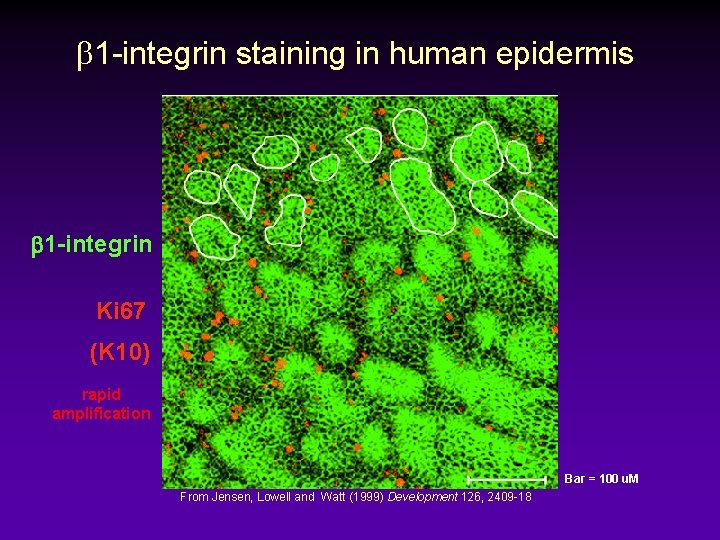
Identification of epidermal stem cells • Label-retaining cells (LRCs) – Bromo-2 -deoxyuridine (Brd. U) – 3 H – thymidine • Small cells with high nuclear: cytoplasmic ratio • Expression of b 1 -integrin • Other markers – – – p 63 (p 53 family transcription factor) Keratin 19 Early lineage a 2 b 1 and a 3 b 1 expression High a 6 integrin Weak expression of transferrin receptor (CD 71)
“bulge” region -Slow cycling -Label and carcinogen retention -High b 1 -integrin expression From Watt F (2001) Curr. Opin. Genet. Devel. 11, 410 -417
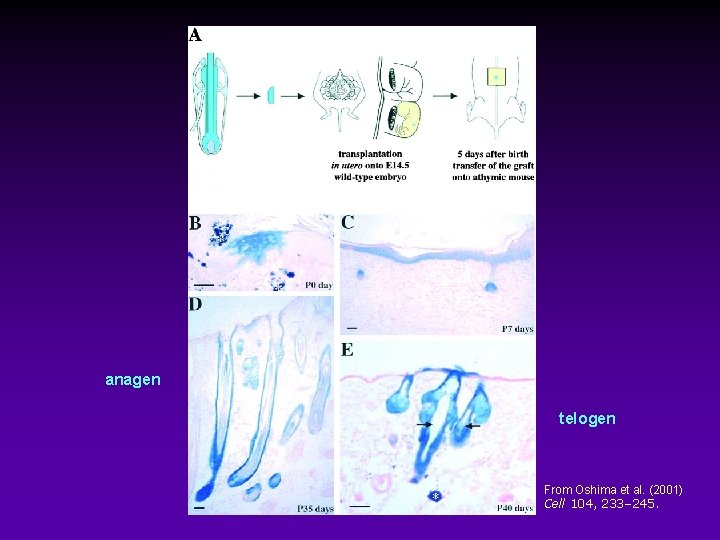
anagen telogen From Oshima et al. (2001) Cell 104, 233– 245.
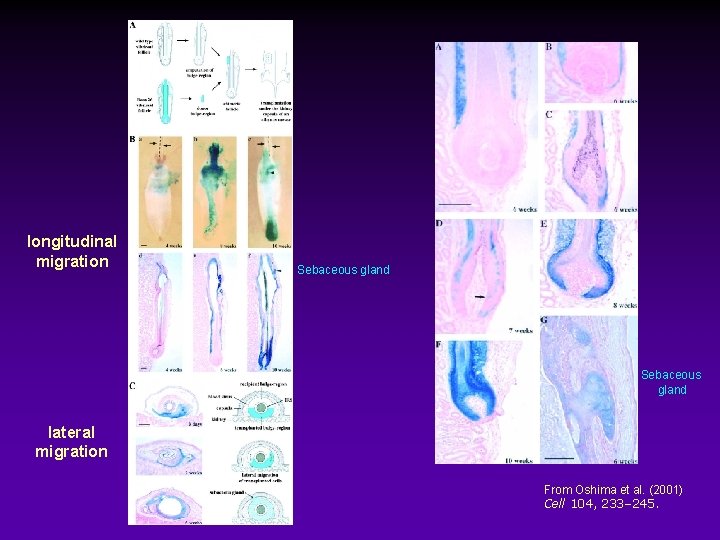
longitudinal migration Sebaceous gland lateral migration From Oshima et al. (2001) Cell 104, 233– 245.
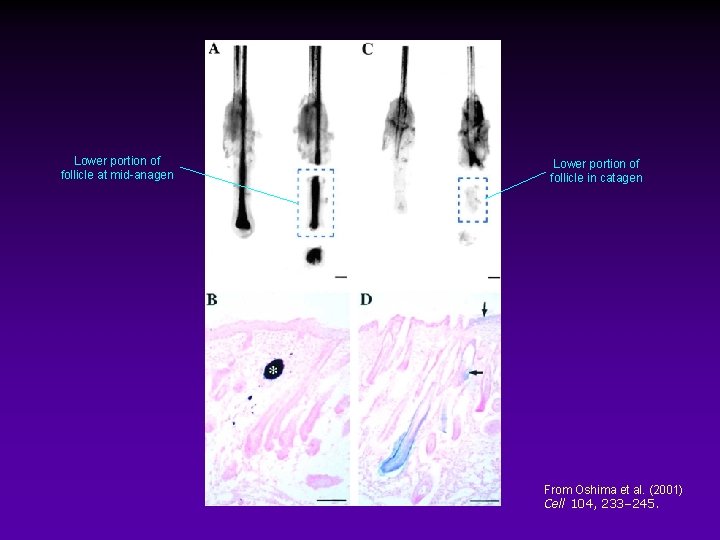
Lower portion of follicle at mid-anagen Lower portion of follicle in catagen From Oshima et al. (2001) Cell 104, 233– 245.
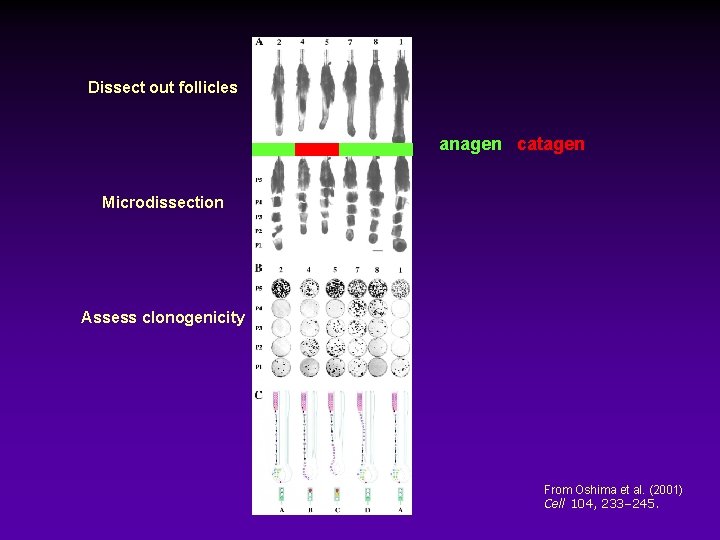
Dissect out follicles anagen catagen Microdissection Assess clonogenicity From Oshima et al. (2001) Cell 104, 233– 245.
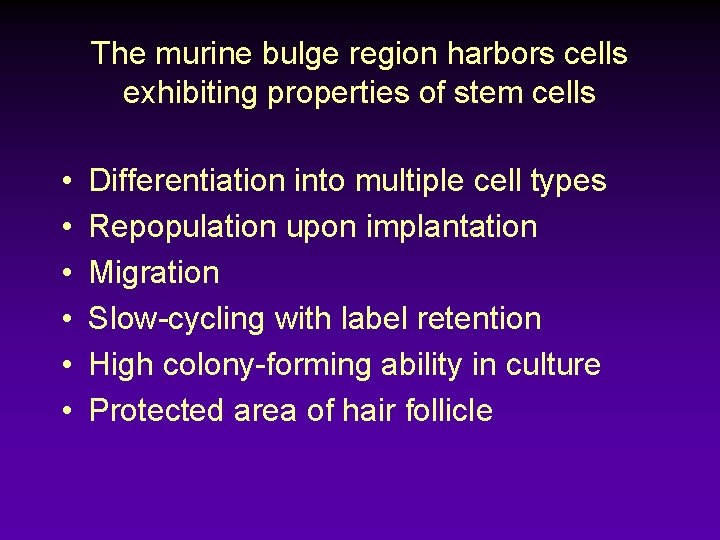
The murine bulge region harbors cells exhibiting properties of stem cells • • • Differentiation into multiple cell types Repopulation upon implantation Migration Slow-cycling with label retention High colony-forming ability in culture Protected area of hair follicle
What about areas with no hair follicles? (Interfollicular epidermis)
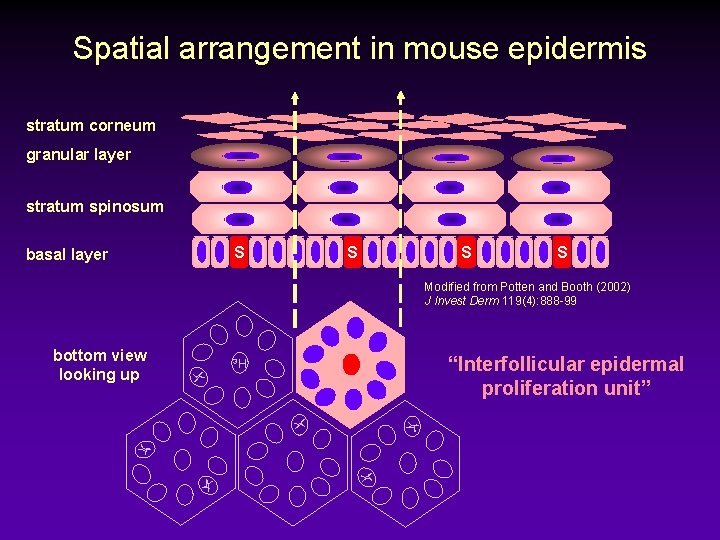
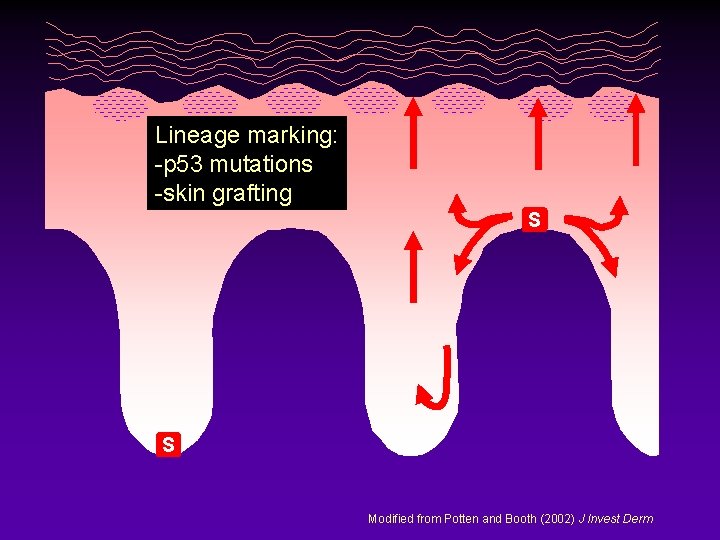
Spatial arrangement in mouse epidermis stratum corneum granular layer stratum spinosum basal layer S S Modified from Potten and Booth (2002) J Invest Derm 119(4): 888 -99 bottom view looking up 3 H “Interfollicular epidermal proliferation unit”
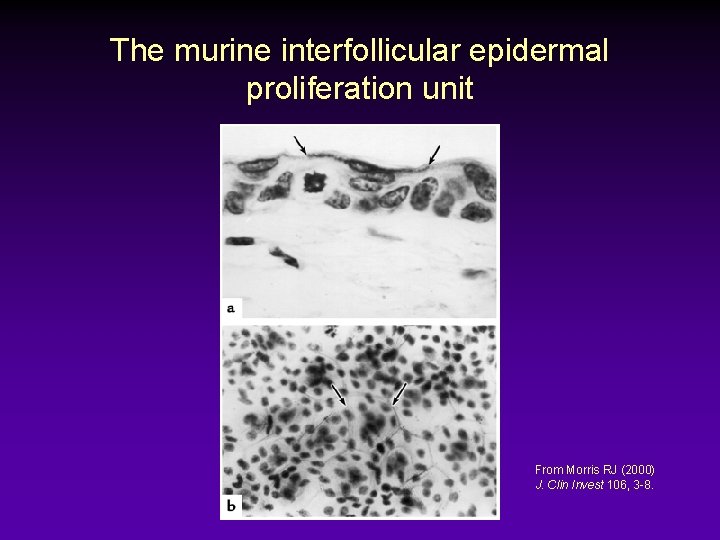
The murine interfollicular epidermal proliferation unit From Morris RJ (2000) J. Clin Invest 106, 3 -8.
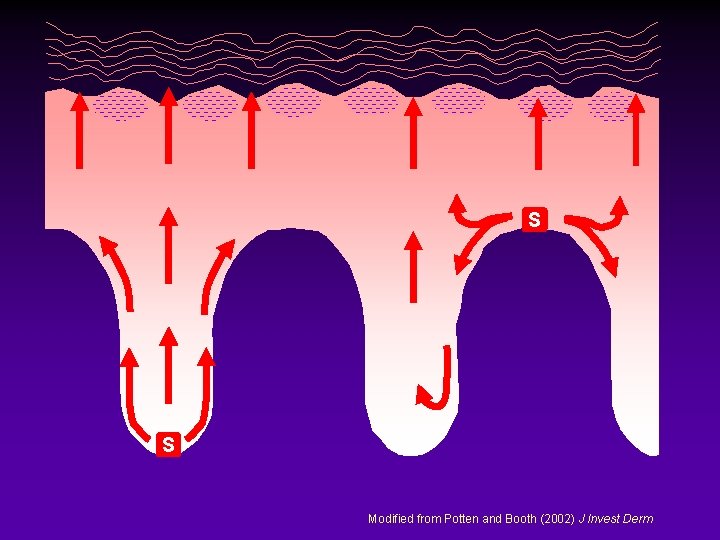
S S Modified from Potten and Booth (2002) J Invest Derm
b 1 -integrin staining in human epidermis b 1 -integrin Ki 67 (K 10) rapid amplification Bar = 100 u. M From Jensen, Lowell and Watt (1999) Development 126, 2409 -18
Lineage marking: -p 53 mutations -skin grafting S S Modified from Potten and Booth (2002) J Invest Derm
What about melanocytic stem cells?
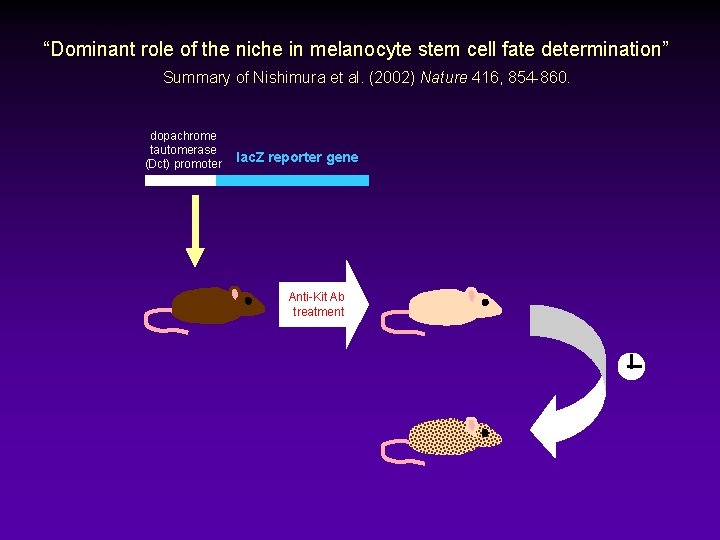
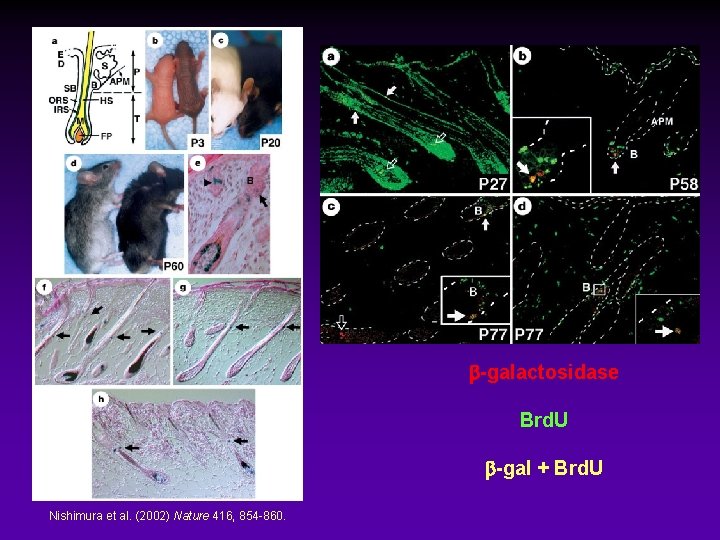
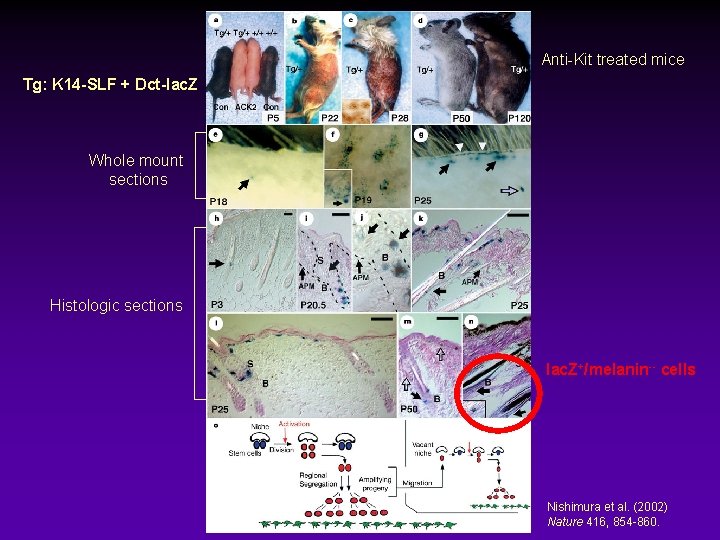
“Dominant role of the niche in melanocyte stem cell fate determination” Summary of Nishimura et al. (2002) Nature 416, 854 -860. dopachrome tautomerase (Dct) promoter lac. Z reporter gene Anti-Kit Ab treatment
b-galactosidase Brd. U b-gal + Brd. U Nishimura et al. (2002) Nature 416, 854 -860.
Anti-Kit treated mice Tg: K 14 -SLF + Dct-lac. Z Whole mount sections Histologic sections lac. Z+/melanin-- cells Nishimura et al. (2002) Nature 416, 854 -860.
Transdifferentiation of skin-derived precursors (SKPs) • Toma et al. (2001) Nature Cell Biol 3, 778 -784 • Skin harvested and dissociated from mice and human scalp • Passaged for over one year • Colony-forming cells obtained, clonal progeny analyzed • Differentiated into neurons, glia, smooth muscle and adipocytes from individual SKPs
Summary • The location of stem cells in the skin is still controversial • The bulge contains multipotent cells • Difficulties exist in identifying stem cells and trying to recreate their niche
Objectives • Understand stem cell basics • Review evidence regarding the location of stem cells in skin • Discuss the regulation of stem cells and implication for disease
Stem cells as targets for cancer initiation • Long lifespan (“multi-hit hypothesis”) • Retention of carcinogens • Initiation (ie DMBA) and promotion (ie TPA) • Results similar regardless of time to promotion (initiated cells retained)
Pathways involved in stem cell regulation, cancer and disease • • • Integrins Beta-catenin and the WNT pathway c-Myc Shh, Patched and GLI NF-k. B
b 1 -integrin • Member of heterodimeric integrin family of transmembrane receptors • Extracellular matrix-based ligands • Role in cell adhesion and motility • Activation leads to association with cytoskeleton and signal transduction • Expressed in basal layer • Knockout is embryonic lethal
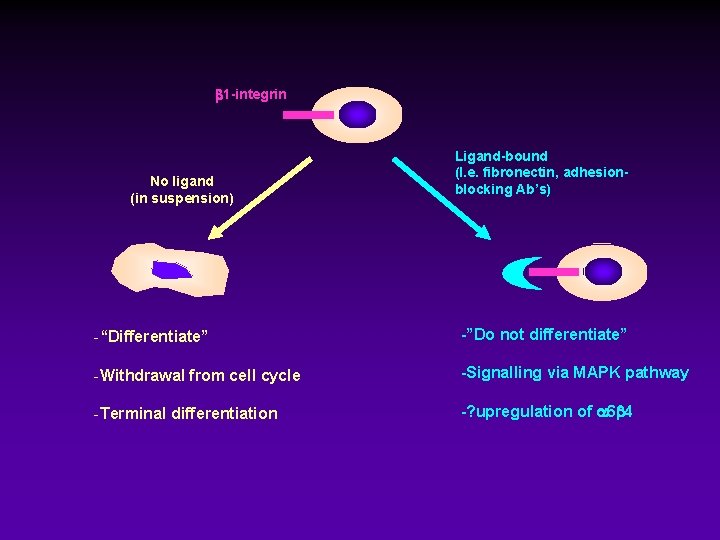
b 1 -integrin No ligand (in suspension) Ligand-bound (I. e. fibronectin, adhesionblocking Ab’s) -“Differentiate” -”Do not differentiate” -Withdrawal from cell cycle -Signalling via MAPK pathway -Terminal differentiation -? upregulation of a 6 b 4
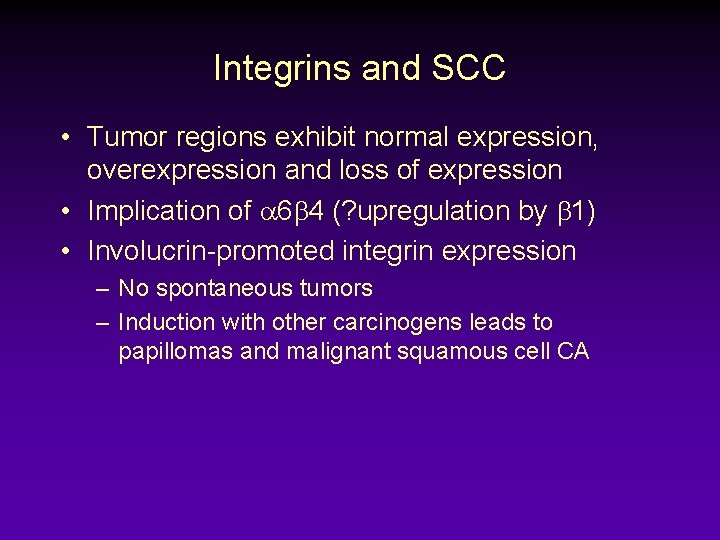
Integrins and SCC • Tumor regions exhibit normal expression, overexpression and loss of expression • Implication of a 6 b 4 (? upregulation by b 1) • Involucrin-promoted integrin expression – No spontaneous tumors – Induction with other carcinogens leads to papillomas and malignant squamous cell CA
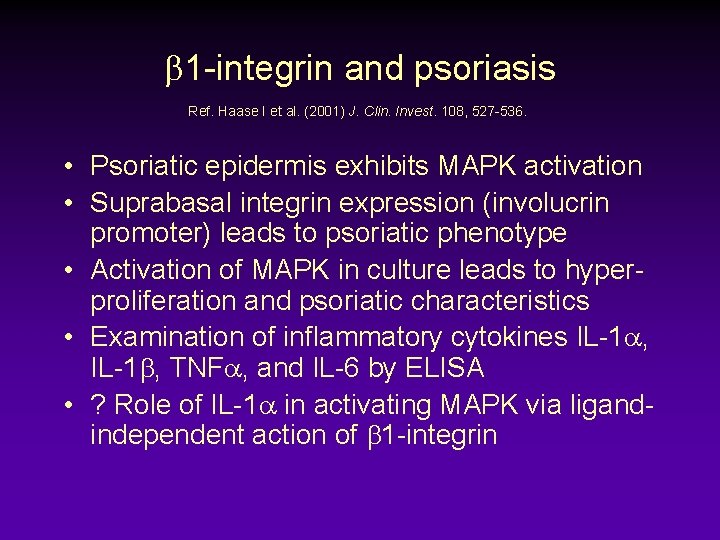
b 1 -integrin and psoriasis Ref. Haase I et al. (2001) J. Clin. Invest. 108, 527 -536. • Psoriatic epidermis exhibits MAPK activation • Suprabasal integrin expression (involucrin promoter) leads to psoriatic phenotype • Activation of MAPK in culture leads to hyperproliferation and psoriatic characteristics • Examination of inflammatory cytokines IL-1 a, IL-1 b, TNFa, and IL-6 by ELISA • ? Role of IL-1 a in activating MAPK via ligandindependent action of b 1 -integrin
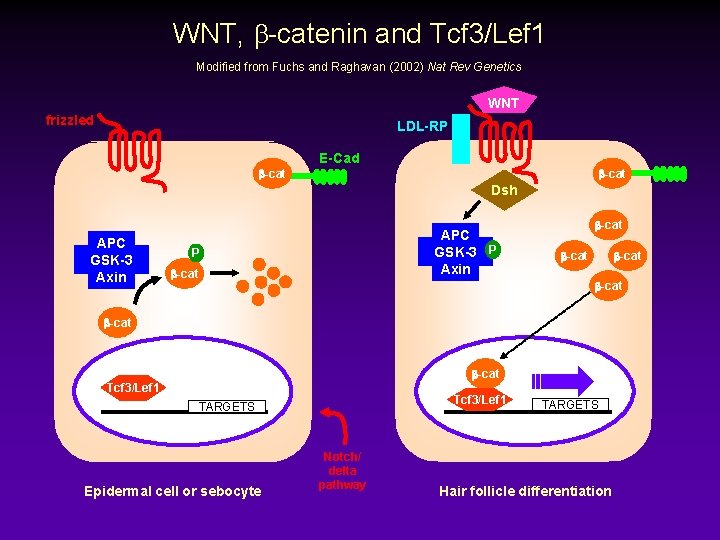
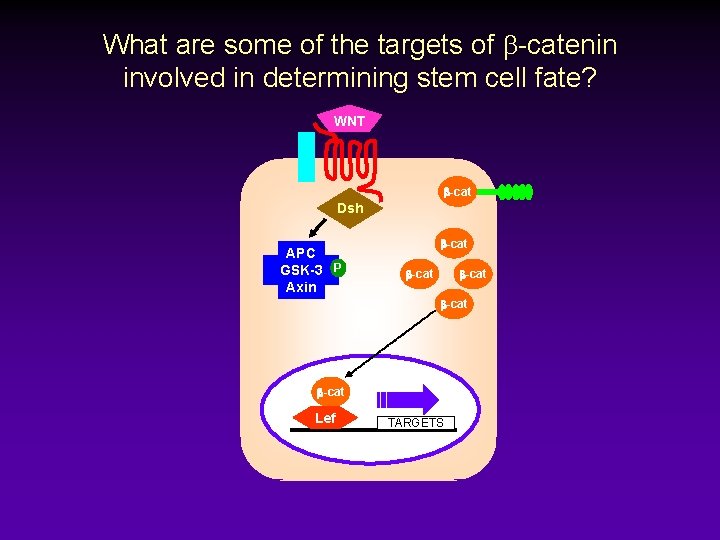
WNT, b-catenin and Tcf 3/Lef 1 Modified from Fuchs and Raghavan (2002) Nat Rev Genetics WNT frizzled LDL-RP b-cat E-Cad b-cat Dsh APC GSK-3 Axin APC GSK-3 P Axin P b-cat b-cat Tcf 3/Lef 1 TARGETS Epidermal cell or sebocyte Notch/ delta pathway TARGETS Hair follicle differentiation
WNT, b-catenin and Tcf 3/Lef 1 • More b-catenin favors hair follicle morphogenesis • Interference with b-catenin and/or Tcf/Lef leads to epidermal or sebaceous fate
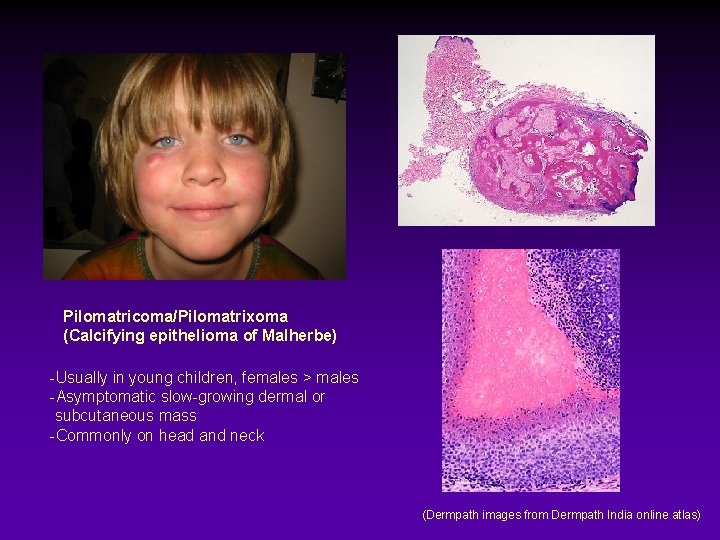
Pilomatricoma/Pilomatrixoma (Calcifying epithelioma of Malherbe) -Usually in young children, females > males -Asymptomatic slow-growing dermal or subcutaneous mass -Commonly on head and neck (Dermpath images from Dermpath India online atlas)
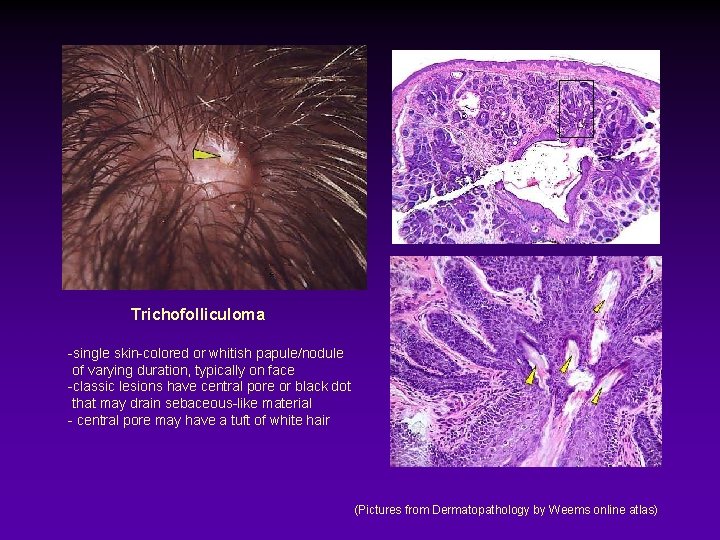
Trichofolliculoma -single skin-colored or whitish papule/nodule of varying duration, typically on face -classic lesions have central pore or black dot that may drain sebaceous-like material - central pore may have a tuft of white hair (Pictures from Dermatopathology by Weems online atlas)
b-catenin and hair-follicle tumors • K 14 -DNbcat transgenics develop pilomatricomas and trichofolliculomas • Human pilomatricomas contain activating mutations of b-catenin – 12/16 in Chan et al. (1999) Nat Genet 21, 410 -3 – Mutations in N-terminal domain (normally involved in phosphorylation/degradation) – Mutations only in tumor-containing tissue
What are some of the targets of b-catenin involved in determining stem cell fate? WNT b-cat Dsh APC GSK-3 P Axin b-cat b-cat Lef TARGETS
The myelocytomatosis oncongene (c. Myc) • Thought to be downstream of b-catenin • Overexpression leads to exit of cell from the stem-cell compartment – “go differentiate” (5 days) • Elevated c-Myc mice lose hair and exhibit impaired wound healing, depletion of stem cells
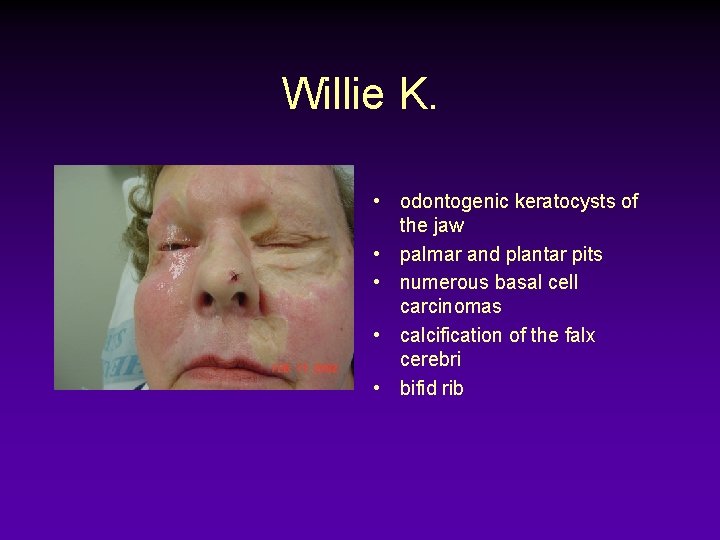
Willie K. • odontogenic keratocysts of the jaw • palmar and plantar pits • numerous basal cell carcinomas • calcification of the falx cerebri • bifid rib
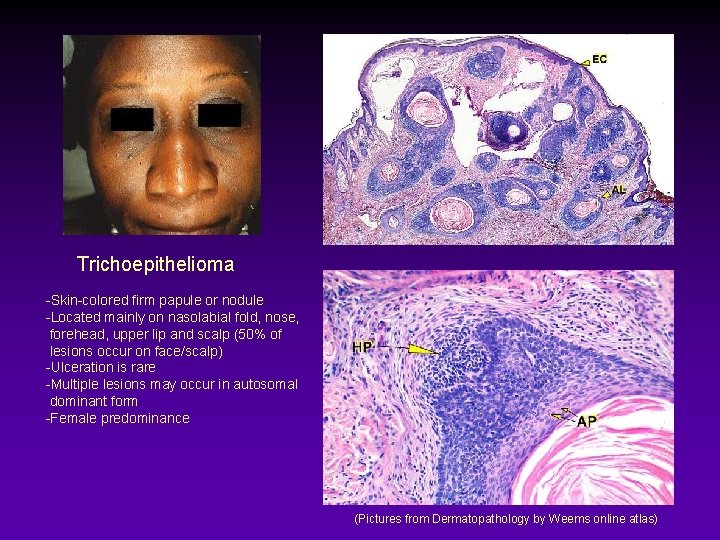
Trichoepithelioma -Skin-colored firm papule or nodule -Located mainly on nasolabial fold, nose, forehead, upper lip and scalp (50% of lesions occur on face/scalp) -Ulceration is rare -Multiple lesions may occur in autosomal dominant form -Female predominance (Pictures from Dermatopathology by Weems online atlas)
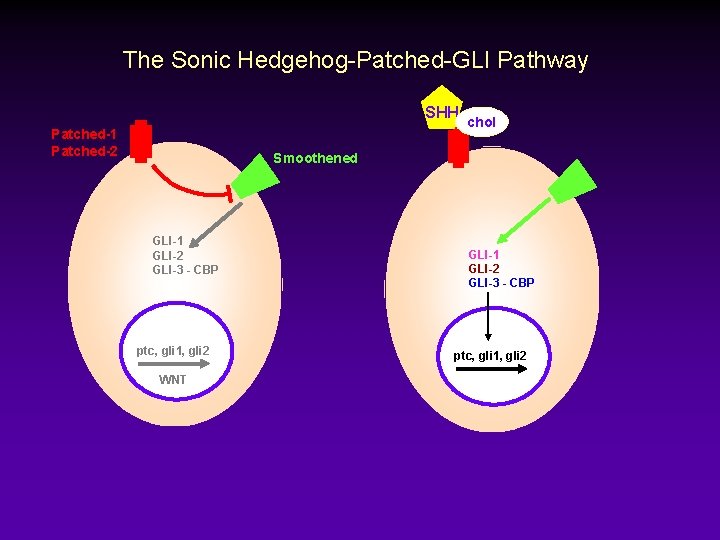
The Sonic Hedgehog-Patched-GLI Pathway SHH Patched-1 Patched-2 chol Smoothened GLI-1 GLI-2 GLI-3 - CBP ptc, gli 1, gli 2 WNT GLI-1 GLI-2 GLI-3 - CBP ptc, gli 1, gli 2
The Sonic Hedgehog-Patched-GLI Pathway • Shh is expressed in invaginating cells of proliferating hair follicle • Shh knockout mice show normal follicular spacing, but failure to form mature dermal papillae • Hair follicle development is arrested in Shh knockouts • Adenoviral-mediated (intradermal injection) expression of Shh induces anagen • Limited role in regulating epidermal stem cells – Only expressed in anagen hair follicle – Shh knockout has normal epidermis – SCCs do not express high levels of Shh target genes
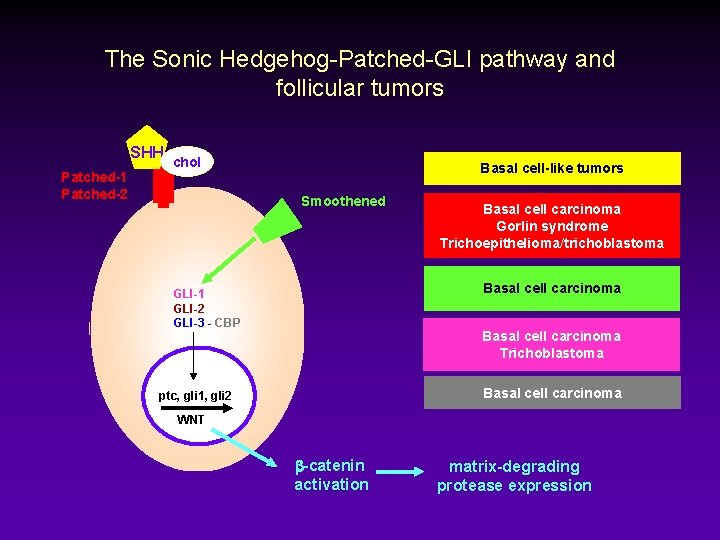
The Sonic Hedgehog-Patched-GLI pathway and follicular tumors SHH Patched-1 Patched-2 chol Basal cell-like tumors Smoothened Basal cell carcinoma Gorlin syndrome Trichoepithelioma/trichoblastoma Basal cell carcinoma GLI-1 GLI-2 GLI-3 - CBP Basal cell carcinoma Trichoblastoma Basal cell carcinoma ptc, gli 1, gli 2 WNT b-catenin activation matrix-degrading protease expression
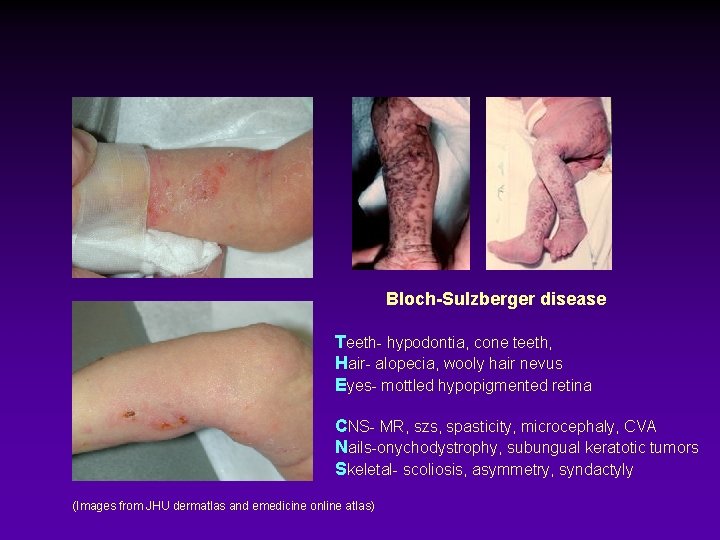
Bloch-Sulzberger disease Teeth- hypodontia, cone teeth, Hair- alopecia, wooly hair nevus Eyes- mottled hypopigmented retina CNS- MR, szs, spasticity, microcephaly, CVA Nails-onychodystrophy, subungual keratotic tumors Skeletal- scoliosis, asymmetry, syndactyly (Images from JHU dermatlas and emedicine online atlas)
The NF-k. B pathway (Modified from Kaufman and Fuchs (2000) J Cell Biol) -withdrawal from cell cycle -initiation of differentiation -protection against apoptosis granular layer spinous layer Nuclear NF-k. B nucleus NF-k. B Cytosolic NF-k. B Ik. B basal layer Ik. B P IKK 26 S proteasome
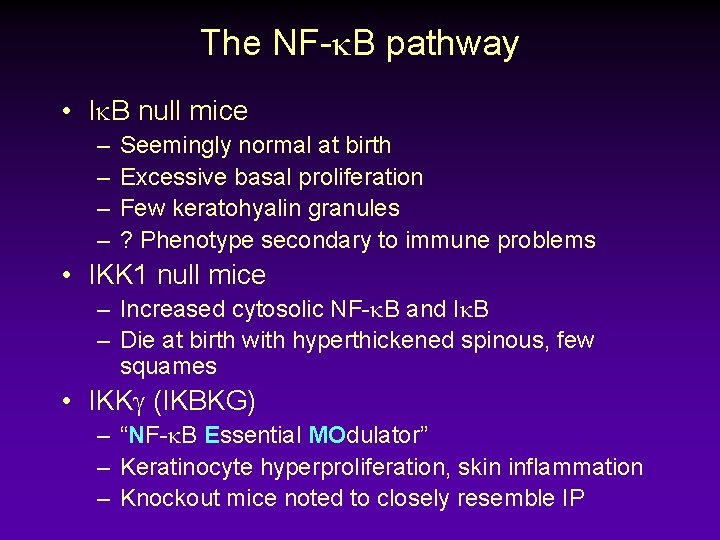
The NF-k. B pathway • Ik. B null mice – – Seemingly normal at birth Excessive basal proliferation Few keratohyalin granules ? Phenotype secondary to immune problems • IKK 1 null mice – Increased cytosolic NF-k. B and Ik. B – Die at birth with hyperthickened spinous, few squames • IKKg (IKBKG) – “NF-k. B Essential MOdulator” – Keratinocyte hyperproliferation, skin inflammation – Knockout mice noted to closely resemble IP
Summary • Integrins and c-Myc are implicated in regulation of stem cell fate • The Wnt pathway and the Shh pathway are important regulators of both hair follicle development and certain tumors • The NF-k. B and Notch/Delta pathways are likely involved in determining epidermal cell fates
Objectives • Understand stem cell basics • Review evidence regarding the location of stem cells in skin • Discuss the regulation of stem cells and implication for disease
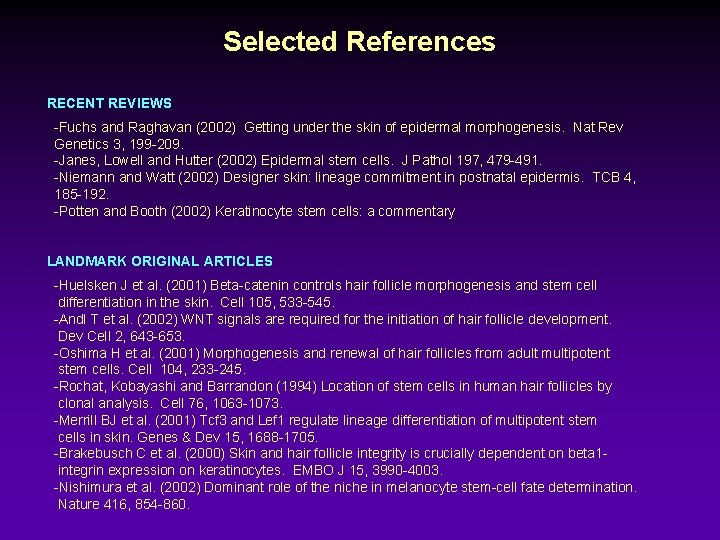
Selected References RECENT REVIEWS -Fuchs and Raghavan (2002) Getting under the skin of epidermal morphogenesis. Nat Rev Genetics 3, 199 -209. -Janes, Lowell and Hutter (2002) Epidermal stem cells. J Pathol 197, 479 -491. -Niemann and Watt (2002) Designer skin: lineage commitment in postnatal epidermis. TCB 4, 185 -192. -Potten and Booth (2002) Keratinocyte stem cells: a commentary LANDMARK ORIGINAL ARTICLES -Huelsken J et al. (2001) Beta-catenin controls hair follicle morphogenesis and stem cell differentiation in the skin. Cell 105, 533 -545. -Andl T et al. (2002) WNT signals are required for the initiation of hair follicle development. Dev Cell 2, 643 -653. -Oshima H et al. (2001) Morphogenesis and renewal of hair follicles from adult multipotent stem cells. Cell 104, 233 -245. -Rochat, Kobayashi and Barrandon (1994) Location of stem cells in human hair follicles by clonal analysis. Cell 76, 1063 -1073. -Merrill BJ et al. (2001) Tcf 3 and Lef 1 regulate lineage differentiation of multipotent stem cells in skin. Genes & Dev 15, 1688 -1705. -Brakebusch C et al. (2000) Skin and hair follicle integrity is crucially dependent on beta 1 integrin expression on keratinocytes. EMBO J 15, 3990 -4003. -Nishimura et al. (2002) Dominant role of the niche in melanocyte stem-cell fate determination. Nature 416, 854 -860.