
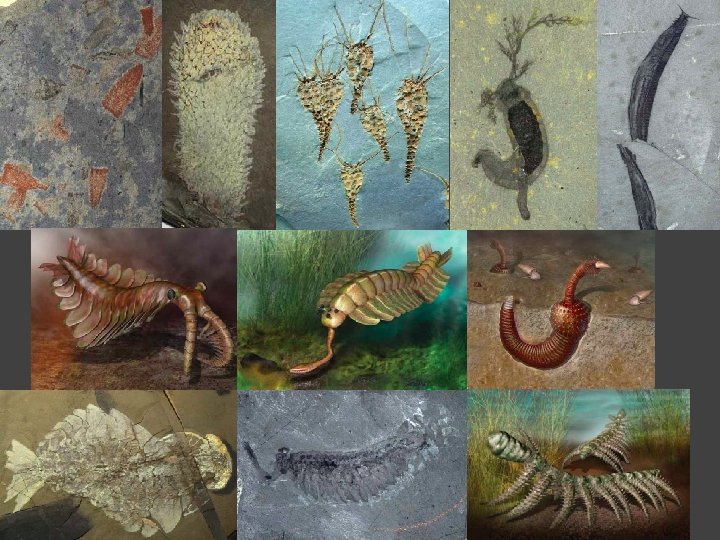
Stem Arthropods Anomalocaris Opabinia Hurdia Erwin and Valentine
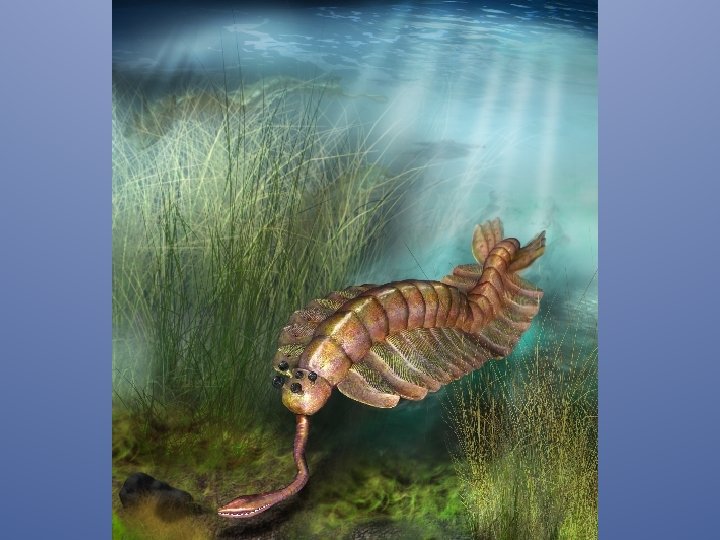
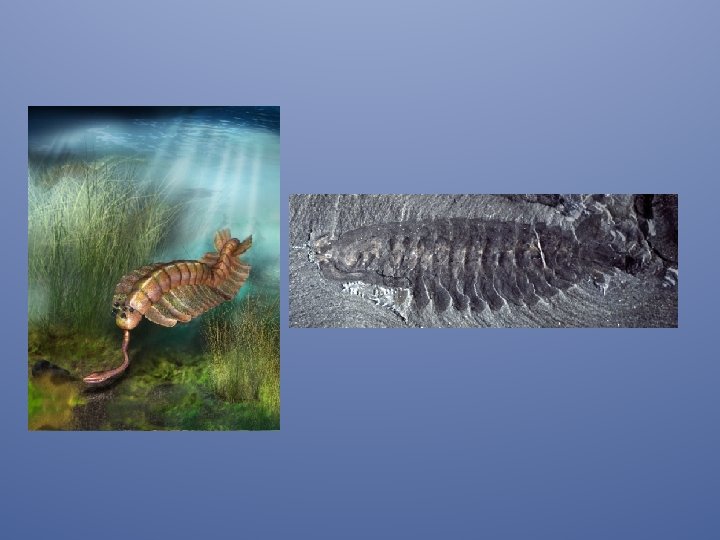
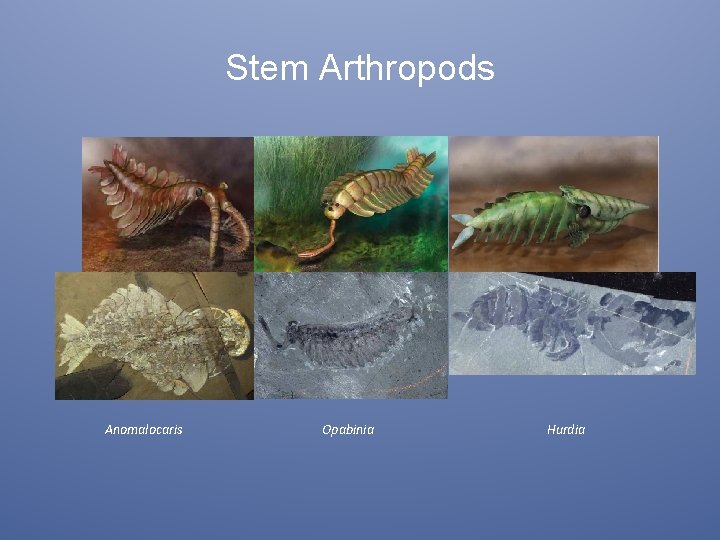
Stem Arthropods Anomalocaris Opabinia Hurdia
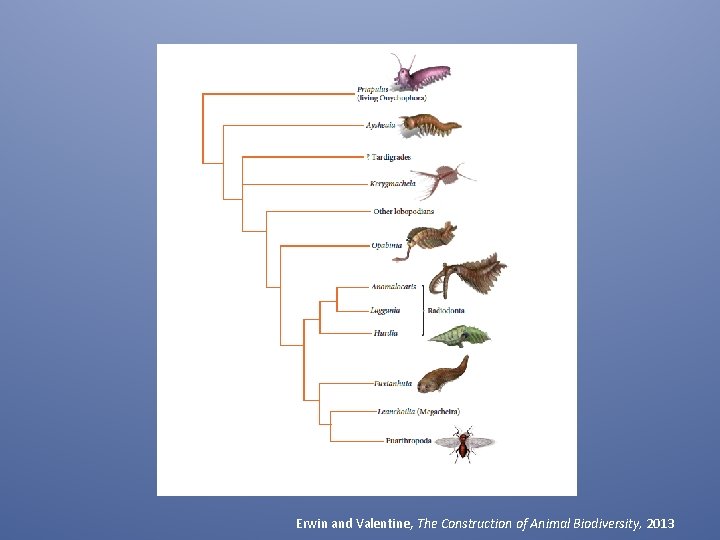
Erwin and Valentine, The Construction of Animal Biodiversity, 2013
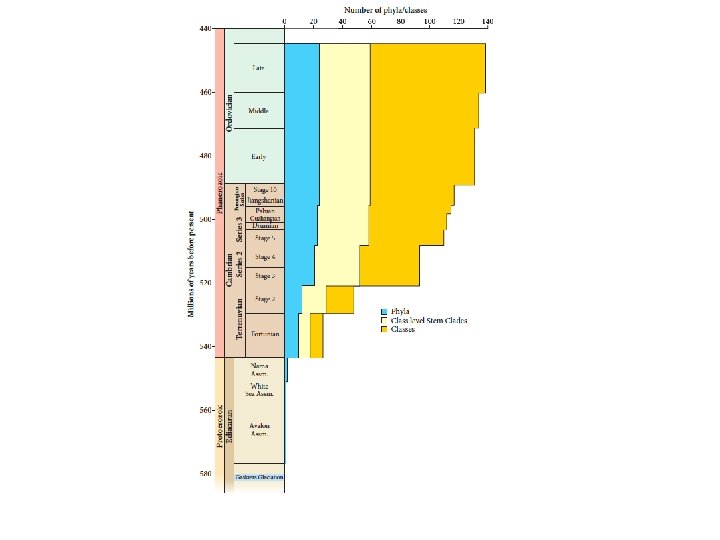
Erwin and Valentine, The Construction of Animal Biodiversity, 2013
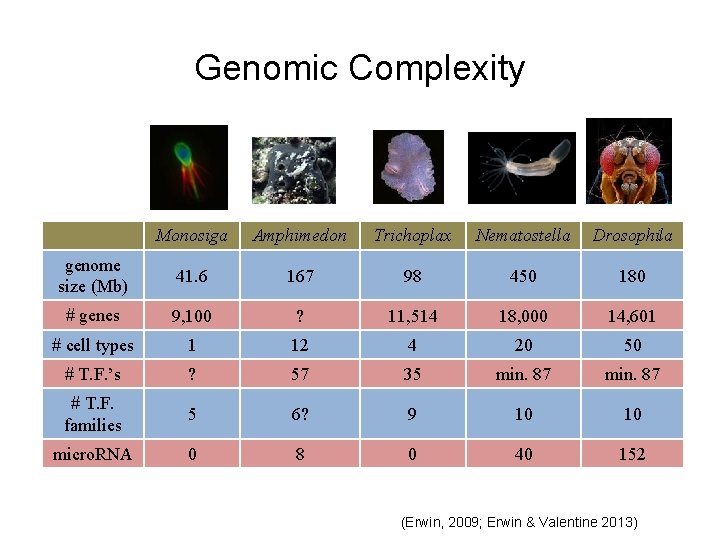
Genomic Complexity Monosiga Amphimedon Trichoplax Nematostella Drosophila genome size (Mb) 41. 6 167 98 450 180 # genes 9, 100 ? 11, 514 18, 000 14, 601 # cell types 1 12 4 20 50 # T. F. ’s ? 57 35 min. 87 # T. F. families 5 6? 9 10 10 micro. RNA 0 8 0 40 152 (Erwin, 2009; Erwin & Valentine 2013)
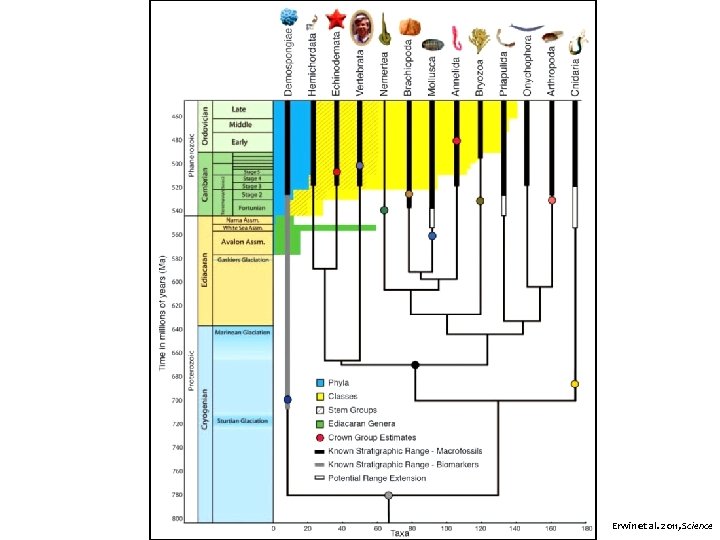
Erwin et al. 2011, Science
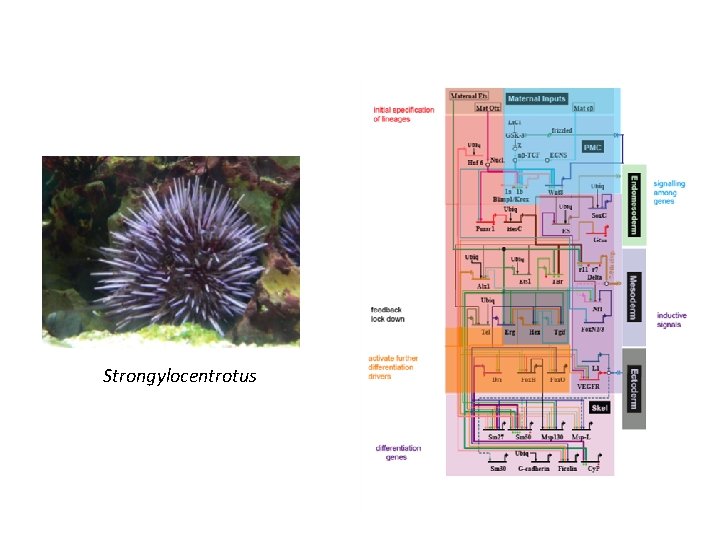
Strongylocentrotus
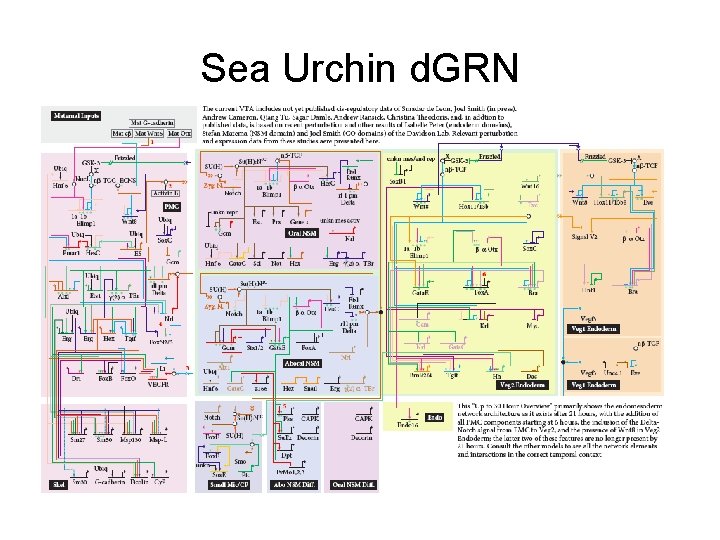
Sea Urchin d. GRN Biotapestry. org
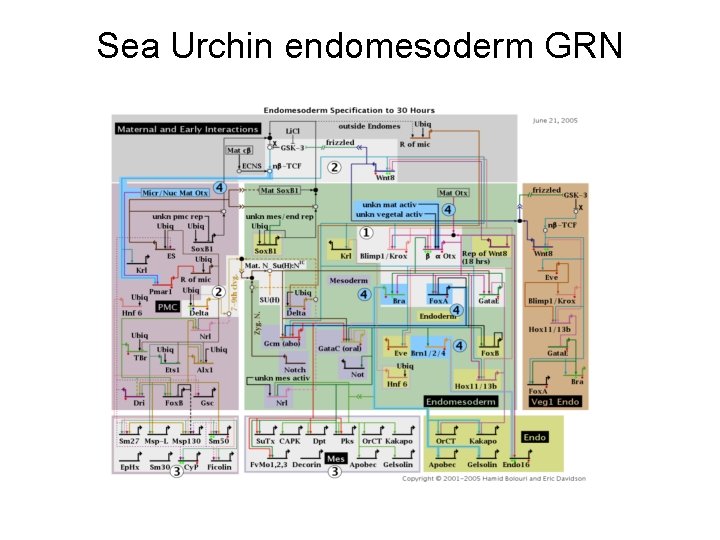
Sea Urchin endomesoderm GRN
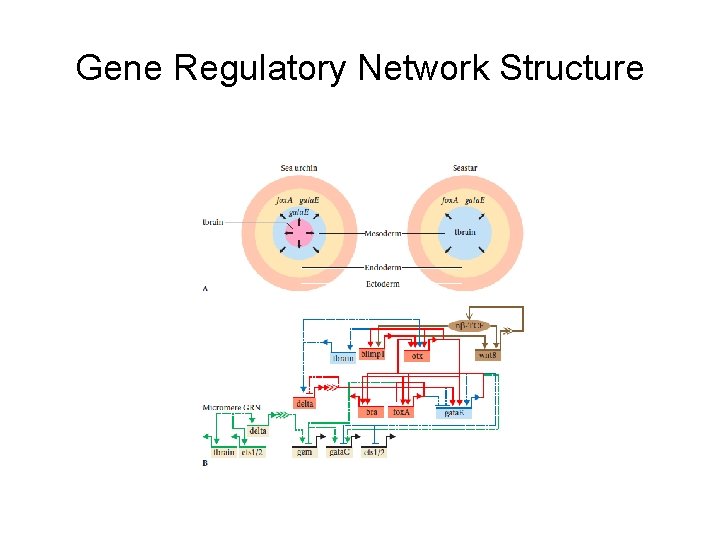
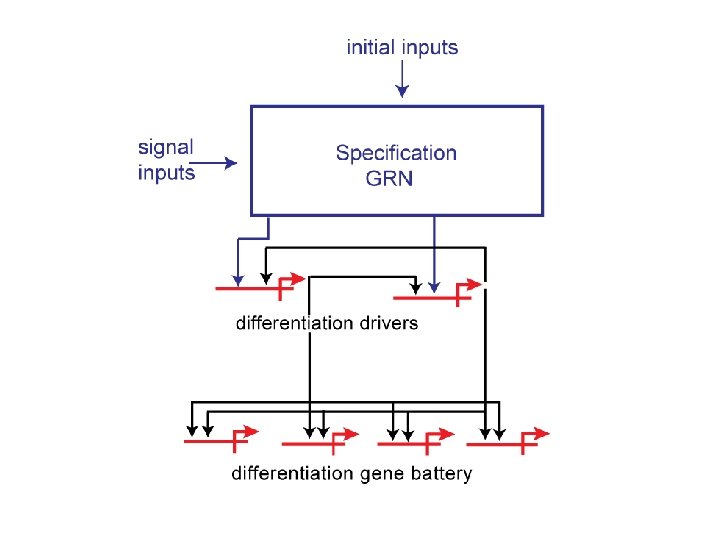
Gene Regulatory Network Structure Erwin and Valentine, Forthcoming, 2012; after Davidson
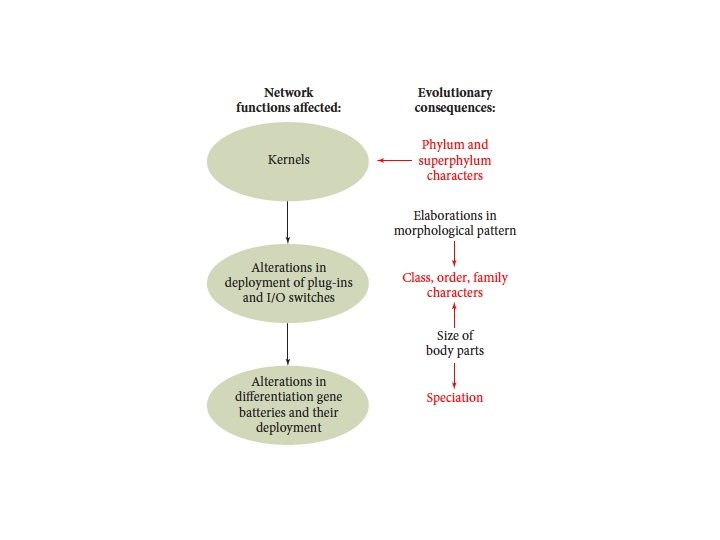
Davidson & Erwin, 2009
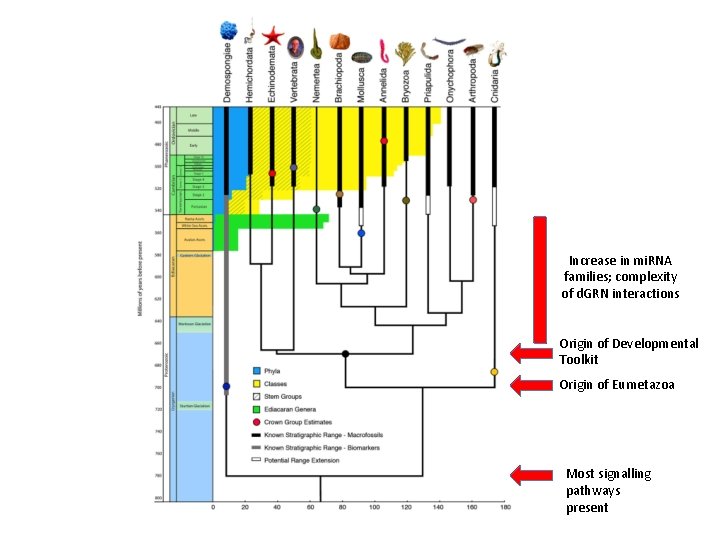
Increase in mi. RNA families; complexity of d. GRN interactions Origin of Developmental Toolkit Origin of Eumetazoa Most signalling pathways present
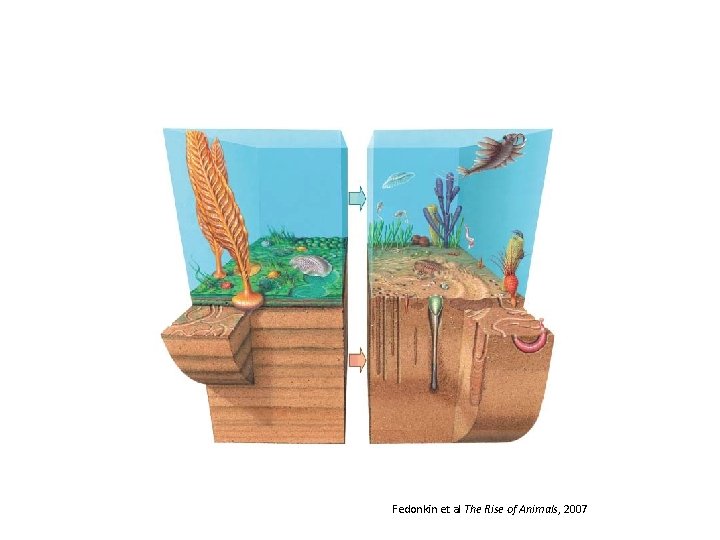
Fedonkin et al The Rise of Animals, 2007
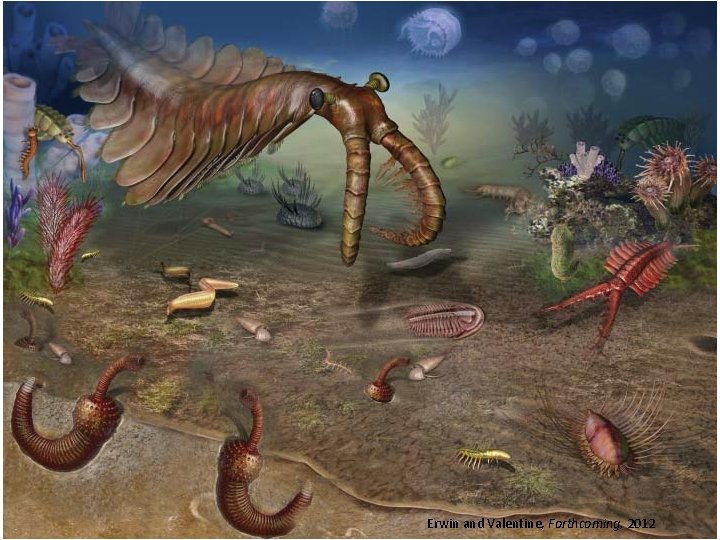
Erwin and Valentine, Forthcoming, 2012
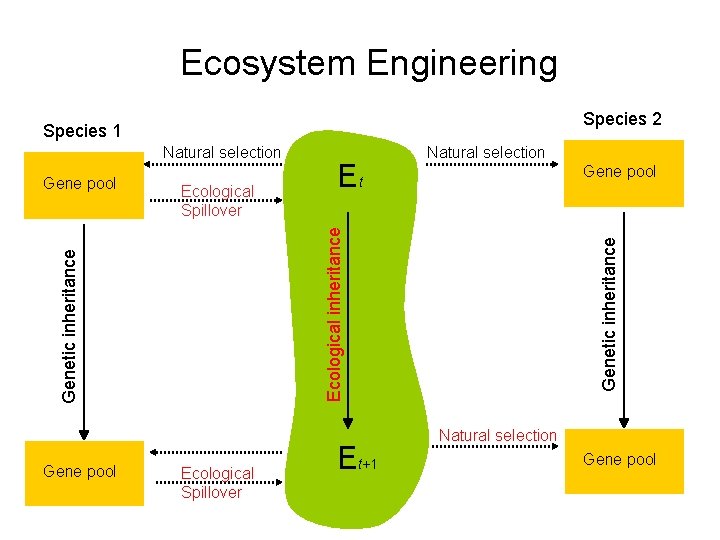
Ecosystem Engineering Species 2 Species 1 Natural selection Et Natural selection Gene pool Ecological Spillover Et+1 Genetic inheritance Ecological Spillover Genetic inheritance Gene pool Natural selection Gene pool
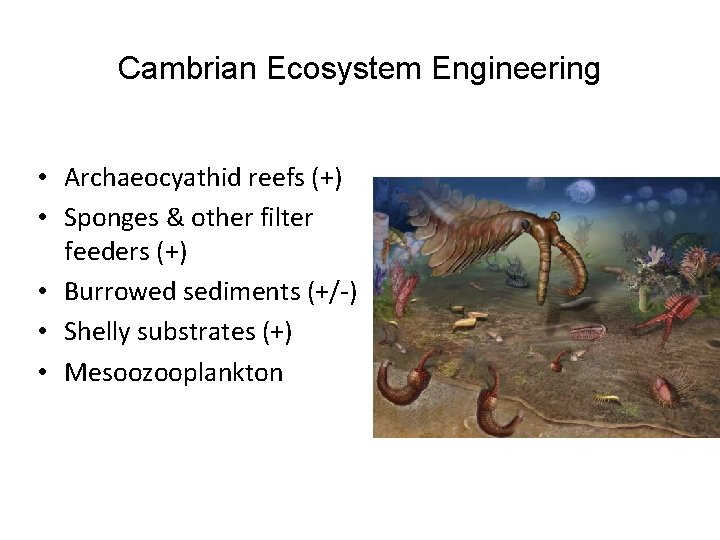
Cambrian Ecosystem Engineering • Archaeocyathid reefs (+) • Sponges & other filter feeders (+) • Burrowed sediments (+/-) • Shelly substrates (+) • Mesoozooplankton (+)
Ecological Spillovers • Sponges: sequestering carbon via filtration. Oxidation of oceans allow increased production of collagen. • Burrowing: change in S isotopes, enhances primary productivity in seds, increases biodiversity
P & P Definitions • Innovation “improve on existing ways of doing things” (which sounds to a biologist like adaptation) • Inventions “change the ways things are done”
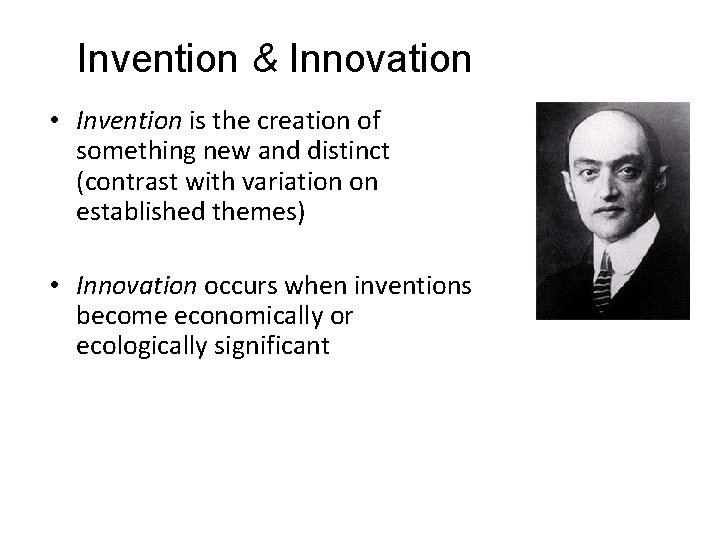
Invention & Innovation • Invention is the creation of something new and distinct (contrast with variation on established themes) • Innovation occurs when inventions become economically or ecologically significant Joseph Schumpeter (1883 -1950
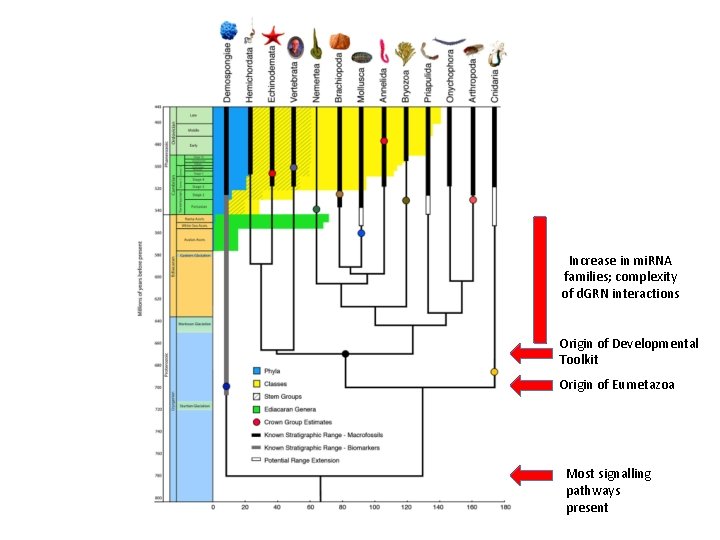
Increase in mi. RNA families; complexity of d. GRN interactions Origin of Developmental Toolkit Origin of Eumetazoa Most signalling pathways present
Defining Novelty • Are ‘novelty’ and ‘innovation’ synonymous? • Character based: new construction elements of a body plan (not homologous to pre-existing structure) • Process based: novelty should involve a transition between adaptive peaks and a breakdown of ancestral developmental constraints so that new sorts of variation are generated (Halgrimsson et a. 2012 J. Exp. Zool)
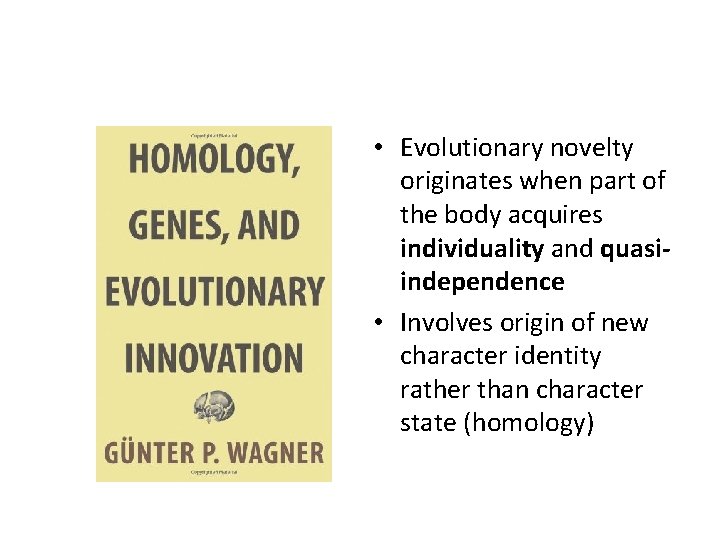
• Evolutionary novelty originates when part of the body acquires individuality and quasiindependence • Involves origin of new character identity rather than character state (homology)
How are new evolutionary spaces created? • Potentiated by broader environmental setting (physical, genetic, ecologic) • Actualized by genetic and developmental innovations leading to a new clade • Refined by further developmental and ecological changes • Realized as innovations by ecological expansion and evolutionary success
Mechanisms of Organizational Genesis • • Transposition and refunctionality (var) Anchoring diversity (ecology) Incorporation and detachment (var) Migration and homology (niche const) Conflict displacement/dual inclusion (ETI) Purge and mass mobilization (ecology) Privatization and Business groups (ecol/ETI) Robust action and multivocality (? )
Nature of Contingency • • • Sampling error Unpredictability of the course of history Sensitivity to initial conditions (Beatty 2006) Sensitivity to external disturbance Macroevolutionary stochasticity
Nature of Contingency • • • Sampling error Unpredictability of the course of history Sensitivity to initial conditions (Beatty 2006) Sensitivity to external disturbance Macroevolutionary stochasticity And does the ‘topography’ of historical contingency change over time?
Modern Synthesis Transmission Genetics Simple path from genotype to phenotype Primacy of genetic inheritance Selection within populations as primary driver of evolution • Opportunistic • Uniformitarian • •
Emerging Perspectives • No simple mapping from genotype to phenotype (evo-devo) • Multiple forms of inheritance • Multiple levels of selection • Important roles for mutation and drift in addition to selection • Macroevolutionary lags • Non-uniformitarian
Search Vs Construction • Innovation is often described as search through a space of “the adjacent possible” (Kaufmann, Wagner)
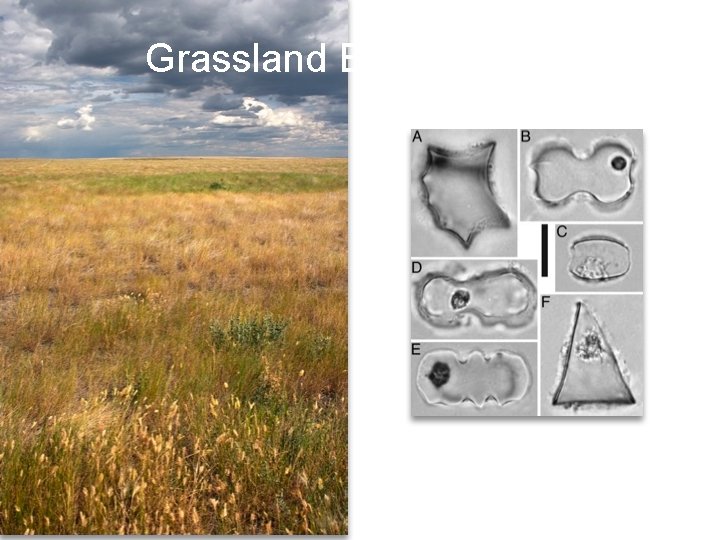
Grassland Evolution
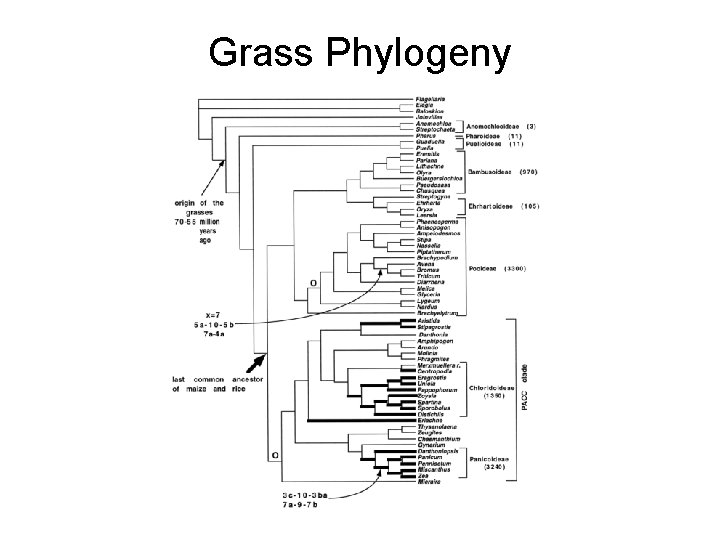
Grass Phylogeny Kellogg, 2001, Plant Physiology
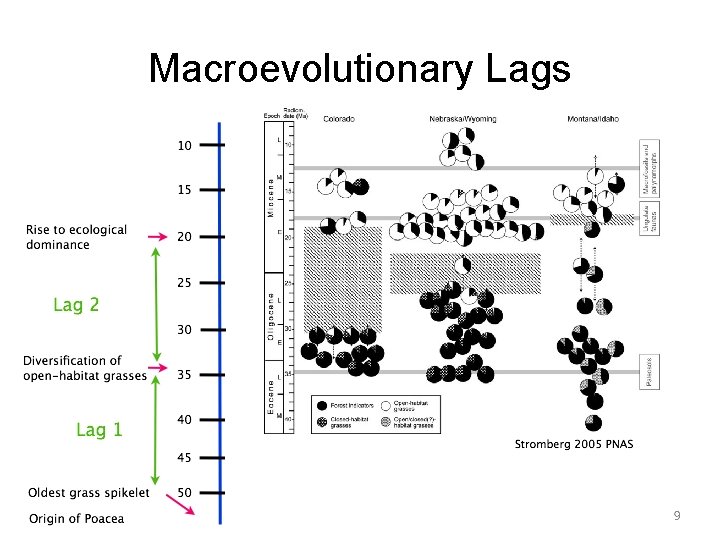
Macroevolutionary Lags
How are new evolutionary spaces created? • Potentiated by broader environmental setting (physical, genetic, ecologic)
How are new evolutionary spaces created? • Potentiated by broader environmental setting (physical, genetic, ecologic) • Actualized by genetic and developmental innovations leading to a new clade
- Slides: 38