
STEEL FIBRE REINFORCED CONCRETE SFRC for SLABS ON

STEEL FIBRE REINFORCED CONCRETE (SFRC) for SLABS ON GRADE Author: Royce Ratcliffe

FIBRES REINFORCE CONCRETE Fibres – like all reinforcement - have their greatest effect after cracking develops.

X-Ray Of SFRC

COMPARING FIBRES TO CONVENTIONAL REINFORCEMENT
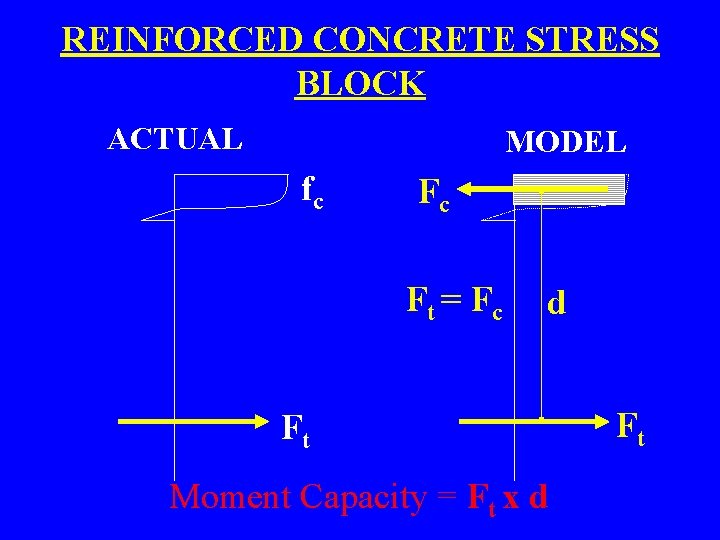
REINFORCED CONCRETE STRESS BLOCK ACTUAL MODEL fc Fc Ft = Fc d Ft Moment Capacity = Ft x d Ft

FIBRE CONCRETE STRESS BLOCK ACTUAL MODEL fc F c EQUIVALENT 0. 5 D ft Ft D 0. 9 D fe (from beam test) f’t Moment Capacity = f’tb. 0. 9 D 0. 5 D = fe b. D 2/6 f’t = 1/6/0. 5/0. 9 = 0. 37 fe

DIRECT TENSION FROM REINFORCEMENT BRIDGING CRACKS IN FLOOR SLABS WORKS TO KEEP THE CRACK NARROW, THEREBY MAINTAINING AGGREGATE INTERLOCK AND HENCE LOAD TRANSFER. NECESSARY AT SAW CUTS AND INTERNAL CRACKS TO MAINTAIN A HIGH LEVEL OF LOAD CARRYING CAPACITY IN THE SLAB. MESH – Ft = As. fy FIBRE – Ft = 0. 37 fe. BD

TESTING THE REINFORCING PROPERTIES OF FIBRES

Beam Testing
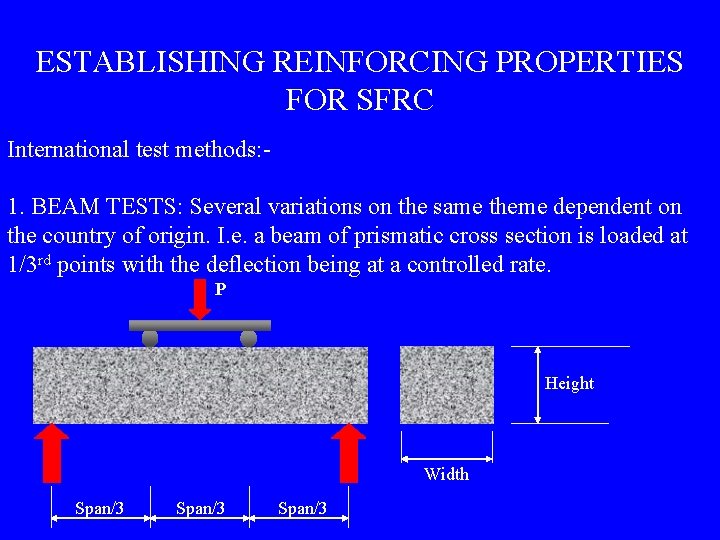
ESTABLISHING REINFORCING PROPERTIES FOR SFRC International test methods: 1. BEAM TESTS: Several variations on the same theme dependent on the country of origin. I. e. a beam of prismatic cross section is loaded at 1/3 rd points with the deflection being at a controlled rate. P Height Width Span/3

ESTABLISHING REINFORCING PROPERTIES FOR SFRC International test methods: 1. BEAM TESTS: Several variations on the same theme dependent on the country of origin. I. e. a beam of prismatic cross section is loaded at 1/3 rd points with the deflection being at a controlled rate. P Stress Height fe Width Span/3
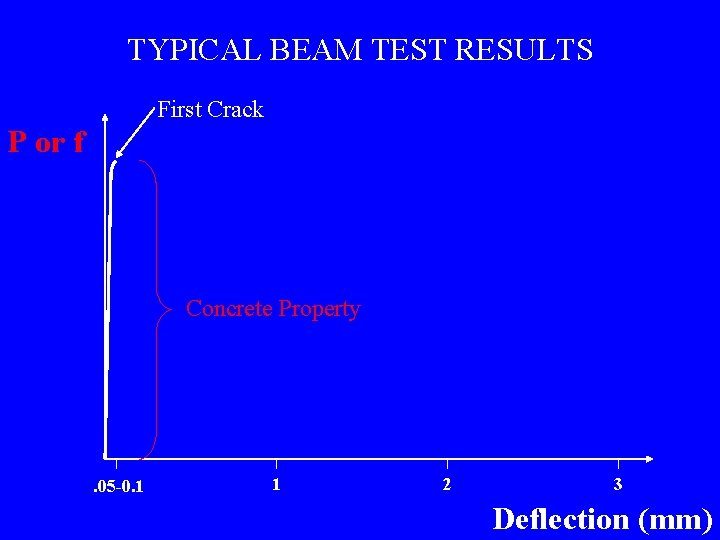
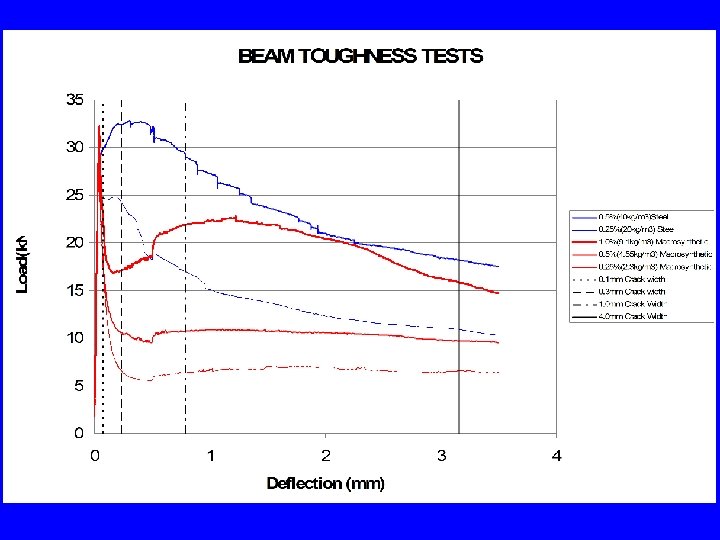
TYPICAL BEAM TEST RESULTS First Crack P or f Concrete Property . 05 -0. 1 1 2 3 Deflection (mm)
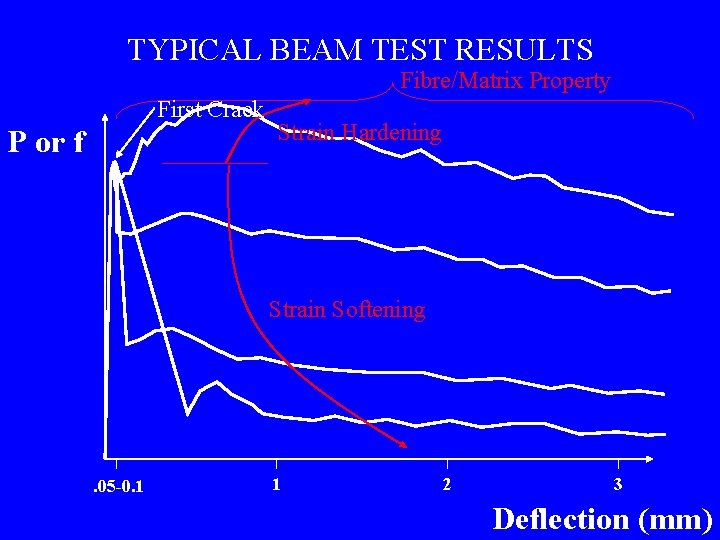
TYPICAL BEAM TEST RESULTS Fibre/Matrix Property First Crack P or f Strain Hardening Strain Softening . 05 -0. 1 1 2 3 Deflection (mm)


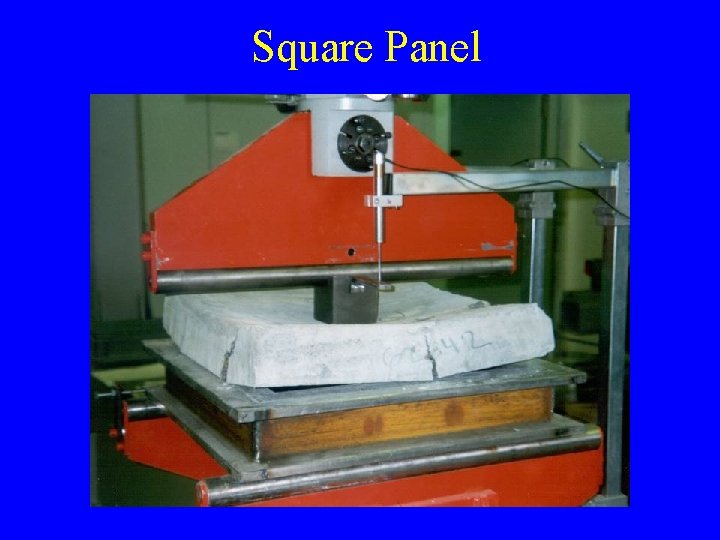
Square Panel

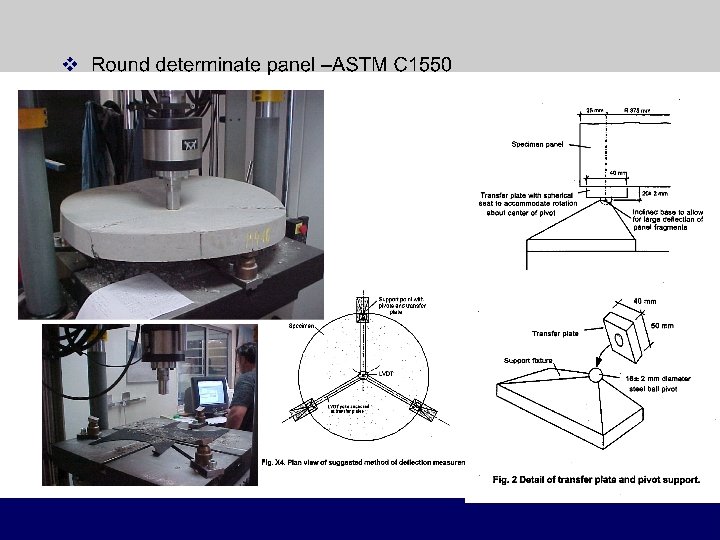
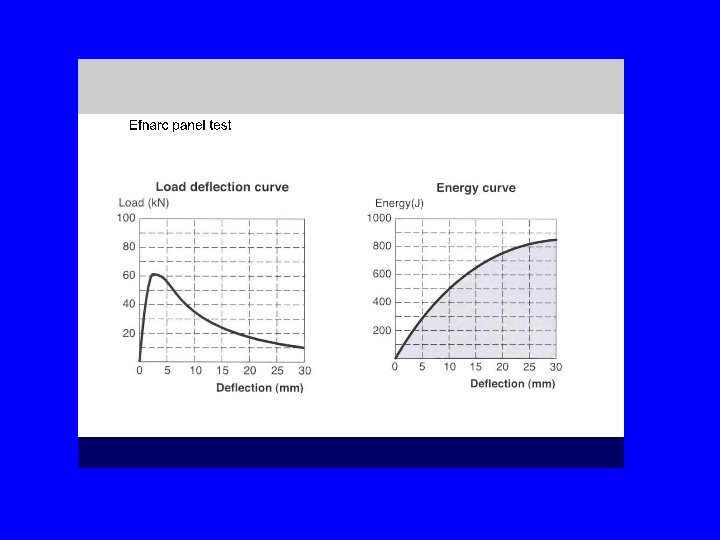
Efnarc panel test European standard EN 14488 -5 The punching-flexion test is an ideal test to check the SFRS behaviour: 1) A shotcrete tunnel ling behaves like a slab 2) The hyperstatic test conditions allow load redistribution 3) The test can be carried out with mesh reinforcement This test was introduced in 1989 by the French Railway Authority, prior to being accepted and promoted by EFNARC then finally becoming a Euronorm (EN) in 2006.
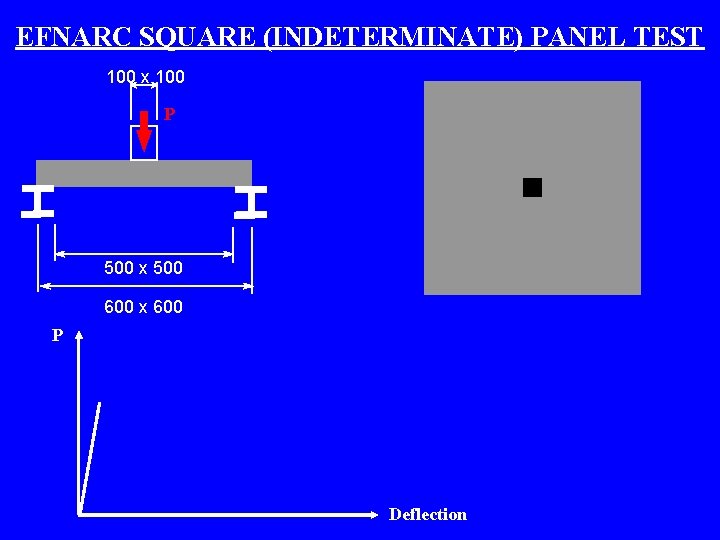
EFNARC SQUARE (INDETERMINATE) PANEL TEST 100 x 100 P 500 x 500 600 x 600 P Deflection
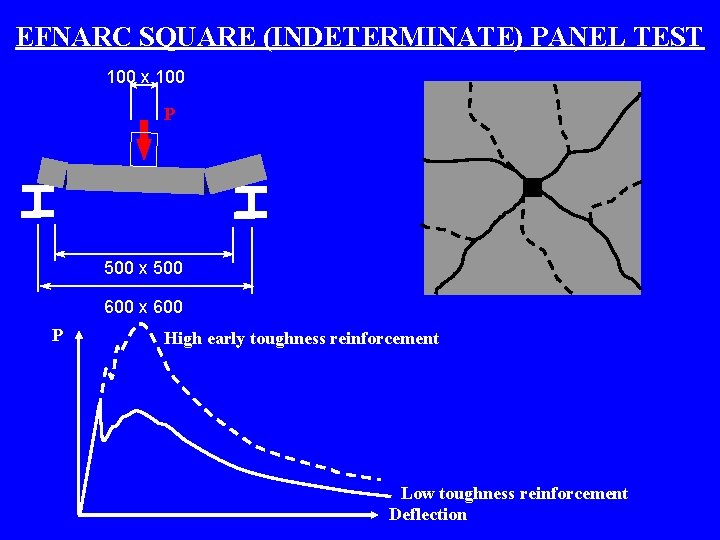
EFNARC SQUARE (INDETERMINATE) PANEL TEST 100 x 100 P 500 x 500 600 x 600 P High early toughness reinforcement Low toughness reinforcement Deflection

80 J 800 J 400 J 1250 J

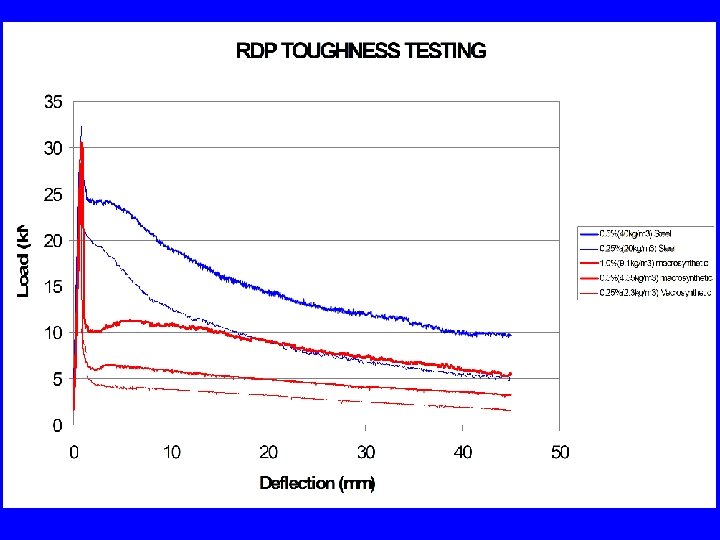
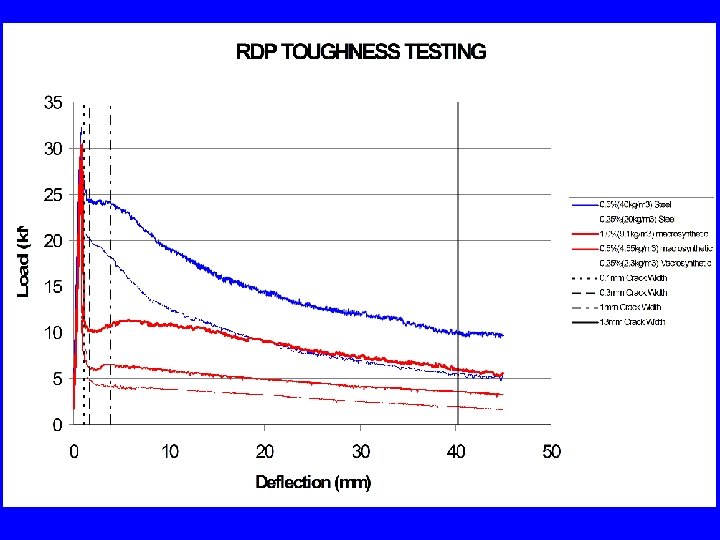
0. 5 vol % 4. 55 kg/m 3 1. 0 vol % 9. 1 kg/m 3
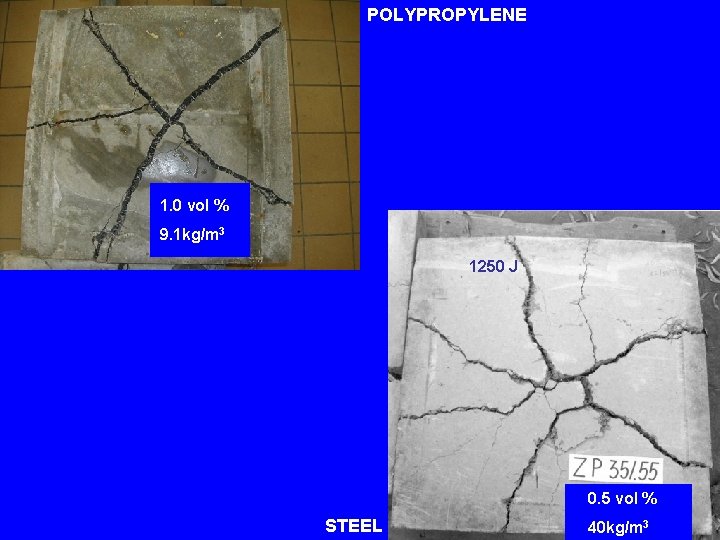
POLYPROPYLENE 1. 0 vol % 9. 1 kg/m 3 1250 J 0. 5 vol % STEEL 40 kg/m 3

HOW FIBRES INCREASE LOAD CARRYING CAPACITY

FULL SCALE TESTING 3000 100 x 100 150 k =. 035 Nmm 3
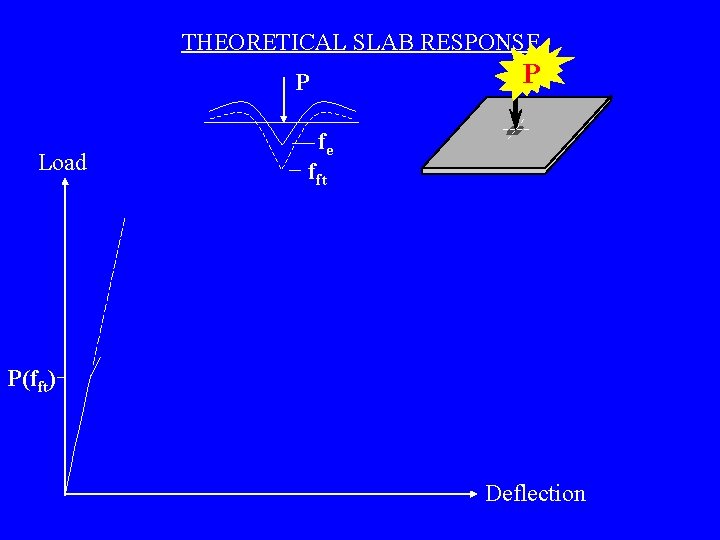
THEORETICAL SLAB RESPONSE P P Load fe fft P(fft) Deflection
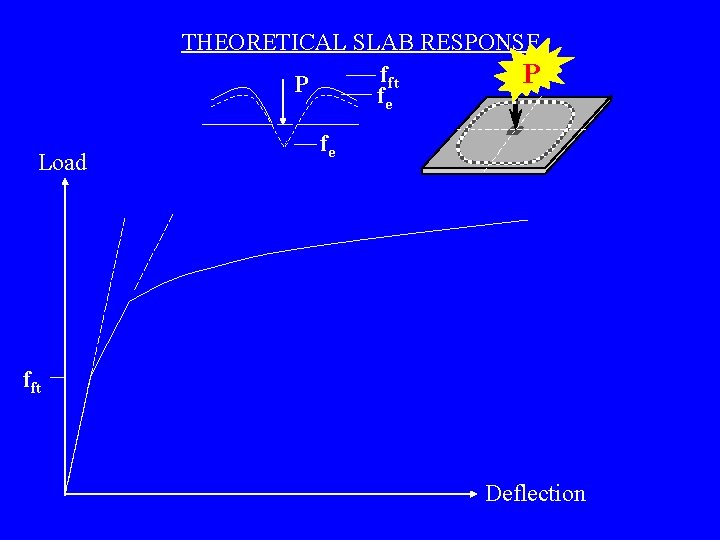
THEORETICAL SLAB RESPONSE fft P P fe Load fe fft Deflection
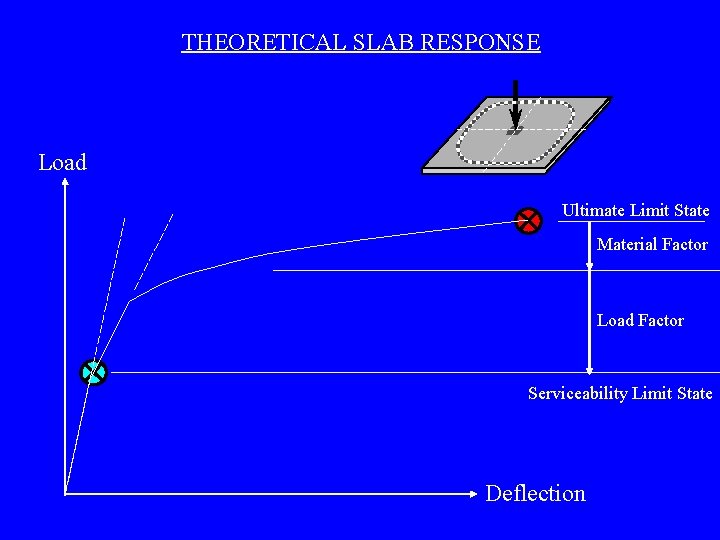
THEORETICAL SLAB RESPONSE Load Ultimate Limit State Material Factor Load Factor Serviceability Limit State Deflection

PERFORMANCE VERSUS TOUGHNESS Load Increasing Toughness(fe) Ultimate Plain Concrete Deflection

NEW PARADIGM LOAD CARRYING CAPACITY FOR FLOOR SLABS IS A FUNCTION OF FLEXURAL STRENGTH & TOUGHNESS
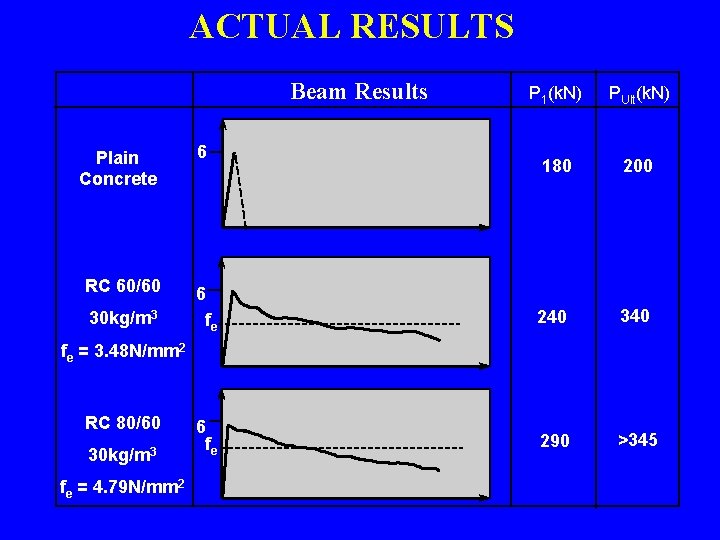
ACTUAL RESULTS Beam Results Plain Concrete RC 60/60 30 kg/m 3 6 P 1(k. N) PUlt(k. N) 180 200 6 fe 240 340 6 fe 290 >345 fe = 3. 48 N/mm 2 RC 80/60 30 kg/m 3 fe = 4. 79 N/mm 2
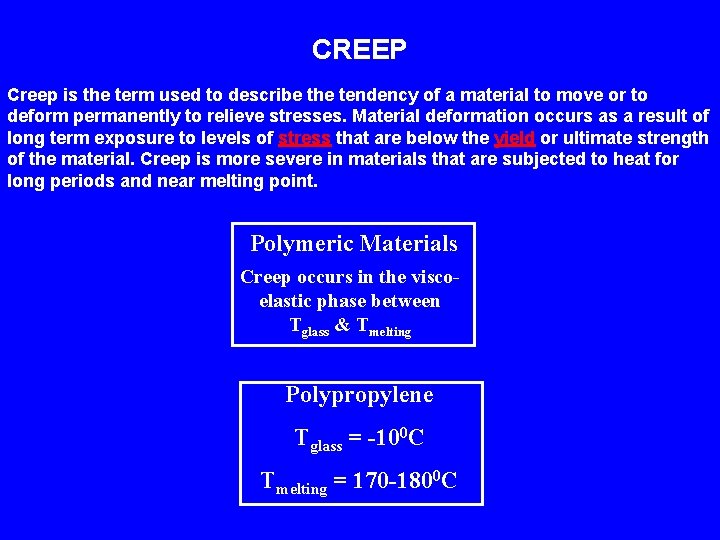
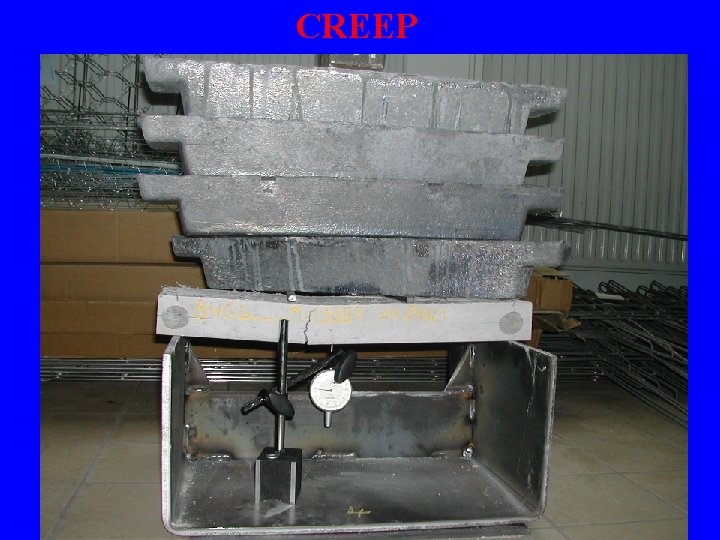
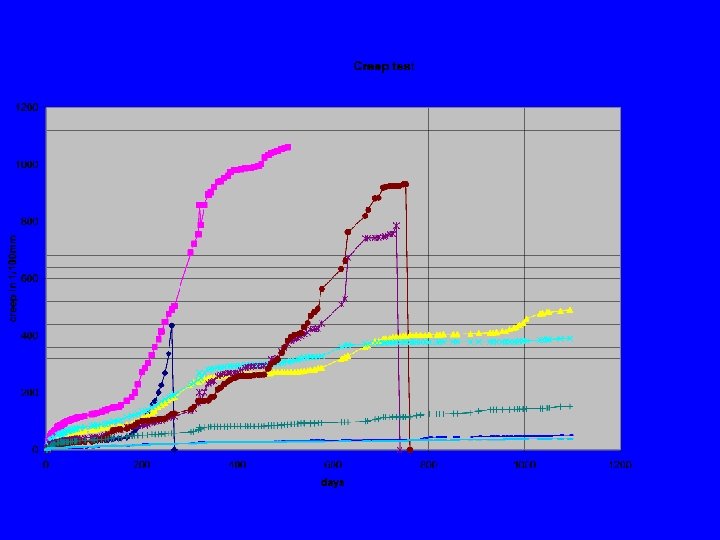
CREEP Creep is the term used to describe the tendency of a material to move or to deform permanently to relieve stresses. Material deformation occurs as a result of long term exposure to levels of stress that are below the yield or ultimate strength of the material. Creep is more severe in materials that are subjected to heat for long periods and near melting point. Polymeric Materials Creep occurs in the viscoelastic phase between Tglass & Tmelting Polypropylene Tglass = -100 C Tmelting = 170 -1800 C
CREEP

THANK YOU!
- Slides: 39