
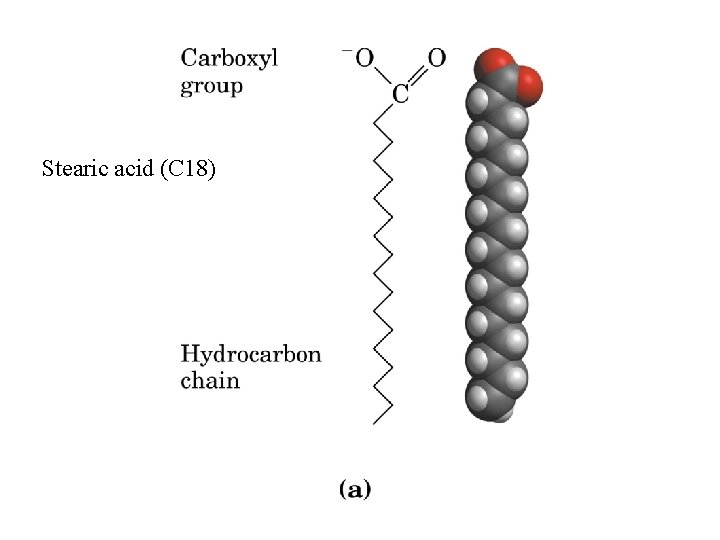
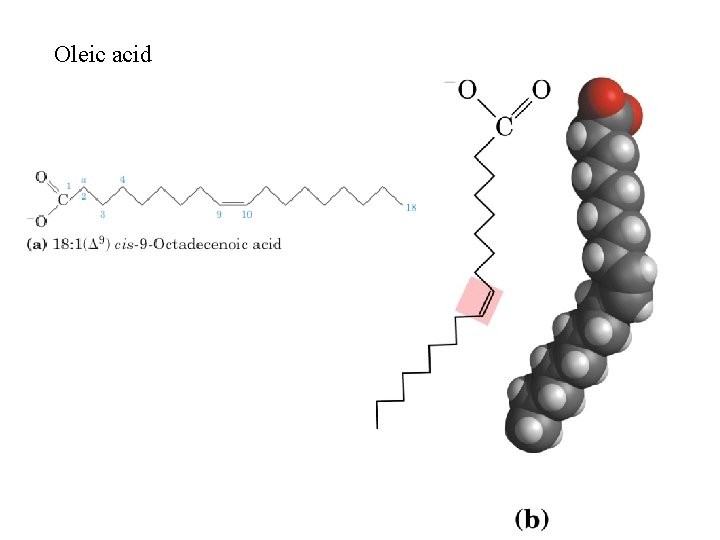
Stearic acid C 18 Oleic acid w 3



- Slides: 59
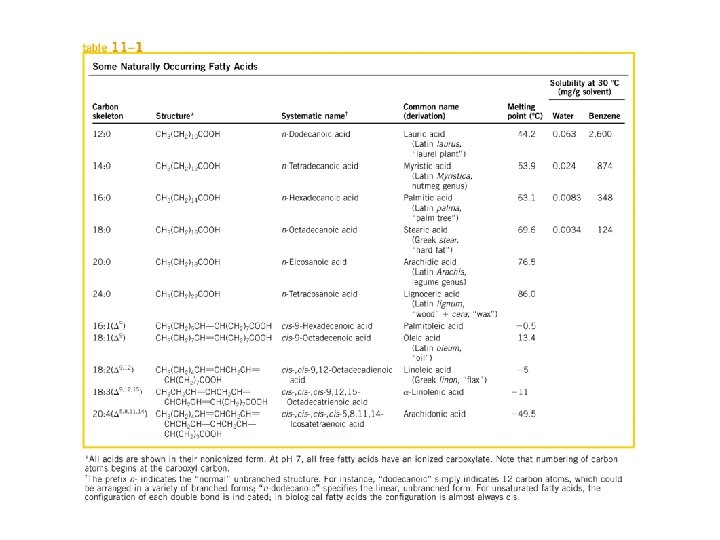
Stearic acid (C 18)
Oleic acid
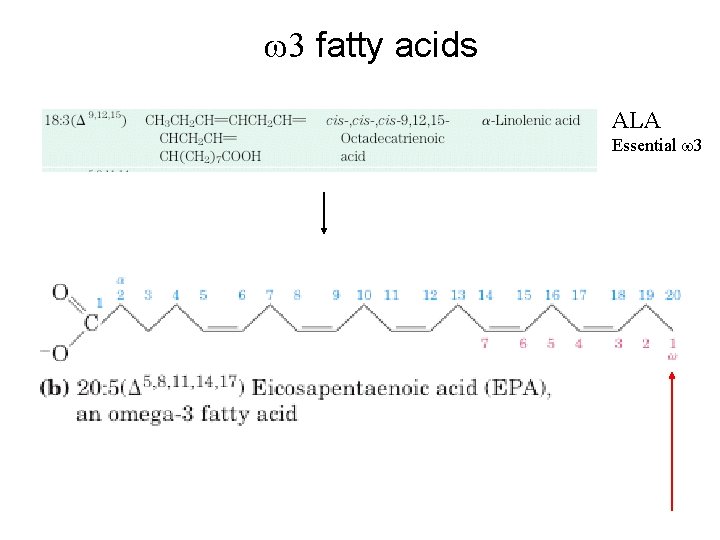
w 3 fatty acids ALA Essential w 3
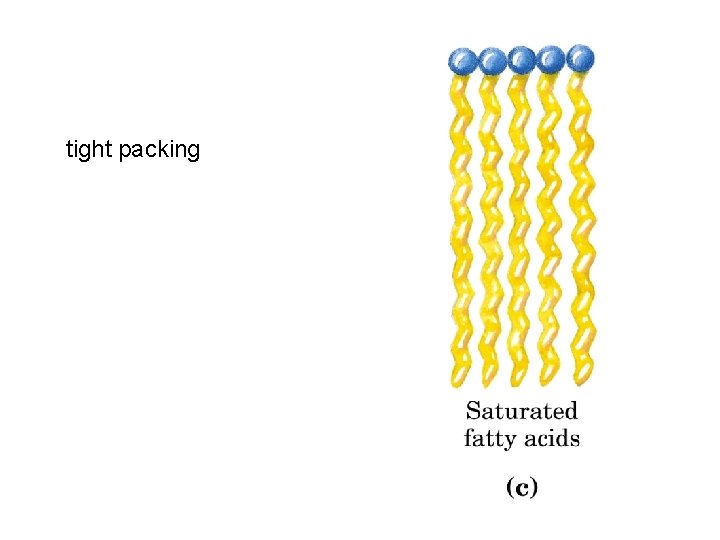
tight packing
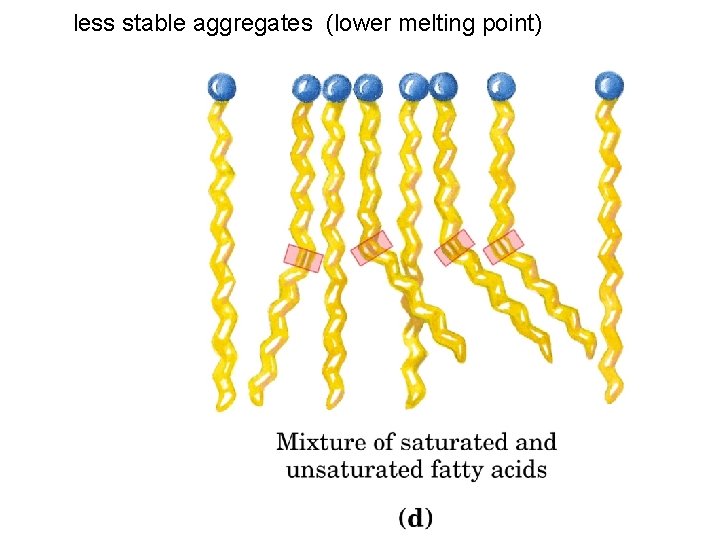
less stable aggregates (lower melting point)
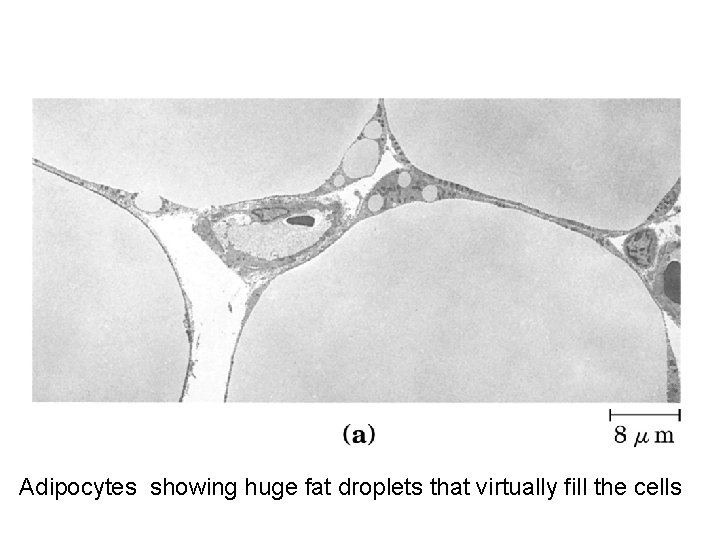
Adipocytes showing huge fat droplets that virtually fill the cells
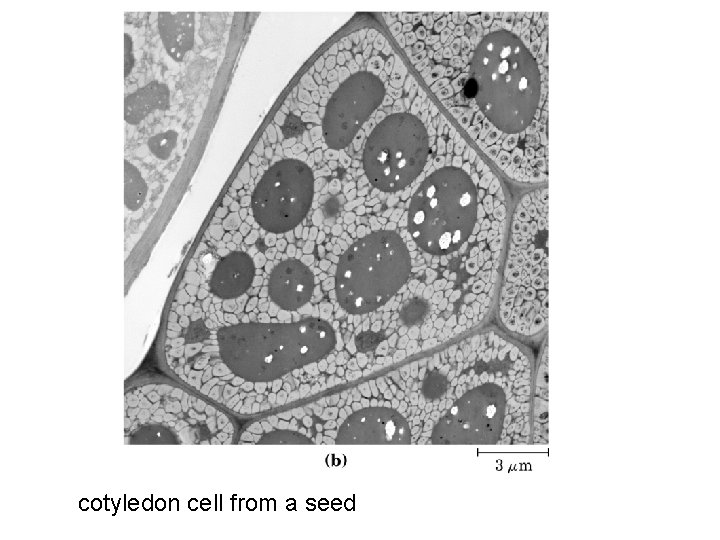
cotyledon cell from a seed
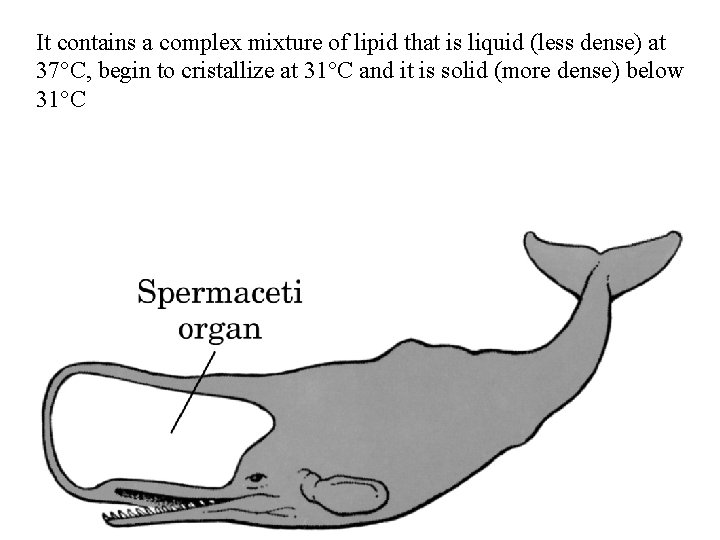
It contains a complex mixture of lipid that is liquid (less dense) at 37°C, begin to cristallize at 31°C and it is solid (more dense) below 31°C
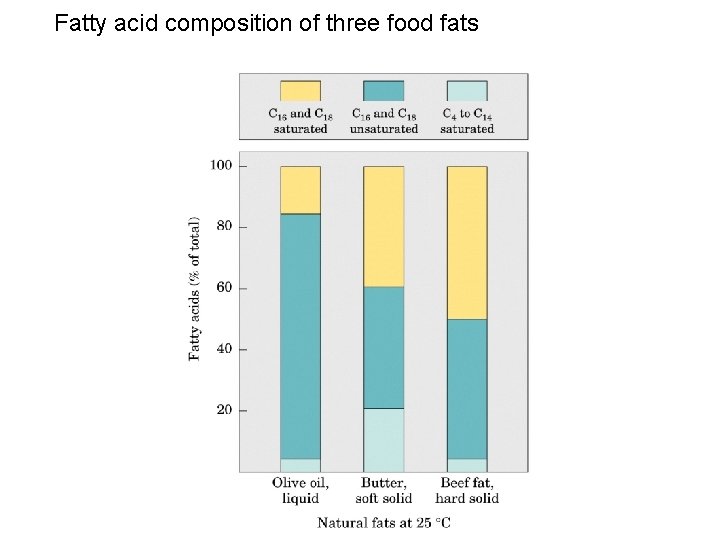
Fatty acid composition of three food fats
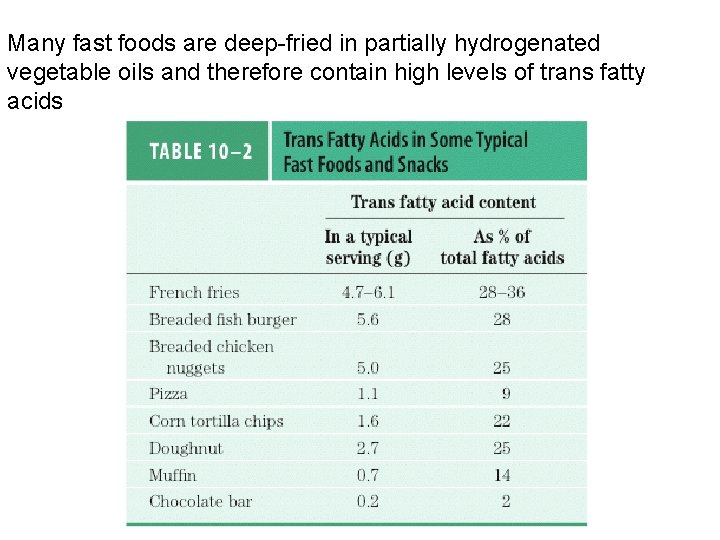
Many fast foods are deep-fried in partially hydrogenated vegetable oils and therefore contain high levels of trans fatty acids
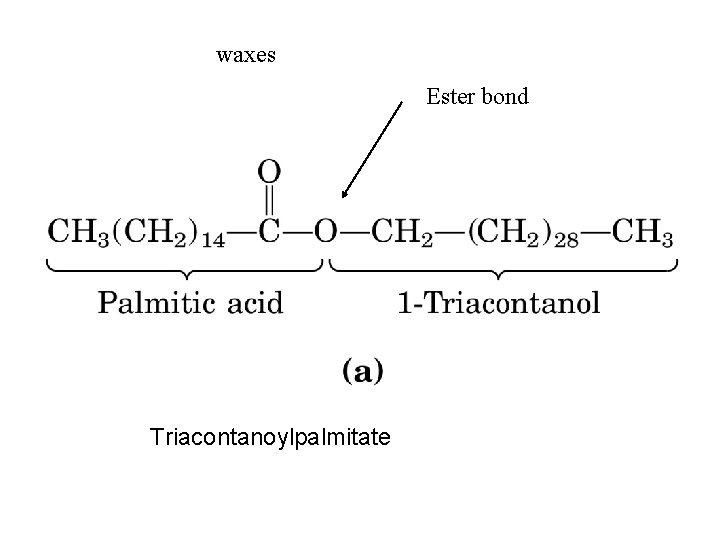
waxes Ester bond Triacontanoylpalmitate
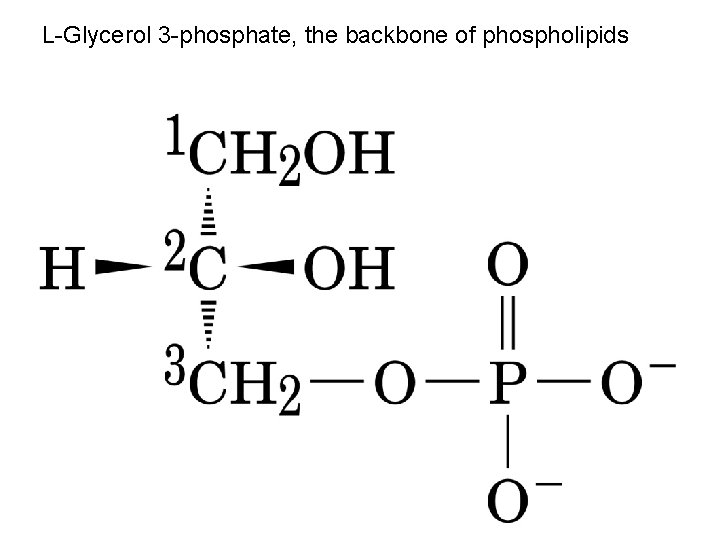
L-Glycerol 3 -phosphate, the backbone of phospholipids
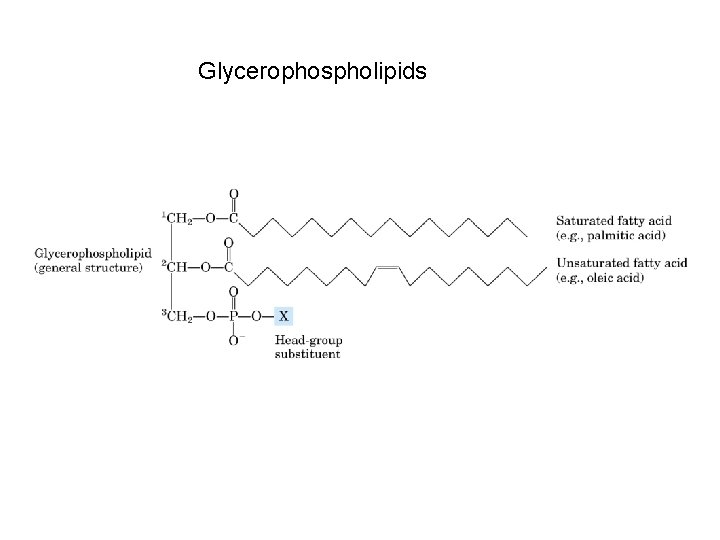
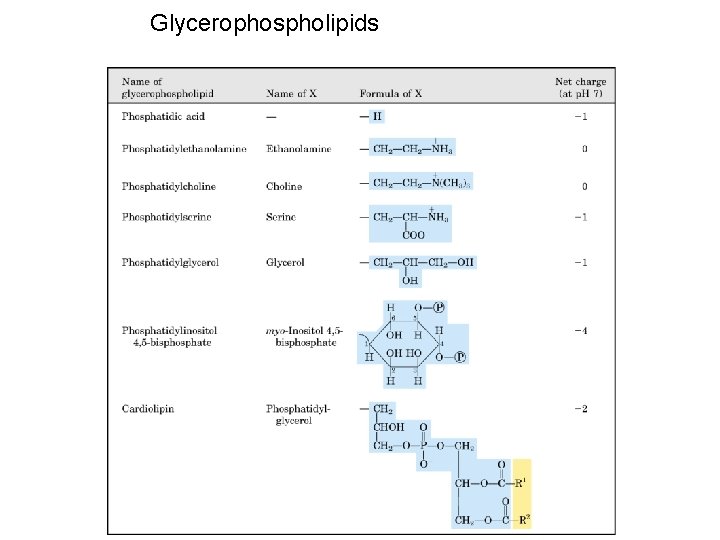
Glycerophospholipids
Glycerophospholipids
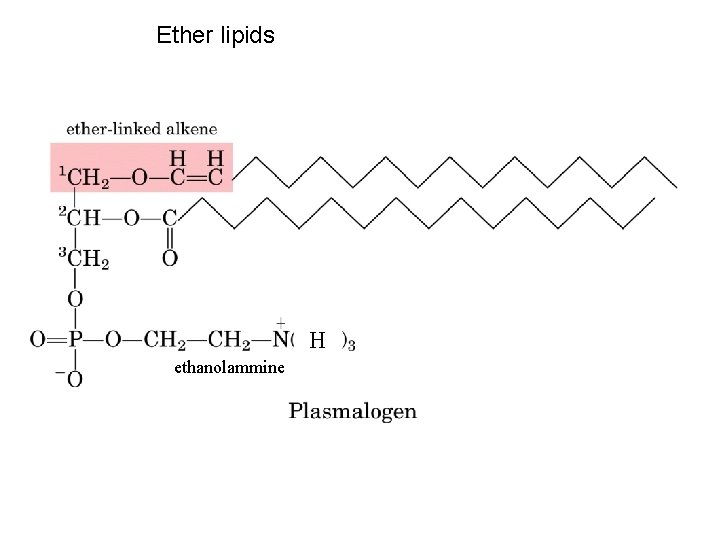
Ether lipids H ethanolammine
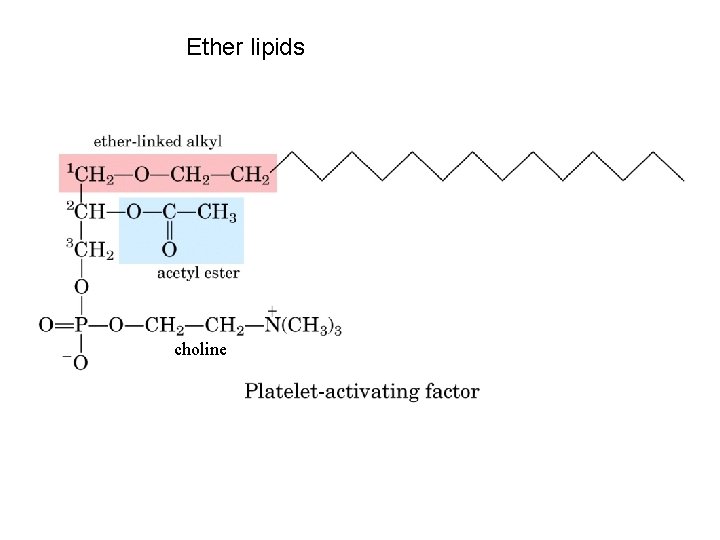
Ether lipids choline
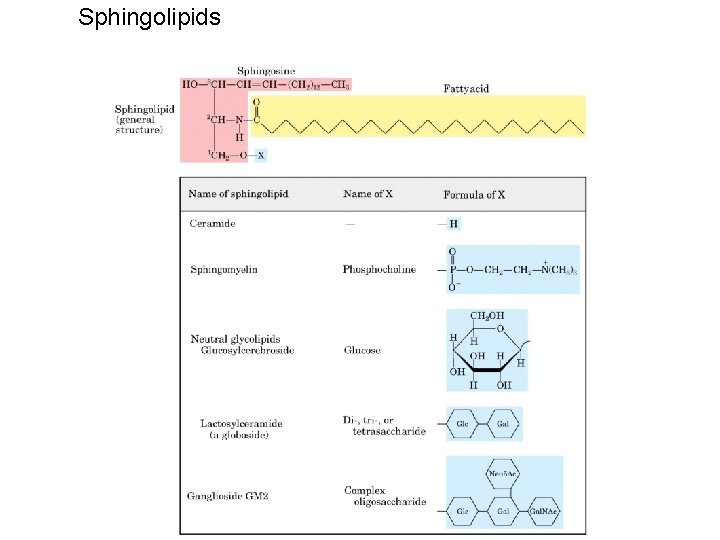
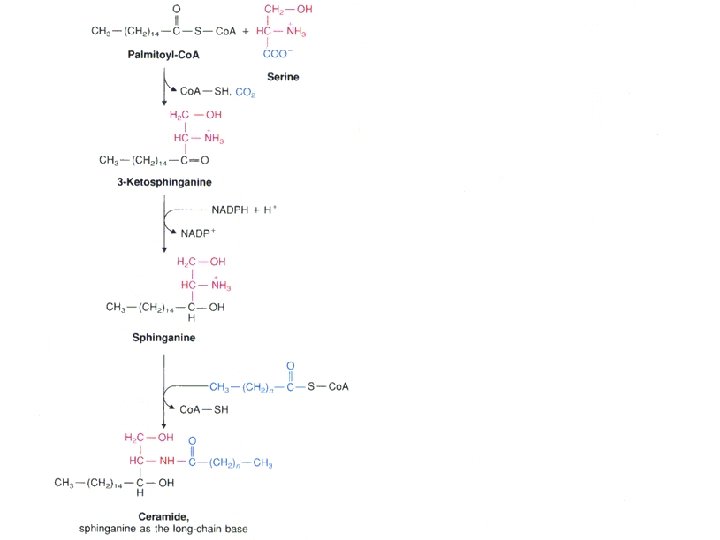
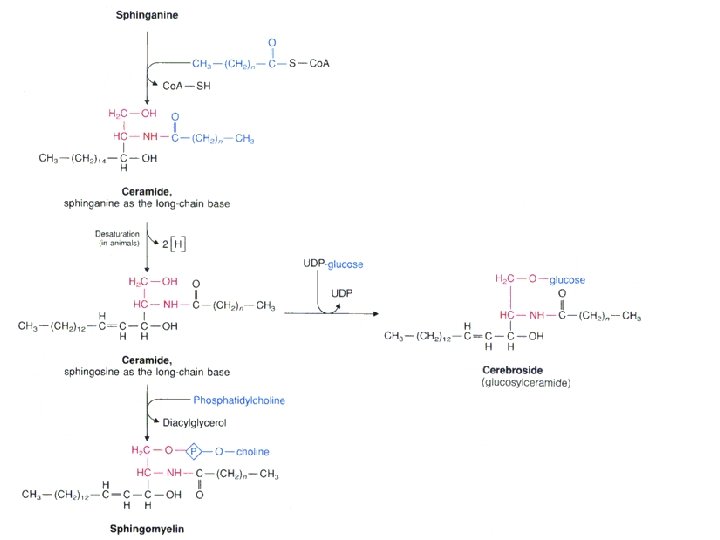
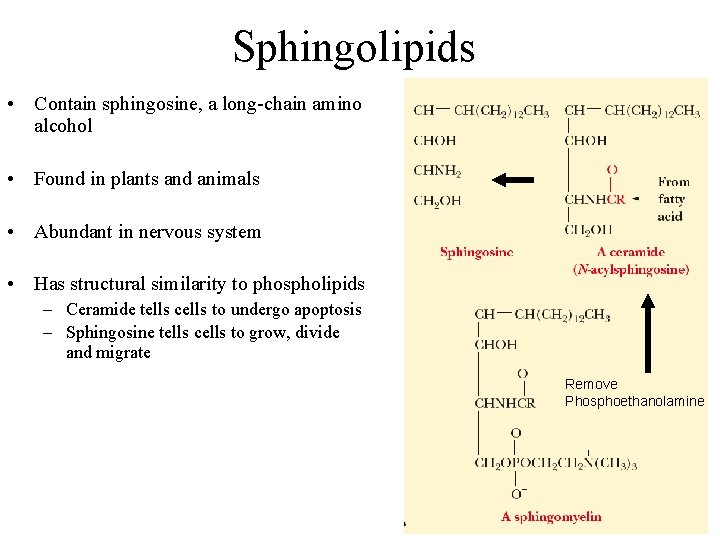
Sphingolipids
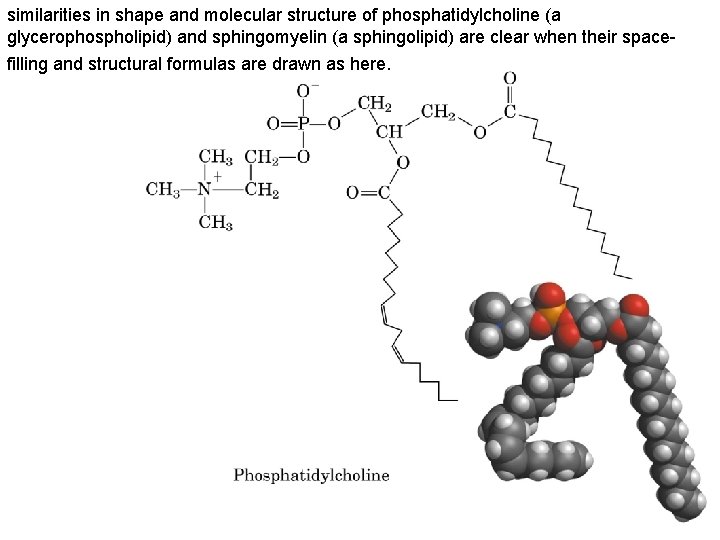
similarities in shape and molecular structure of phosphatidylcholine (a glycerophospholipid) and sphingomyelin (a sphingolipid) are clear when their spacefilling and structural formulas are drawn as here.
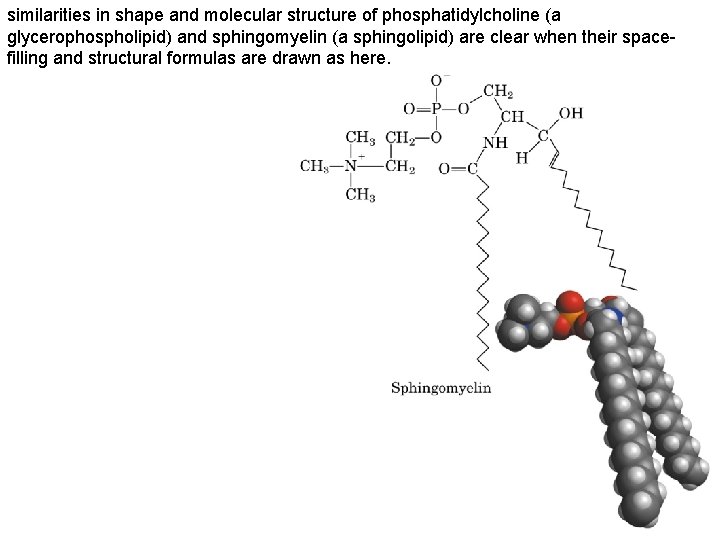
similarities in shape and molecular structure of phosphatidylcholine (a glycerophospholipid) and sphingomyelin (a sphingolipid) are clear when their spacefilling and structural formulas are drawn as here.
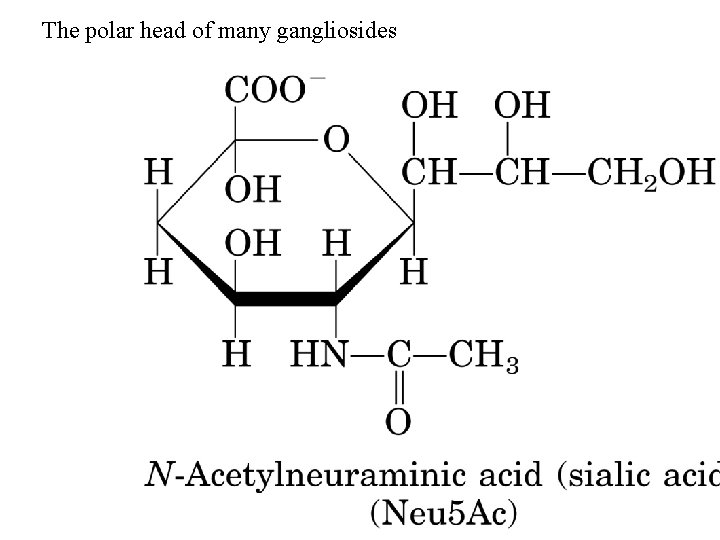
The polar head of many gangliosides
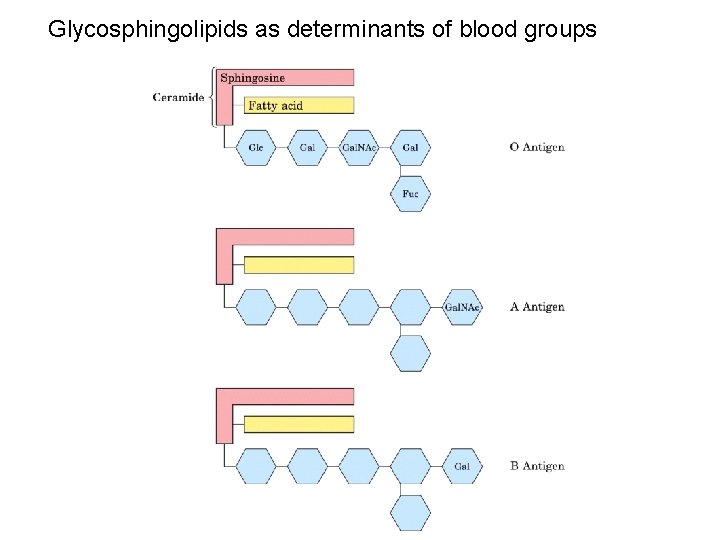
Glycosphingolipids as determinants of blood groups
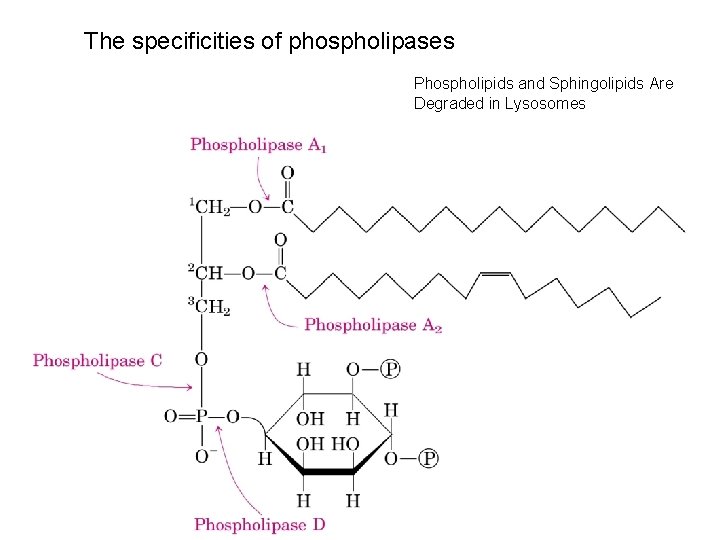
The specificities of phospholipases Phospholipids and Sphingolipids Are Degraded in Lysosomes
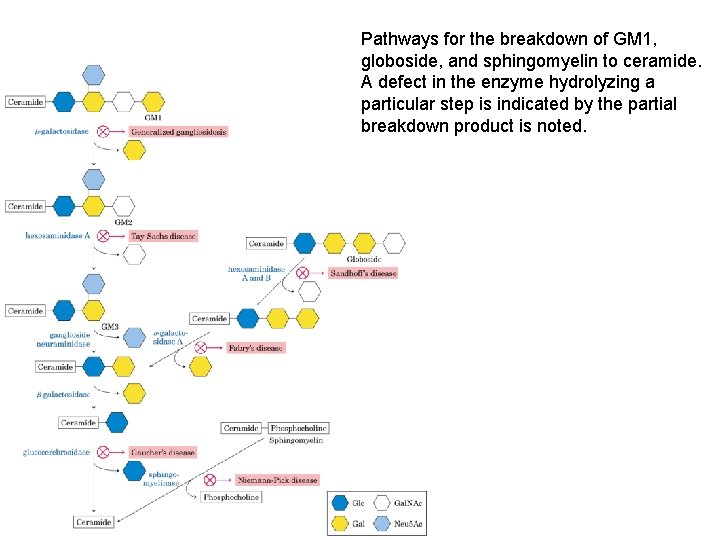
Pathways for the breakdown of GM 1, globoside, and sphingomyelin to ceramide. A defect in the enzyme hydrolyzing a particular step is indicated by the partial breakdown product is noted.
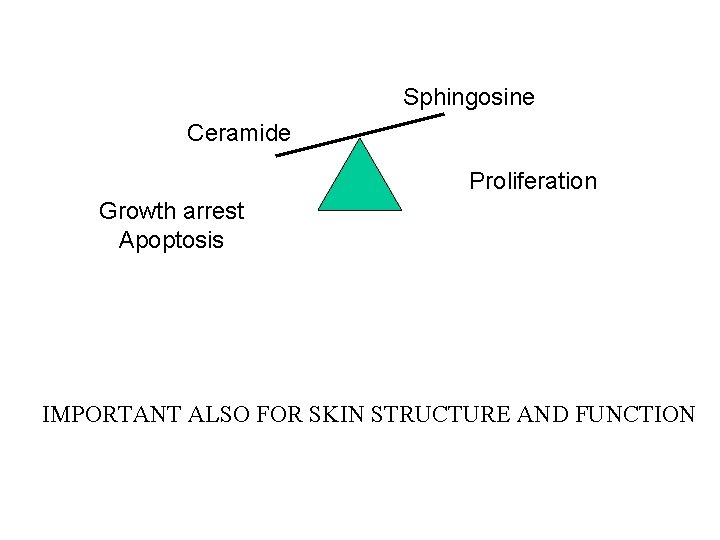
Sphingosine Ceramide Proliferation Growth arrest Apoptosis IMPORTANT ALSO FOR SKIN STRUCTURE AND FUNCTION
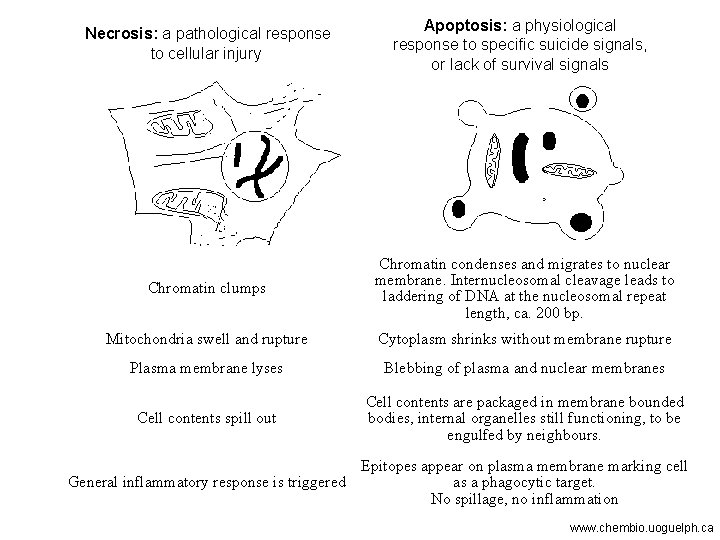
Necrosis: a pathological response to cellular injury Apoptosis: a physiological response to specific suicide signals, or lack of survival signals Chromatin clumps Chromatin condenses and migrates to nuclear membrane. Internucleosomal cleavage leads to laddering of DNA at the nucleosomal repeat length, ca. 200 bp. Mitochondria swell and rupture Cytoplasm shrinks without membrane rupture Plasma membrane lyses Blebbing of plasma and nuclear membranes Cell contents spill out Cell contents are packaged in membrane bounded bodies, internal organelles still functioning, to be engulfed by neighbours. Epitopes appear on plasma membrane marking cell General inflammatory response is triggered as a phagocytic target. No spillage, no inflammation www. chembio. uoguelph. ca
Sphingolipids • Contain sphingosine, a long-chain amino alcohol • Found in plants and animals • Abundant in nervous system • Has structural similarity to phospholipids – Ceramide tells cells to undergo apoptosis – Sphingosine tells cells to grow, divide and migrate Remove Phosphoethanolamine
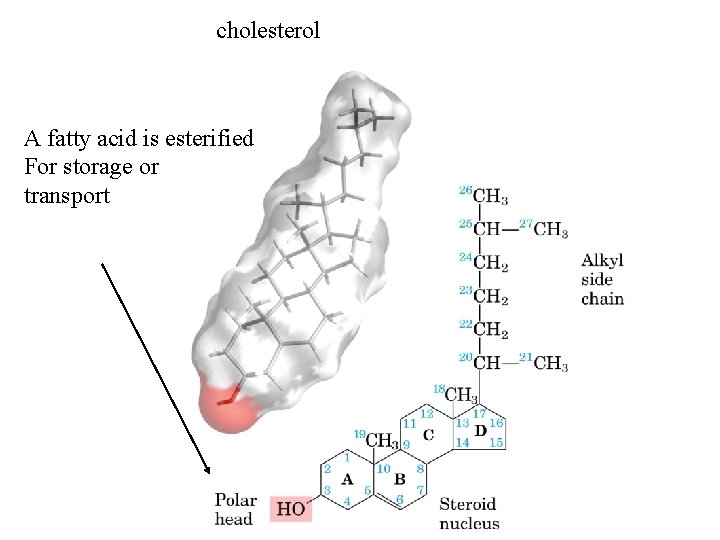
cholesterol A fatty acid is esterified For storage or transport
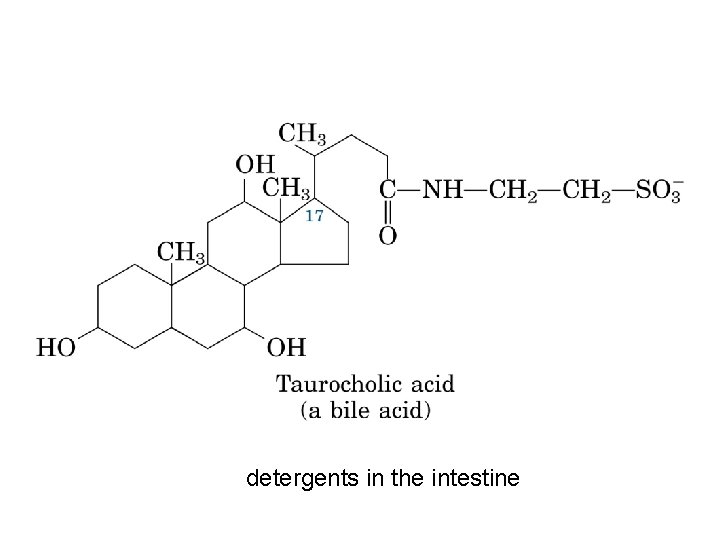
detergents in the intestine
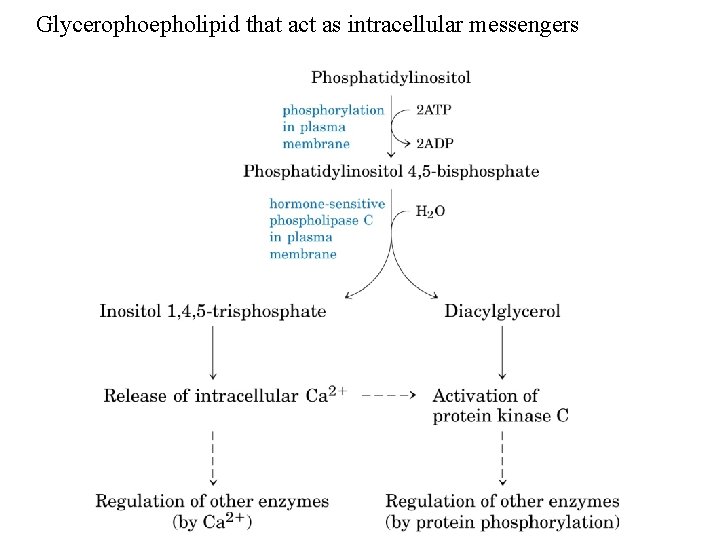
Glycerophoepholipid that act as intracellular messengers
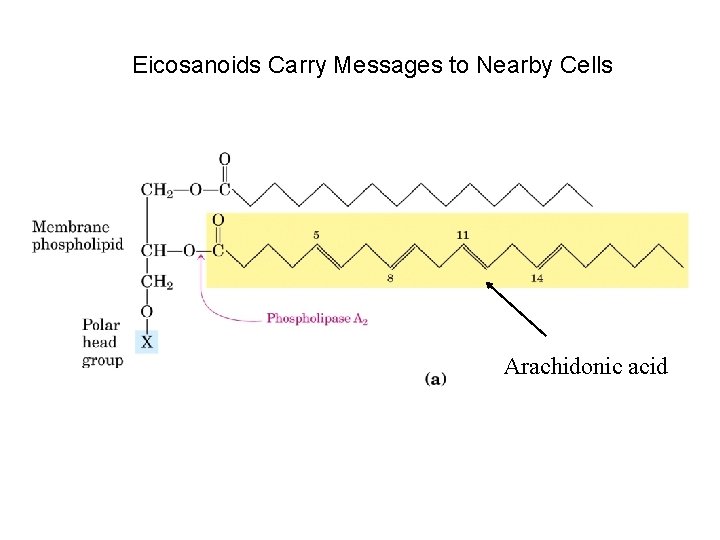
Eicosanoids Carry Messages to Nearby Cells Arachidonic acid
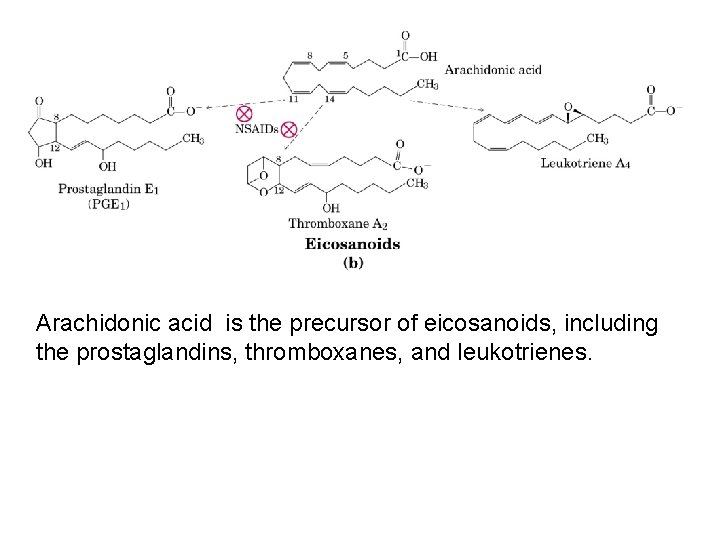
Arachidonic acid is the precursor of eicosanoids, including the prostaglandins, thromboxanes, and leukotrienes.
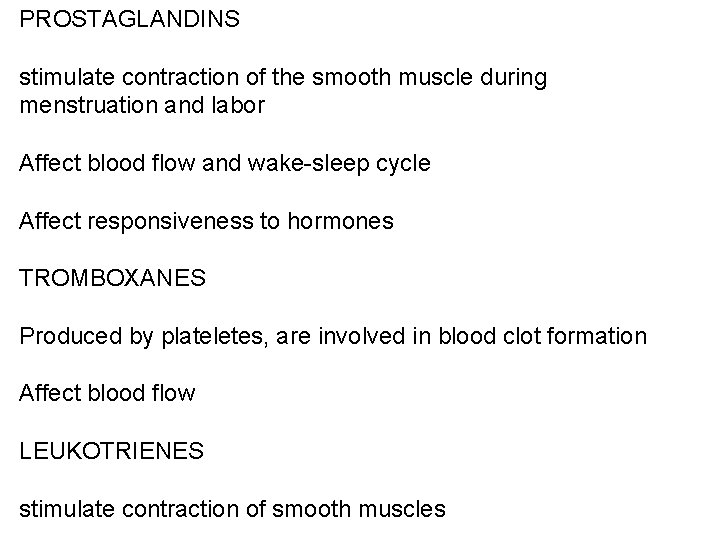
PROSTAGLANDINS stimulate contraction of the smooth muscle during menstruation and labor Affect blood flow and wake-sleep cycle Affect responsiveness to hormones TROMBOXANES Produced by plateletes, are involved in blood clot formation Affect blood flow LEUKOTRIENES stimulate contraction of smooth muscles
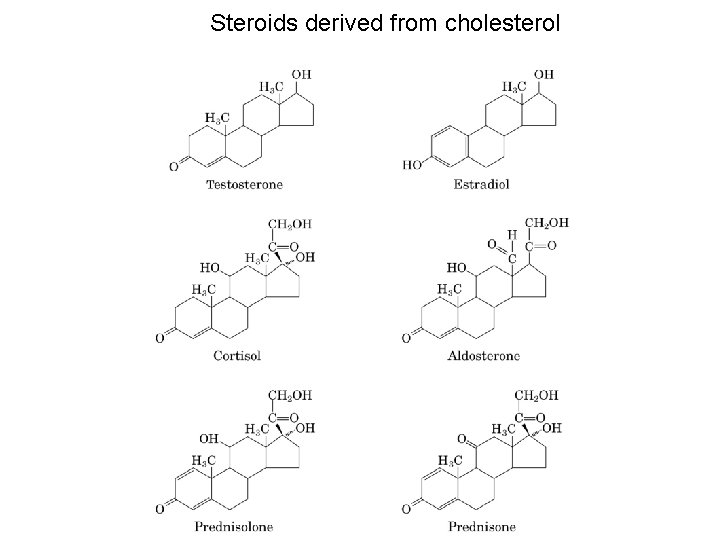
Steroids derived from cholesterol
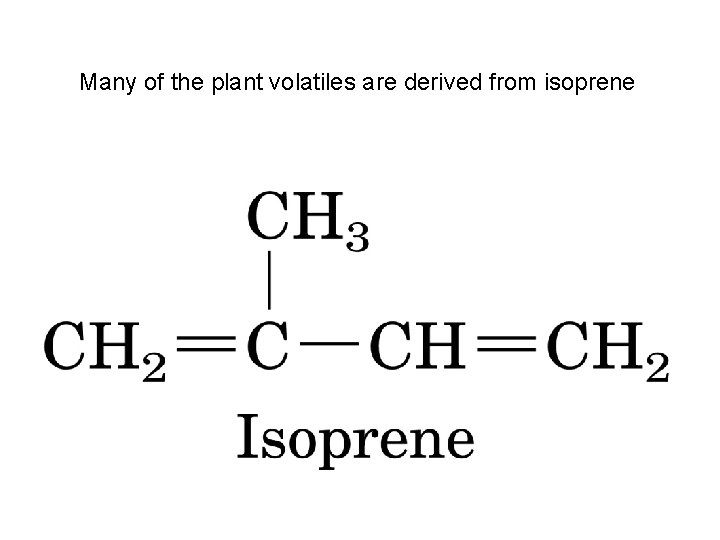
Many of the plant volatiles are derived from isoprene
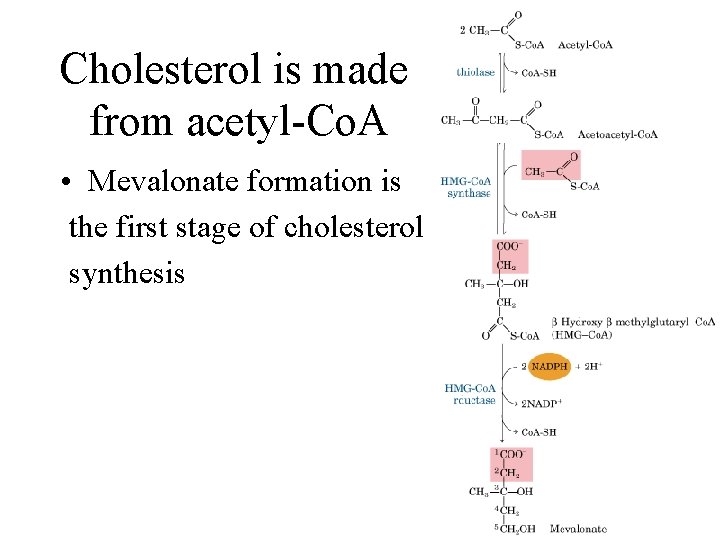
Cholesterol is made from acetyl-Co. A • Mevalonate formation is the first stage of cholesterol synthesis
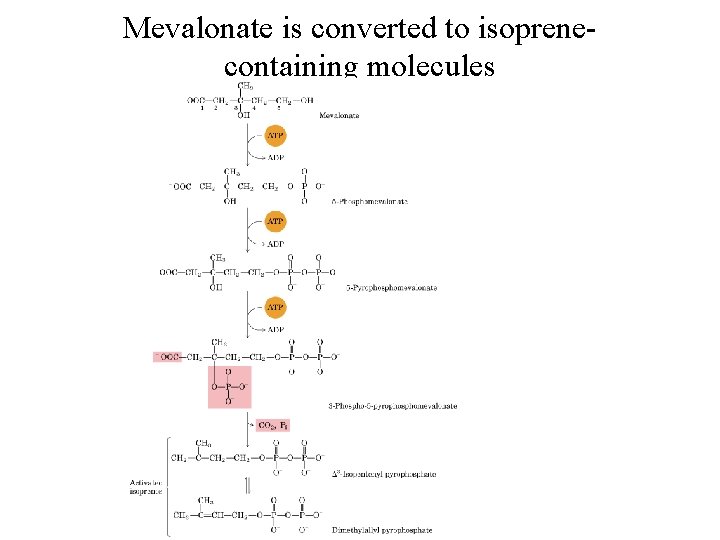
Mevalonate is converted to isoprenecontaining molecules
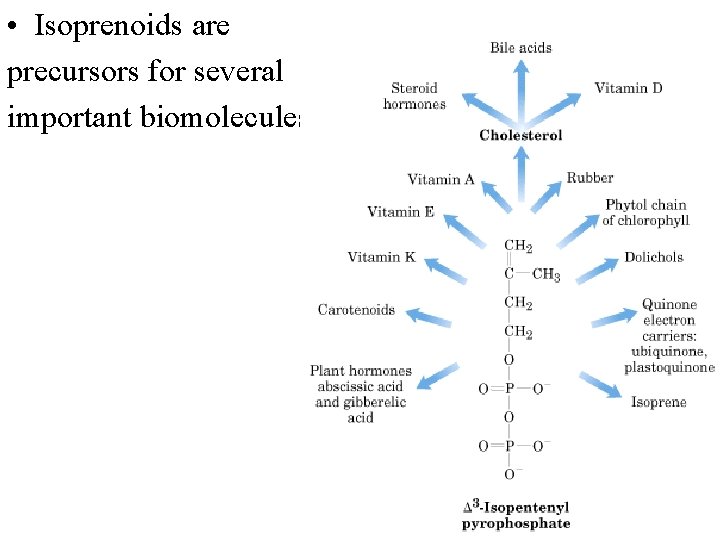
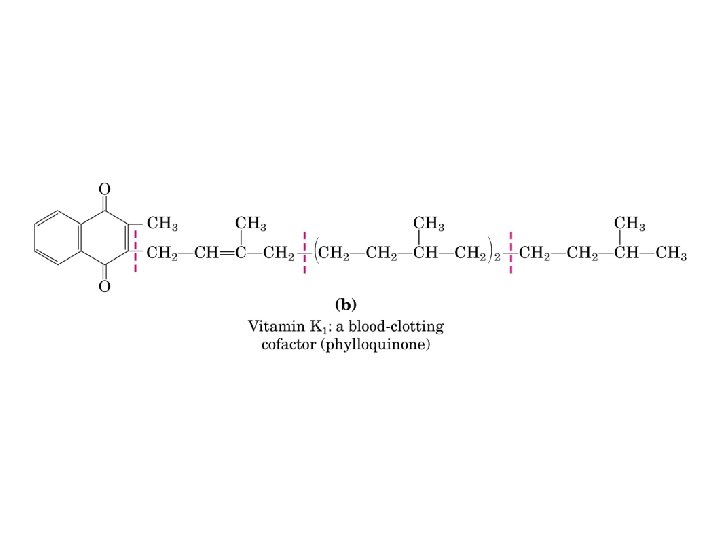
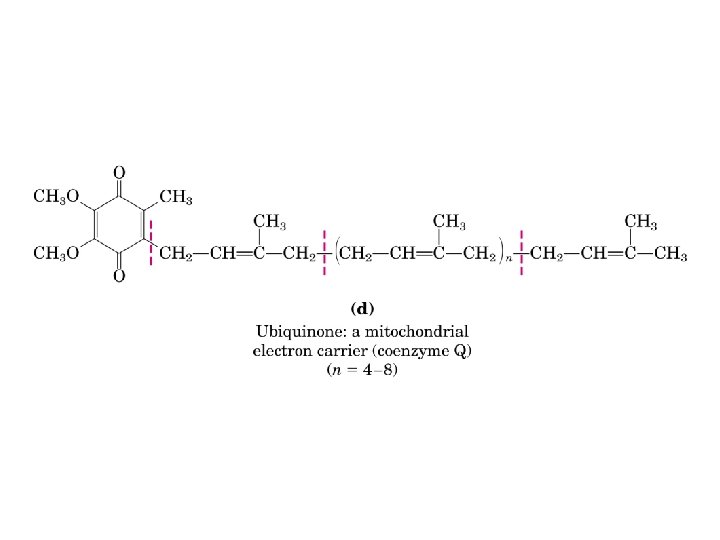
• Isoprenoids are precursors for several important biomolecules
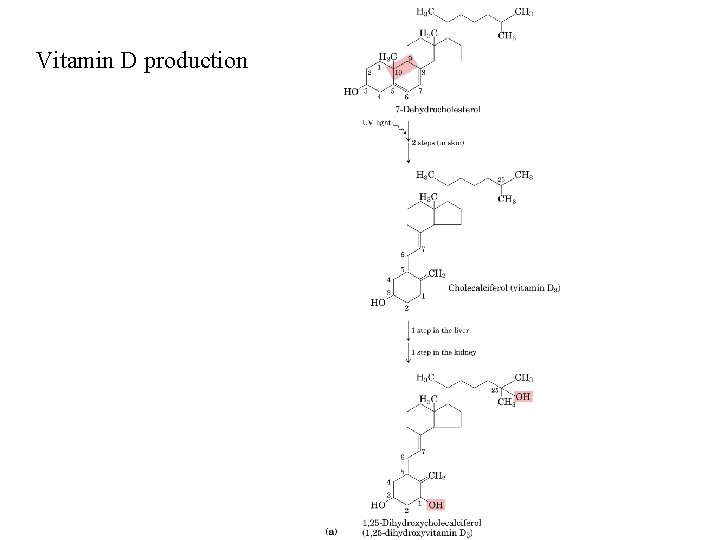
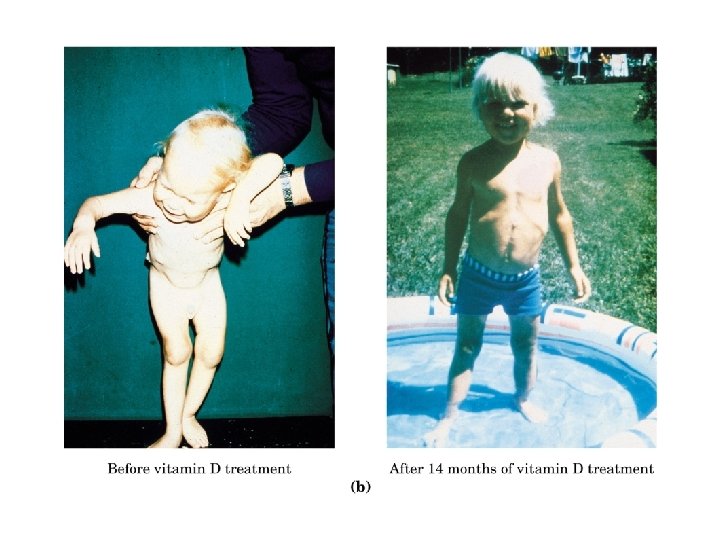
Vitamin D production
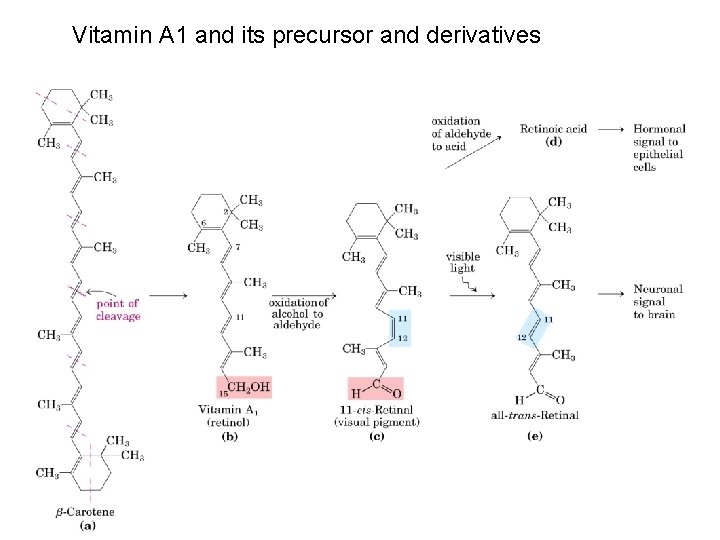
Vitamin A 1 and its precursor and derivatives