
STEAM Science Technology Engineering Art and Math Grades


- Slides: 30
STEAM Science, Technology, Engineering, Art, and Math Grades K-4 *5 th Graders will follow STEAM Middle School Tour
According to the Georgia Department of Education, "STEAM is much more than an acronym for the five subject areas of science, technology, engineering, arts, and math. . . it is a transformative approach to traditional teaching and learning that fosters creativity and innovative thinking in all students. " "Art and design are poised to transform our economy in the 21 st century in the same way that science and technology did in the last century, and the STEAM movement is an opportunity for America to sustain its role as innovator of the world. " - John Maeda, former President of RISD
What’s the Big Idea of this tour and workshop? Creative Problem-Solving STEAM Tour and Workshop Purpose Students will use the High’s collections as evidence of creative problem solving, learning directly from the objects about how artists create innovative solutions to complex problems. Essential Question How is an artist similar to a scientist? Similarities between artists and scientists: �Problem Solvers- explore ideas from different points of views �Creative Thinkers- imagine new ideas and try new things �Hands-On Learners- learn by investigating with tools, objects, and materials
The docent-led tour is organized into four categories: Resources and Nature – how did/do artists use the world around them to create works of art? Design and Structure – how did/do artists use design and architecture to solve problems in their works of art? Light and Color – how did/do artists use light and color theory to create works of art? Shapes and Patterns – how did/do artists use one-point, two-point, atmospheric, etc. perspective to create works of art?
Resources and Nature
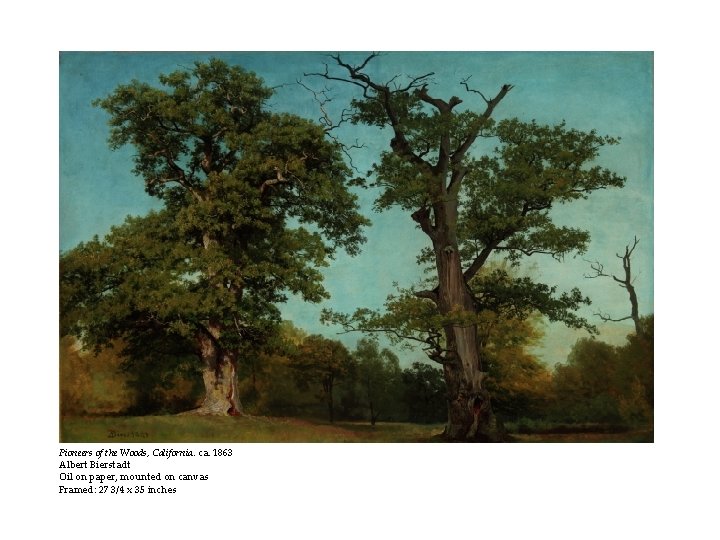
Pioneers of the Woods, California. ca. 1863 Albert Bierstadt Oil on paper, mounted on canvas Framed: 27 3/4 x 35 inches
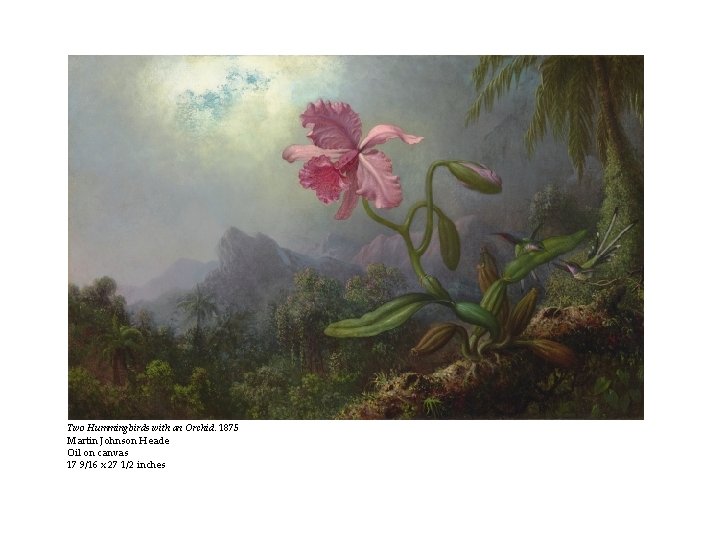
Two Hummingbirds with an Orchid. 1875 Martin Johnson Heade Oil on canvas 17 9/16 x 27 1/2 inches
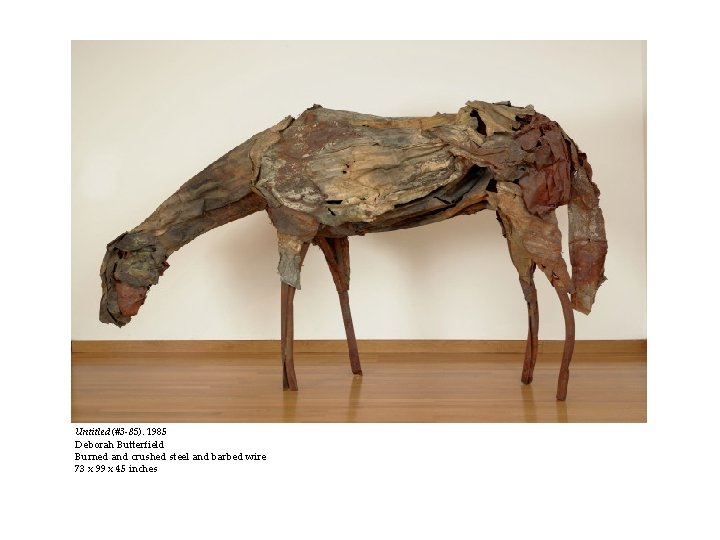
Untitled (#3 -85). 1985 Deborah Butterfield Burned and crushed steel and barbed wire 73 x 99 x 45 inches
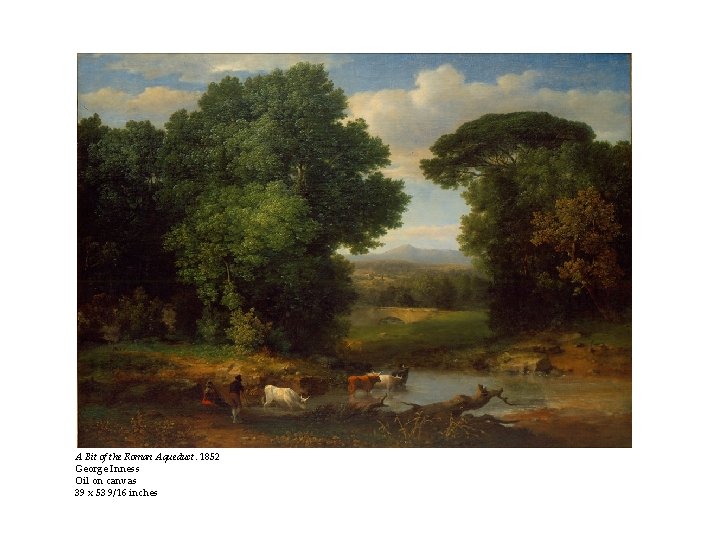
A Bit of the Roman Aqueduct. 1852 George Inness Oil on canvas 39 x 53 9/16 inches
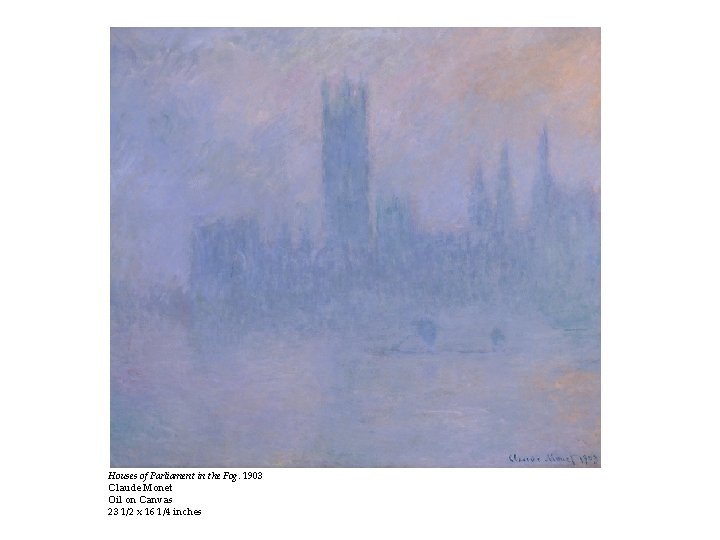
Houses of Parliament in the Fog. 1903 Claude Monet Oil on Canvas 23 1/2 x 16 1/4 inches
Design and Structure
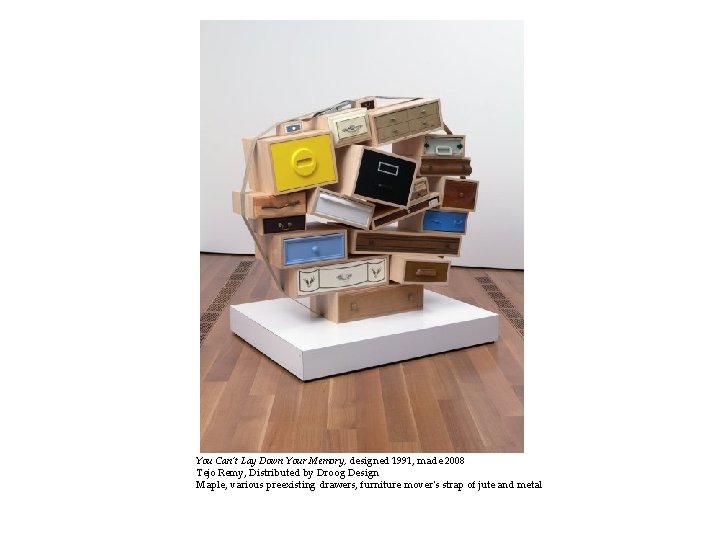
You Can't Lay Down Your Memory, designed 1991, made 2008 Tejo Remy, Distributed by Droog Design Maple, various preexisting drawers, furniture mover's strap of jute and metal
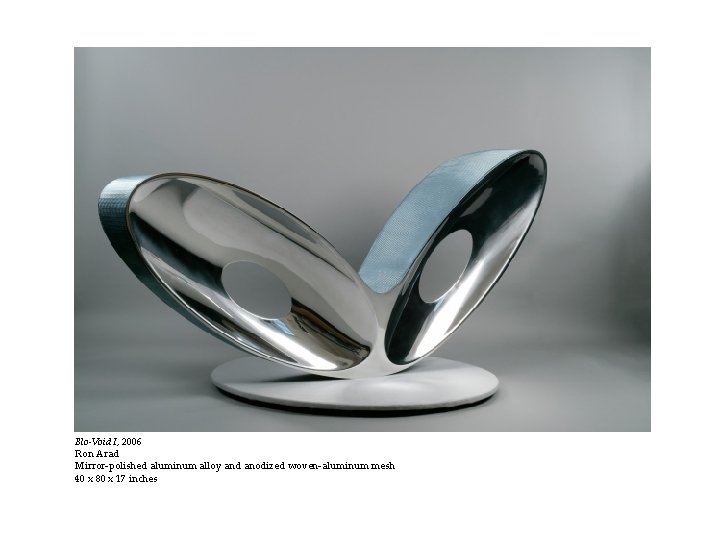
Blo-Void I, 2006 Ron Arad Mirror-polished aluminum alloy and anodized woven-aluminum mesh 40 x 80 x 17 inches
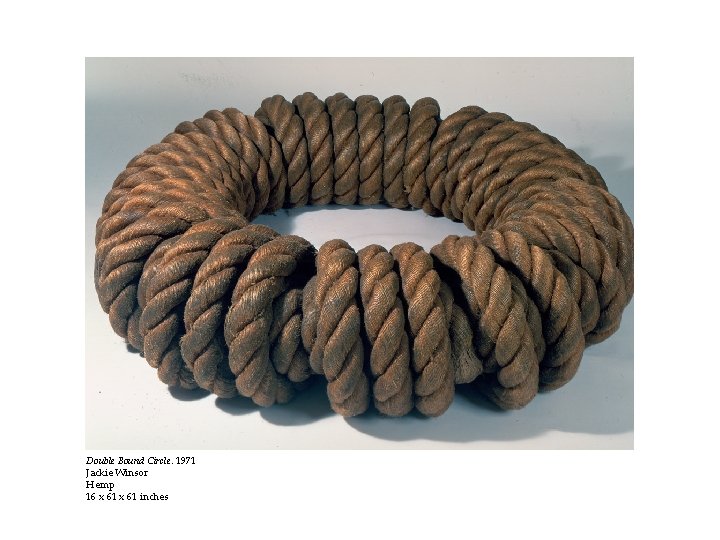
Double Bound Circle. 1971 Jackie Winsor Hemp 16 x 61 inches
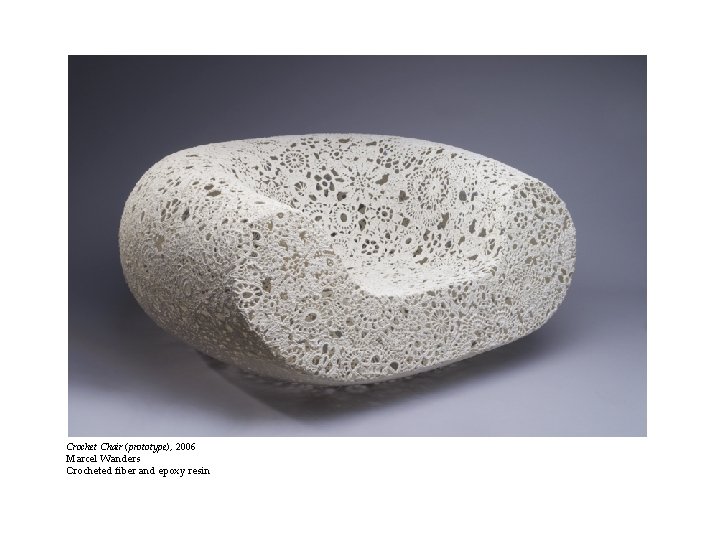
Crochet Chair (prototype), 2006 Marcel Wanders Crocheted fiber and epoxy resin
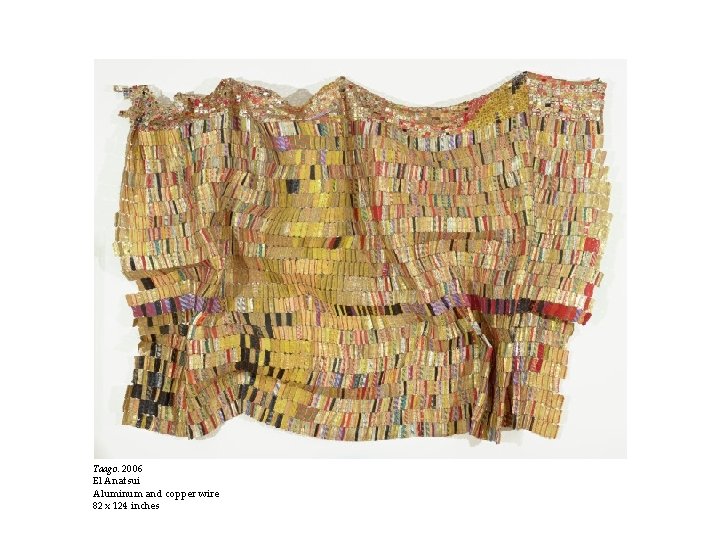
Taago. 2006 El Anatsui Aluminum and copper wire 82 x 124 inches
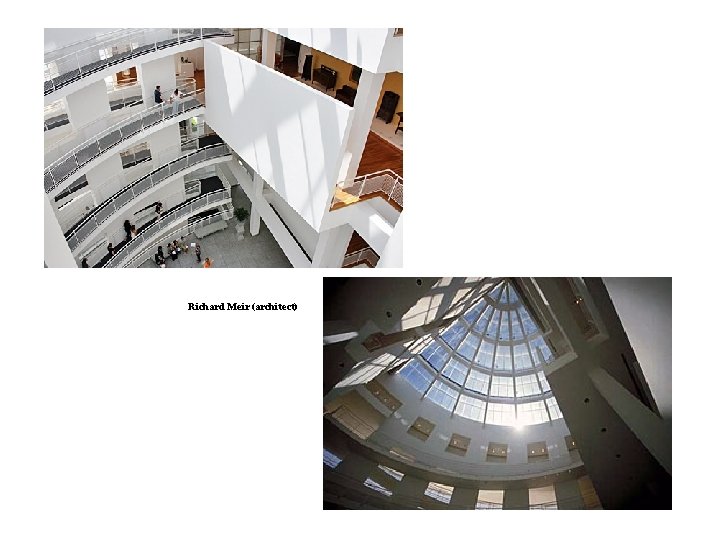
Richard Meir (architect)
Light and Color
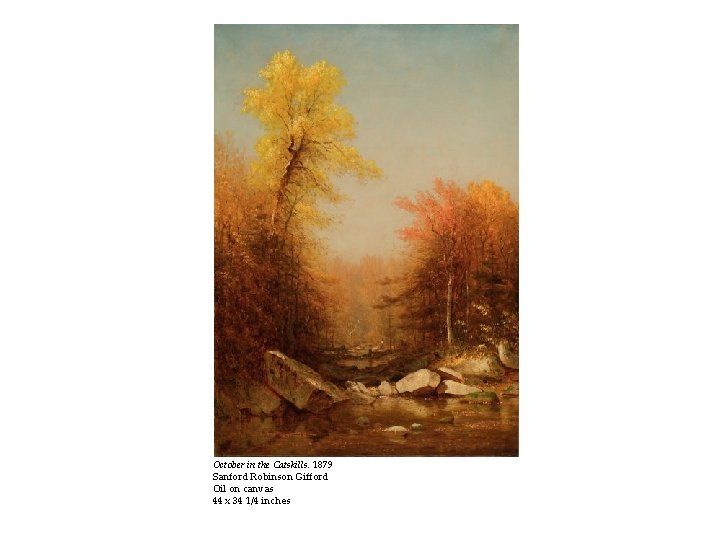
October in the Catskills. 1879 Sanford Robinson Gifford Oil on canvas 44 x 34 1/4 inches
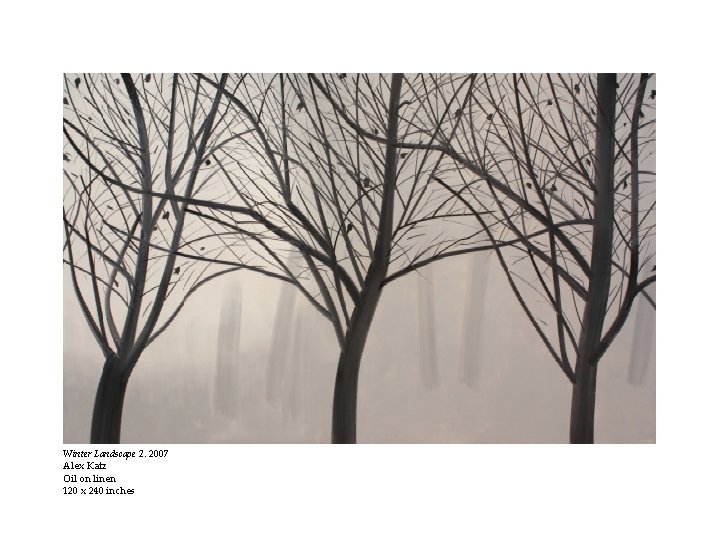
Winter Landscape 2. 2007 Alex Katz Oil on linen 120 x 240 inches
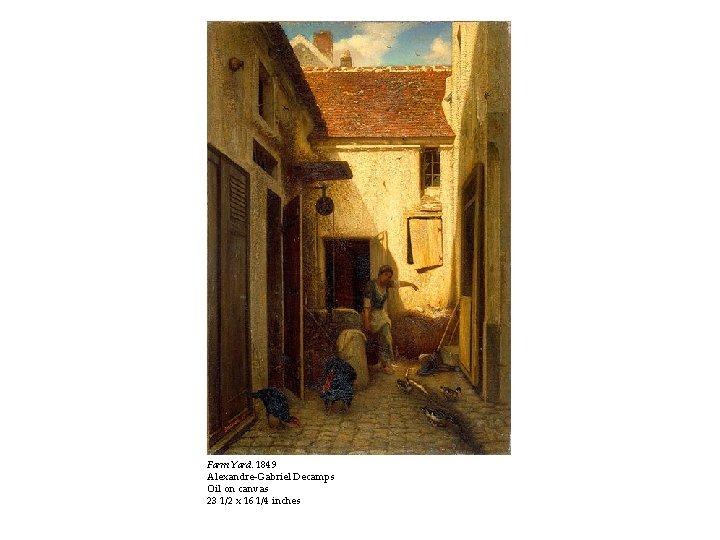
Farm Yard. 1849 Alexandre-Gabriel Decamps Oil on canvas 23 1/2 x 16 1/4 inches
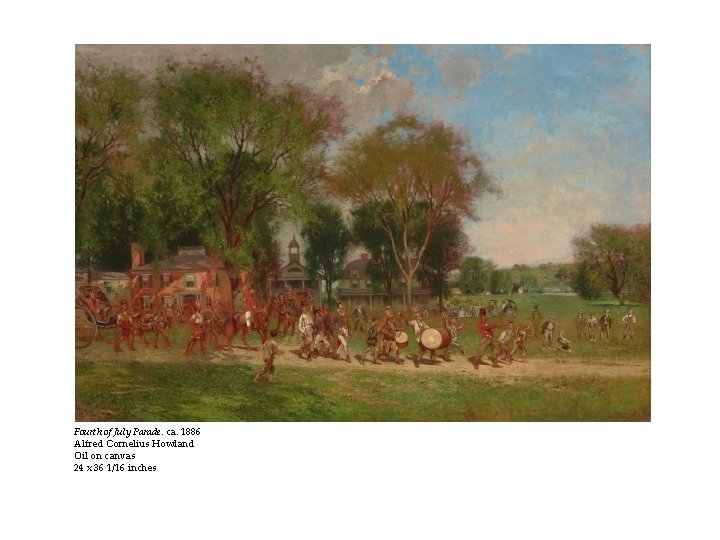
Fourth of July Parade. ca. 1886 Alfred Cornelius Howland Oil on canvas 24 x 36 1/16 inches
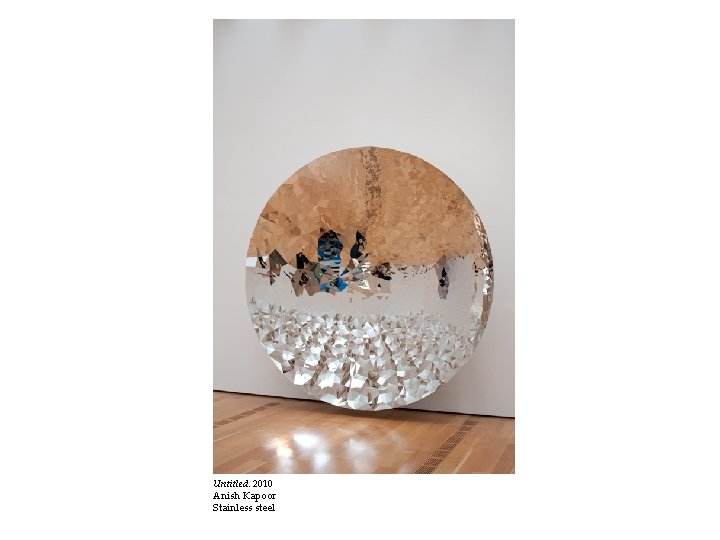
Untitled. 2010 Anish Kapoor Stainless steel
Shapes and Patterns
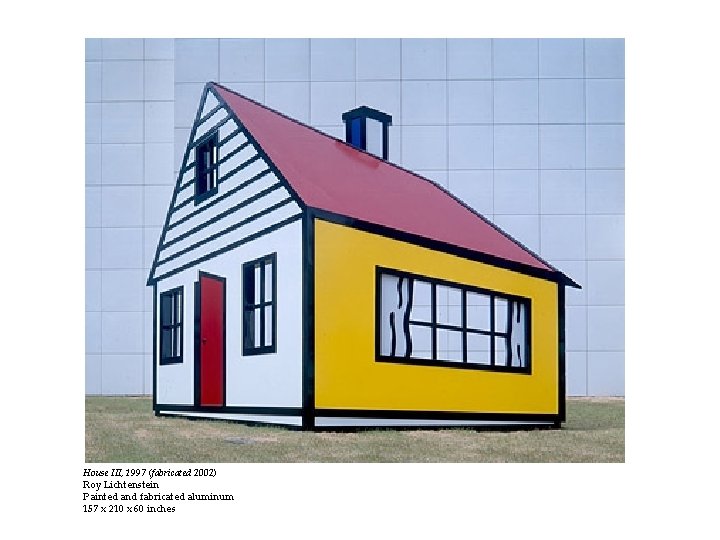
House III, 1997 (fabricated 2002) Roy Lichtenstein Painted and fabricated aluminum 157 x 210 x 60 inches
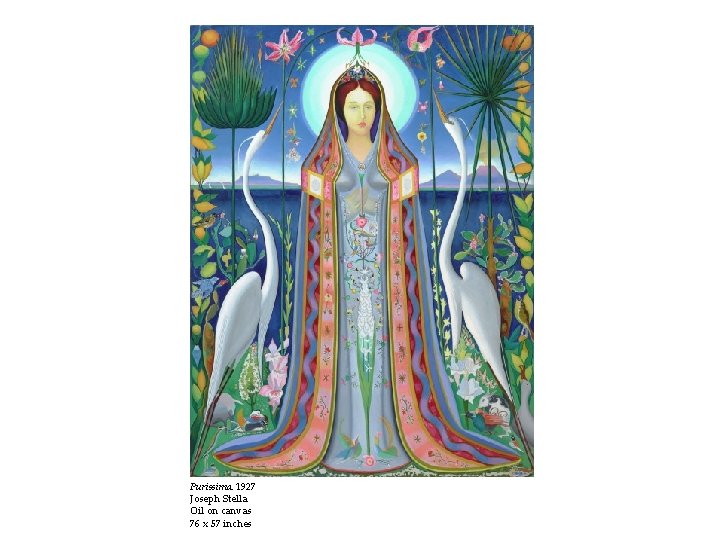
Purissima. 1927 Joseph Stella Oil on canvas 76 x 57 inches
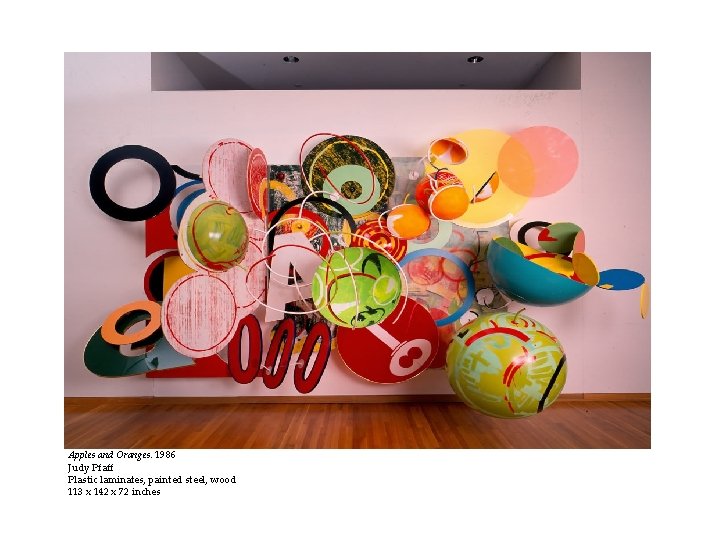
Apples and Oranges. 1986 Judy Pfaff Plastic laminates, painted steel, wood 113 x 142 x 72 inches
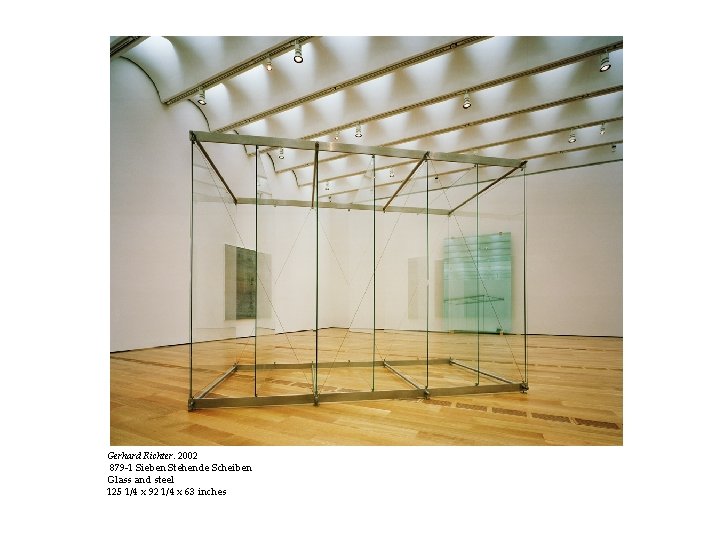
Gerhard Richter. 2002 879 -1 Sieben Stehende Scheiben Glass and steel 125 1/4 x 92 1/4 x 63 inches
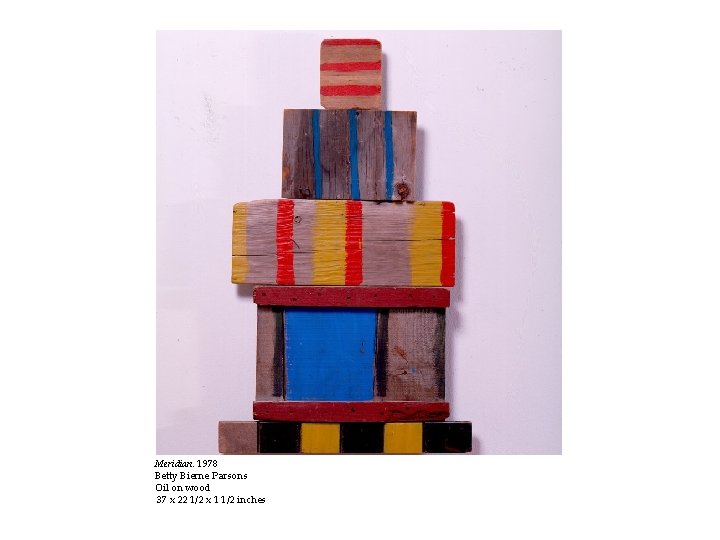
Meridian. 1978 Betty Bierne Parsons Oil on wood 37 x 22 1/2 x 1 1/2 inches