
Staying Well at LSE Student Counselling Service This
- Slides: 28
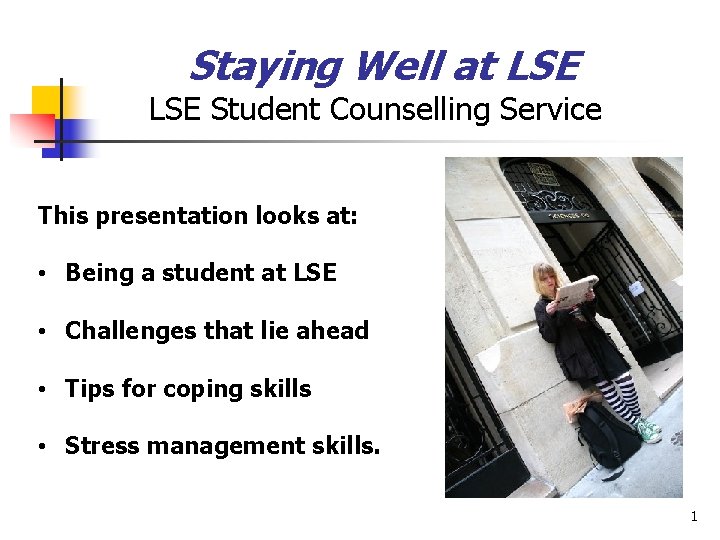
Staying Well at LSE Student Counselling Service This presentation looks at: • Being a student at LSE • Challenges that lie ahead • Tips for coping skills • Stress management skills. 1
Part 1: Starting at LSE n n Common challenges in starting at LSE: n Academic challenges n Social challenges. Tips for success. 3
Academic challenges Overwhelmed with material New style of learning Independent critical voice Anxiety can lead to procrastination: n n n We may disguise avoidance by being busy We may find things to do that are interesting, but don't contribute towards the main goal 4
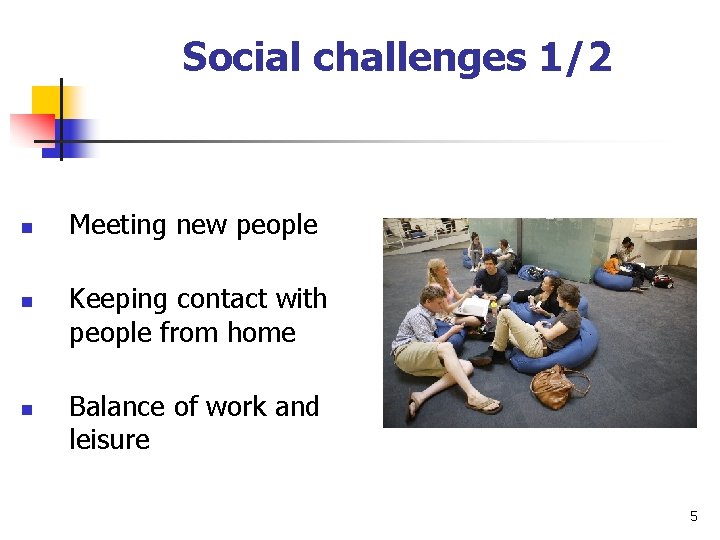
Social challenges 1/2 n n n Meeting new people Keeping contact with people from home Balance of work and leisure 5
Social challenges 2/2 Loss of familiar n n n n home, friends, family, routine Coping with loss, after initial excitement subsides Depression and anxiety Cultural isolation Relationships and Identity Financial difficulties 6
Social Challenges: Homesickness n There is a natural grieving reaction n n associated with change extremely common often in first weeks can occur when leaving home, but also later (eg after Xmas break) 7
The Academic strategies Reading strategies n n n Use SQ 3 R: Scan, Question, Read, Review, Recall Develop a positive relationship w: n n n fellow students. Academic adviser relationship 8
Homesickness is associated with n n n distance from home high expectations/ sense of anticlimax time to adapt to culture, language, lifestyle work overload and low control over it. most people come through homesickness and go on to do well and enjoy their time 9
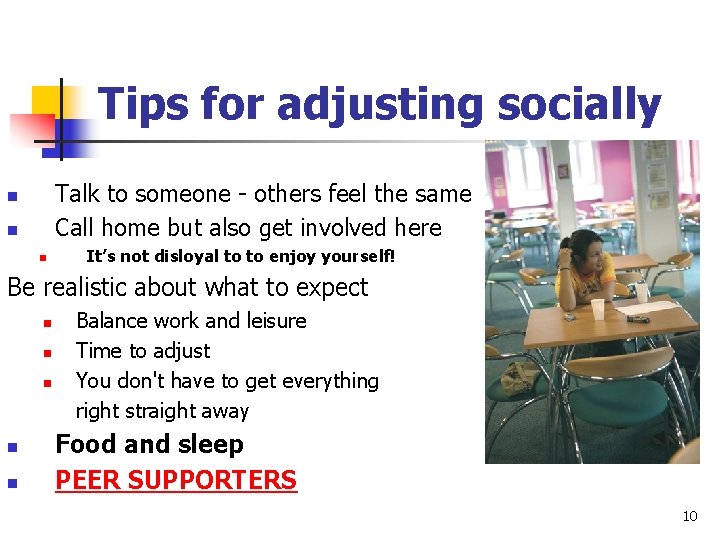
Tips for adjusting socially Talk to someone - others feel the same Call home but also get involved here n n n It’s not disloyal to to enjoy yourself! Be realistic about what to expect n n n Balance work and leisure Time to adjust You don't have to get everything right straight away Food and sleep PEER SUPPORTERS 10
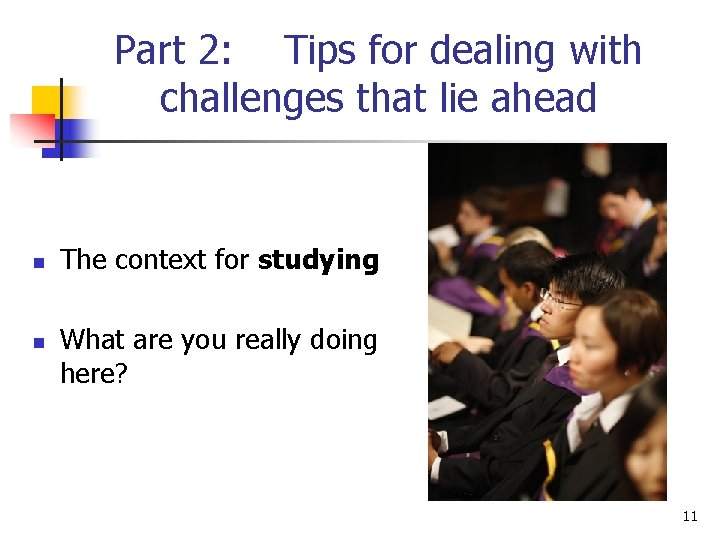
Part 2: Tips for dealing with challenges that lie ahead n n The context for studying What are you really doing here? 11
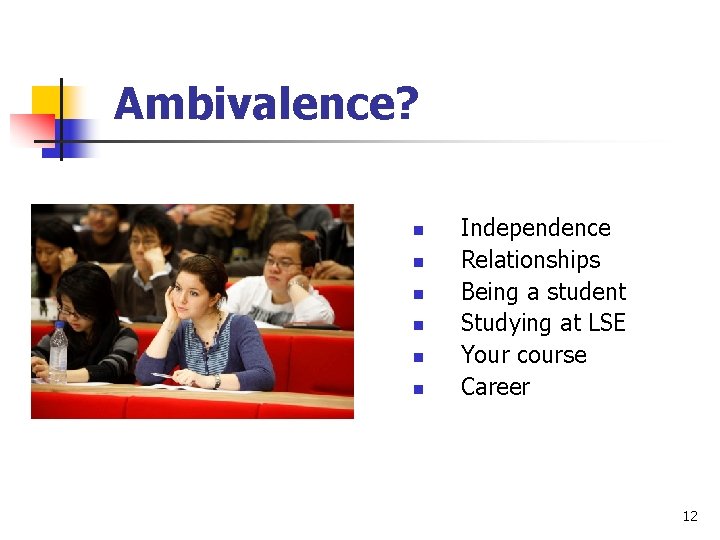
Ambivalence? n n n Independence Relationships Being a student Studying at LSE Your course Career 12
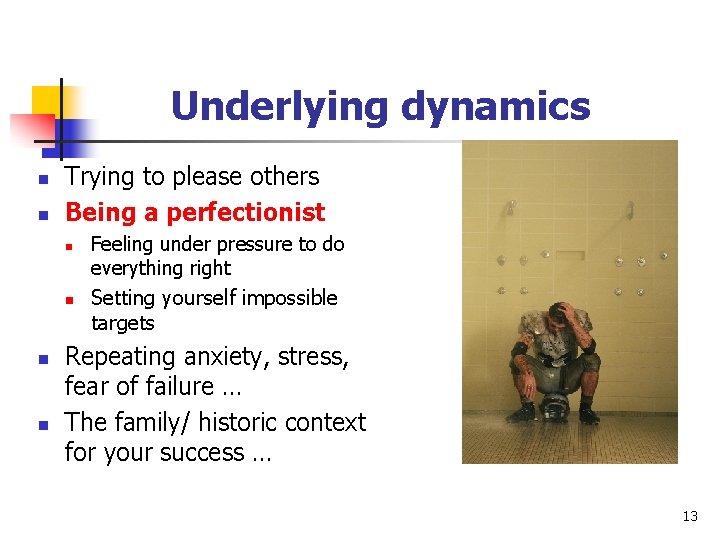
Underlying dynamics n n Trying to please others Being a perfectionist n n Feeling under pressure to do everything right Setting yourself impossible targets Repeating anxiety, stress, fear of failure … The family/ historic context for your success … 13
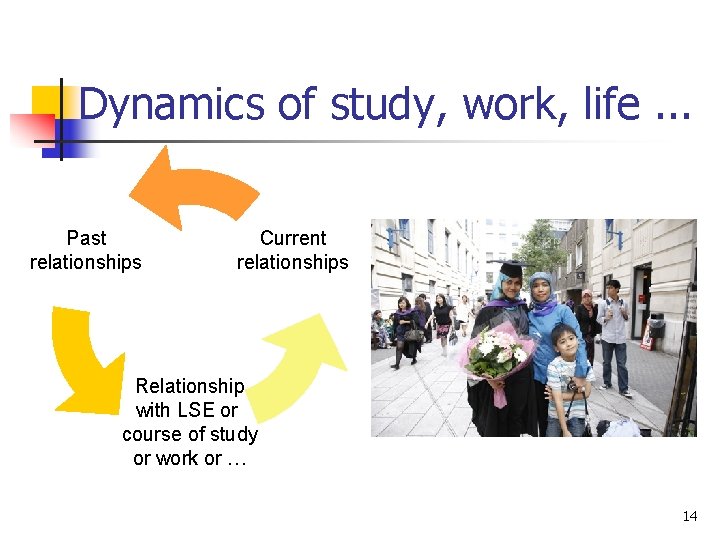
Dynamics of study, work, life. . . Past relationships Current relationships Relationship with LSE or course of study or work or … 14
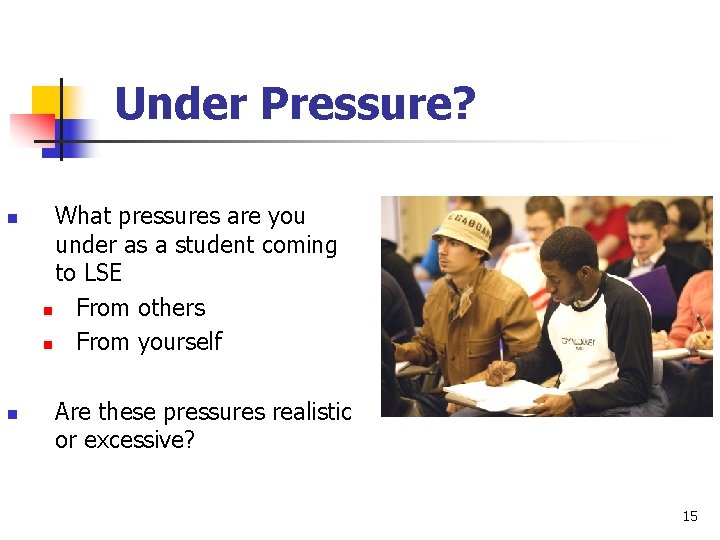
Under Pressure? n n What pressures are you under as a student coming to LSE n From others n From yourself Are these pressures realistic or excessive? 15
Part 3: Coping Skills Practical ways of dealing with study challenges 16
Practical approaches Revise study skills n n n n see LSE Learning World on Moodle Time management skills Set realistic and achievable goals Short term targets, longer term strategies Recognise your achievements Talk to others, ask for help and support 17
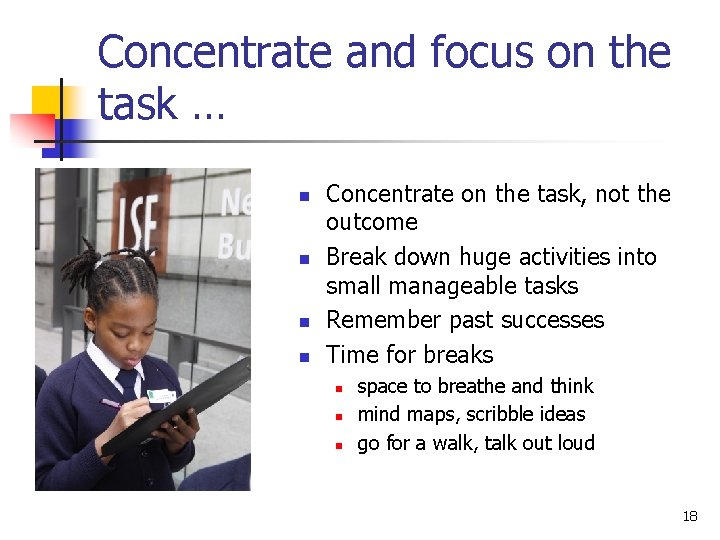
Concentrate and focus on the task … n n Concentrate on the task, not the outcome Break down huge activities into small manageable tasks Remember past successes Time for breaks n n n space to breathe and think mind maps, scribble ideas go for a walk, talk out loud 18
Part 4: Stress Management Skills 19
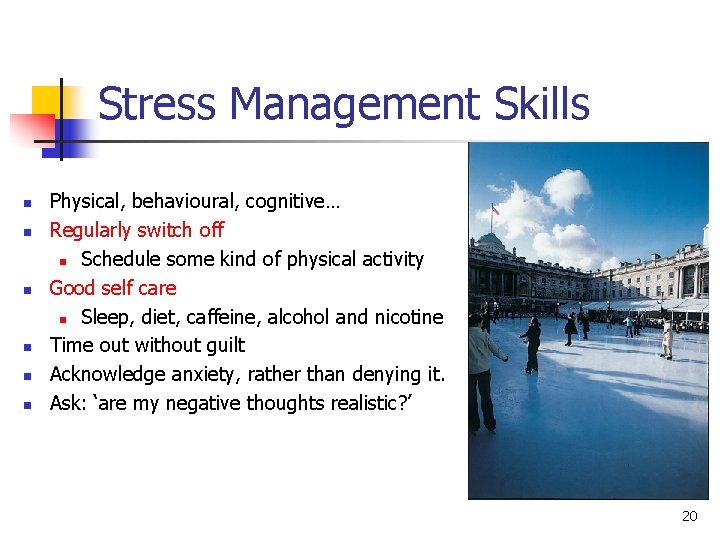
Stress Management Skills n n n Physical, behavioural, cognitive… Regularly switch off n Schedule some kind of physical activity Good self care n Sleep, diet, caffeine, alcohol and nicotine Time out without guilt Acknowledge anxiety, rather than denying it. Ask: ‘are my negative thoughts realistic? ’ 20
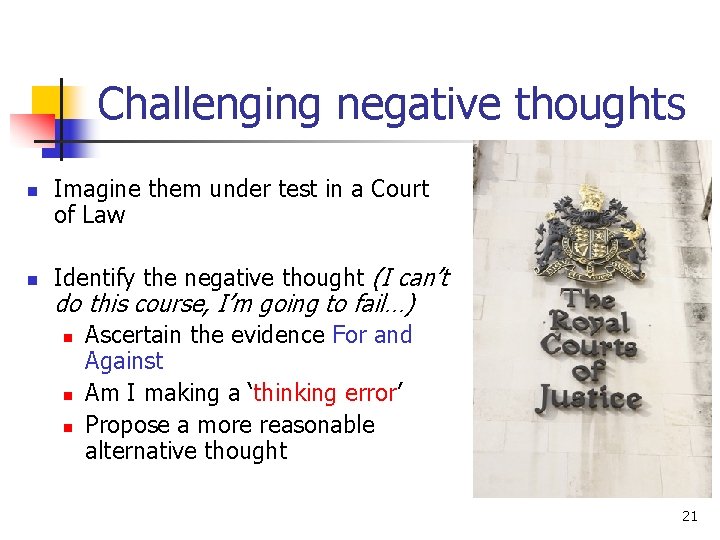
Challenging negative thoughts n n Imagine them under test in a Court of Law Identify the negative thought (I can’t do this course, I’m going to fail…) n n n Ascertain the evidence For and Against Am I making a ‘thinking error’ Propose a more reasonable alternative thought 21
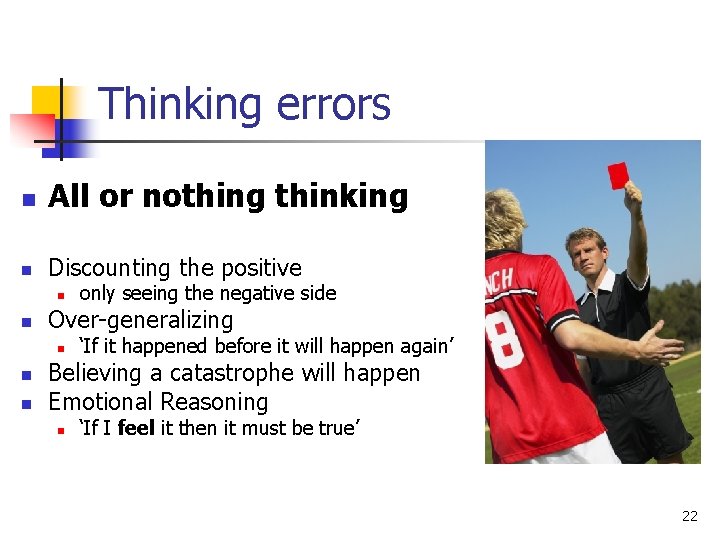
Thinking errors n All or nothing thinking n Discounting the positive n n Over-generalizing n n n only seeing the negative side ‘If it happened before it will happen again’ Believing a catastrophe will happen Emotional Reasoning n ‘If I feel it then it must be true’ 22
Part 5: Advice and help 23
Sources of advice and help Academic Adviser Disability and Wellbeing Service LSE LIFE Student Union and Advice Centre Mental Health and Wellbeing Advisors Departmental Staff Student Services Centre Learning World Medical Centre Don't wait until problems have grown impossibly large It’s OK to ask for help earlier 24
LSE Student Counselling Service n n Free and confidential Mainly short term counselling Book appointments in advance See Website for n n n Stress management handouts Self help resources Relaxation MP 3’s 25
Two example workshops n n BUILD CONFIDENCE FOR ACADEMIC WRITING This presentation looks at ways of thinking about the task of writing, with advice and tips to help manage blocks and unhelpful fears. It will include a range of management techniques for dealing with common writing difficulties, such as procrastination and perfectionism. Managing Perfectionism workshop This workshop looks at common difficulties with excess perfectionism, and will cover a wide range of practical approaches to help you manage your studies. It will include a look at common myths and how to overcome self-defeating thinking errors. . 26
Groups Therapy groups: n Open-ended Therapy Group Themed groups: n Stress Management Group (3 weeks) n Self Esteem Group (3 weeks) Places on all groups need to be booked in advance. Please see the website, Call Ext 3627, visit KSW. 507 or email student. counselling@lse. ac. uk.
Final thoughts n n Transition can be stressful, but also allows us to grow as a person. Imagine looking back in five years. Ask for help. Student counselling website 28