
States Nations Sovereignty in a Globalised World Bertjan
States, Nations & Sovereignty in a Globalised World Bertjan Verbeek Radboud University Nijmegen 9 September 2014
My basic claims 1. External sovereignty still is the most important comstitutive and regulative principle in international politics; 2. The impact of the notion of internal sovereignty has steadily reduced since the early 1900 s 3. Changes in these notions(‘ weights) is explained by a transformation of ideas and by changes in the international balance of power Structure of my talk 1. 2. 3. 4. What is sovereignty? What are its origins? Which changes can be observed? Conclusions
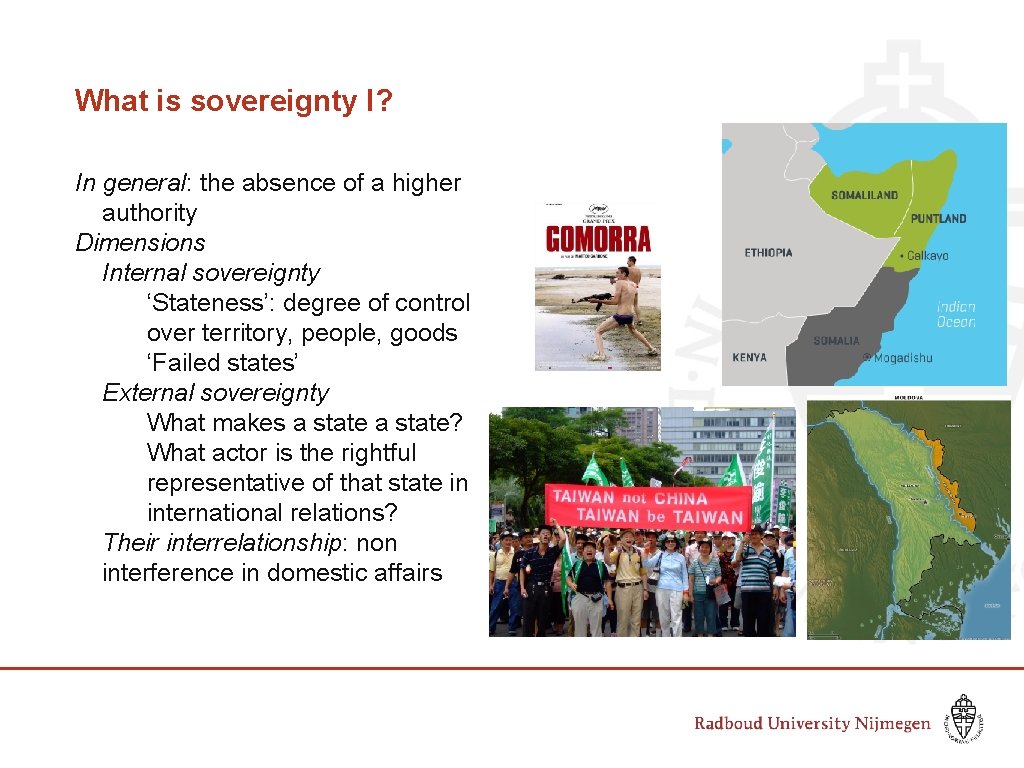
What is sovereignty I? In general: the absence of a higher authority Dimensions Internal sovereignty ‘Stateness’: degree of control over territory, people, goods ‘Failed states’ External sovereignty What makes a state? What actor is the rightful representative of that state in international relations? Their interrelationship: non interference in domestic affairs
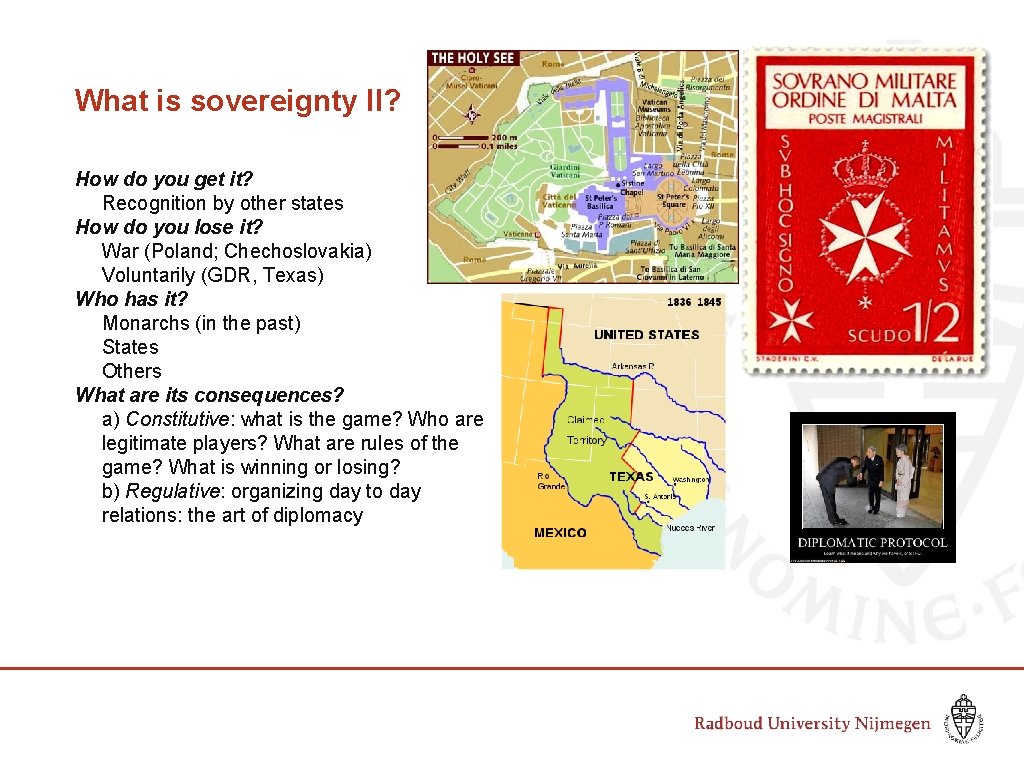
What is sovereignty II? How do you get it? Recognition by other states How do you lose it? War (Poland; Chechoslovakia) Voluntarily (GDR, Texas) Who has it? Monarchs (in the past) States Others What are its consequences? a) Constitutive: what is the game? Who are legitimate players? What are rules of the game? What is winning or losing? b) Regulative: organizing day to day relations: the art of diplomacy
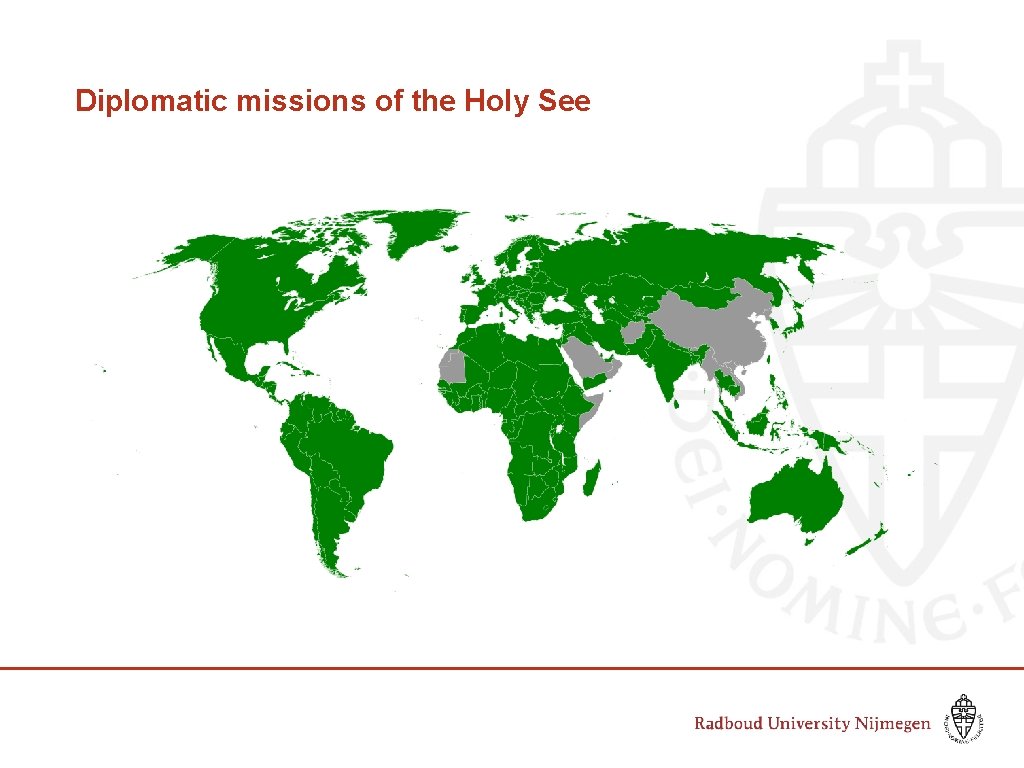
Diplomatic missions of the Holy See
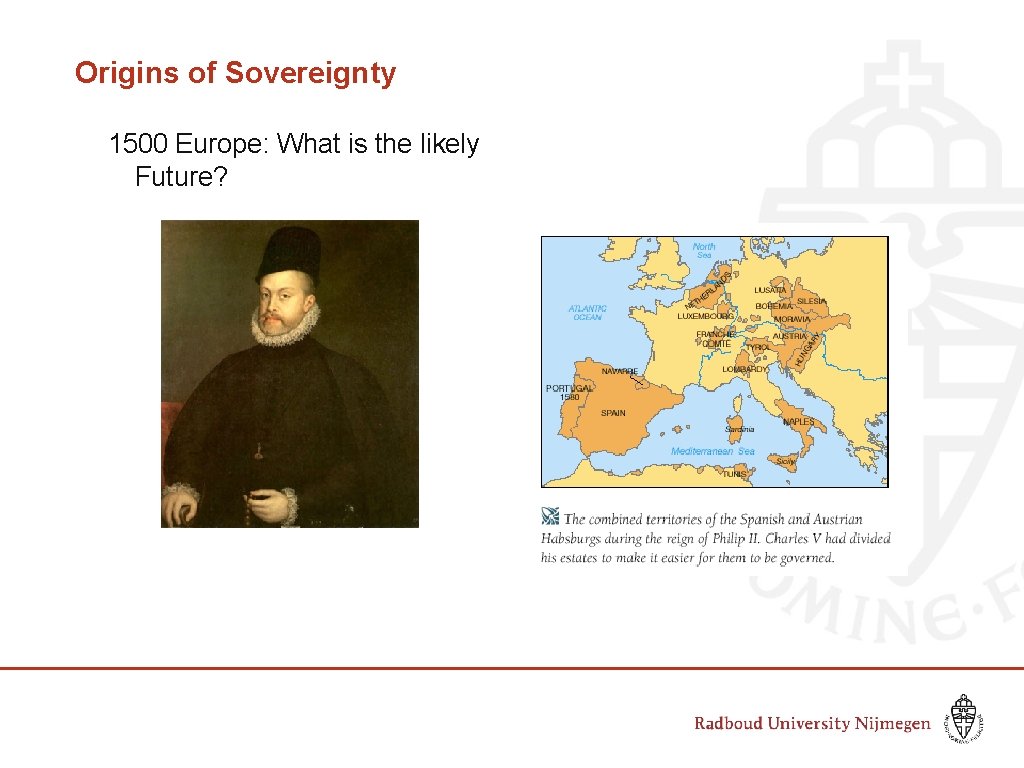
Origins of Sovereignty 1500 Europe: What is the likely Future?
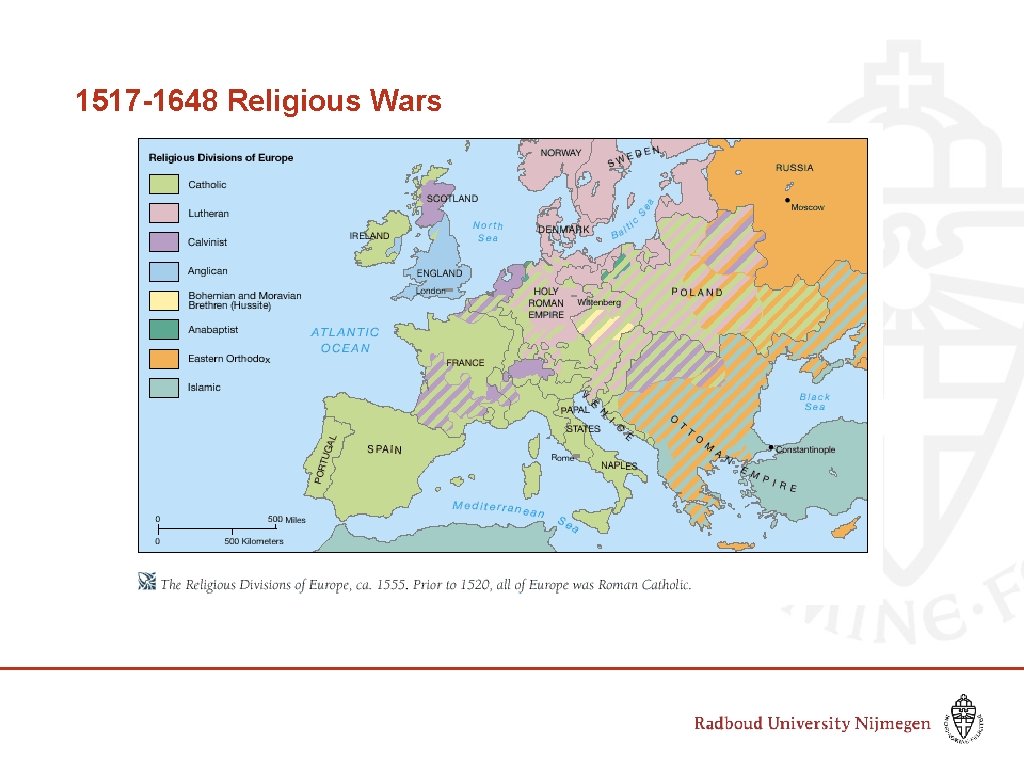
1517 -1648 Religious Wars
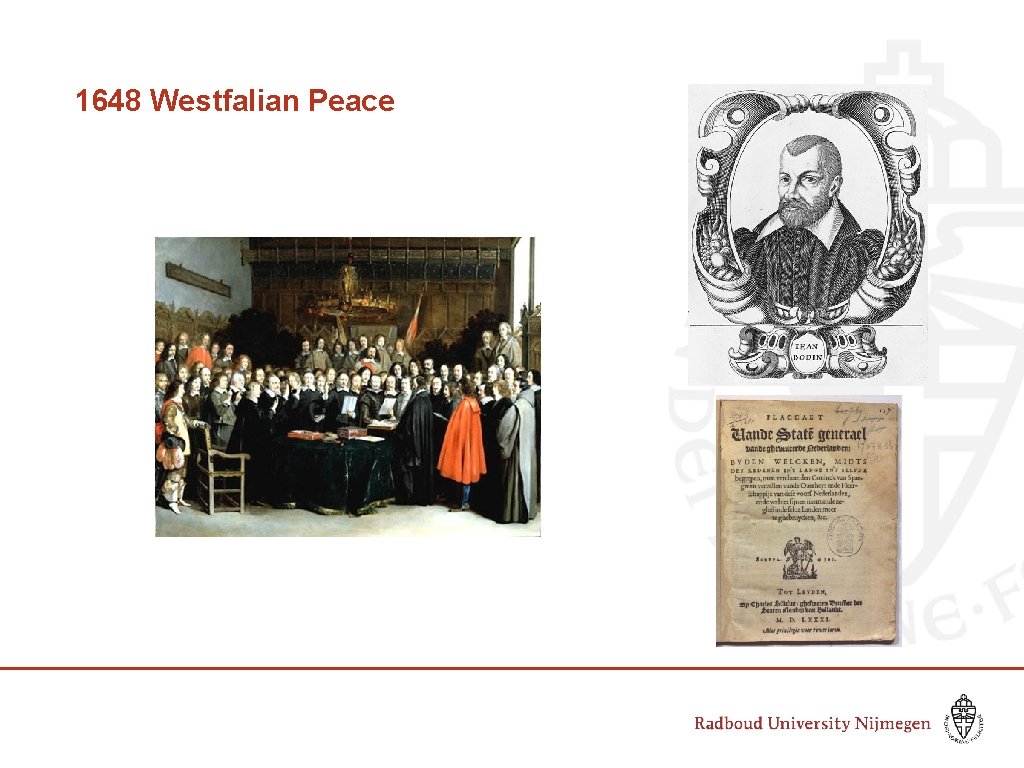
1648 Westfalian Peace
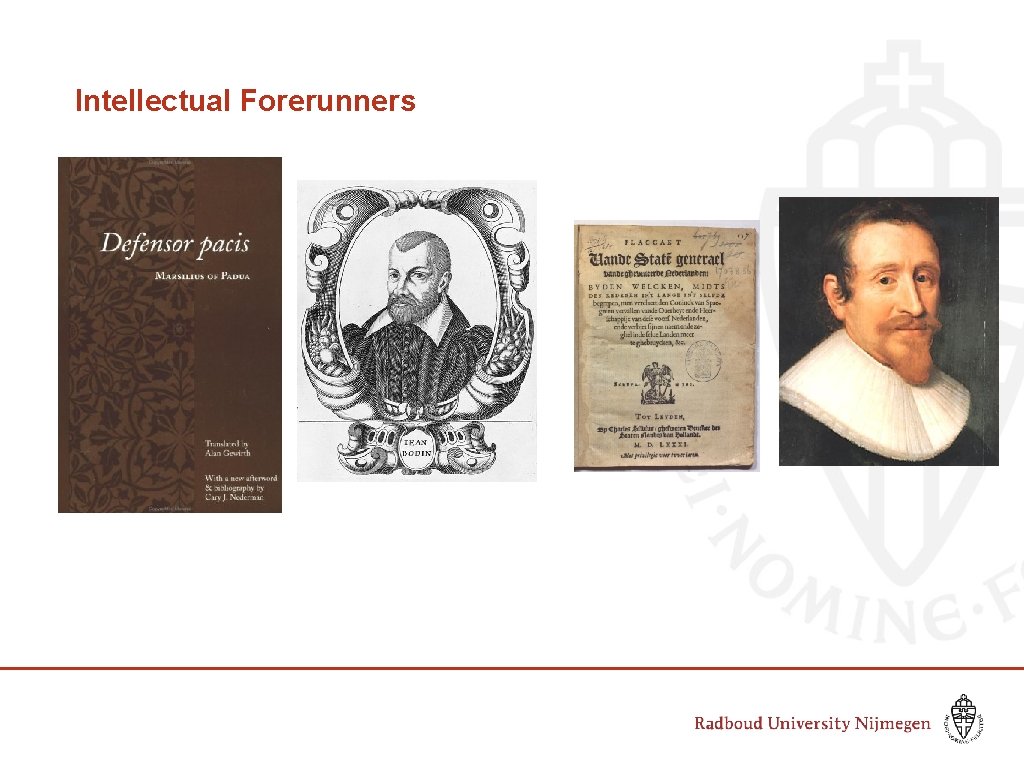
Intellectual Forerunners
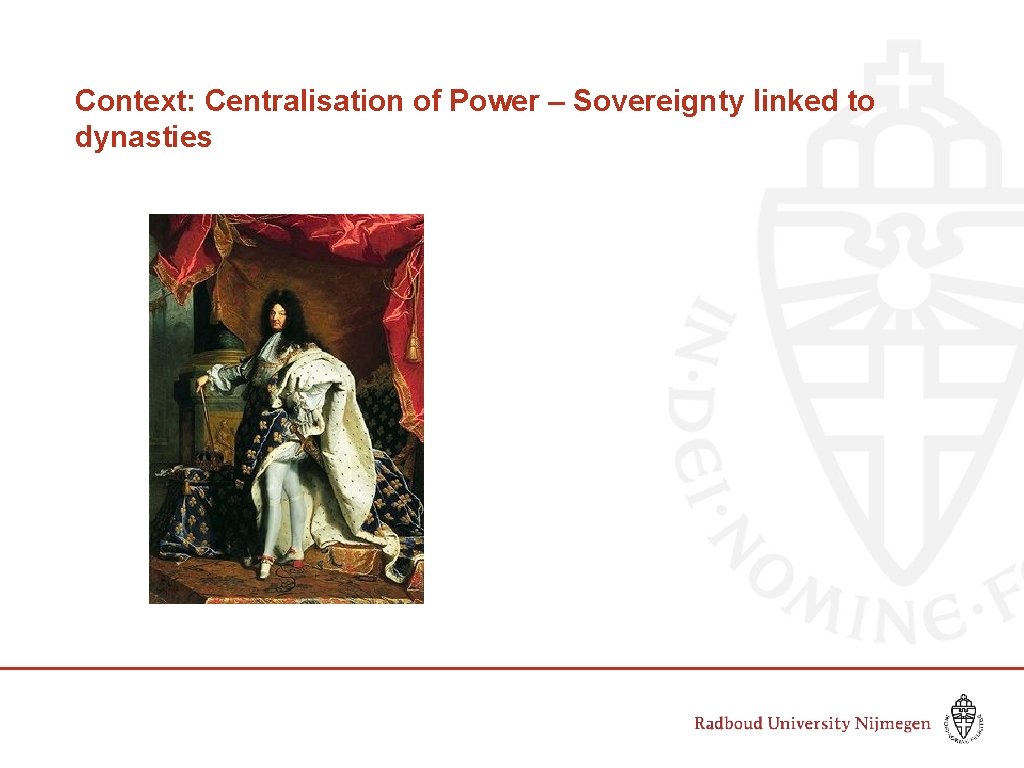
Context: Centralisation of Power – Sovereignty linked to dynasties
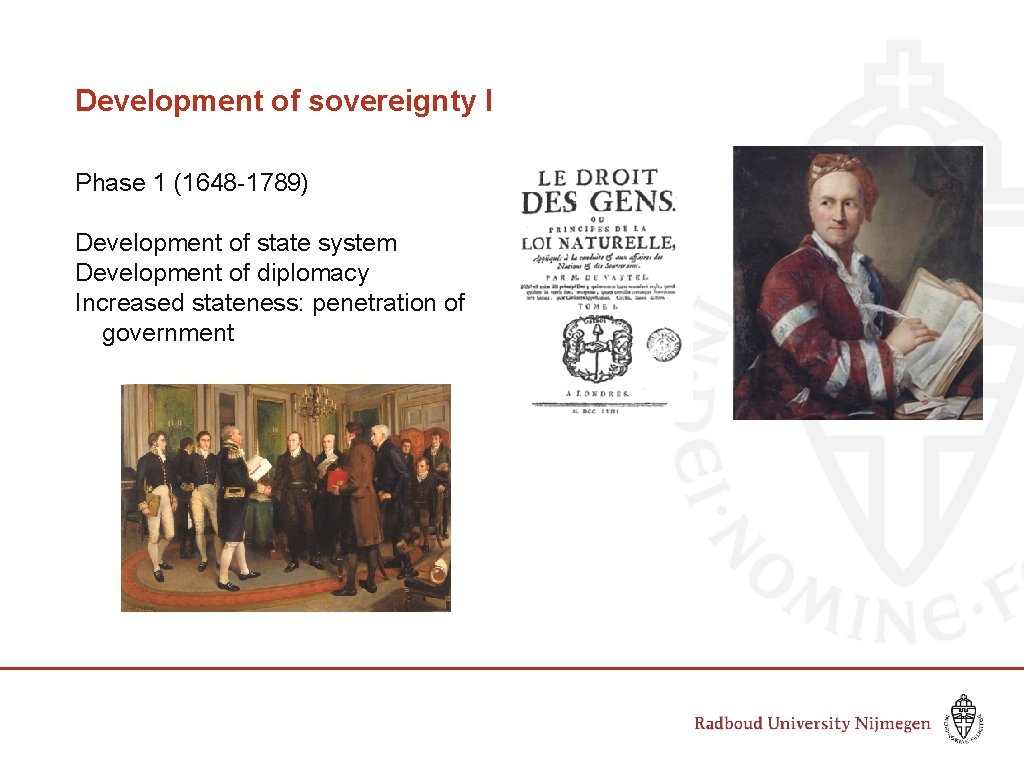
Development of sovereignty I Phase 1 (1648 -1789) Development of state system Development of diplomacy Increased stateness: penetration of government
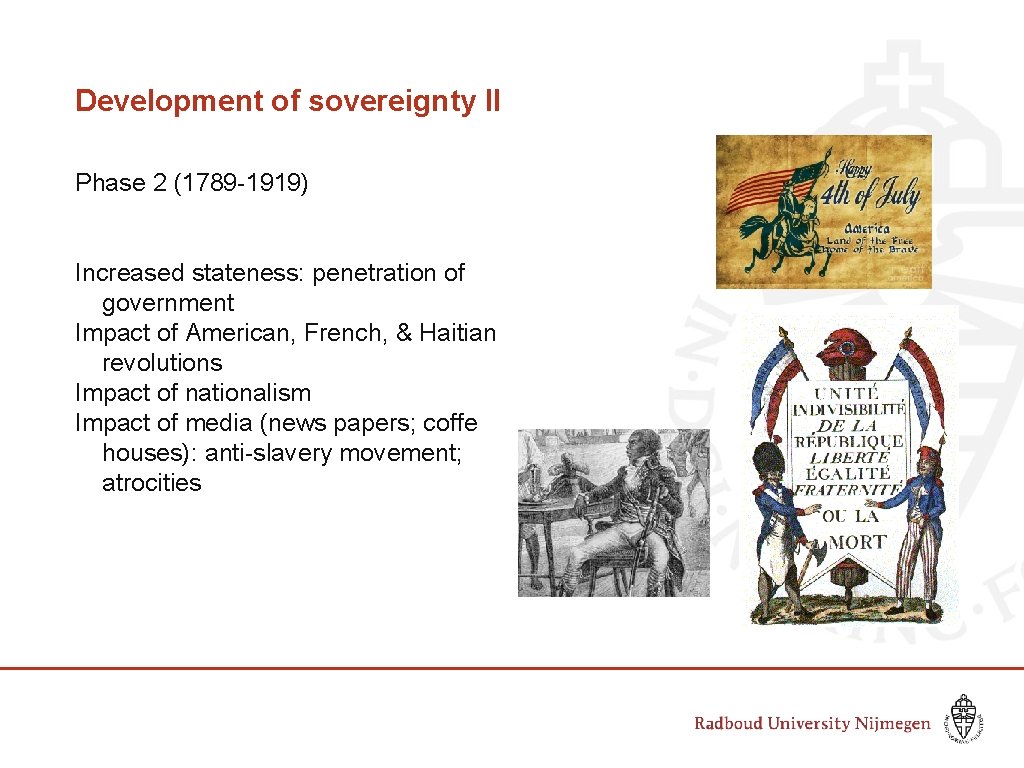
Development of sovereignty II Phase 2 (1789 -1919) Increased stateness: penetration of government Impact of American, French, & Haitian revolutions Impact of nationalism Impact of media (news papers; coffe houses): anti-slavery movement; atrocities
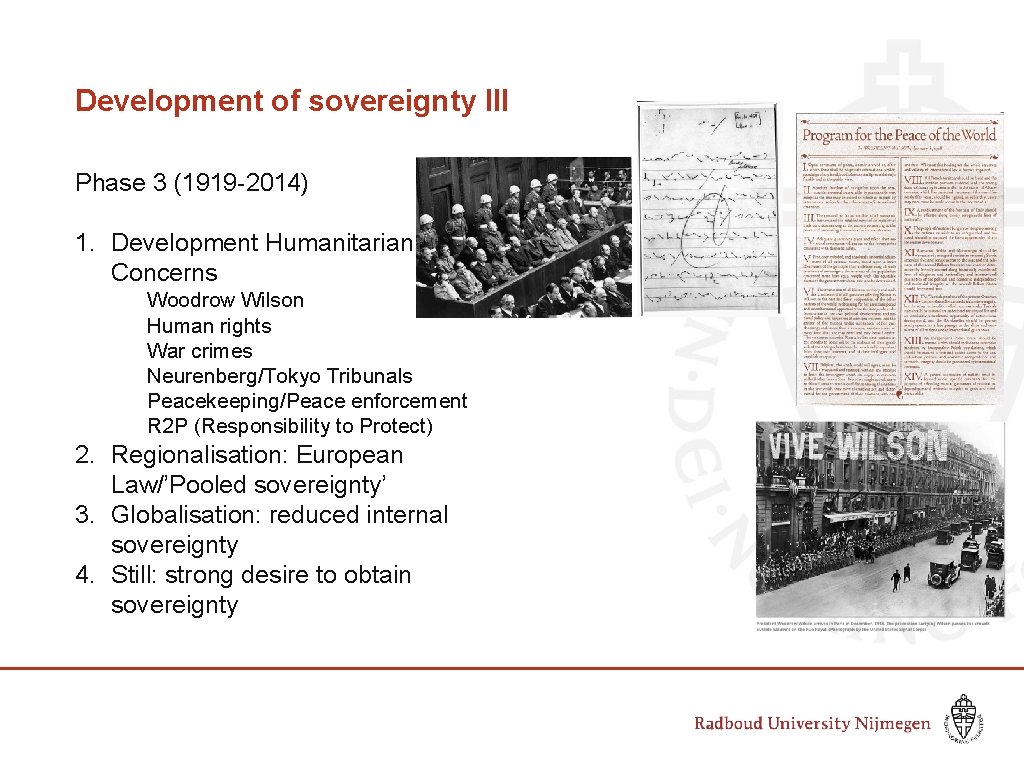
Development of sovereignty III Phase 3 (1919 -2014) 1. Development Humanitarian Concerns Woodrow Wilson Human rights War crimes Neurenberg/Tokyo Tribunals Peacekeeping/Peace enforcement R 2 P (Responsibility to Protect) 2. Regionalisation: European Law/’Pooled sovereignty’ 3. Globalisation: reduced internal sovereignty 4. Still: strong desire to obtain sovereignty
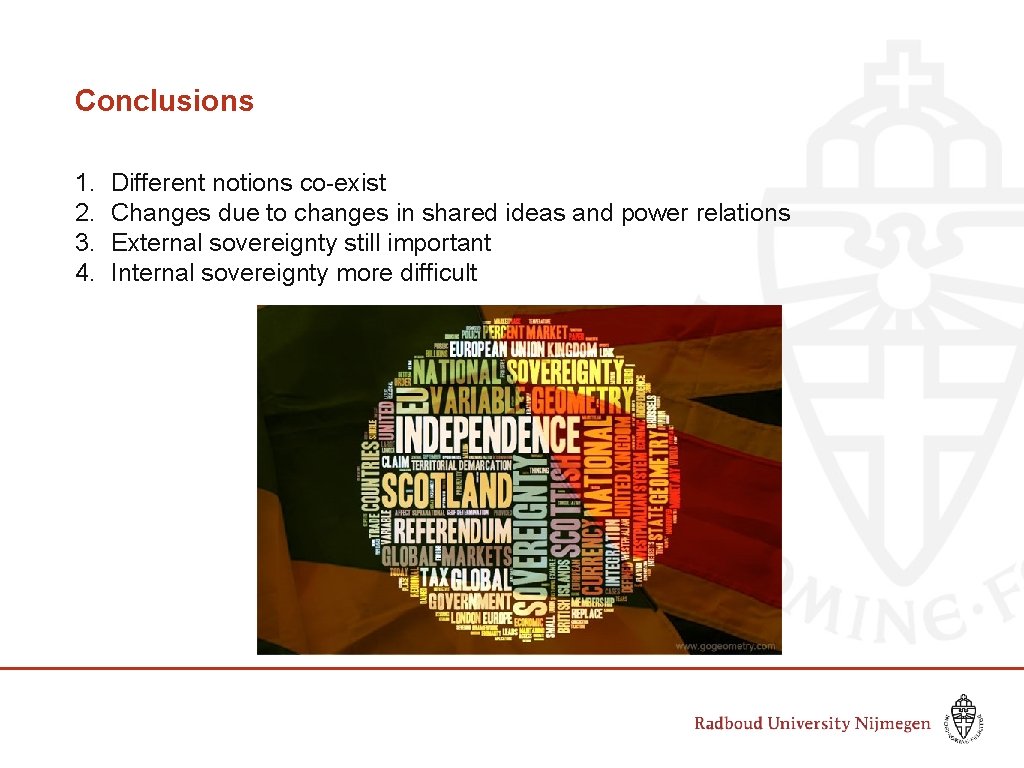
Conclusions 1. 2. 3. 4. Different notions co-exist Changes due to changes in shared ideas and power relations External sovereignty still important Internal sovereignty more difficult
- Slides: 14