
State of Connecticut Department of Public Works Roof
State of Connecticut Department of Public Works Roof Presentation Trends in Commercial Roofing
What We Hope to Accomplish • Sustainable Design • Converting Low Slope to Standing Seam Metal • The Design Build Delivery Method
Trend in Commercial Roofing
Sustainable Design Program # 099 GR
What Is Sustainable Design? • • • Made From Recycled Materials Can be Recycled Has a Long Service Life Promotes Efficient Use of Natural Resources Maintains a Healthy Global Environment
Major “Sustainable” Innovations • • Cool Roofs Recyclable Metal Roofs Recycled-Material Roofs Low-Fume Roofing Materials Photovoltaic Roof Systems Green Roofs LEED™ Certification
Cool Roofs
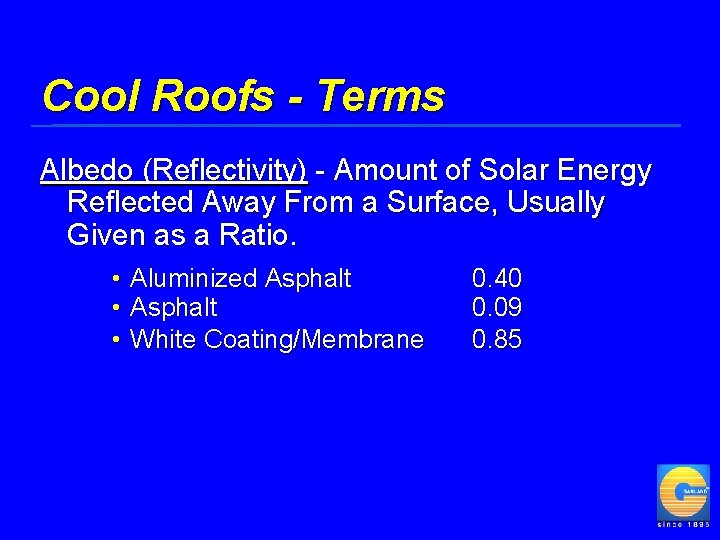
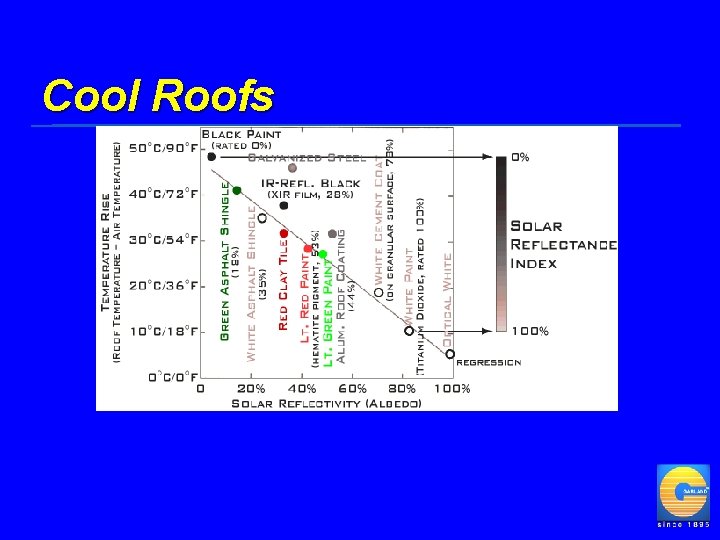
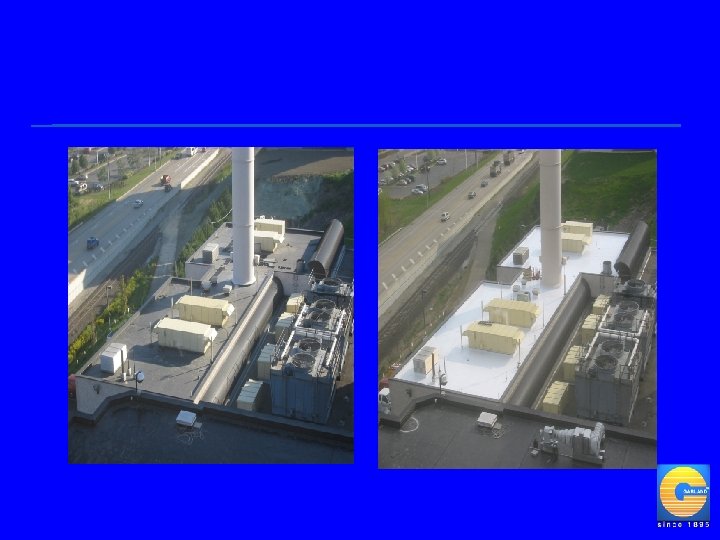
Cool Roofs - Terms Albedo (Reflectivity) - Amount of Solar Energy Reflected Away From a Surface, Usually Given as a Ratio. • Aluminized Asphalt • White Coating/Membrane 0. 40 0. 09 0. 85
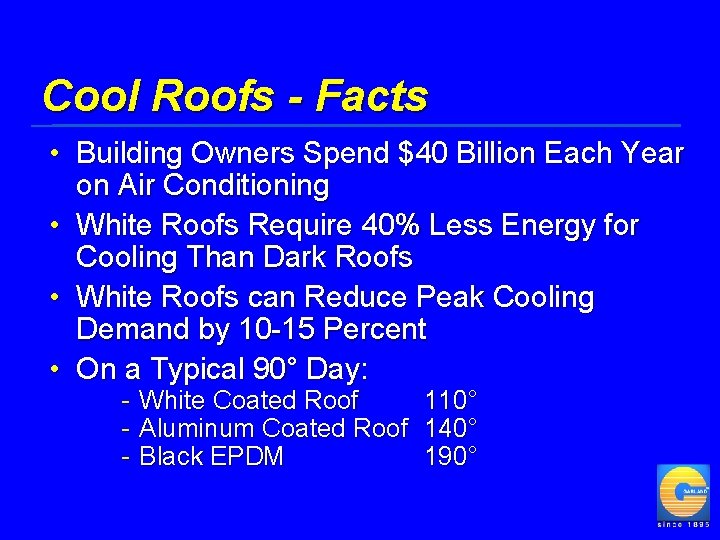
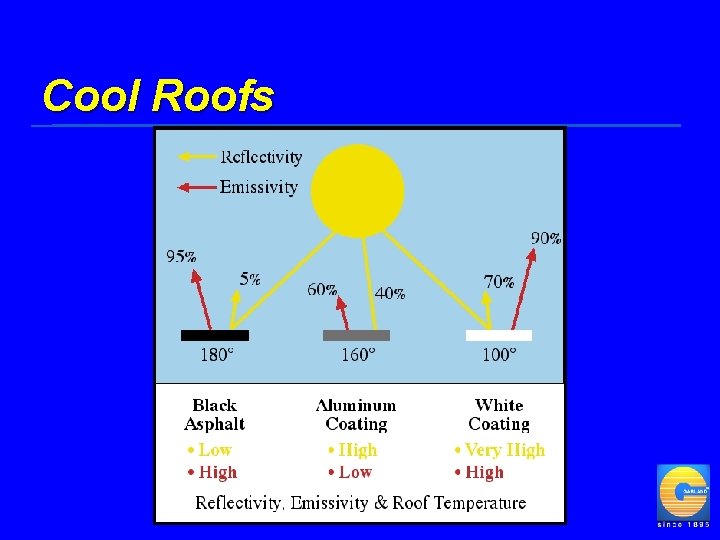
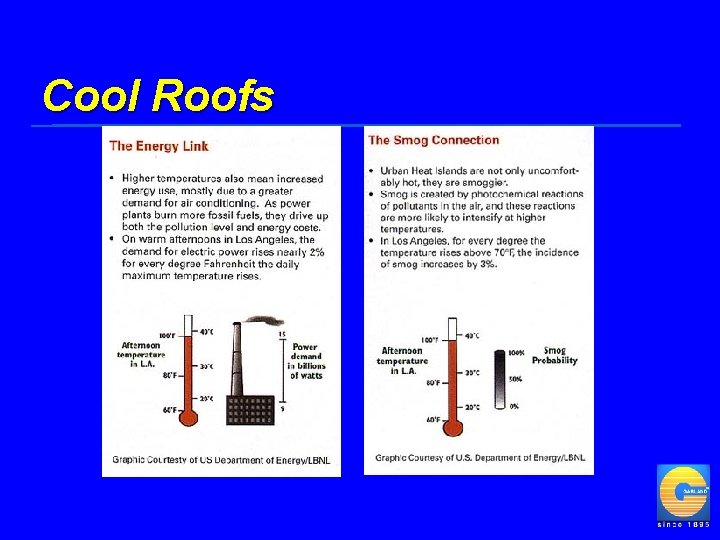
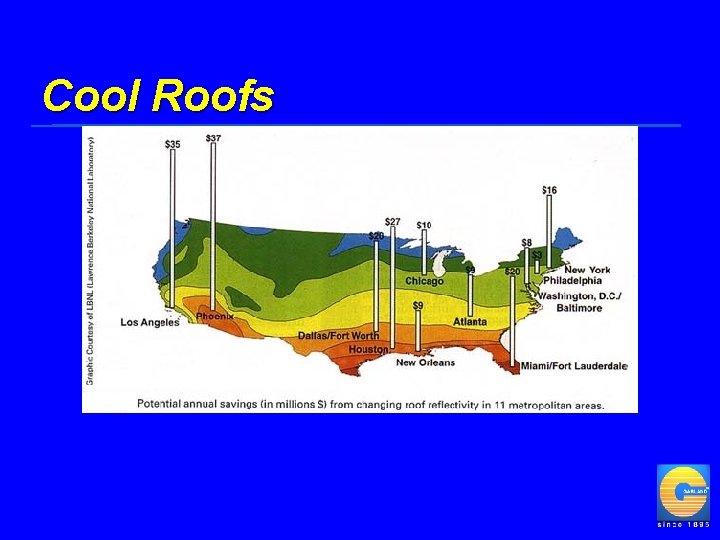
Cool Roofs - Facts • Building Owners Spend $40 Billion Each Year on Air Conditioning • White Roofs Require 40% Less Energy for Cooling Than Dark Roofs • White Roofs can Reduce Peak Cooling Demand by 10 -15 Percent • On a Typical 90° Day: - White Coated Roof 110° - Aluminum Coated Roof 140° - Black EPDM 190°
Cool Roofs
Cool Roofs
Cool Roofs
Cool Roofs
Urban Heat Island Effect
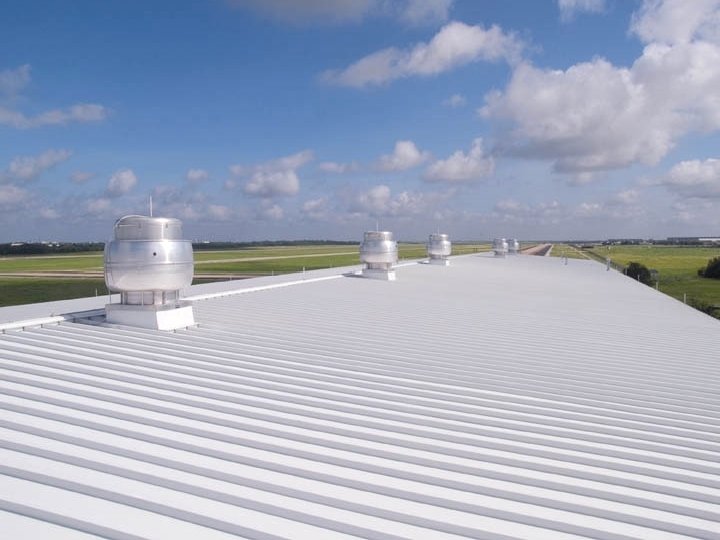
Cool Roofs - Product Options • ENERGY STAR RATED MATERIALS • Reflective Coatings – Urethane & Acrylic • White Membranes – TPO & PVC • Standing Seam Metal – Select Colors
Recyclable Metal
Recyclable Metal Roofs • • • 100% Recyclable Easy to Install No Fumes or Kettles Aesthetically Diverse Long Lasting
Recycled Material
Recycled Material Roofs • 250 Million Tires Each Year Are Discarded in the U. S. • 75% Are Discarded in Landfills or Illegal Dumps • Landfills Are Running Out of Space • Associated Health Problems Include: Fires, Water Contamination, Mosquitoes
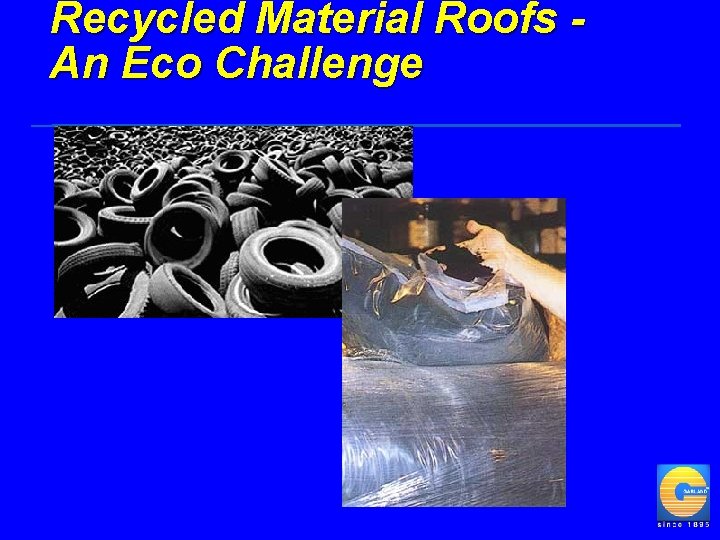
Recycled Material Roofs An Eco Challenge
Recycled Material Roofs • Uses Post-Consumer Tire Material Instead of Traditional Filler • Incorporates Post-Industrial Boiler Slag for Surfacing • Provides Superior Performance • Can Be Applied with Cold Adhesive thus Eliminating Fumes • Incorporates Recycled Glass as A Release Agent • Incorporates Starburts™ Mineral for Increased Reflective Values
Low-Fume Roofing Materials
Fume-Reduction Solutions • • • Fume-Capturing Kettles Cold Adhesives Reduced-Emission Bitumens Odor Free Built Up Roof Applications Low VOC Compliant Materials
Reeves Afterburner • Virtually Eliminates all Vapor Emission with Lid Closed • Exhaust Is Clear and 98% Odorless • No Filter to Clean or Replace • Attached to Kettle • Simple Design
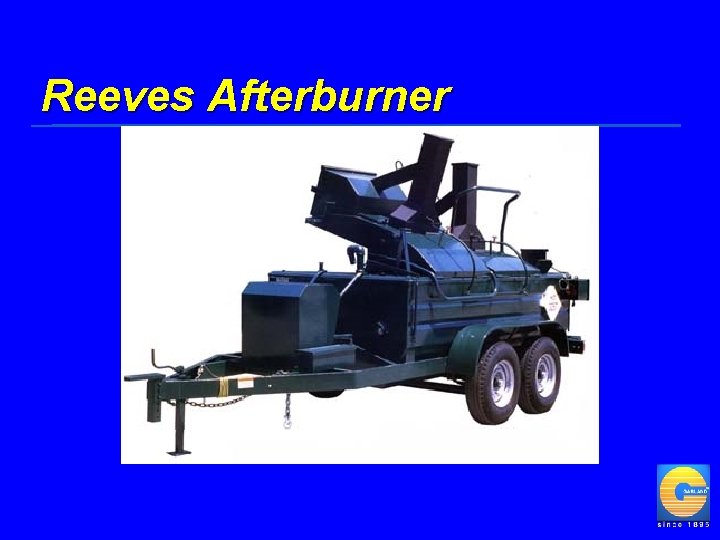
Reeves Afterburner
Photovoltaic Roofing
Photovoltaic Systems • • • Convert Sunlight Into Electricity Made of Semiconducting Materials. The Simplest Photovoltaic Cells Power Watches and Calculators • Complex Systems Can Light Houses and Provide Power to the Electrical Grid
Photovoltaic Systems • Crystalline Silicon (C-si) Is the Leading Commercial Material for Photovoltaic Cells • Thin Film Photovoltaic Cells Use Layers of Semiconductor Materials Only a Few Micrometers Thick – Attached to an Inexpensive Backing Such As Glass, Flexible Plastic, or Stainless Steel • Multi Junction Devices Stack Individual Solar Cells on Top of Each Other to Maximize the Capture and Conversion of Solar Energy – The Top Layer (or Junction) Captures the Highest-Energy Light and Passes the Rest on to Be Absorbed by the Lower Layers
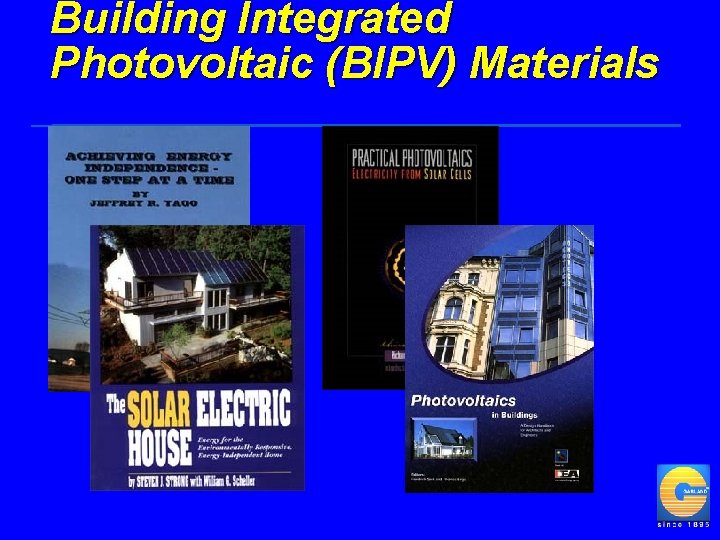
Building Integrated Photovoltaic (BIPV) Materials
Why Photovoltaics (PV)? • • Provides Fixed-Cost Electricity Peak Performance During Peak Demand Clean Energy Unobtrusive and Silent Building Integration Low Maintenance Predictable and Consistent Output No Power Wasted
Photovoltaic Facts • Since 1990, the Photovoltaics Industry as a Whole Has Seen Sales Volume Grow by More Than 20% Each Successive Year, With Some Years Having 45% Growth • Since 1992, Manufacturing Costs for Photovoltaics Have Dropped by More Than 30% • By 2010, Costs are Predicted to Drop Another 50% • The Average Cost of Photovoltaic Modules Through a Distributor is Between $5 -12 per Watt or Between $25 -40 Per Square Foot
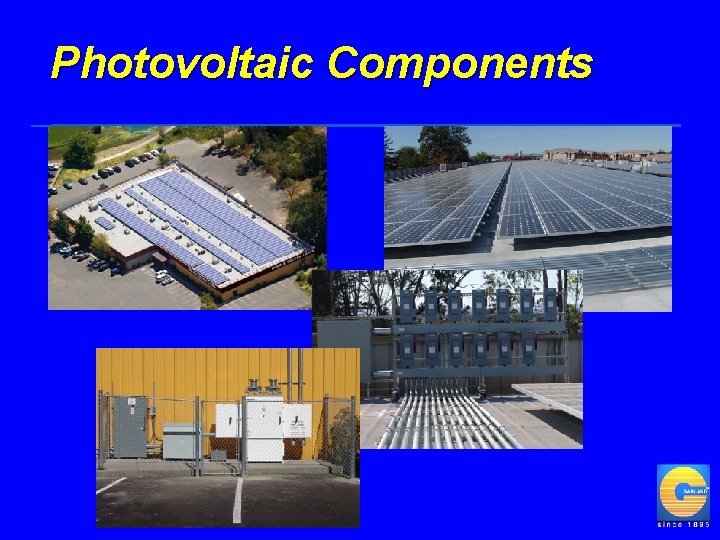
Photovoltaic Components
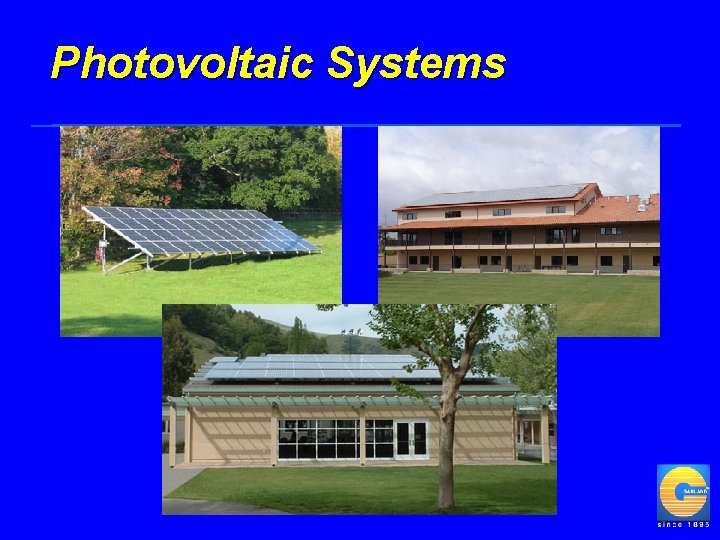
Photovoltaic Systems
Green/ Vegetative Roofing
What is a “Green” Vegetative Roof? • Often Referred to as Garden Roofs • Roofs with a Growing Media and Plants Taking the Place of a Bare Membrane, Gravel Ballast, or Conventional Surfacing • At the Least, They Include a Waterproofing Layer, Drainage, Growing Media and Plants
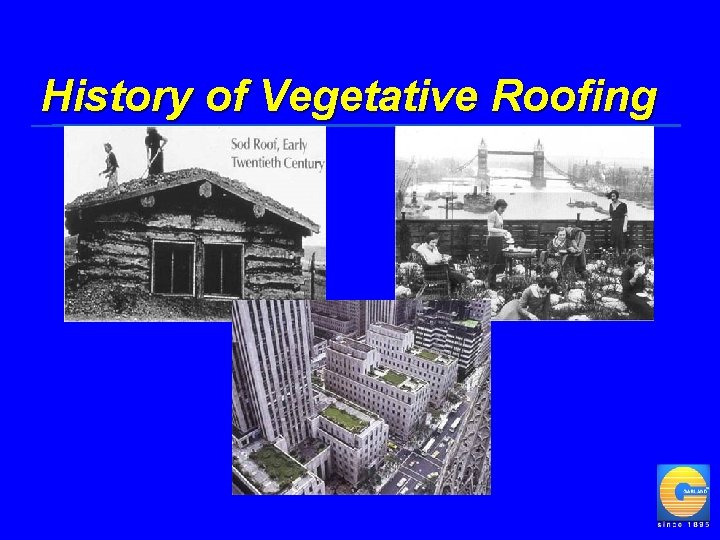
History of Vegetative Roofing
History • The Hanging Gardens of Babylon Were Green Roofs – Waterproofed with Bitumen and Reeds • Sod Roofs Have Been Used for Hundreds of Years • Current Technology Originated in Germany Over 30 Years Ago
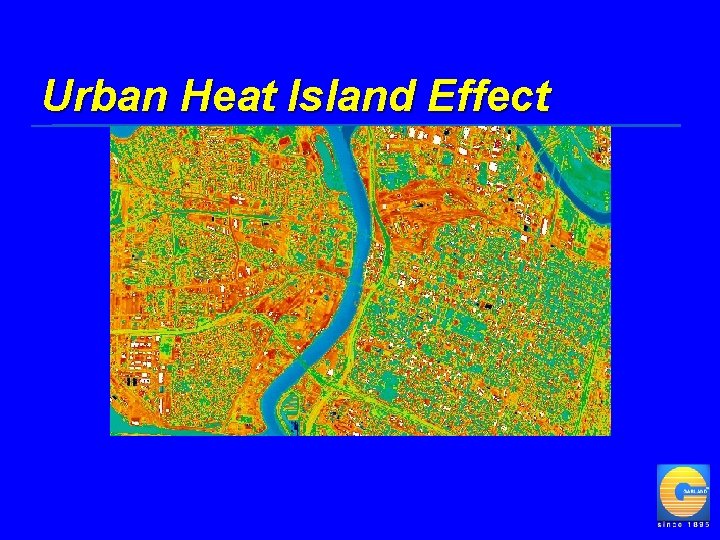
Why a Vegetative Roof? • Ecological Advantages – Reduce Storm Water Run Off by 15 -90% Depending on Rain Intensity and Soil Depths – Reduce Urban Heat Island Effect by Producing Lower Air Temperatures and Increasing Humidity – Becomes a Natural Air Filter, Absorbing Pollutants and Binding Dust Particles – Increased Biodiversity at Roof Level of Plants and Animals
Why a Vegetative Roof? • Economic Advantages – Building Energy Costs can be Reduced Due to Natural Thermal Insulation – Protects Waterproofing Membranes, Extending Service Life of Roofing Materials – Rooftop Space is Now Valuable, Usable Real Estate
Vegetative Roof Design • Requires Appreciation and Knowledge of Plant Biology, Hydraulic Engineering, Roofing and Architecture • Must Address Critical Features: – Saturated Weight of System – Load Bearing Capacity – Moisture Penetration/Leak Resistance of Waterproofing Membrane – Root Penetration – Resistance to Wind – Management of Drainage – Suitability of Plant Life • Most Importantly – Long-Term Waterproofing
Types of Vegetative Roofs • Intensive – Diverse Plant Communities – High Profile, Recreation Spaces – Heavy Thick Soil Substrates • Extensive – Simple Plant Communities with Limited Human Access – Usually can be Retrofitted on Existing Structure – Lightweight, Thinner Soil Requirements
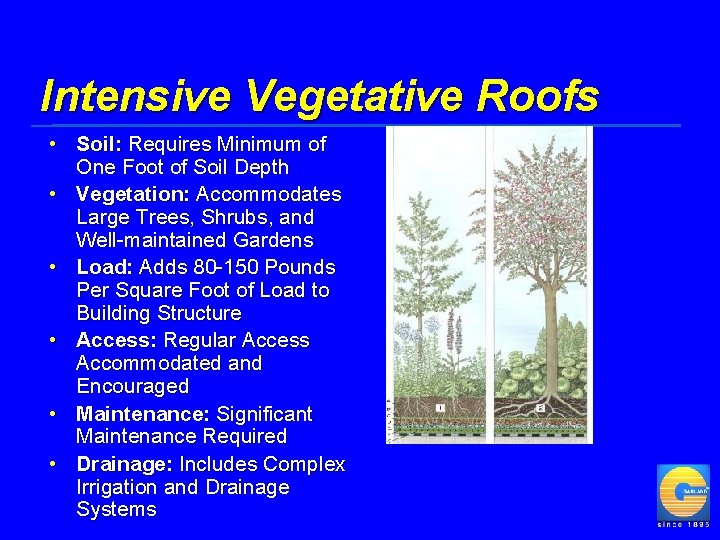
Intensive Vegetative Roofs • Soil: Requires Minimum of One Foot of Soil Depth • Vegetation: Accommodates Large Trees, Shrubs, and Well-maintained Gardens • Load: Adds 80 -150 Pounds Per Square Foot of Load to Building Structure • Access: Regular Access Accommodated and Encouraged • Maintenance: Significant Maintenance Required • Drainage: Includes Complex Irrigation and Drainage Systems
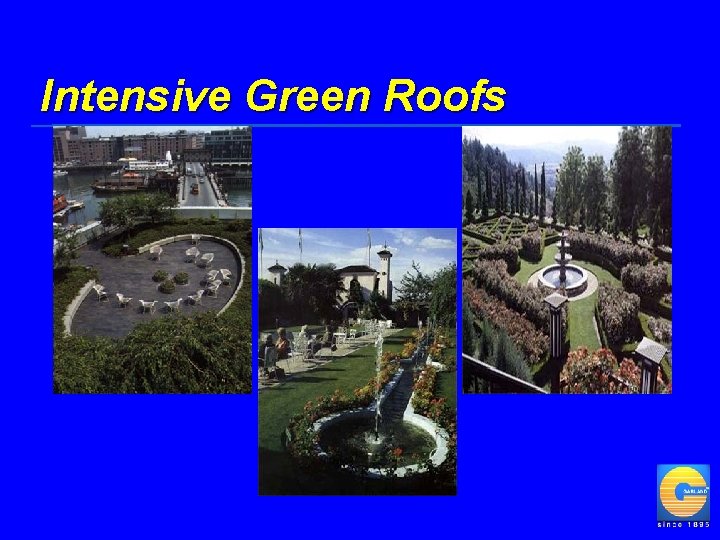
Intensive Green Roofs
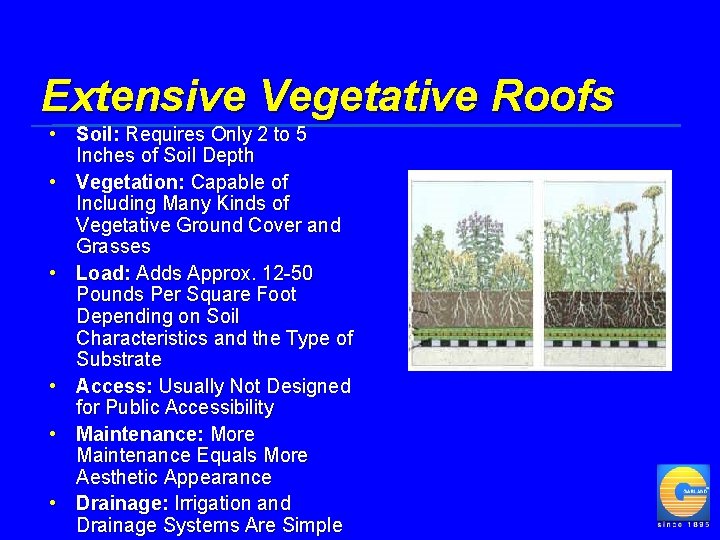
Extensive Vegetative Roofs • Soil: Requires Only 2 to 5 Inches of Soil Depth • Vegetation: Capable of Including Many Kinds of Vegetative Ground Cover and Grasses • Load: Adds Approx. 12 -50 Pounds Per Square Foot Depending on Soil Characteristics and the Type of Substrate • Access: Usually Not Designed for Public Accessibility • Maintenance: More Maintenance Equals More Aesthetic Appearance • Drainage: Irrigation and Drainage Systems Are Simple
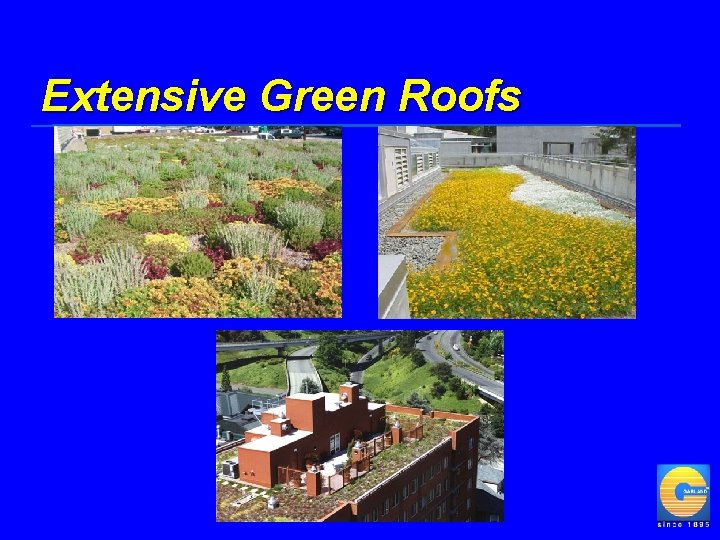
Extensive Green Roofs
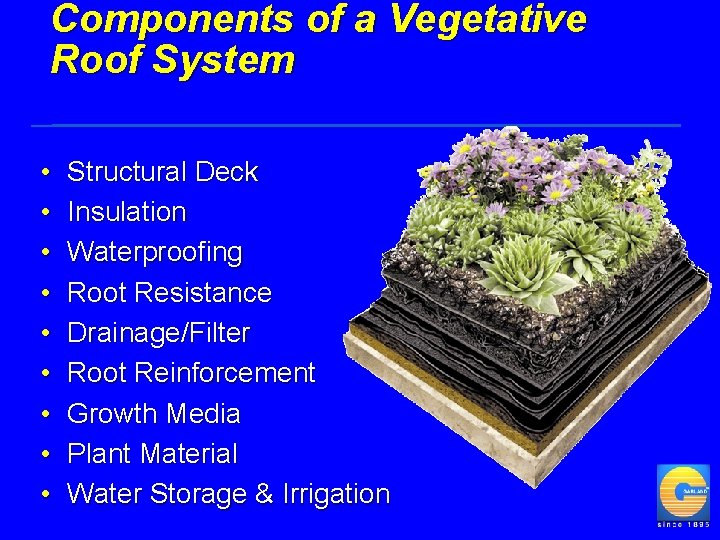
Components of a Vegetative Roof System • • • Structural Deck Insulation Waterproofing Root Resistance Drainage/Filter Root Reinforcement Growth Media Plant Material Water Storage & Irrigation
Plant Material • Application – Plug Planting (Most Common) – Hydro-Planting (Mostly Done in Europe) – Pre-Vegetated Mats or Blankets • Plants can be Planted Throughout Growing Season – Small Immature Plants Adapt Better • The Sowing of Sedum Cuttings or Seeds is Restricted to Spring Autumn and
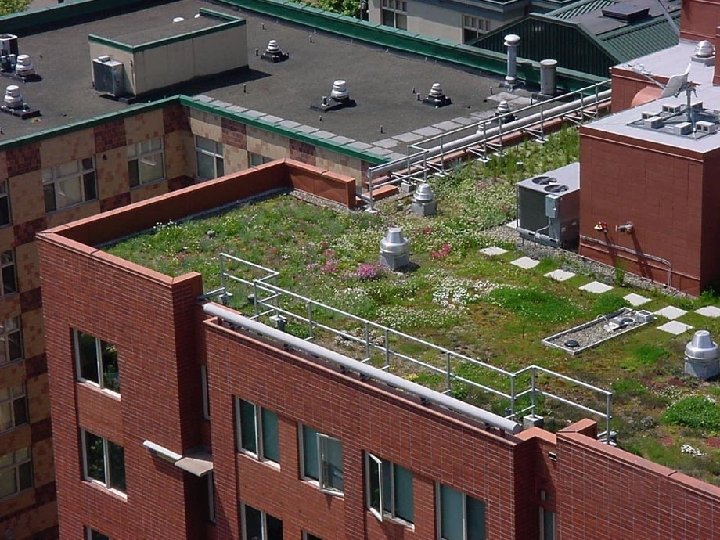
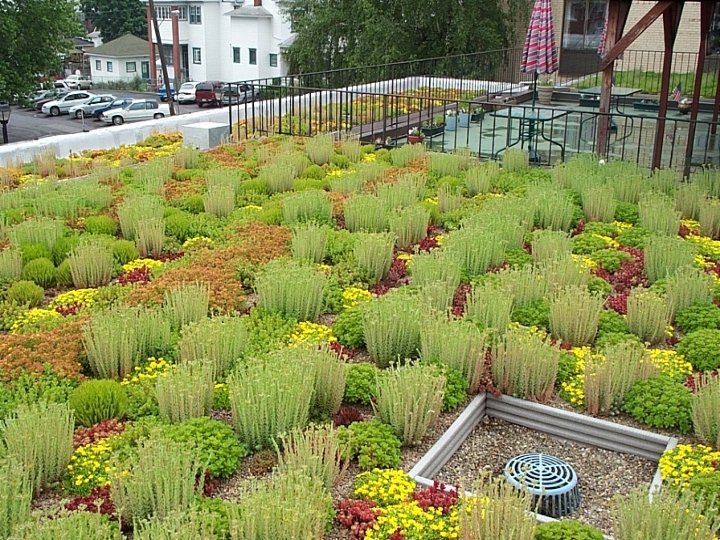
Green Roofs: The Ultimate in Sustainable Roofing
- Slides: 53