
Start of the Industrial Revolution Great Britain British
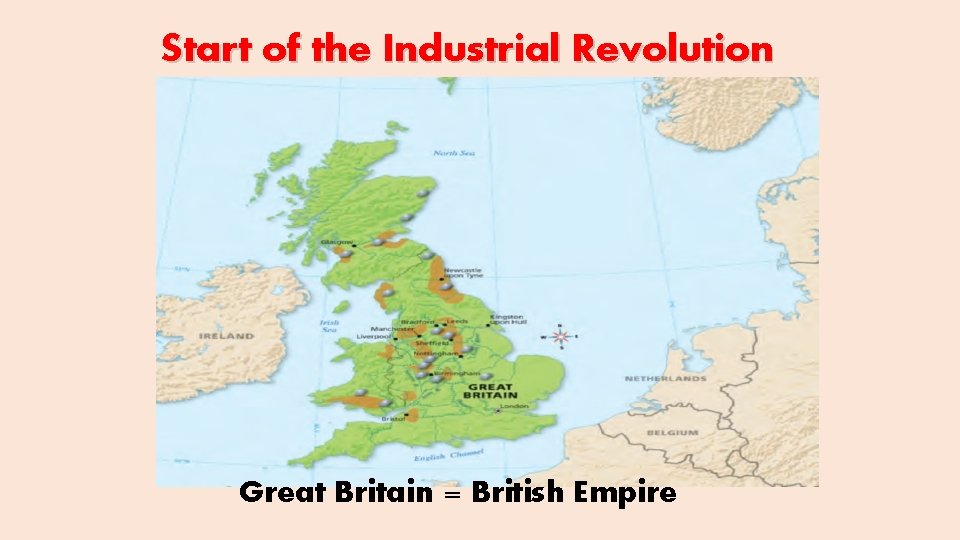
Start of the Industrial Revolution Great Britain = British Empire
A Revolution in Great Britain During the 1700 s changes in technology began based on the use of powerdriven machinery. This era is called the Industrial Revolution. Factors for Success Agricultural Factors • Exploration and colonialism: Colonies • Research and development started on farms. Wanted to improve Agricultural methods: provided vast amounts of raw materials and were new markets to sell new goods. • Sea power: Bring in materials and ship out finished goods. • Political stability: • Government support: laws passed that supported business. • Growth of private investment: private businesses funded experiments for creating new and better products. R&D today. • Jethro Tull: seed drill 1701. • Other farmers Improved livestock breeding. • Better varieties of food crops – Increased food supply – Population grew • Enclosure movement: creation of large farms by wealthy land owners.

Seed Drill Original
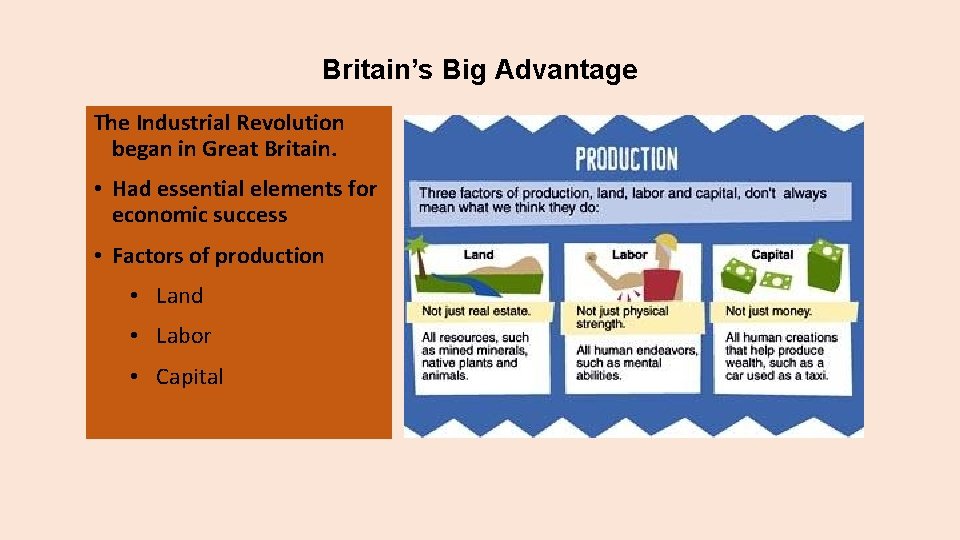
Britain’s Big Advantage The Industrial Revolution began in Great Britain. • Had essential elements for economic success • Factors of production • Land • Labor • Capital
A Revolution in Textiles Textile Industry • The Industrial Revolution began with the Textile Industry=making cloth. • Weaving was a cottage industry: work done at home. • Industrialization transformed this to power driven machinery. New Way of Making Cloth • Fabric made of wool or cotton • Supply of fibers increased in the 1700 s • Slave labor in America • Invention of cotton gin • Invention of spinning jenny • Invention of flying shuttle Cloth-making in Factories • Cottages too small for new machines. • Factory invented • Power for factories? • Water frame for water power • Output increased 8 x by 1770
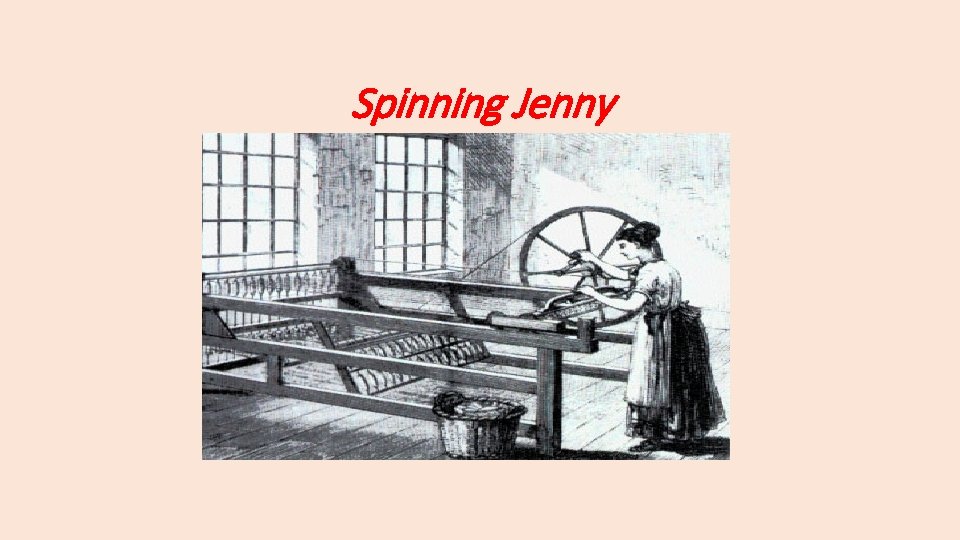
Spinning Jenny
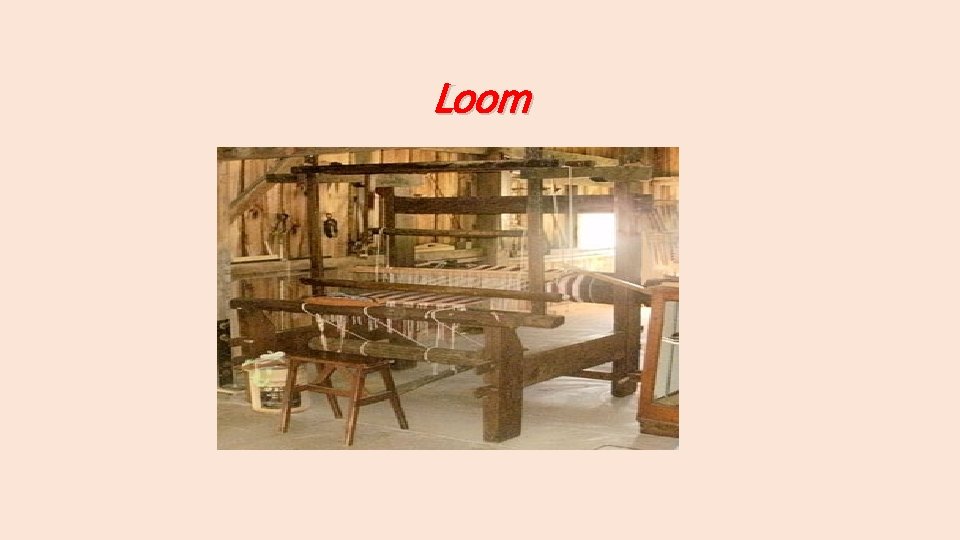
Loom
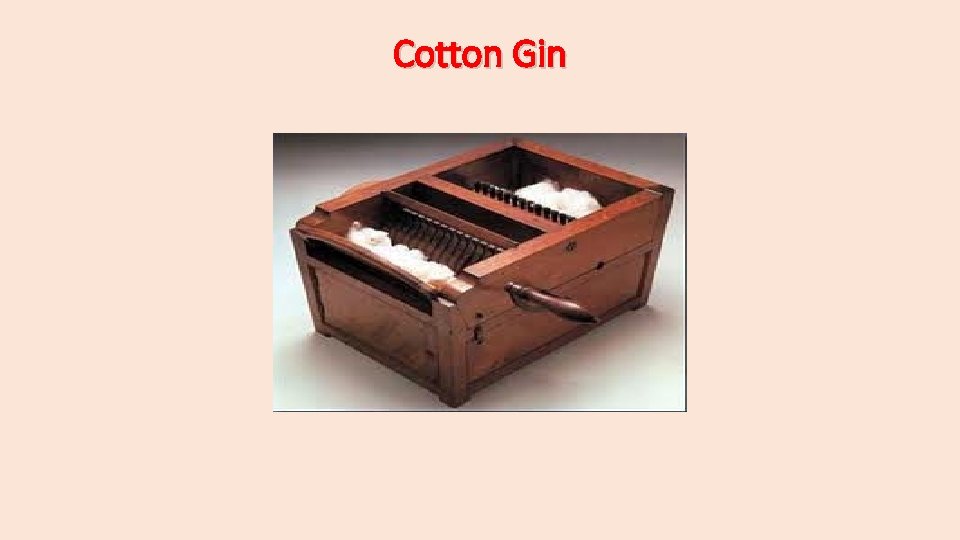
Cotton Gin
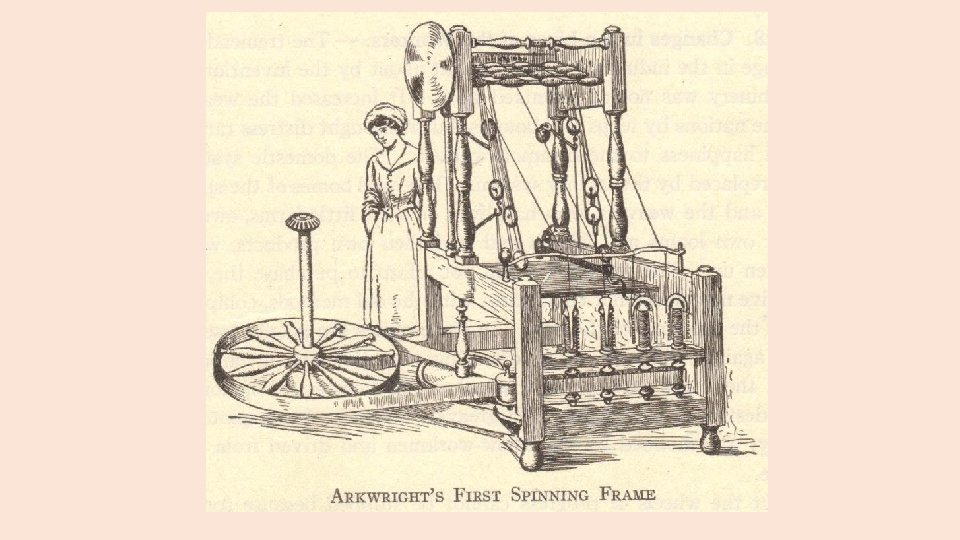
Steam Powers the Revolution Development of Steam Engine • First successful steam engine in 1712 Coal for Steam Engines • Steam engines needed large amounts of fuel • Wood scarce • Innovations by James Watt • Coal mining industry • Steam power versus water power • Changing landscapes • Steam locomotives • Steamships • Robert Fulton • Dangers of mining
Industrialization Spreads Industrialization soon spread to western Europe and the United States. Other regions did not industrialize in the 1800 s. What was it about Western countries that encouraged them to embrace industry? Why Western Countries? • Political liberty • Freedom to compete America • British restrictions • Hamilton, 1791 • Samuel Slater • Rewards reaped – Water frame • Exploitation and improvements – Slater’s Mill • Lowell’s Mill Europe • Belgium, 1807 2 nd country in Europe after Britain. • France, 1815 • Germany, 1850 – Railroads – Treaties
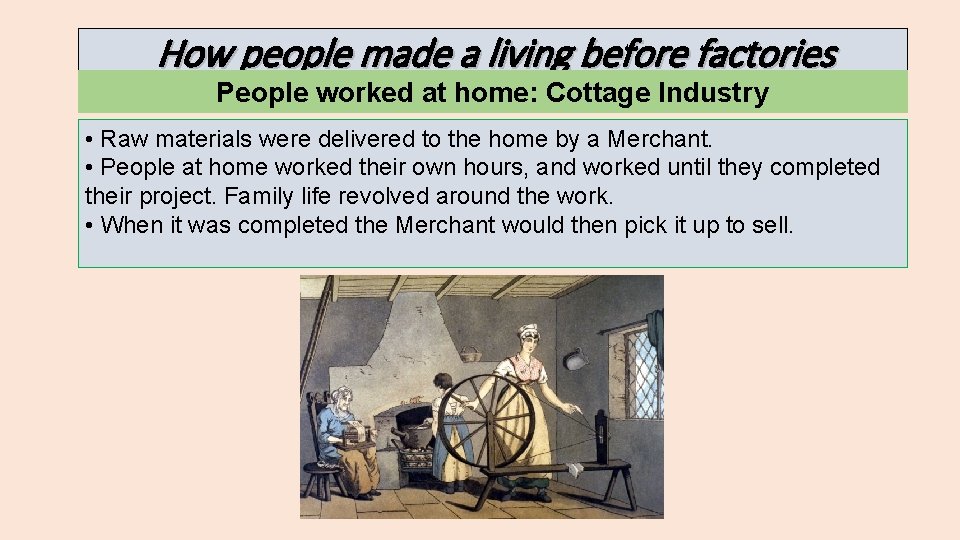
How people made a living before factories People worked at home: Cottage Industry • Raw materials were delivered to the home by a Merchant. • People at home worked their own hours, and worked until they completed their project. Family life revolved around the work. • When it was completed the Merchant would then pick it up to sell.
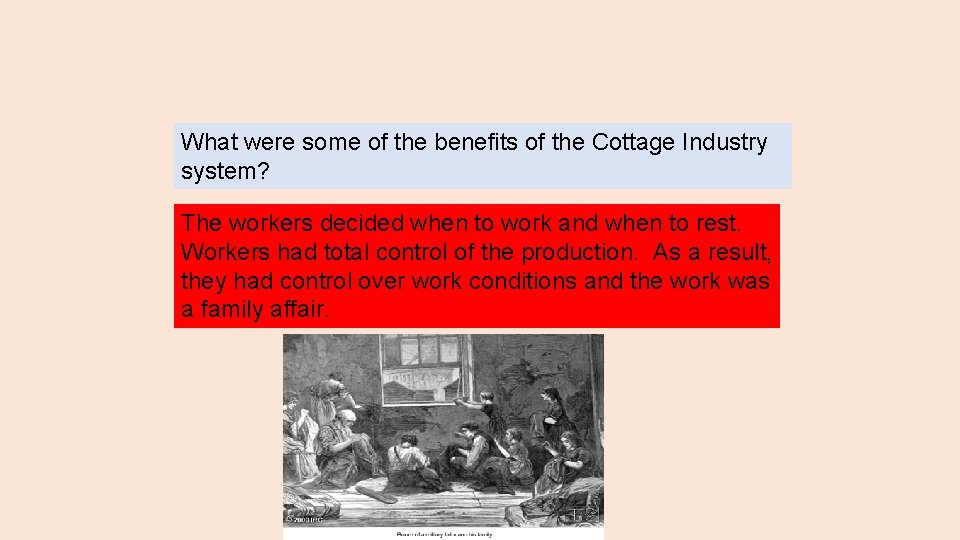
What were some of the benefits of the Cottage Industry system? The workers decided when to work and when to rest. Workers had total control of the production. As a result, they had control over work conditions and the work was a family affair.
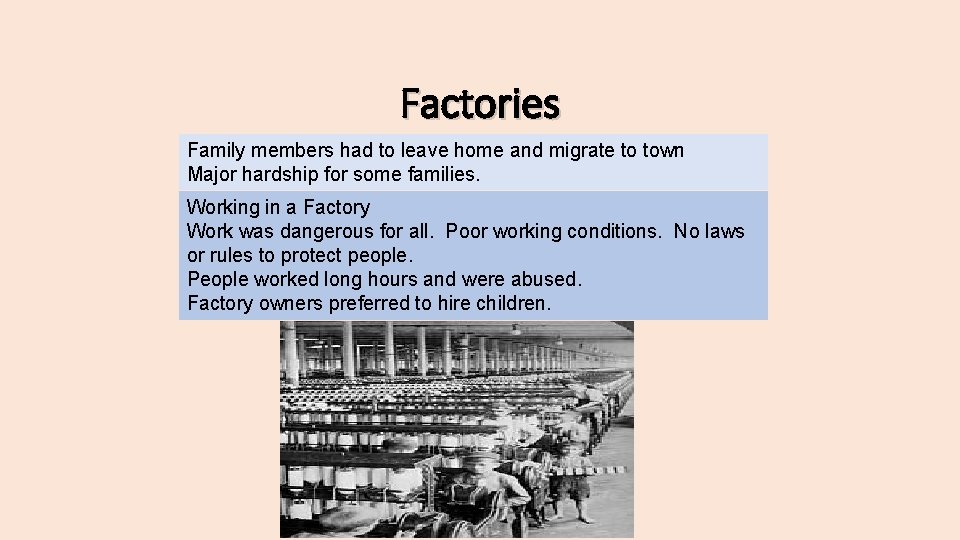
Factories Family members had to leave home and migrate to town Major hardship for some families. Working in a Factory Work was dangerous for all. Poor working conditions. No laws or rules to protect people. People worked long hours and were abused. Factory owners preferred to hire children.
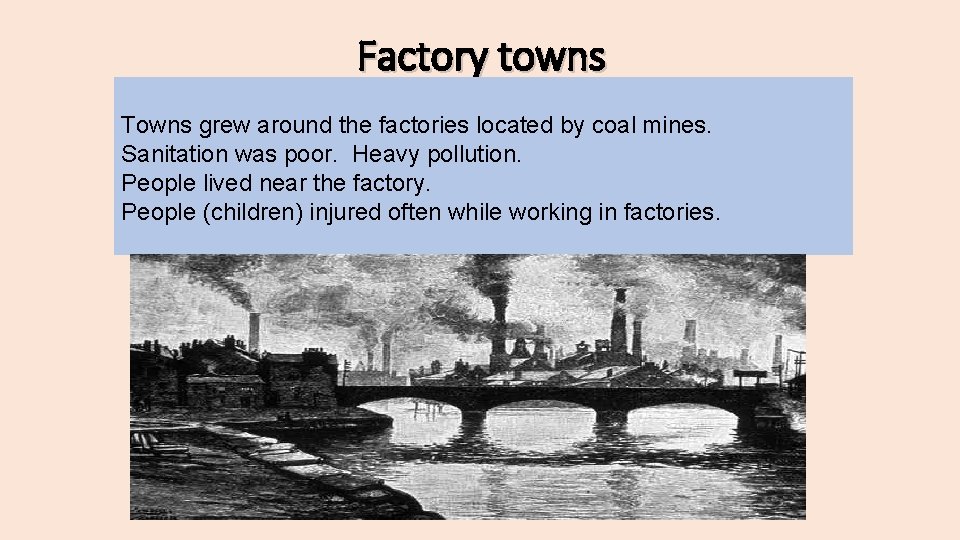
Factory towns Towns grew around the factories located by coal mines. Sanitation was poor. Heavy pollution. People lived near the factory. People (children) injured often while working in factories.
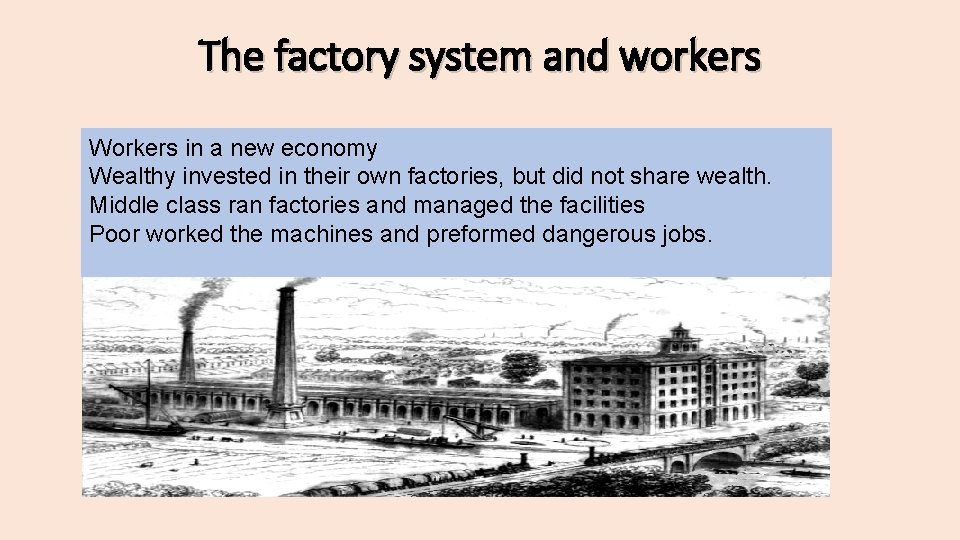
The factory system and workers Workers in a new economy Wealthy invested in their own factories, but did not share wealth. Middle class ran factories and managed the facilities Poor worked the machines and preformed dangerous jobs.
Cottage Industry Strikes Back! Cottage workers started going out of business because their prices on products were higher than factory’s prices. Luddite movement: 1811 masked workers attack textile factory. 1812 the movement spread to other cities in England. Those caught executed as a result the movement ended quickly. Changing Labor Conditions Because of no government protections abuses continued in factories. Factory workers formed unions and began to strike. Strikes forced changes, but government still did not get involved.
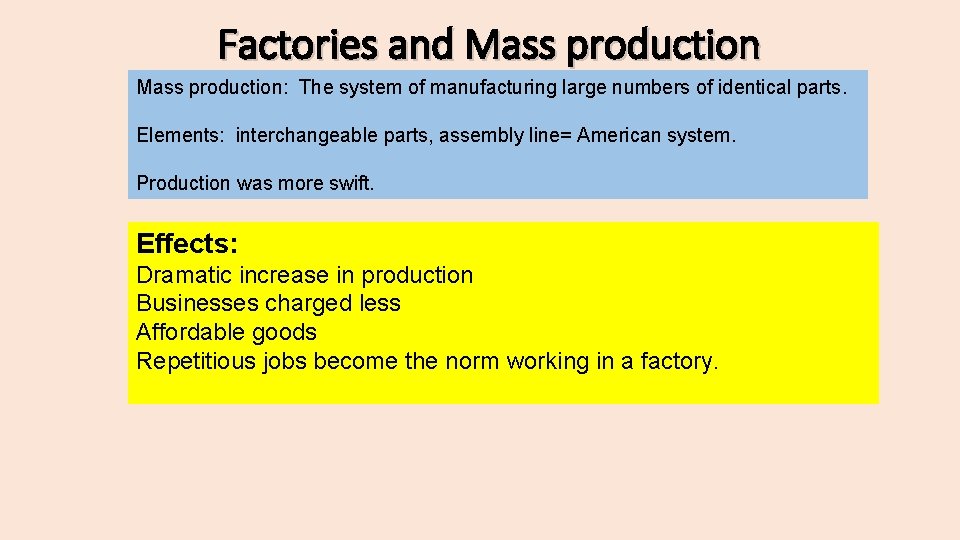
Factories and Mass production: The system of manufacturing large numbers of identical parts. Elements: interchangeable parts, assembly line= American system. Production was more swift. Effects: Dramatic increase in production Businesses charged less Affordable goods Repetitious jobs become the norm working in a factory.
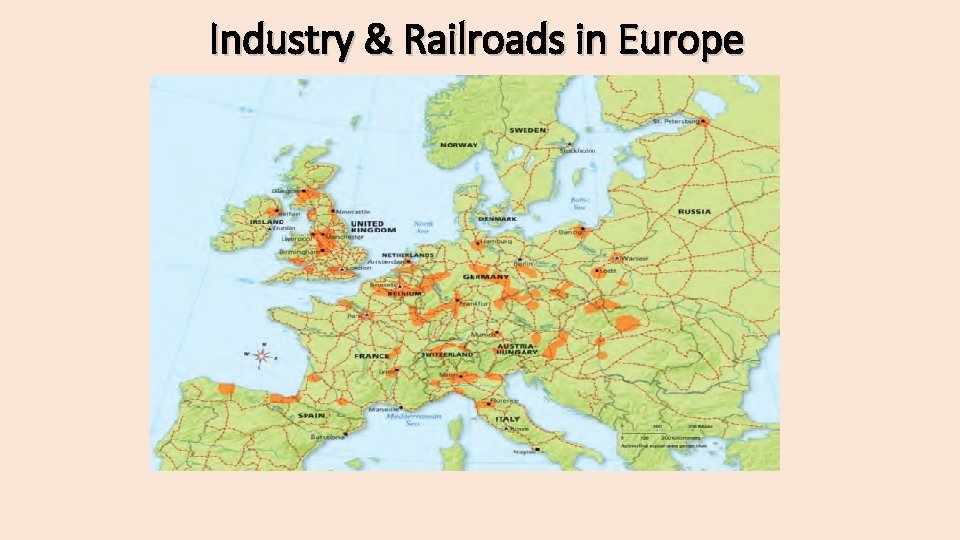
Industry & Railroads in Europe
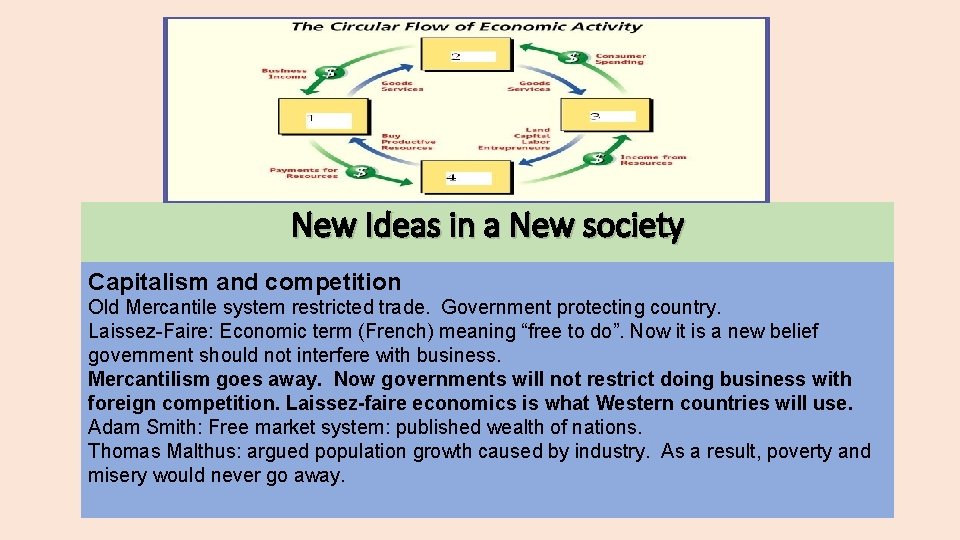
New Ideas in a New society Capitalism and competition Old Mercantile system restricted trade. Government protecting country. Laissez-Faire: Economic term (French) meaning “free to do”. Now it is a new belief government should not interfere with business. Mercantilism goes away. Now governments will not restrict doing business with foreign competition. Laissez-faire economics is what Western countries will use. Adam Smith: Free market system: published wealth of nations. Thomas Malthus: argued population growth caused by industry. As a result, poverty and misery would never go away.
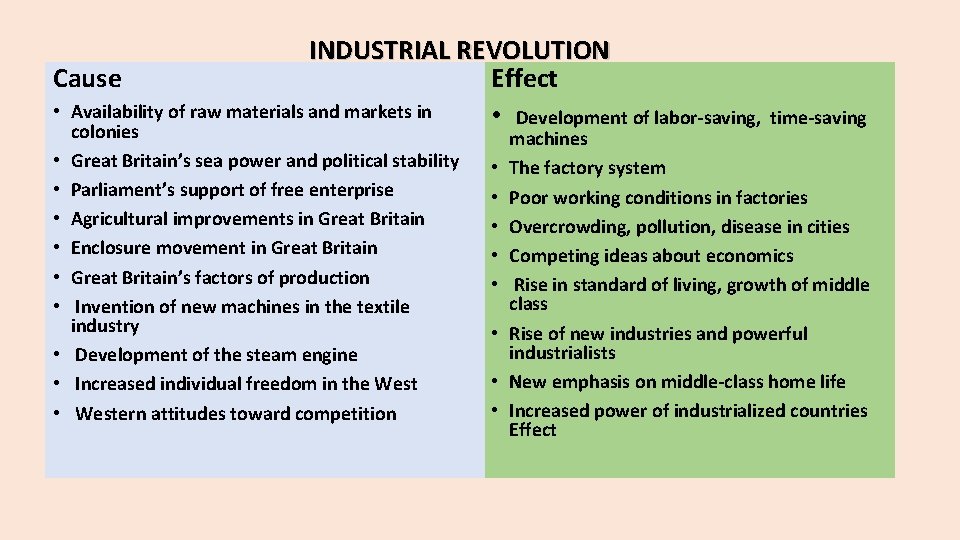
INDUSTRIAL REVOLUTION Cause Effect • Availability of raw materials and markets in • Development of labor-saving, colonies Great Britain’s sea power and political stability Parliament’s support of free enterprise Agricultural improvements in Great Britain Enclosure movement in Great Britain’s factors of production Invention of new machines in the textile industry • Development of the steam engine • Increased individual freedom in the West • Western attitudes toward competition • • • • time-saving machines The factory system Poor working conditions in factories Overcrowding, pollution, disease in cities Competing ideas about economics Rise in standard of living, growth of middle class Rise of new industries and powerful industrialists New emphasis on middle-class home life Increased power of industrialized countries Effect
- Slides: 21