
Star Charts and Coordinate Systems Astronomy Picture of


- Slides: 45
Star Charts and Coordinate Systems
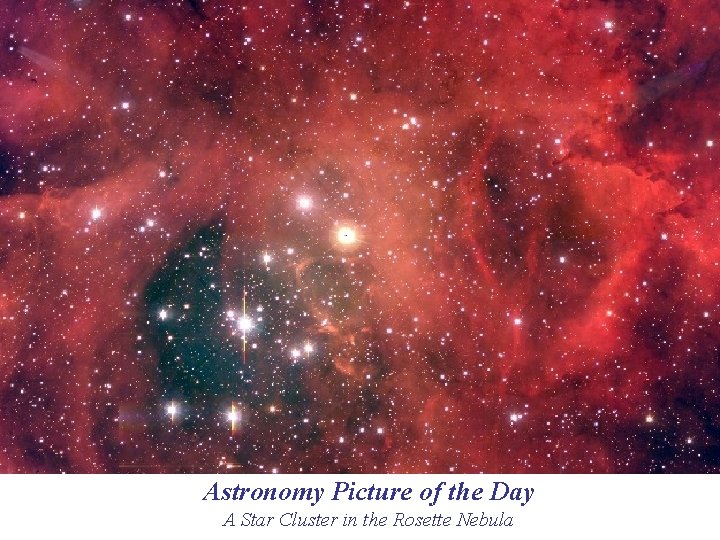
Astronomy Picture of the Day A Star Cluster in the Rosette Nebula
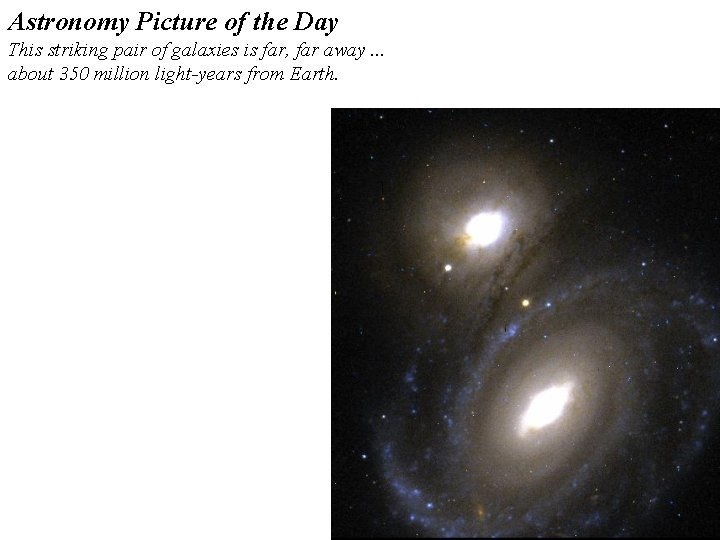
Astronomy Picture of the Day This striking pair of galaxies is far, far away. . . about 350 million light-years from Earth.
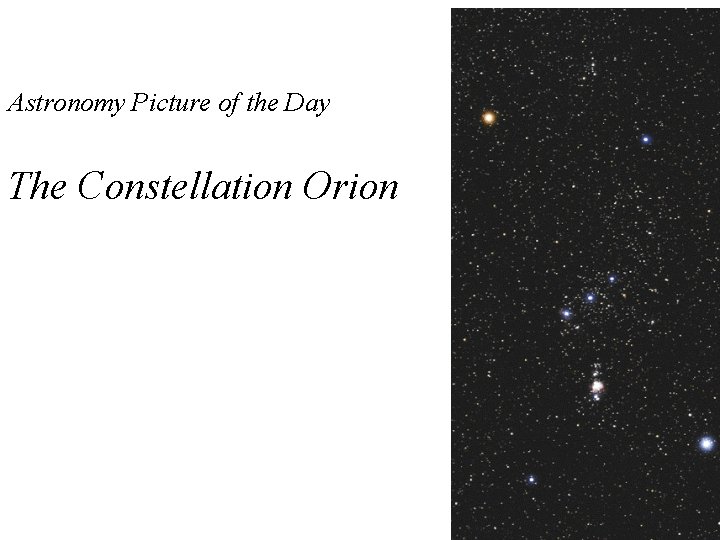
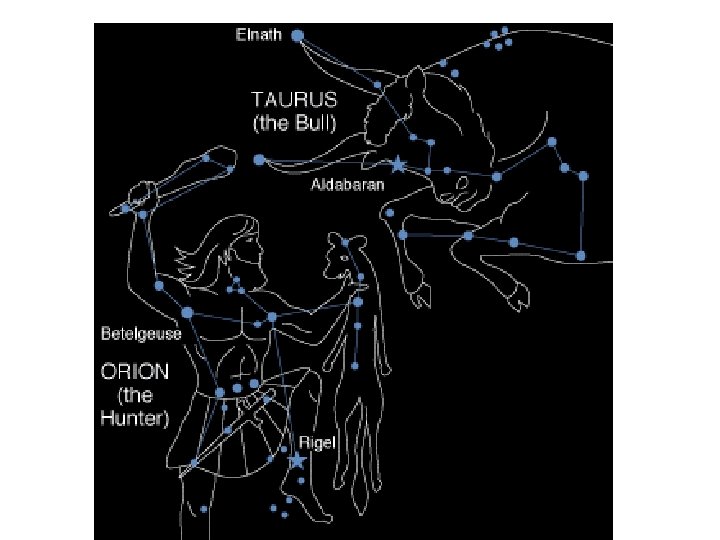
Astronomy Picture of the Day The Constellation Orion
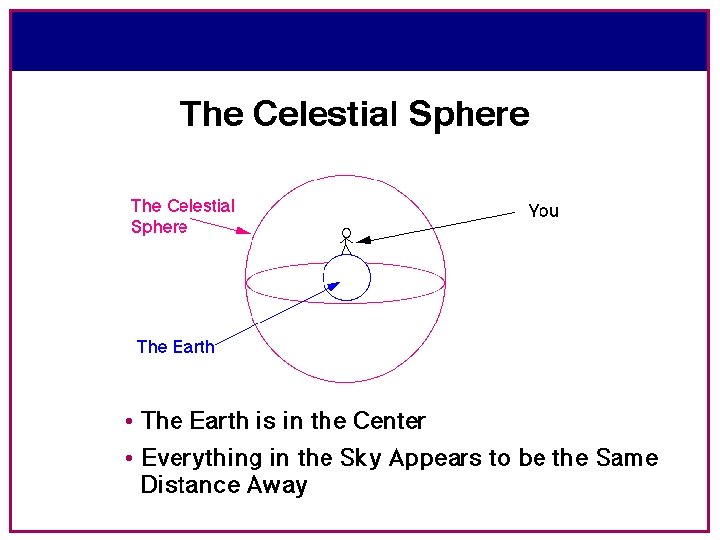
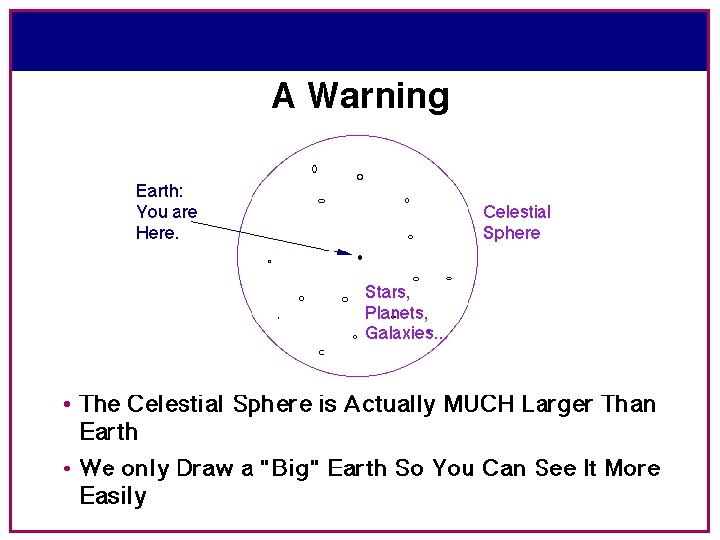
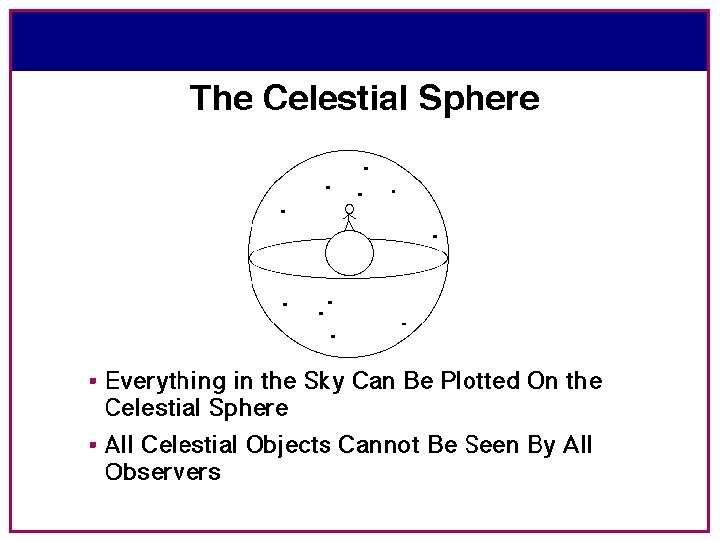
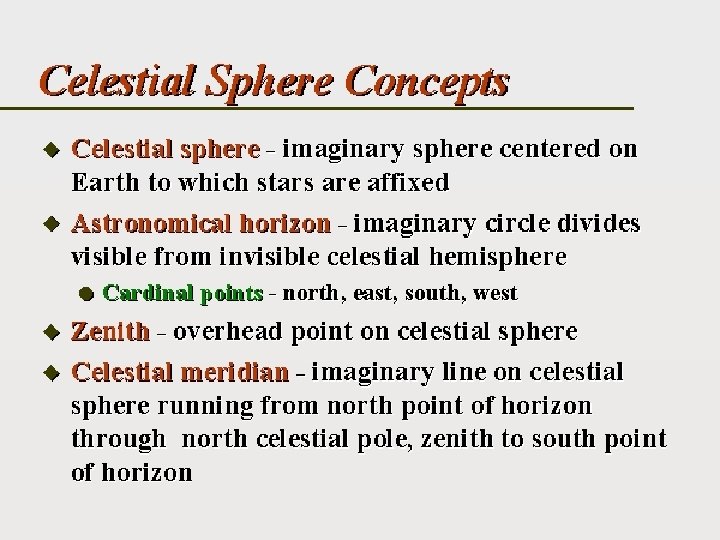
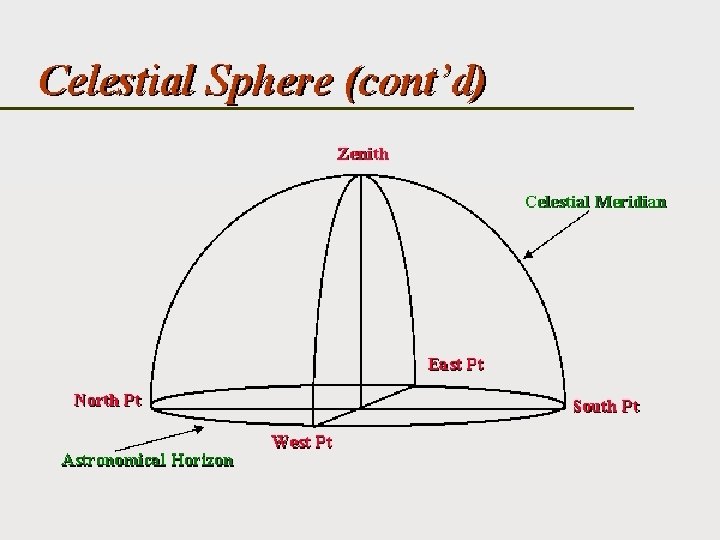
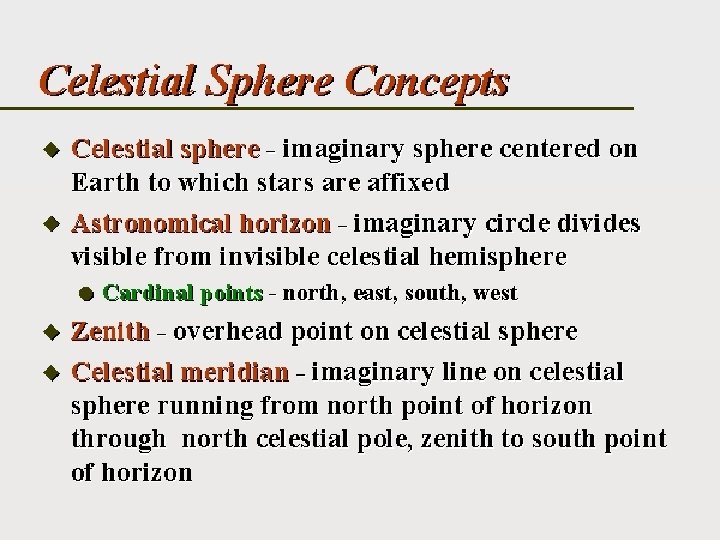
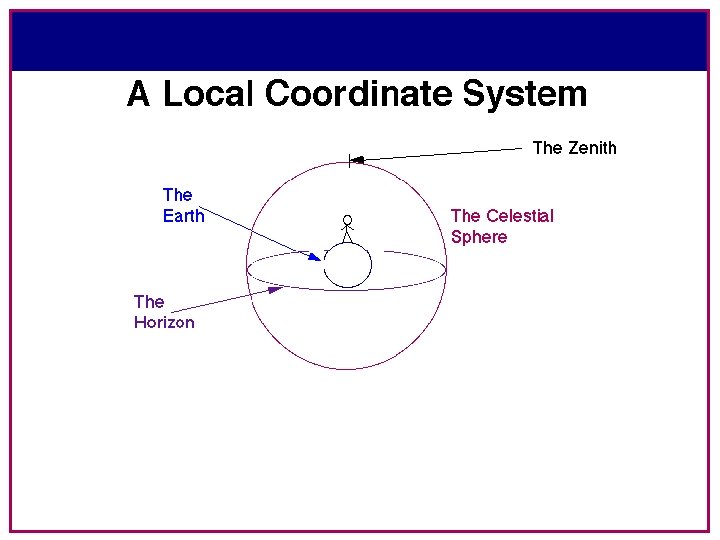
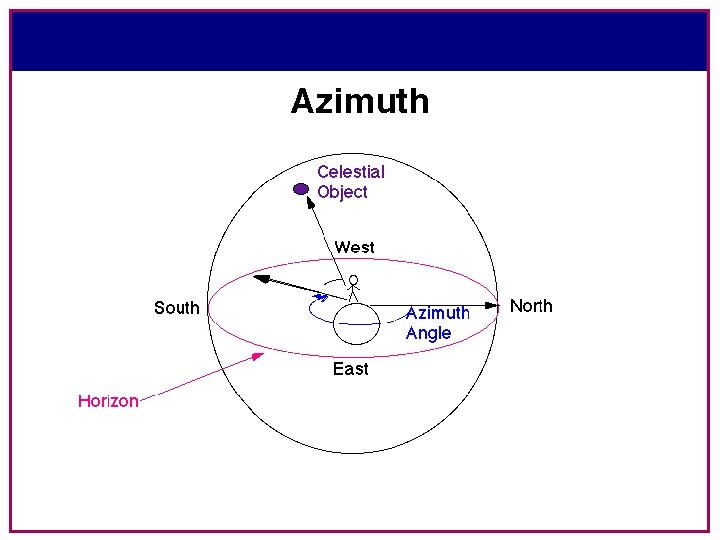
The changing stars • The stars we see change with time of night and season of year - why? • The sky is a sphere with Earth at the center. • Observer can see only sky above the horizon • horizon……. . an imaginary plane tangent to Earth at the observer
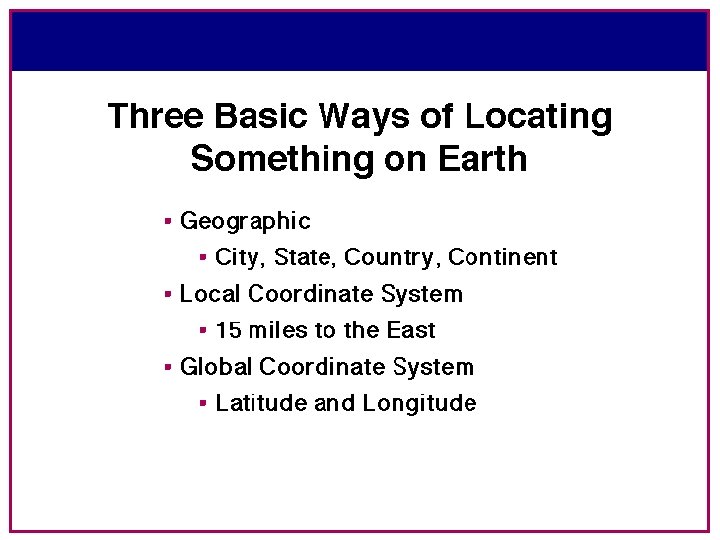
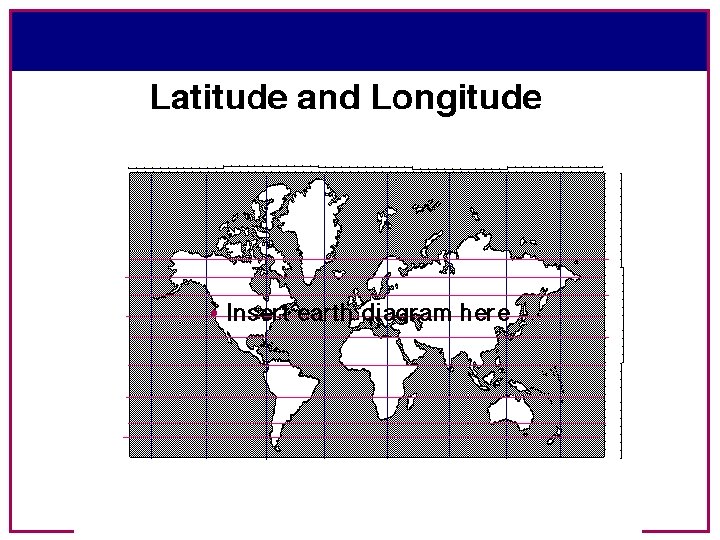
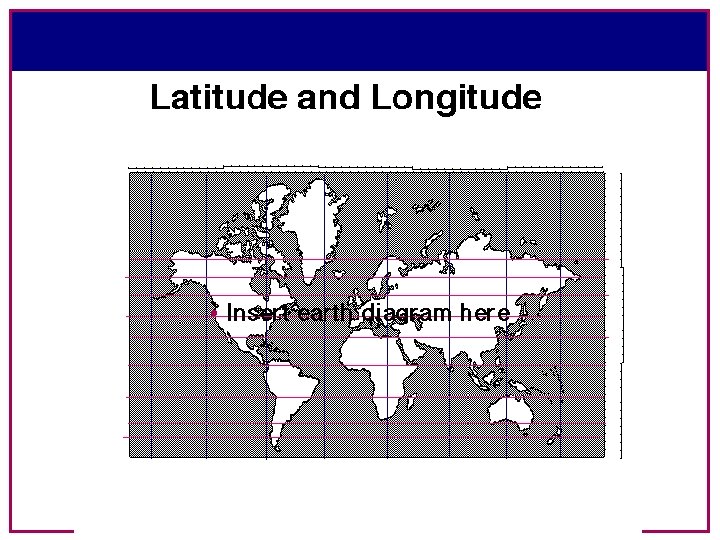
Earth and Sky Terms • Latitude…. LINES PARALLEL TO THE EQUATOR • Longitude……LINES THAT RUN FROM POLE TO POLE • Prime Meridian…RUNS FROM POLE TO POLE THROUGH…. . • ………. Greenwich England
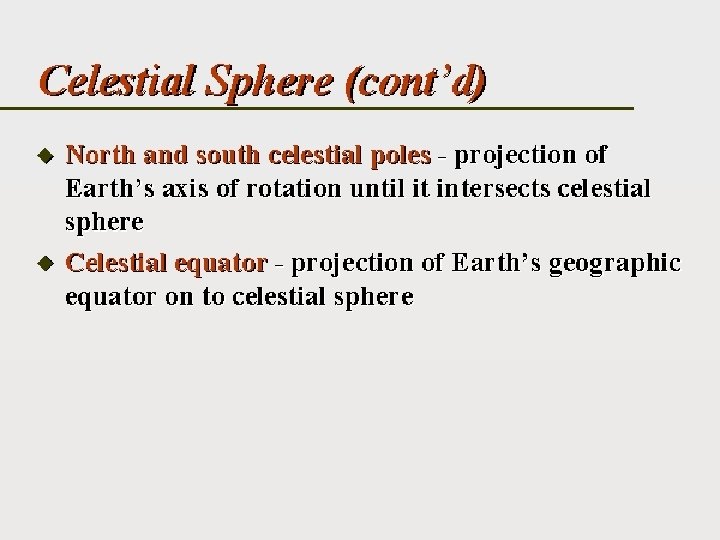
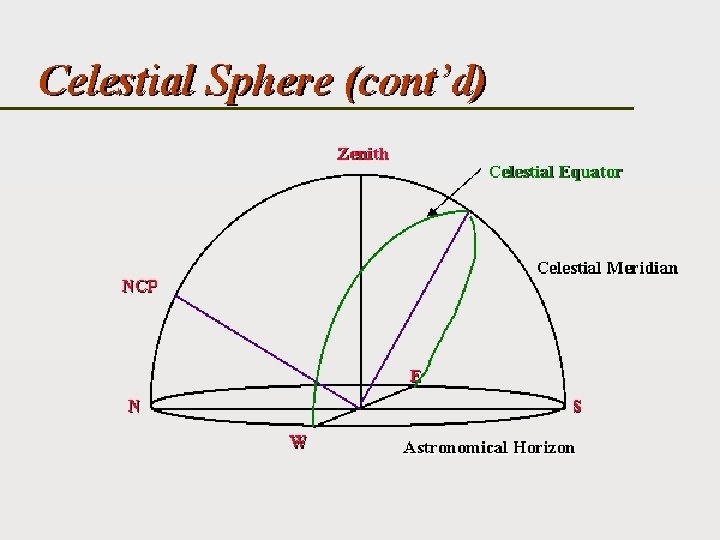
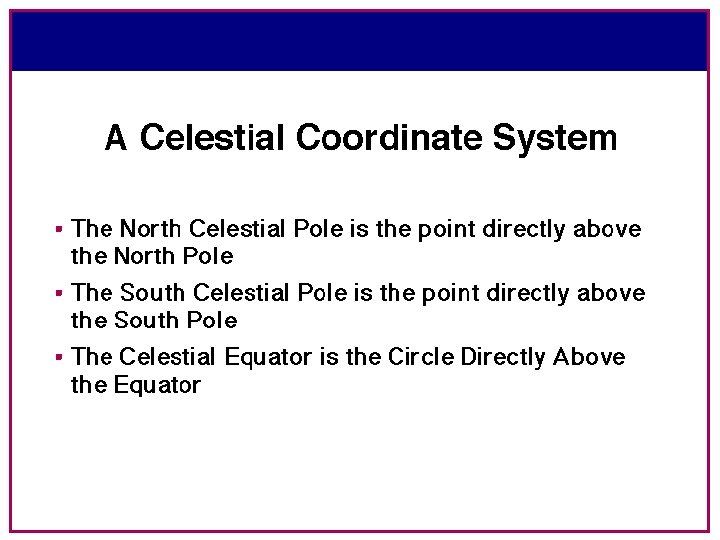
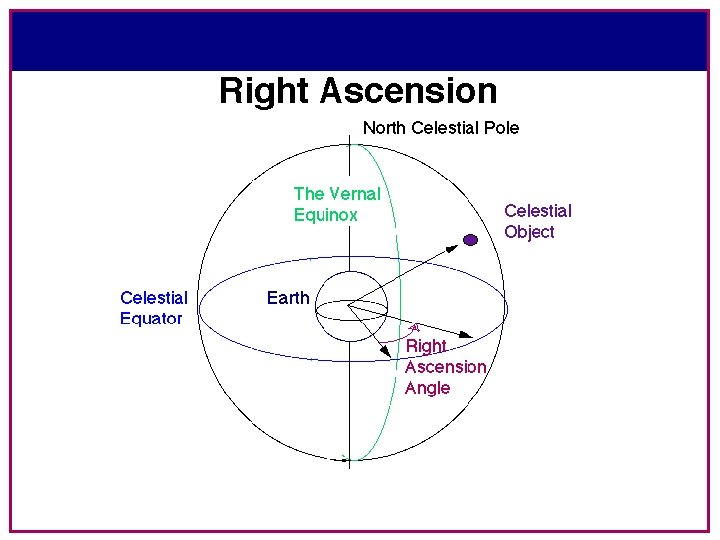
Celestial sphere Terms • North Celestial Pole…. same as North pole • South Celestial Pole…. same as South pole • Celestial Equator………. Projection of earth’s equator out to the sky
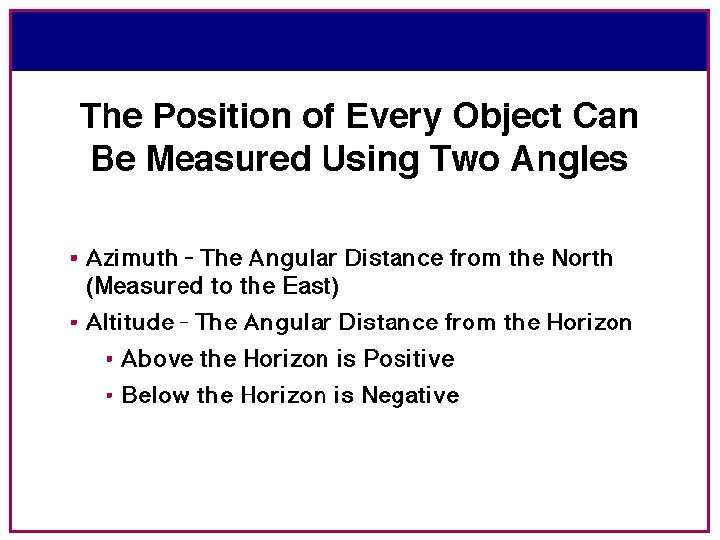
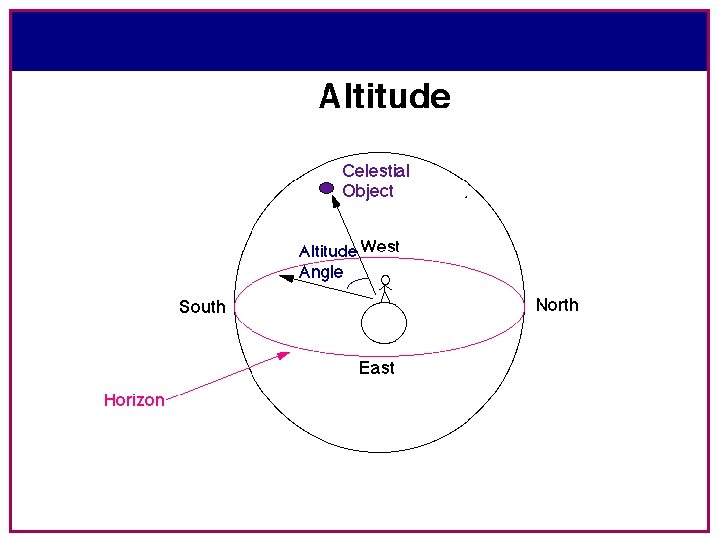
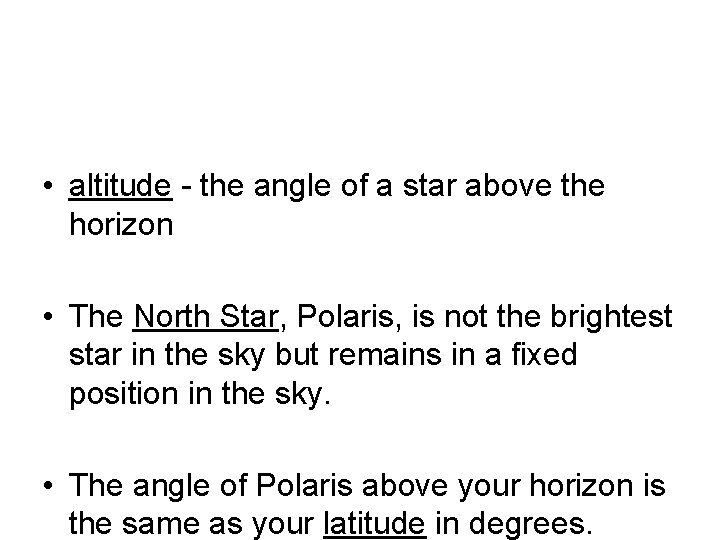
• altitude - the angle of a star above the horizon • The North Star, Polaris, is not the brightest star in the sky but remains in a fixed position in the sky. • The angle of Polaris above your horizon is the same as your latitude in degrees.
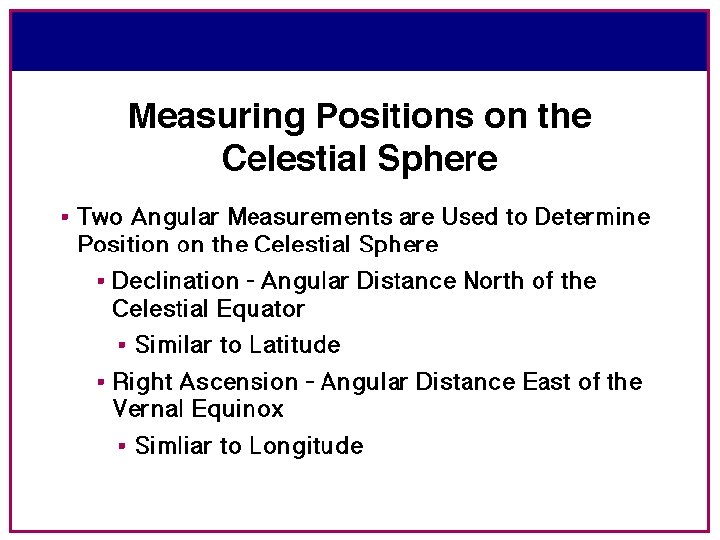
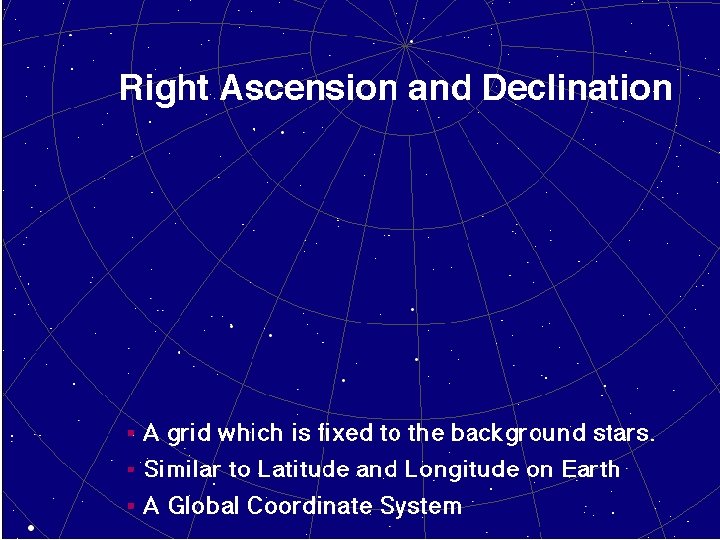
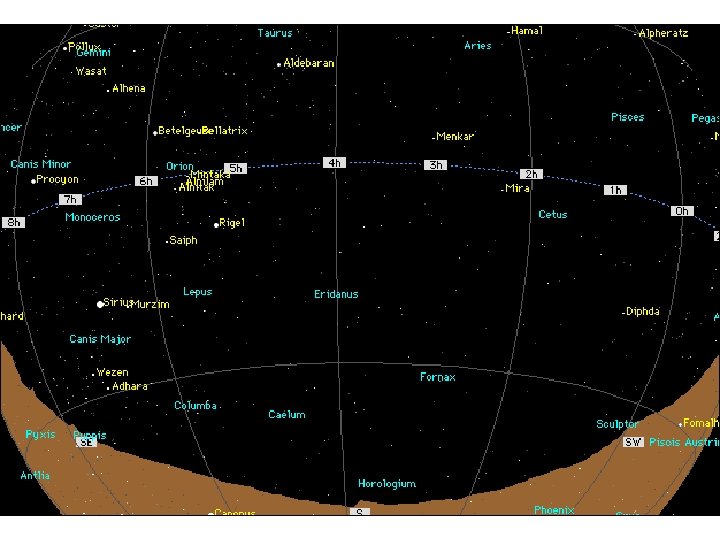
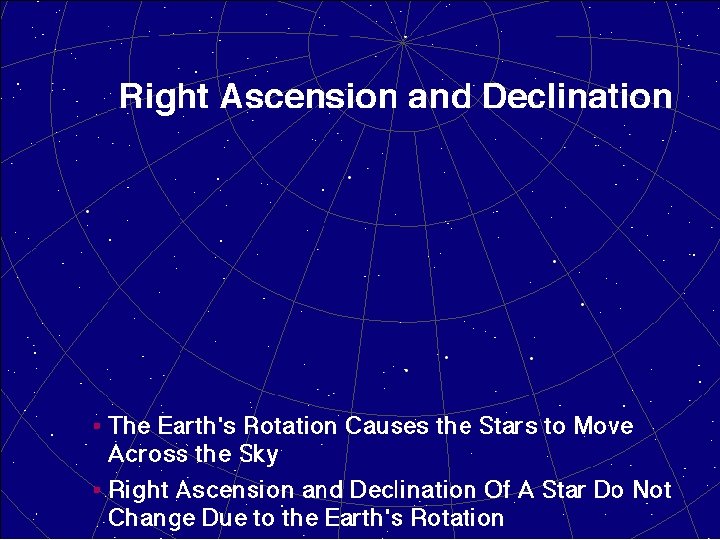
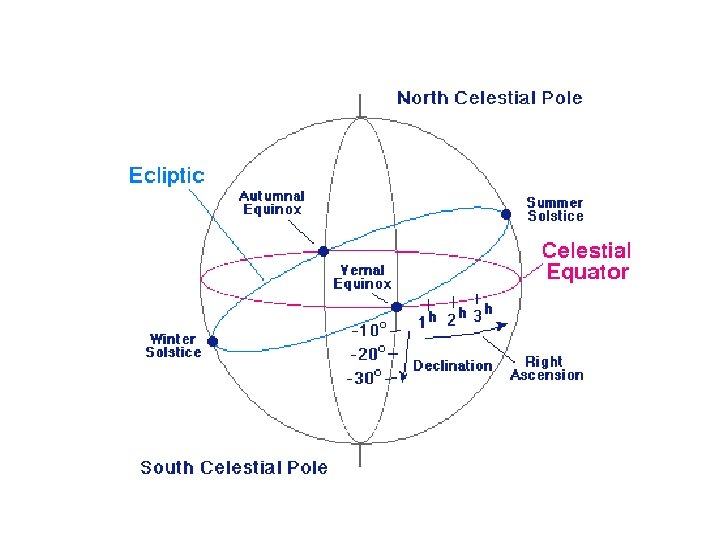
Right Ascension R. A. • Distance measured eastward along the celestial equator from zero point, called the vernal equinox • measured in hours and minutes ……. 15 hr 10 min, 23 hr, 5 min
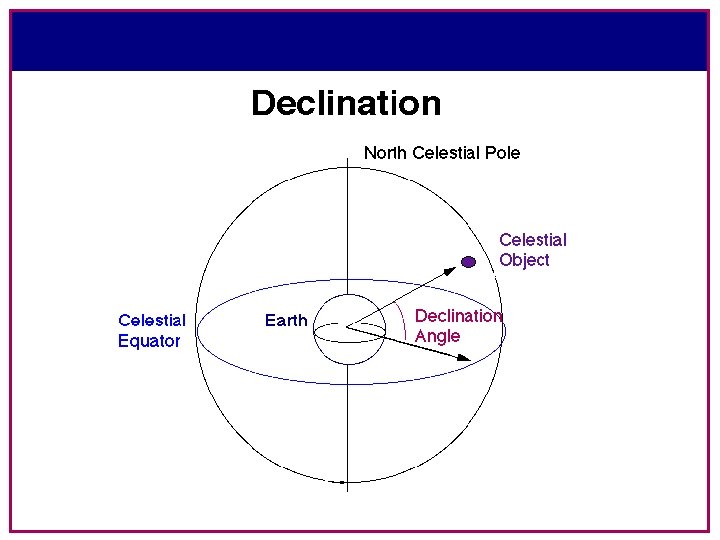
Declination Dec • Angular distance above or below the celestial equator o • measured in degrees…. 0 , 15 o, 30 o
Create own Celestial Sphere
SC 002 Star Chart • The North Star • The Big Dipper • The Little Dipper • Cassiopeia.
SC 001 • • • Star Chart Little dipper Cepheus Draco Orion Gemini Find the coordinates of Betelgeuse.
Earth and Sky Terms • • Right Ascension Declination Ecliptic Vernal Equinox Autumnal Equinox Summer Solstice Winter Solstice