
Standard Grade PE Full Course Revision Types of

- Slides: 39
Standard Grade PE Full Course Revision
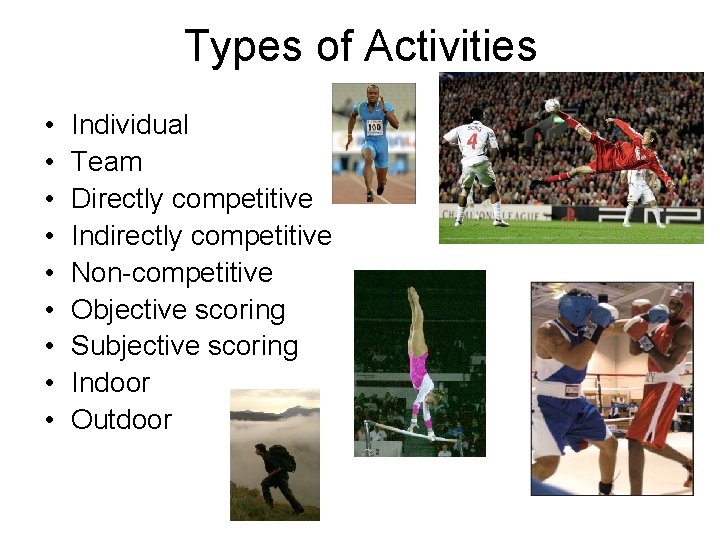
Types of Activities • • • Individual Team Directly competitive Indirectly competitive Non-competitive Objective scoring Subjective scoring Indoor Outdoor
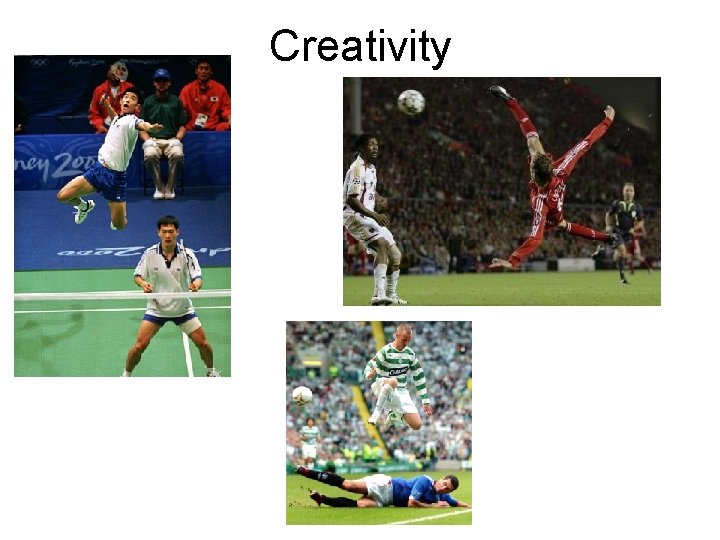
Creativity
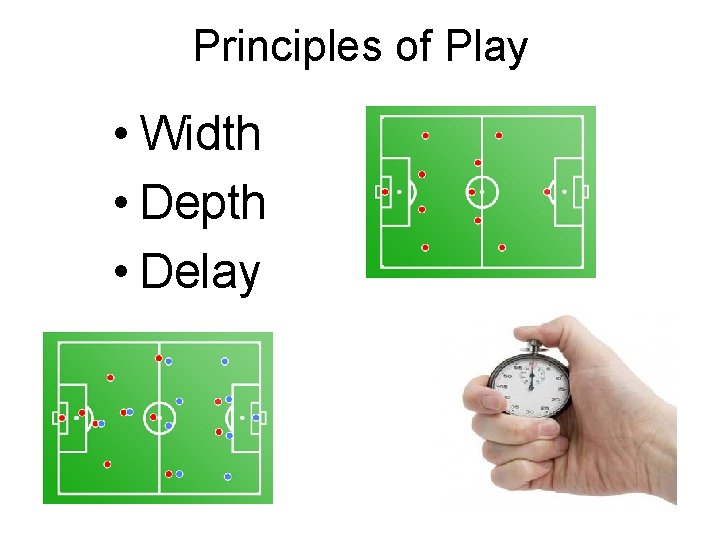
Principles of Play • Width • Depth • Delay
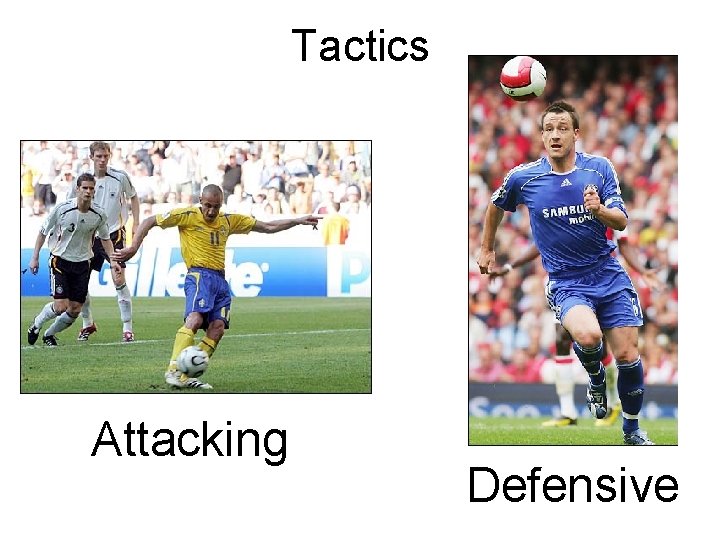
Tactics Attacking Defensive
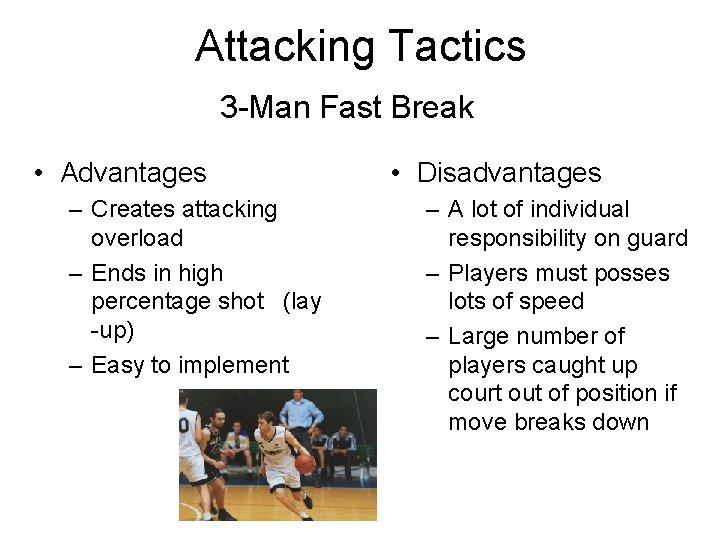
Attacking Tactics 3 -Man Fast Break • Advantages – Creates attacking overload – Ends in high percentage shot (lay -up) – Easy to implement • Disadvantages – A lot of individual responsibility on guard – Players must posses lots of speed – Large number of players caught up court out of position if move breaks down
Defensive Tactics • Zone Defence – Advantages • Difficult to break down • Less reliant of physical fitness of players – Disadvantages • Weak points at the seams of the zones • Difficult to implement effectively • Man-to-man Defence – Advantages • Easy to implement • High success rate when implemented effectively – Disadvantages • Heavily reliant on players’ fitness levels • High individual positional responsibility
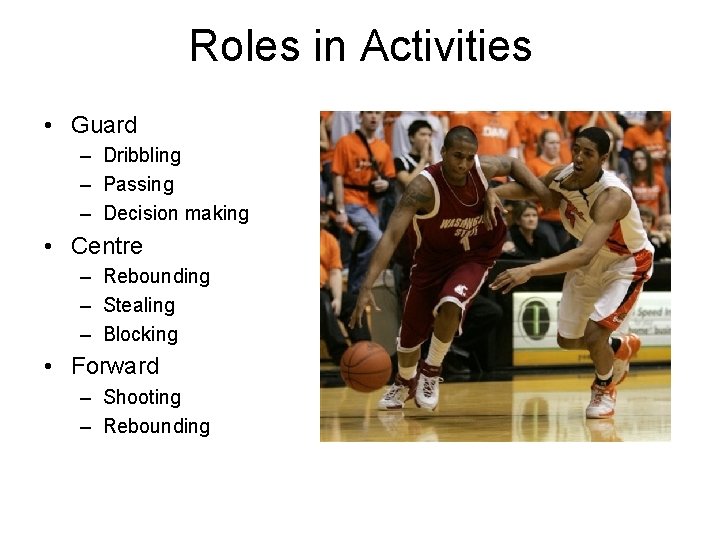
Roles in Activities • Guard – Dribbling – Passing – Decision making • Centre – Rebounding – Stealing – Blocking • Forward – Shooting – Rebounding
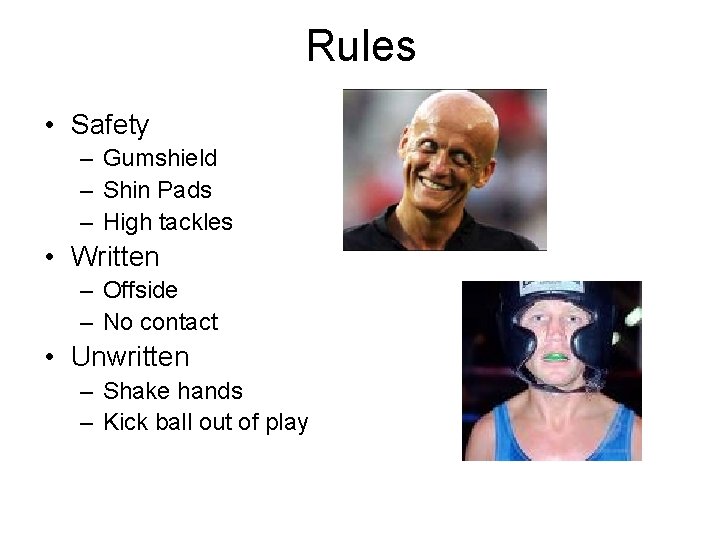
Rules • Safety – Gumshield – Shin Pads – High tackles • Written – Offside – No contact • Unwritten – Shake hands – Kick ball out of play
Roles & Responsibilities • Roles – – – – Performer Feeder Referee Line judge Coach Provide feedback Physio • Responsibilities – Playing – Provide accurate consistent feeds – Oversee match and make unbiased decisions – Provide accurate decisions on extremities of area – Pick formation and rain players – Maintain skill improvement and motivation – Provide medical assistance
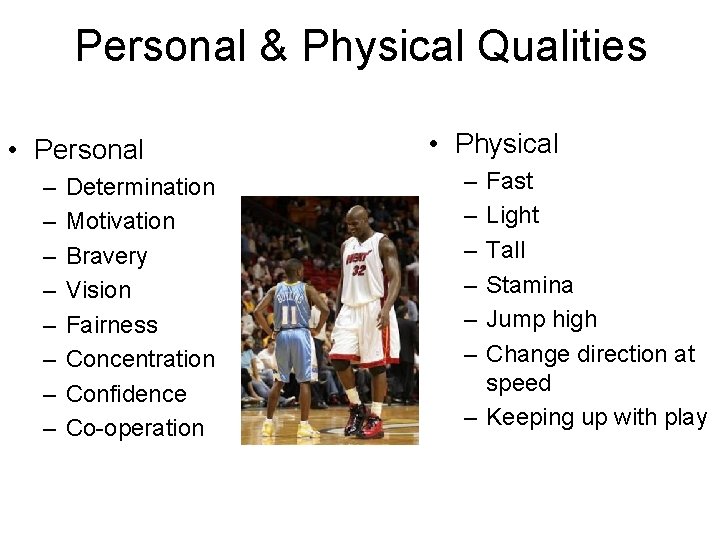
Personal & Physical Qualities • Personal – – – – Determination Motivation Bravery Vision Fairness Concentration Confidence Co-operation • Physical – – – Fast Light Tall Stamina Jump high Change direction at speed – Keeping up with play
Adapting Activities • N. E. R. D. S. – – – Number of players Equipment Rules Duration Size of playing area
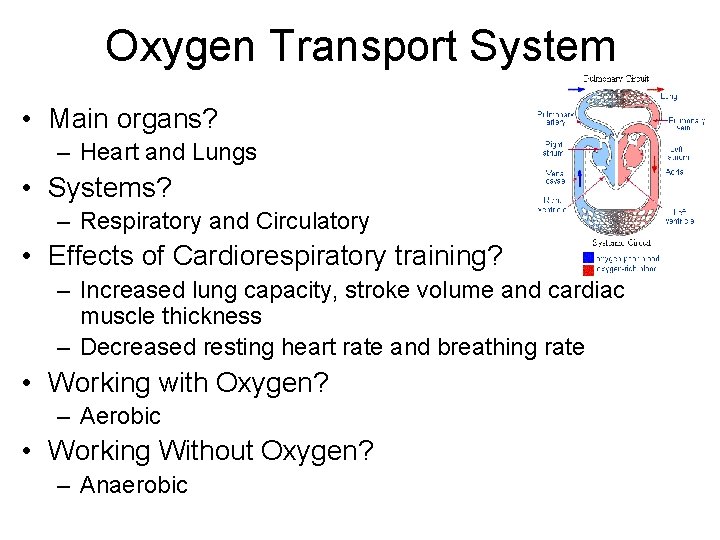
Oxygen Transport System • Main organs? – Heart and Lungs • Systems? – Respiratory and Circulatory • Effects of Cardiorespiratory training? – Increased lung capacity, stroke volume and cardiac muscle thickness – Decreased resting heart rate and breathing rate • Working with Oxygen? – Aerobic • Working Without Oxygen? – Anaerobic
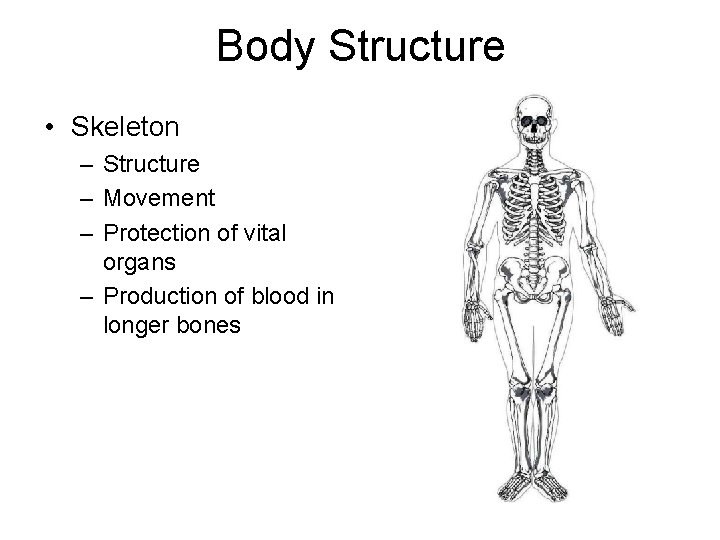
Body Structure • Skeleton – Structure – Movement – Protection of vital organs – Production of blood in longer bones
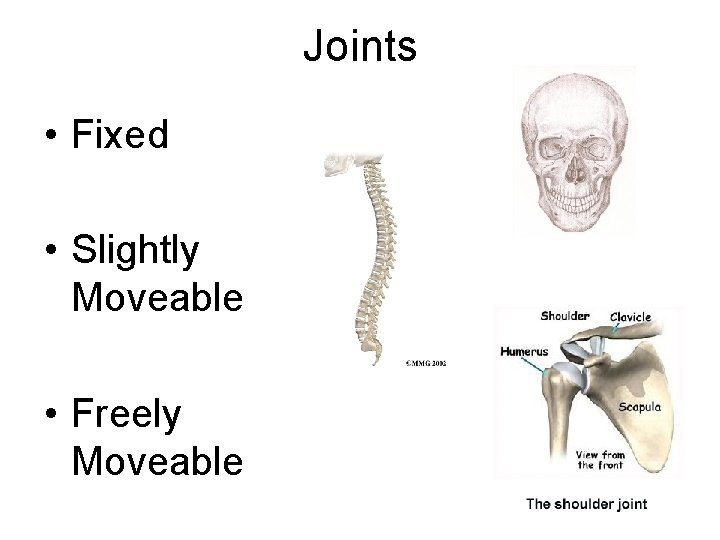
Joints • Fixed • Slightly Moveable • Freely Moveable
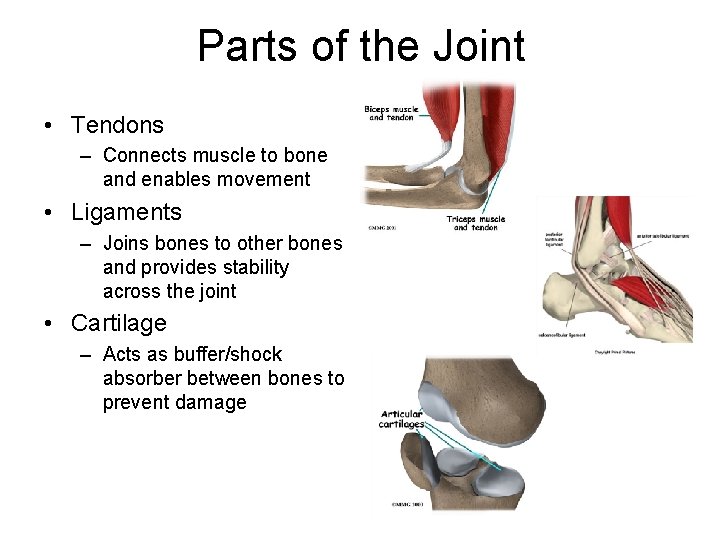
Parts of the Joint • Tendons – Connects muscle to bone and enables movement • Ligaments – Joins bones to other bones and provides stability across the joint • Cartilage – Acts as buffer/shock absorber between bones to prevent damage
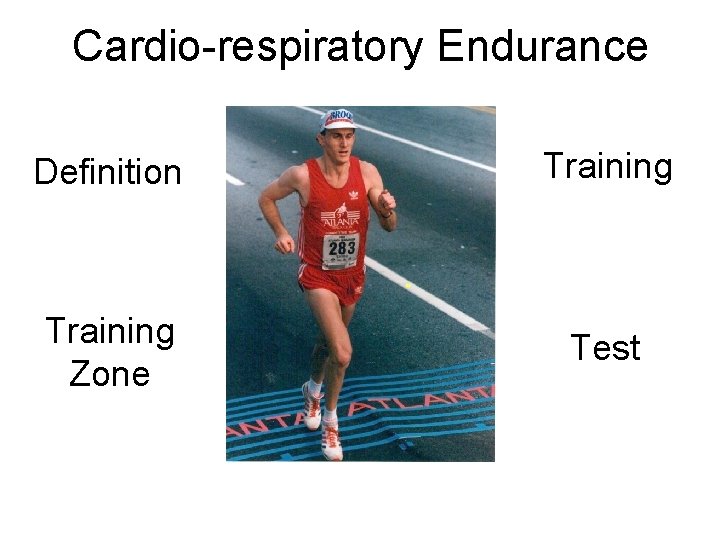
Cardio-respiratory Endurance Definition Training Zone Test
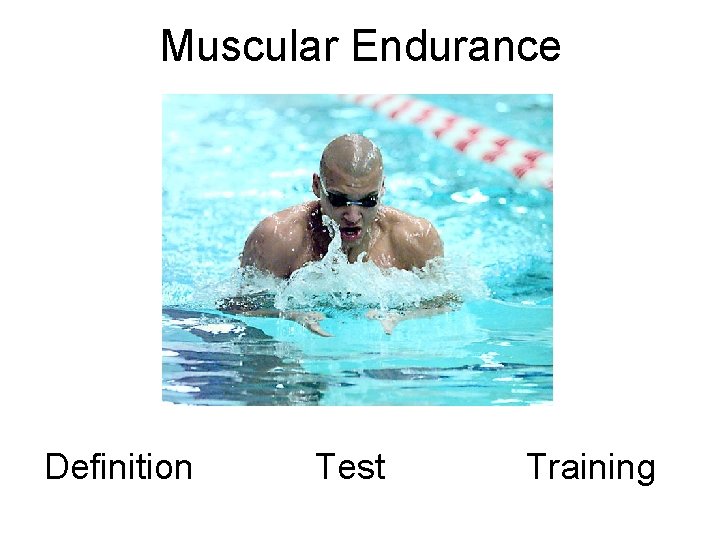
Muscular Endurance Definition Test Training
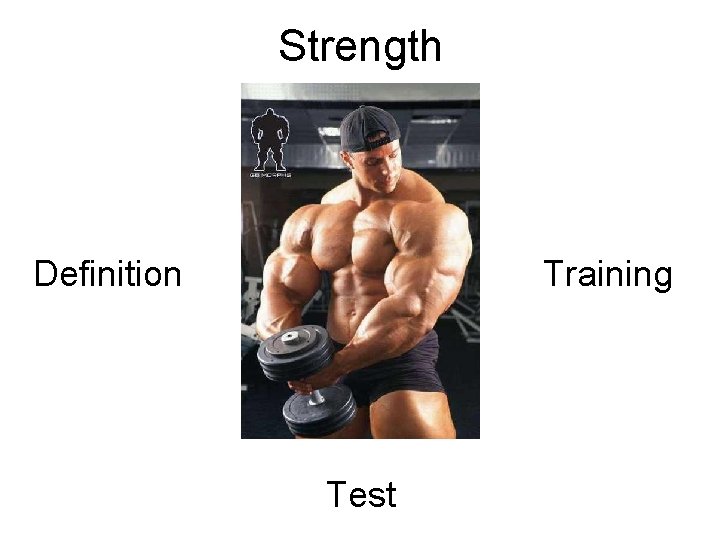
Strength Definition Training Test
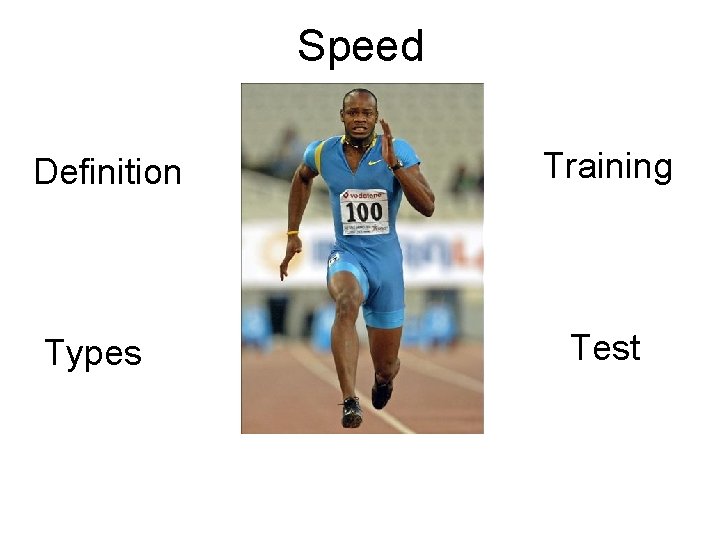
Speed Definition Types Training Test
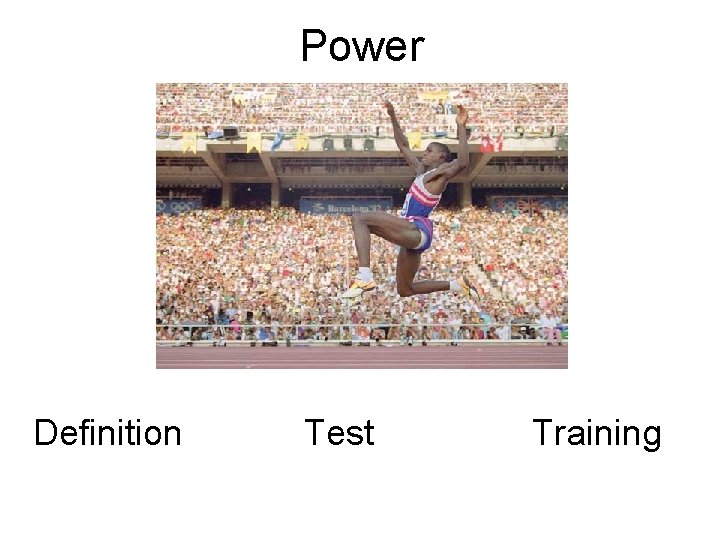
Power Definition Test Training
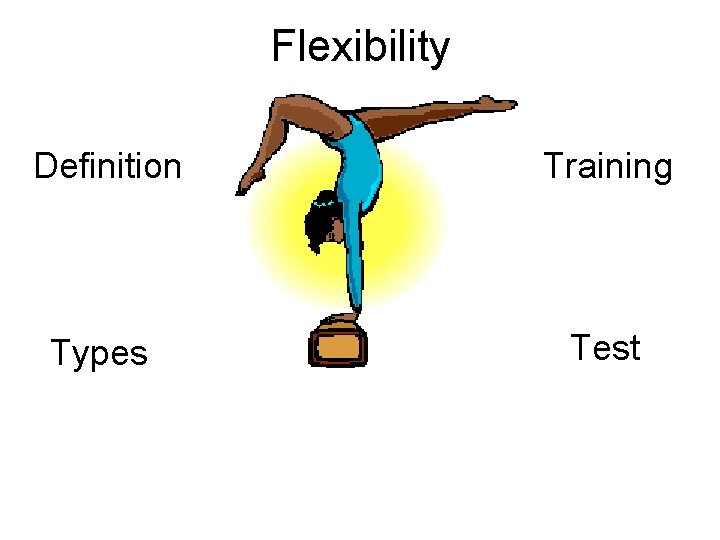
Flexibility Definition Training Types Test
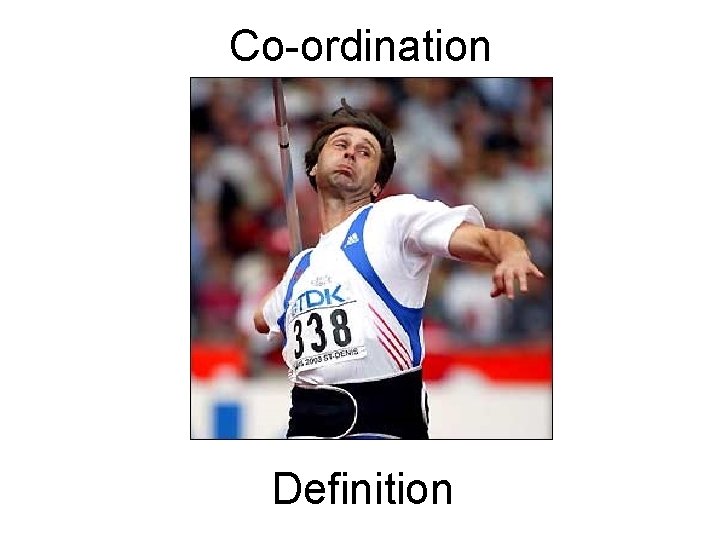
Co-ordination Definition
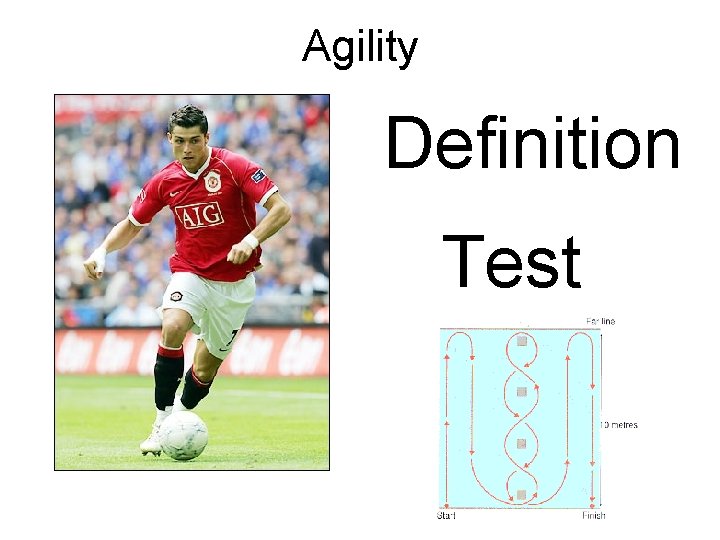
Agility Definition Test
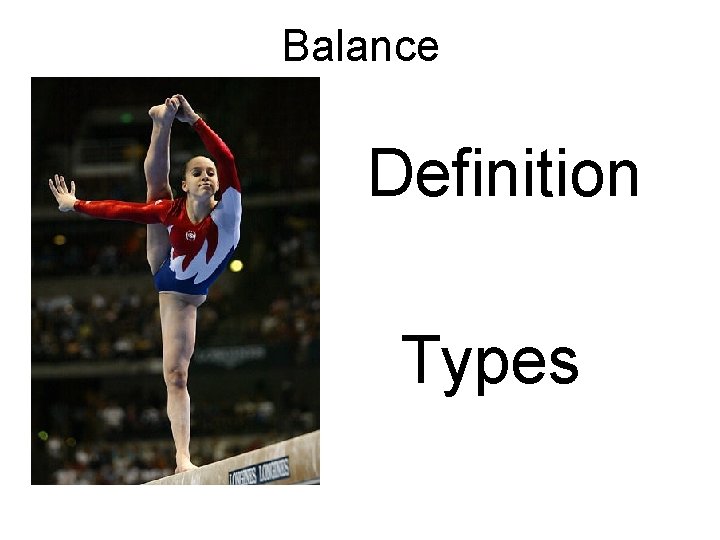
Balance Definition Types
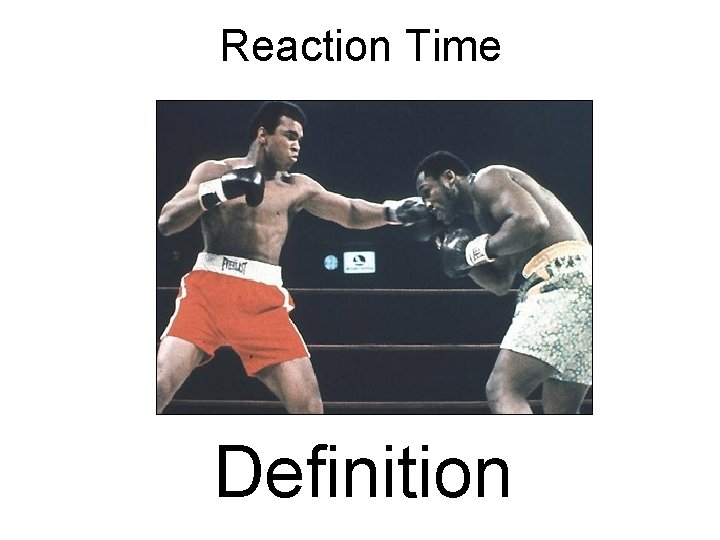
Reaction Time Definition
Mental-Related Fitness Concentration Confidence Motivation
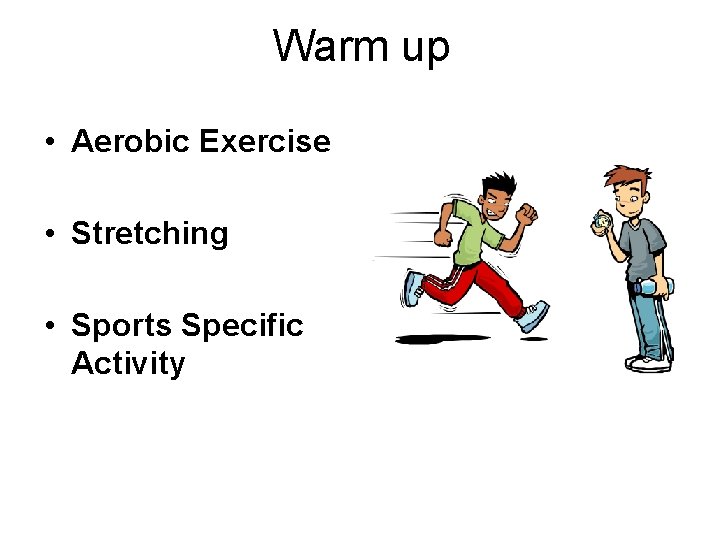
Warm up • Aerobic Exercise • Stretching • Sports Specific Activity
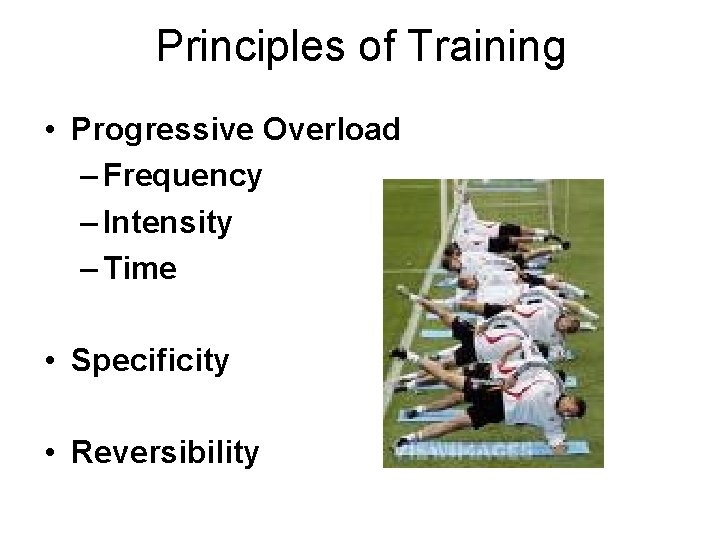
Principles of Training • Progressive Overload – Frequency – Intensity – Time • Specificity • Reversibility
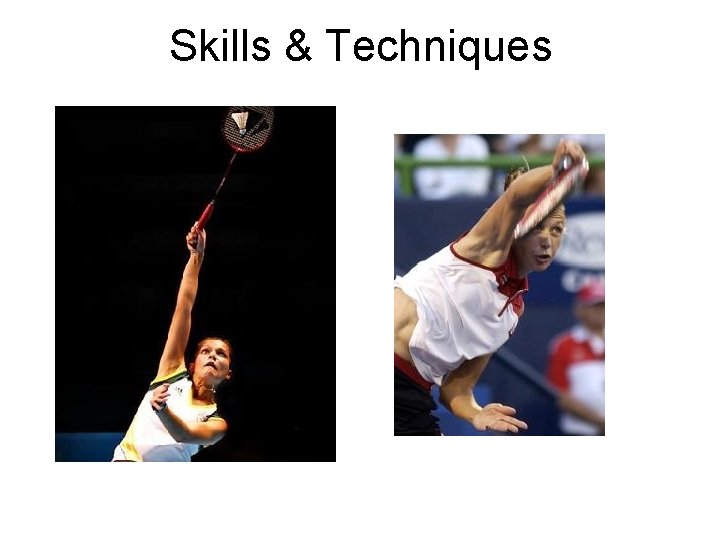
Skills & Techniques
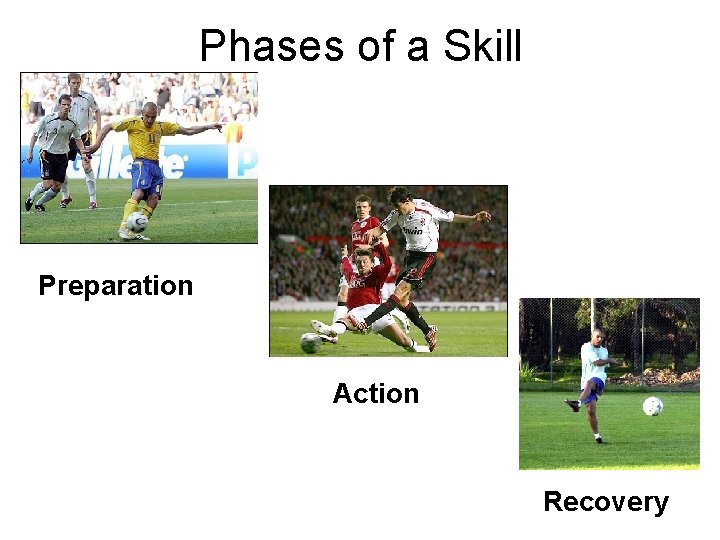
Phases of a Skill Preparation Action Recovery
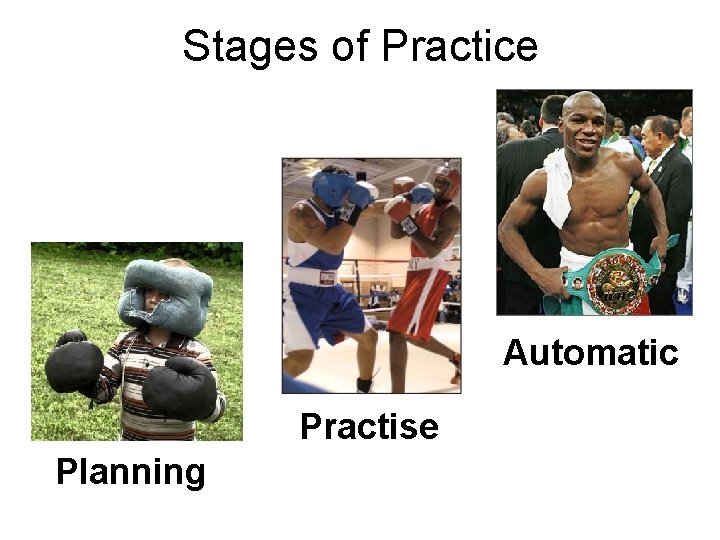
Stages of Practice Automatic Practise Planning
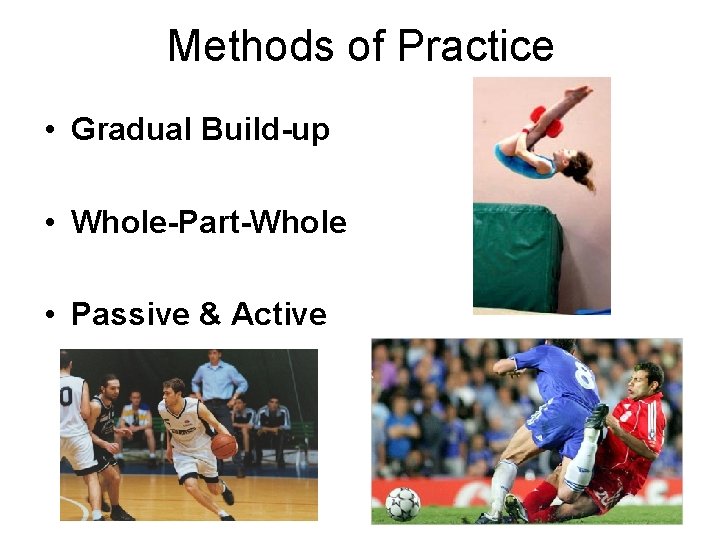
Methods of Practice • Gradual Build-up • Whole-Part-Whole • Passive & Active
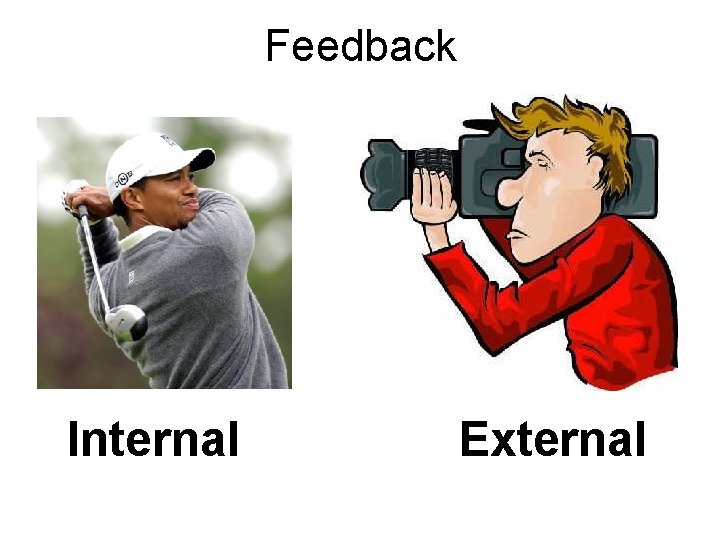
Feedback Internal External
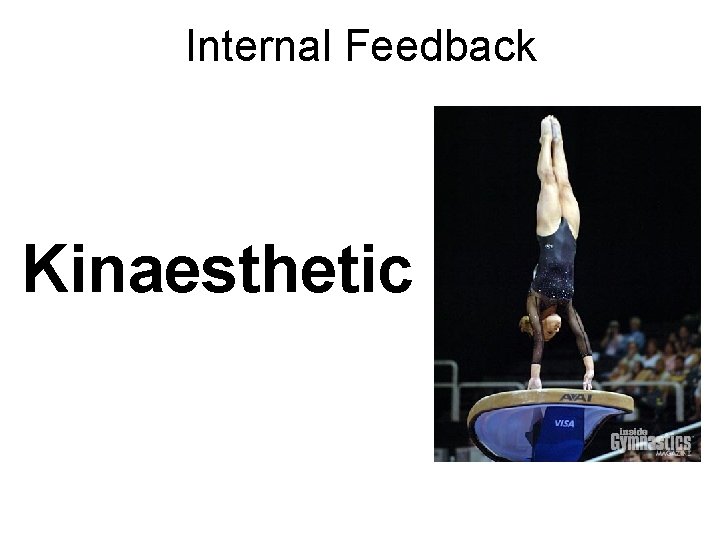
Internal Feedback Kinaesthetic
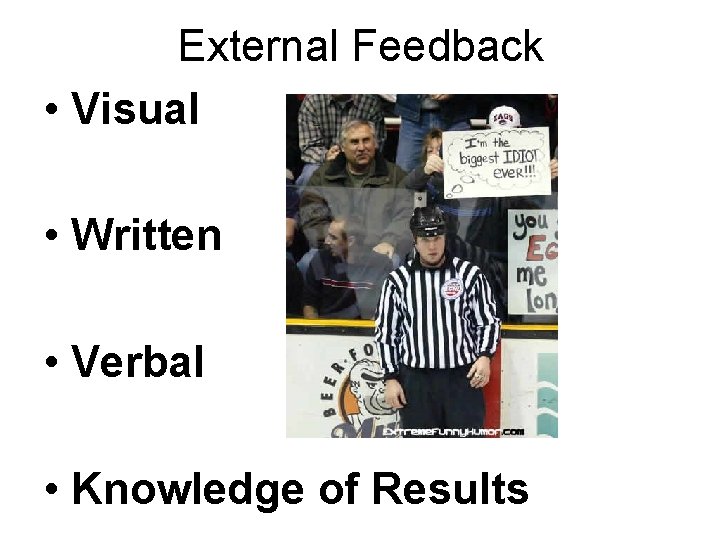
External Feedback • Visual • Written • Verbal • Knowledge of Results
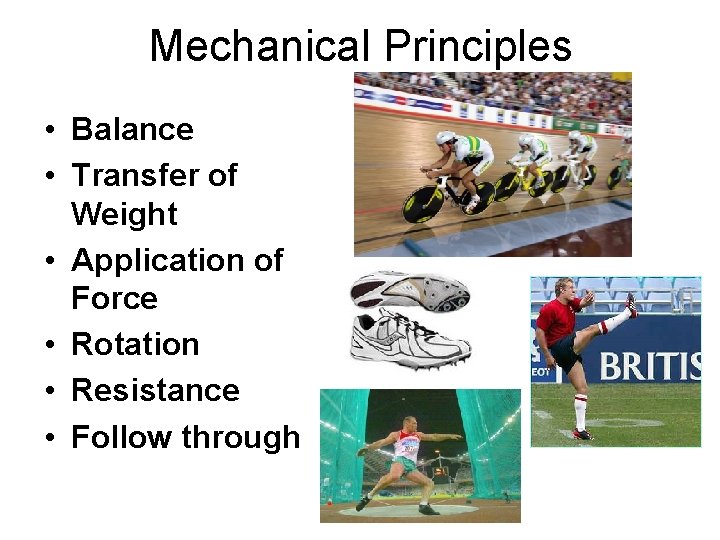
Mechanical Principles • Balance • Transfer of Weight • Application of Force • Rotation • Resistance • Follow through
Exam Time!