
SPORTS NUTRITION Katrina Brosan Dietetic Intern Utah State
SPORTS NUTRITION Katrina Brosan Dietetic Intern Utah State University
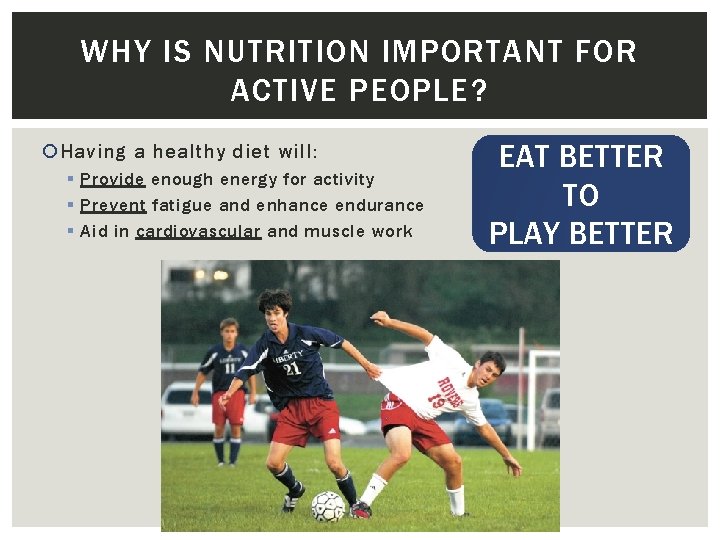
WHY IS NUTRITION IMPORTANT FOR ACTIVE PEOPLE? Having a healthy diet will: § Provide enough energy for activity § Prevent fatigue and enhance endurance § Aid in cardiovascular and muscle work EAT BETTER TO PLAY BETTER
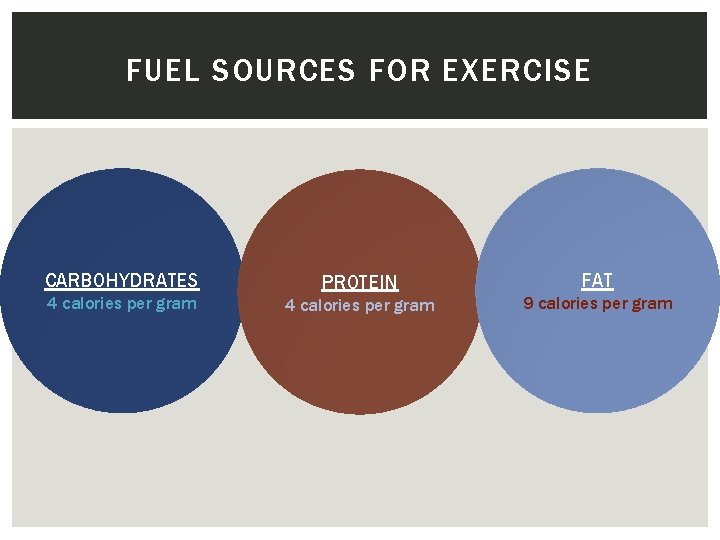
FUEL SOURCES FOR EXERCISE CARBOHYDRATES PROTEIN FAT 4 calories per gram 9 calories per gram
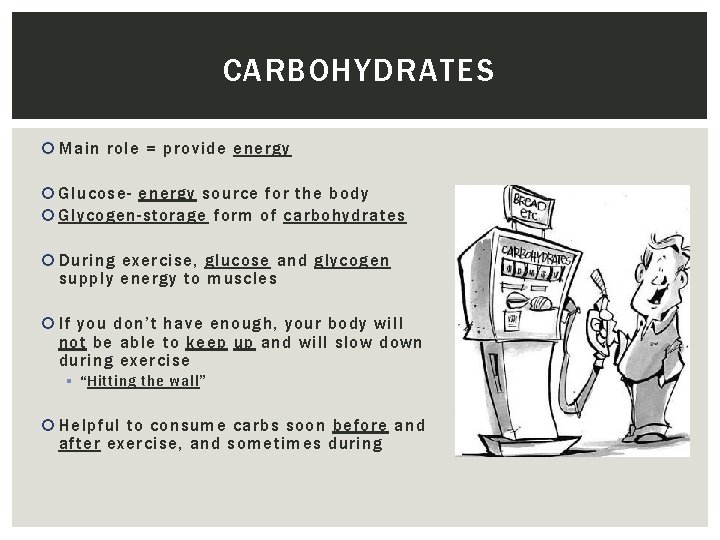
CARBOHYDRATES Main role = provide energy Glucose- energy source for the body Glycogen-storage form of carbohydrates During exercise, glucose and glycogen supply energy to muscles If you don’t have enough, your body will not be able to keep up and will slow down during exercise § “Hitting the wall” Helpful to consume carbs soon before and after exercise, and sometimes during
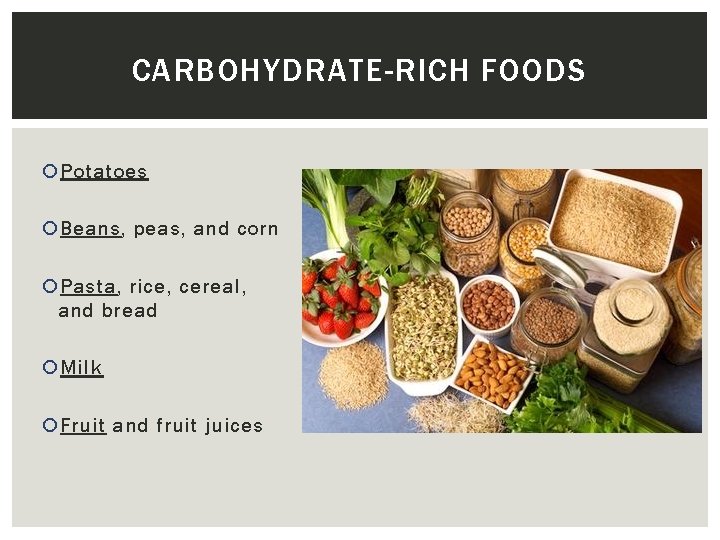
CARBOHYDRATE-RICH FOODS Potatoes Beans, peas, and corn Pasta, rice, cereal, and bread Milk Fruit and fruit juices
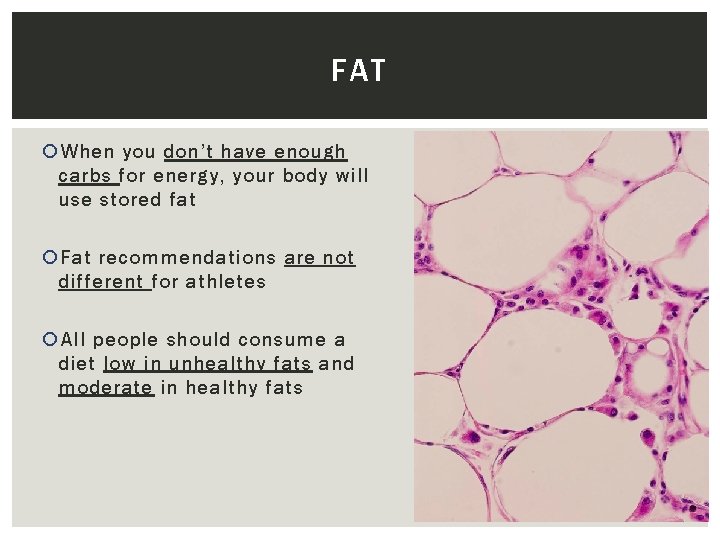
FAT When you don’t have enough carbs for energy, your body will use stored fat Fat recommendations are not different for athletes All people should consume a diet low in unhealthy fats and moderate in healthy fats
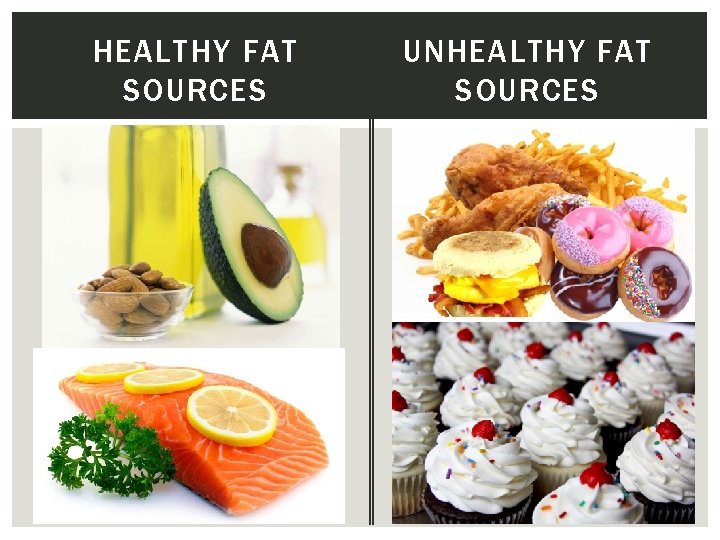
HEALTHY FAT SOURCES UNHEALTHY FAT SOURCES
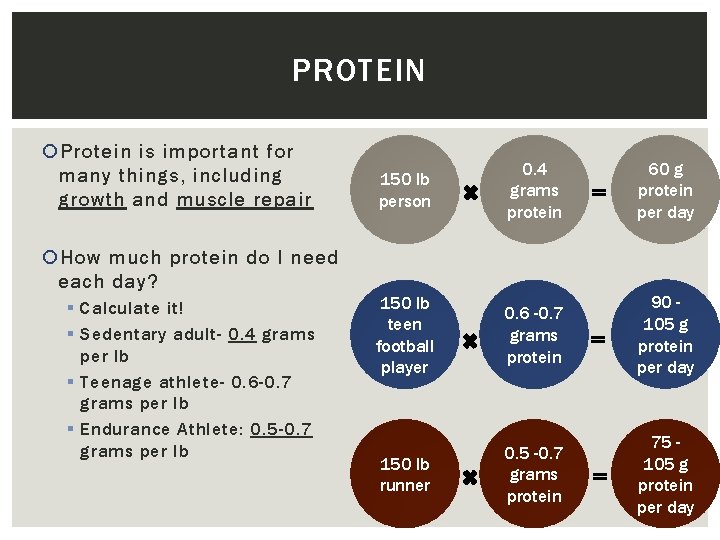
PROTEIN Protein is important for many things, including growth and muscle repair How much protein do I need each day? § Calculate it! § Sedentary adult- 0. 4 grams per lb § Teenage athlete- 0. 6 -0. 7 grams per lb § Endurance Athlete: 0. 5 -0. 7 grams per lb 150 lb person 0. 4 grams protein 150 lb teen football player 0. 6 -0. 7 grams protein 150 lb runner 0. 5 -0. 7 grams protein = 60 g protein per day = 90 105 g protein per day = 75 105 g protein per day
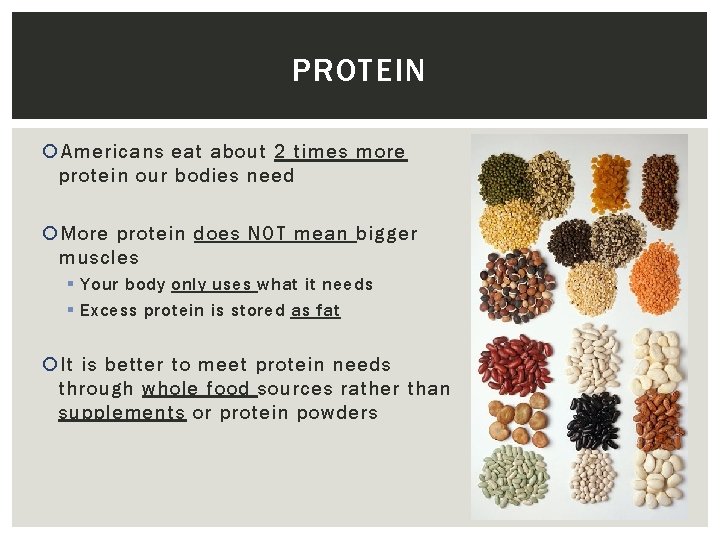
PROTEIN Americans eat about 2 times more protein our bodies need More protein does NOT mean bigger muscles § Your body only uses what it needs § Excess protein is stored as fat It is better to meet protein needs through whole food sources rather than supplements or protein powders
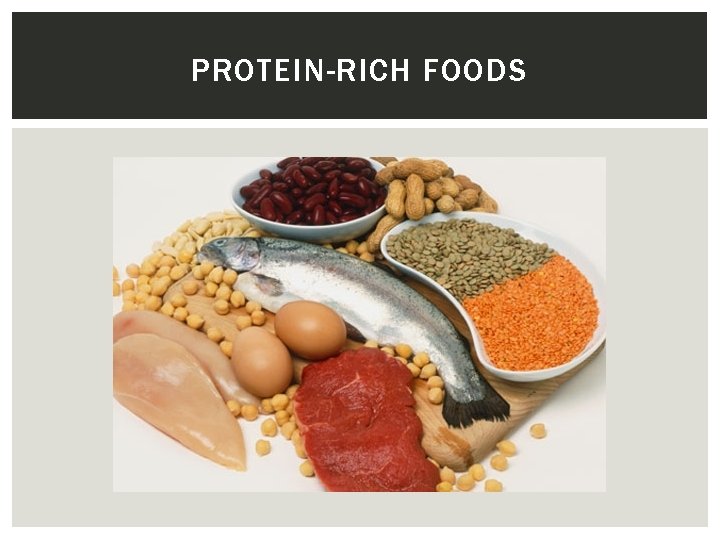
PROTEIN-RICH FOODS
WATER: THE MOST IMPORTANT FACTOR Without adequate fluid, the body is unable to perform basic functions Minimum of 6 -8 cups of water per day Not enough water = dehydration poor athletic performance
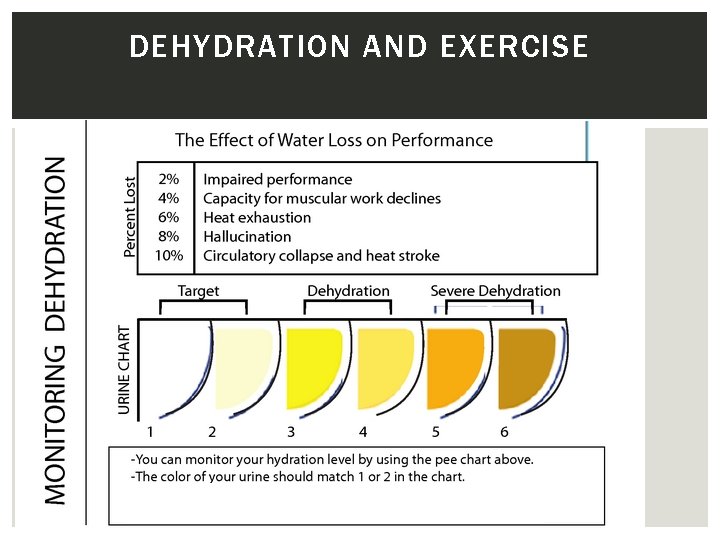
DEHYDRATION AND EXERCISE
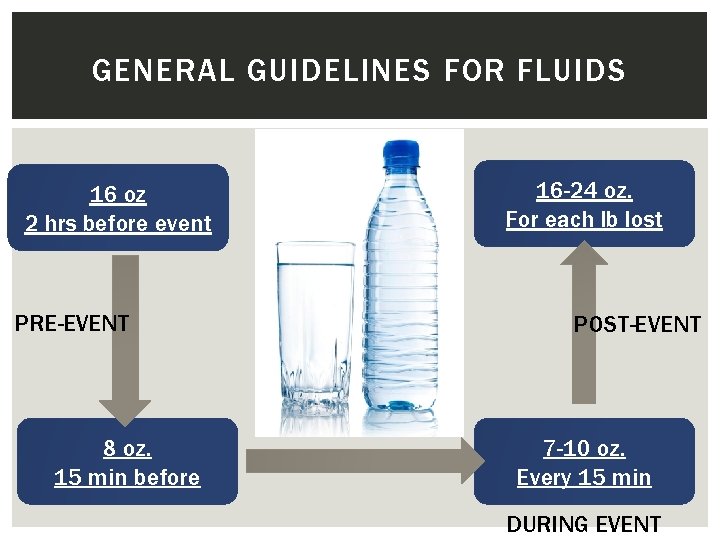
GENERAL GUIDELINES FOR FLUIDS 16 oz 2 hrs before event PRE-EVENT 8 oz. 15 min before 16 -24 oz. For each lb lost POST-EVENT 7 -10 oz. Every 15 min DURING EVENT
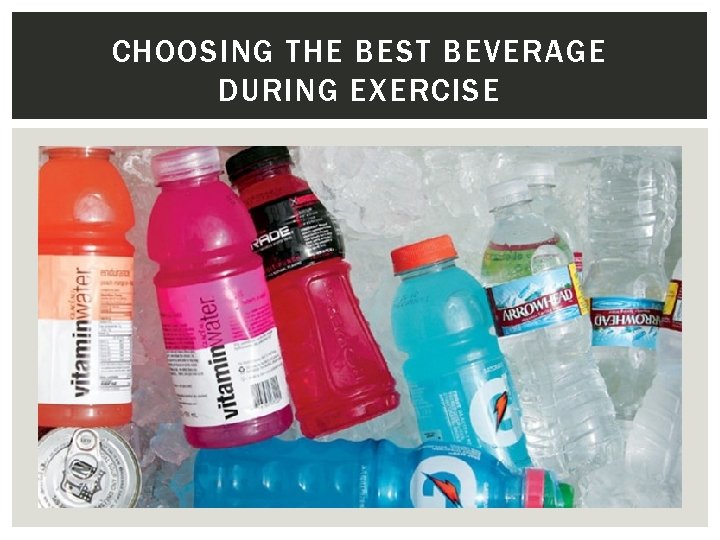
CHOOSING THE BEST BEVERAGE DURING EXERCISE
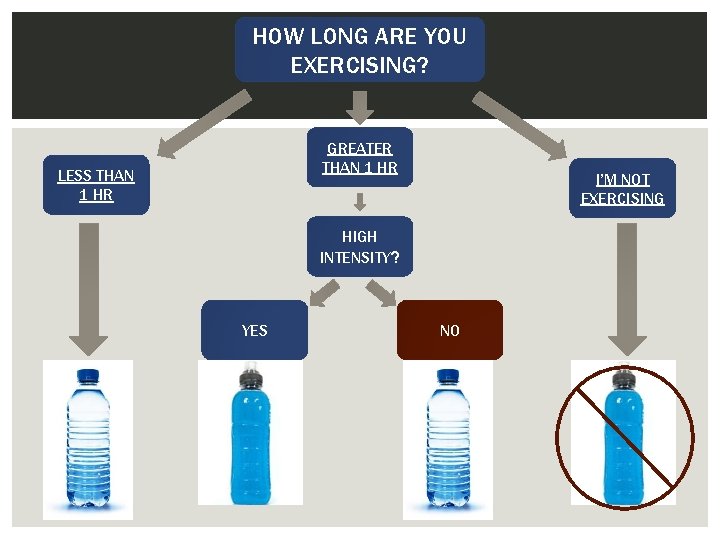
HOW LONG ARE YOU EXERCISING? GREATER THAN 1 HR LESS THAN 1 HR I’M NOT EXERCISING HIGH INTENSITY? YES NO

RECOMMENDED SPORTS DRINKS

LOW-CALORIE OR ZERO CALORIE SPORTS DRINKS Replaces electrolytes, but not carbs STICK TO WATER

NOT RECOMMENDED SPORTS DRINKS
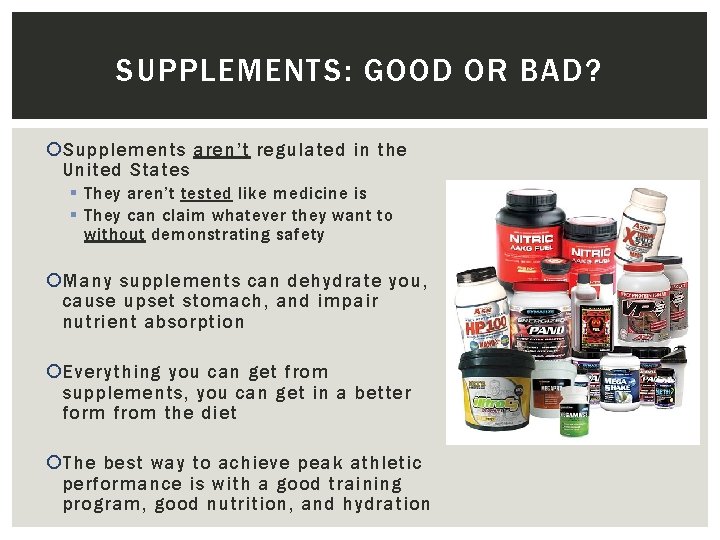
SUPPLEMENTS: GOOD OR BAD? Supplements aren’t regulated in the United States § They aren’t tested like medicine is § They can claim whatever they want to without demonstrating safety Many supplements can dehydrate you, cause upset stomach, and impair nutrient absorption Everything you can get from supplements, you can get in a better form from the diet The best way to achieve peak athletic performance is with a good training program, good nutrition, and hydration
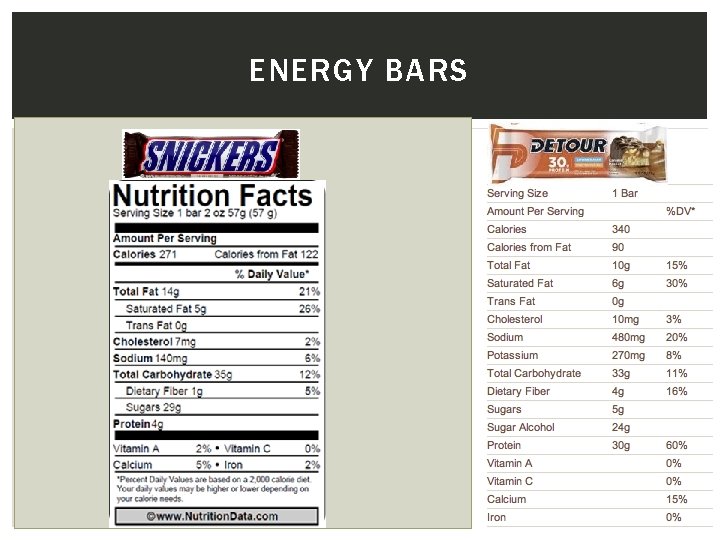
ENERGY BARS Often provide only simple carbs§ will give you a burst of energy and then will run out Can be counterproductive§ high calorie/high fat bars may have more calories than you are burning off Vitamins and Minerals§ B 6 may give you some immediate energy, but other vitamins and minerals that are advertised will not impact your workout § More of an advertising strategy so you buy them Energy bars vs. Fruit§ fruit is a good source of complex and simple carbohydrates, is easily digestible, and has many vitamins and minerals that are easily absorbed § Choose fruit to fuel your workout instead of energy bars
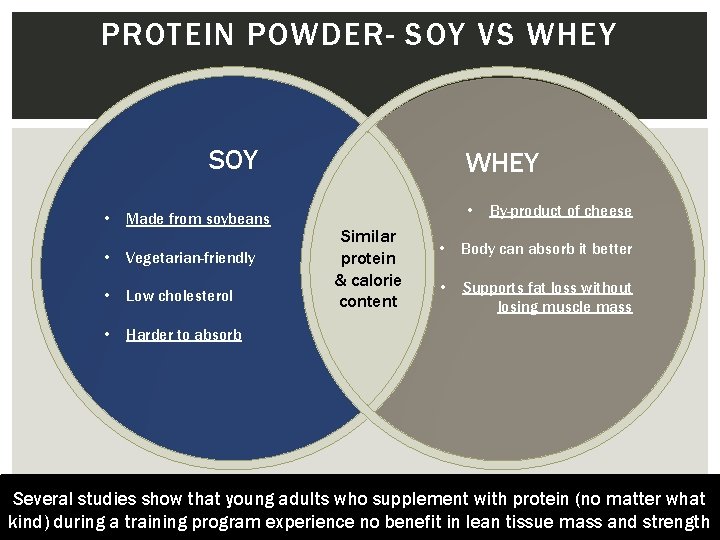
PROTEIN POWDER- SOY VS WHEY SOY • Made from soybeans • Vegetarian-friendly • Low cholesterol • Harder to absorb WHEY • Similar protein & calorie content By-product of cheese • Body can absorb it better • Supports fat loss without losing muscle mass Several studies show that young adults who supplement with protein (no matter what kind) during a training program experience no benefit in lean tissue mass and strength
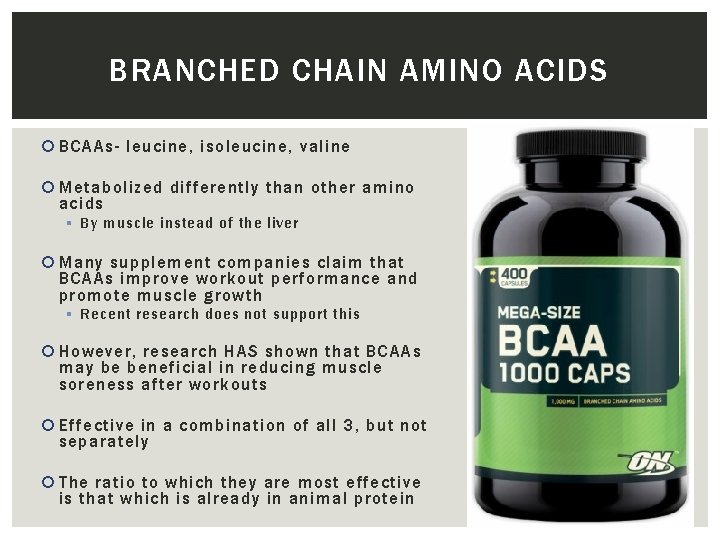
BRANCHED CHAIN AMINO ACIDS BCAAs- leucine, isoleucine, valine Metabolized differently than other amino acids § By muscle instead of the liver Many supplement companies claim that BCAAs improve workout performance and promote muscle growth § Recent research does not support this However, research HAS shown that BCAAs may be beneficial in reducing muscle soreness after workouts Effective in a combination of all 3, but not separately The ratio to which they are most effective is that which is already in animal protein
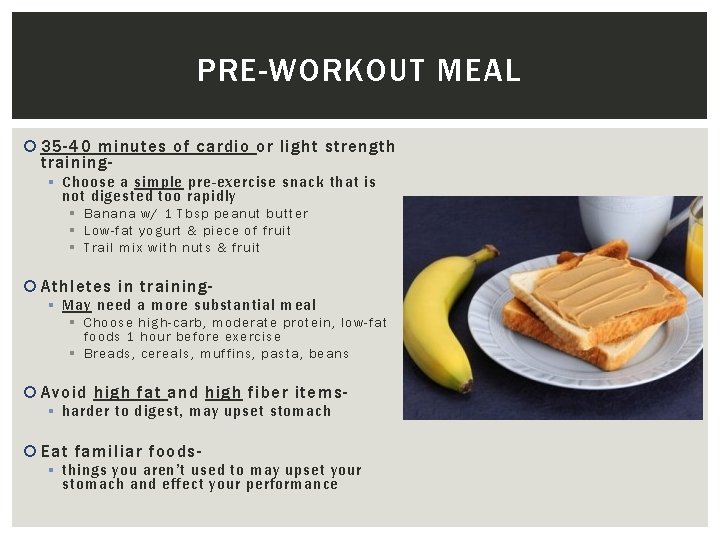
PRE-WORKOUT MEAL 35 -40 minutes of cardio or light strength training§ Choose a simple pre-exercise snack that is not digested too rapidly § Banana w/ 1 Tbsp peanut butter § Low-fat yogurt & piece of fruit § Trail mix with nuts & fruit Athletes in training§ May need a more substantial meal § Choose high-carb, moderate protein, low-fat foods 1 hour before exercise § Breads, cereals, muffins, pasta, beans Avoid high fat and high fiber items§ harder to digest, may upset stomach Eat familiar foods§ things you aren’t used to may upset your stomach and effect your performance
POST-WORKOUT MEAL For recreational exercisers, overall good nutrition will replenish carb stores and aid in recovery For training and endurance athletes, you must replenish carbs and electrolytes after you exercise § Carbohydrates§ 8 fl oz. orange juice + two slices of bread § Cereal with milk and a banana § Sports drinks § Electrolytes§ yogurt, orange juice, bananas, cereals, breads, sports drinks Everyone should replete fluid! PROTEIN Do you notice anything that is not listed? Protein is NOT necessary for recovery immediately after exercise
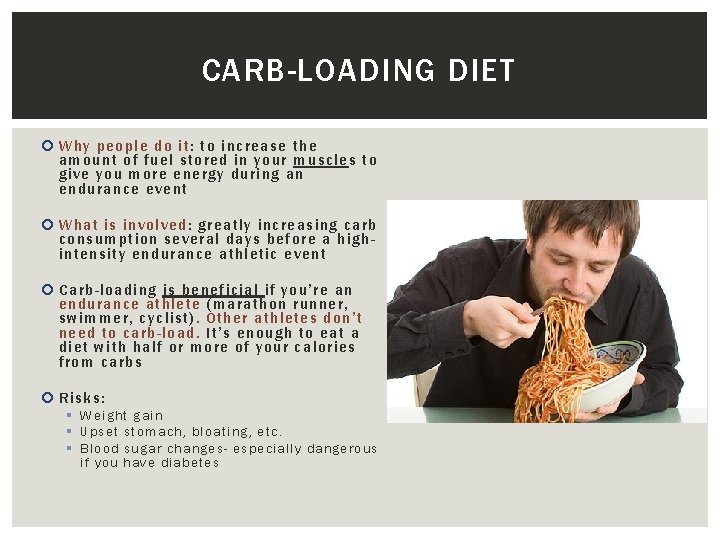
CARB-LOADING DIET Why pe ople do it : to increase the am oun t o f fue l store d in your muscle s to gi ve y ou more e ne rgy dur ing an enduran ce eve nt What is involve d : greatly incr easing carb consum ption se veral days before a highin te nsit y e ndurance athletic event Carb-lo ading is be ne ficial if you’re an enduran ce athle te (marat hon r unner, swimm er, cyclist). Other athletes don’t need to carb-load. It’s enou gh to eat a die t wit h half or more of y ou r calories from carbs Risk s: § Weight gain § Upset stomach, bloating, etc. § Blood sugar changes- especially dangerous if you have diabetes
TRUE OR FALSE For an athlete to meet their protein needs, they need meat in their diet FALSE
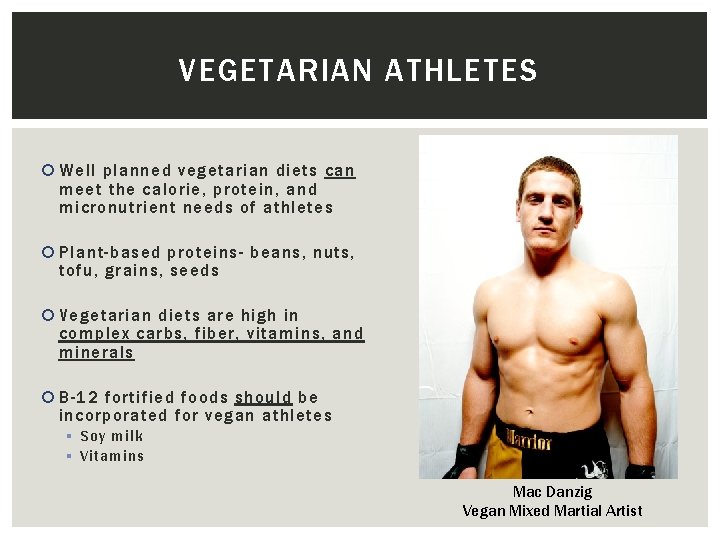
VEGETARIAN ATHLETES Well planned vegetarian diets can meet the calorie, protein, and micronutrient needs of athletes Plant-based proteins- beans, nuts, tofu, grains, seeds Vegetarian diets are high in complex carbs, fiber, vitamins, and minerals B-12 fortified foods should be incorporated for vegan athletes § Soy milk § Vitamins Mac Danzig Vegan Mixed Martial Artist
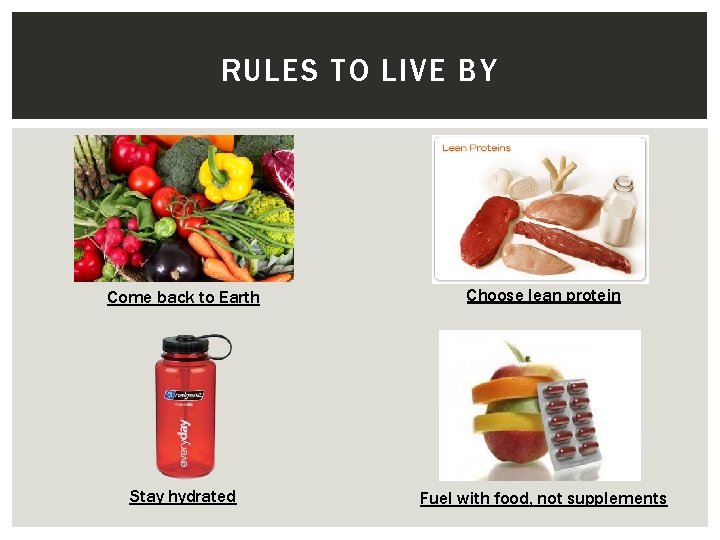
RULES TO LIVE BY Come back to Earth Choose lean protein Stay hydrated Fuel with food, not supplements

THANKS! QUESTIONS?
- Slides: 29