
Sponge Reproduction Asexual Budding Fragmentation Gemmule formation internal
Sponge Reproduction • Asexual – Budding – Fragmentation – Gemmule formation (internal buds)
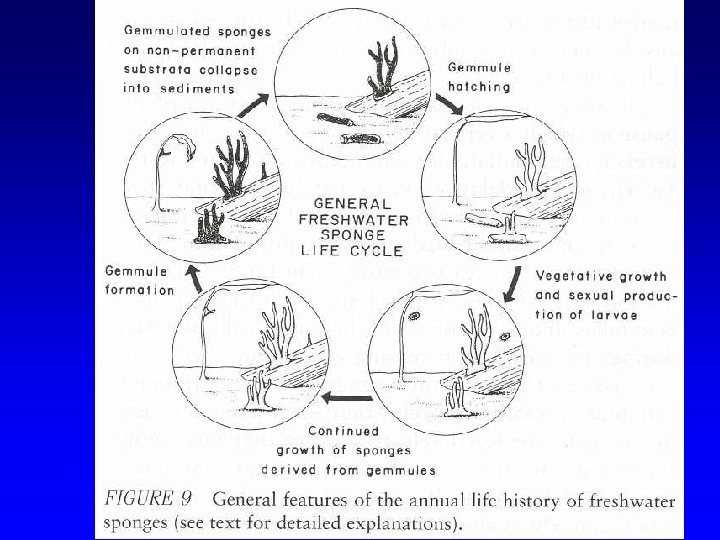
Gemmules • Large mass of archaeocytes (amoebocytes) • Formed during harsh conditions • Environmentally resistant • When ready, archaeocytes are released form new sponges.
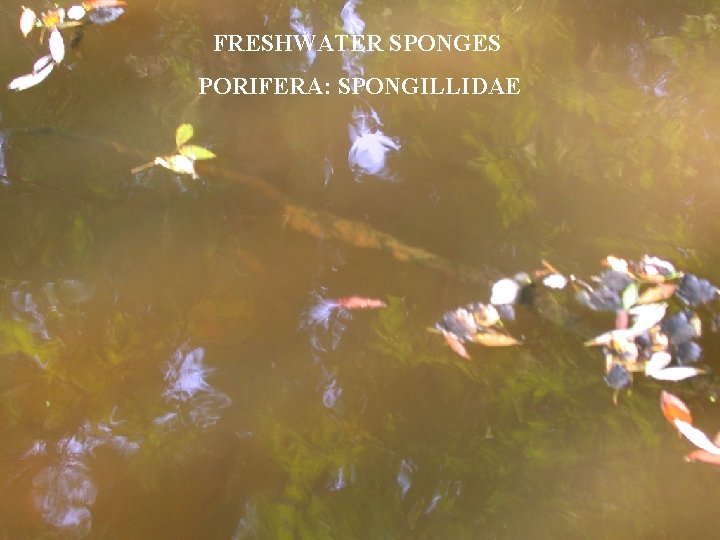
FRESHWATER SPONGES PORIFERA: SPONGILLIDAE
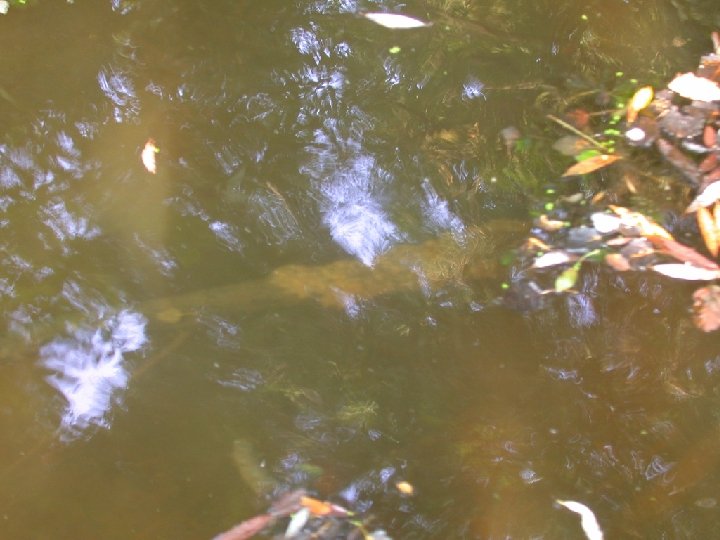
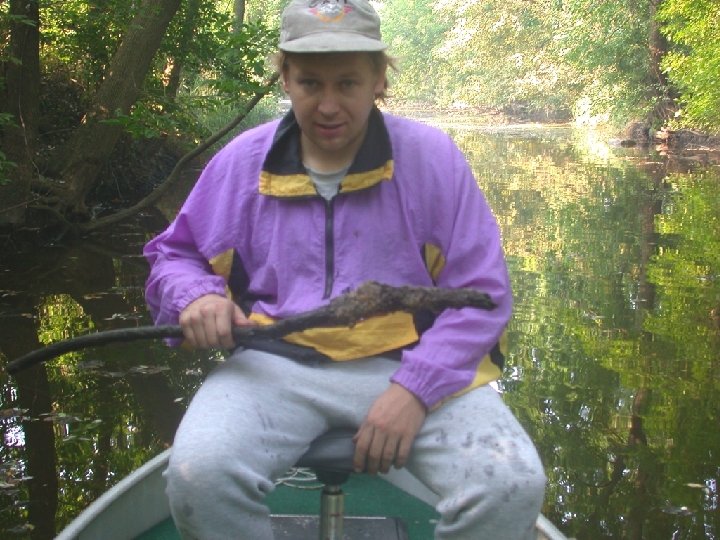
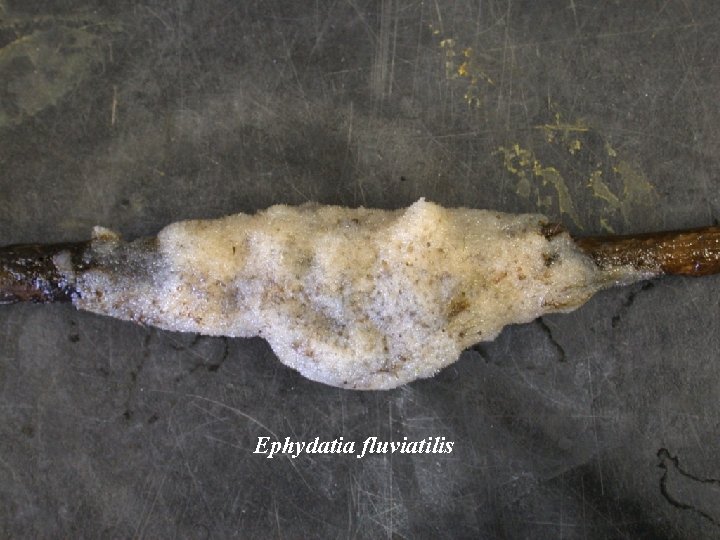
Ephydatia fluviatilis
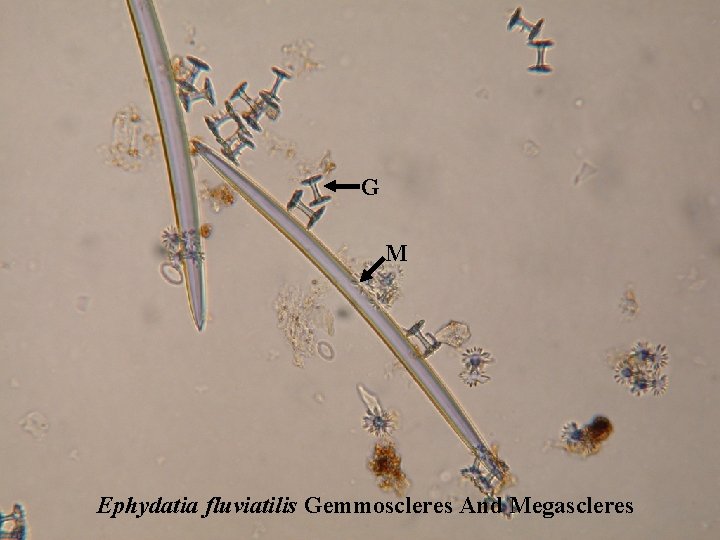
G M Ephydatia fluviatilis Gemmoscleres And Megascleres
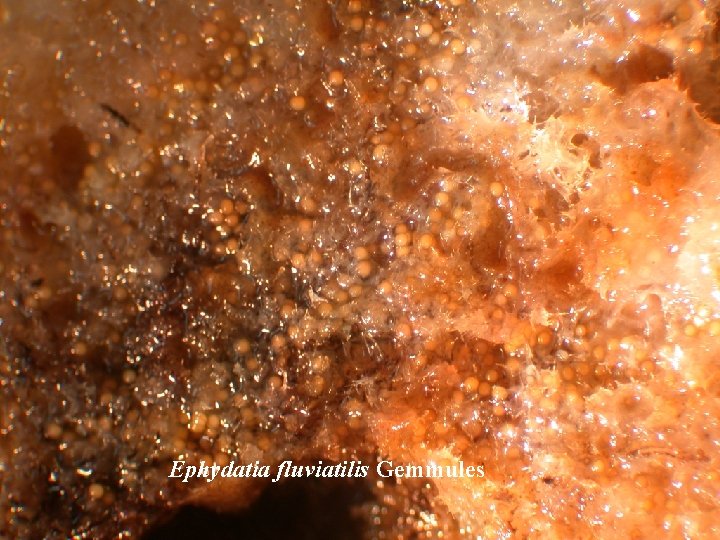
Ephydatia fluviatilis Gemmules
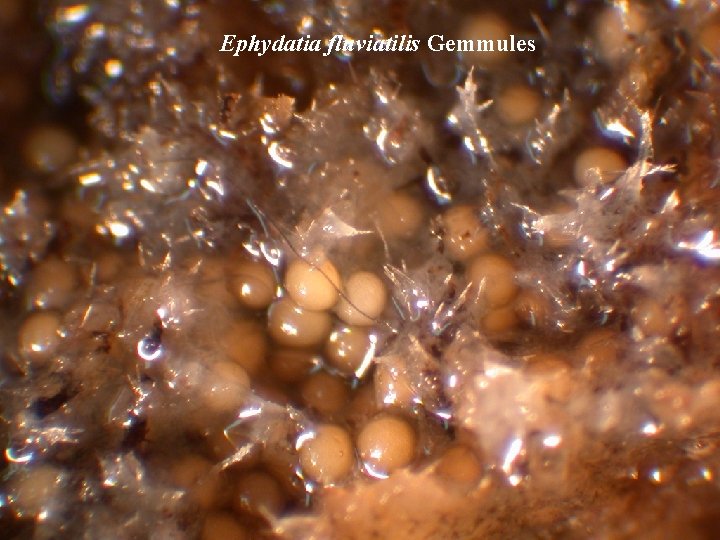
Ephydatia fluviatilis Gemmules
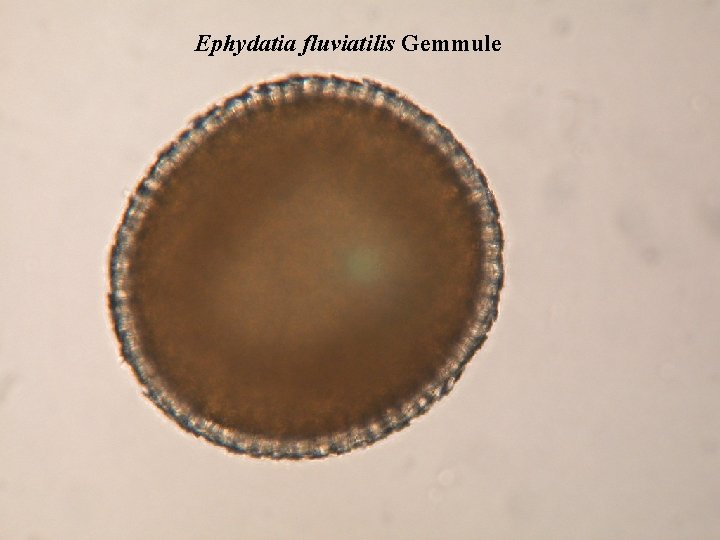
Ephydatia fluviatilis Gemmule
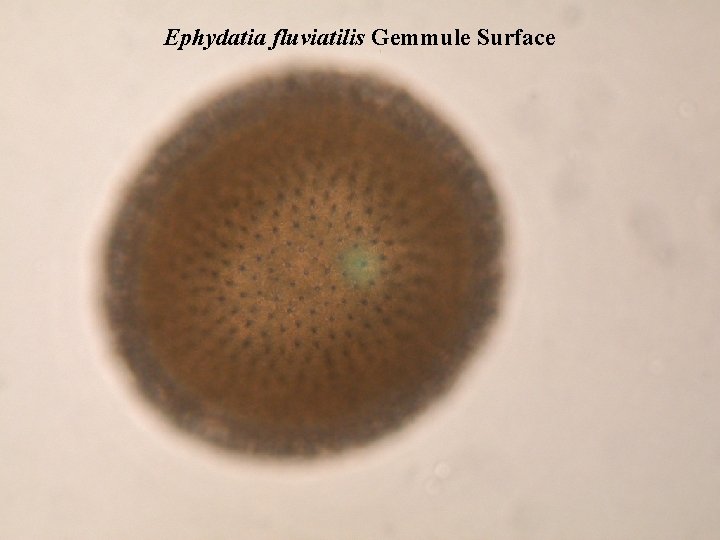
Ephydatia fluviatilis Gemmule Surface
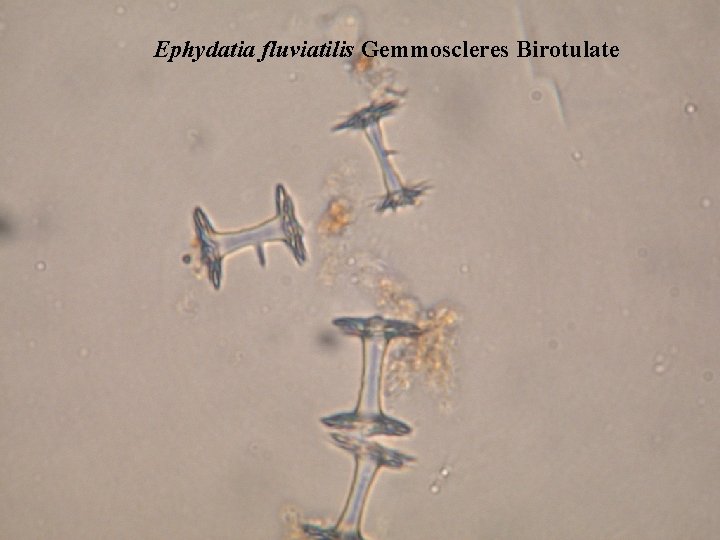
Ephydatia fluviatilis Gemmoscleres Birotulate
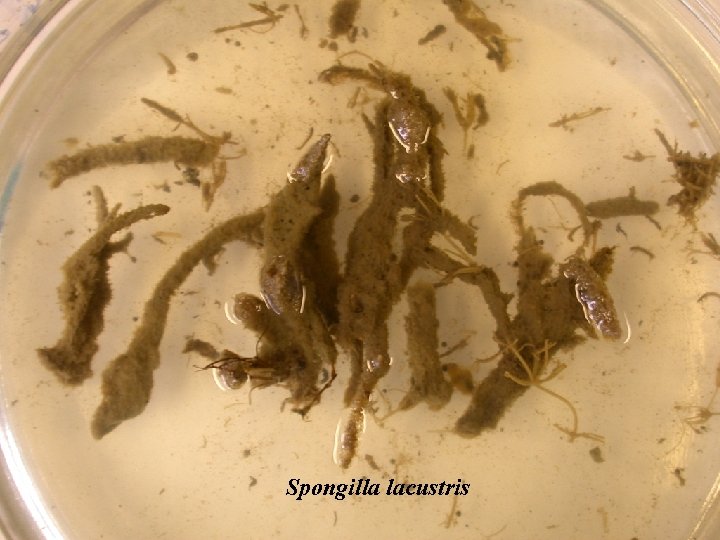
Spongilla lacustris
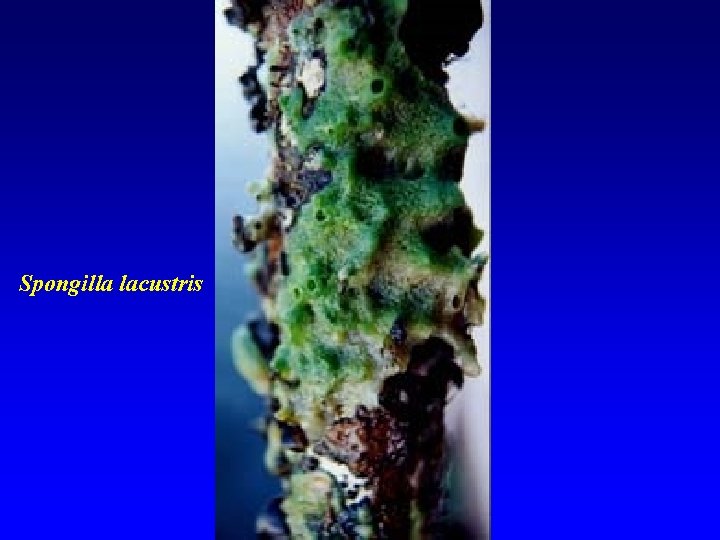
Spongilla lacustris
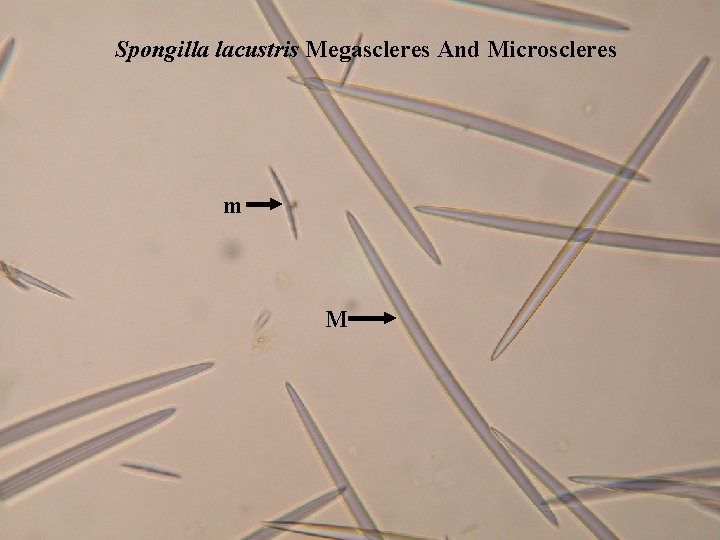
Spongilla lacustris Megascleres And Microscleres m M
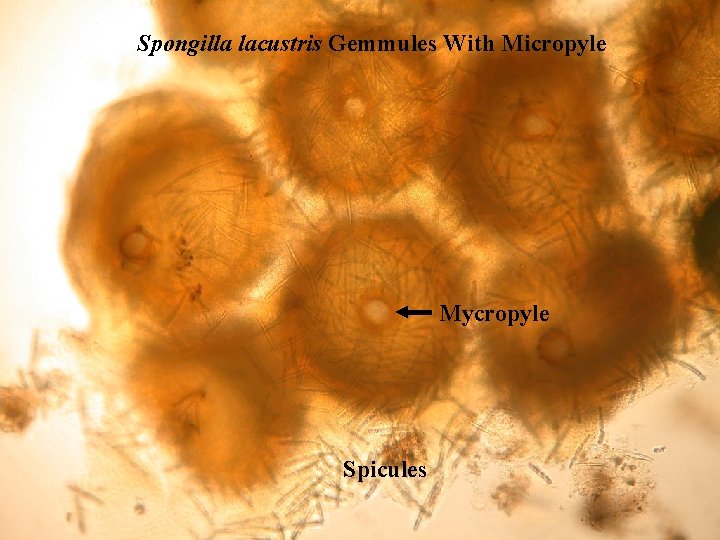
Spongilla lacustris Gemmules With Micropyle Mycropyle Spicules
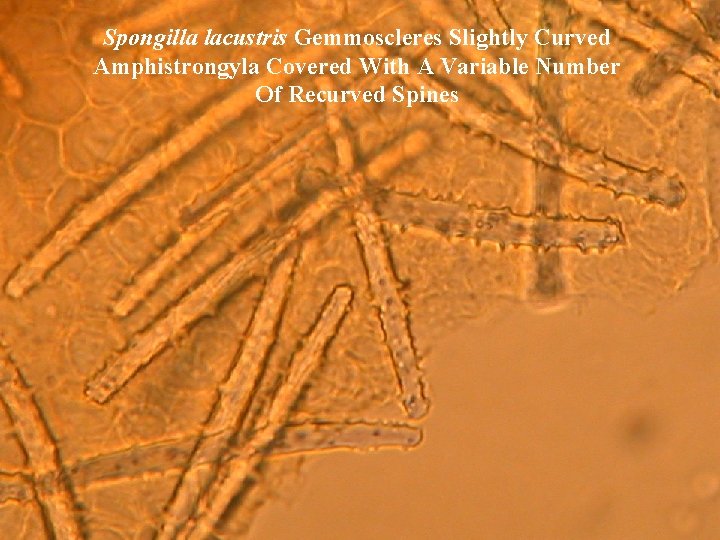
Spongilla lacustris Gemmoscleres Slightly Curved Amphistrongyla Covered With A Variable Number Of Recurved Spines
Sponge Reproduction • Sexual – Eggs from amoebocytes and sperm from collar cells (or amoebocytes) – Sperm is released into water • Ova fertilized in mesohyl after sperm brought in by water current • Here, the zygote develops into a flagellated larvae: parenchymula OR!
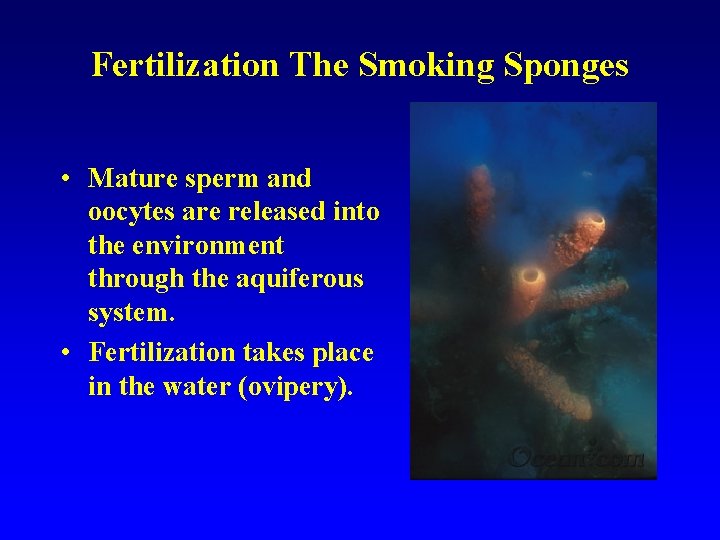
Fertilization The Smoking Sponges • Mature sperm and oocytes are released into the environment through the aquiferous system. • Fertilization takes place in the water (ovipery).
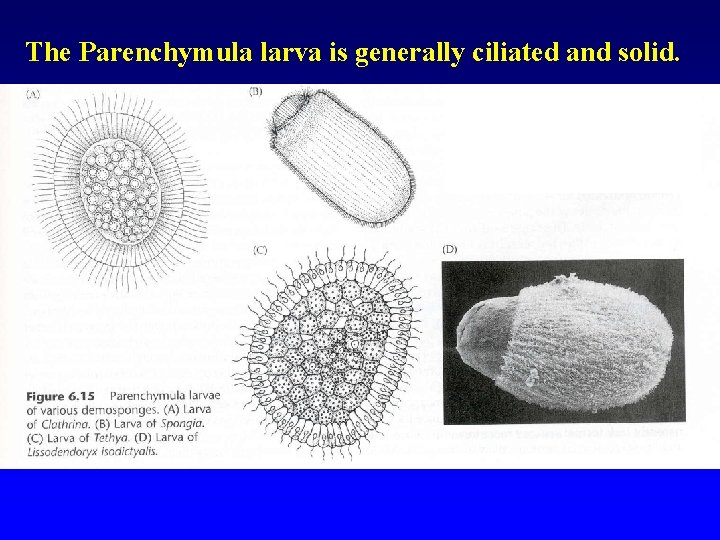
The Parenchymula larva is generally ciliated and solid.
- Slides: 21