
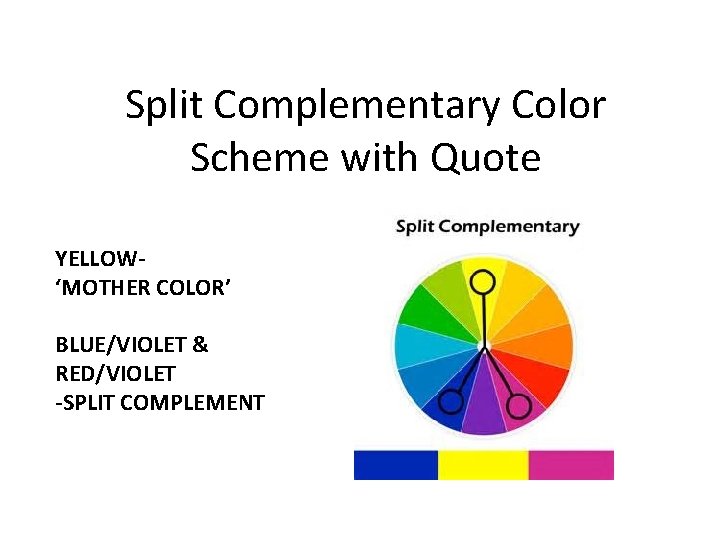
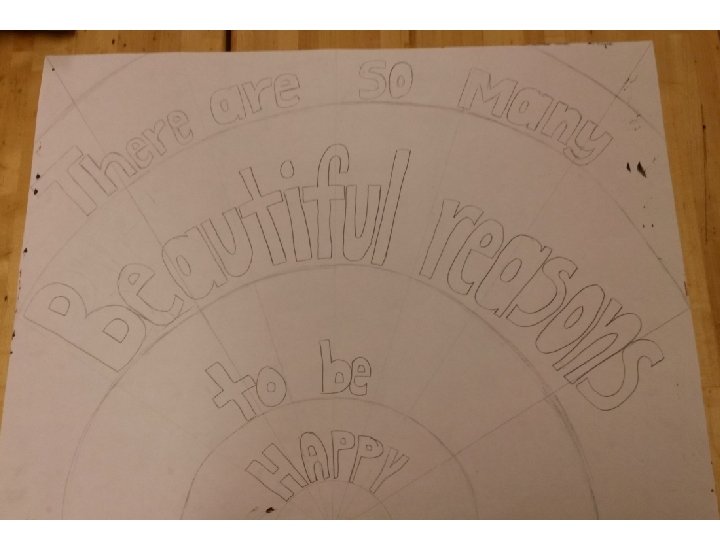
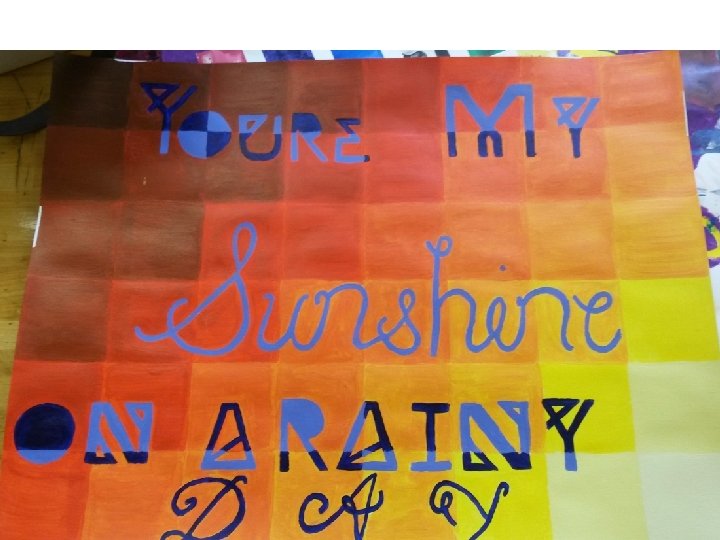
Split Complementary Color Scheme with Quote YELLOWMOTHER COLOR
- Slides: 7
Split Complementary Color Scheme with Quote YELLOW‘MOTHER COLOR’ BLUE/VIOLET & RED/VIOLET -SPLIT COMPLEMENT
Split Complementary Schemes… • Are basically a variation of the more commonly used complementary scheme. • It involves choosing a main color and two other colors that are adjacent to the complementary color of the chosen hue on the color wheel. • The result is a paint scheme that offers high contrast without the tension of a complementary scheme. • Examples of split complementary include: (i) red and yellow-green/blue-green or (ii) purple and yelloworange/yellow-green. • There a total of 12 split complementary paint schemes, so you can’t complain about lack of choices!
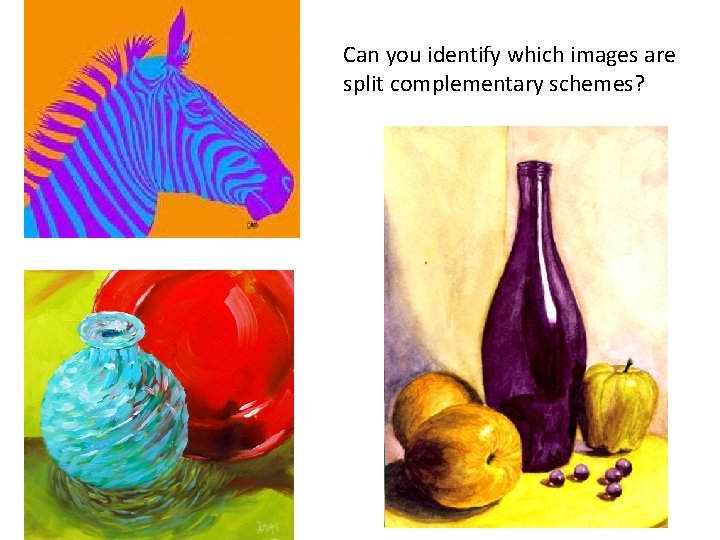
Can you identify which images are split complementary schemes?
Tips for Split Complementary Scheme • Keep one of the three colors dominant on your palette. • If you wish to lighten a color, simply add white, tone it down with gray, and add black to make it darker. • Be wary when mixing in pigment, as some can overpower quickly, so be sure to mix slowly and patiently!
Research & Development: Used Sources to learn about new artists and/or techniques expanding your understanding of art. Developed a plan through sketching/writing ideas. (Staple to this, please) Scale: Project is within required size. Subject: Work is school and portfolio appropriate. It follows required theme and guidelines. Design: Project displays originality, unity and variety. Work is balanced and visually compelling. Craftsmanship: Student exhibited outstanding understanding of media, techniques, worked for hours developing project and paid attention to detail. Growth: Attempted new techniques and showed improvement from practice to final. Critique: Student engaged in dialogue with teacher for feedback, took constructive criticism, made adjustments to work. Effort: Student problem solved on own first, used time wisely, worked to best of his/her ability and met or exceeded expectation for project. Focus: Worked independently, did not distract class, approached teacher if needed, worked diligently after class as necessary. Pace: Completed project on time. Work is submitted with NAME. written legibly, and this completed rubric.