
Splenic infarcts gross Coagulative necrosis Two large infarctions


- Slides: 61
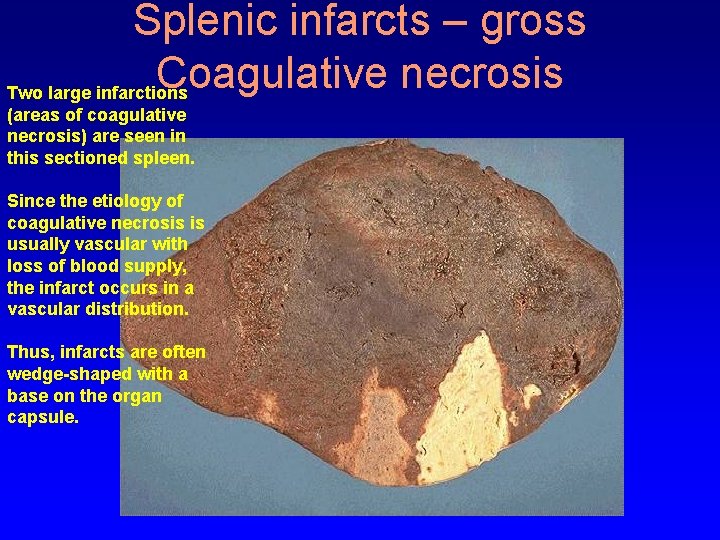
Splenic infarcts – gross Coagulative necrosis Two large infarctions (areas of coagulative necrosis) are seen in this sectioned spleen. Since the etiology of coagulative necrosis is usually vascular with loss of blood supply, the infarct occurs in a vascular distribution. Thus, infarcts are often wedge-shaped with a base on the organ capsule.
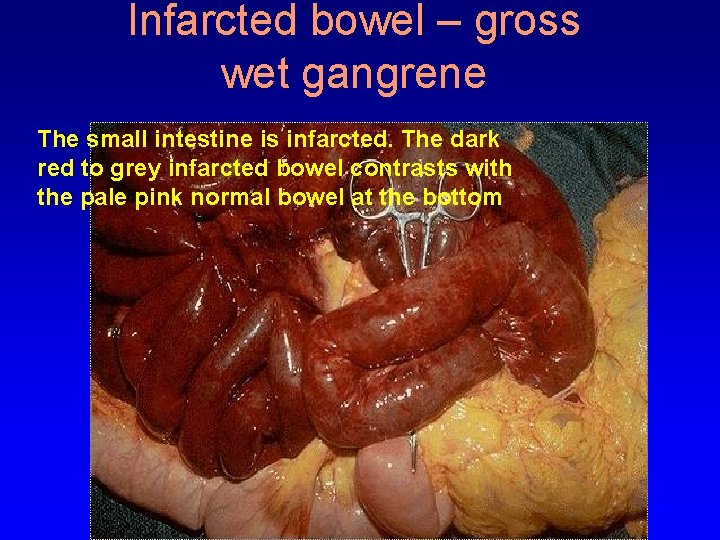
Infarcted bowel – gross wet gangrene The small intestine is infarcted. The dark red to grey infarcted bowel contrasts with the pale pink normal bowel at the bottom
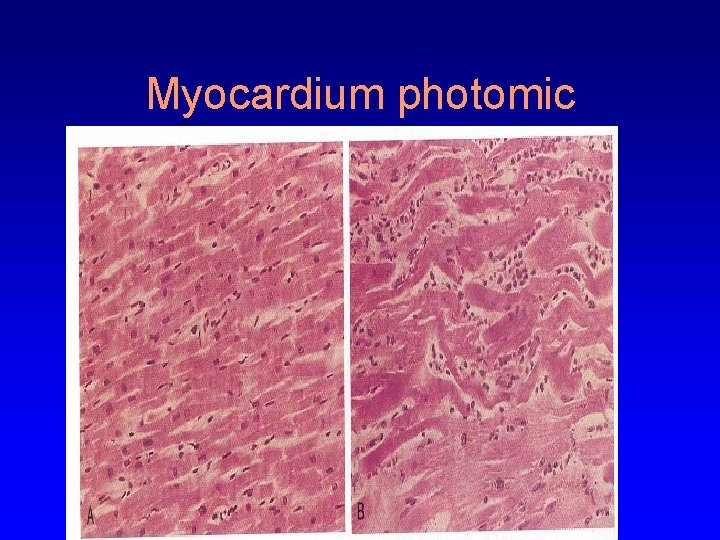
Myocardium photomic
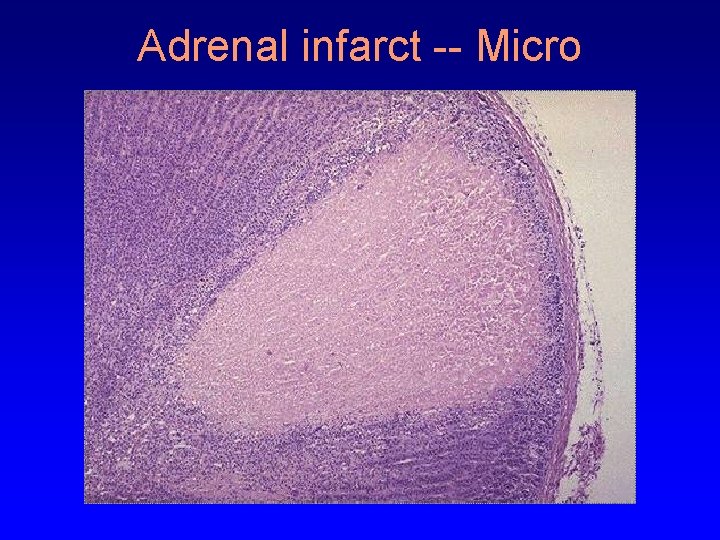
Adrenal infarct -- Micro
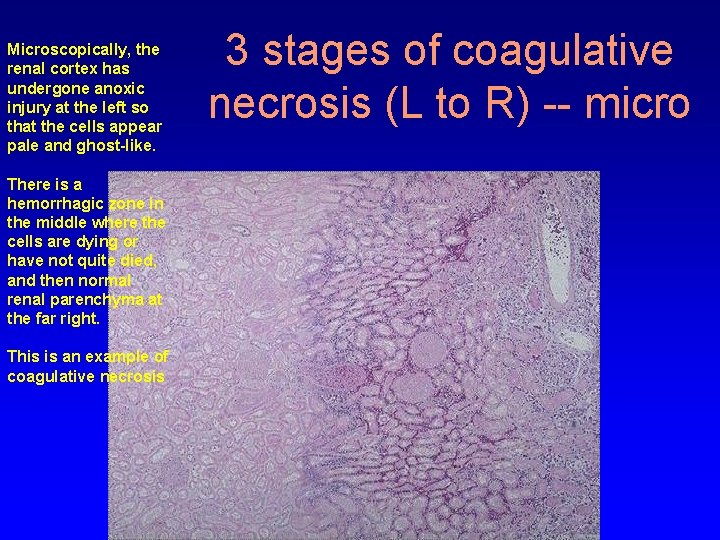
Microscopically, the renal cortex has undergone anoxic injury at the left so that the cells appear pale and ghost-like. There is a hemorrhagic zone in the middle where the cells are dying or have not quite died, and then normal renal parenchyma at the far right. This is an example of coagulative necrosis 3 stages of coagulative necrosis (L to R) -- micro
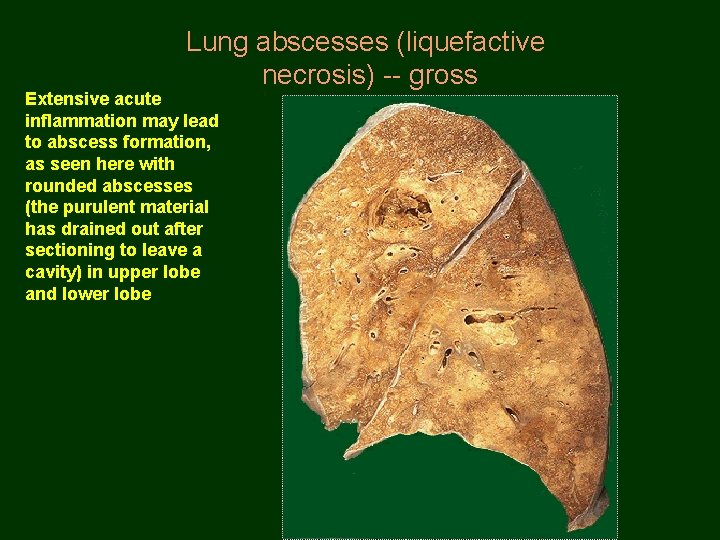
Lung abscesses (liquefactive necrosis) -- gross Extensive acute inflammation may lead to abscess formation, as seen here with rounded abscesses (the purulent material has drained out after sectioning to leave a cavity) in upper lobe and lower lobe
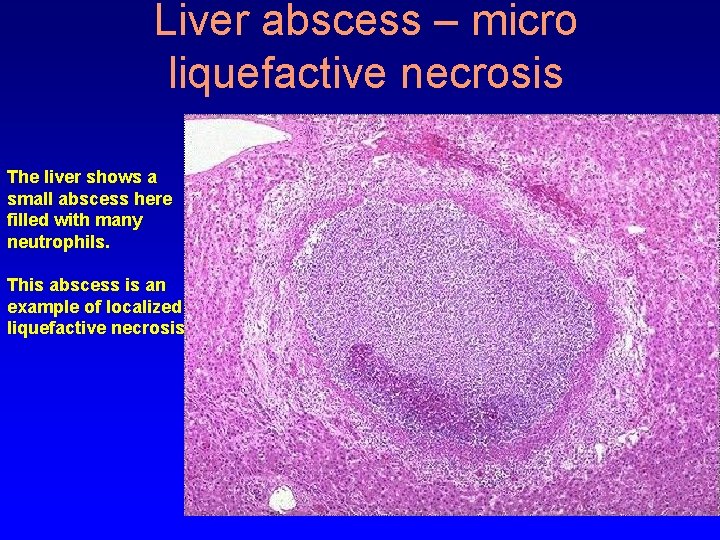
Liver abscess – micro liquefactive necrosis The liver shows a small abscess here filled with many neutrophils. This abscess is an example of localized liquefactive necrosis
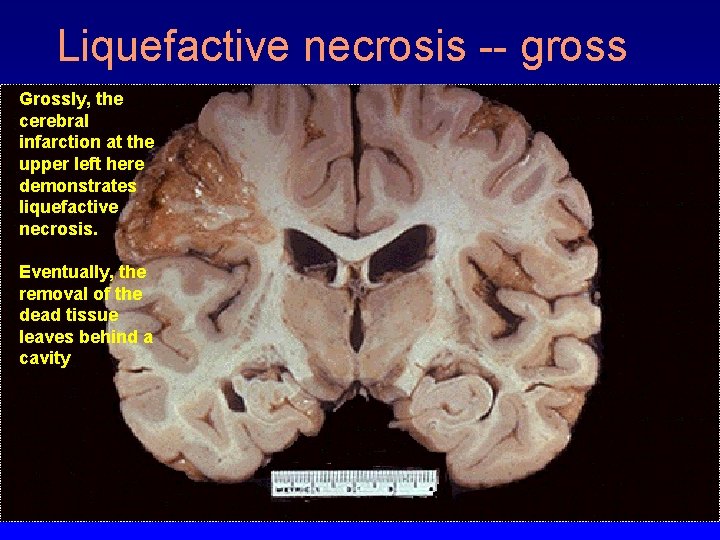
Liquefactive necrosis -- gross Grossly, the cerebral infarction at the upper left here demonstrates liquefactive necrosis. Eventually, the removal of the dead tissue leaves behind a cavity
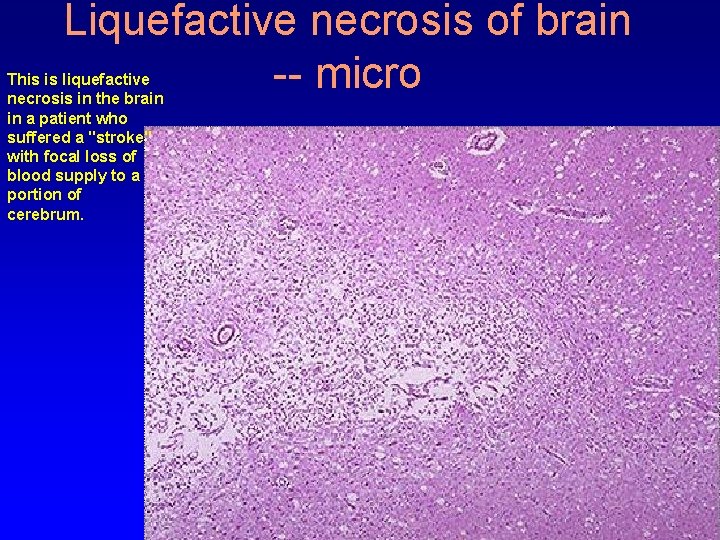
Liquefactive necrosis of brain -- micro This is liquefactive necrosis in the brain in a patient who suffered a "stroke" with focal loss of blood supply to a portion of cerebrum.
Organizing liquefactive necrosis with cysts -- gross As this infarct in the brain is organizing and being resolved, the liquefactive necrosis leads to resolution with cystic spaces
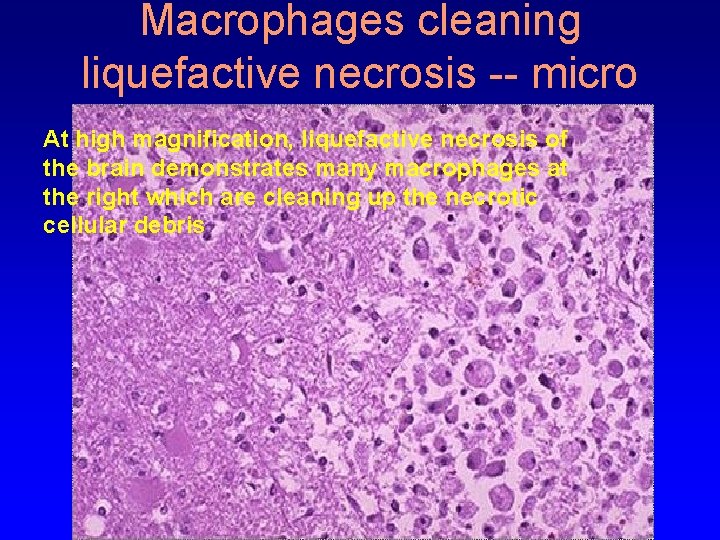
Macrophages cleaning liquefactive necrosis -- micro At high magnification, liquefactive necrosis of the brain demonstrates many macrophages at the right which are cleaning up the necrotic cellular debris
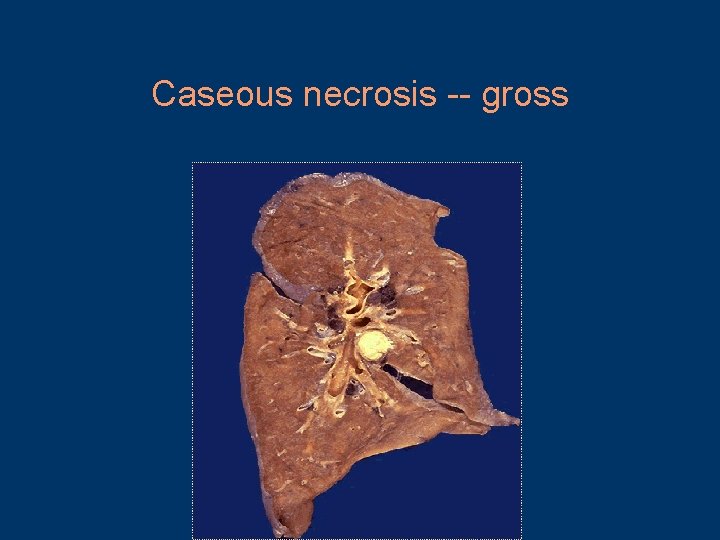
Caseous necrosis -- gross
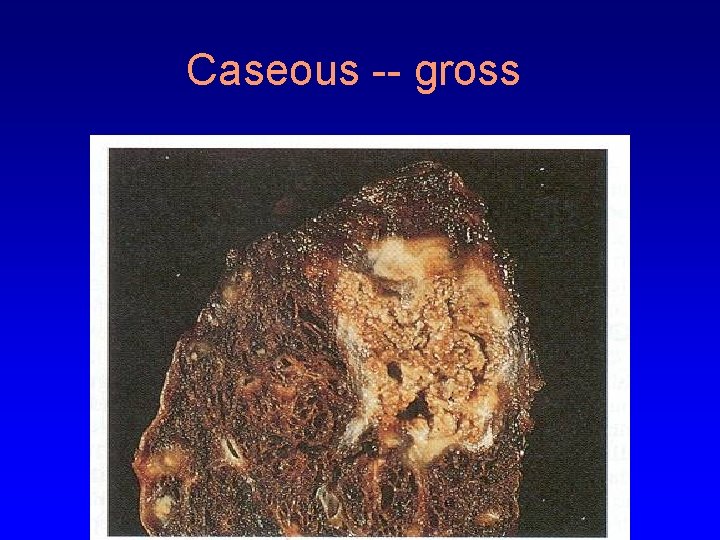
Caseous -- gross
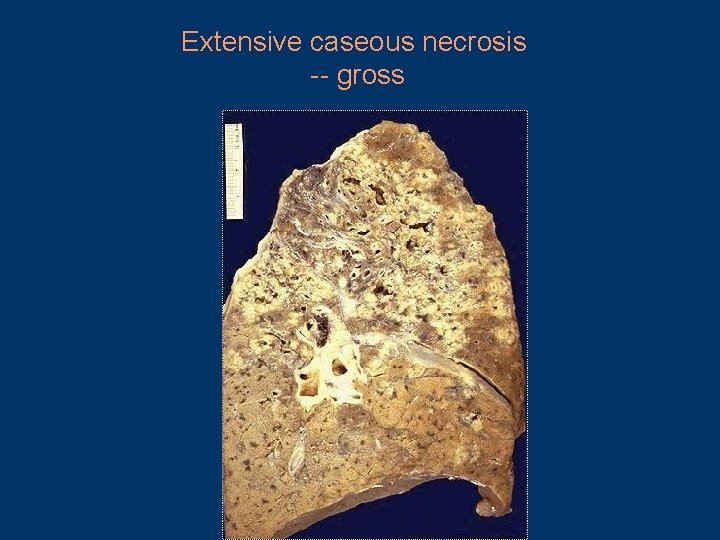
Extensive caseous necrosis -- gross
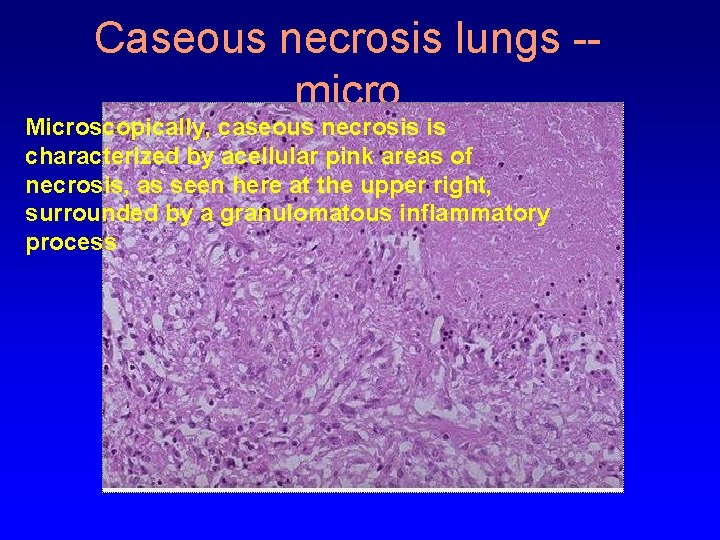
Caseous necrosis lungs -micro Microscopically, caseous necrosis is characterized by acellular pink areas of necrosis, as seen here at the upper right, surrounded by a granulomatous inflammatory process
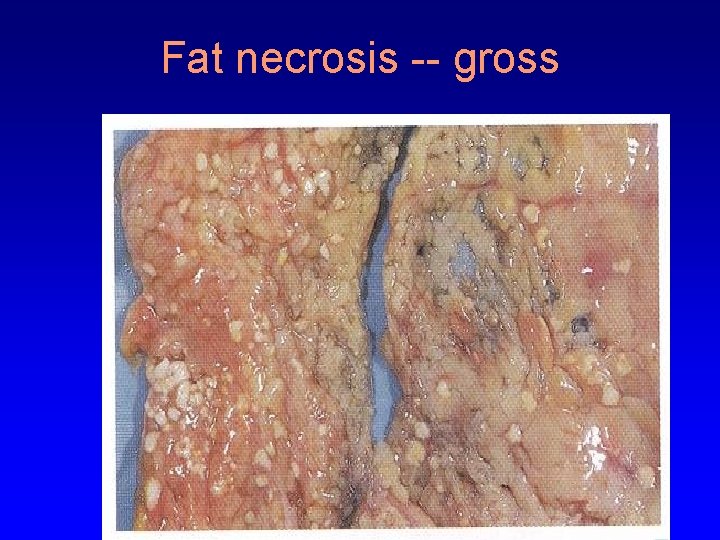
Fat necrosis -- gross
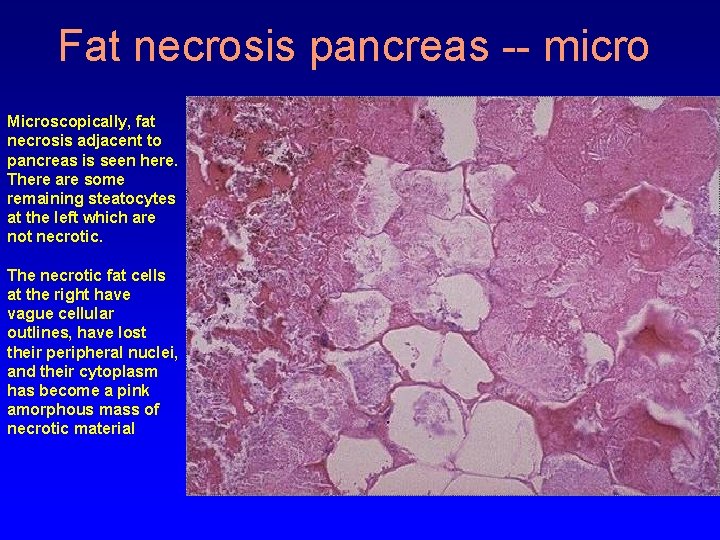
Fat necrosis pancreas -- micro Microscopically, fat necrosis adjacent to pancreas is seen here. There are some remaining steatocytes at the left which are not necrotic. The necrotic fat cells at the right have vague cellular outlines, have lost their peripheral nuclei, and their cytoplasm has become a pink amorphous mass of necrotic material
Gangrene -- gross
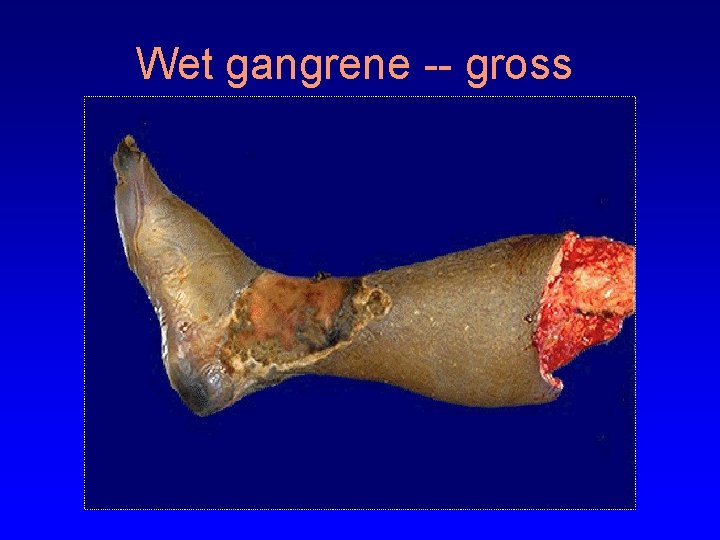
Wet gangrene -- gross
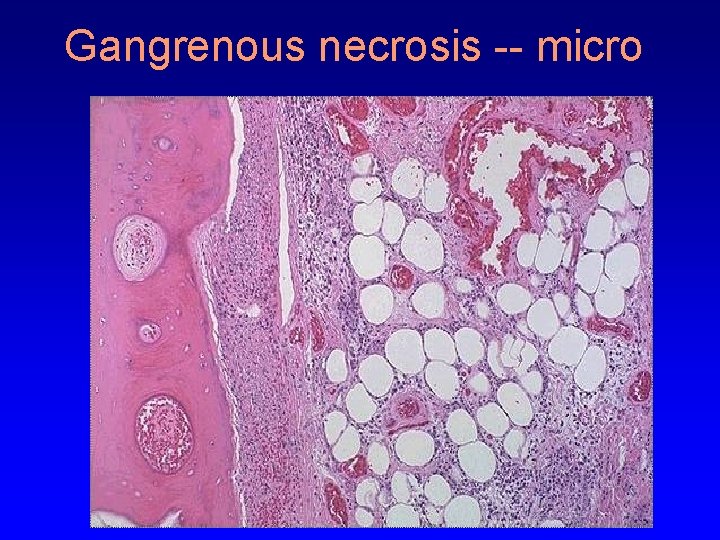
Gangrenous necrosis -- micro
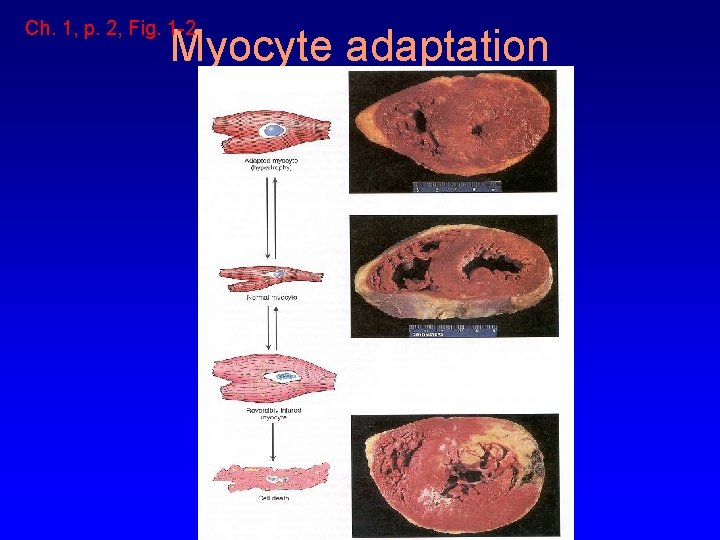
Ch. 1, p. 2, Fig. 1 -2 Myocyte adaptation
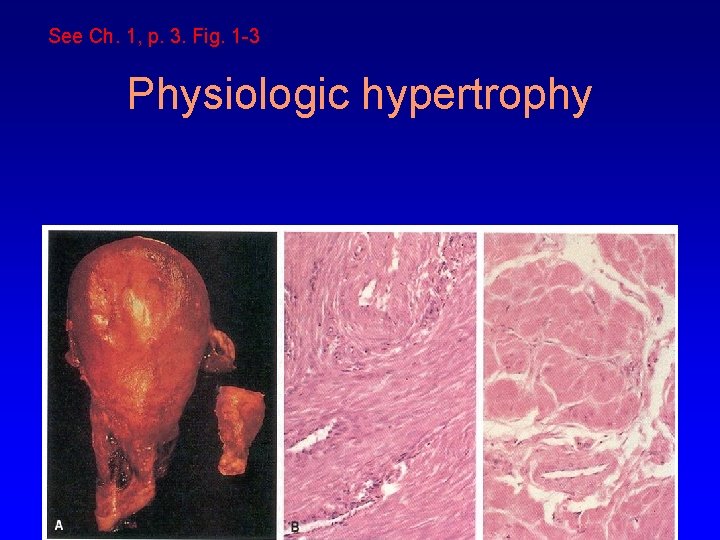
See Ch. 1, p. 3. Fig. 1 -3 Physiologic hypertrophy
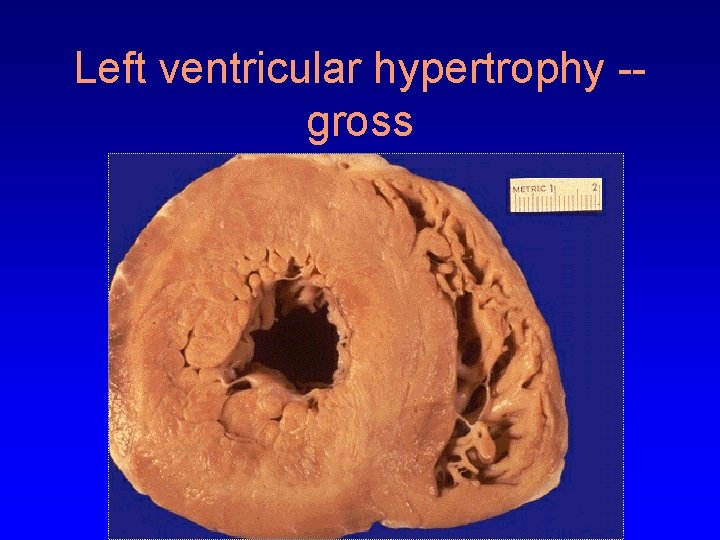
Left ventricular hypertrophy -gross
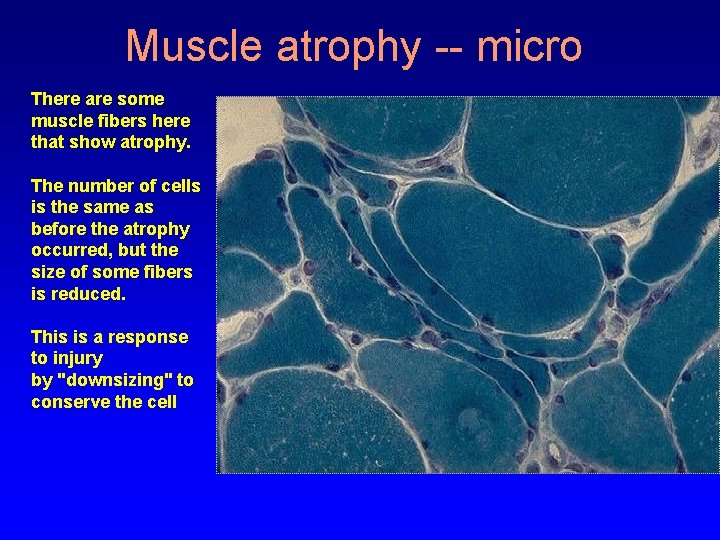
Muscle atrophy -- micro There are some muscle fibers here that show atrophy. The number of cells is the same as before the atrophy occurred, but the size of some fibers is reduced. This is a response to injury by "downsizing" to conserve the cell
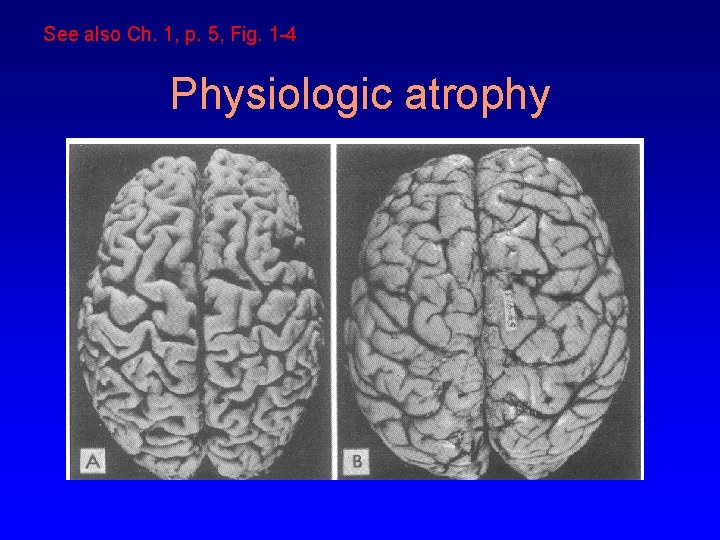
See also Ch. 1, p. 5, Fig. 1 -4 Physiologic atrophy
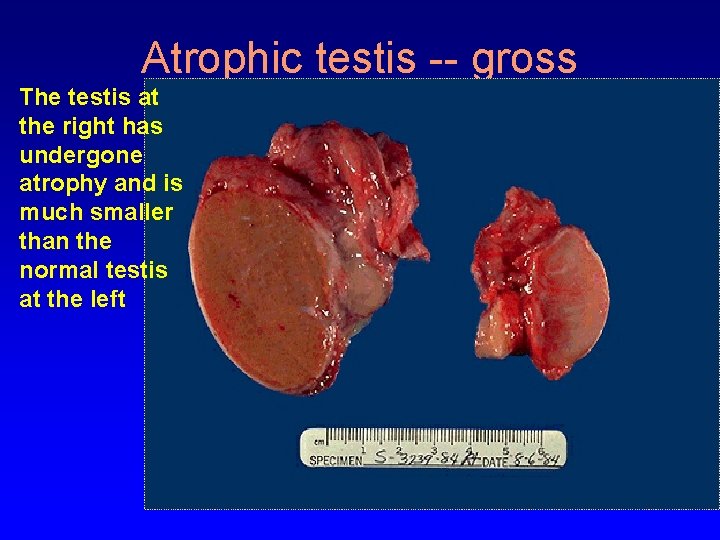
Atrophic testis -- gross The testis at the right has undergone atrophy and is much smaller than the normal testis at the left
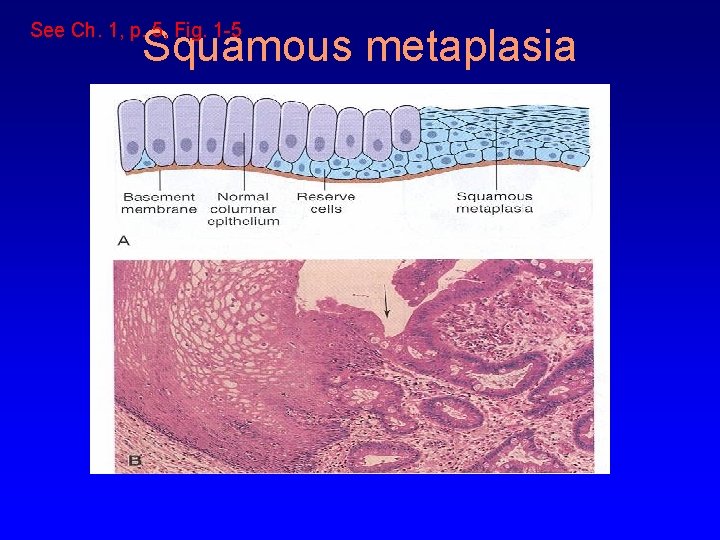
See Ch. 1, p. 5, Fig. 1 -5 Squamous metaplasia
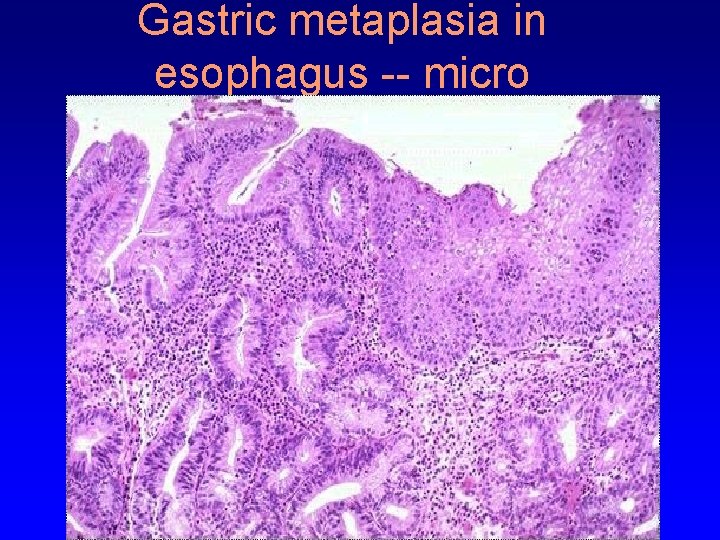
Gastric metaplasia in esophagus -- micro
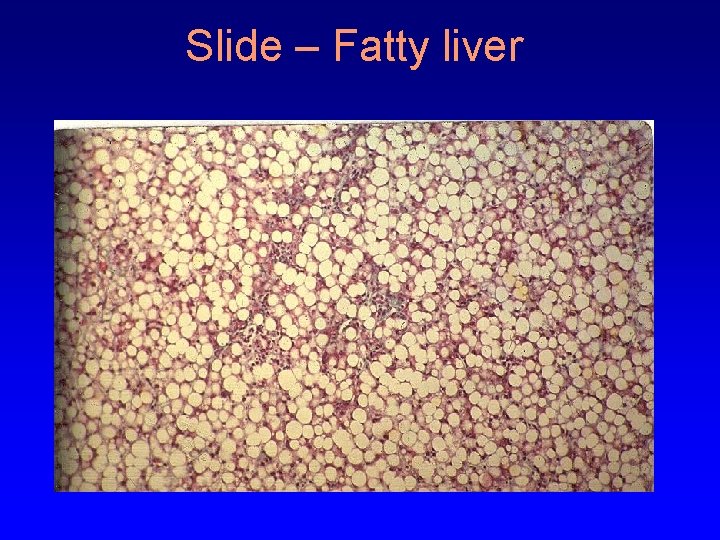
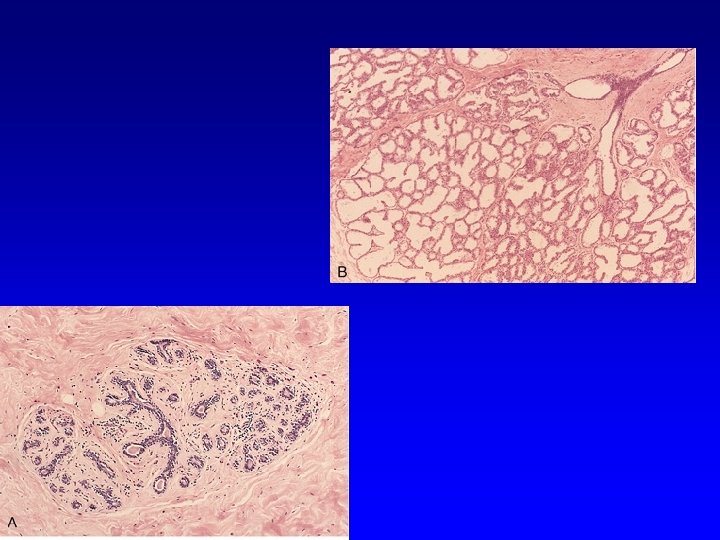
Slide – Fatty liver
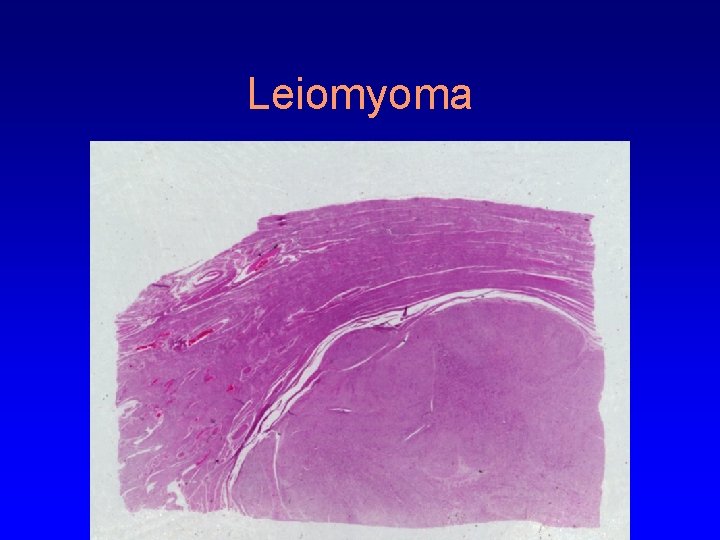
Leiomyoma
– Ischemia causes cell injury by • a. b. c. d. e. Activation of lipases Activation of proteases generation of free radicals initiating inflammation reducing cellular oxygen
• reducing cellular oxygen
– The structures of the cell first affected by hypoxia are • a. b. c. d. e. cell membranes cell nuclei endoplasmic reticula Golgi apparatus Mitochondria
– Mitochondria
– the first manifestation of decreased oxidative phophorylation is characterized by a. b. c. d. e. Cell shrinkage Decrease glycolysis Decrease Na+ pump Increased p. H Increased protein synthesis •
• Decrease Na+ pump
– Increased cytosolic Ca++ in the cell leads to the activation of proteases, which in turn leads to • a. b. c. d. e. Accumulation of lactic acid Cytoskeletal damage Decreased ATP production Decreased phospholipids Increased protein synthesis
a. Cytoskeletal damage
– Which of the following is the feature of reversible hypoxic cell injury? • a. b. c. d. e. Acute cellular swelling Apoptotic bodies formation Denaturation of cellular proteins Mitochondrial vacuolization Structural defects of cell membrane
a. Acute cellular swelling
– An irreversible injury to the myocardium will have occurred when • a. b. c. d. e. Blebs form on cell membrane Cytoplasmic sodium increases Glycogen stores are depleted Intracellular p. H diminishes Nuclei undergo karyorrhexis
a. Nuclei undergo karyorrhexis
– A 5 cm cystic area in left parietal lobe of cortex is found at autopsy. This finding is result of? • a. b. c. d. e. Caseous necrosis Coagulative necrosis Fat necrosis Fibrinoid necrosis Liquefactive necrosis
• Liquefactive necrosis
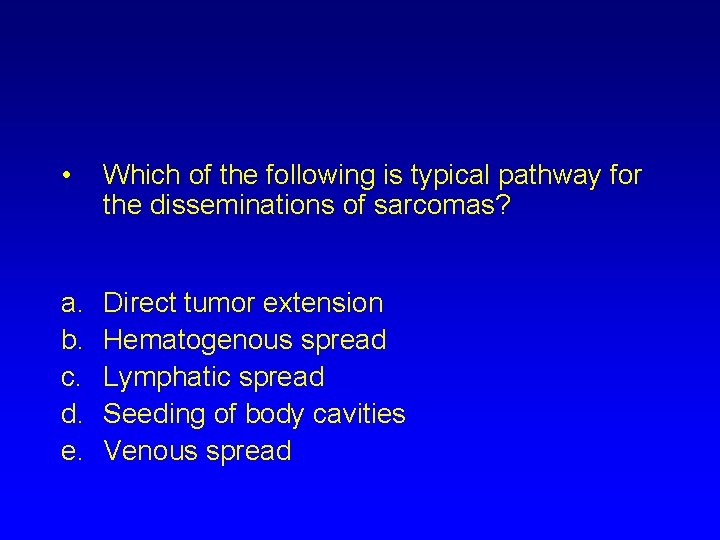
• Which of the following is typical pathway for the disseminations of sarcomas? a. b. c. d. e. Direct tumor extension Hematogenous spread Lymphatic spread Seeding of body cavities Venous spread
a. Venous spread
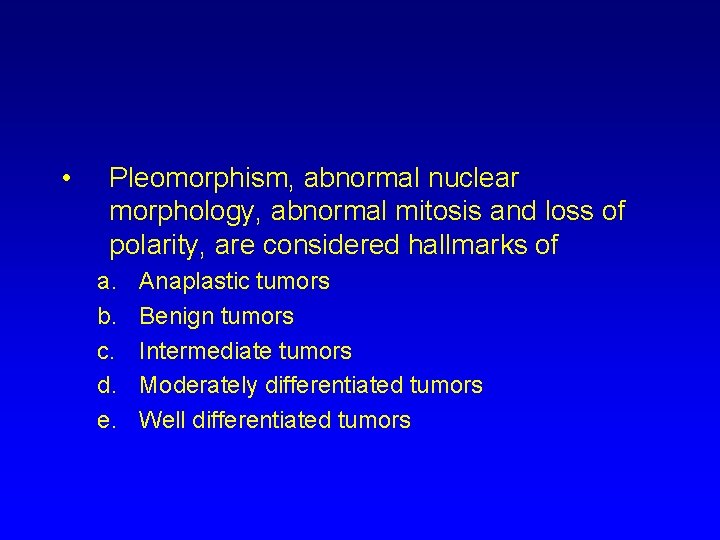
• Pleomorphism, abnormal nuclear morphology, abnormal mitosis and loss of polarity, are considered hallmarks of a. b. c. d. e. Anaplastic tumors Benign tumors Intermediate tumors Moderately differentiated tumors Well differentiated tumors
• Anaplastic tumors
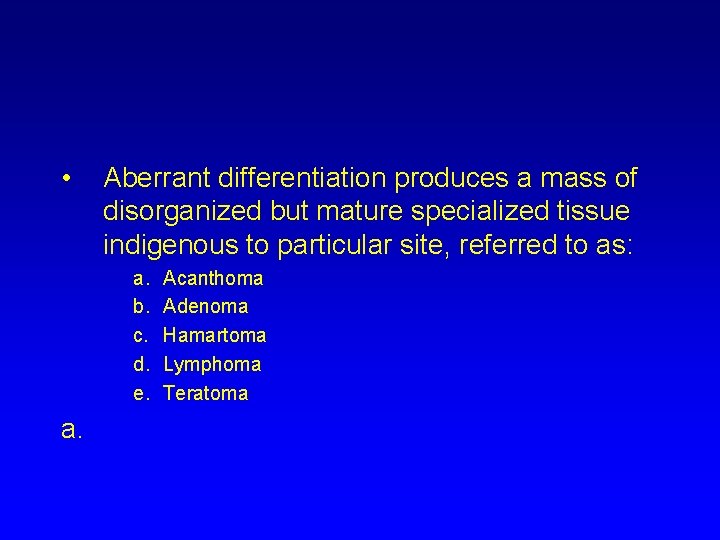
• Aberrant differentiation produces a mass of disorganized but mature specialized tissue indigenous to particular site, referred to as: a. b. c. d. e. a. Acanthoma Adenoma Hamartoma Lymphoma Teratoma
• Hamartoma
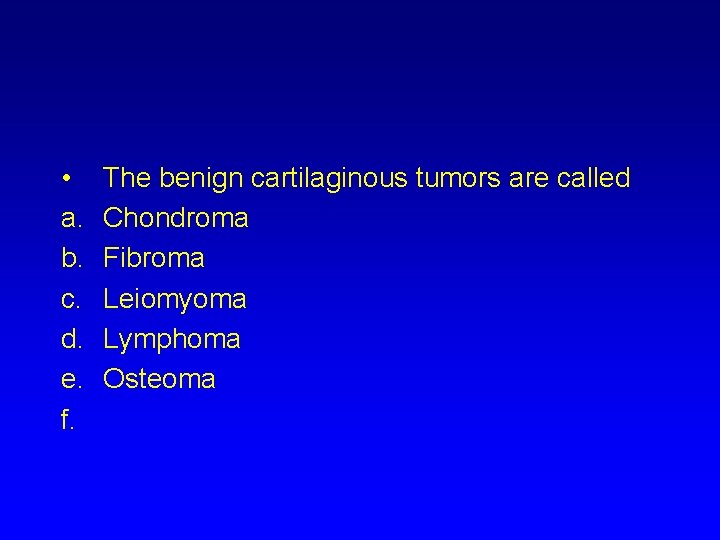
• a. b. c. d. e. f. The benign cartilaginous tumors are called Chondroma Fibroma Leiomyoma Lymphoma Osteoma
• Chondroma
• a. b. c. d. e. Which of the following mediators of inflammation is synthesized at the site of inflammation Compliment proteins Immunoglobulins Kinins Lysosomal enzymes Prostaglandins
Prostaglandins
• a. b. c. d. e. Which of the following mediators of inflammation facilitates chemotaxis, cytolysis and opsonization at the site of inflammation Compliment proteins Cytokines Immunoglobulins Leukotriens Prostaglandins
Compliment proteins
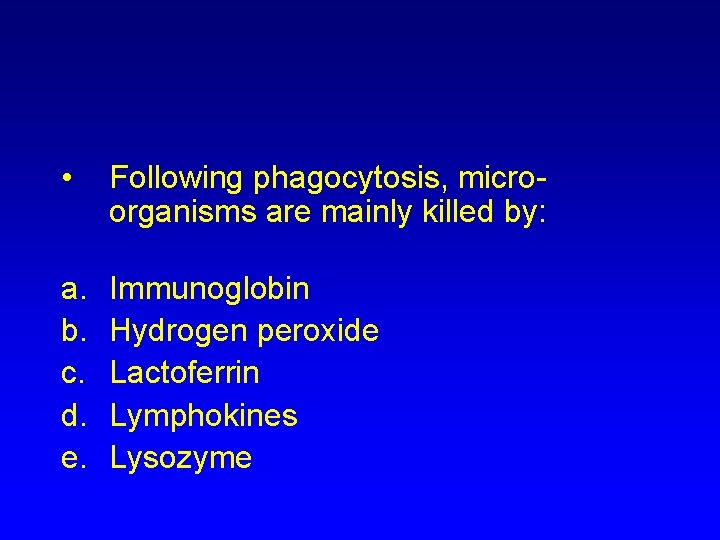
• Following phagocytosis, microorganisms are mainly killed by: a. b. c. d. e. Immunoglobin Hydrogen peroxide Lactoferrin Lymphokines Lysozyme
• Hydrogen peroxide