
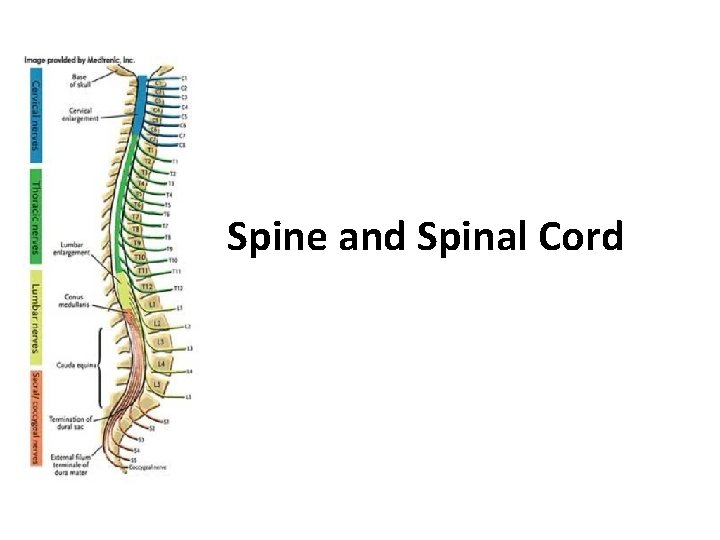
Spine and Spinal Cord Spine 33 vertical segments
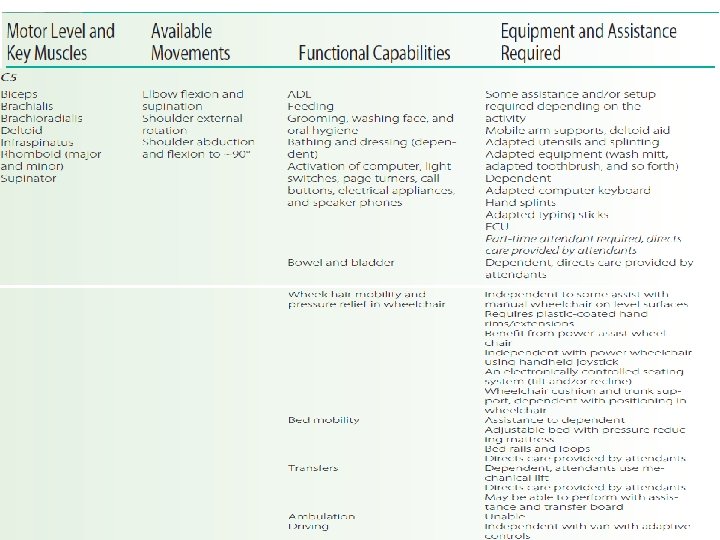
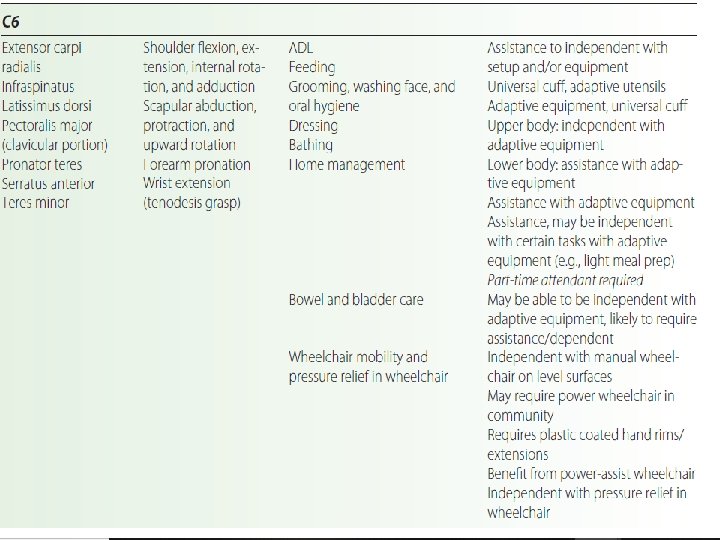
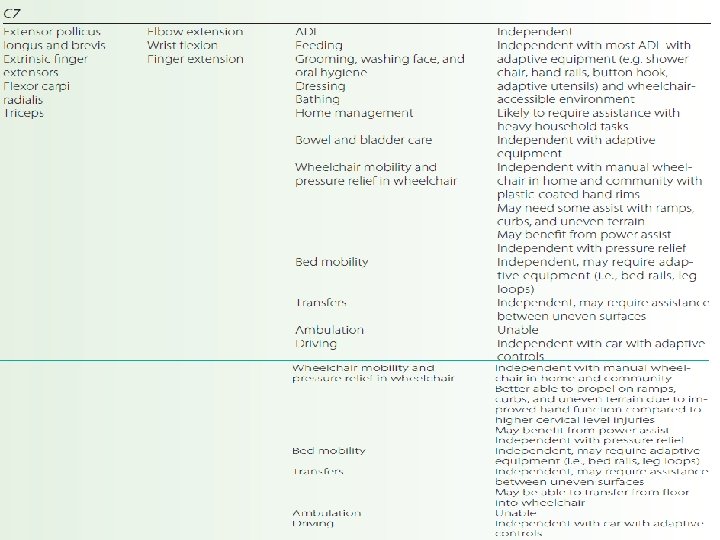
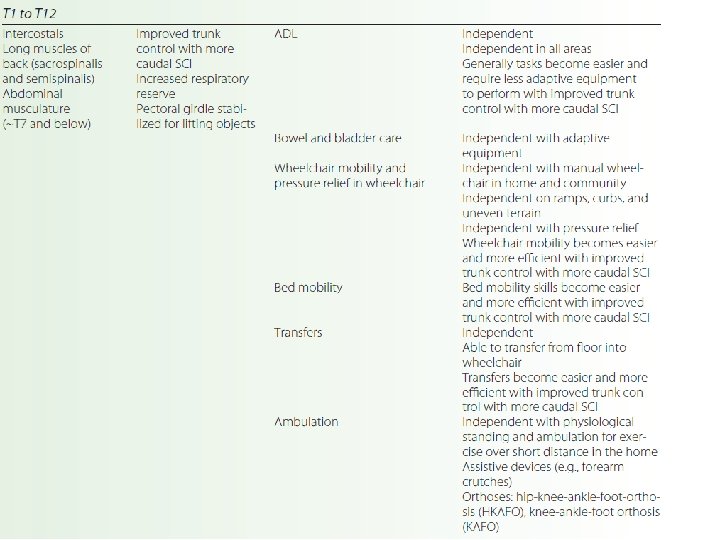

- Slides: 20
Spine and Spinal Cord
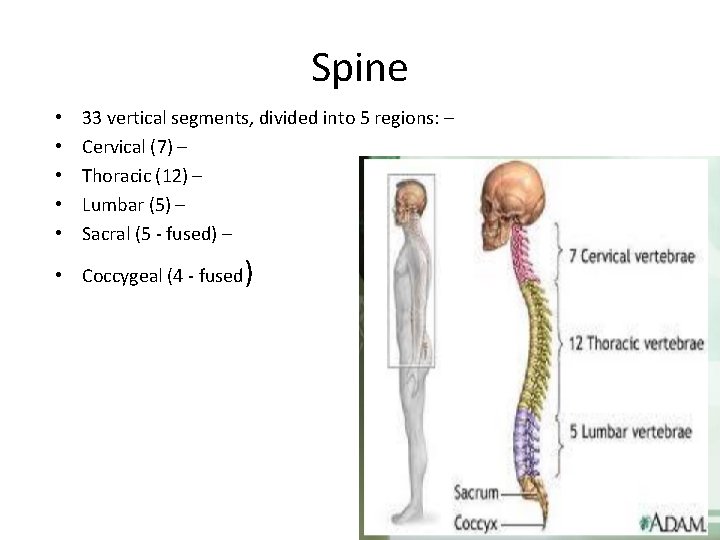
Spine • • • 33 vertical segments, divided into 5 regions: – Cervical (7) – Thoracic (12) – Lumbar (5) – Sacral (5 - fused) – • Coccygeal (4 - fused)
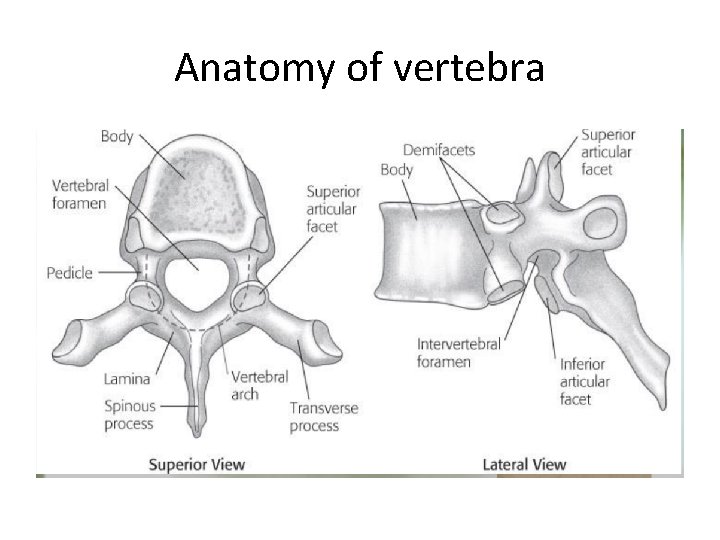
Anatomy of vertebra
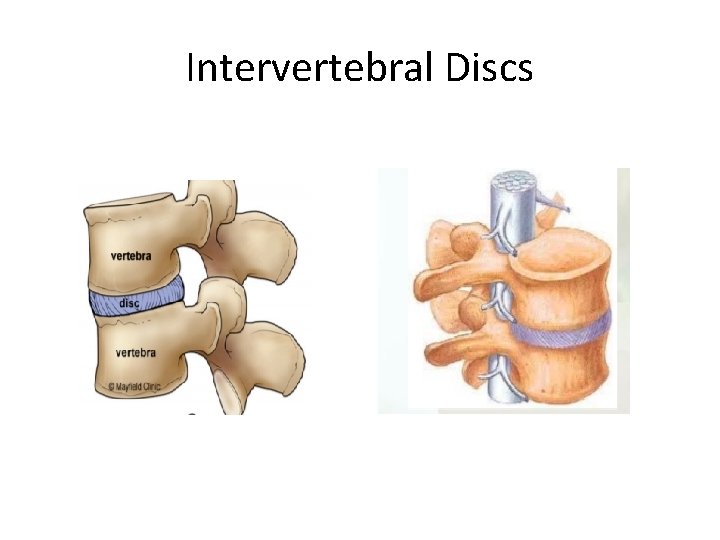
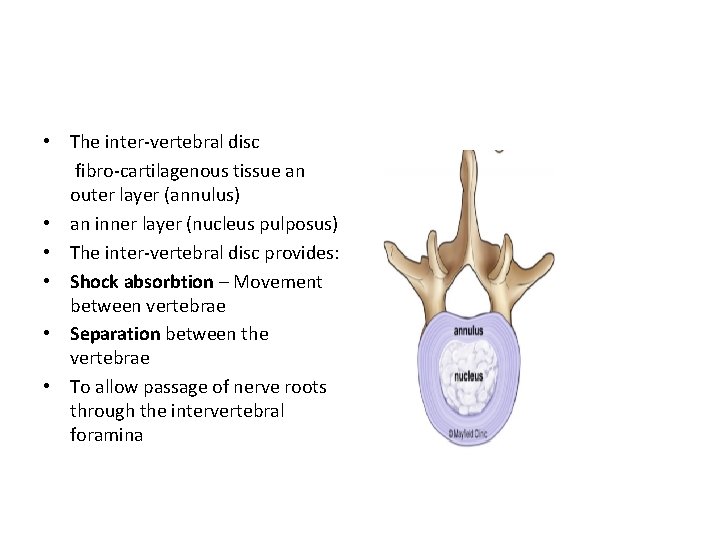
Intervertebral Discs
• The inter-vertebral disc fibro-cartilagenous tissue an outer layer (annulus) • an inner layer (nucleus pulposus) • The inter-vertebral disc provides: • Shock absorbtion – Movement between vertebrae • Separation between the vertebrae • To allow passage of nerve roots through the intervertebral foramina
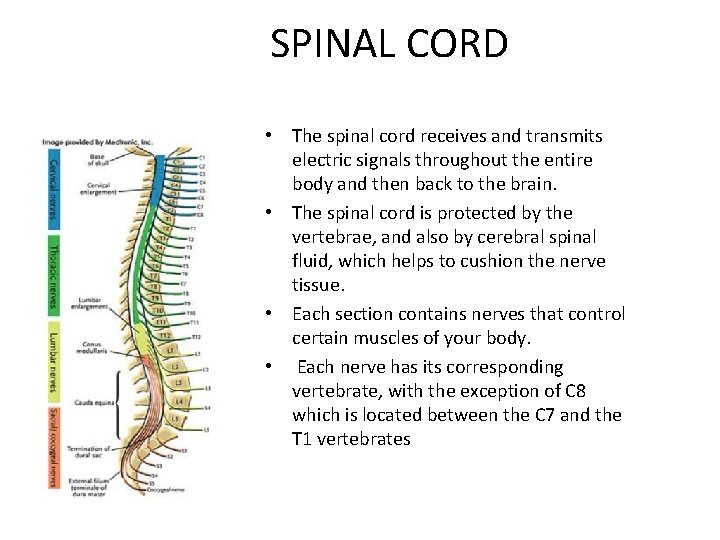
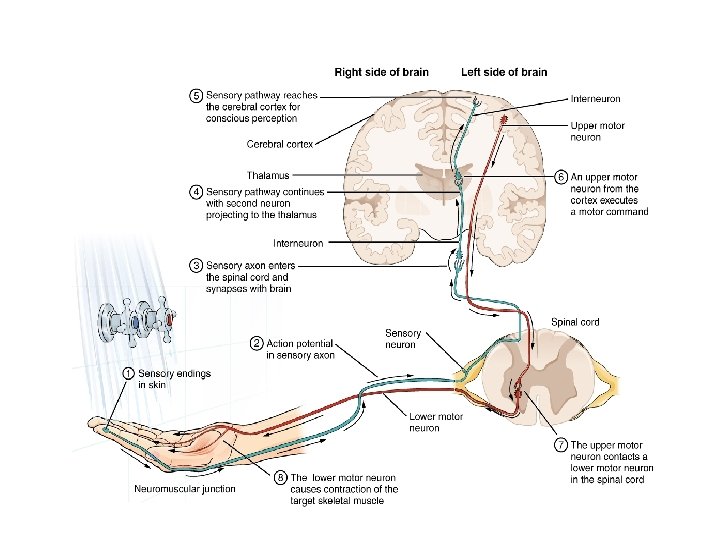
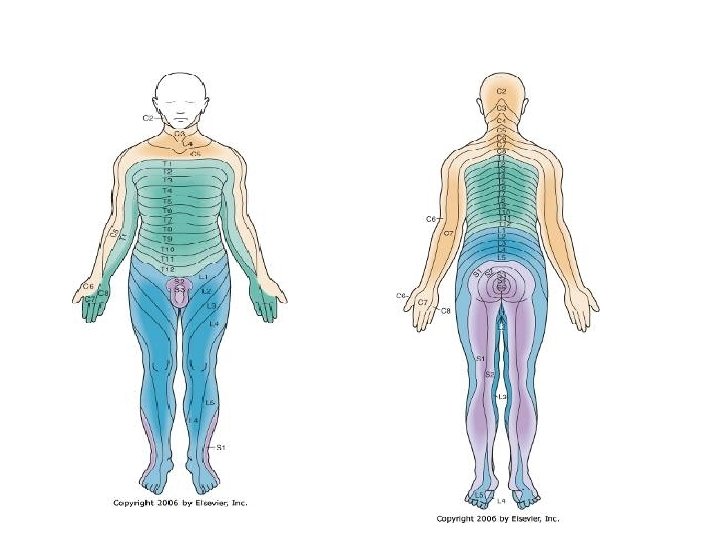
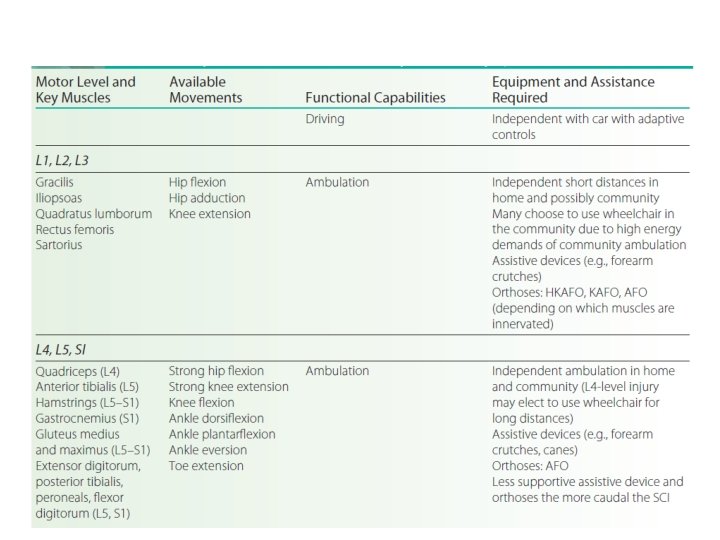
SPINAL CORD • The spinal cord receives and transmits electric signals throughout the entire body and then back to the brain. • The spinal cord is protected by the vertebrae, and also by cerebral spinal fluid, which helps to cushion the nerve tissue. • Each section contains nerves that control certain muscles of your body. • Each nerve has its corresponding vertebrate, with the exception of C 8 which is located between the C 7 and the T 1 vertebrates
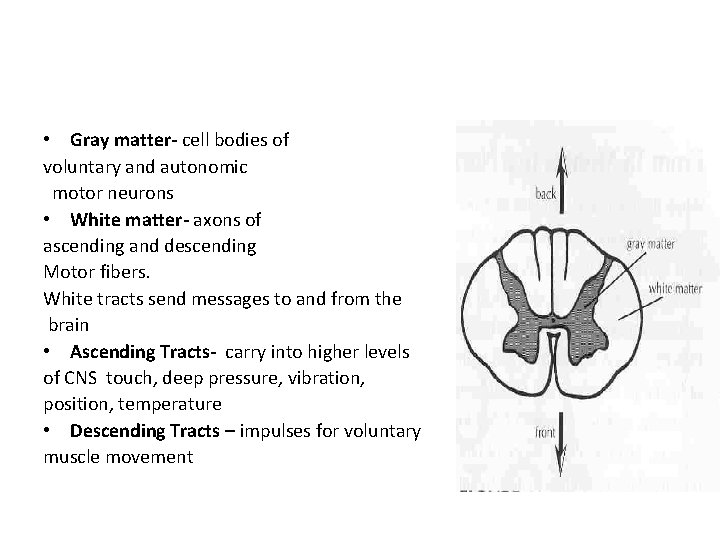
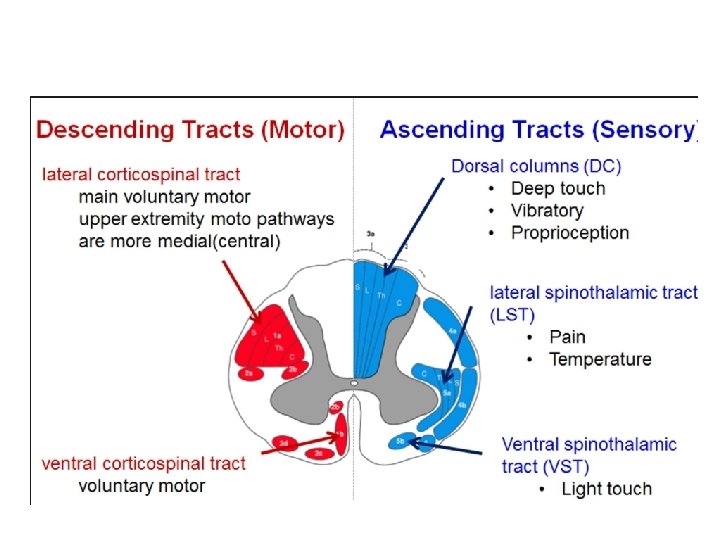
• Gray matter- cell bodies of voluntary and autonomic motor neurons • White matter- axons of ascending and descending Motor fibers. White tracts send messages to and from the brain • Ascending Tracts- carry into higher levels of CNS touch, deep pressure, vibration, position, temperature • Descending Tracts – impulses for voluntary muscle movement
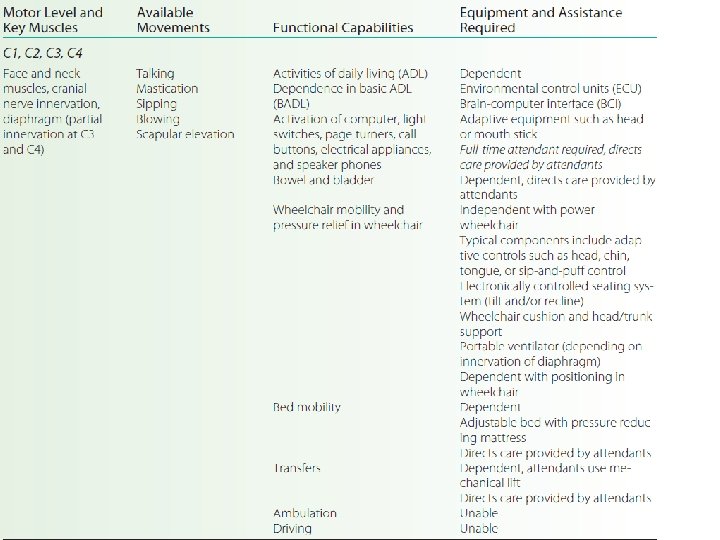
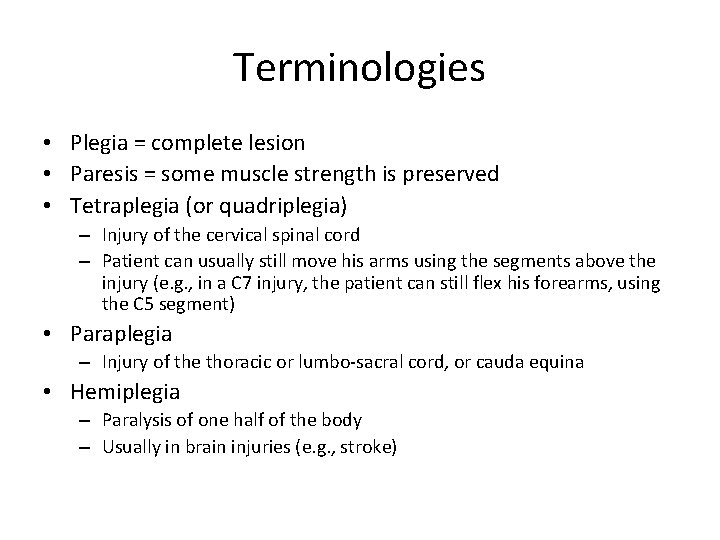
Terminologies • Plegia = complete lesion • Paresis = some muscle strength is preserved • Tetraplegia (or quadriplegia) – Injury of the cervical spinal cord – Patient can usually still move his arms using the segments above the injury (e. g. , in a C 7 injury, the patient can still flex his forearms, using the C 5 segment) • Paraplegia – Injury of the thoracic or lumbo-sacral cord, or cauda equina • Hemiplegia – Paralysis of one half of the body – Usually in brain injuries (e. g. , stroke)
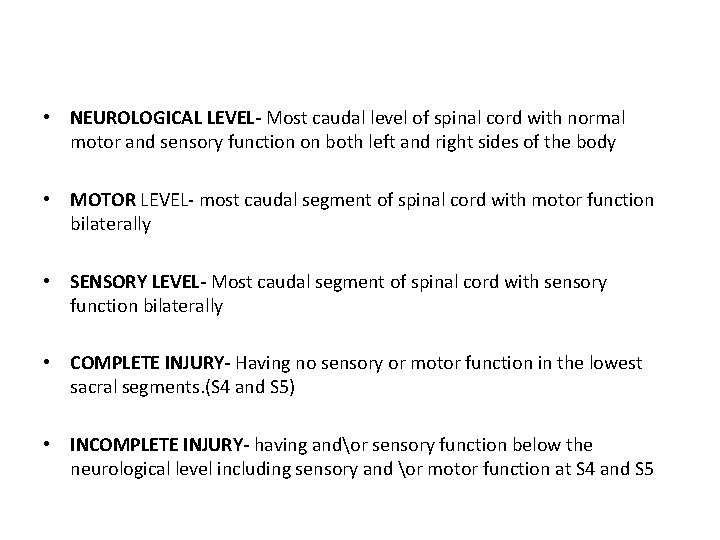
• NEUROLOGICAL LEVEL- Most caudal level of spinal cord with normal motor and sensory function on both left and right sides of the body • MOTOR LEVEL- most caudal segment of spinal cord with motor function bilaterally • SENSORY LEVEL- Most caudal segment of spinal cord with sensory function bilaterally • COMPLETE INJURY- Having no sensory or motor function in the lowest sacral segments. (S 4 and S 5) • INCOMPLETE INJURY- having andor sensory function below the neurological level including sensory and or motor function at S 4 and S 5