
Spike Sorting for Extracellular Recordings Artur Luczak University

- Slides: 31
Spike Sorting for Extracellular Recordings Artur Luczak University of Lethbridge Credits: Many slides taken from: Kenneth D. Harris, Rutgers University
Aims We would like to … n n Monitor the activity of large numbers of neurons simultaneously Know which neuron fired when Know which neuron is of which type Estimate our errors
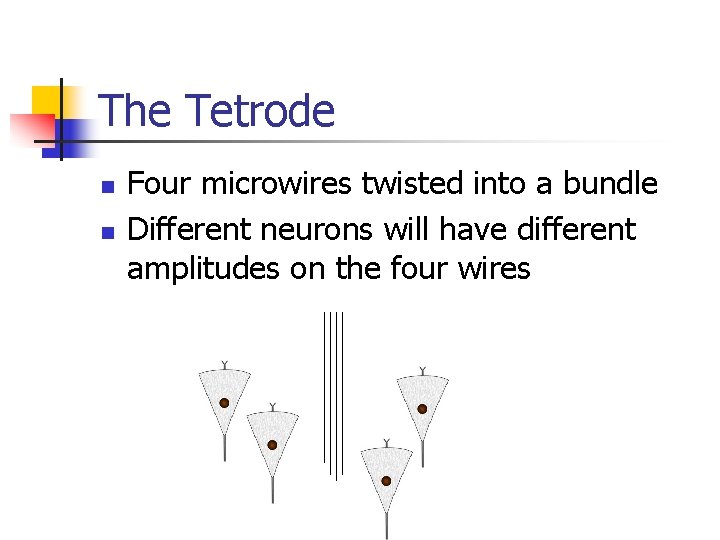
The Tetrode n n Four microwires twisted into a bundle Different neurons will have different amplitudes on the four wires
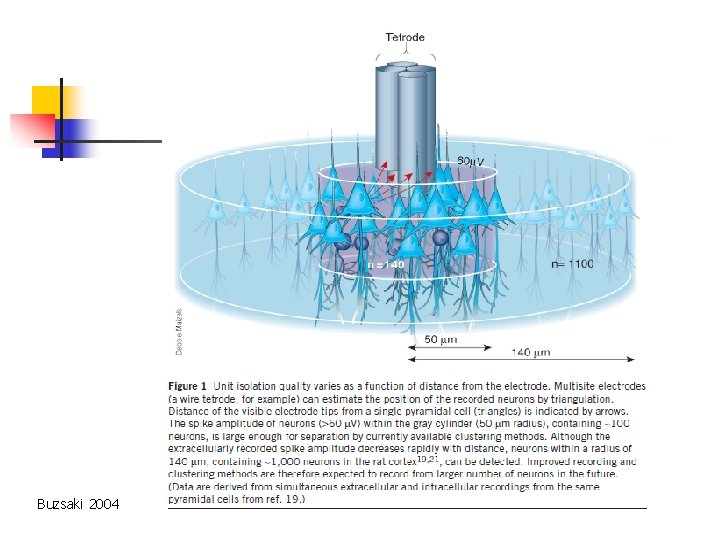
Buzsaki 2004
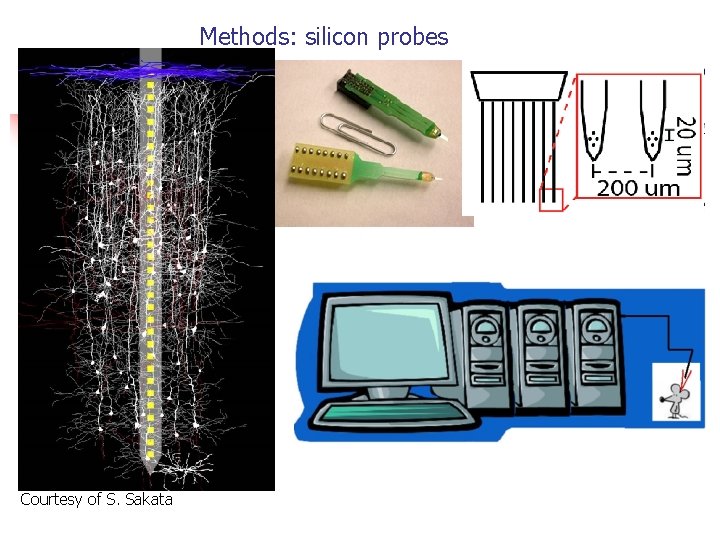
Methods: silicon probes Courtesy of S. Sakata
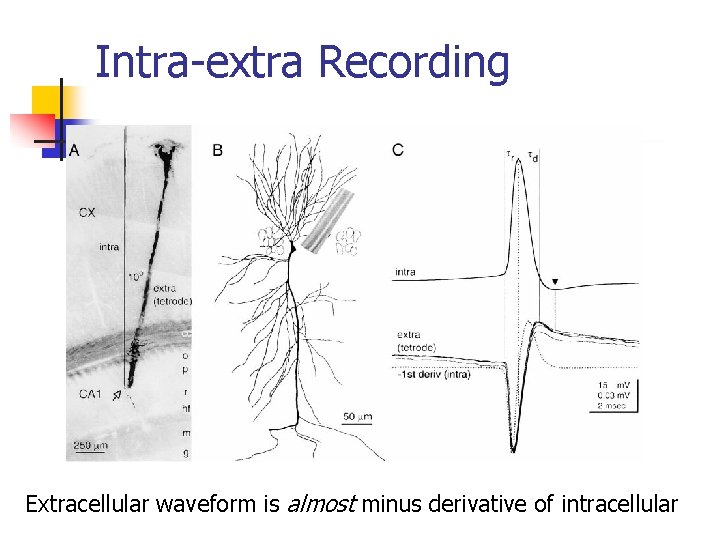
Intra-extra Recording Extracellular waveform is almost minus derivative of intracellular
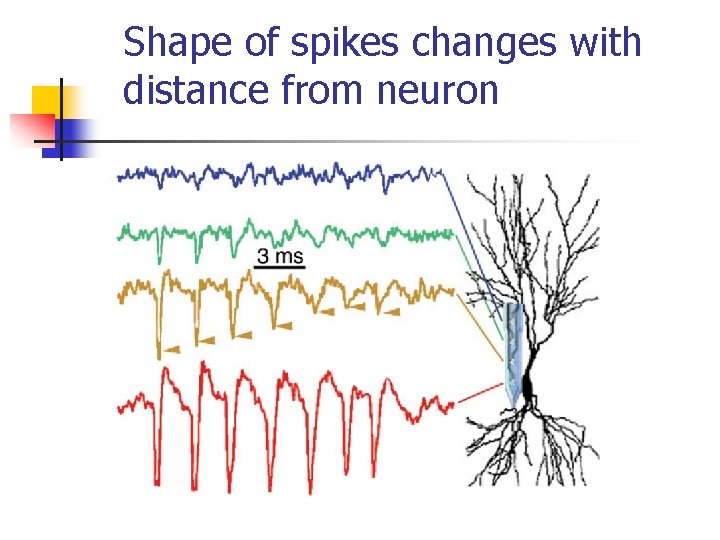
Shape of spikes changes with distance from neuron
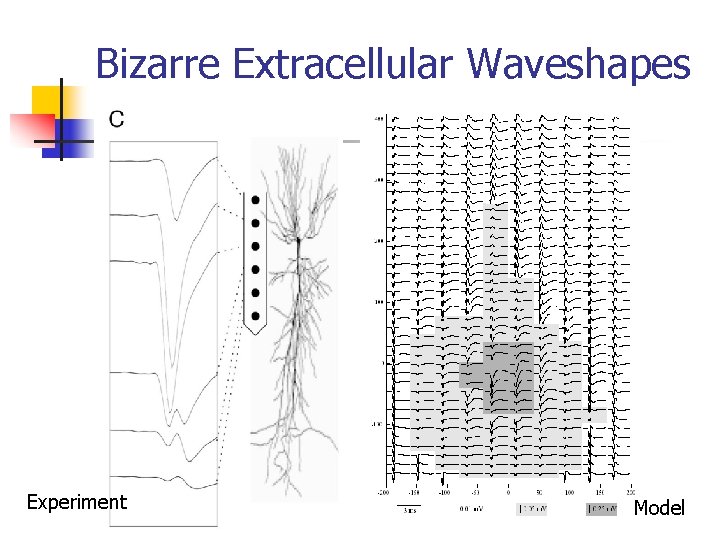
Bizarre Extracellular Waveshapes Experiment Model
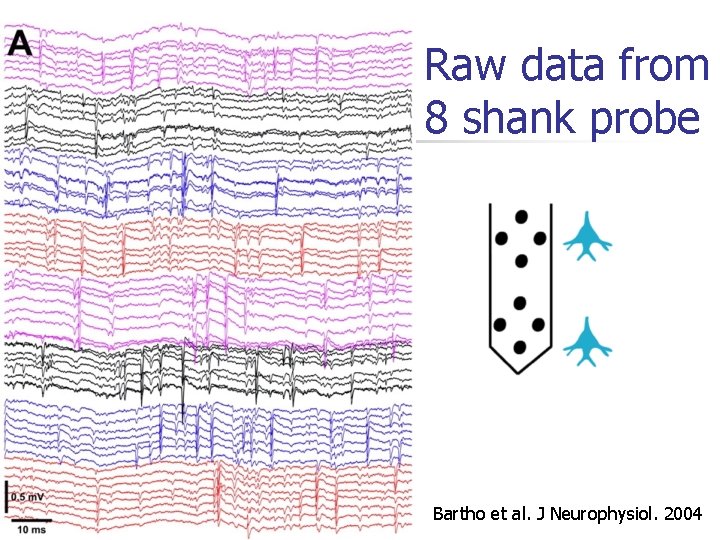
Raw data from 8 shank probe Bartho et al. J Neurophysiol. 2004
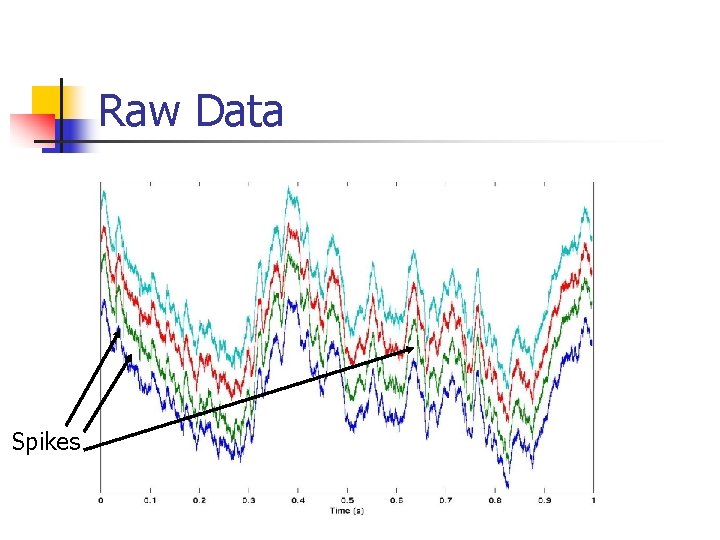
Raw Data Spikes
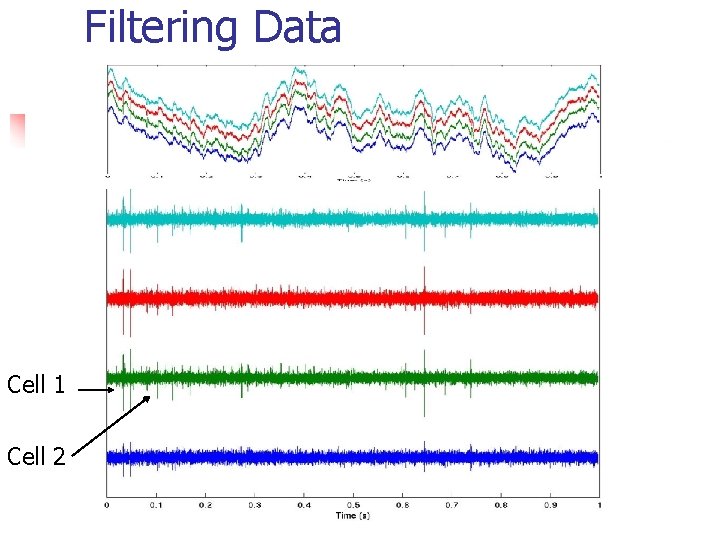
Filtering Data Cell 1 Cell 2
High Pass Filtering n n n Local field potential is primarily at low frequencies. Spikes are at higher frequencies. So use a high pass filter. 800 hz cutoff is good.
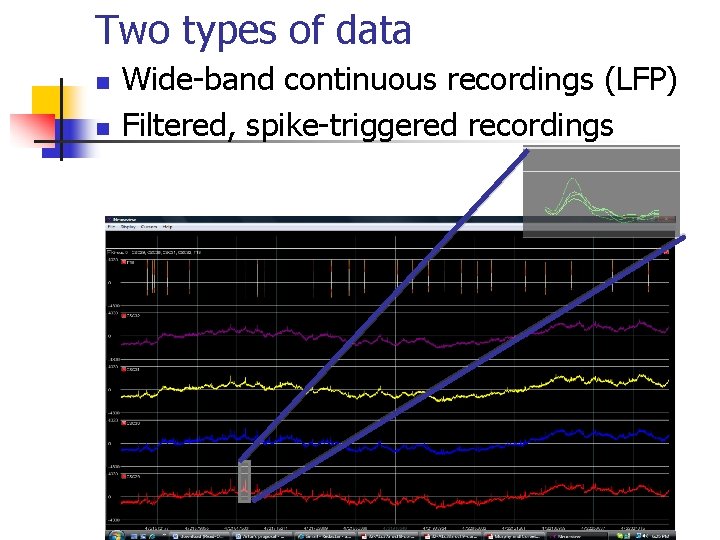
Two types of data n n Wide-band continuous recordings (LFP) Filtered, spike-triggered recordings
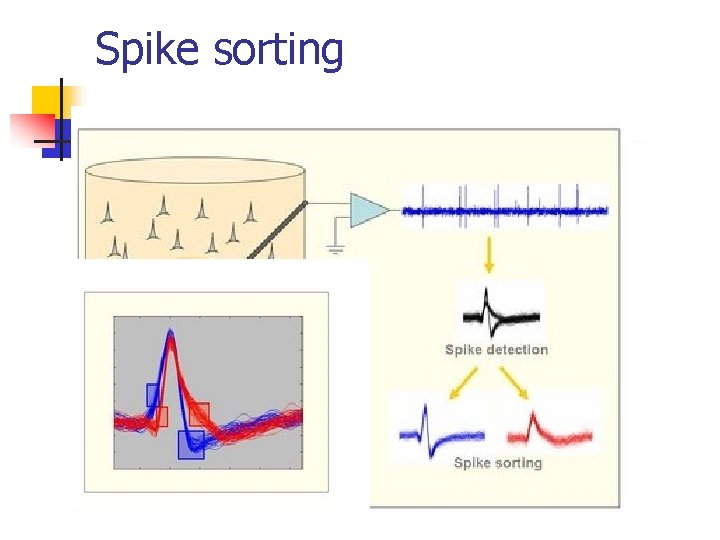
Spike sorting
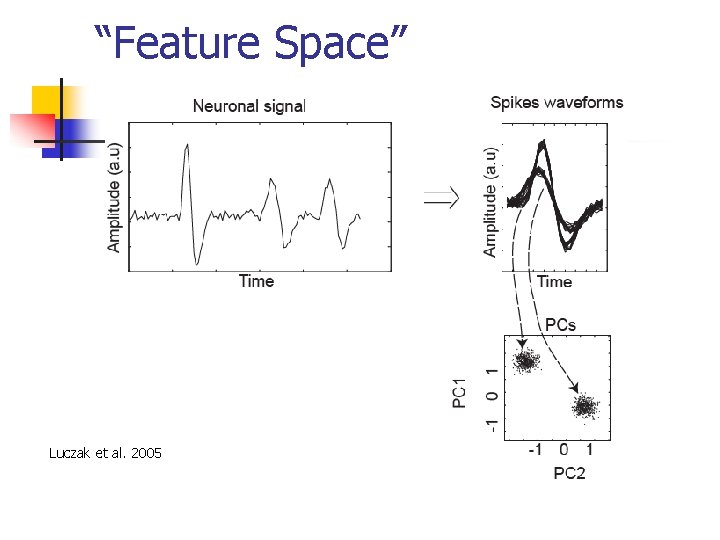
Data Reduction n We now have a waveform for each spike, for each channel. Still too much information! Before assigning individual spikes to cells, we must reduce further.
Principal Component Analysis n n n Create “feature vector” for each spike. Typically takes first 3 PCs for each channel. Do you use canonical principal components, or new ones for each file?
“Feature Space” Luczak et al. 2005
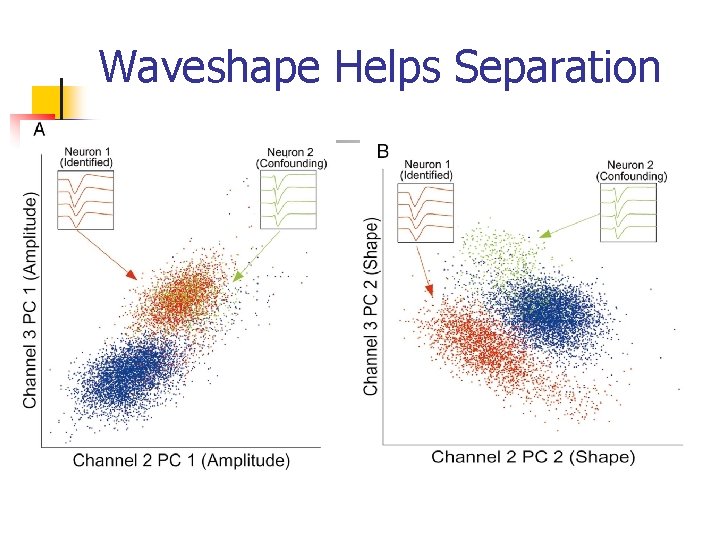
Waveshape Helps Separation
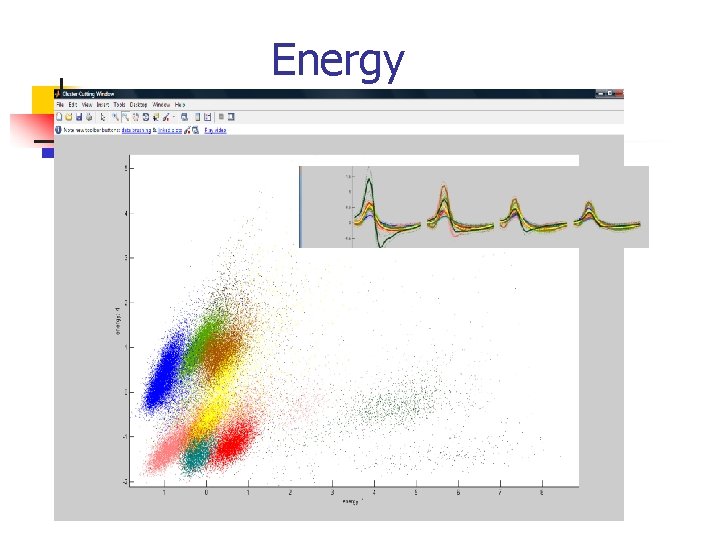
Energy
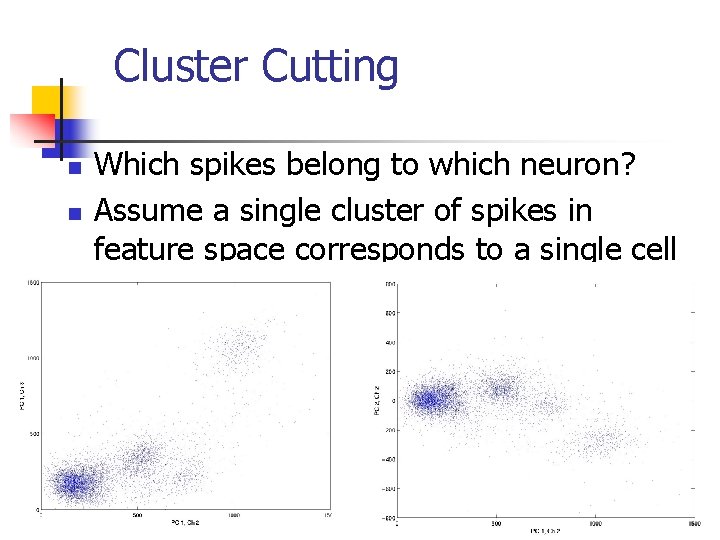
Cluster Cutting n n Which spikes belong to which neuron? Assume a single cluster of spikes in feature space corresponds to a single cell
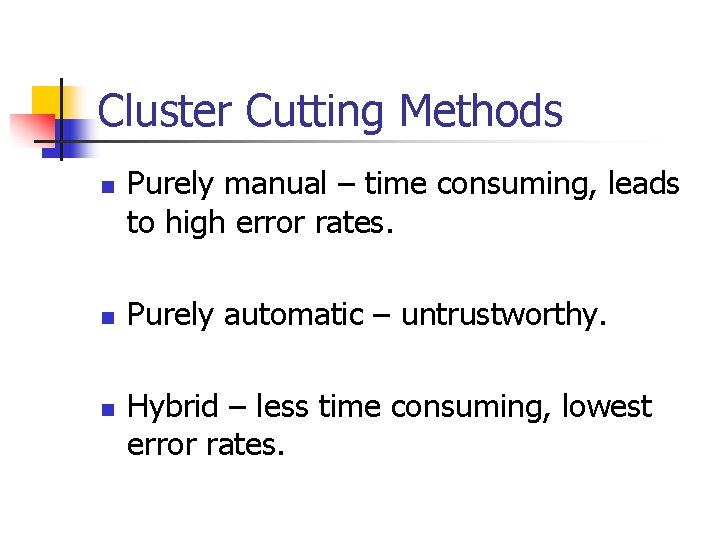
Cluster Cutting Methods n n n Purely manual – time consuming, leads to high error rates. Purely automatic – untrustworthy. Hybrid – less time consuming, lowest error rates.
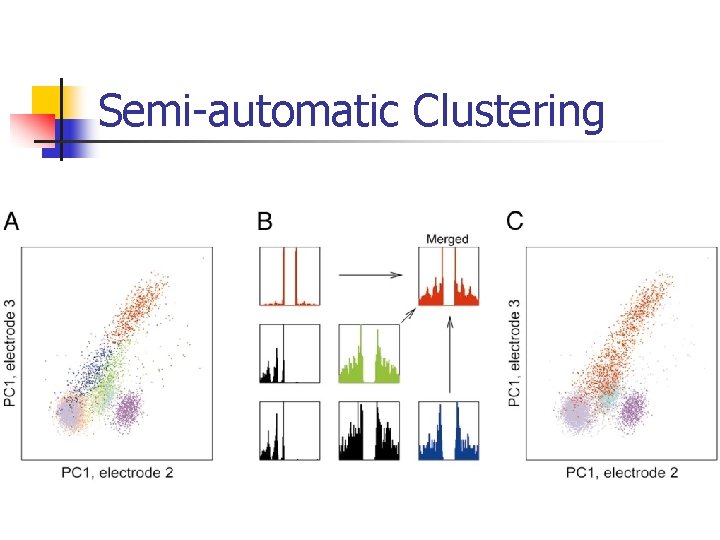
Semi-automatic Clustering
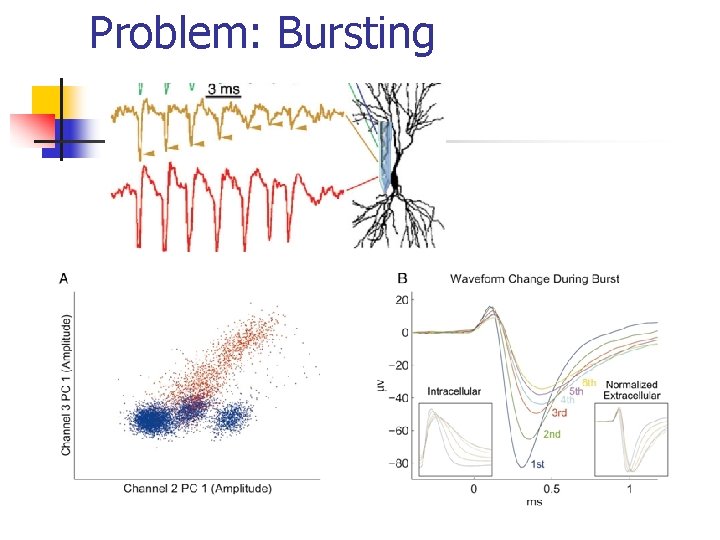
Problem: Bursting
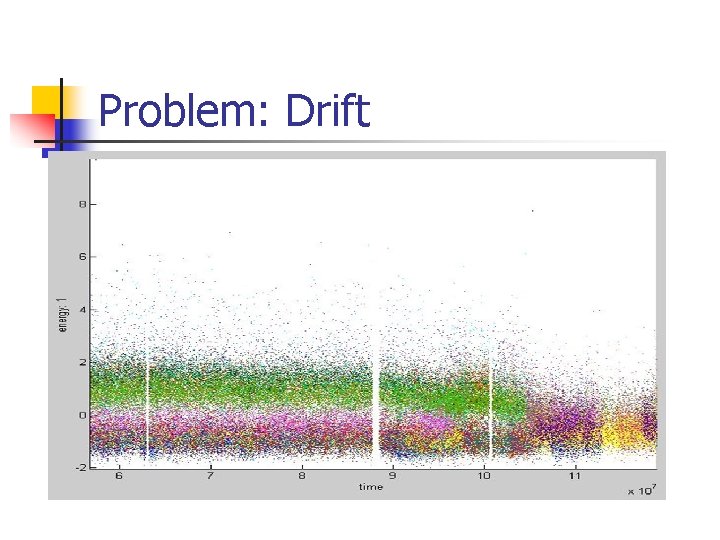
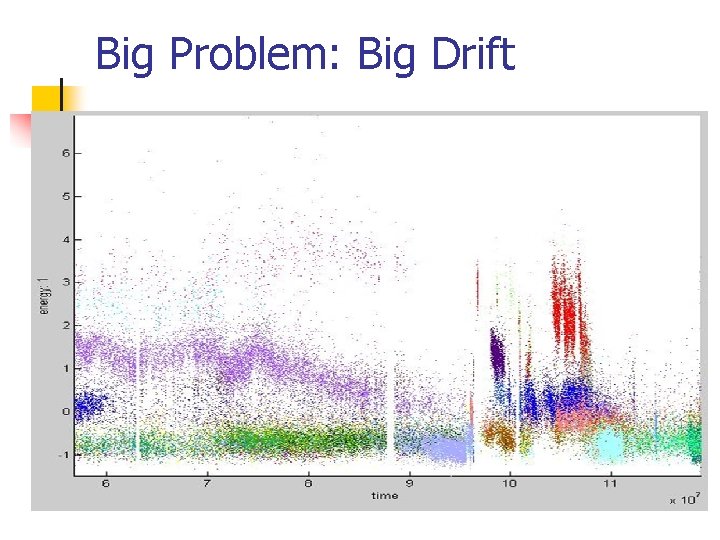
Problem: Drift
Big Problem: Big Drift
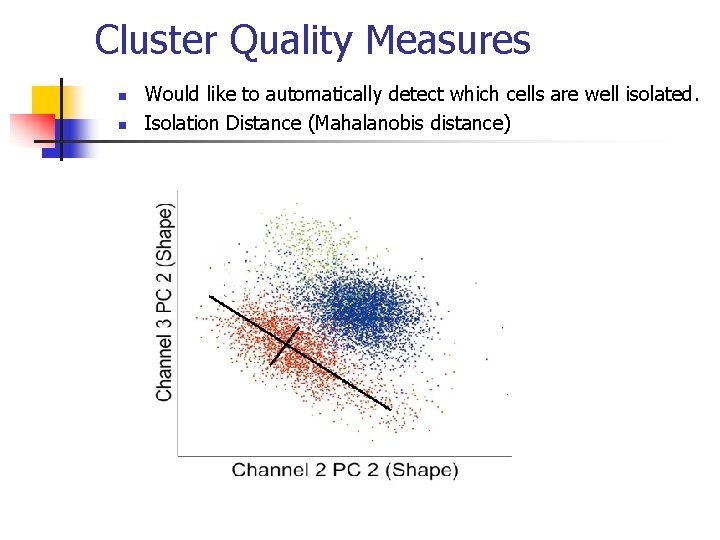
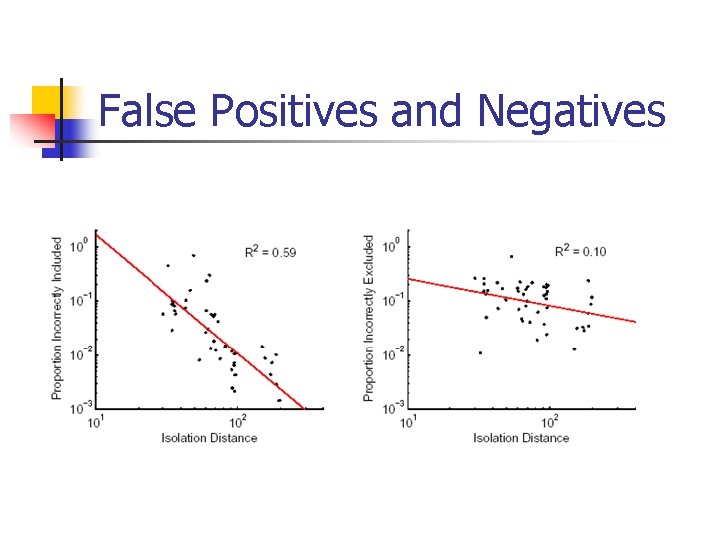
Cluster Quality Measures n n Would like to automatically detect which cells are well isolated. Isolation Distance (Mahalanobis distance)
False Positives and Negatives
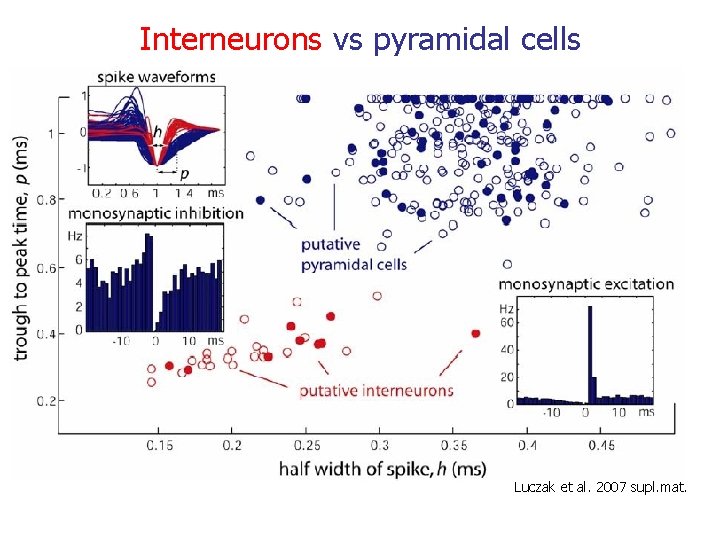
What else can we learn from spike waveforms?
Interneurons vs pyramidal cells Luczak et al. 2007 supl. mat.
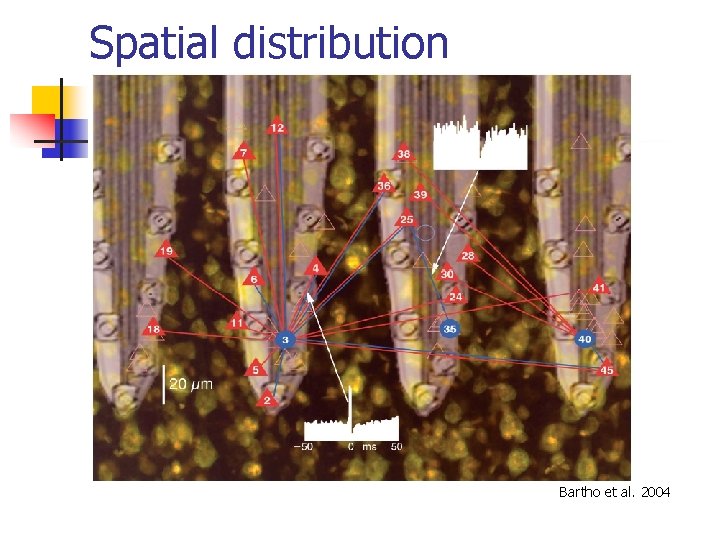
Spatial distribution Bartho et al. 2004
Questions?