
SPICE chart Ch 15 India and Indian Ocean
- Slides: 13
SPICE chart Ch 15 India and Indian Ocean Basin
Social • Caste system kept social organization in Hindu areas (mostly southern India) • Helped in times with no central authority • Places foreigners in castes too (many merchants from other regions settled there)
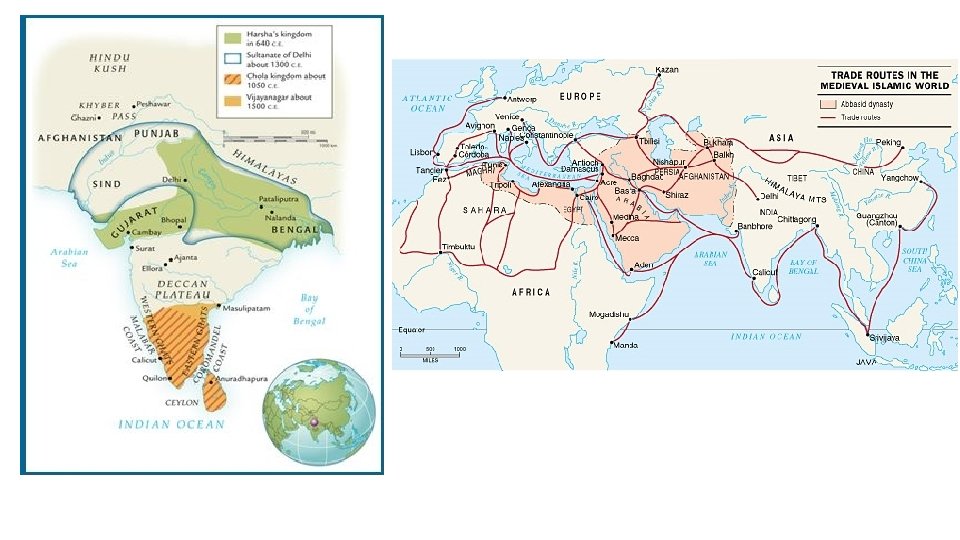
Political North India- Decline from nomad invasions (White Huns) until leader Harsha 606 -645 reunified northern region Abbasids enter and introduce Islam More Turkish migrants settle then move to Afghanistan Sultanate of Dehli 1206 -1526 creates an entire Islamic State
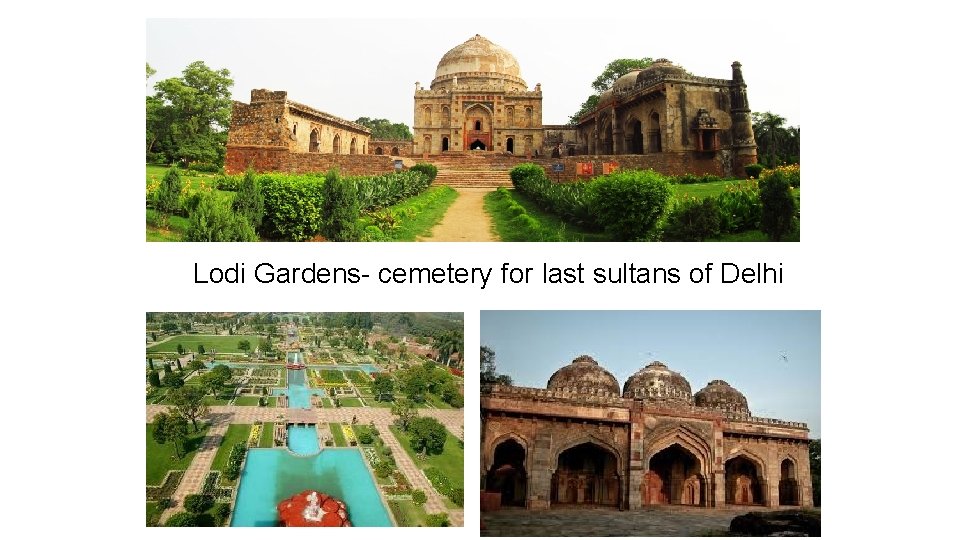
Lodi Gardens- cemetery for last sultans of Delhi
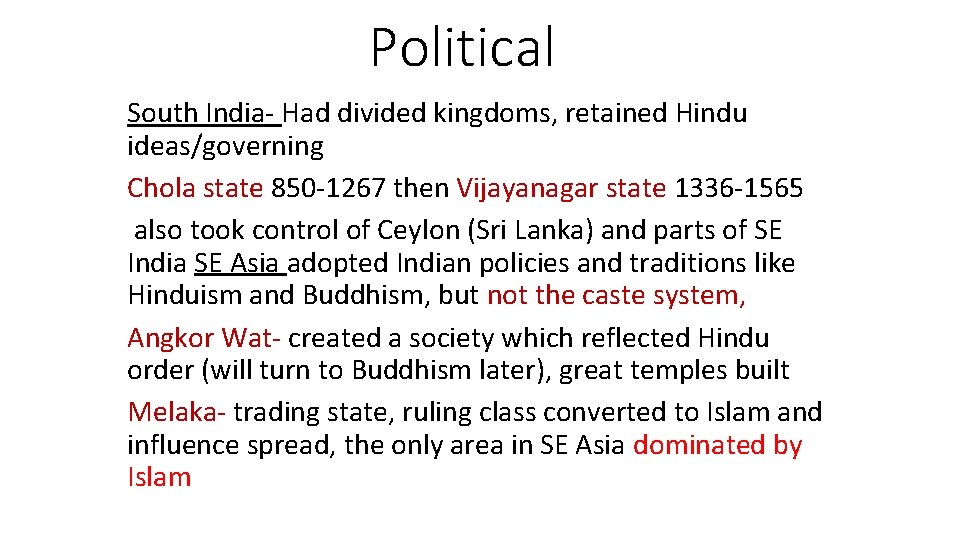
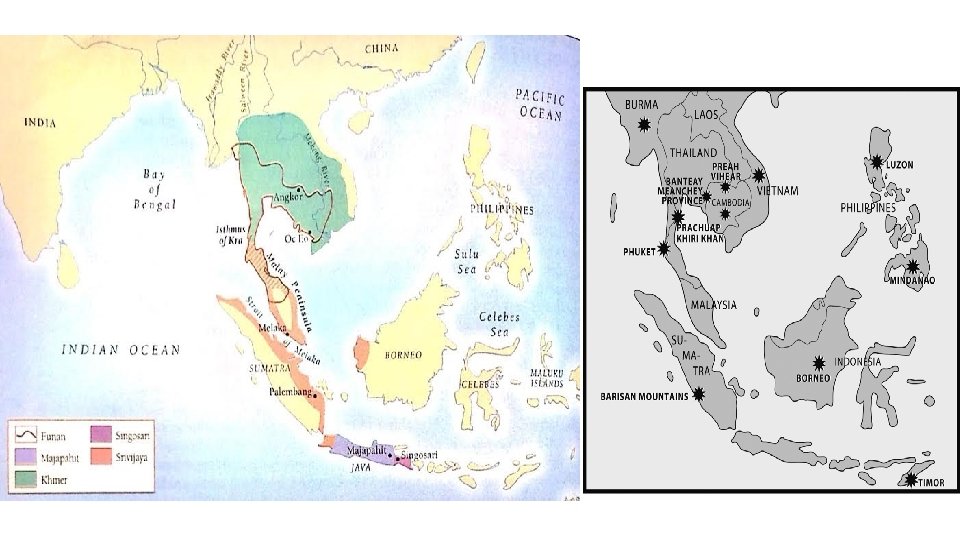
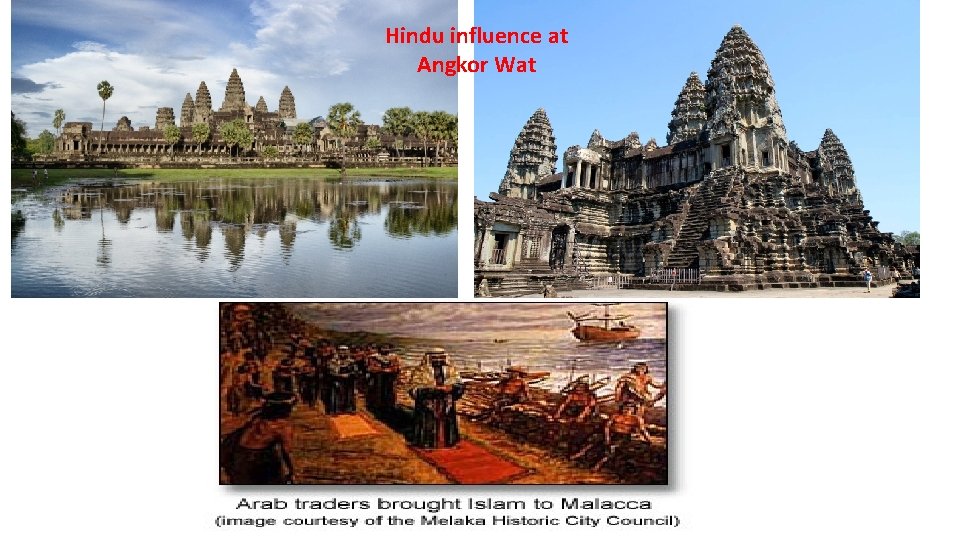
Political South India- Had divided kingdoms, retained Hindu ideas/governing Chola state 850 -1267 then Vijayanagar state 1336 -1565 also took control of Ceylon (Sri Lanka) and parts of SE India SE Asia adopted Indian policies and traditions like Hinduism and Buddhism, but not the caste system, Angkor Wat- created a society which reflected Hindu order (will turn to Buddhism later), great temples built Melaka- trading state, ruling class converted to Islam and influence spread, the only area in SE Asia dominated by Islam
Hindu influence at Angkor Wat
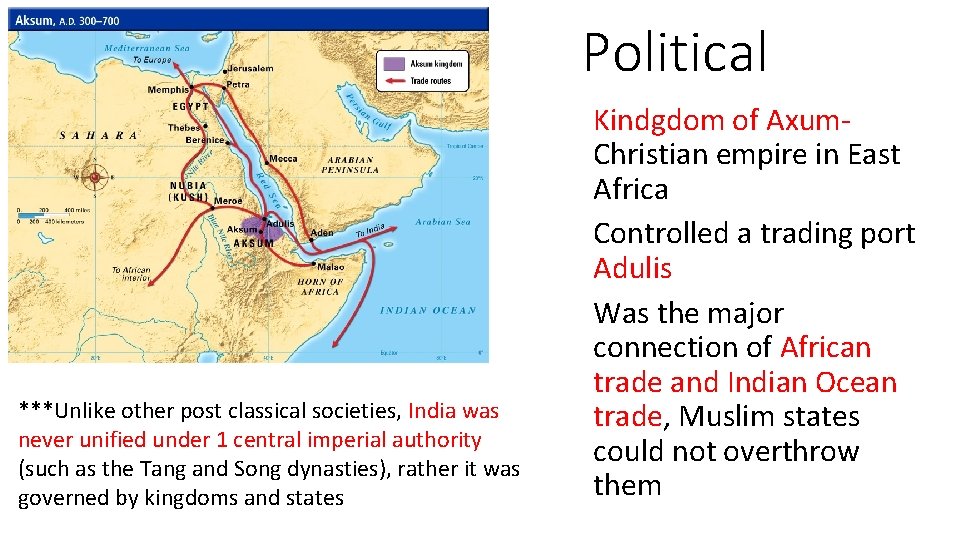
Political ***Unlike other post classical societies, India was never unified under 1 central imperial authority (such as the Tang and Song dynasties), rather it was governed by kingdoms and states Kindgdom of Axum. Christian empire in East Africa Controlled a trading port Adulis Was the major connection of African trade and Indian Ocean trade, Muslim states could not overthrow them
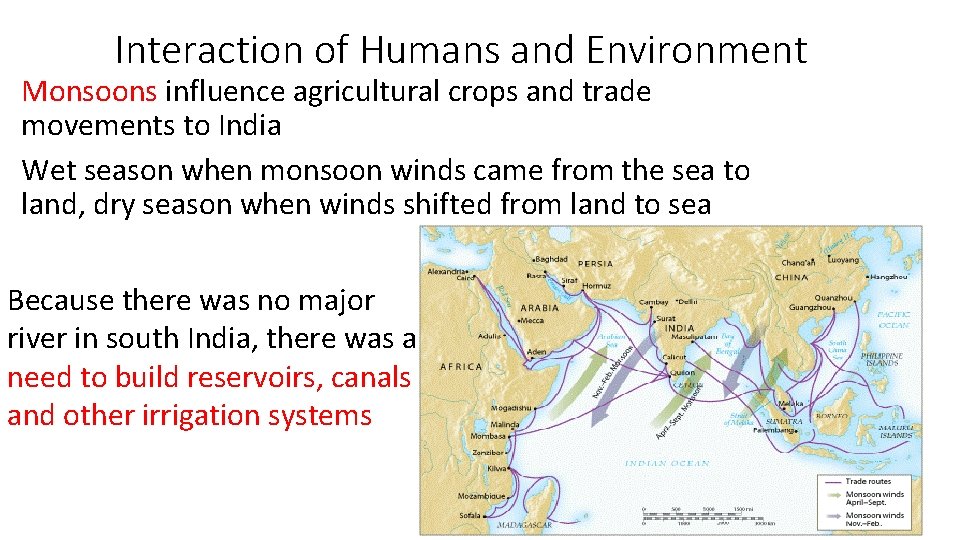
Interaction of Humans and Environment Monsoons influence agricultural crops and trade movements to India Wet season when monsoon winds came from the sea to land, dry season when winds shifted from land to sea Because there was no major river in south India, there was a need to build reservoirs, canals and other irrigation systems
Culture Religion- Islam in North, Hindu in South Hindu temples served multiple purposes both economic and social Appeal of Islam- equality not seen in caste system, Sufis allowed followers to observe old rituals while learning Islamic idea Bhakti movement attempted to blend Hinduism and Islam (not successful overall) Cross-cultural trade: new ships by merchants dhow and junk boats Unique foreign goods: Silk, porcelain China, Spices SE Asia, Pepper, gems, cotton India, Incense and horses Arabia, Gold, ivory and slaves East Africa
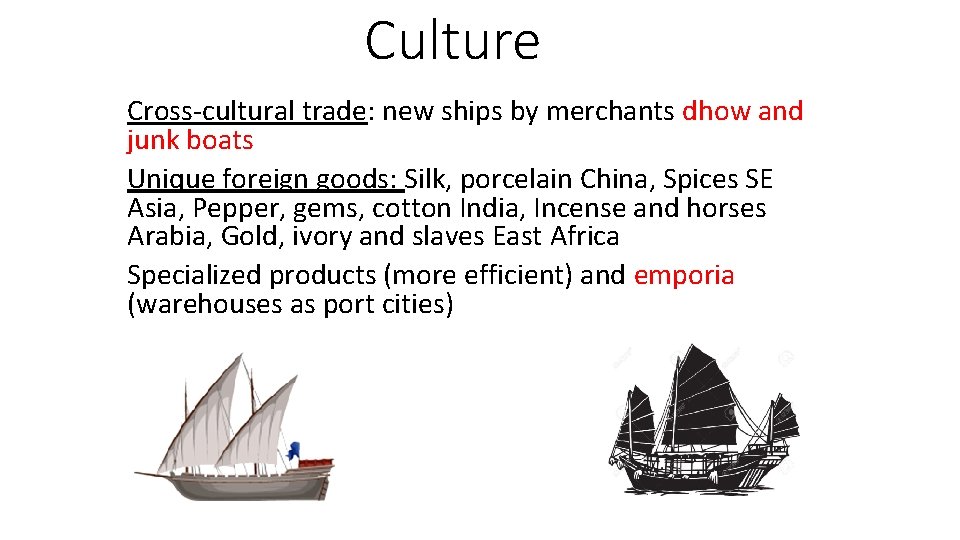
Culture Cross-cultural trade: new ships by merchants dhow and junk boats Unique foreign goods: Silk, porcelain China, Spices SE Asia, Pepper, gems, cotton India, Incense and horses Arabia, Gold, ivory and slaves East Africa Specialized products (more efficient) and emporia (warehouses as port cities)
Economics Muslim merchants formed communities along Indian coasts Influence of Indian Ocean trade Hindu temples also were banks and business centers Increase in productivity led to increase population and higher urbanization (city life) Controlling the seas allowed regions to control trade