
SpeechLanguage Therapy Services Delivered through Live Interactive Video

- Slides: 15
Speech-Language Therapy Services Delivered through Live Interactive Video Conferencing Sue Grogan-Johnson, Ph. D. , CCC/SLP sgrogan 1@kent. edu
Agenda Demonstration Overview of Project & Services Research Results Video clips Q & A
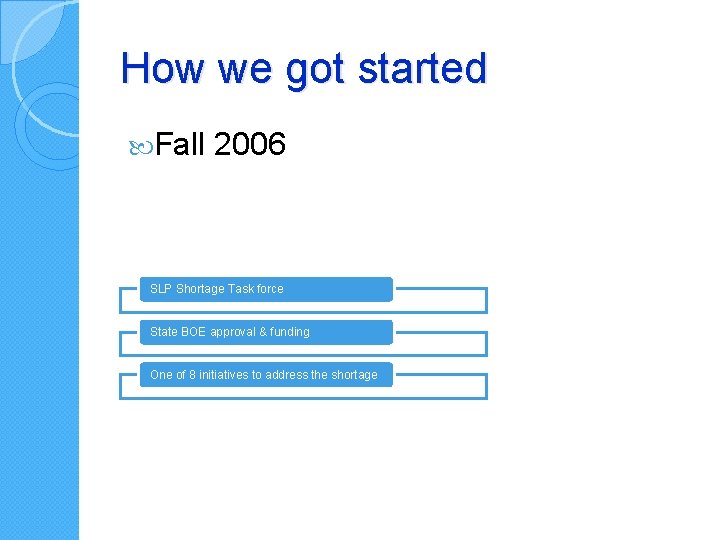
How we got started Fall 2006 SLP Shortage Task force State BOE approval & funding One of 8 initiatives to address the shortage
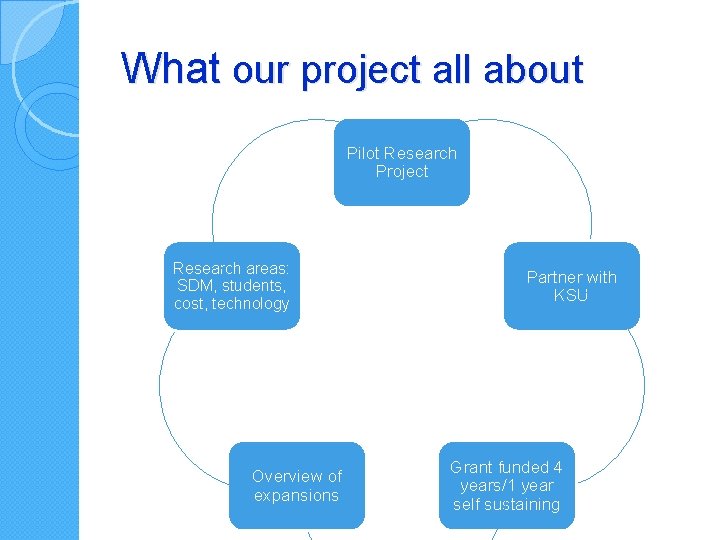
What our project all about Pilot Research Project Research areas: SDM, students, cost, technology Overview of expansions Partner with KSU Grant funded 4 years/1 year self sustaining
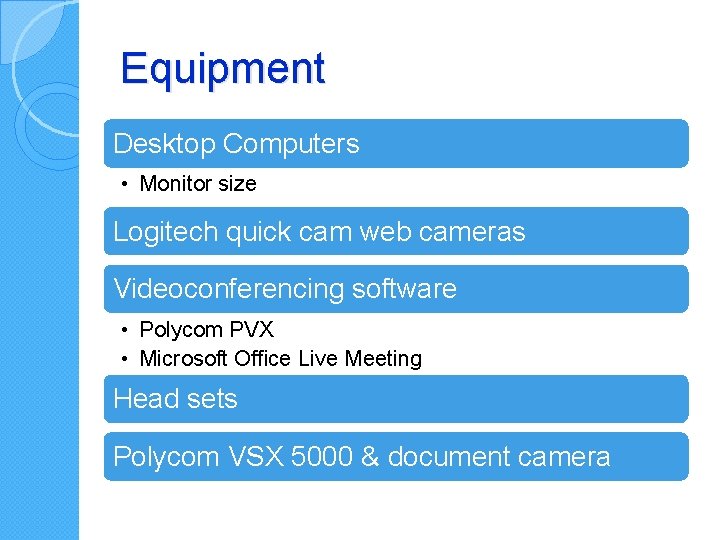
Equipment Desktop Computers • Monitor size Logitech quick cam web cameras Videoconferencing software • Polycom PVX • Microsoft Office Live Meeting Head sets Polycom VSX 5000 & document camera
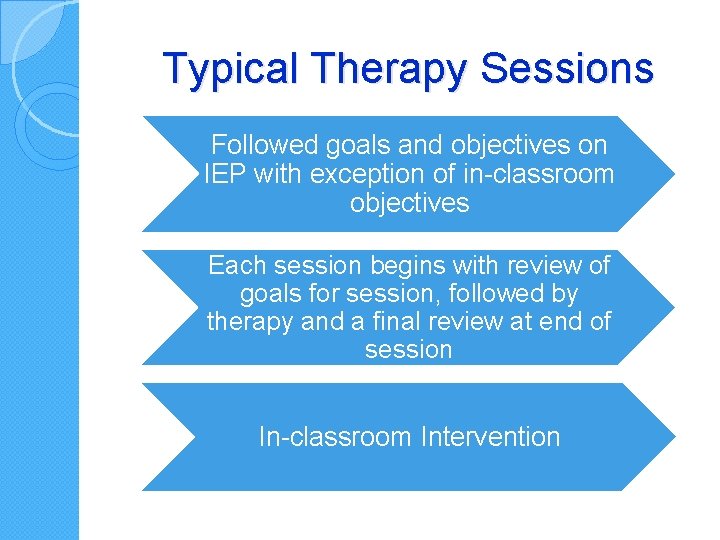
Typical Therapy Sessions Followed goals and objectives on IEP with exception of in-classroom objectives Each session begins with review of goals for session, followed by therapy and a final review at end of session In-classroom Intervention
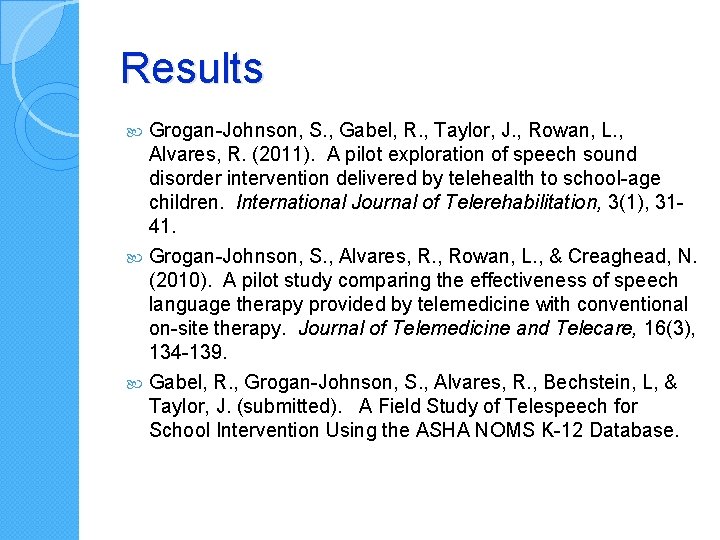
Results Grogan-Johnson, S. , Gabel, R. , Taylor, J. , Rowan, L. , Alvares, R. (2011). A pilot exploration of speech sound disorder intervention delivered by telehealth to school-age children. International Journal of Telerehabilitation, 3(1), 3141. Grogan-Johnson, S. , Alvares, R. , Rowan, L. , & Creaghead, N. (2010). A pilot study comparing the effectiveness of speech language therapy provided by telemedicine with conventional on-site therapy. Journal of Telemedicine and Telecare, 16(3), 134 -139. Gabel, R. , Grogan-Johnson, S. , Alvares, R. , Bechstein, L, & Taylor, J. (submitted). A Field Study of Telespeech for School Intervention Using the ASHA NOMS K-12 Database.
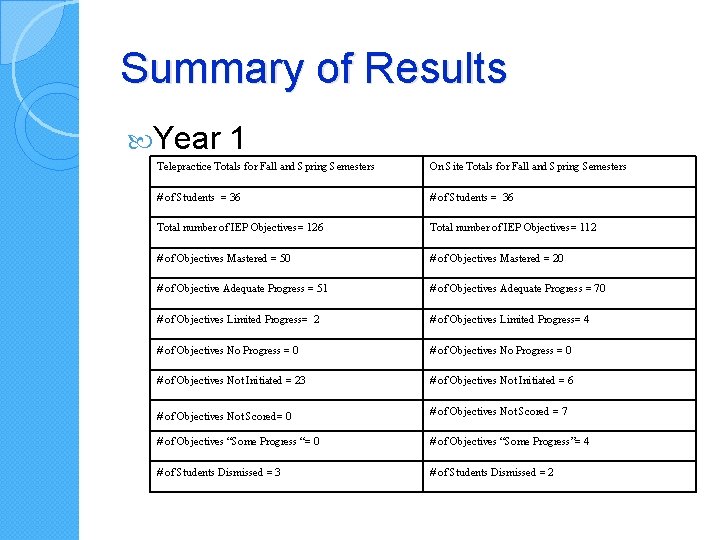
Summary of Results Year 1 Telepractice Totals for Fall and Spring Semesters On Site Totals for Fall and Spring Semesters # of Students = 36 Total number of IEP Objectives= 126 Total number of IEP Objectives= 112 # of Objectives Mastered = 50 # of Objectives Mastered = 20 # of Objective Adequate Progress = 51 # of Objectives Adequate Progress = 70 # of Objectives Limited Progress= 2 # of Objectives Limited Progress= 4 # of Objectives No Progress = 0 # of Objectives Not Initiated = 23 # of Objectives Not Initiated = 6 # of Objectives Not Scored= 0 # of Objectives Not Scored = 7 # of Objectives “Some Progress “= 0 # of Objectives “Some Progress”= 4 # of Students Dismissed = 3 # of Students Dismissed = 2
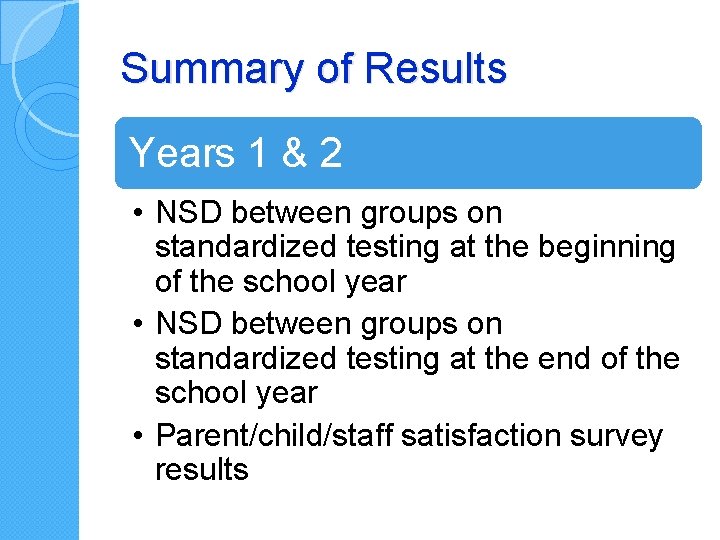
Summary of Results Years 1 & 2 • NSD between groups on standardized testing at the beginning of the school year • NSD between groups on standardized testing at the end of the school year • Parent/child/staff satisfaction survey results
Summary of Results Year 3 • ASHA NOMS Scale • Similar caseloads • Students in both models made improvements; more students in traditional services improved multiple levels • Students in traditional services received more therapy time • Students in telespeech more likely to receive individual or small group sessions Summer Pilot Project
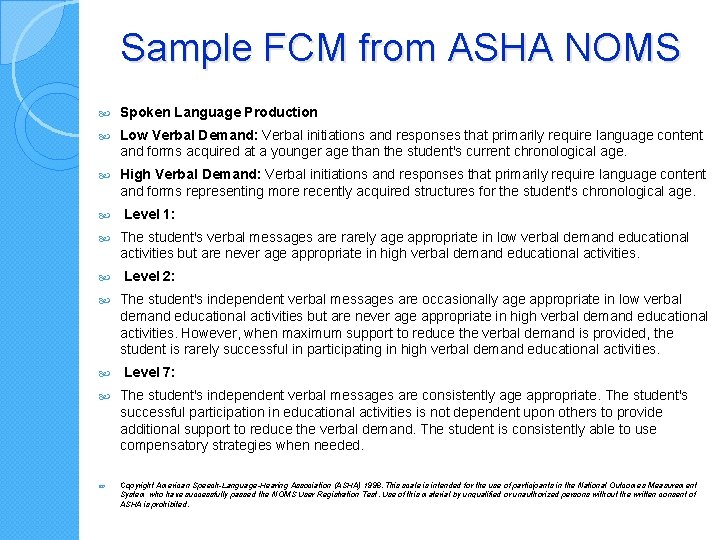
Sample FCM from ASHA NOMS Spoken Language Production Low Verbal Demand: Verbal initiations and responses that primarily require language content and forms acquired at a younger age than the student's current chronological age. High Verbal Demand: Verbal initiations and responses that primarily require language content and forms representing more recently acquired structures for the student's chronological age. Level 1: The student's verbal messages are rarely age appropriate in low verbal demand educational activities but are never age appropriate in high verbal demand educational activities. Level 2: The student's independent verbal messages are occasionally age appropriate in low verbal demand educational activities but are never age appropriate in high verbal demand educational activities. However, when maximum support to reduce the verbal demand is provided, the student is rarely successful in participating in high verbal demand educational activities. Level 7: The student's independent verbal messages are consistently age appropriate. The student's successful participation in educational activities is not dependent upon others to provide additional support to reduce the verbal demand. The student is consistently able to use compensatory strategies when needed. Copyright American Speech-Language-Hearing Association (ASHA) 1998. This scale is intended for the use of participants in the National Outcomes Measurement System who have successfully passed the NOMS User Registration Test. Use of this material by unqualified or unauthorized persons without the written consent of ASHA is prohibited.
Benefits of telepractice Providing master’s level speech and language services to students in rural Ohio. Increased productivity Use of Computer and Internet-based resources Students report that it is motivating
Limitations of telepractice Challenges to curriculum based intervention Can limit collaboration with administration, teachers and other service providers Can all students benefit? Potential for problems with technology
Important Considerations Maintaining confidentiality Credentials of service provider Converting to the service delivery model
Q & A