
Speciation Theory explaining how species form What is
- Slides: 34
Speciation Theory explaining how species form
What is a species? A species is a group of organisms that l. Can interbreed l. Produce fertile offspring l. Mate in nature
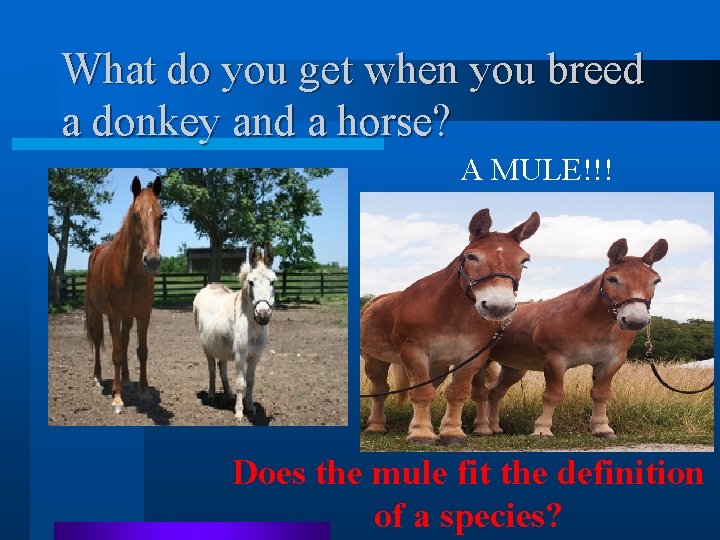
What do you get when you breed a donkey and a horse? A MULE!!! Does the mule fit the definition of a species?
Why does a MULE NOT fit the definition of a species? ? ü Can interbreed X Produce fertile offspring ü Do so in nature
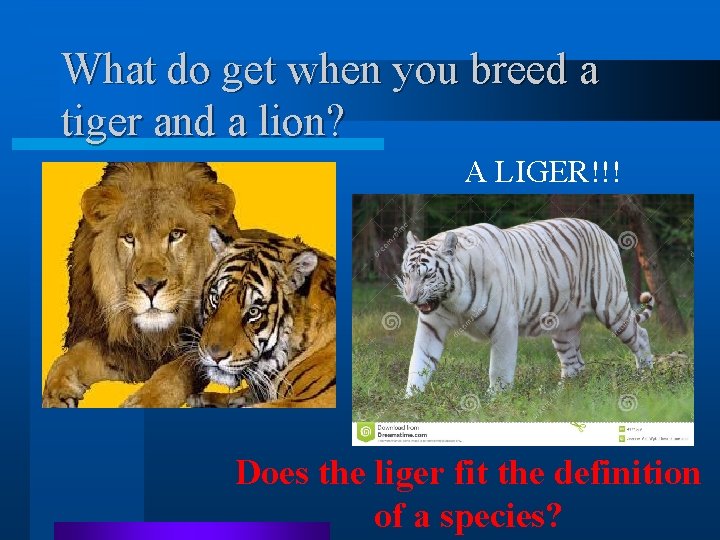
What do get when you breed a tiger and a lion? A LIGER!!! Does the liger fit the definition of a species?
Why does a LIGER NOT fit the definition of a species? ? ü Can interbreed X Produce fertile offspring X Do so in nature
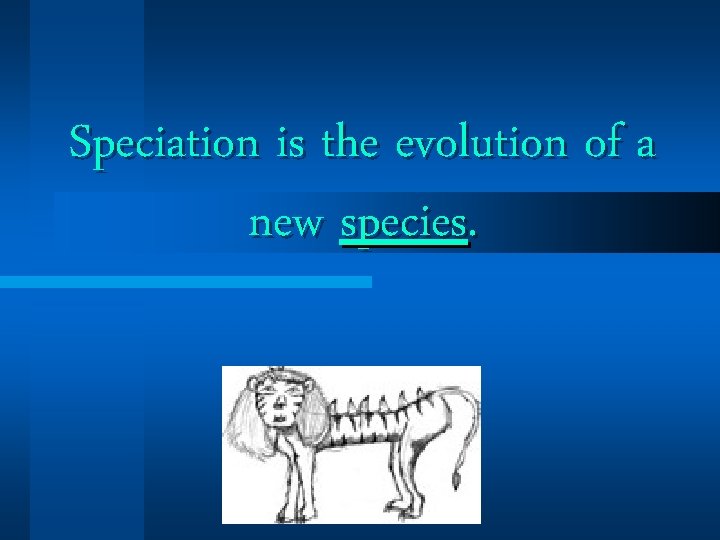
Speciation is the evolution of a new species.
Reproductive isolation l. When formerly interbreeding organisms are prevented from mating and producing fertile offspring.
Extinction l. The loss of a species
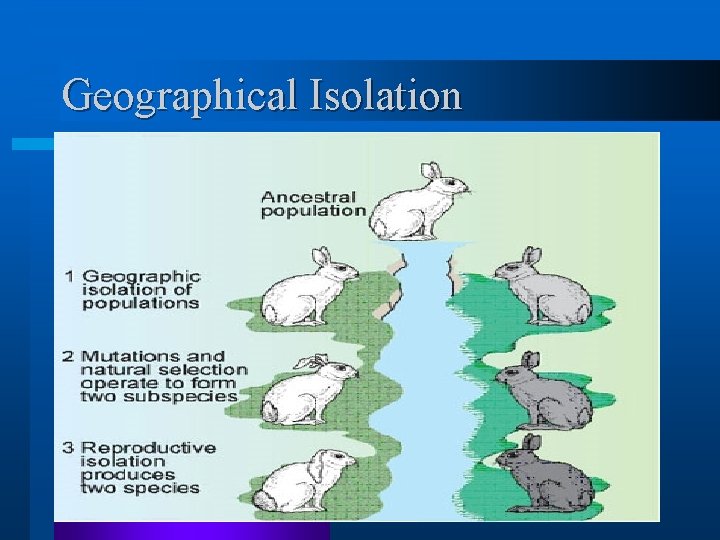
Speciation occurs when l. Formerly interbreeding organisms are prevented from mating and producing fertile offspring. l. This is called reproductive isolation.
Reproductive isolation can lead to speciation (3 ways): l. Geographical Isolation l. Temporal Isolation l. Behavioral Isolation
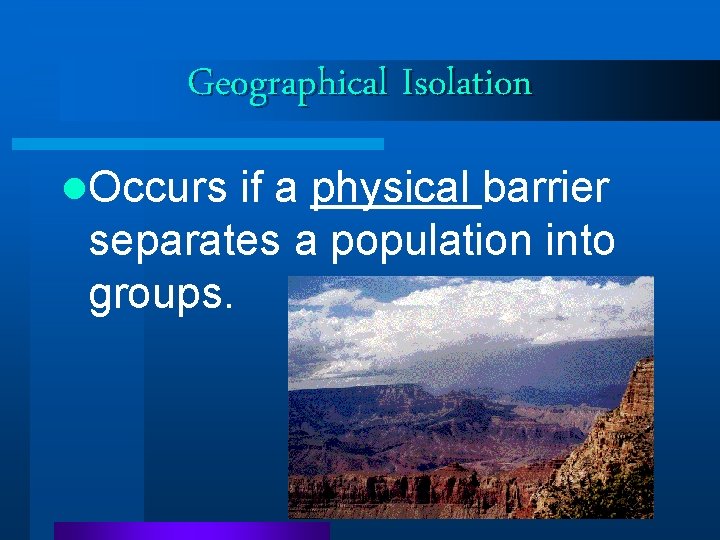
Geographical Isolation l. Occurs if a physical barrier separates a population into groups.
Geographical Isolation
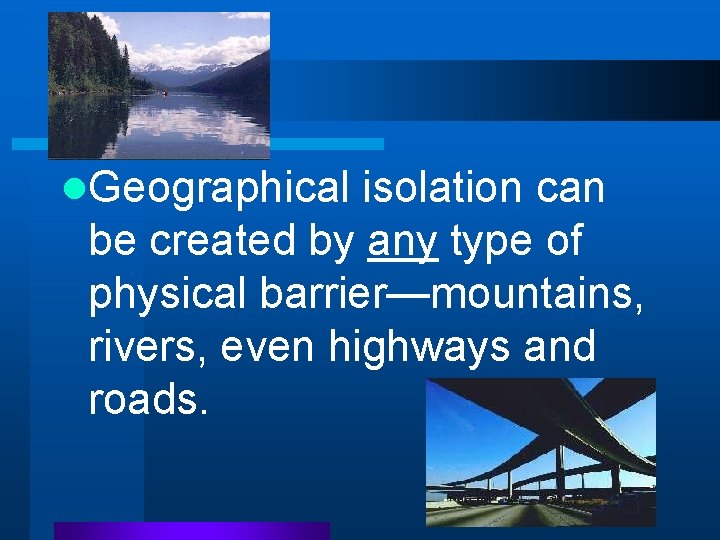
l. Geographical isolation can be created by any type of physical barrier—mountains, rivers, even highways and roads.
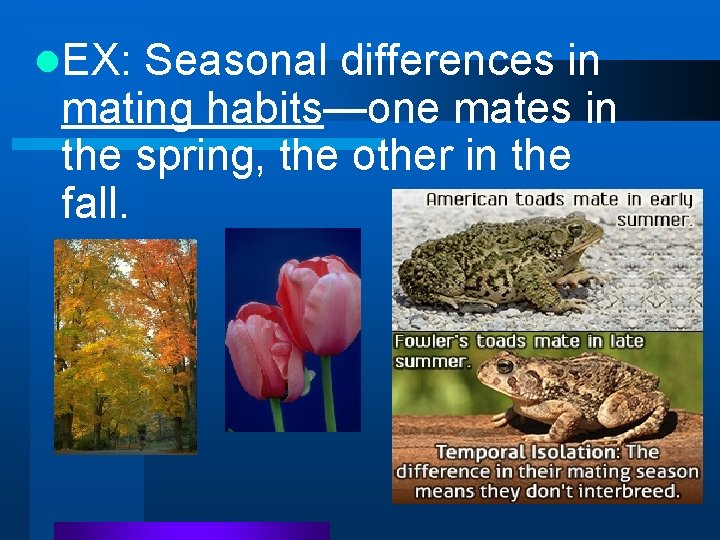
Temporal Isolation l Temporal l Occurs means “time” when timing prevents reproduction between populations
l. EX: Seasonal differences in mating habits—one mates in the spring, the other in the fall.
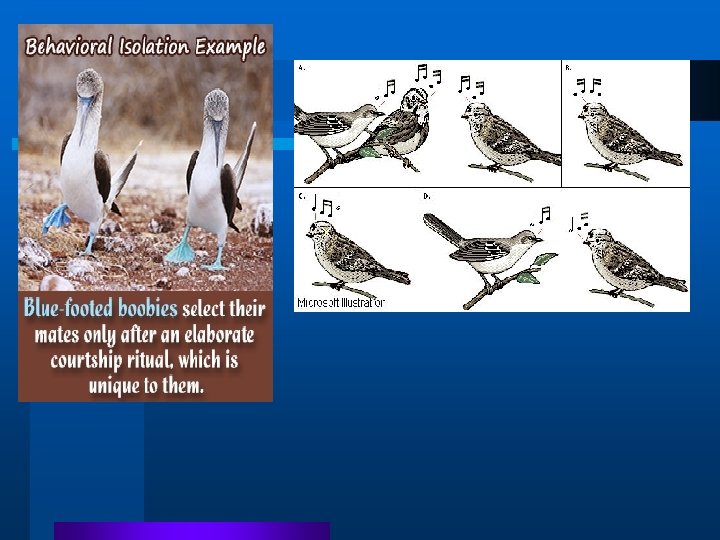
Behavioral Isolation l Caused by differences in courtship or mating rituals
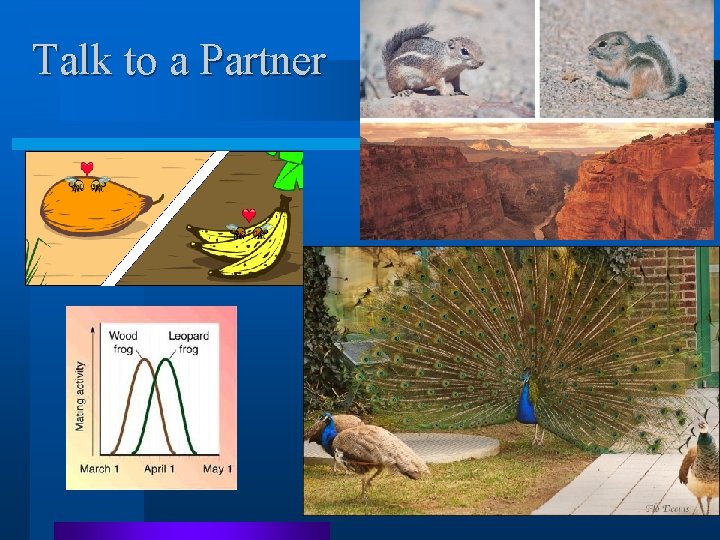
Talk to a Partner
Speciation can occur slowly or quickly.
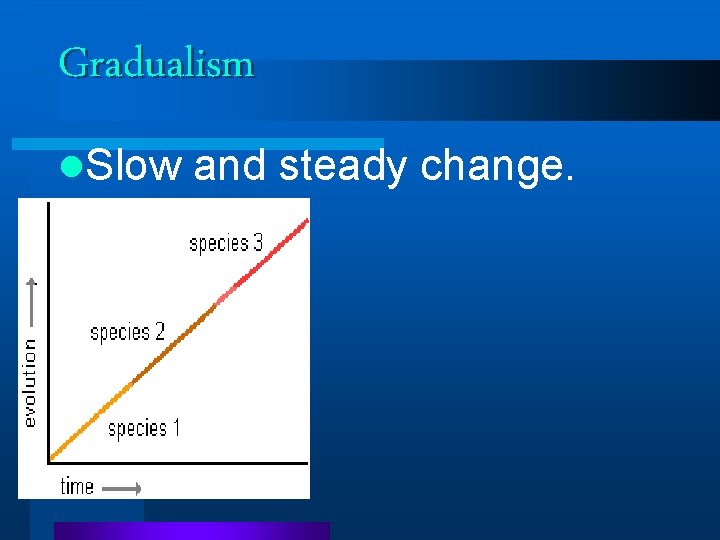
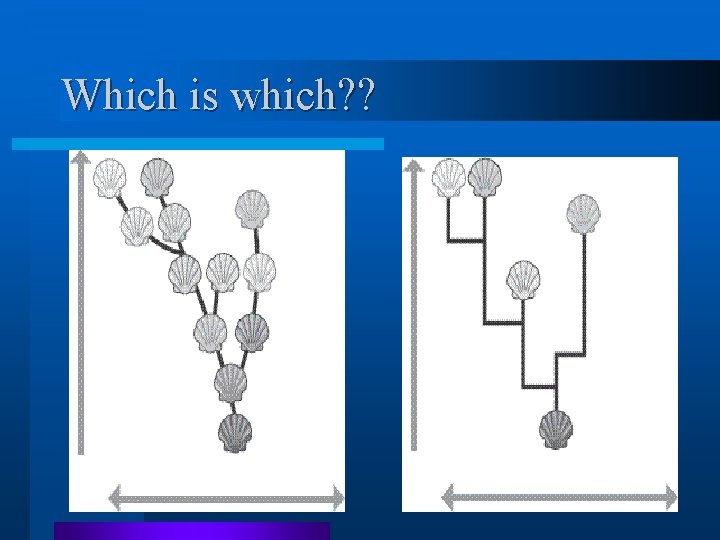
Gradualism l. Slow and steady change.
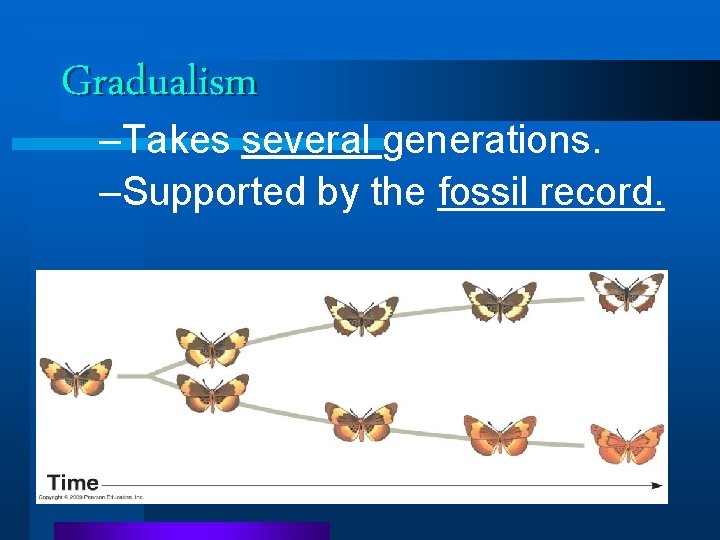
Gradualism –Takes several generations. –Supported by the fossil record.
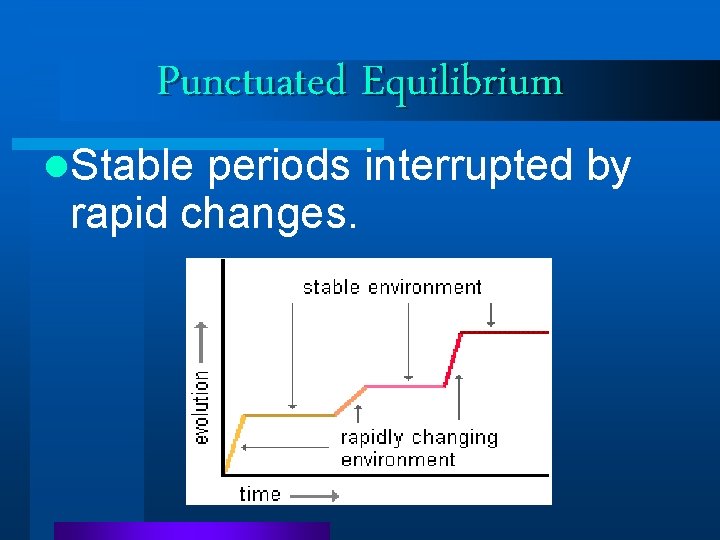
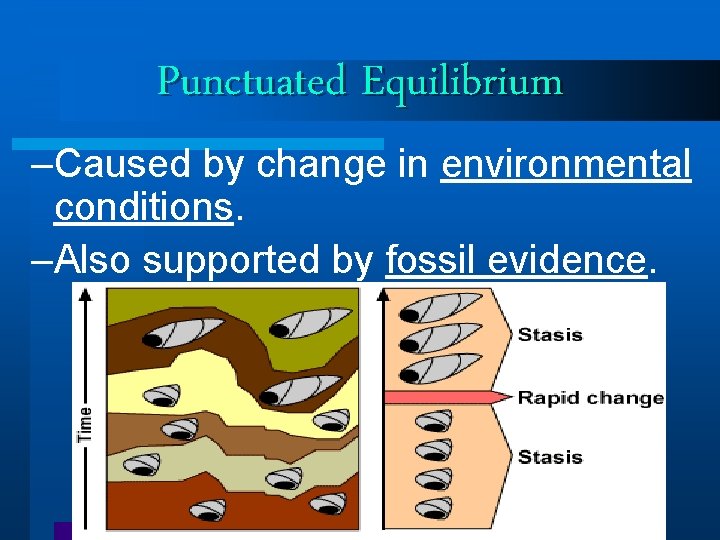
Punctuated Equilibrium l. Stable periods interrupted by rapid changes.
Punctuated Equilibrium –Caused by change in environmental conditions. –Also supported by fossil evidence.
Which is which? ?
Stasis
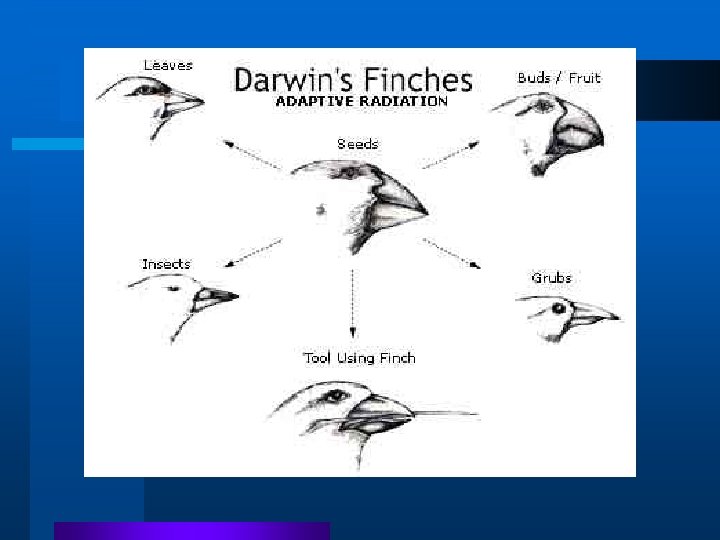
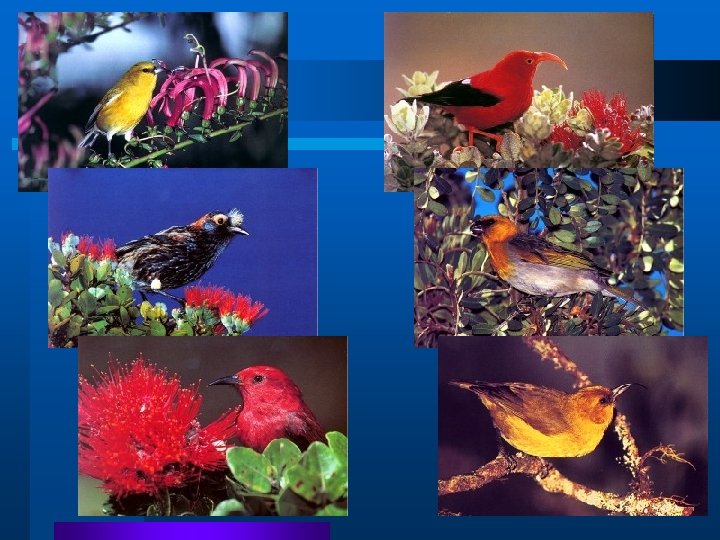
Species will diversify when introduced to a new environment.
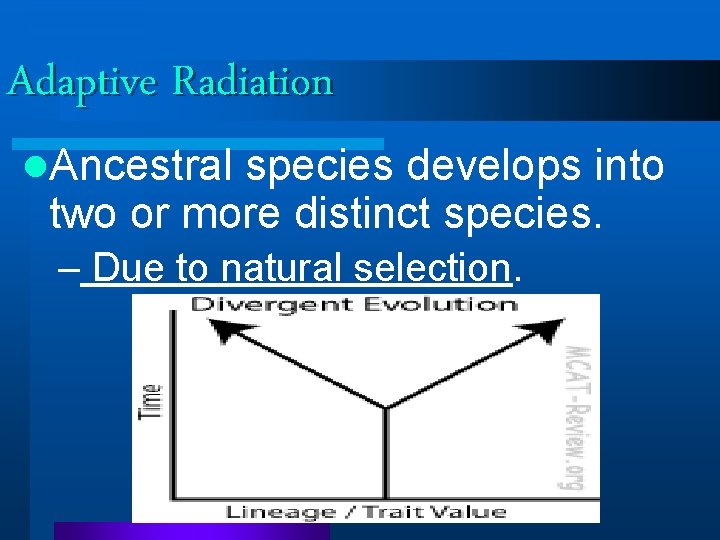
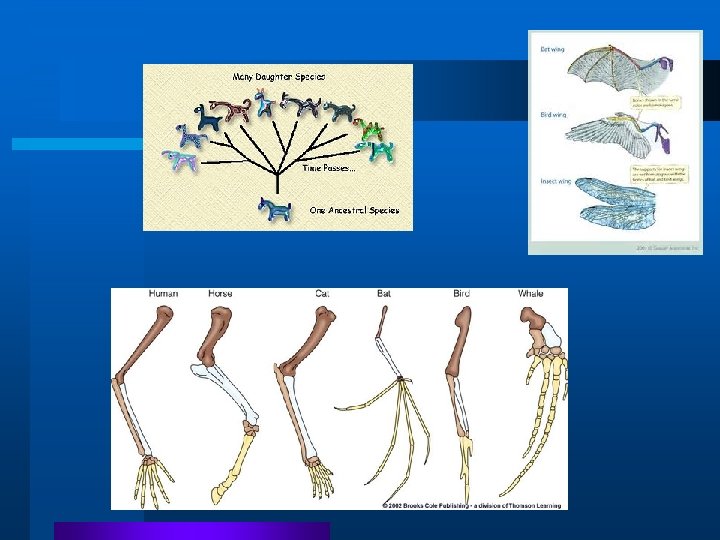
Adaptive Radiation l. Ancestral species develops into two or more distinct species. – Due to natural selection.
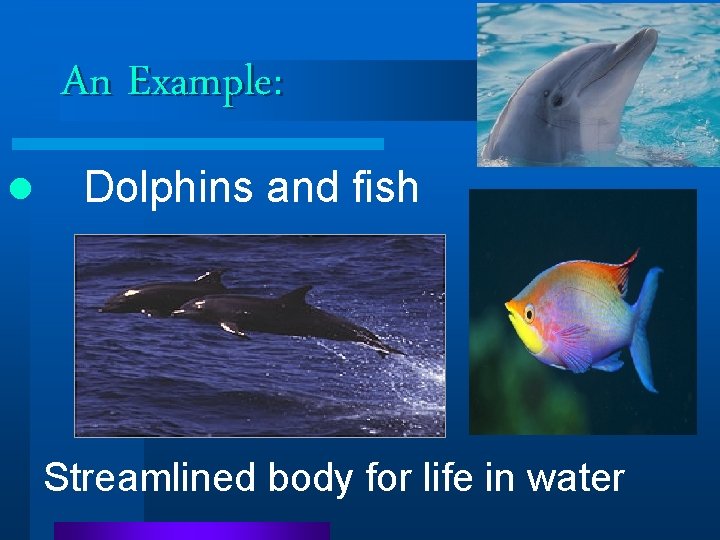
Convergent Evolution l The pattern of evolution in which unrelated organisms evolve similar traits. – Due to similar environments and similar selection pressures.
An Example: l Dolphins and fish Streamlined body for life in water