
Special Views Orientation Descriptive Terminology UIQ UOQ LIQ
- Slides: 34
Special Views Orientation
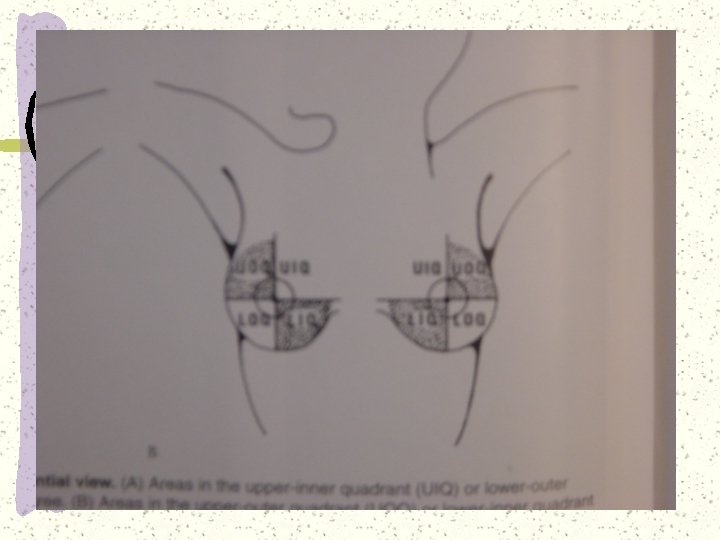
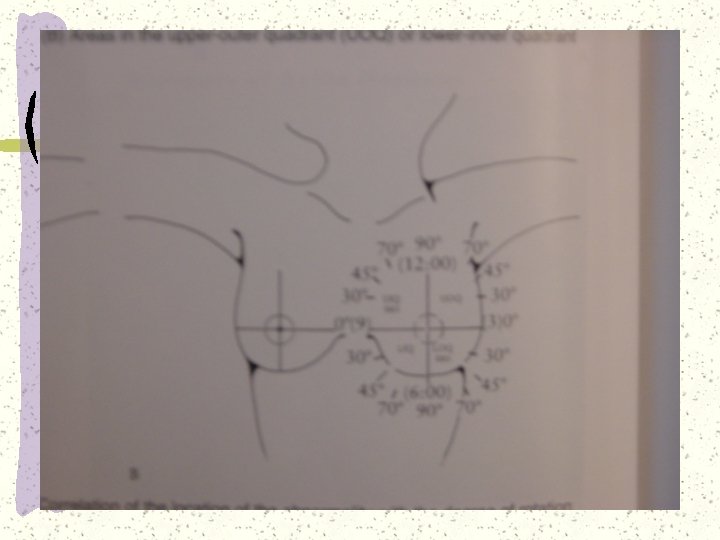
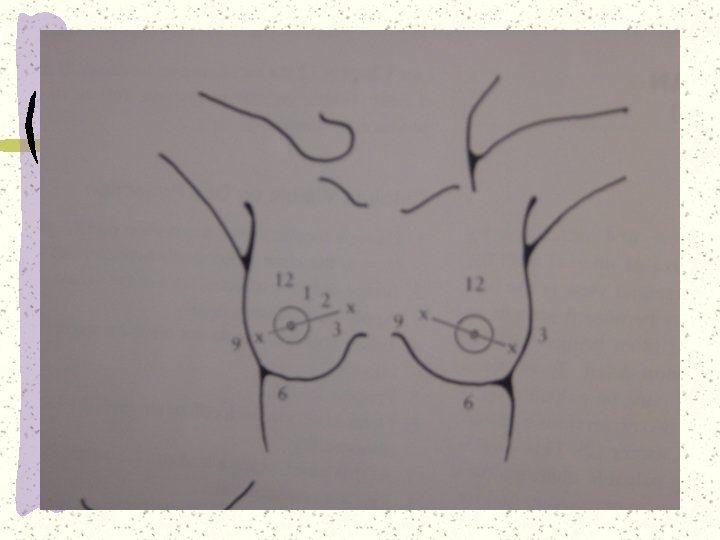
Descriptive Terminology UIQ, UOQ, LIQ, LOQ Clock description 2: 00 in rt breast is in UIQ 2: 00 in lt breast is in UOQ Always describe abnormalities in terms of quadrant and clock-time
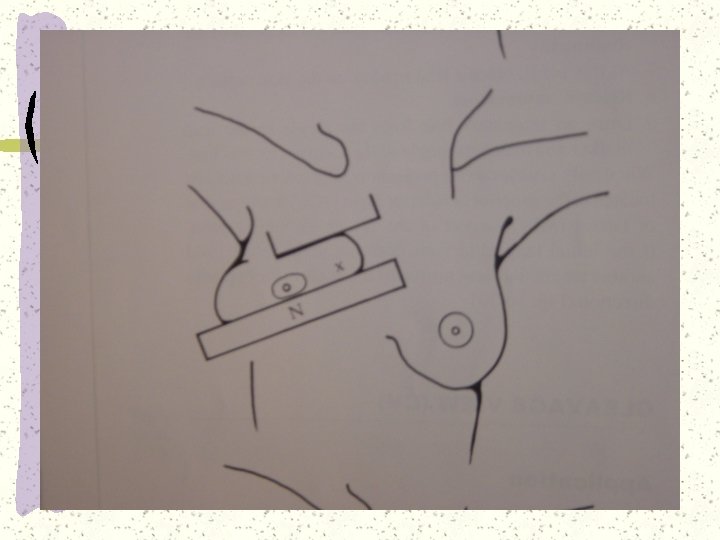
Tangential To Skim the area of interest free of superimposition Must be palpable or viewed in two views Also used for skin calcifications
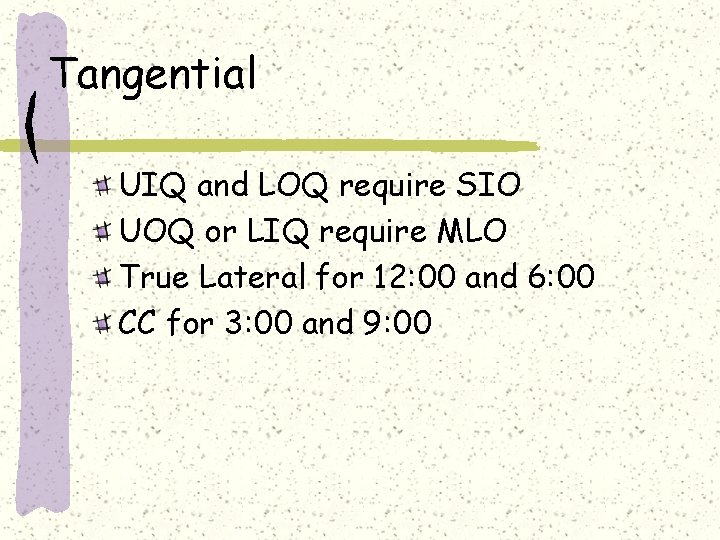
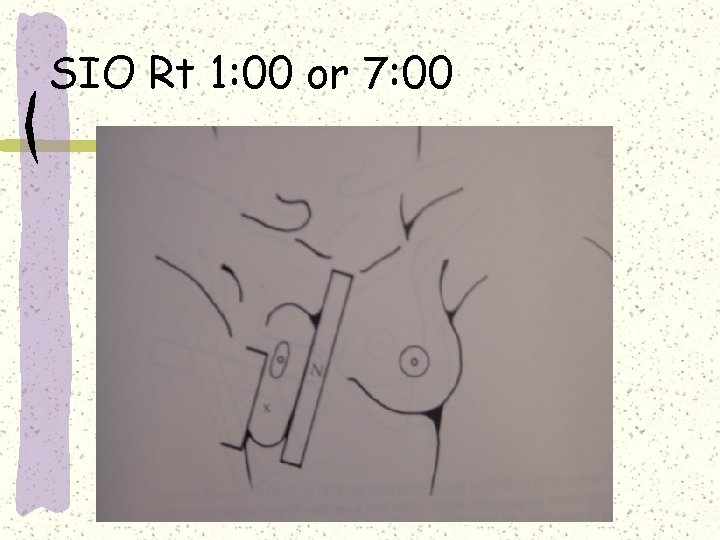
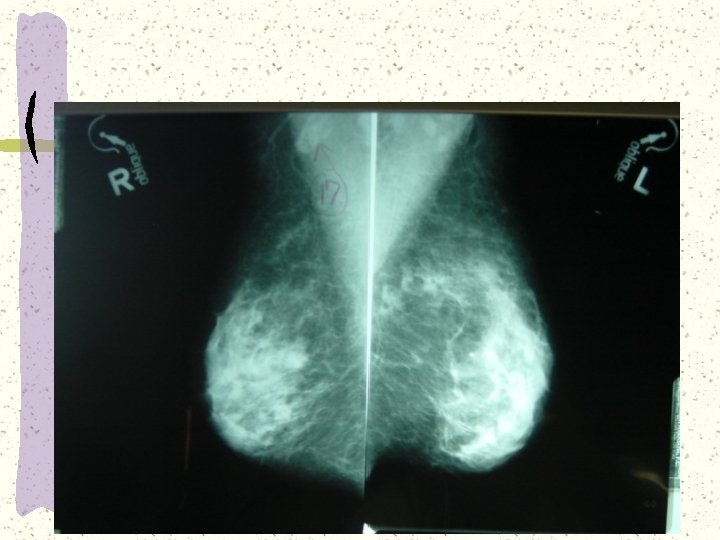
Tangential UIQ and LOQ require SIO UOQ or LIQ require MLO True Lateral for 12: 00 and 6: 00 CC for 3: 00 and 9: 00
SIO Rt 1: 00 or 7: 00
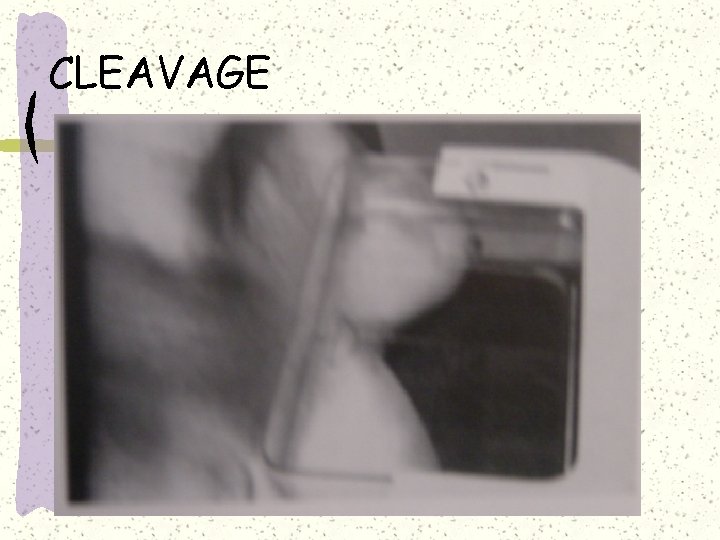
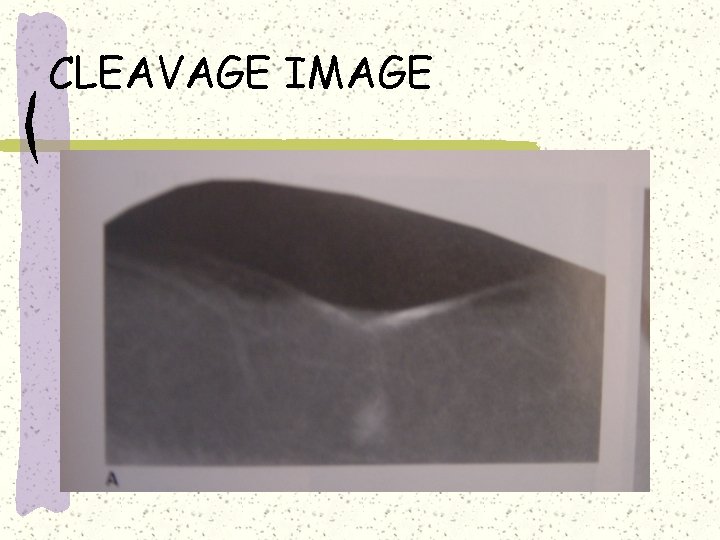
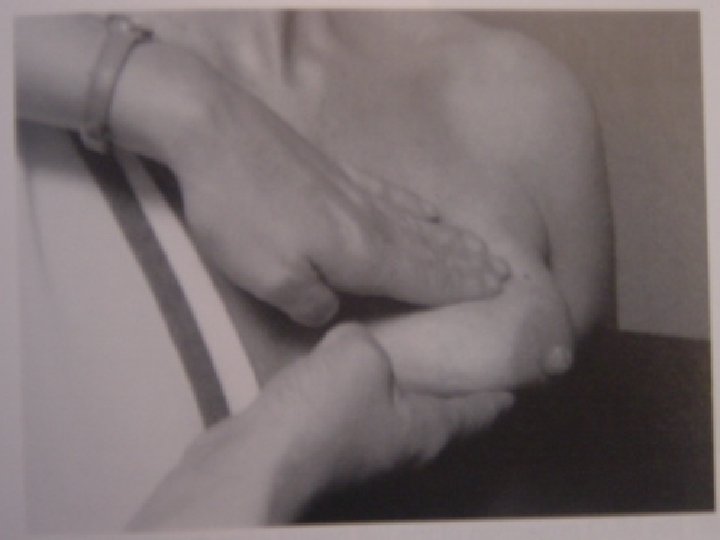
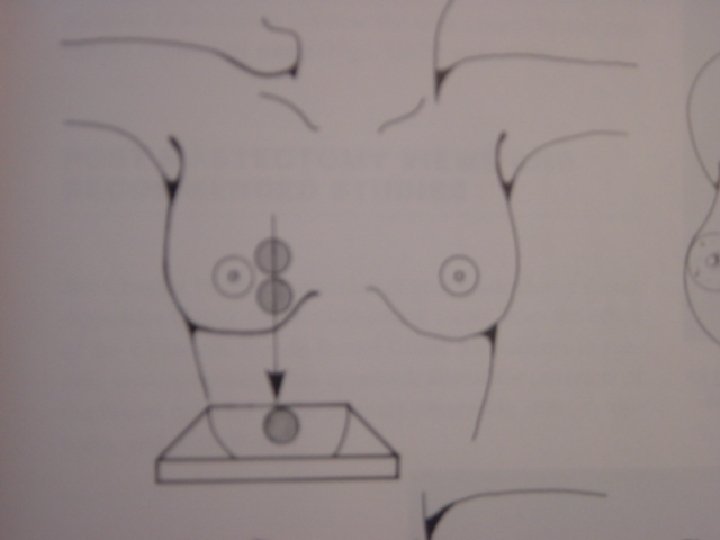
Cleavage Images the extreme medial aspect of the breast. Both breasts placed on image receptor. Offset breast to cover AEC
CLEAVAGE
CLEAVAGE IMAGE
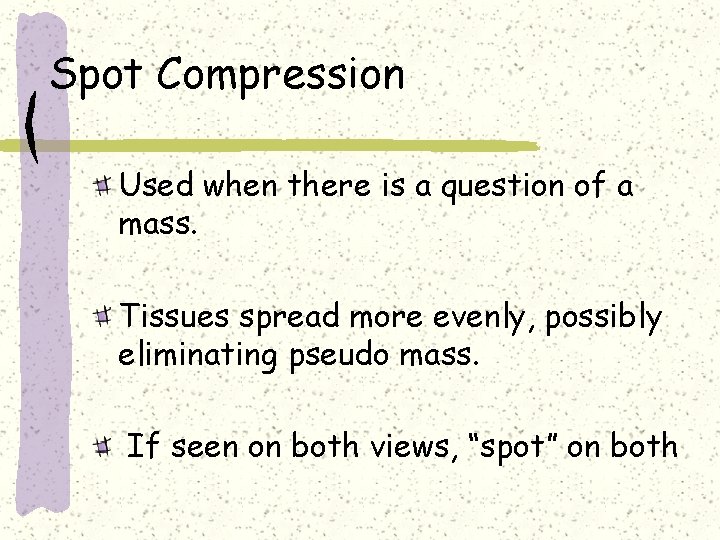
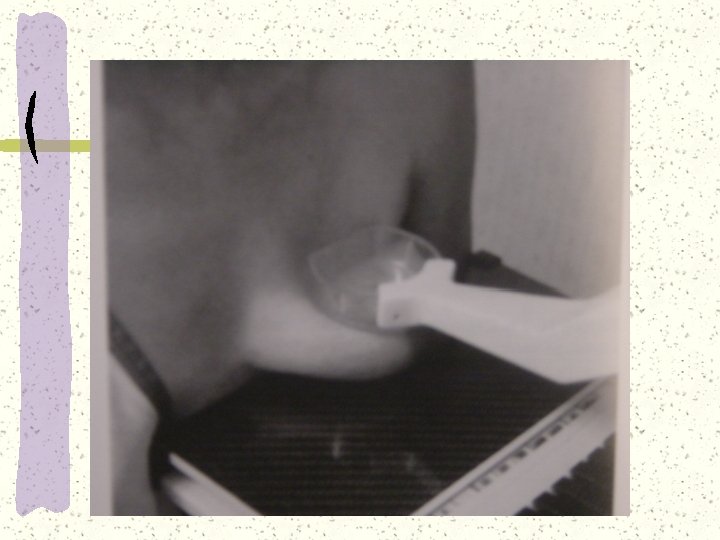
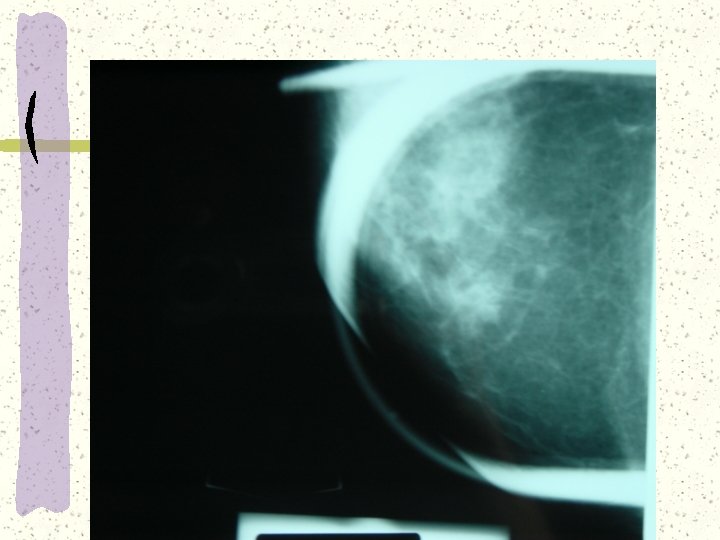
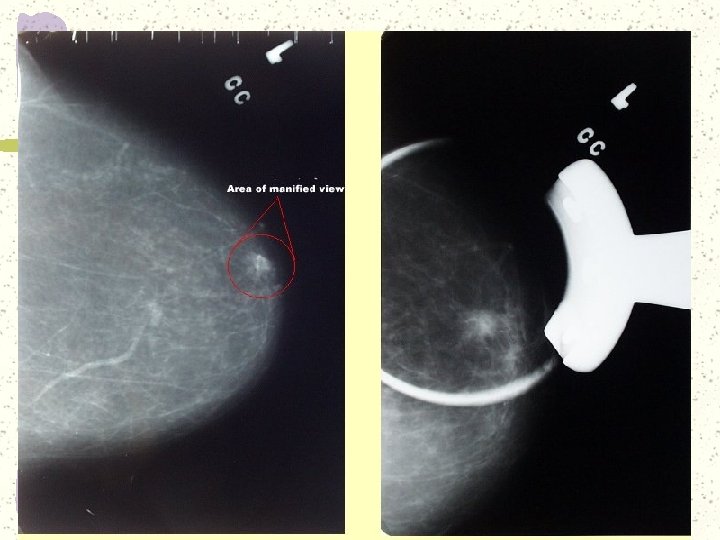
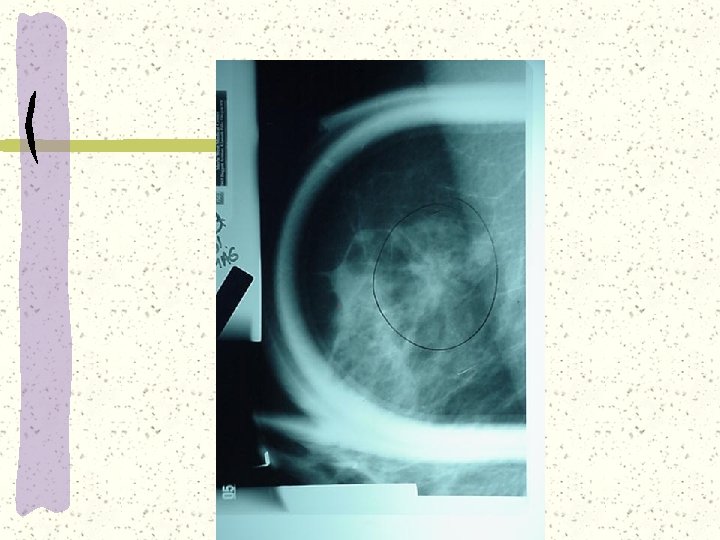
Spot Compression Used when there is a question of a mass. Tissues spread more evenly, possibly eliminating pseudo mass. If seen on both views, “spot” on both
Spot Compression Procedure Locate mass on CC and MLO Measure with ruler or finger from nipple to area of interest. Measure from medial or lateral side on CC Measure from superior or inferior on MLO
http: //sprojects. mmi. mcgill. ca/dir/mammography. html
Roll Performed instead of or in conjunction with the “Spot Compression” Roll superior part of breast in one direction and inferior aspect in another direction. Mark according to which way superior aspect of breast is rolled.
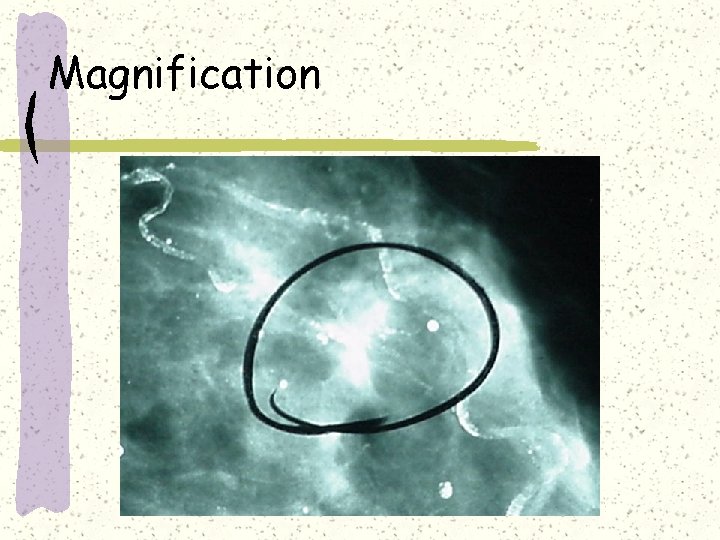
Magnification Border detail Calcifications Specimens
Magnification Technique No grid Small FSS May use spot compression or large paddle depending on abnormality.
Magnification
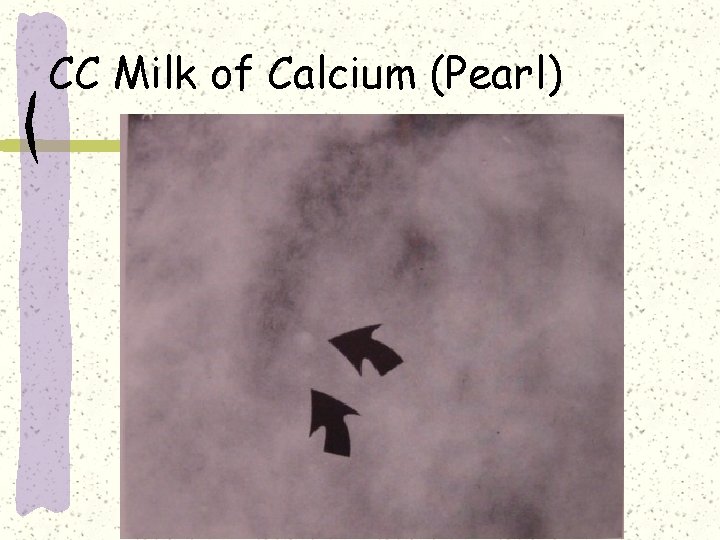
CC Milk of Calcium (Pearl)
Viewing A Mammogram Right and Left opposite each other for CC and MLO Place comparison films either to the sides or above or below current films Hang anatomically Axillary region always up Marker always in Axillary region
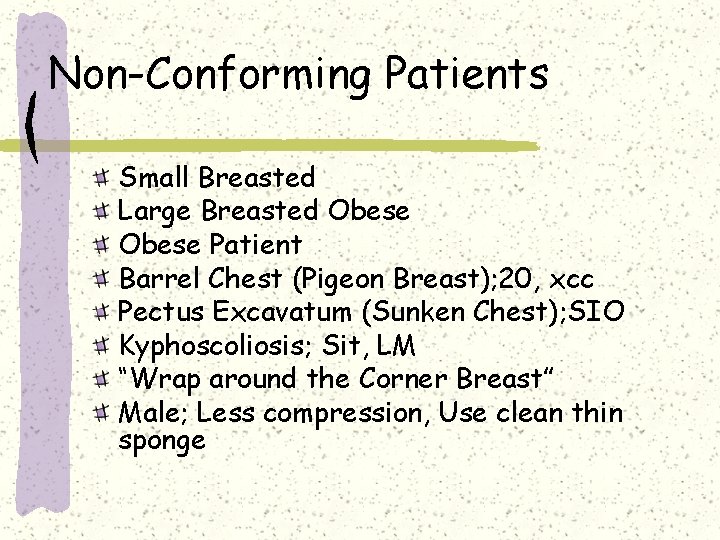
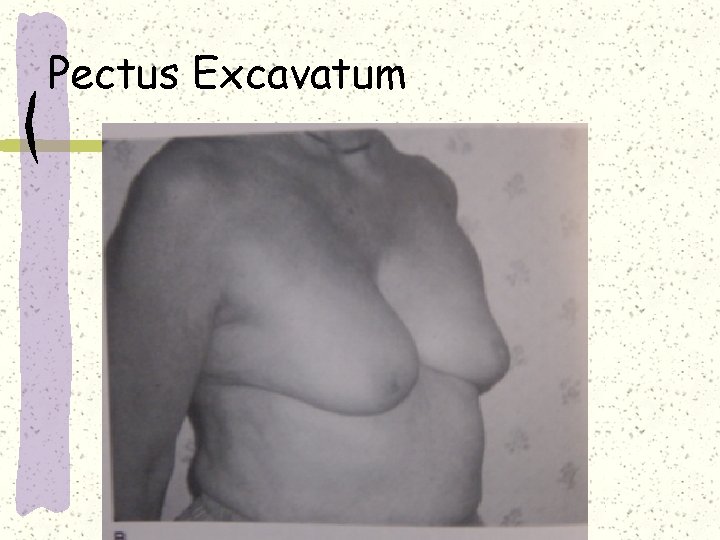
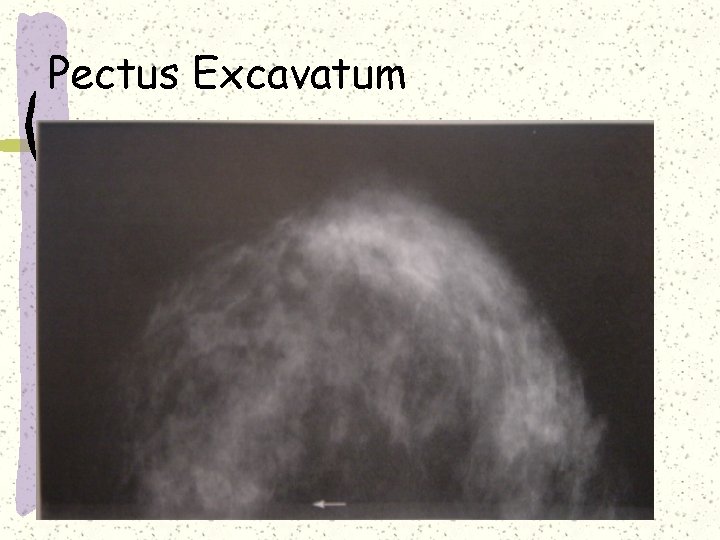
Non-Conforming Patients Small Breasted Large Breasted Obese Patient Barrel Chest (Pigeon Breast); 20, xcc Pectus Excavatum (Sunken Chest); SIO Kyphoscoliosis; Sit, LM “Wrap around the Corner Breast” Male; Less compression, Use clean thin sponge
Pectus Excavatum
Pectus Excavatum
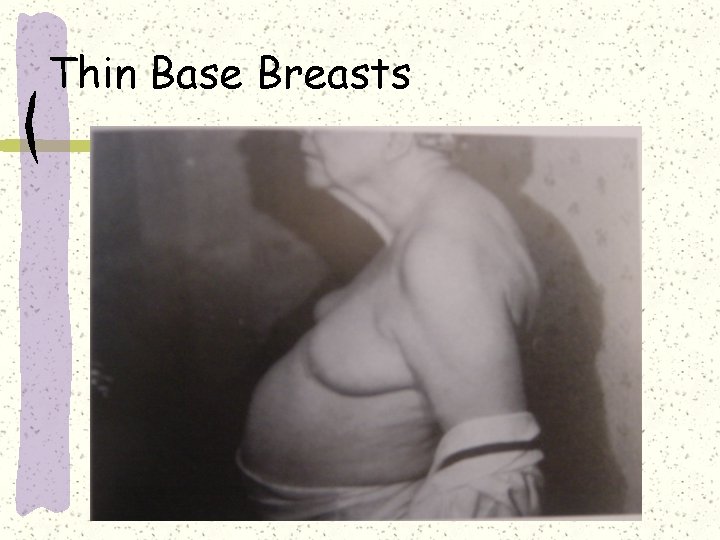
Thin Base Breasts
Cancer Patients Post Mastectomy Breast Conservation Therapy BCT with Radiation Therapy