
Spatial Interaction Movement of people ideas commodities within
- Slides: 25
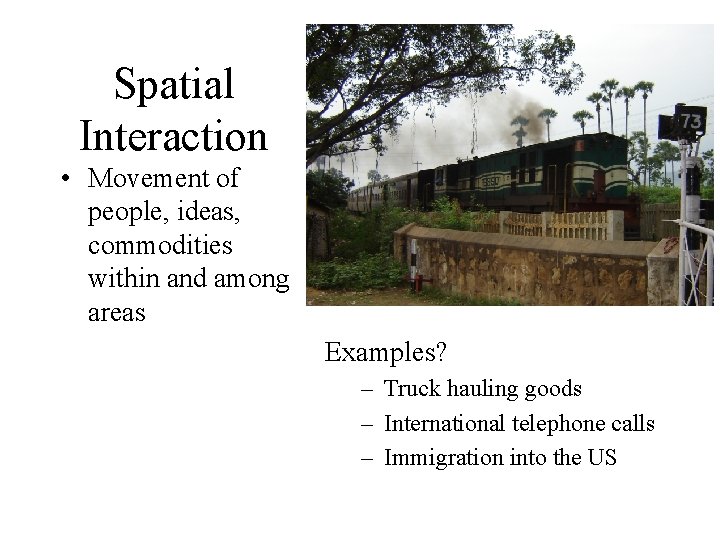
Spatial Interaction • Movement of people, ideas, commodities within and among areas Examples? – Truck hauling goods – International telephone calls – Immigration into the US
Why interaction? • Complementarity – One place has something that another place wants • Transferability, which depends on – Characteristics and value of the product – Distance (time) – $$ • Intervening opportunities
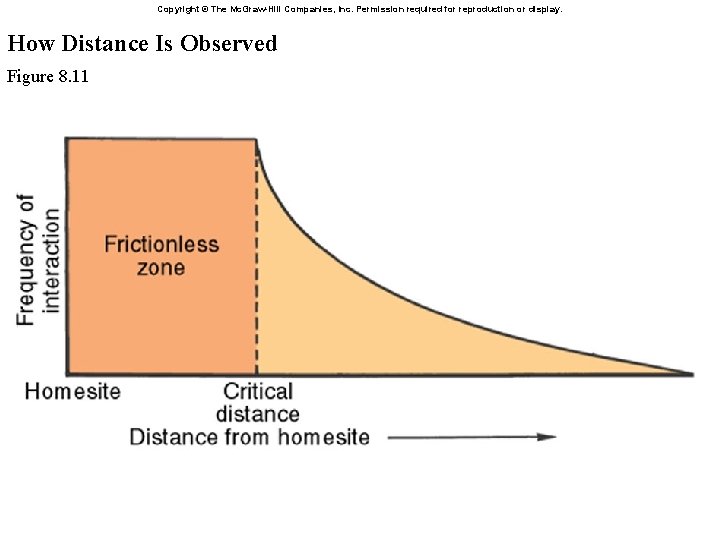
Go anywhere? • Aaaahh, distance decay – Exponential decay of interaction levels with increasing distance – We rarely go often to places beyond a critical distance
Copyright © The Mc. Graw-Hill Companies, Inc. Permission required for reproduction or display. How Distance Is Observed Figure 8. 11
Why barriers? • Distance is a BIG barrier to interaction – More the distance, less the interaction • Cost of interaction – Travel means spending money • Physical and cultural barriers • Psychological barriers
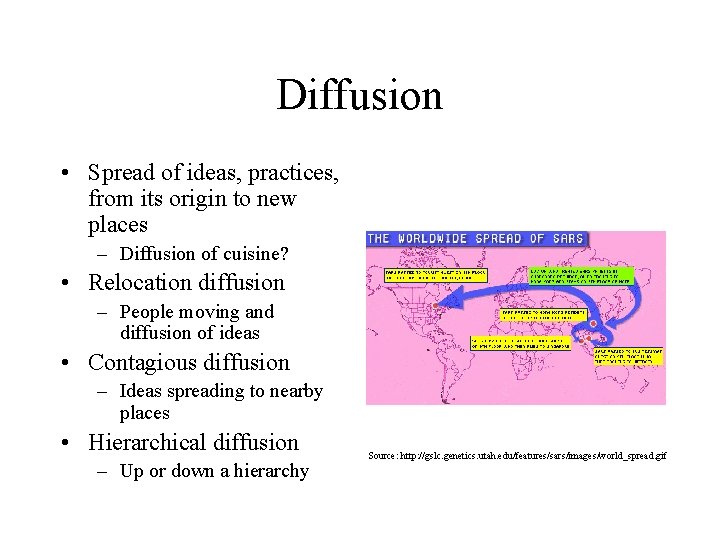
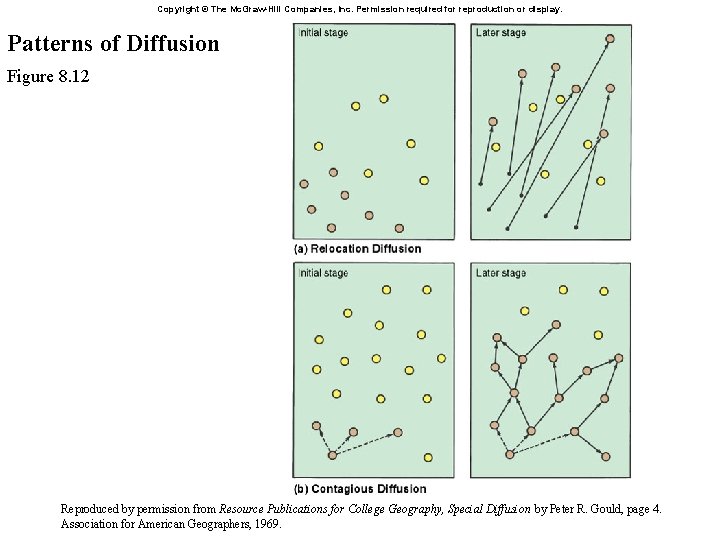
Diffusion • Spread of ideas, practices, from its origin to new places – Diffusion of cuisine? • Relocation diffusion – People moving and diffusion of ideas • Contagious diffusion – Ideas spreading to nearby places • Hierarchical diffusion – Up or down a hierarchy Source: http: //gslc. genetics. utah. edu/features/sars/images/world_spread. gif
Copyright © The Mc. Graw-Hill Companies, Inc. Permission required for reproduction or display. Patterns of Diffusion Figure 8. 12 Reproduced by permission from Resource Publications for College Geography, Special Diffusion by Peter R. Gould, page 4. Association for American Geographers, 1969.
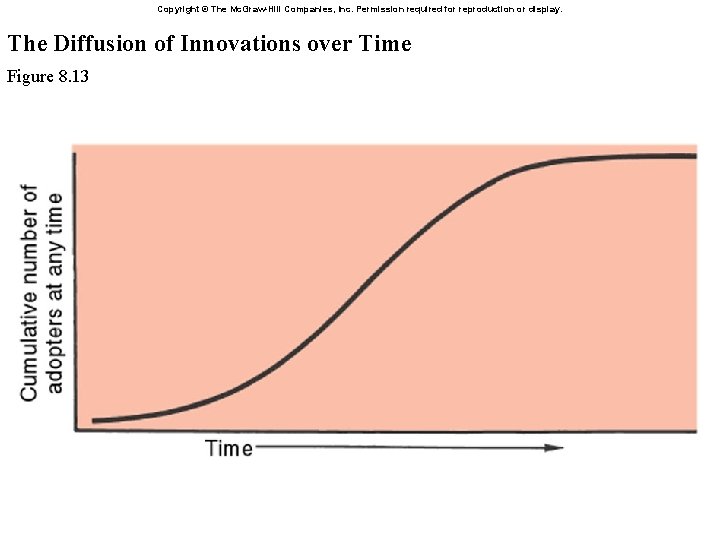
Copyright © The Mc. Graw-Hill Companies, Inc. Permission required for reproduction or display. The Diffusion of Innovations over Time Figure 8. 13
Perception … is reality? • Our mental maps of the world determined by our experiences – Difference in experiences means different perceptions • Directional biases – Presence/absence of known people and knowing the geography OH, East is East and West is West, and never the twain shall meet,
More mental maps • Awareness of a place and opinions of that place – May dispel notions, or – May strengthen views • So, how do people view things?
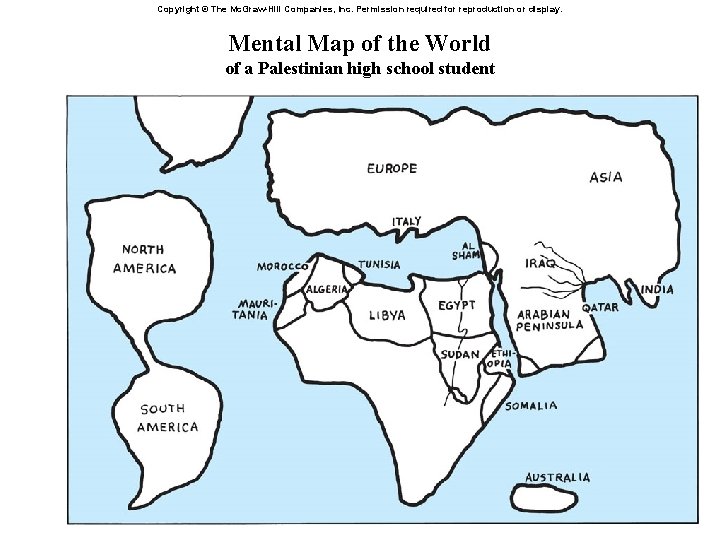
Copyright © The Mc. Graw-Hill Companies, Inc. Permission required for reproduction or display. Mental Map of the World of a Palestinian high school student
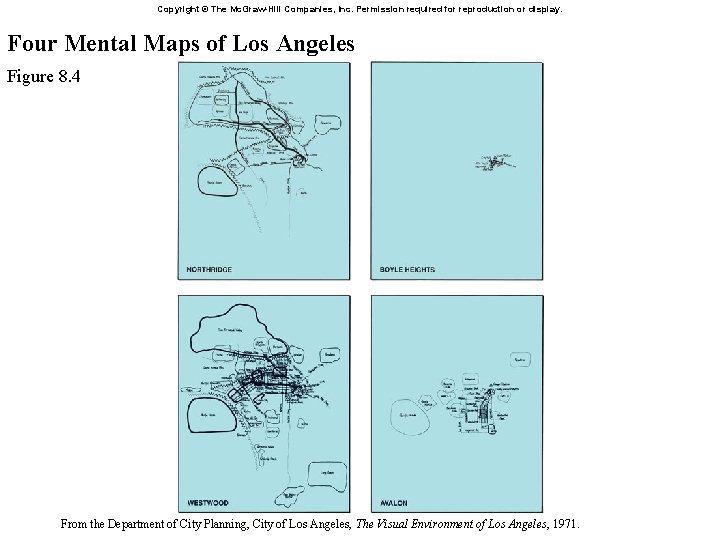
Copyright © The Mc. Graw-Hill Companies, Inc. Permission required for reproduction or display. Four Mental Maps of Los Angeles Figure 8. 4 From the Department of City Planning, City of Los Angeles, The Visual Environment of Los Angeles, 1971.
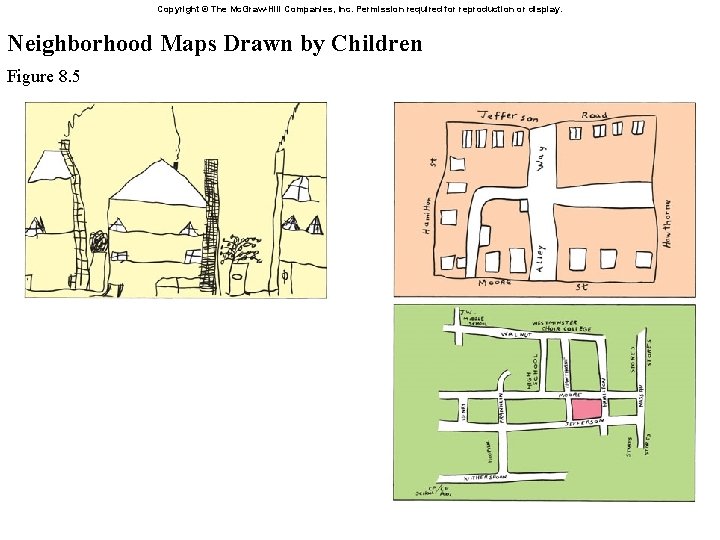
Copyright © The Mc. Graw-Hill Companies, Inc. Permission required for reproduction or display. Neighborhood Maps Drawn by Children Figure 8. 5
Activity Space • Territories – Formal ones include cities, countries … • We all have our own territories – Physical • Such as a house, apartment – Mental • “give me some space, will you? ” • Overlapping activity spaces – We share space with others • For work, play, eat, …
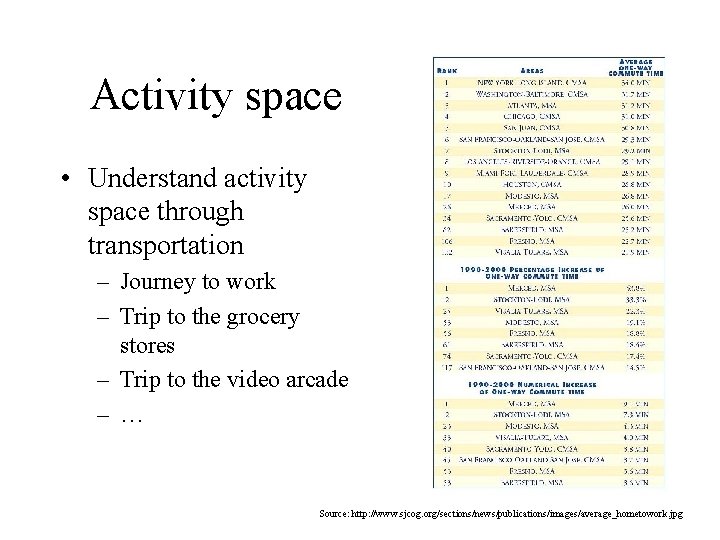
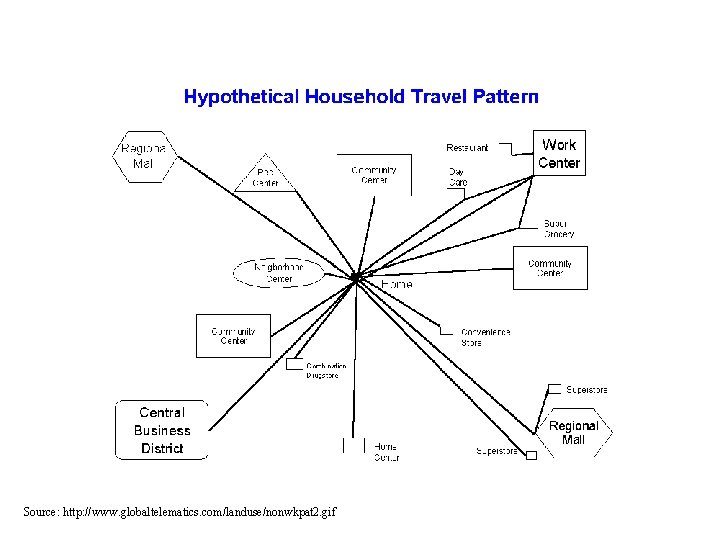
Activity space • Understand activity space through transportation – Journey to work – Trip to the grocery stores – Trip to the video arcade – … Source: http: //www. sjcog. org/sections/news/publications/images/average_hometowork. jpg
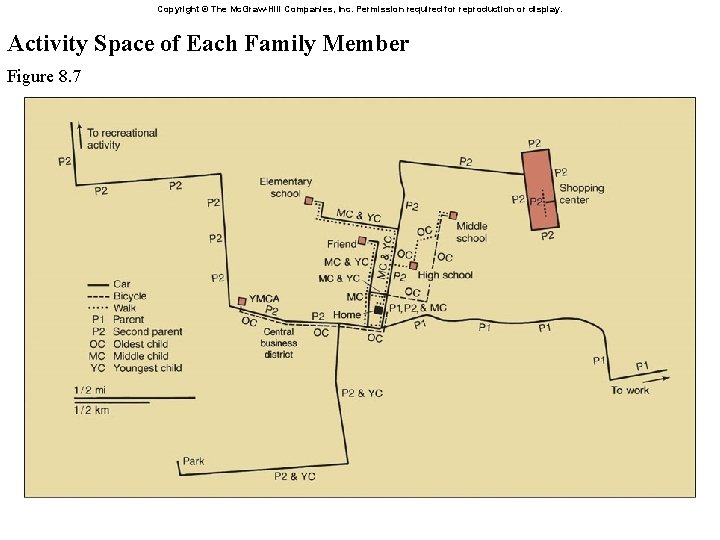
Copyright © The Mc. Graw-Hill Companies, Inc. Permission required for reproduction or display. Activity Space of Each Family Member Figure 8. 7
Source: http: //www. globaltelematics. com/landuse/nonwkpat 2. gif
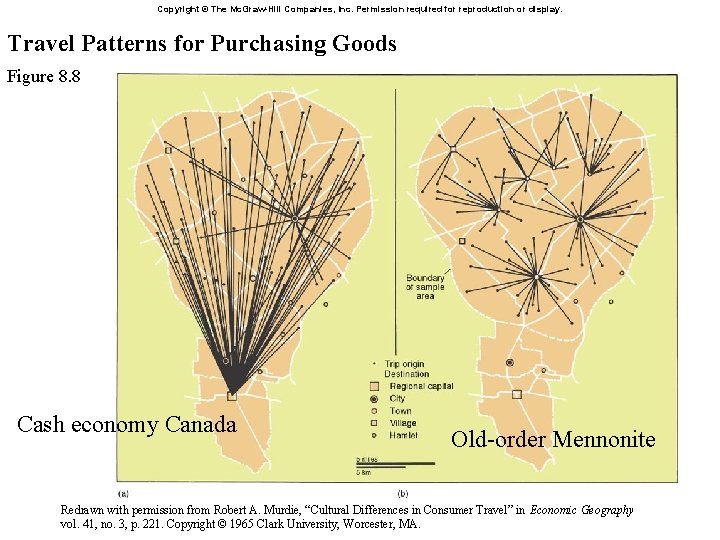
Copyright © The Mc. Graw-Hill Companies, Inc. Permission required for reproduction or display. Travel Patterns for Purchasing Goods Figure 8. 8 Cash economy Canada Old-order Mennonite Redrawn with permission from Robert A. Murdie, “Cultural Differences in Consumer Travel” in Economic Geography vol. 41, no. 3, p. 221. Copyright © 1965 Clark University, Worcester, MA.
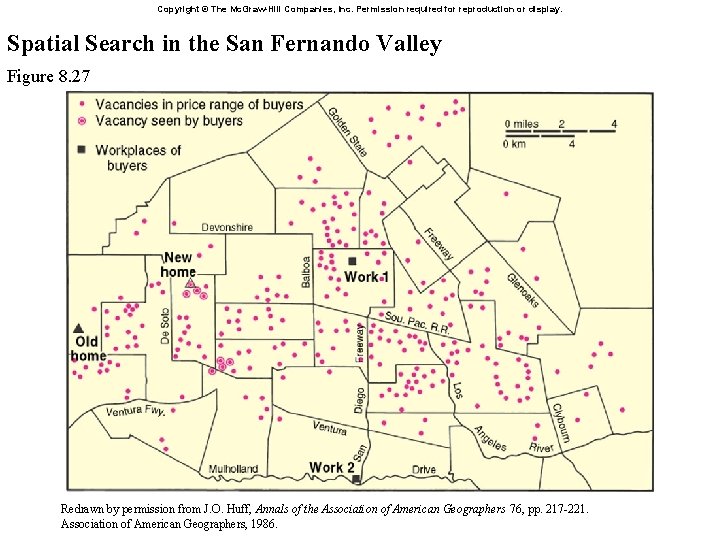
Copyright © The Mc. Graw-Hill Companies, Inc. Permission required for reproduction or display. Spatial Search in the San Fernando Valley Figure 8. 27 Redrawn by permission from J. O. Huff, Annals of the Association of American Geographers 76, pp. 217 -221. Association of American Geographers, 1986.
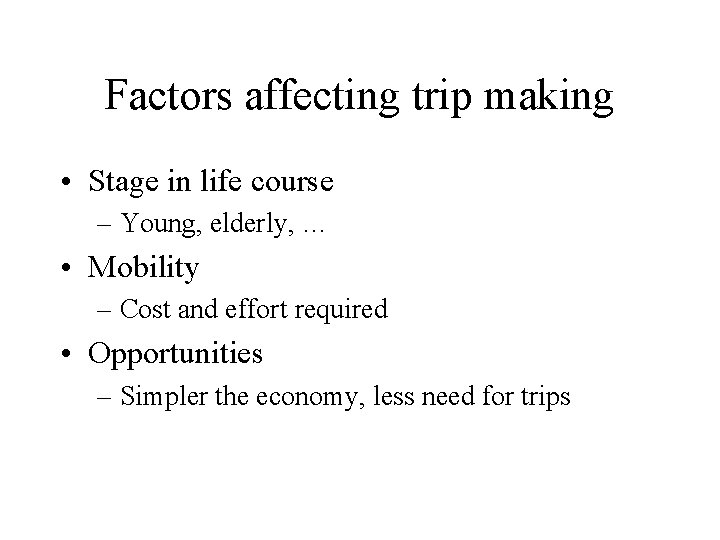
Factors affecting trip making • Stage in life course – Young, elderly, … • Mobility – Cost and effort required • Opportunities – Simpler the economy, less need for trips
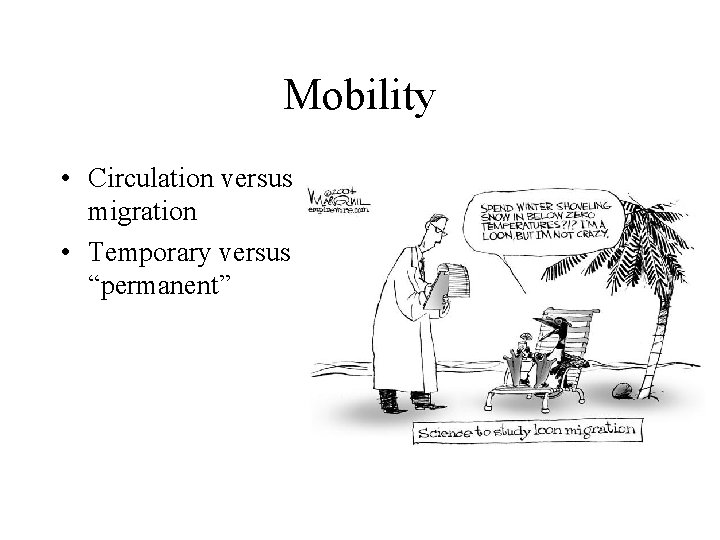
Mobility • Circulation versus migration • Temporary versus “permanent”
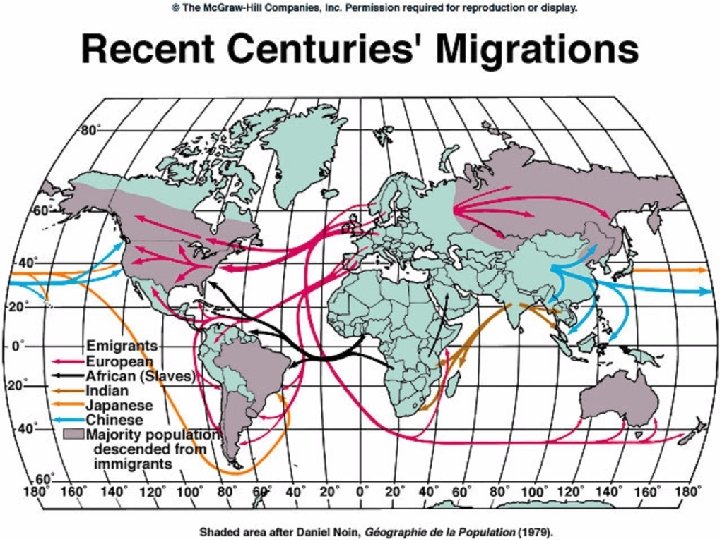
Migration • Does not mean a planned two-way trip • Migration is relocation of residence and activity space – New job, new place to live, … • Two types – Forced – Voluntary
Voluntary • In response to push and pull factors • Push – Wars, natural disasters, … • Pull – Better jobs, rejoining other family members, … – Economic reason the most important factor
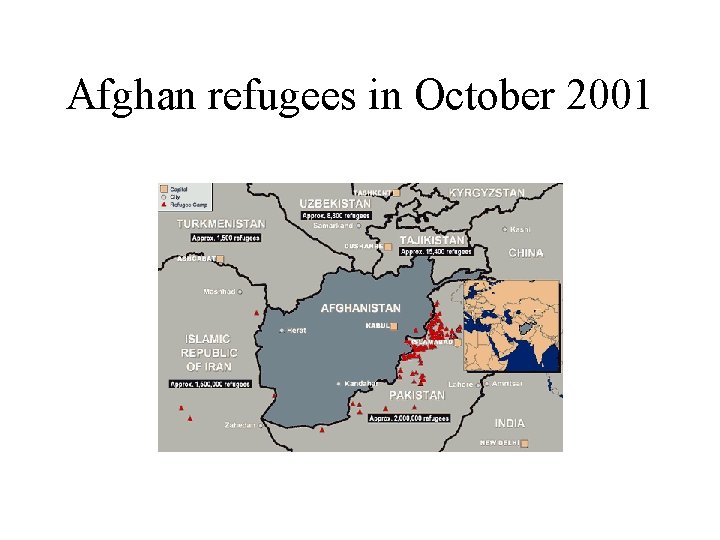
Afghan refugees in October 2001