
Spatial Analysis Geography by its nature is a
Spatial Analysis § Geography by its nature is a spatial science. Geographers therefore study space in order to locate the distribution of people and objects. § Spatial analysis is concerned with analyzing regularities achieved through interaction. § Regularities result in a distinctive distribution of a feature. Distribution has three properties: – Density – Concentration – Pattern
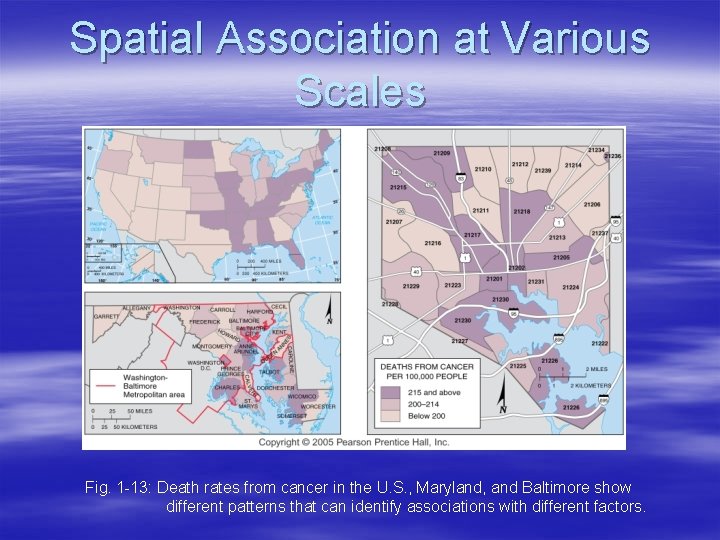
Spatial Association at Various Scales Fig. 1 -13: Death rates from cancer in the U. S. , Maryland, and Baltimore show different patterns that can identify associations with different factors.
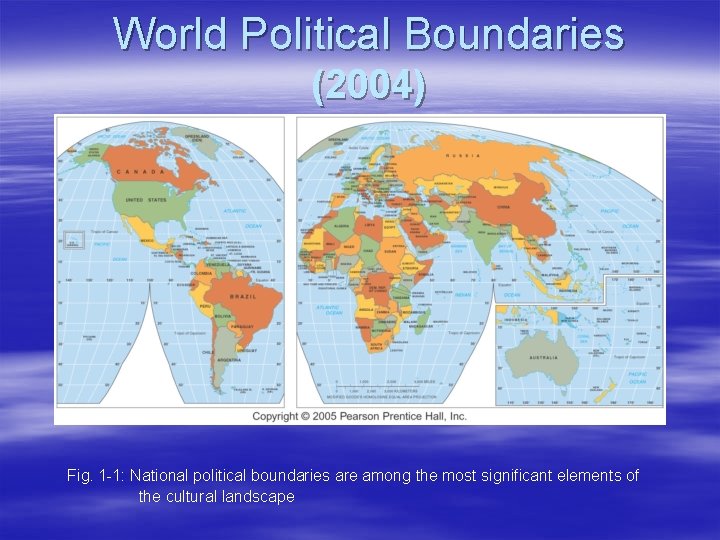
World Political Boundaries (2004) Fig. 1 -1: National political boundaries are among the most significant elements of the cultural landscape
How Geographers Address Location § Maps – – Early mapmaking Map scale Projection Land Ordinance of 1785 § Contemporary Tools – GIS – Remote sensing – GPS
Why Do Geographers Use Maps, and What Do Maps Tell Us? § Cartography: the art and science of making maps § Reference maps: show locations of places and geographic features § Thematic maps: tell stories, typically showing the degree of some attribute or the movement of a geographic phenomenon © 2012 John Wiley & Sons, Inc. All rights reserved.
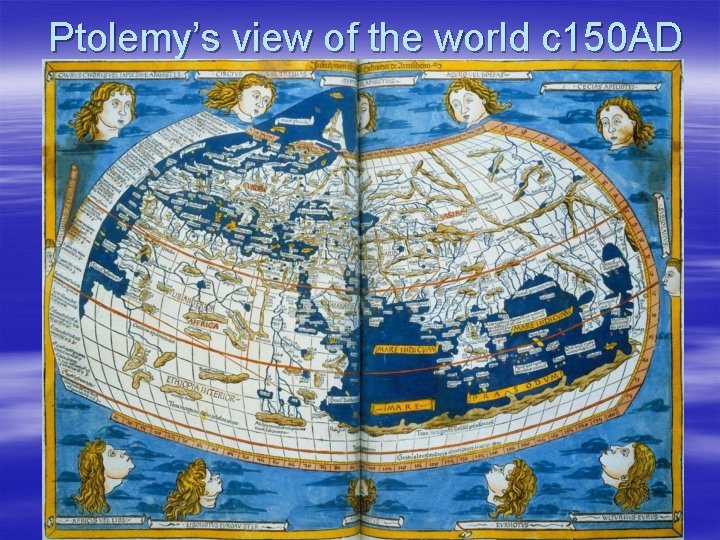
Ptolemy’s view of the world c 150 AD
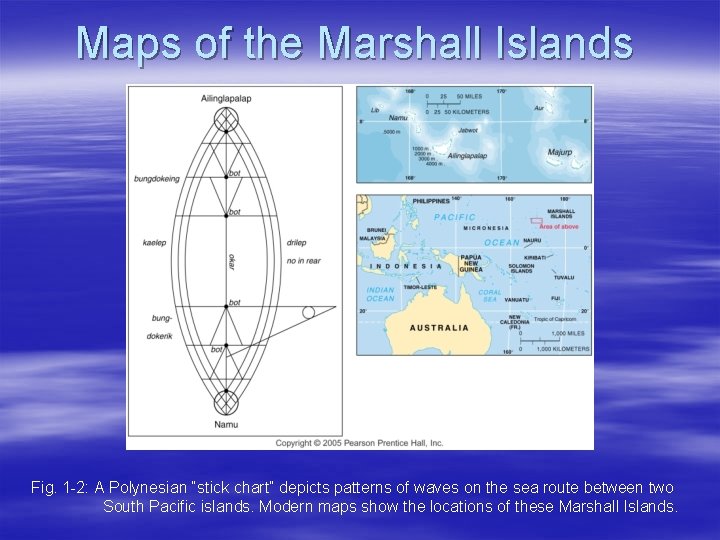
Maps of the Marshall Islands Fig. 1 -2: A Polynesian “stick chart” depicts patterns of waves on the sea route between two South Pacific islands. Modern maps show the locations of these Marshall Islands.
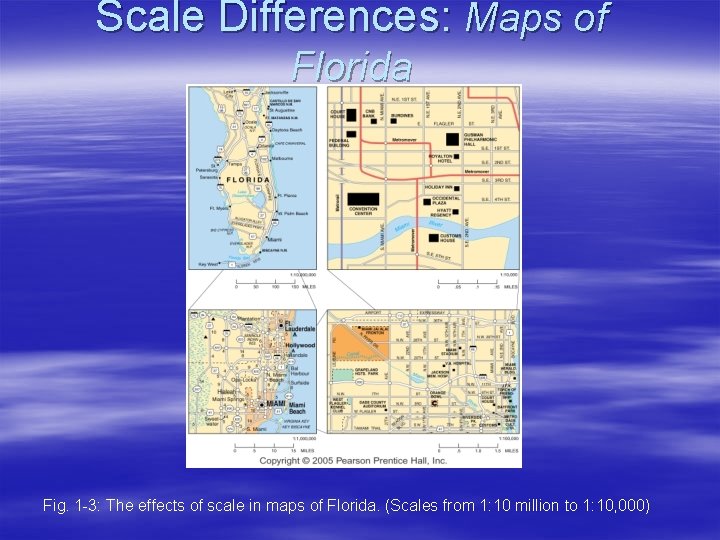
Scale Differences: Maps of Florida Fig. 1 -3: The effects of scale in maps of Florida. (Scales from 1: 10 million to 1: 10, 000)
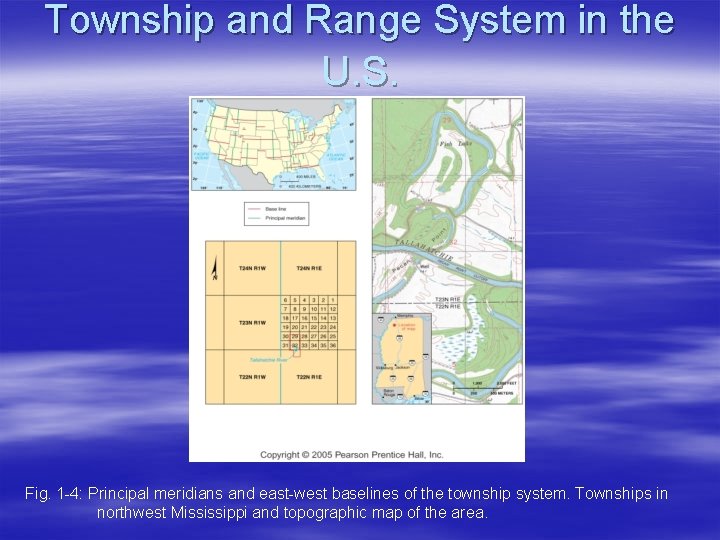
Township and Range System in the U. S. Fig. 1 -4: Principal meridians and east-west baselines of the township system. Townships in northwest Mississippi and topographic map of the area.
Why Do Geographers Use Maps, and What Do Maps Tell Us? § Reference maps focus on accuracy in showing the absolute locations of places, using a coordinate system that allows for the precise plotting of where on Earth something is. § Satellite-based global positioning system (GPS) allows us to locate things on the surface of Earth with extraordinary accuracy. © 2012 John Wiley & Sons, Inc. All rights reserved.
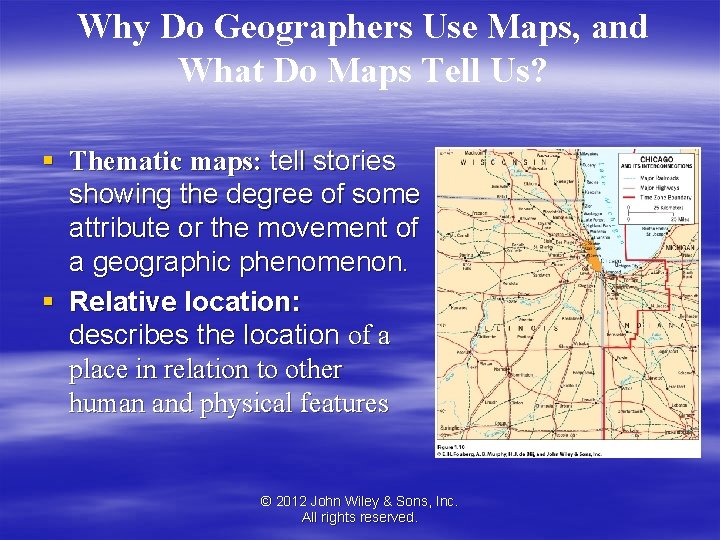
Why Do Geographers Use Maps, and What Do Maps Tell Us? § Thematic maps: tell stories showing the degree of some attribute or the movement of a geographic phenomenon. § Relative location: describes the location of a place in relation to other human and physical features © 2012 John Wiley & Sons, Inc. All rights reserved.
Why Do Geographers Use Maps, and What Do Maps Tell Us? § Absolute locations do not change. § Relative locations are constantly modified and change over time. © 2012 John Wiley & Sons, Inc. All rights reserved.
Why Do Geographers Use Maps, and What Do Maps Tell Us? Mental Maps § Mental maps are maps in our minds of places we have been and places we have merely heard of. § Activity spaces are those places we travel to routinely in our rounds of daily activity. § Mental maps include terra incognita, unknown lands that are off limits. © 2012 John Wiley & Sons, Inc. All rights reserved.
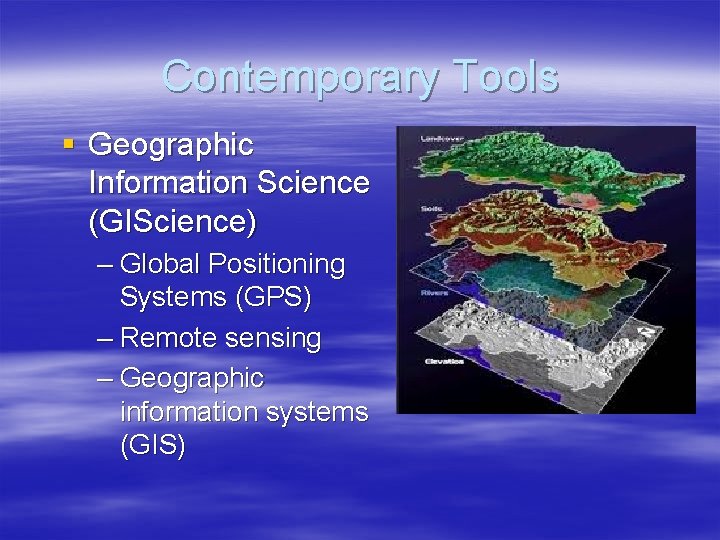
Contemporary Tools § Geographic Information Science (GIScience) – Global Positioning Systems (GPS) – Remote sensing – Geographic information systems (GIS)
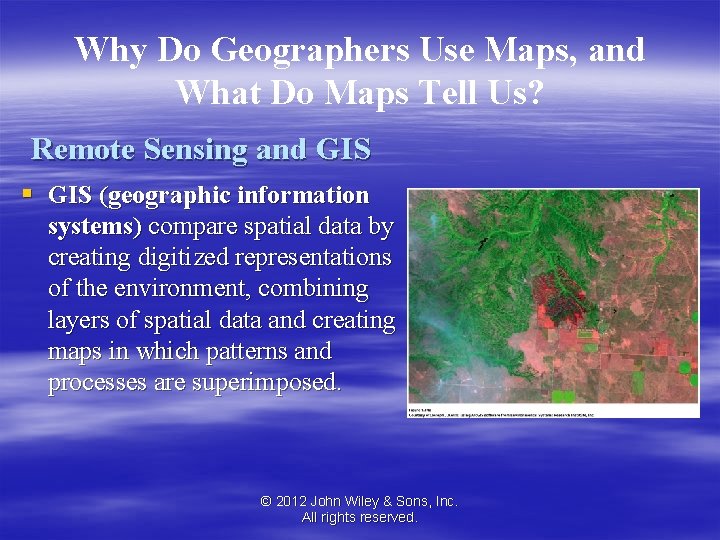
Why Do Geographers Use Maps, and What Do Maps Tell Us? Remote Sensing and GIS § GIS (geographic information systems) compare spatial data by creating digitized representations of the environment, combining layers of spatial data and creating maps in which patterns and processes are superimposed. © 2012 John Wiley & Sons, Inc. All rights reserved.
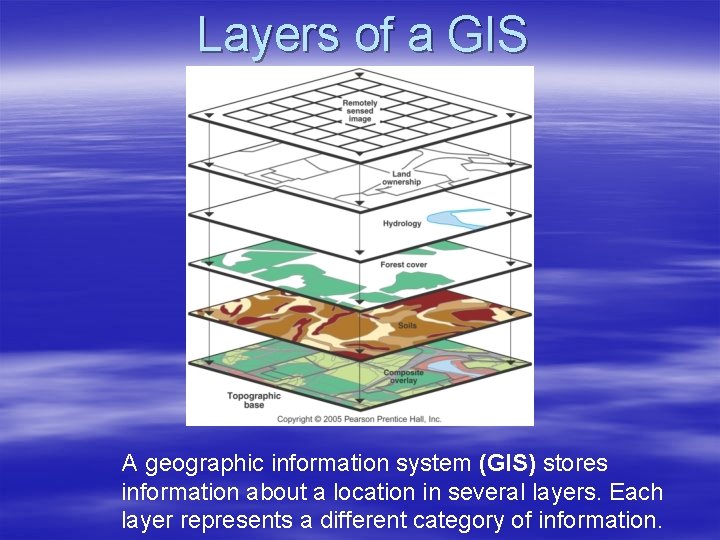
Layers of a GIS A geographic information system (GIS) stores information about a location in several layers. Each layer represents a different category of information.
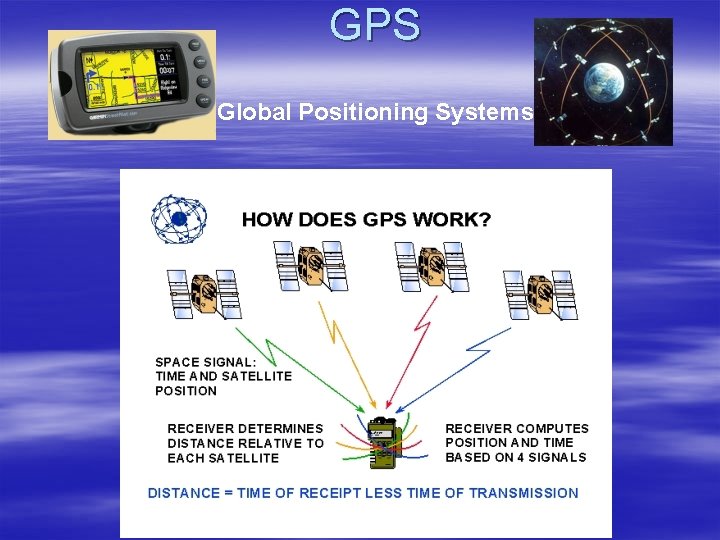
GPS Global Positioning Systems
Uniqueness of Places and Regions § Place: Unique location of a feature – – Place names Site Situation Mathematical location § Regions: Areas of unique characteristics – – Cultural landscape Types of regions Regional integration of culture Cultural ecology
Why Are Geographers Concerned with Scale and Connectedness? § The scale at which we study a geographic phenomenon tells us what level of detail we can expect to see. § Geographers’ concern with scale goes beyond an interest in the scale of individual phenomena to how processes operating at different scales influence one another. © 2012 John Wiley & Sons, Inc. All rights reserved.
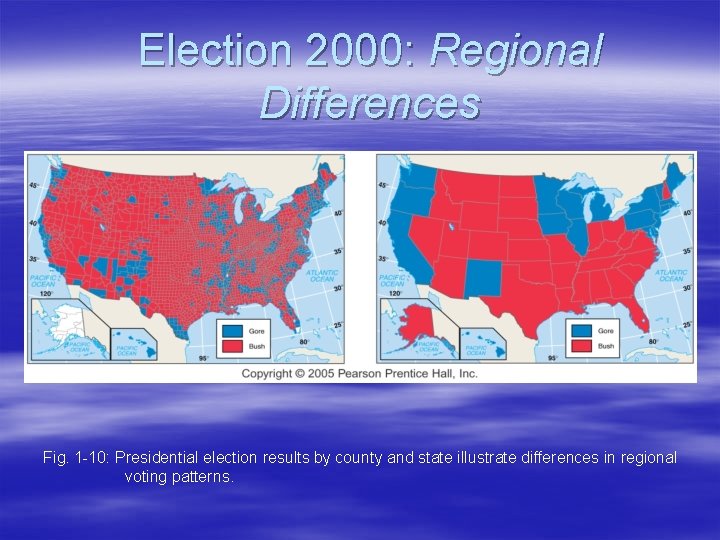
Election 2000: Regional Differences Fig. 1 -10: Presidential election results by county and state illustrate differences in regional voting patterns.
- Slides: 20