
Sowing Fern Spores Part 2 Reproduction of Ferns



- Slides: 15
Sowing Fern Spores -Part 2
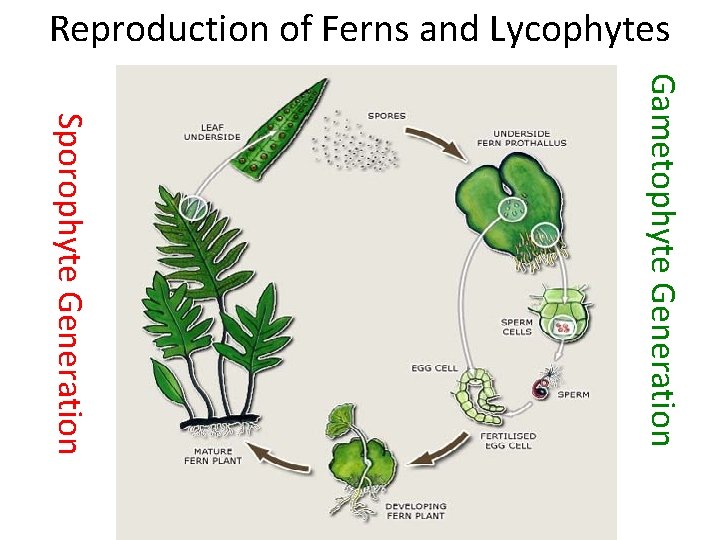
Reproduction of Ferns and Lycophytes Gametophyte Generation Sporophyte Generation
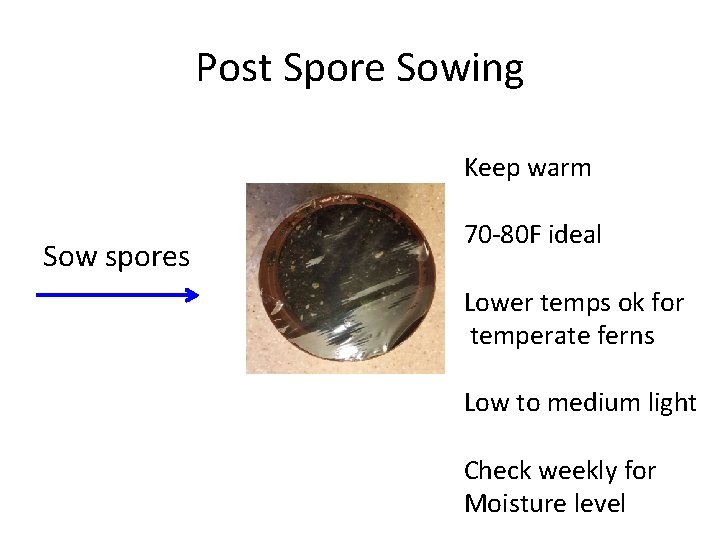
Post Spore Sowing Keep warm Sow spores 70 -80 F ideal Lower temps ok for temperate ferns Low to medium light Check weekly for Moisture level
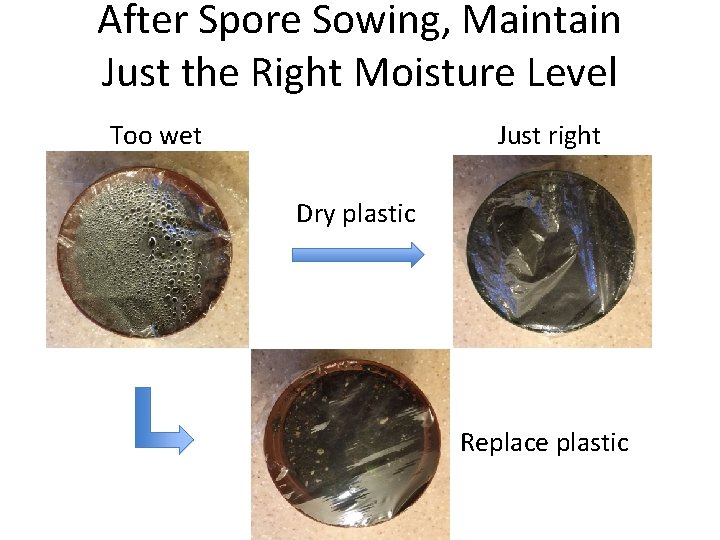
After Spore Sowing, Maintain Just the Right Moisture Level Too wet Just right Dry plastic Replace plastic
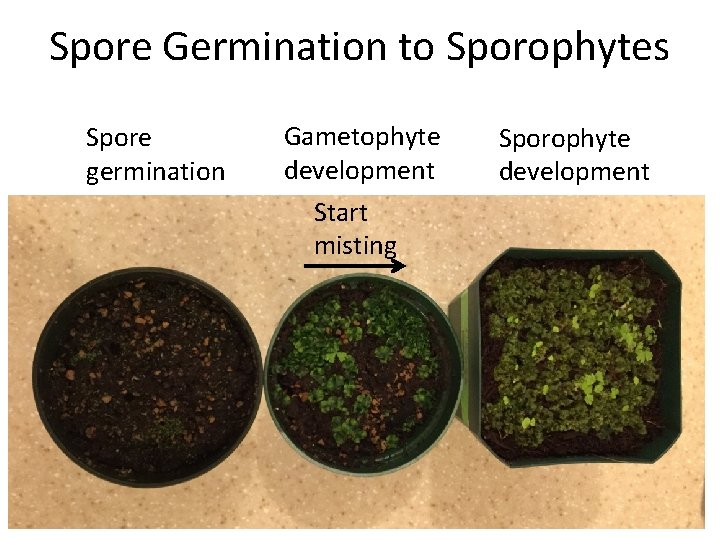
Spore Germination to Sporophytes Spore germination Gametophyte development Start misting Sporophyte development
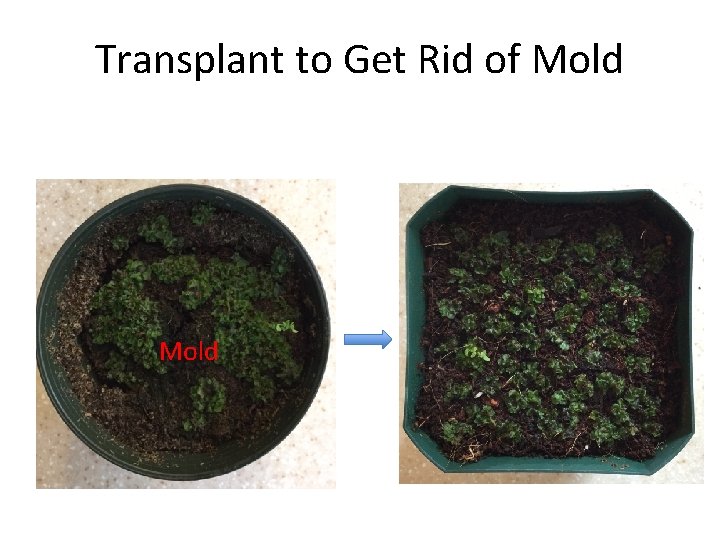
Major Problems Mold – too wet dry out – remove - transplant Algae – too wet dry out – remove - transplant Moss – pull out
Transplant to Get Rid of Mold
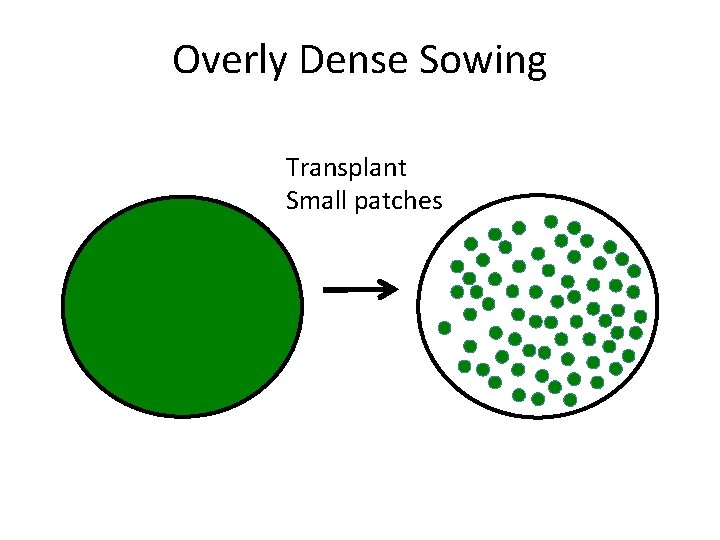
Overly Dense Sowing Transplant Small patches
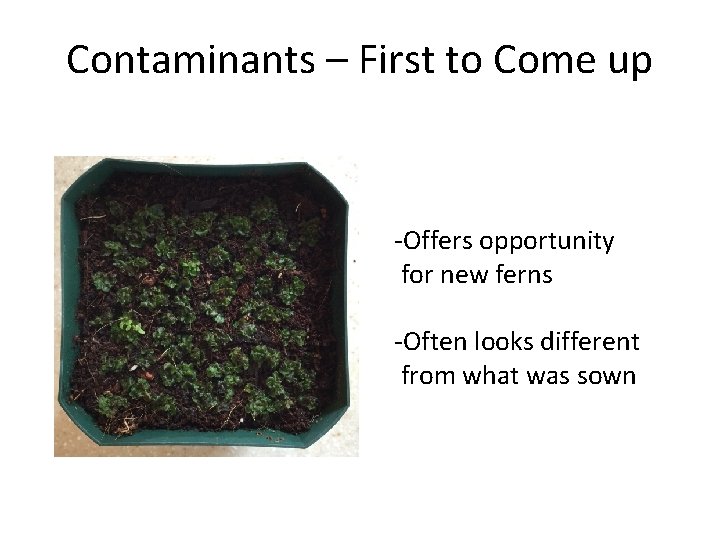
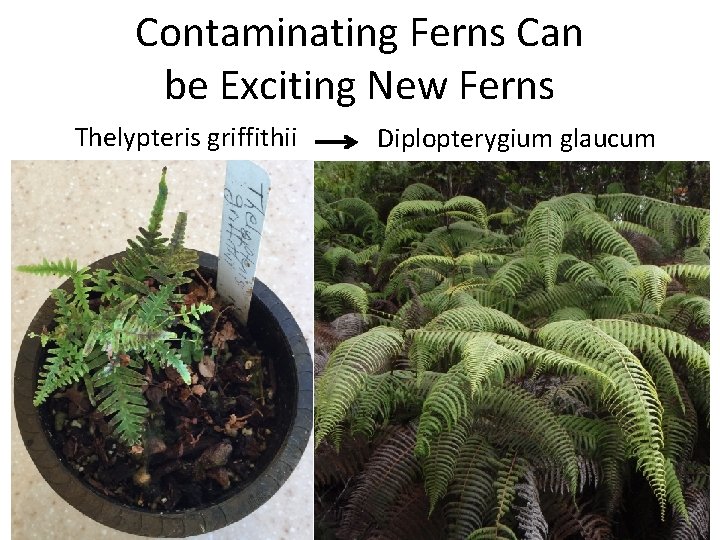
Contaminants – First to Come up -Offers opportunity for new ferns -Often looks different from what was sown
Opportunistic Sporing Ferns Adiantum sp. Pteris sp. Phlebodium pseudoaureum Sphaeropteris cooperi Vittaria/Haplopteris Lygodium sp. Also weedy in the greenhouse
Contaminating Ferns Can be Exciting New Ferns Thelypteris griffithii Diplopterygium glaucum
How Long Does it Take to See Sporophyte Ferns? Apogamous ferns – very fast (1 -3 months) (Asplenium, Cheilanthes, Dryopteris, Cyrtomium Pteris, Pellaea etc) Green spores – fast (Osmunda sp. , Matteucia sp. , Todea barbara, etc. ) Most ferns – 4 -12 months
Reproduction of Ferns and Lycophytes Gametophyte Generation Sporophyte Generation
Apogamous Ferns
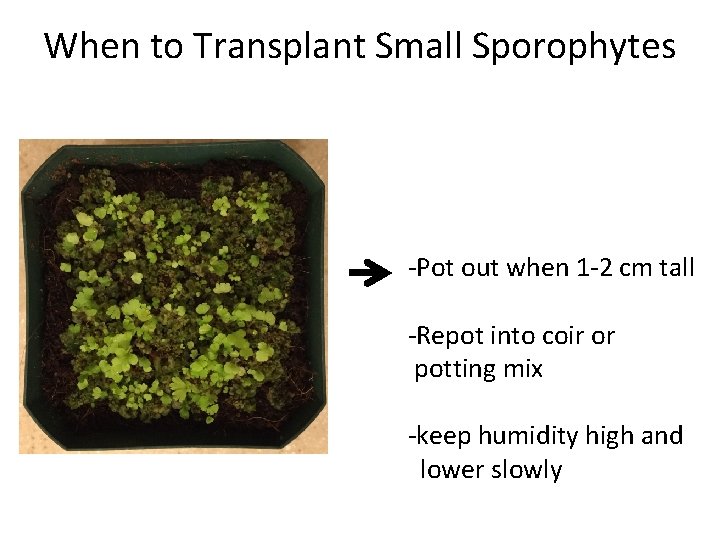
When to Transplant Small Sporophytes -Pot out when 1 -2 cm tall -Repot into coir or potting mix -keep humidity high and lower slowly