
Southern Cities Lesson 3 Trade Ports Southern colonies

- Slides: 12
Southern Cities Lesson 3
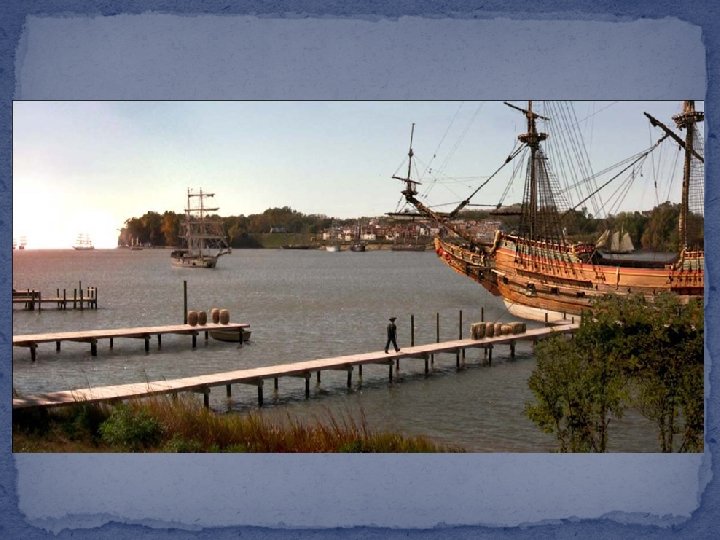
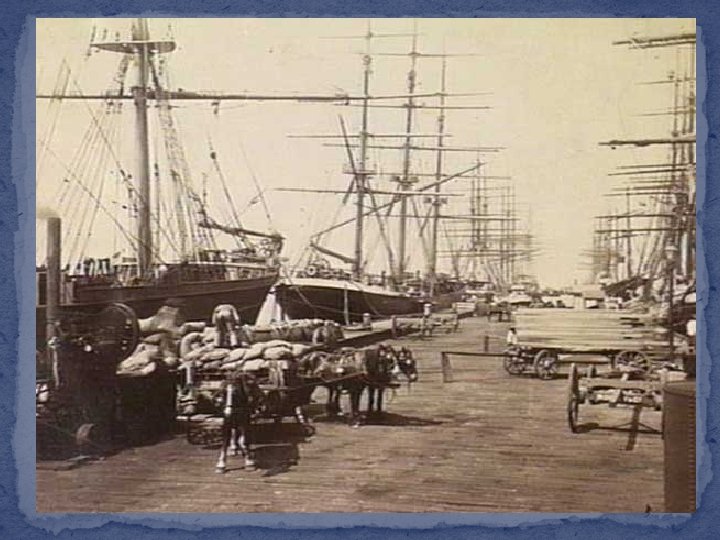
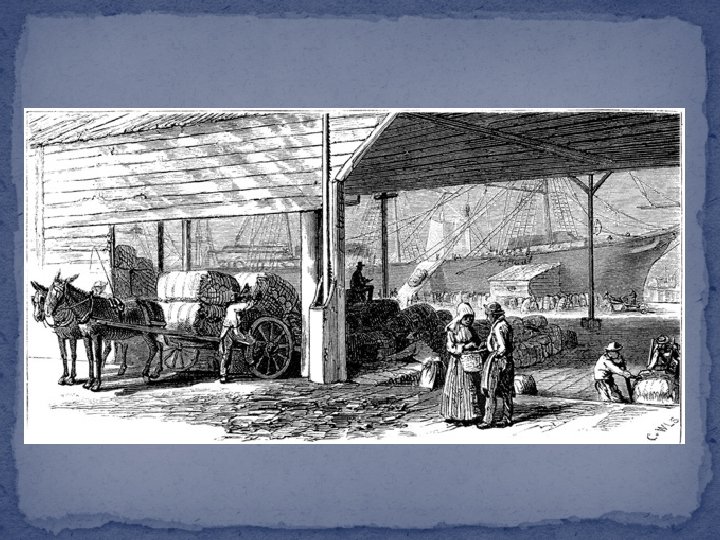
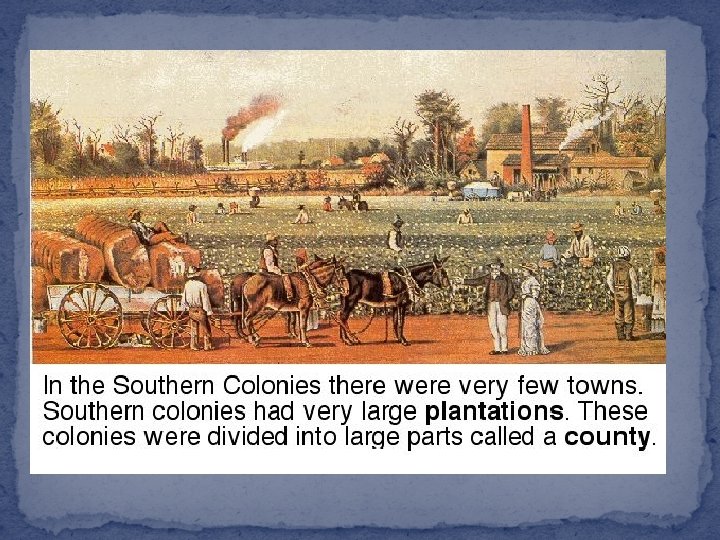
Trade Ports �Southern colonies had fewer cities than the New England Middle Atlantic Colonies. �There were more farms in the south. �Big cities in the South were near the water: Savannah (GA), Charles Town (SC), Wilmington (NC) and Baltimore (MD) �Exports = indigo, tobacco, rice �Imports = tea, coffee, spices
�Many people that lived in cities worked in the trade business (merchants). �There were also fishermen, tailors, and hat-makers. �Young people learning these jobs were called apprentices.
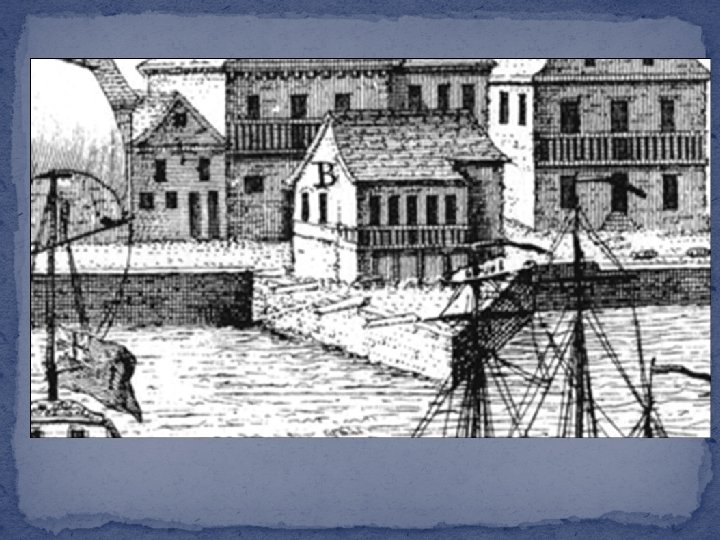
Charles Town, South Carolina �Charles Town was the largest city in the Southern Colonies (1600’s-1700’s). �It was a port town (boats) and a social town (fun). �People worked, danced, and went to concerts.
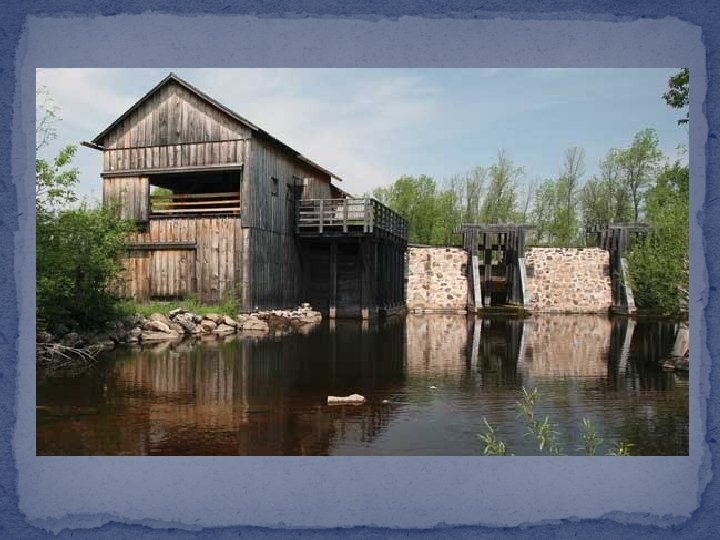
Other Southern Ports �Near the port, colonists built sawmills and shipped trees (not as many as New England though). �Savannah was Georgia’s main port for rice. �Savannah was also the capital of Georgia until the late 1700’s. �Baltimore, Maryland had a large port to ship tobacco and grain.
County Seats �A county seat is the main town in a county. �County seats were places to trade. �Planters’ families would visit these county seats several times a year. �Slaves could be bought and sold there. �Most county seats had a courthouse, general store and a jail. �Landowners met there to vote.