
South Asia Physical Geography South Asia Satellite View
![The Himalayas § “him” [snow] § “aalaya” [home] § Mt. Everest is 29, 035](https://slidetodoc.com/presentation_image_h2/af21e3984f0a43020b8e90d44516de25/image-6.jpg "The Himalayas § “him” [snow] § “aalaya” [home] § Mt. Everest is 29, 035")

- Slides: 37
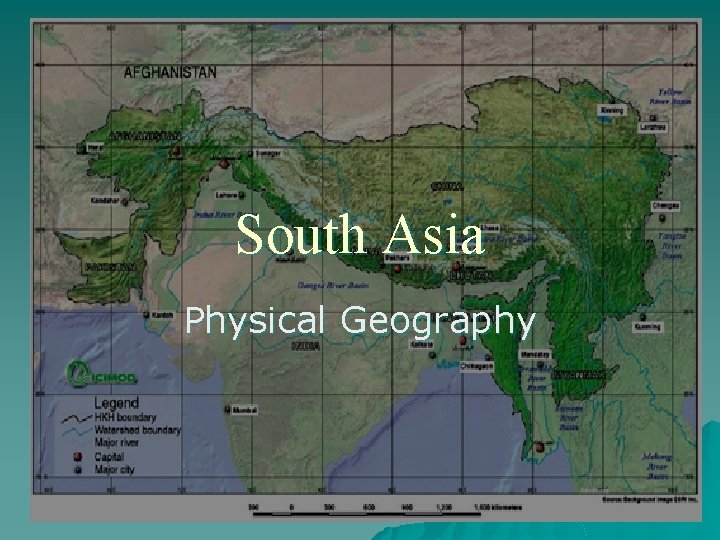
South Asia Physical Geography
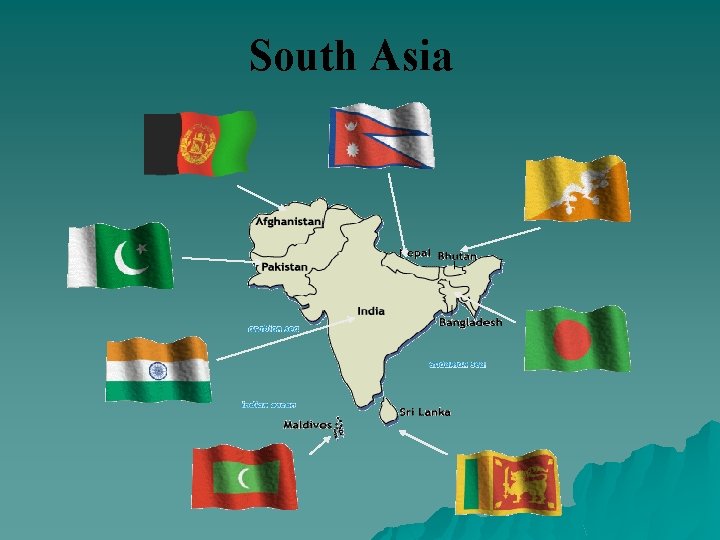
South Asia
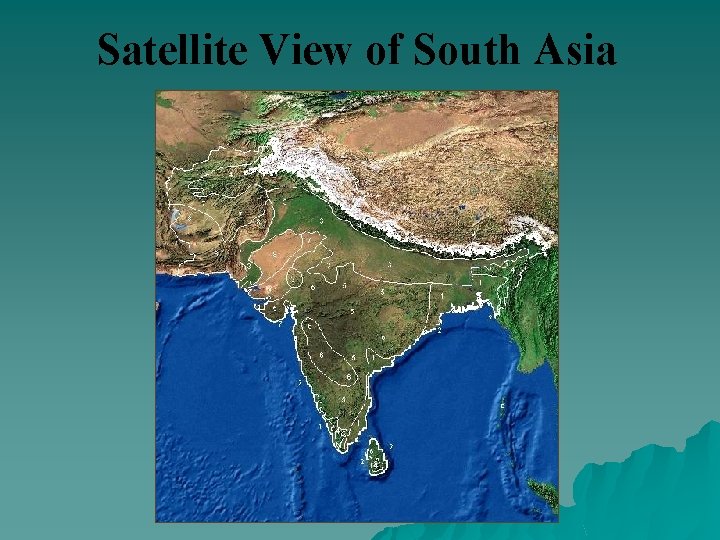
Satellite View of South Asia
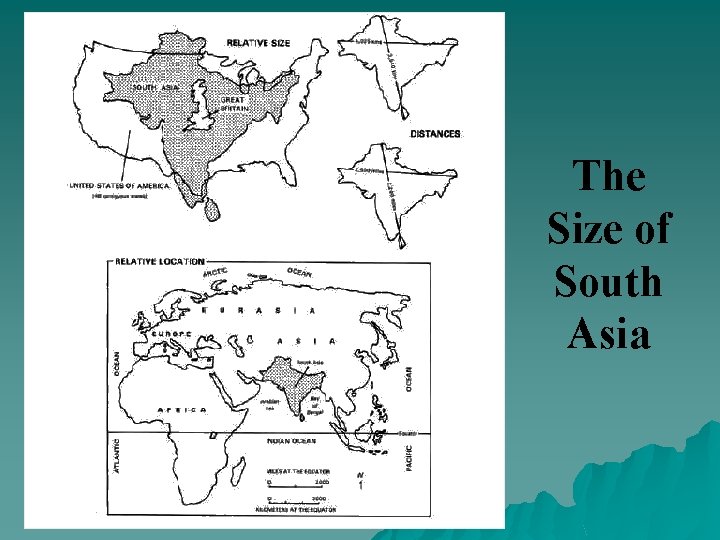
The Size of South Asia
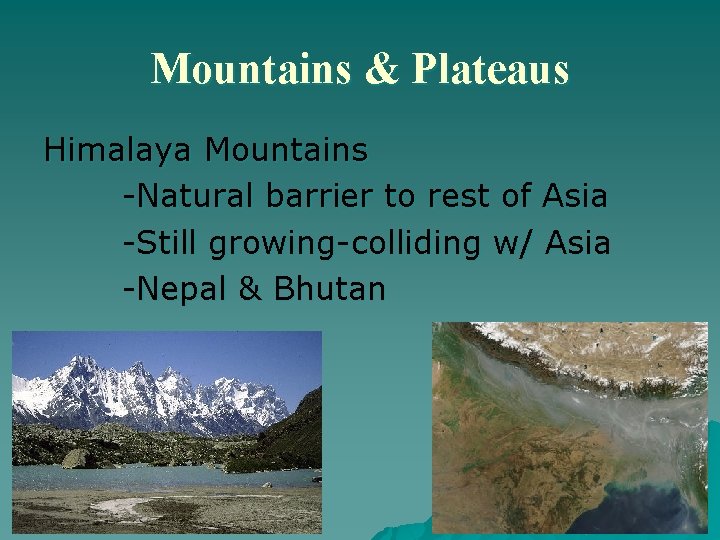
Mountains & Plateaus Himalaya Mountains -Natural barrier to rest of Asia -Still growing-colliding w/ Asia -Nepal & Bhutan
The Himalayas § “him” [snow] § “aalaya” [home] § Mt. Everest is 29, 035 feet. It is the highest mt. peak in the world.
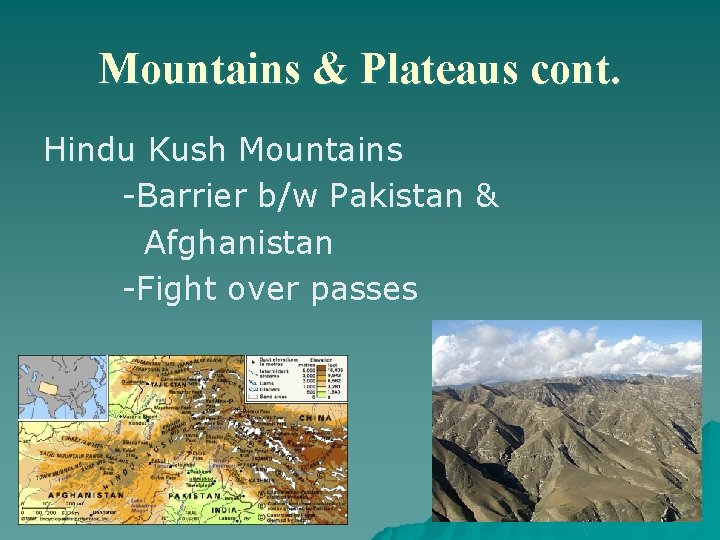
Mountains & Plateaus cont. Hindu Kush Mountains -Barrier b/w Pakistan & Afghanistan -Fight over passes
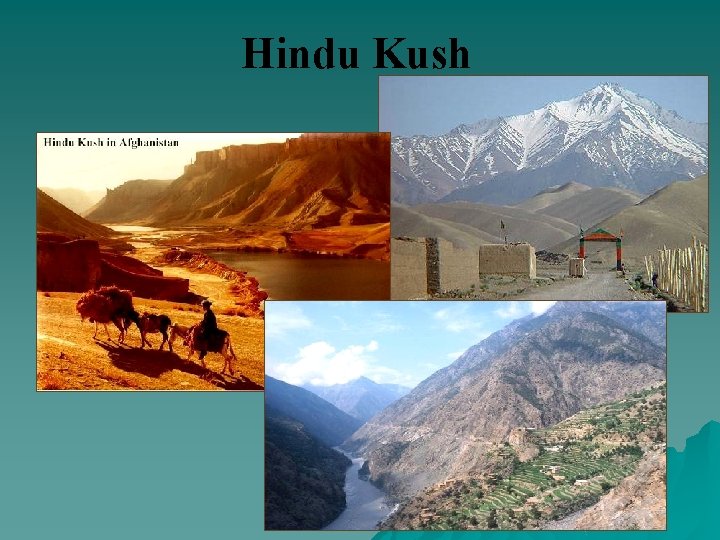
Hindu Kush
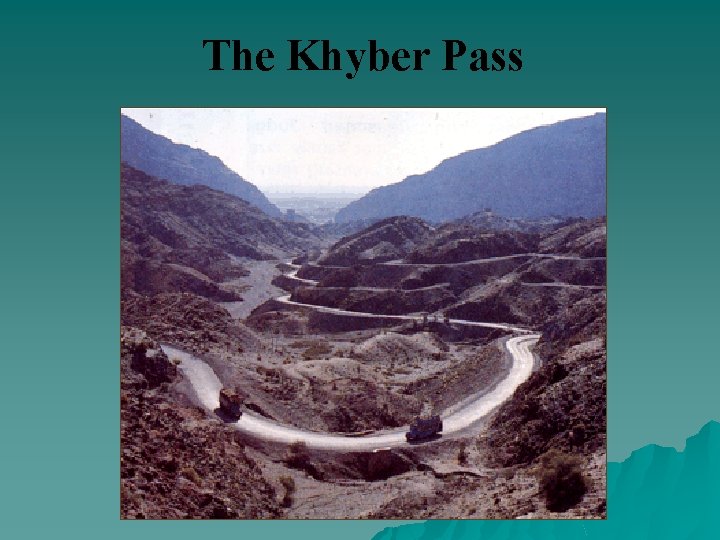
The Khyber Pass
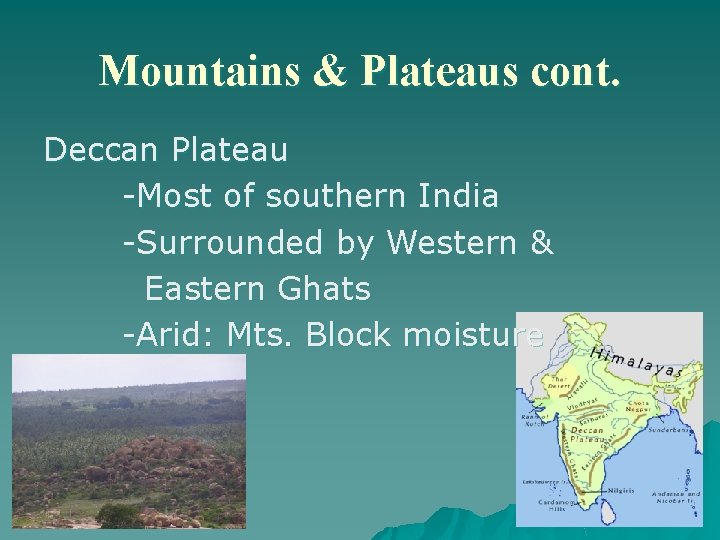
Mountains & Plateaus cont. Deccan Plateau -Most of southern India -Surrounded by Western & Eastern Ghats -Arid: Mts. Block moisture
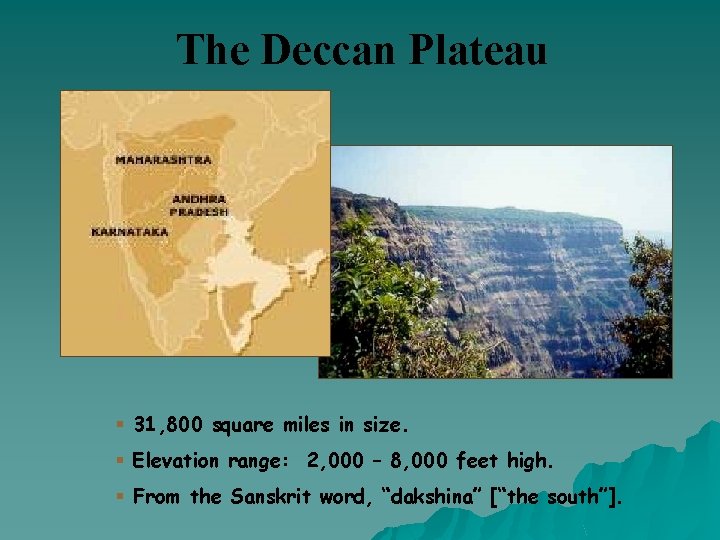
The Deccan Plateau § 31, 800 square miles in size. § Elevation range: 2, 000 – 8, 000 feet high. § From the Sanskrit word, “dakshina” [“the south”].
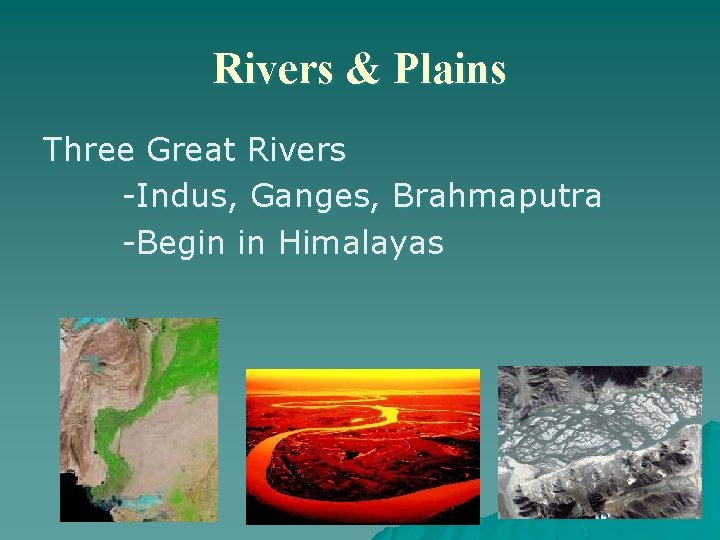
Rivers & Plains Three Great Rivers -Indus, Ganges, Brahmaputra -Begin in Himalayas
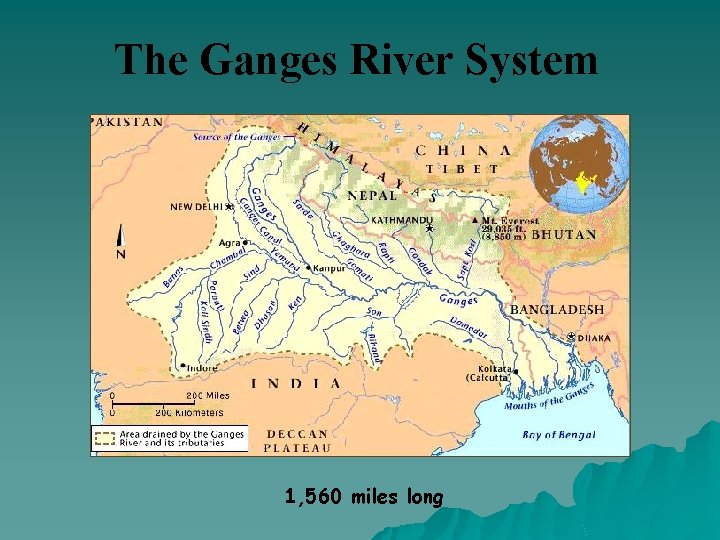
The Ganges River System 1, 560 miles long
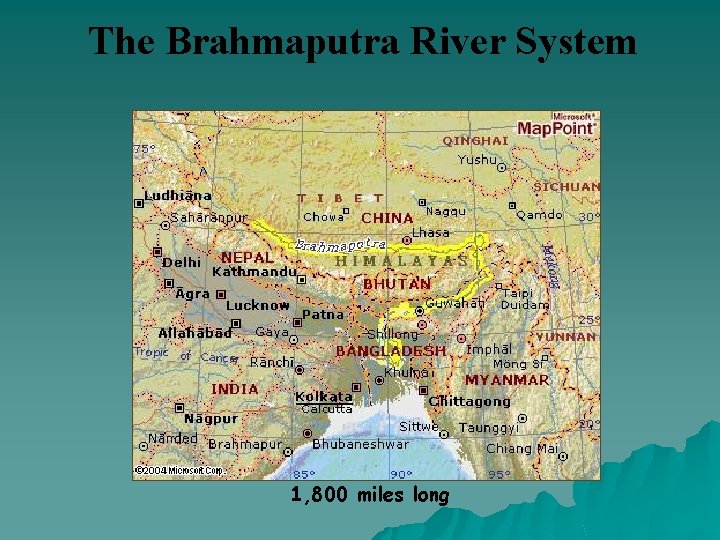
The Brahmaputra River System 1, 800 miles long
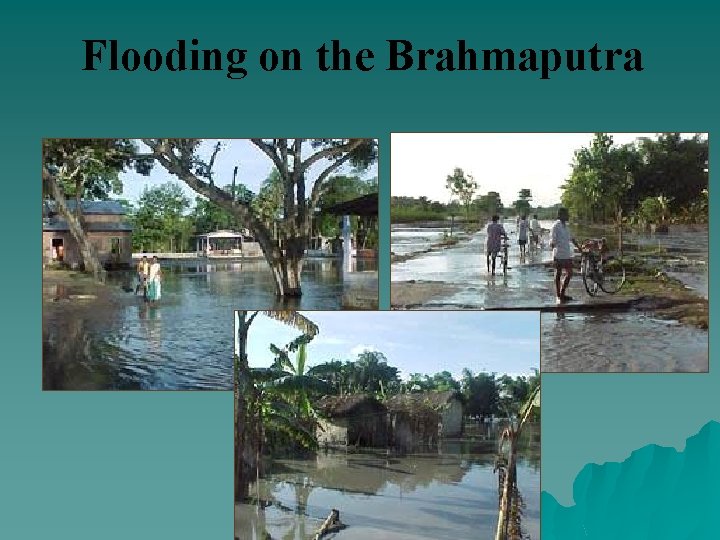
Flooding on the Brahmaputra
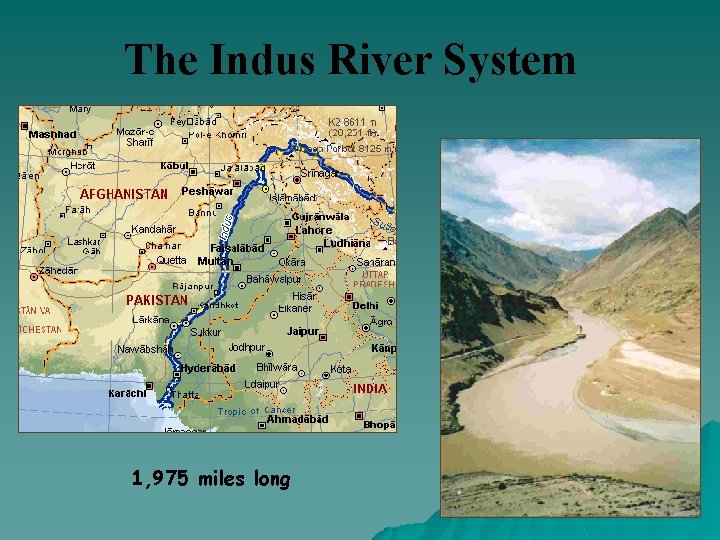
The Indus River System 1, 975 miles long
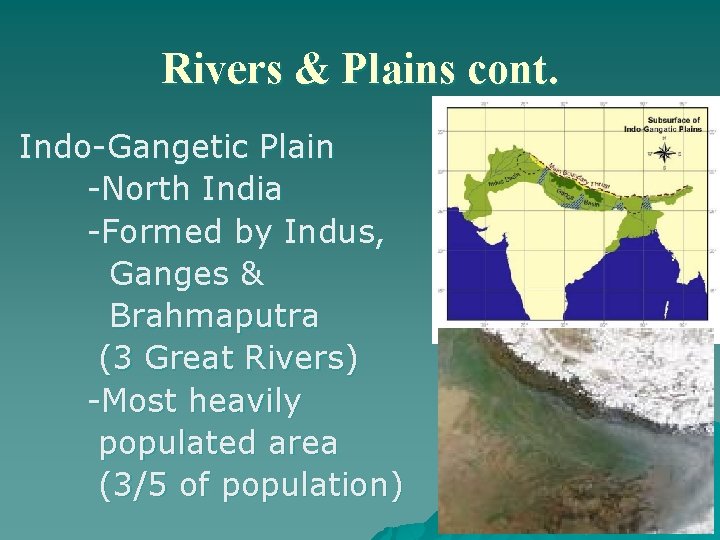
Rivers & Plains cont. Indo-Gangetic Plain -North India -Formed by Indus, Ganges & Brahmaputra (3 Great Rivers) -Most heavily populated area (3/5 of population)
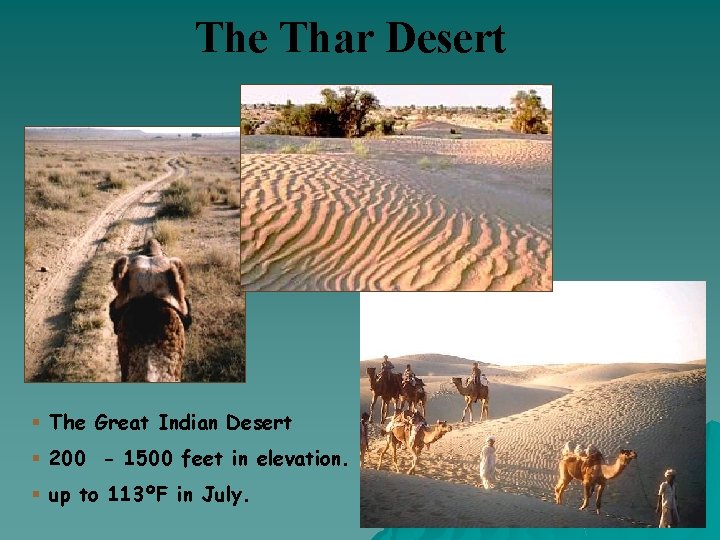
The Thar Desert § The Great Indian Desert § 200 - 1500 feet in elevation. § up to 113ºF in July.
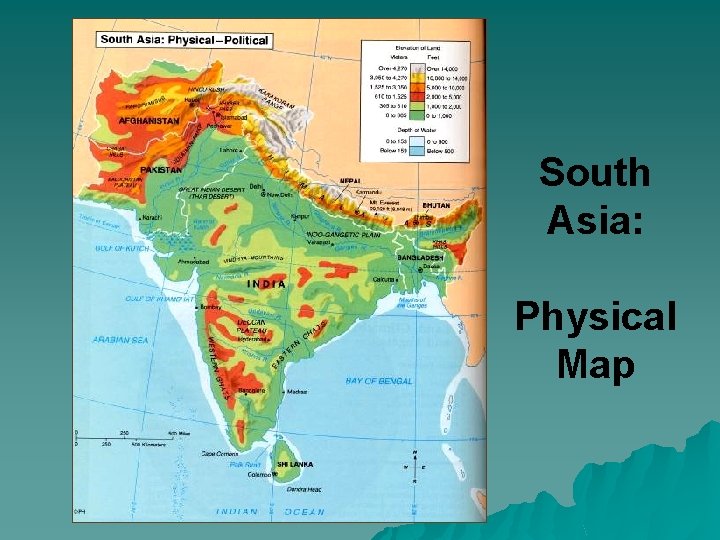
South Asia: Physical Map
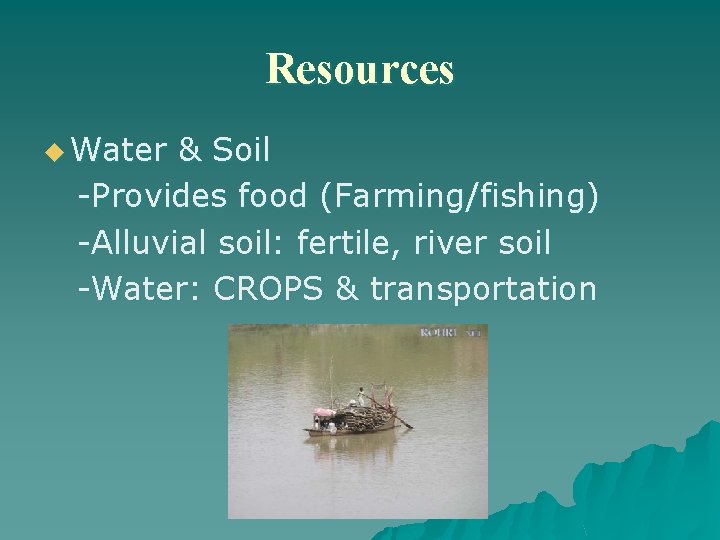
Resources u Water & Soil -Provides food (Farming/fishing) -Alluvial soil: fertile, river soil -Water: CROPS & transportation
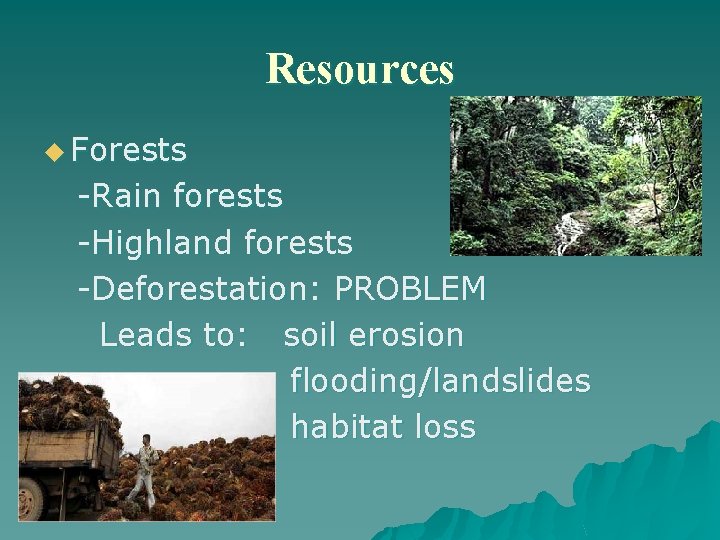
Resources u Forests -Rain forests -Highland forests -Deforestation: PROBLEM Leads to: soil erosion flooding/landslides habitat loss
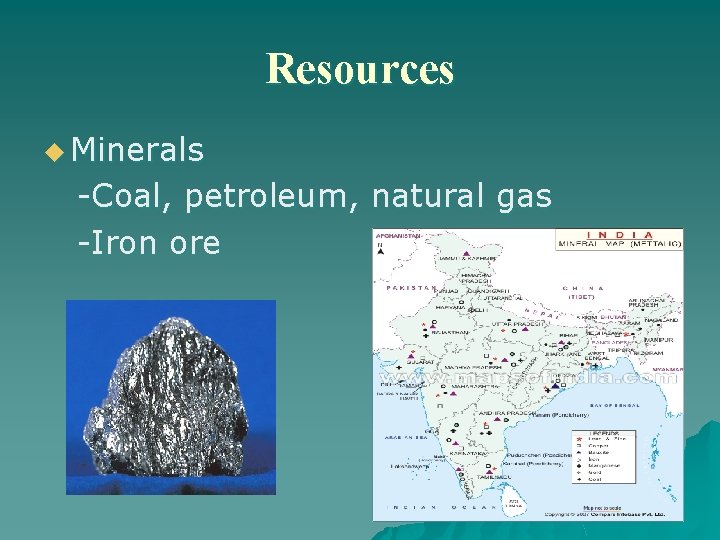
Resources u Minerals -Coal, petroleum, natural gas -Iron ore
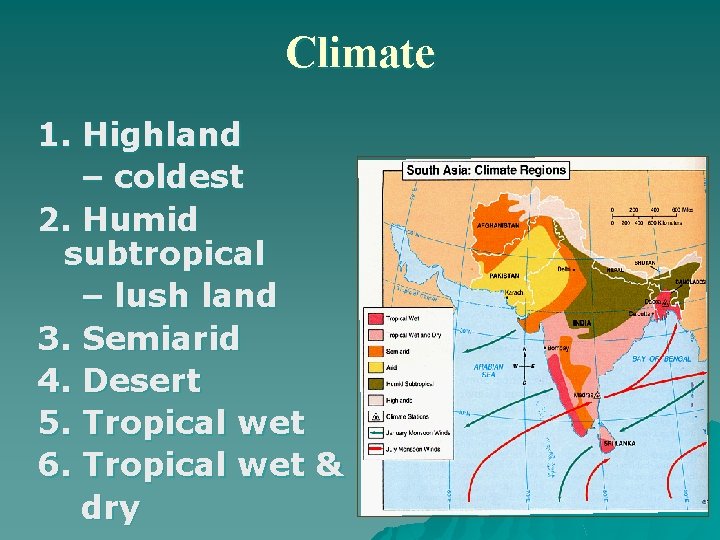
Climate 1. Highland – coldest 2. Humid subtropical – lush land 3. Semiarid 4. Desert 5. Tropical wet 6. Tropical wet & dry
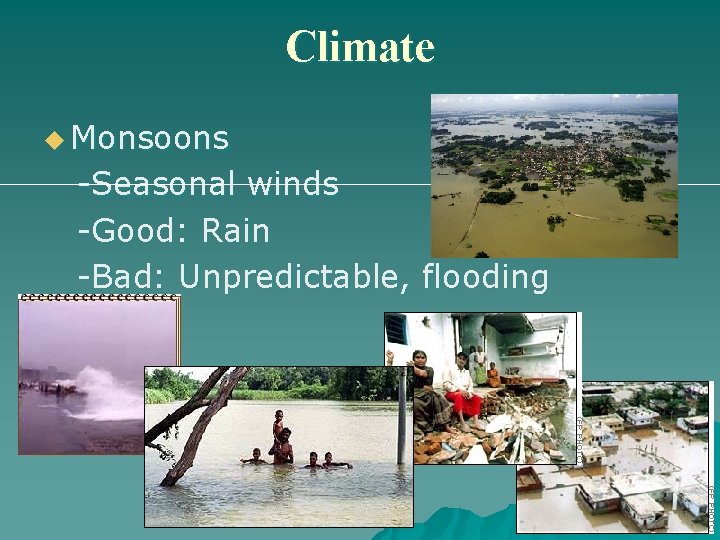
Climate u Monsoons -Seasonal winds -Good: Rain -Bad: Unpredictable, flooding
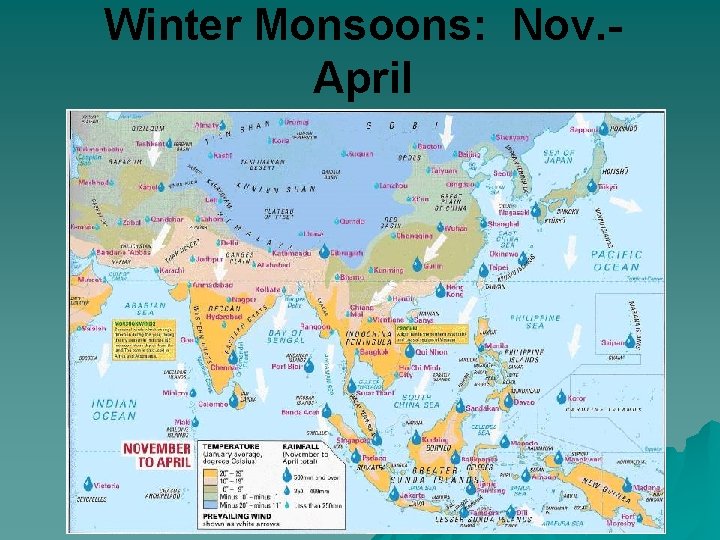
Winter Monsoons: Nov. April
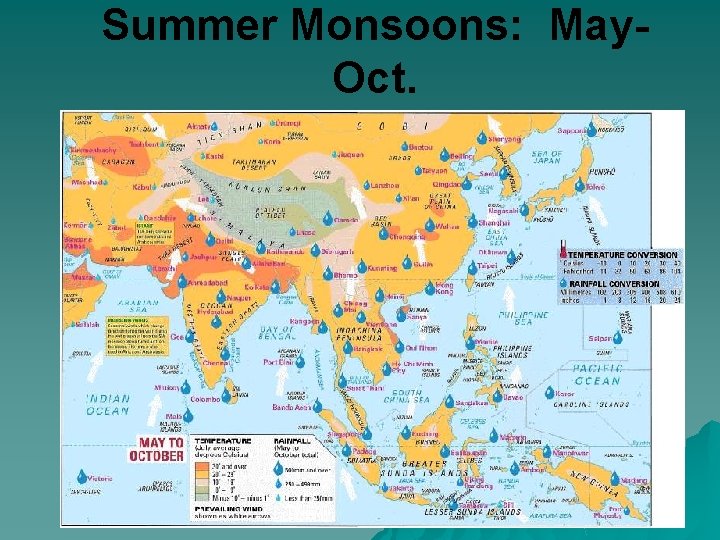
Summer Monsoons: May. Oct.
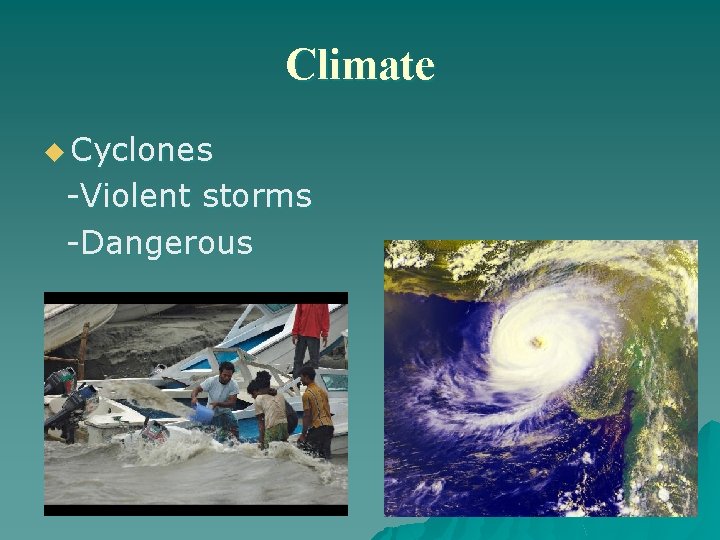
Climate u Cyclones -Violent storms -Dangerous
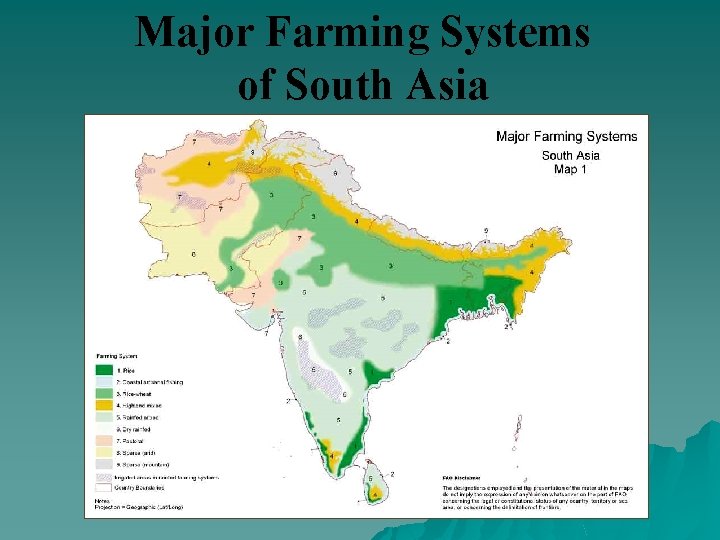
Major Farming Systems of South Asia
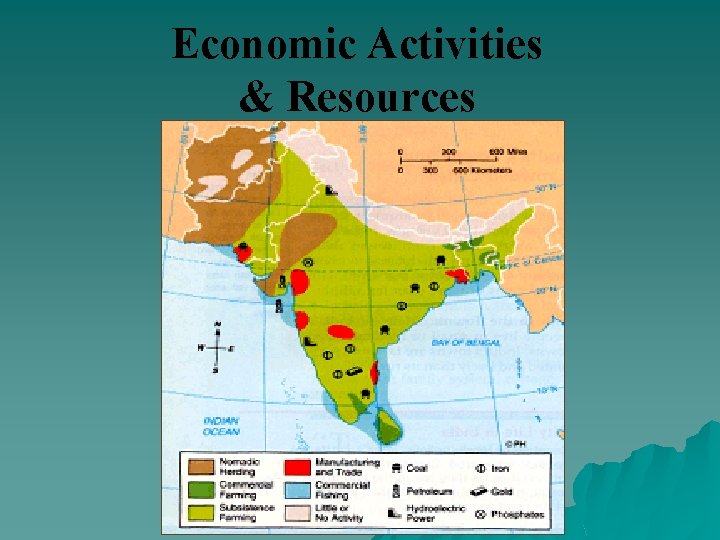
Economic Activities & Resources
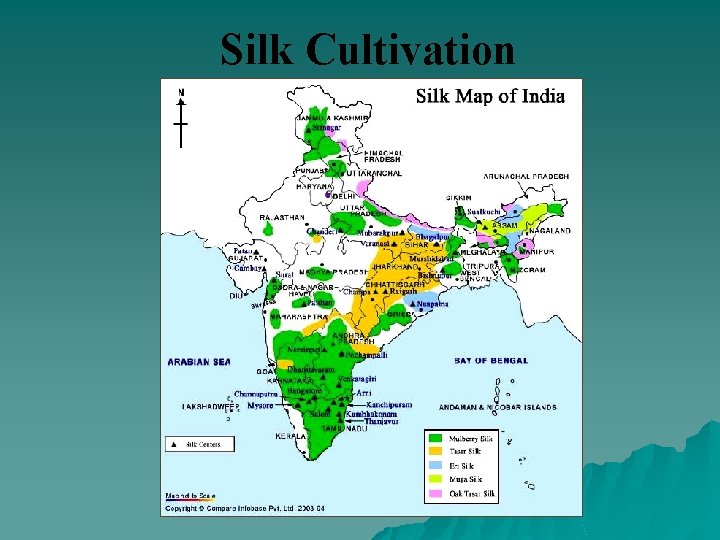
Silk Cultivation
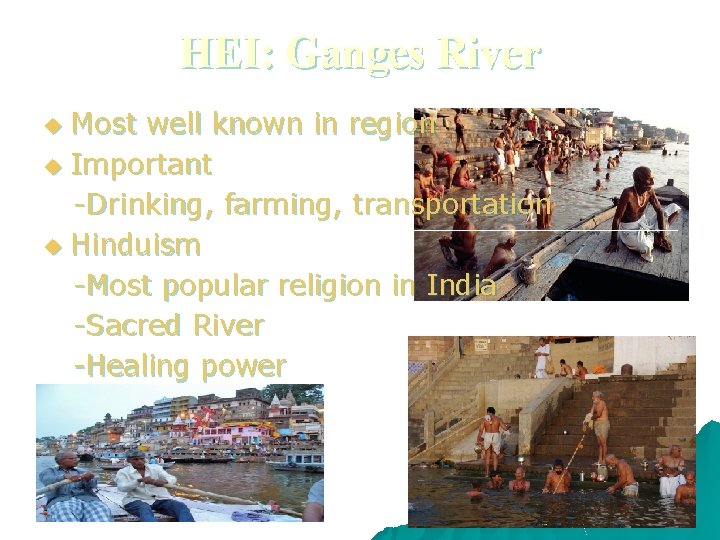
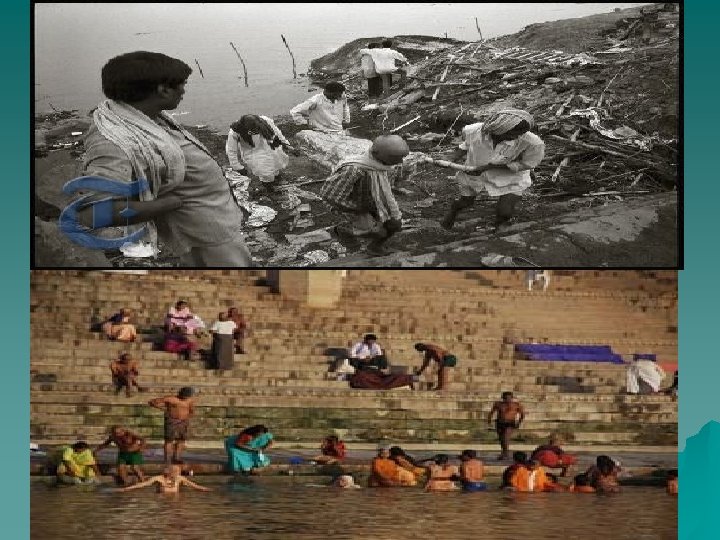
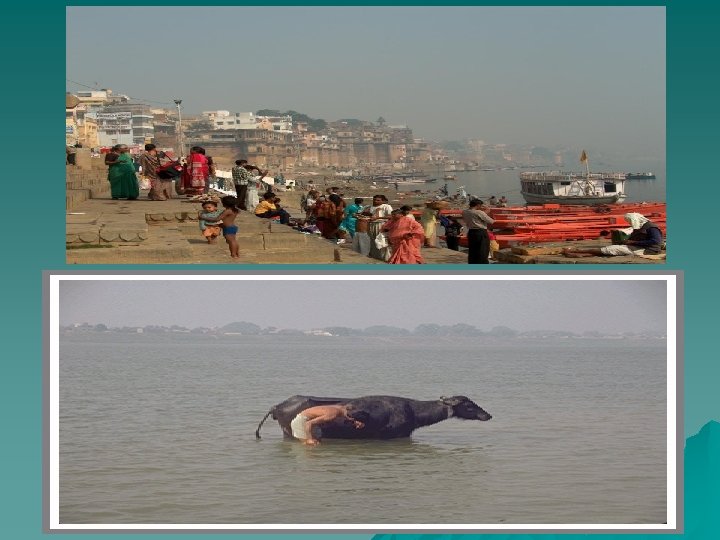
HEI: Ganges River Most well known in region u Important -Drinking, farming, transportation u Hinduism -Most popular religion in India -Sacred River -Healing power u
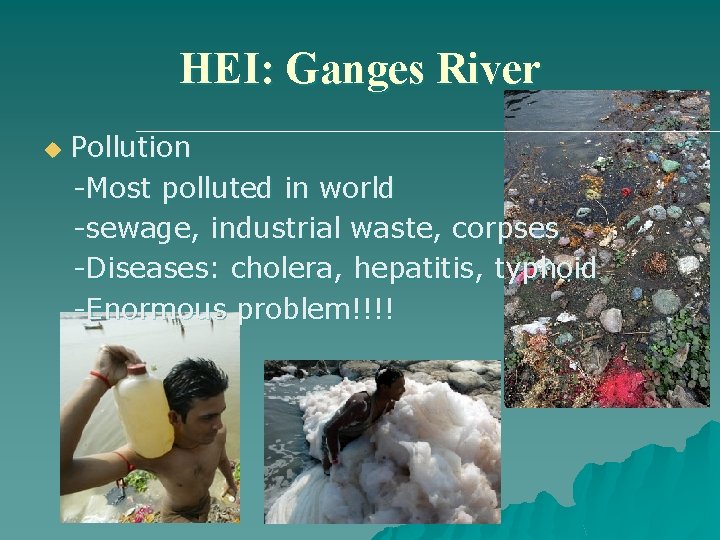
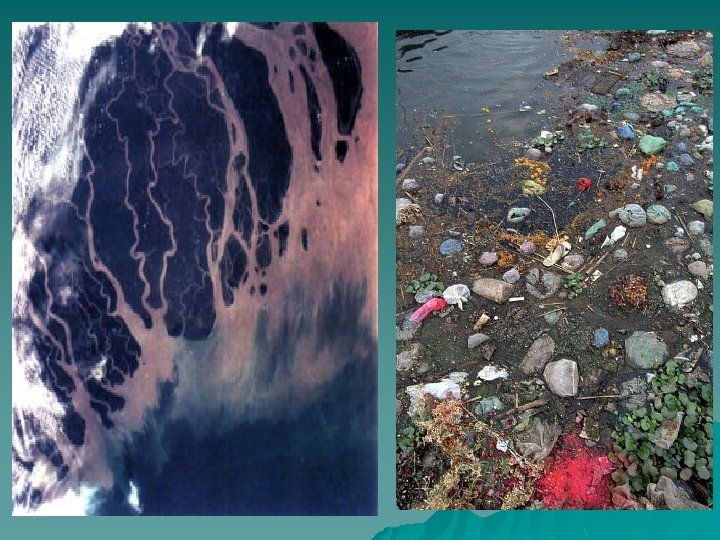
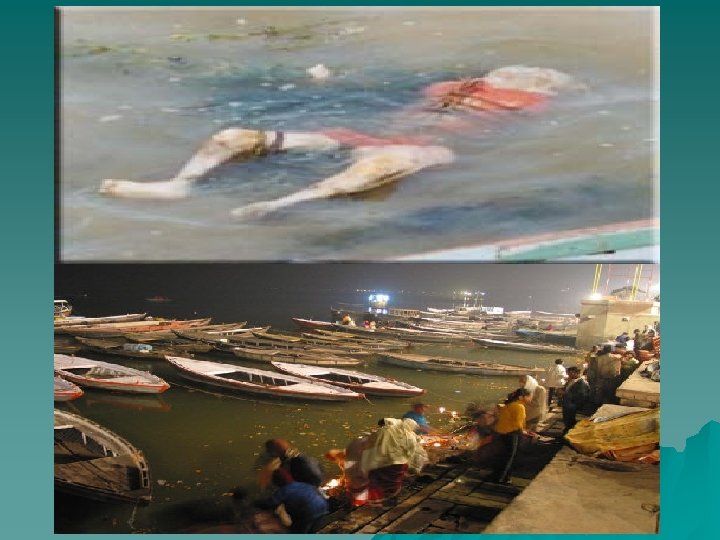
HEI: Ganges River u Pollution -Most polluted in world -sewage, industrial waste, corpses -Diseases: cholera, hepatitis, typhoid -Enormous problem!!!!
Overview