
South Africa South Africa Dutch Settlement 1487 Bartholomew

South Africa


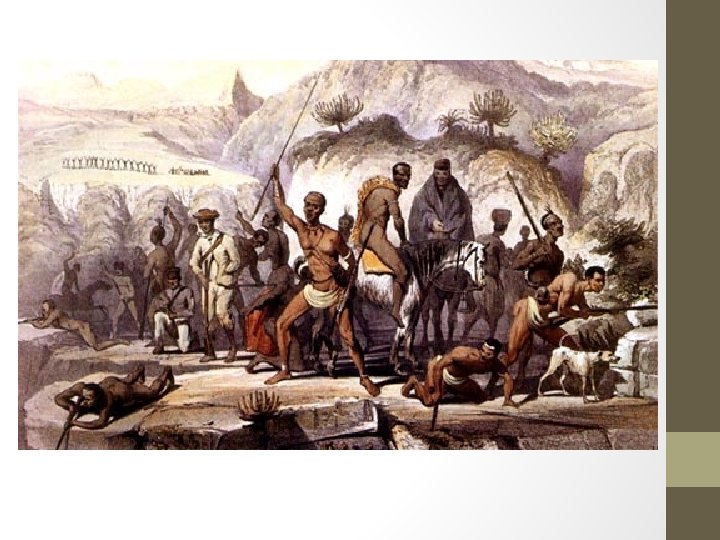
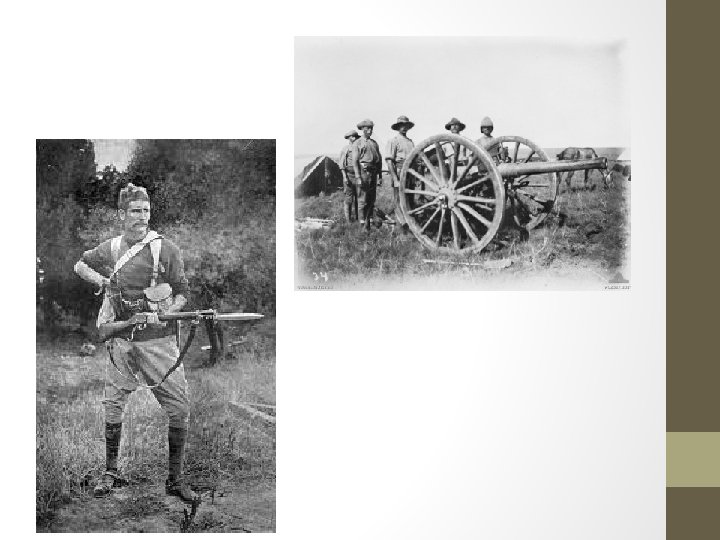
South Africa: Dutch Settlement • 1487: Bartholomew Diaz (Portugal) is the first European to sail to the Cape of Good Hope • 1652: Dutch establish colony near present-day Cape Town - Afrikaners: Dutch settlers - Boers: Dutch farmers • “African Hundred Years War” - Almost continuous conflict from 1779 -1880 - The native Xhosa resisted European expansion
South Africa: British Expansion • 1795: Dutch Republic invaded by the French First Republic • 1806: British annex Dutch South African colony • 1807: Slave Trade Act • 1837: Slavery Abolition Act • Boers react by leaving Cape Town, moving inland - Orange Free State - Transvaal
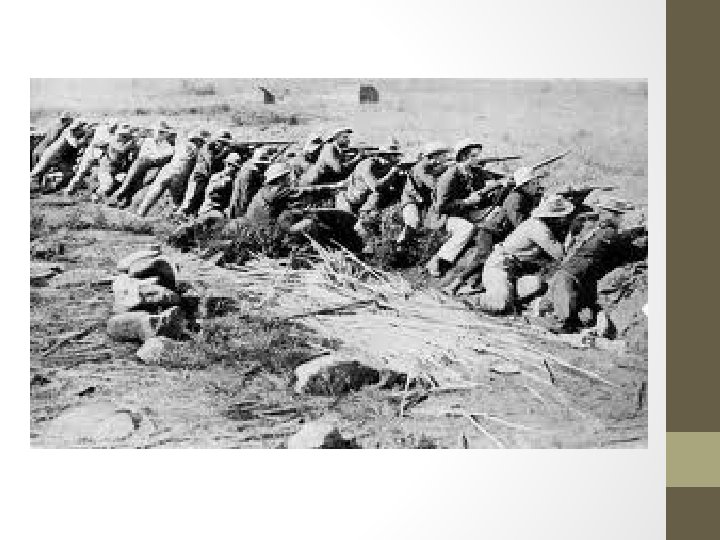
South Africa: Anglo-Boer Wars • Discovery of diamonds in 1867, gold in 1884 • First Boer War (1880 -1881) - Boers resist British with guerilla tactics • Second Boer War (1899 -1902) - British Empire strikes back - Eventually force the rebels to negotiate • 1909/1910: British create the Union of South Africa • 1931: South Africa granted effective independence
Document Activity • • • Who is writing this? Where is the author from? What was their experience like during the Boer War? What does this document tell you about the Boer War? What doesn’t it tell you? Is this document trustworthy? What questions do you still have? • How do these two documents relate to each other? • How do these documents add to your understanding of the Boer War?

India
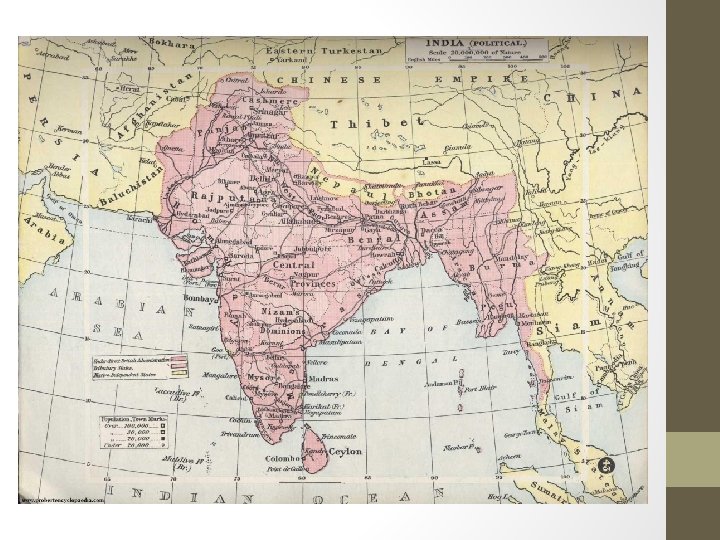
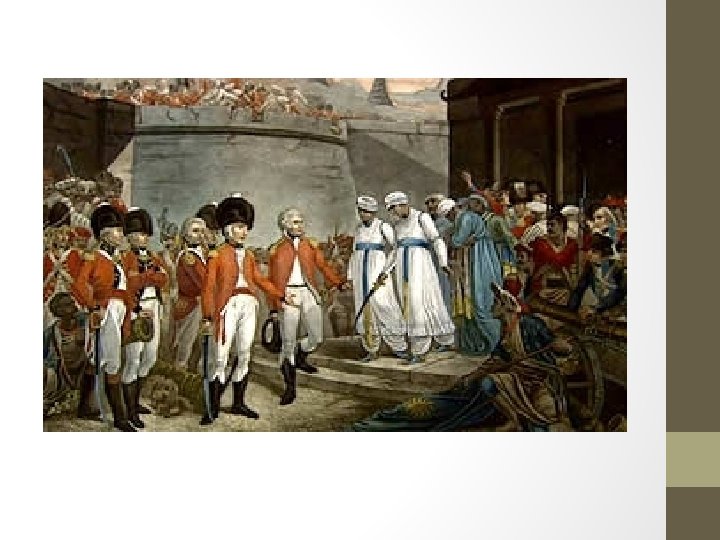
India: British Involvement • Private joint-stock companies began British/Indian relations - 1600: East India Company organized • 1757: Defeat French at the Battle of Plassey • British control of the region is now unchallenged by other European Powers
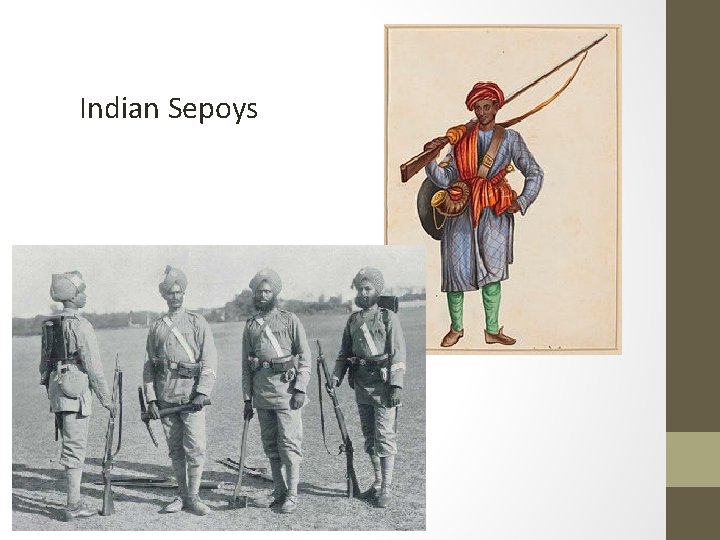
Indian Sepoys
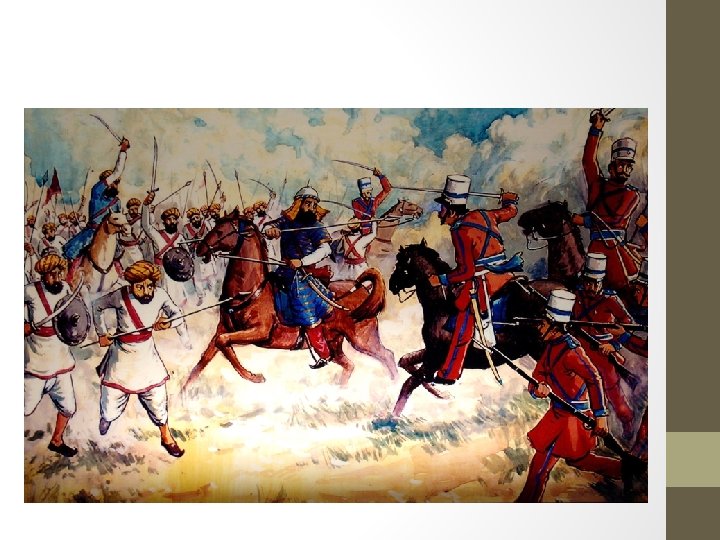
India: Sepoy Rebellion (1857) • • • Encroachment of missionaries Changes to the military structure of Sepoy units Resentment of British racism British land reform efforts “Greased Bullets” - Bullets the Sepoys were using rumored to be greased with pig or cow fat - Offended both Muslims and Hindus
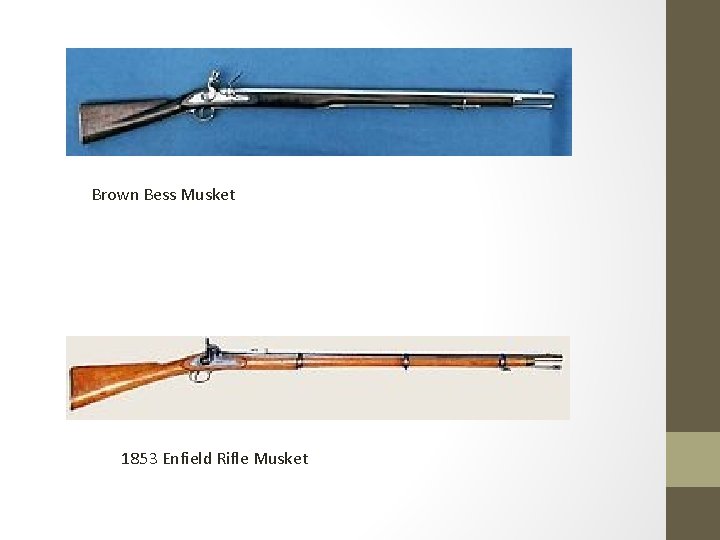
Brown Bess Musket 1853 Enfield Rifle Musket
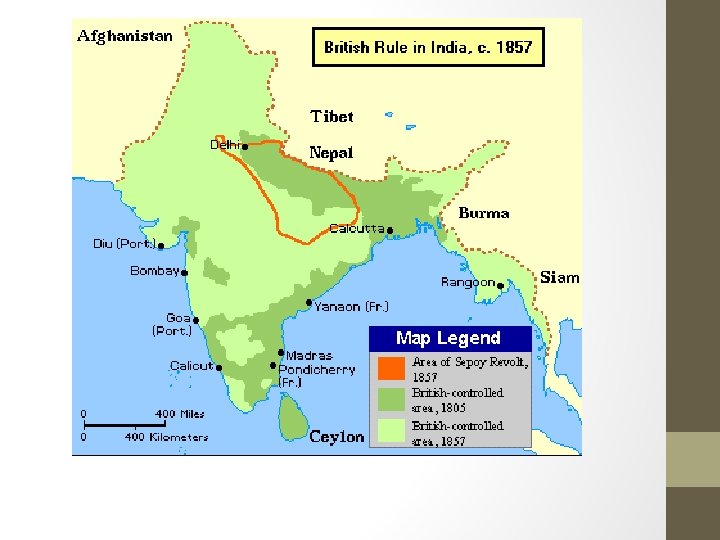
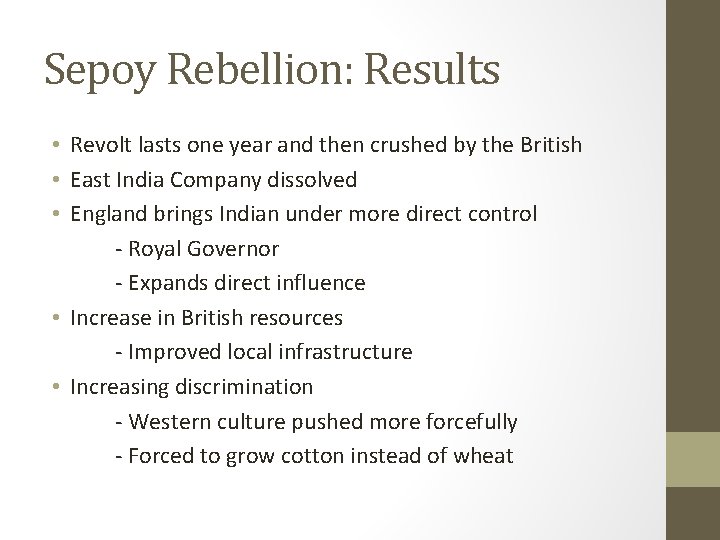
Sepoy Rebellion: Results • Revolt lasts one year and then crushed by the British • East India Company dissolved • England brings Indian under more direct control - Royal Governor - Expands direct influence • Increase in British resources - Improved local infrastructure • Increasing discrimination - Western culture pushed more forcefully - Forced to grow cotton instead of wheat
- Slides: 19