
Source Science Explained Transcription and Translation Understanding these
- Slides: 12
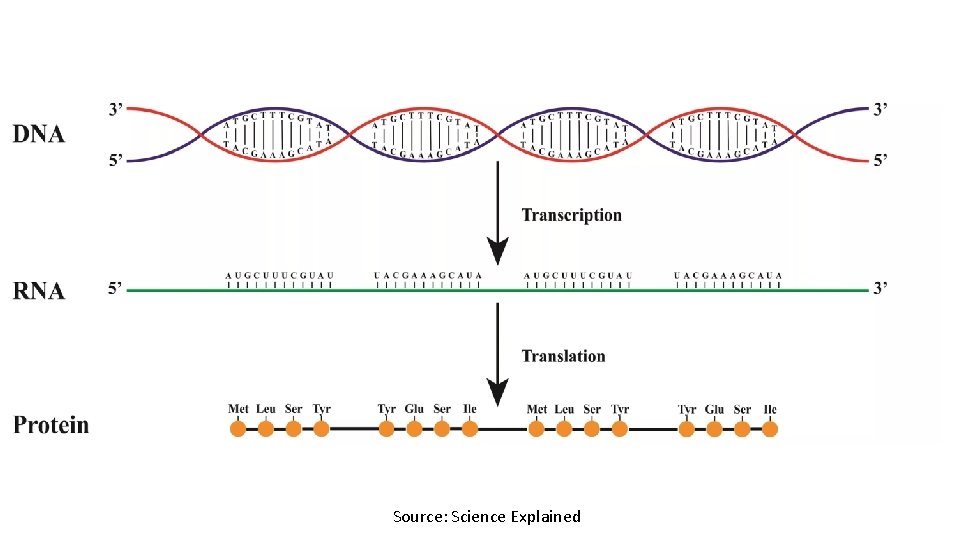
Source: Science Explained
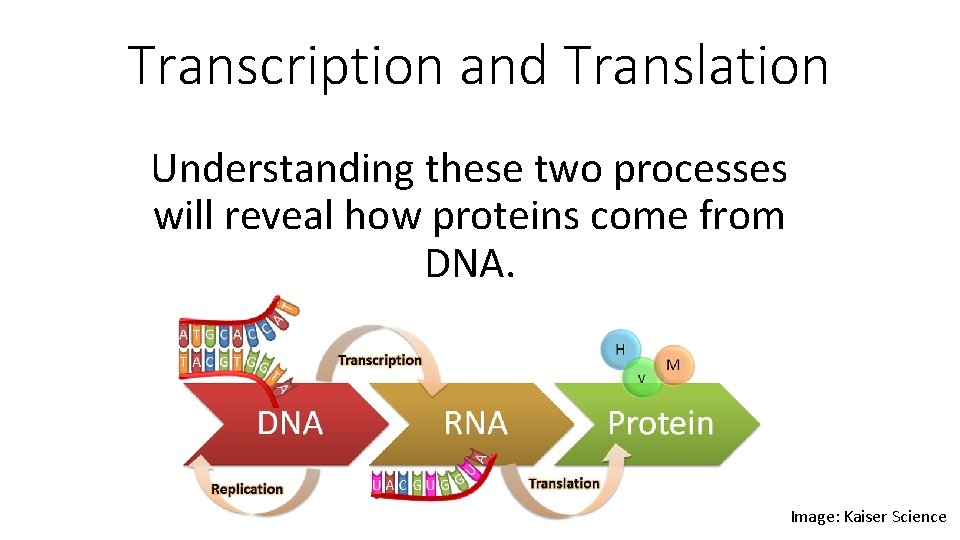
Transcription and Translation Understanding these two processes will reveal how proteins come from DNA. Image: Kaiser Science
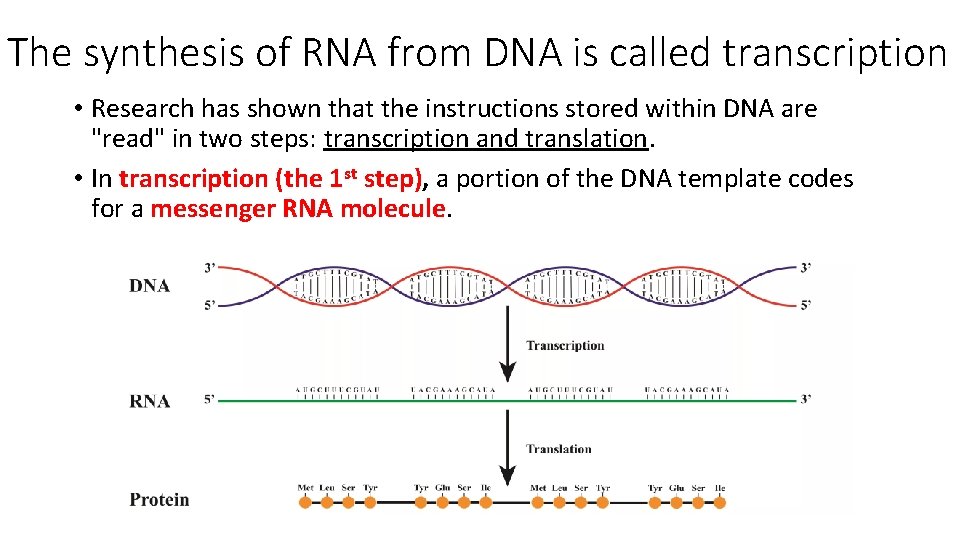
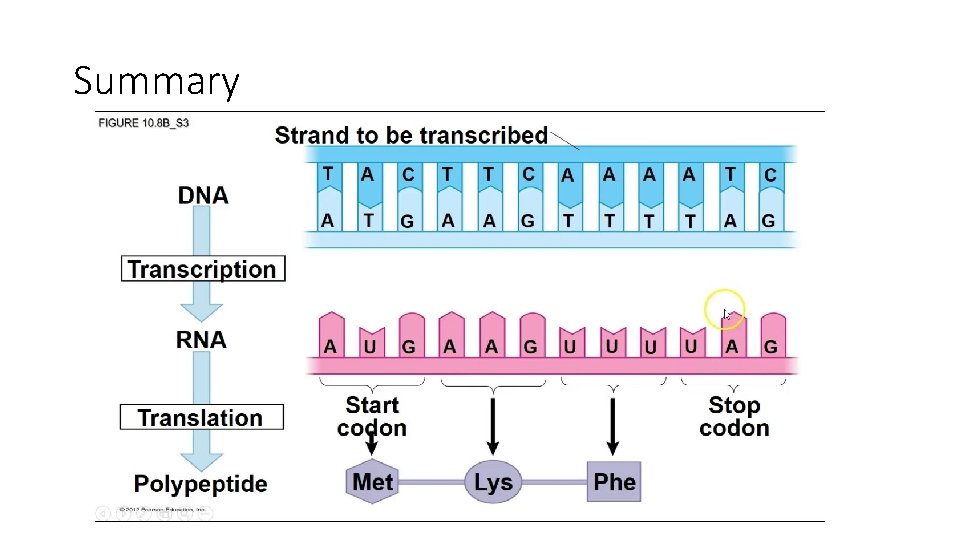
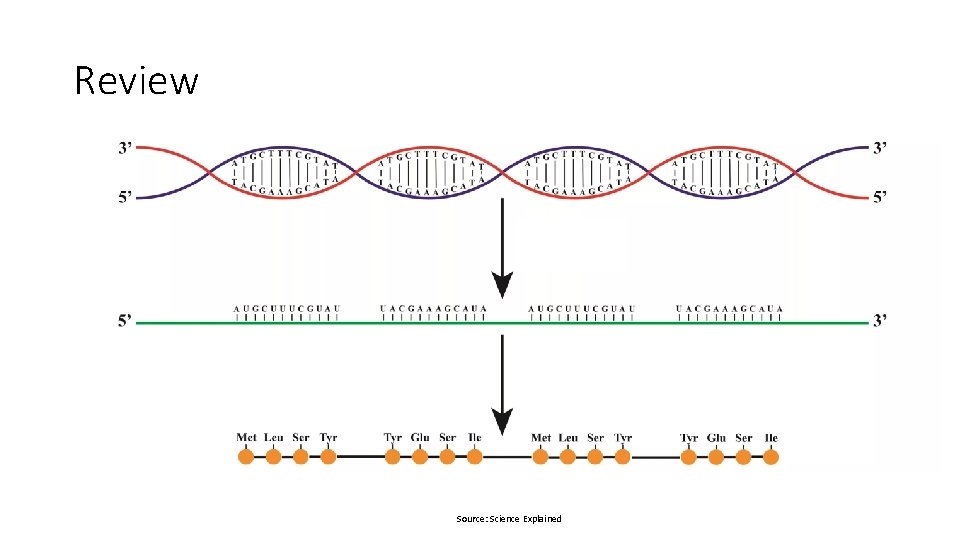
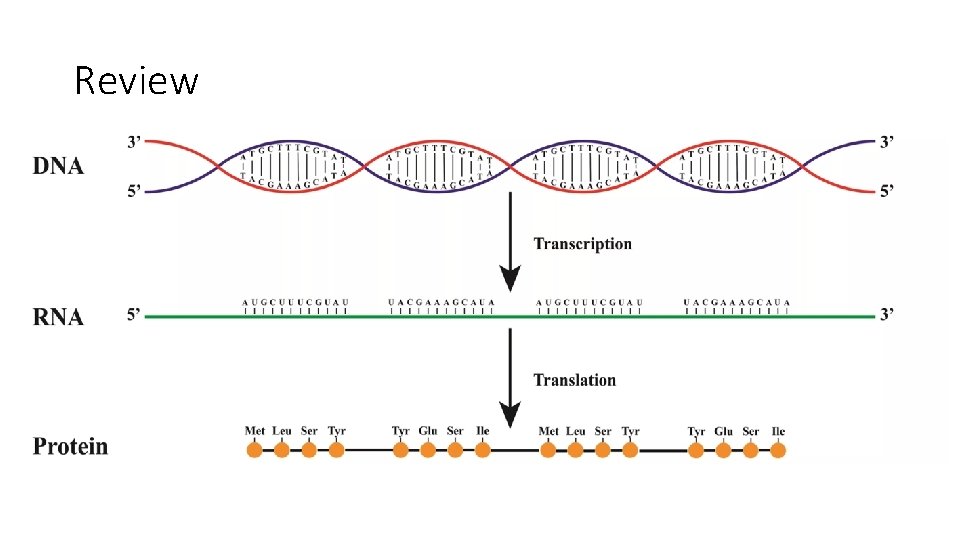
The synthesis of RNA from DNA is called transcription • Research has shown that the instructions stored within DNA are "read" in two steps: transcription and translation. • In transcription (the 1 st step), a portion of the DNA template codes for a messenger RNA molecule.
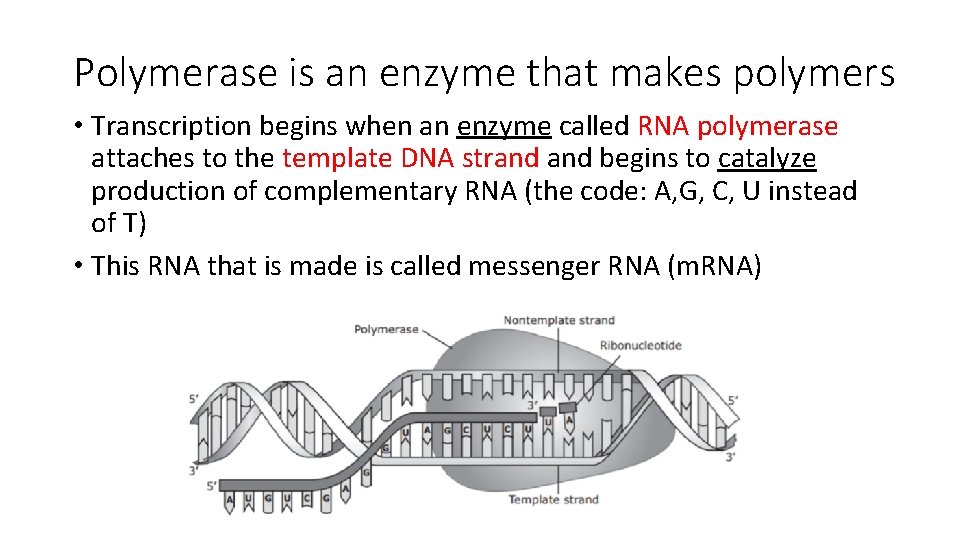
Polymerase is an enzyme that makes polymers • Transcription begins when an enzyme called RNA polymerase attaches to the template DNA strand begins to catalyze production of complementary RNA (the code: A, G, C, U instead of T) • This RNA that is made is called messenger RNA (m. RNA)
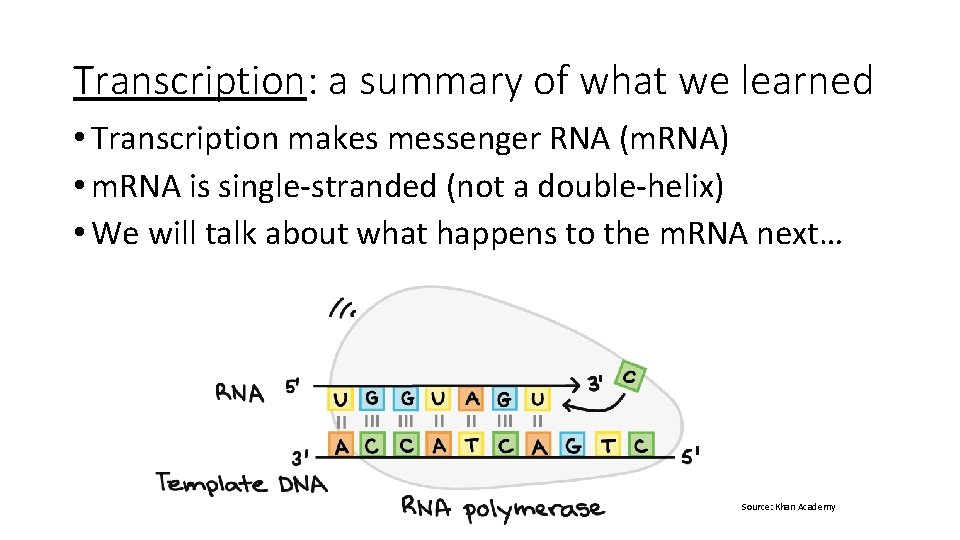
Transcription: a summary of what we learned • Transcription makes messenger RNA (m. RNA) • m. RNA is single-stranded (not a double-helix) • We will talk about what happens to the m. RNA next… Source: Khan Academy
Translation • In some cases, the RNA molecule itself is a "finished product" that serves some important function within the cell. Often, however, transcription of an RNA molecule is followed by a translation step, which ultimately results in the production of a protein molecule. • During translation, the m. RNA that was just created in transcription is translated into amino acids at the ribosome. • Amino acid polymers (aka polypeptides) are……. Proteins!!! • Proteins then carry out various functions in the cell. • How does this happen? Chemistry • In conclusion, translation is where messenger RNA goes to the ribosome and makes proteins.
Translation Details • First, what is a codon? Remember the nitrogenous bases on nucleotides? • A codon is any sequence of three nucleotides which together form a unit of genetic code in a DNA or RNA • Examples: AUG, UGA, TCG, etc
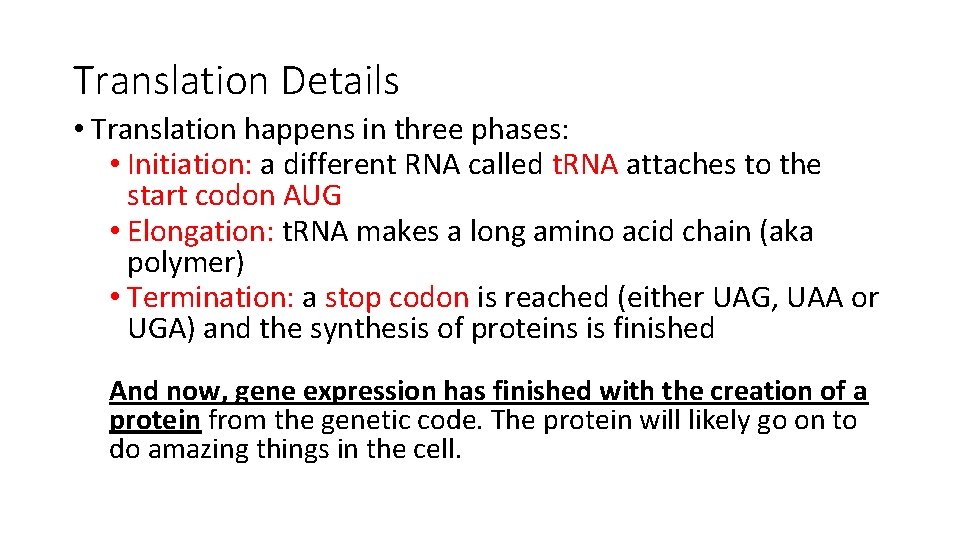
Translation Details • Translation happens in three phases: • Initiation: a different RNA called t. RNA attaches to the start codon AUG • Elongation: t. RNA makes a long amino acid chain (aka polymer) • Termination: a stop codon is reached (either UAG, UAA or UGA) and the synthesis of proteins is finished And now, gene expression has finished with the creation of a protein from the genetic code. The protein will likely go on to do amazing things in the cell.
Summary
Review Source: Science Explained
Review