
Sound Chapter 15 Topics for Sound Sound wave



- Slides: 47
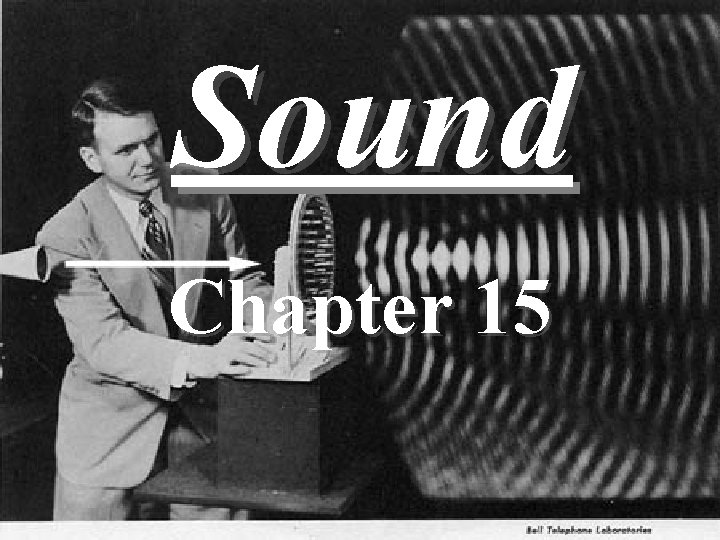
Sound Chapter 15
Topics for Sound • • Sound wave properties Speed of sound Echoes Beats Doppler shift Resonance Anatomy of Ear
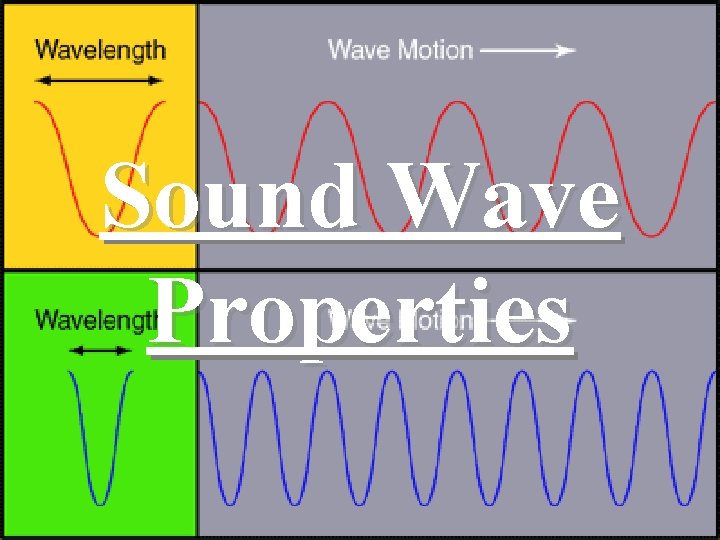
Sound Wave Properties
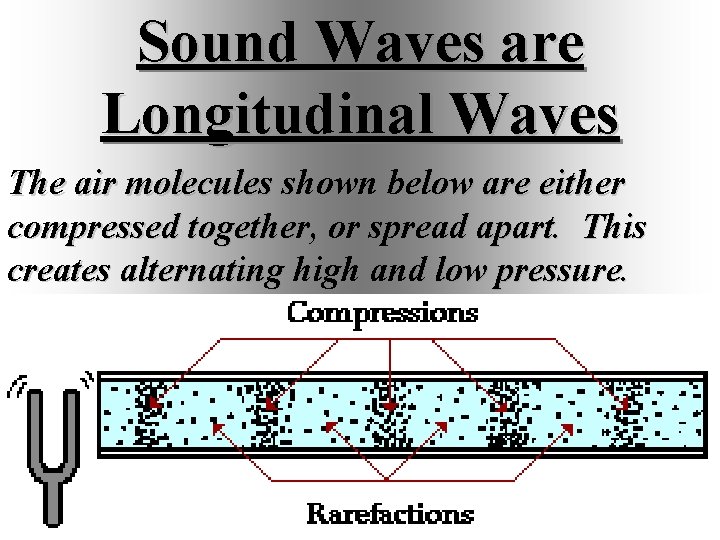
Sound Waves are Longitudinal Waves The air molecules shown below are either compressed together, or spread apart. This creates alternating high and low pressure.
Frequency • The frequency of a sound wave (or any wave) is the number of complete vibrations per second. • The frequency of sound determines its pitch. • Human Hearing ranges from • …. 20 Hz to 20 KHz
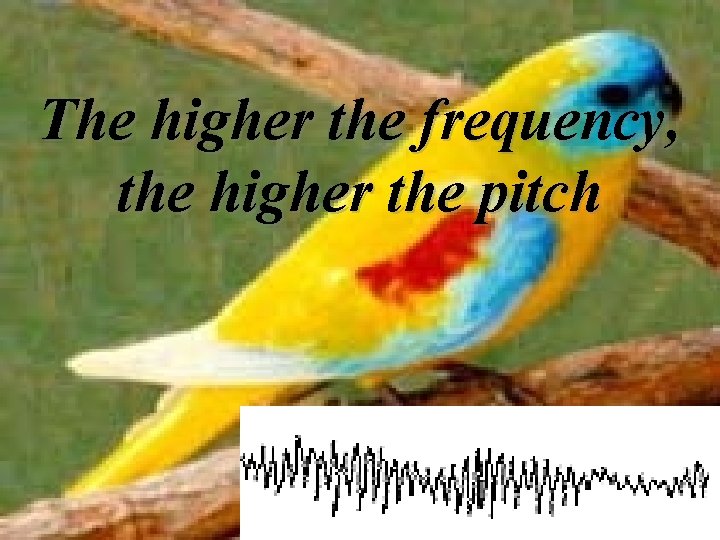
The higher the frequency, the higher the pitch
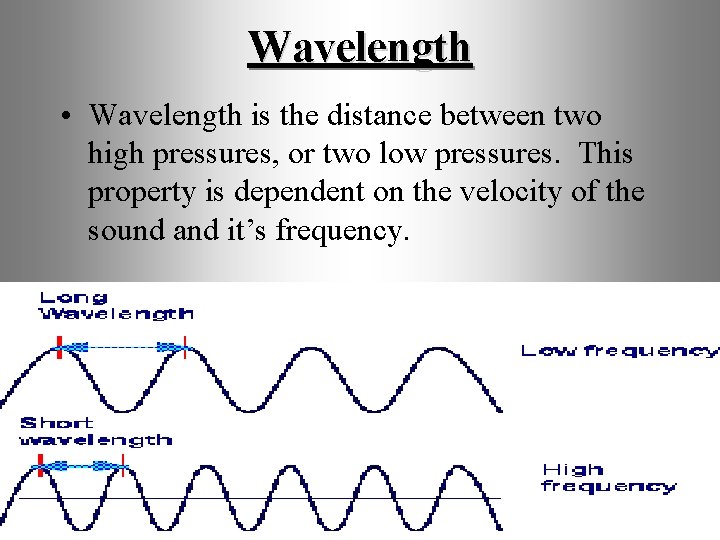
Wavelength • Wavelength is the distance between two high pressures, or two low pressures. This property is dependent on the velocity of the sound and it’s frequency.
The Amplitude of a Sound Wave Determines its loudness or softness
Velocity of Sound
The velocity of sound depends on • The medium it travels through • In air at room temperature sound travels at 343 m/s (~766 mph) • v = 331 m/s + (0. 6)T – v: velocity of sound in air – T: temperature of air in o. C
Relationship between velocity, frequency, and wavelength • V = f • V = velocity of sound • = wavelength of sound • f = frequency of sound
• Sound travels faster in liquids than in air • Sound travels faster in solids than in liquids • Sound does not travel through a vacuum – there is no air in a vacuum so sound has no medium to travel through
Echoes: REFLECTION
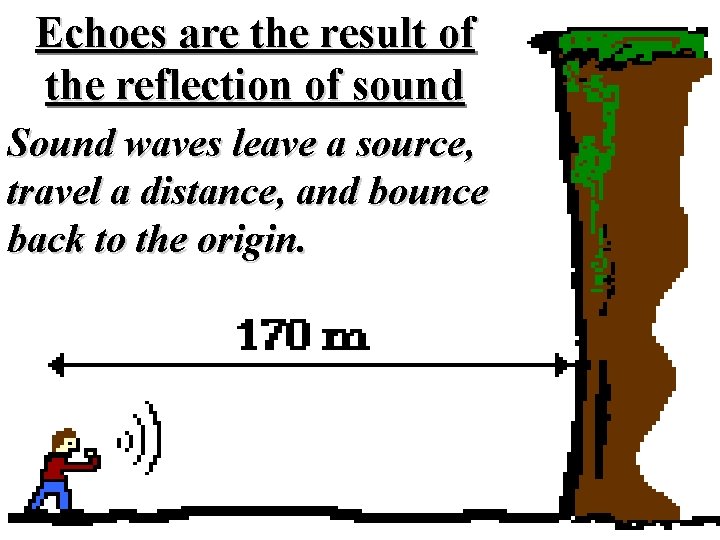
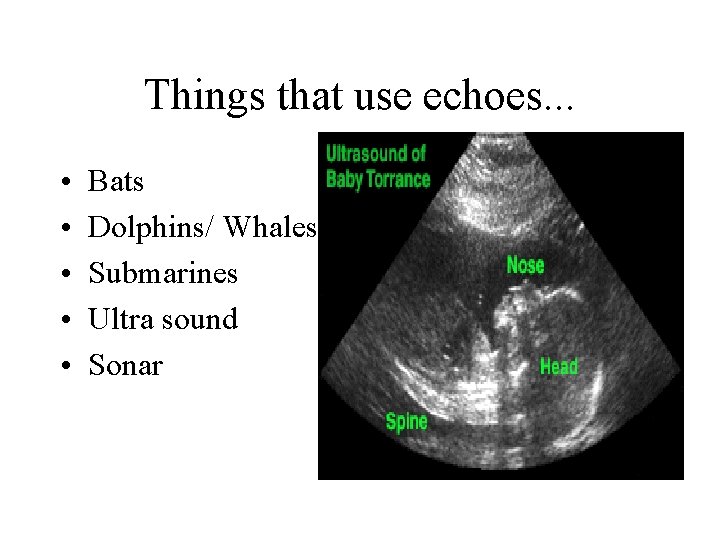
Echoes are the result of the reflection of sound Sound waves leave a source, travel a distance, and bounce back to the origin.
Things that use echoes. . . • • • Bats Dolphins/ Whales Submarines Ultra sound Sonar
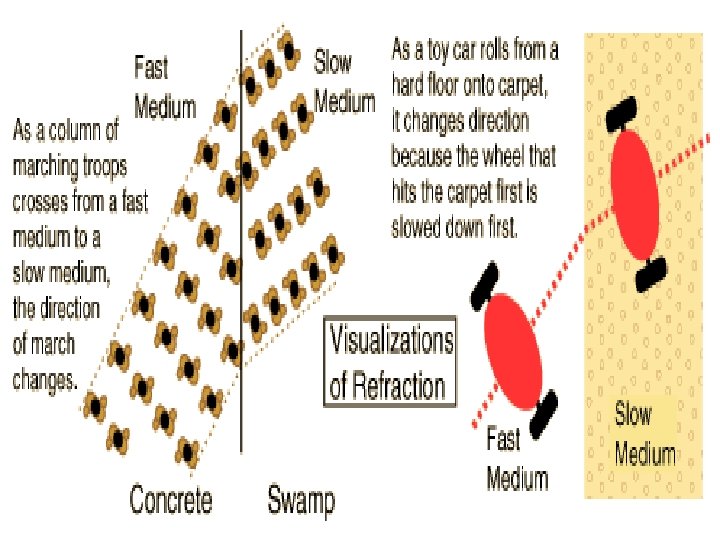
REFRACTION OF WAVES
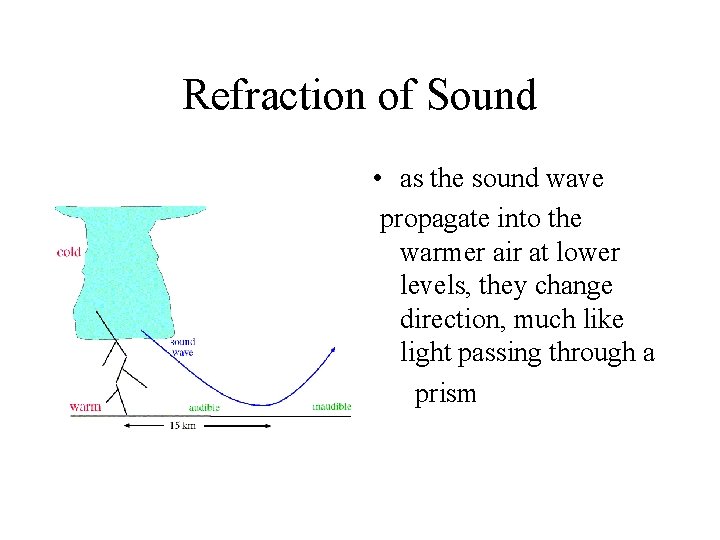
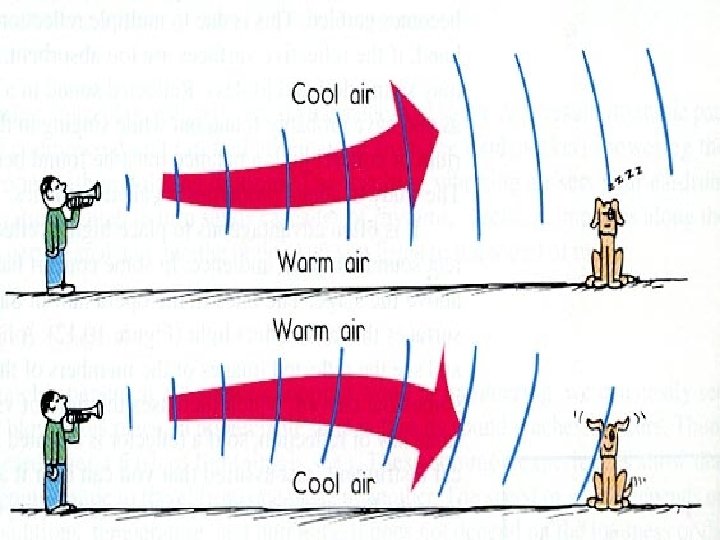
Refraction of Sound • as the sound wave propagate into the warmer air at lower levels, they change direction, much like light passing through a prism
DIFFRACTION: THE BENDING OF WAVES THROUGH A SMALL OPENING
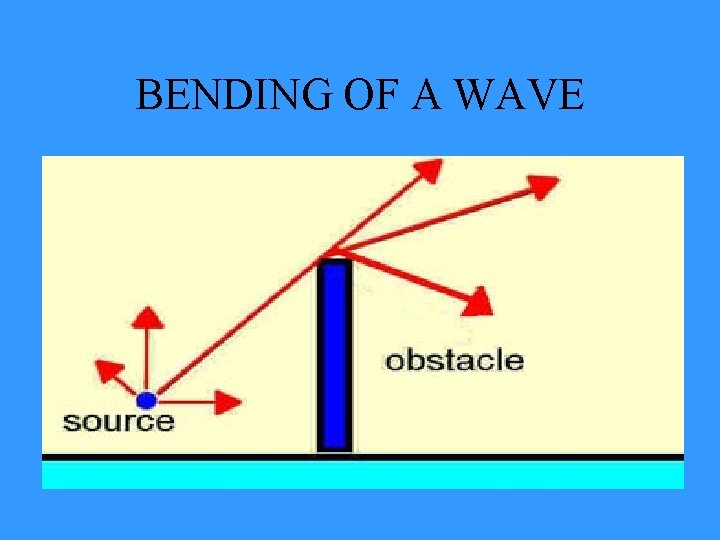
BENDING OF A WAVE
Beats
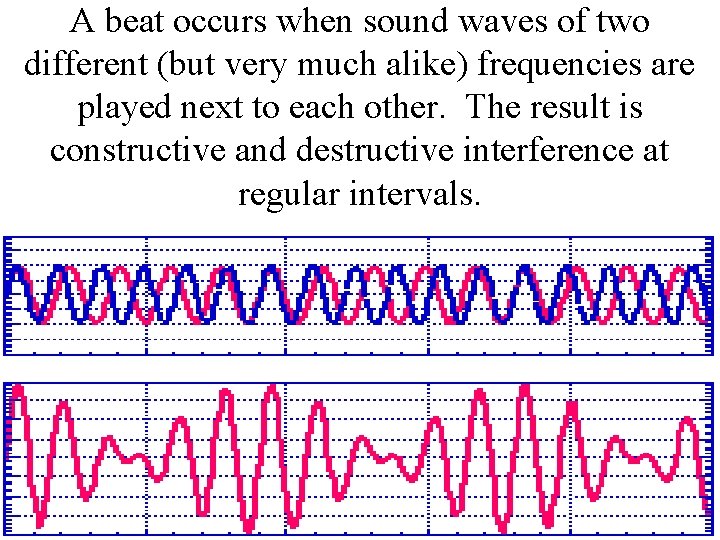
A beat occurs when sound waves of two different (but very much alike) frequencies are played next to each other. The result is constructive and destructive interference at regular intervals.
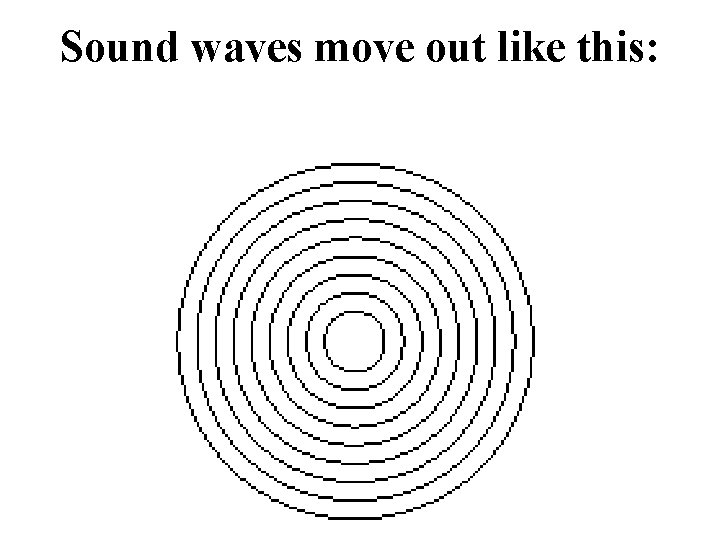
Sound waves move out like this:
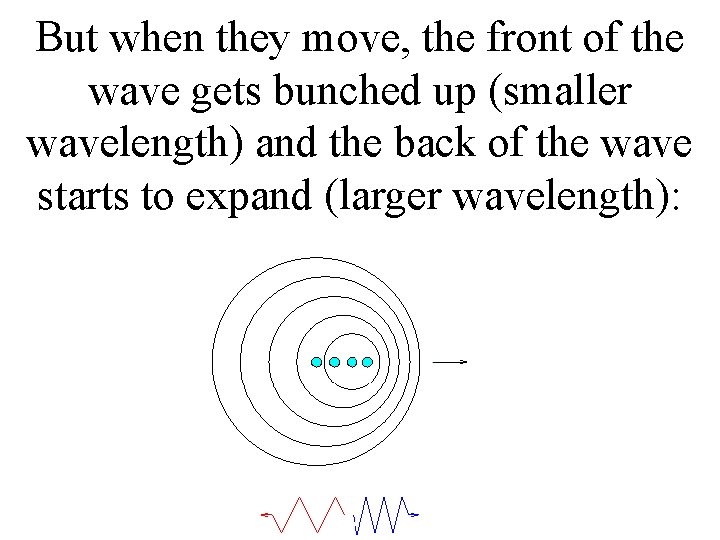
But when they move, the front of the wave gets bunched up (smaller wavelength) and the back of the wave starts to expand (larger wavelength):
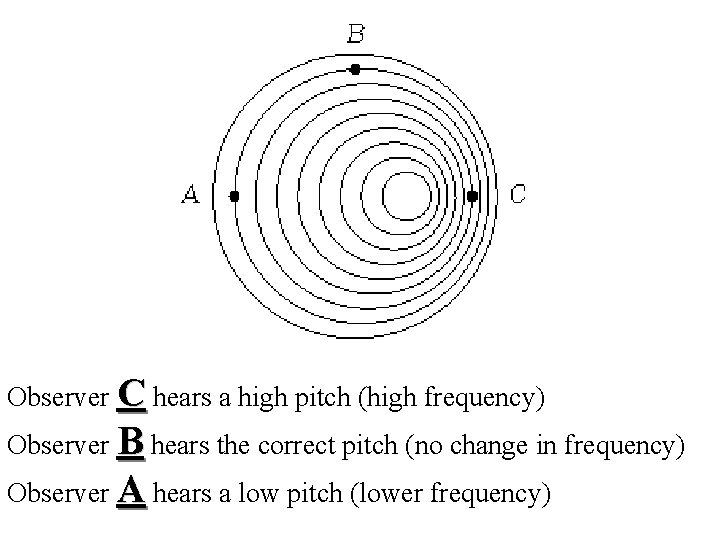
Observer C hears a high pitch (high frequency) Observer B hears the correct pitch (no change in frequency) Observer A hears a low pitch (lower frequency)
Police use the Doppler Shift when measuring your speed with radar • A frequency is sent out of the radar gun • The sound wave hits the speeding car • The frequency is changed by the car moving away from the radar and bouncing back • The amount the frequency changes determines how fast you are going • The faster you are going, the more the frequency is changed.
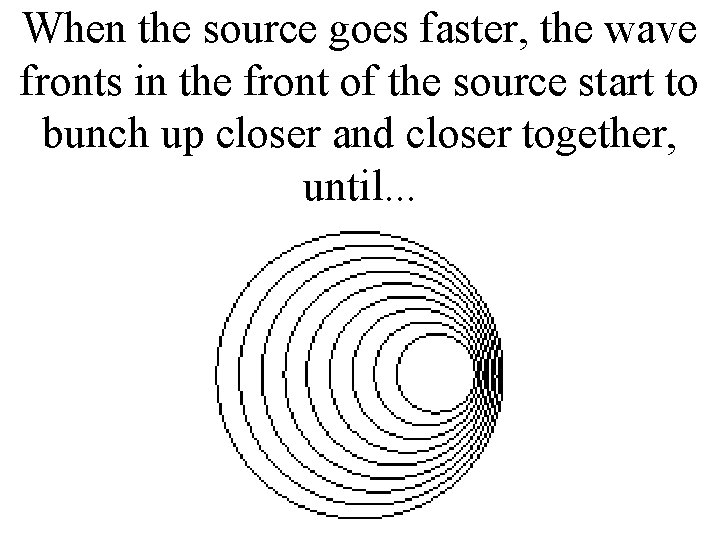
When the source goes faster, the wave fronts in the front of the source start to bunch up closer and closer together, until. . .
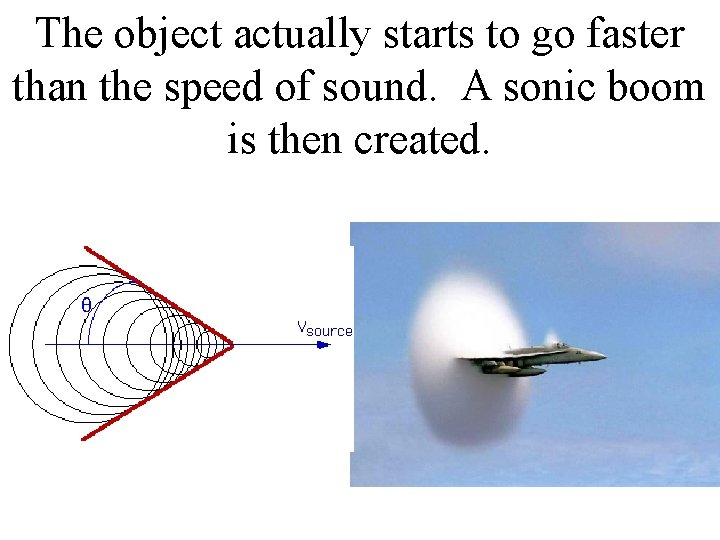
The object actually starts to go faster than the speed of sound. A sonic boom is then created.
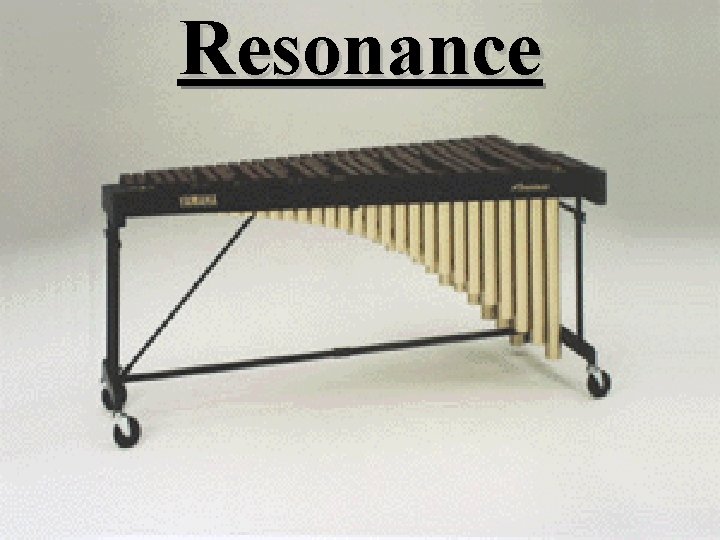
Resonance
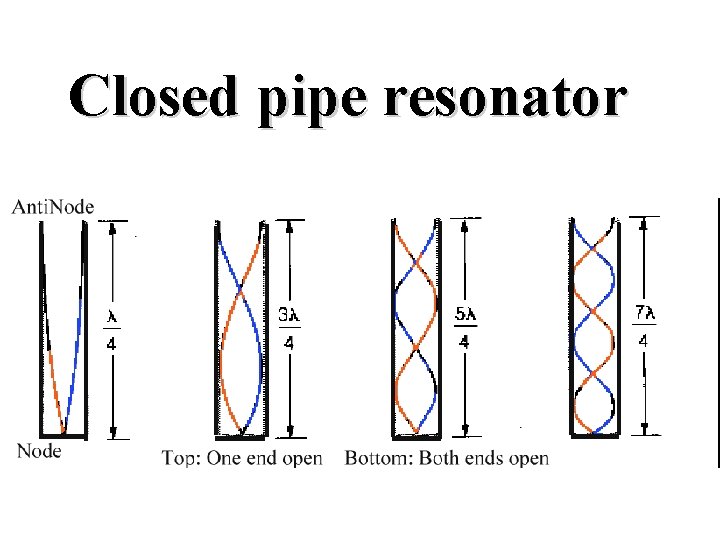
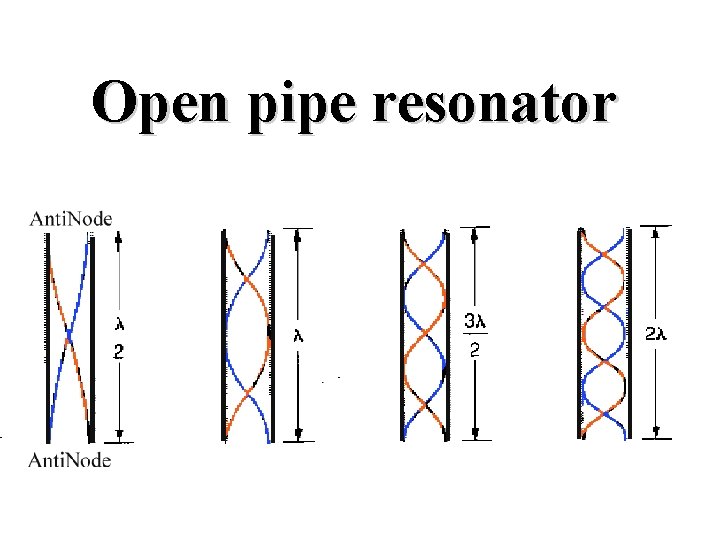
• Resonance happens with closed pipe resonators and open pipe resonators • Resonance occurs when there is a standing wave in the tube • Closed pipe resonators – open end of tube is anti-node – closed end of tube is node • Open pipe resonators – both ends are open – both ends are anti-nodes
Closed pipe resonator
Open pipe resonator
Anatomy of the Ear
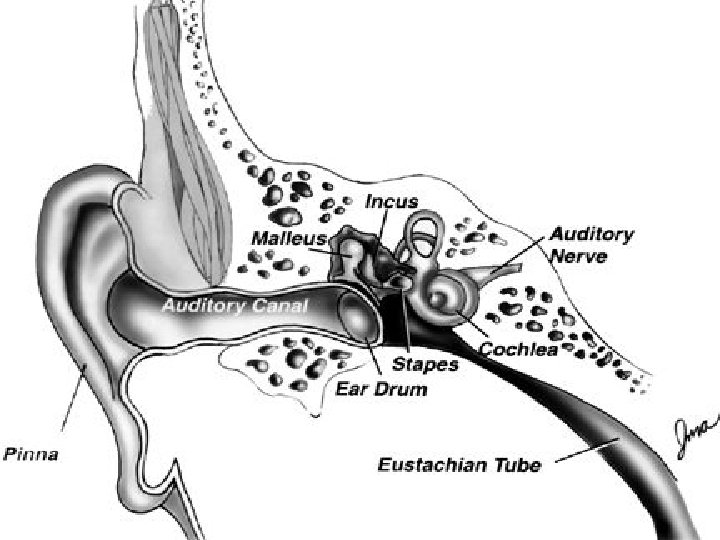
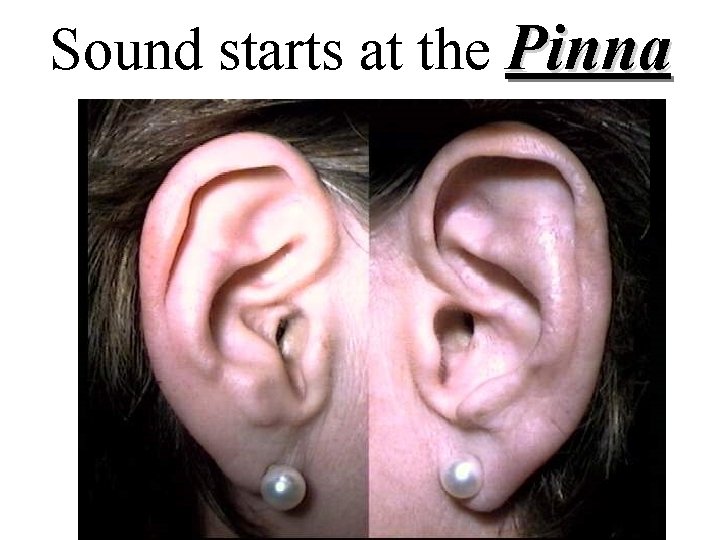
Sound starts at the Pinna
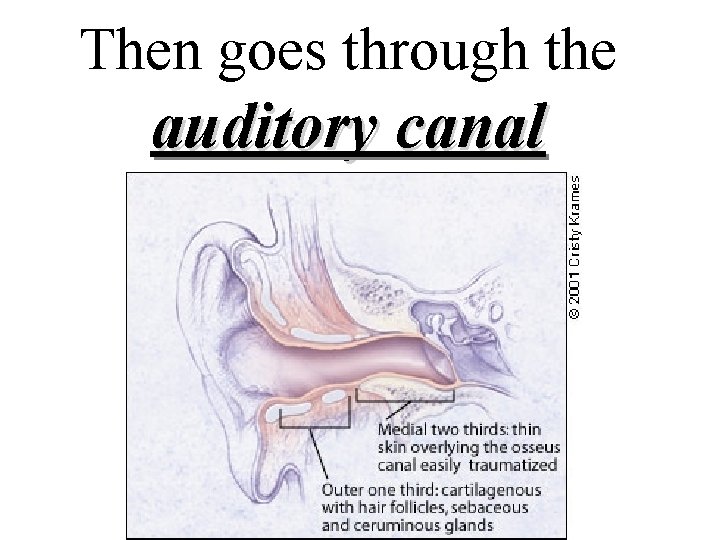
Then goes through the auditory canal
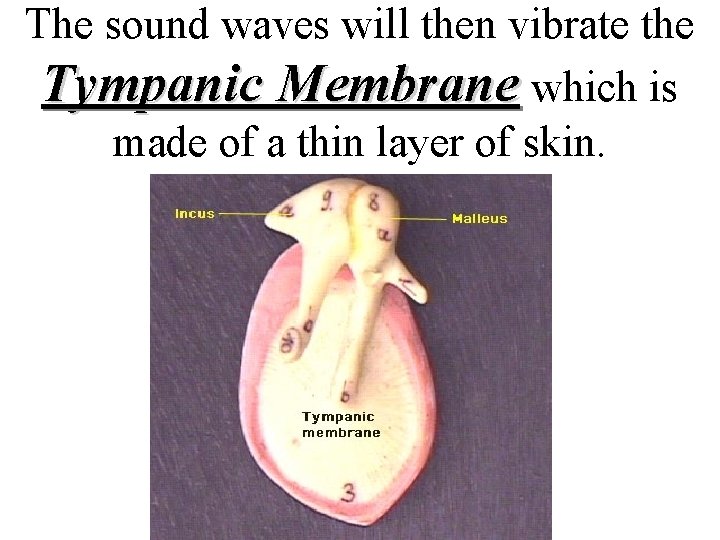
The sound waves will then vibrate the Tympanic Membrane which is made of a thin layer of skin.
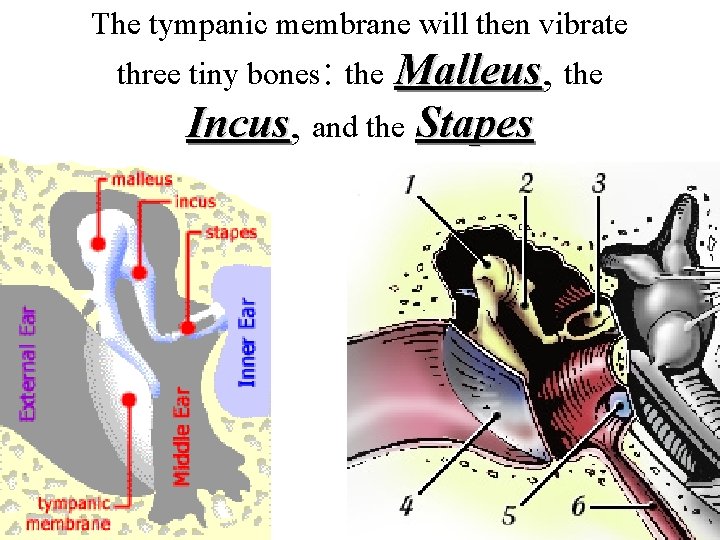
The tympanic membrane will then vibrate three tiny bones: the Malleus, Malleus the Incus, Incus and the Stapes
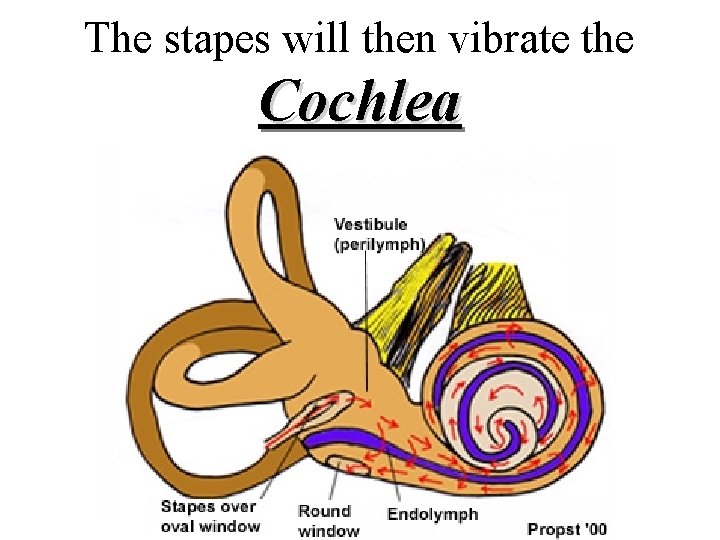
The stapes will then vibrate the Cochlea
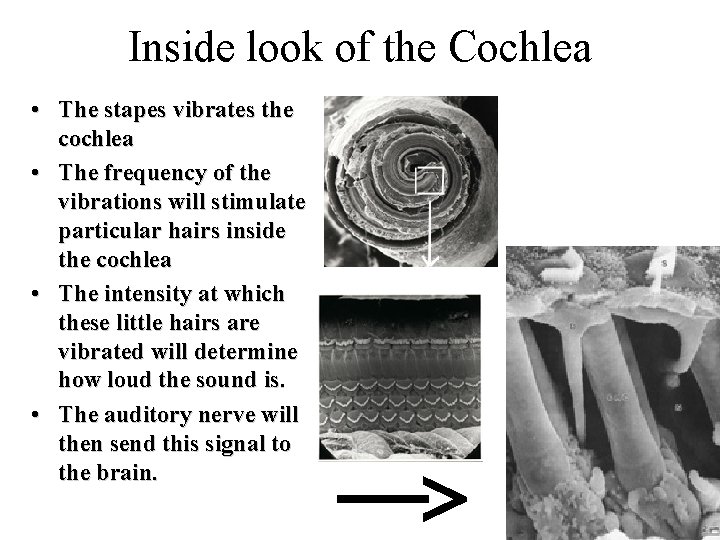
Inside look of the Cochlea • The stapes vibrates the cochlea • The frequency of the vibrations will stimulate particular hairs inside the cochlea • The intensity at which these little hairs are vibrated will determine how loud the sound is. • The auditory nerve will then send this signal to the brain.
SOUND INTENSITY: THE LOUDNESS OF SOUND
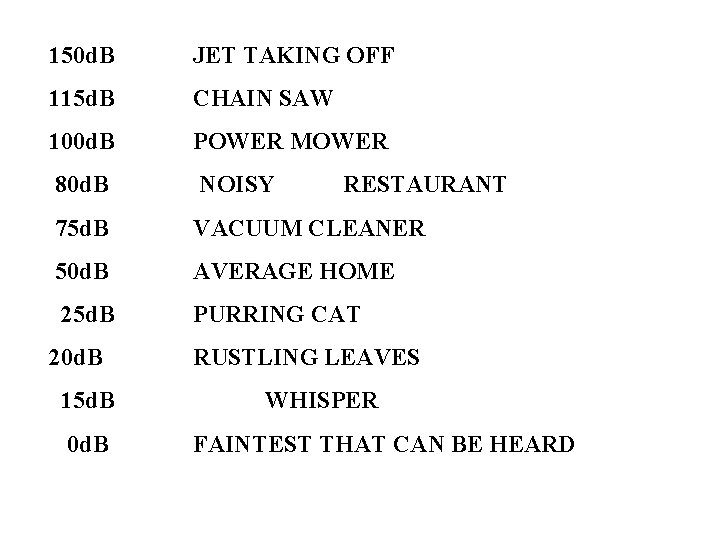
DECIBEL • MEASURES THE LOUDNESS OF SOUND • RELATES TO THE AMPLITUDE OF THE WAVE • EVERY INCREASE OF 20 d. B HAS 10 x GREATER AMPLITUDE
150 d. B JET TAKING OFF 115 d. B CHAIN SAW 100 d. B POWER MOWER 80 d. B NOISY 75 d. B VACUUM CLEANER 50 d. B AVERAGE HOME 25 d. B PURRING CAT 20 d. B 15 d. B 0 d. B RESTAURANT RUSTLING LEAVES WHISPER FAINTEST THAT CAN BE HEARD
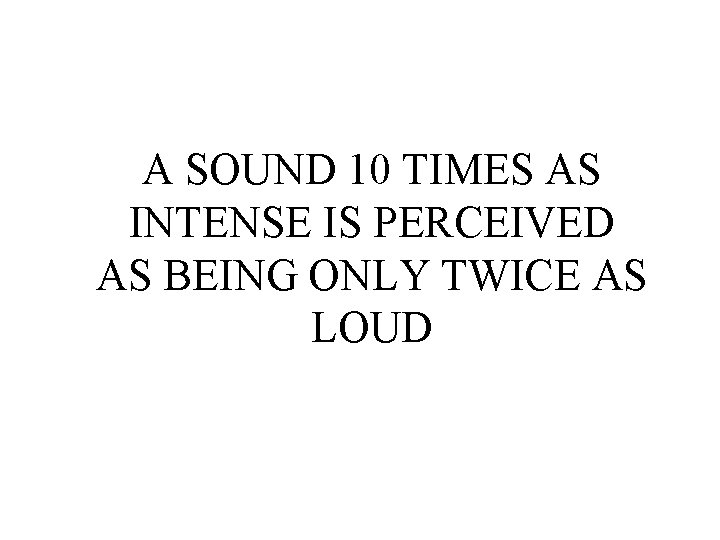
A SOUND 10 TIMES AS INTENSE IS PERCEIVED AS BEING ONLY TWICE AS LOUD
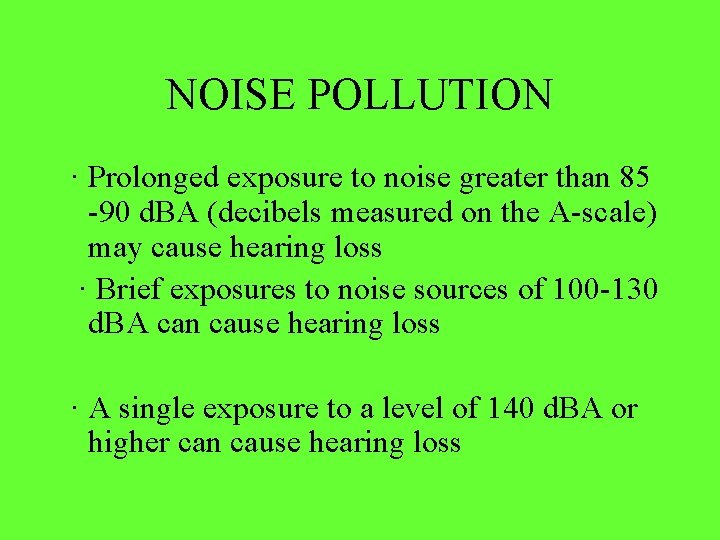
NOISE POLLUTION · Prolonged exposure to noise greater than 85 -90 d. BA (decibels measured on the A-scale) may cause hearing loss · Brief exposures to noise sources of 100 -130 d. BA can cause hearing loss · A single exposure to a level of 140 d. BA or higher can cause hearing loss
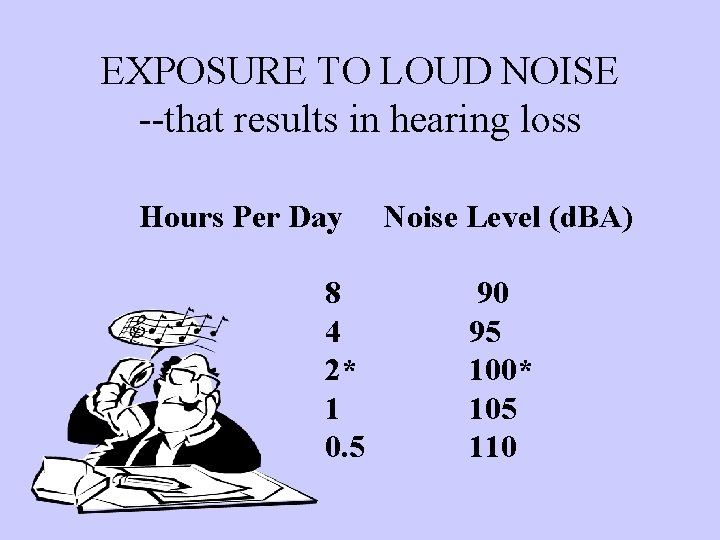
EXPOSURE TO LOUD NOISE --that results in hearing loss Hours Per Day 8 4 2* 1 0. 5 Noise Level (d. BA) 90 95 100* 105 110