
Some Assembly Required Joint Replacement Richard J Friedman
Some Assembly Required: Joint Replacement Richard J Friedman, MD Charleston Orthopaedic Associates Charleston, SC



Total Hip Arthroplasty l Alternate bearing surfaces l MIS l Hip resurfacing
Total Knee Arthroplasty l State of the Art
Total Shoulder Arthroplasty l Reverse total shoulder arthroplasty
Patient Management l Anaesthesia l Perioperative pain control l VTE Prophylaxis l Perioperative planning and discharge l Long-term results
Arthroplasty l Latin arth - joint l Greek plastica - molding
Total Joint Arthroplasty l First successful THA 1960 l Many improvements l Over 800, 000 done annually in USA l Highly successful outcomes
Total Joint Arthroplasty l Osteoarthritis l Post-traumatic arthritis l Osteonecrosis l Inflammatory arthritis
Indications l Pain l Disability l Health status l Age
Evaluation l History l Physical Examination l Radiographs l CT, MRI, bone scan, blood tests
Conservative Treatment l Heat l NSAID l Physical therapy
Expectations l Excellent pain relief l Improvements in ADLs l Increased physical activity
Preoperative Evaluation Medical clearance l Tests l Blood donation l Weight loss l Dental Evaluation l Urinary evaluation l Social planning l
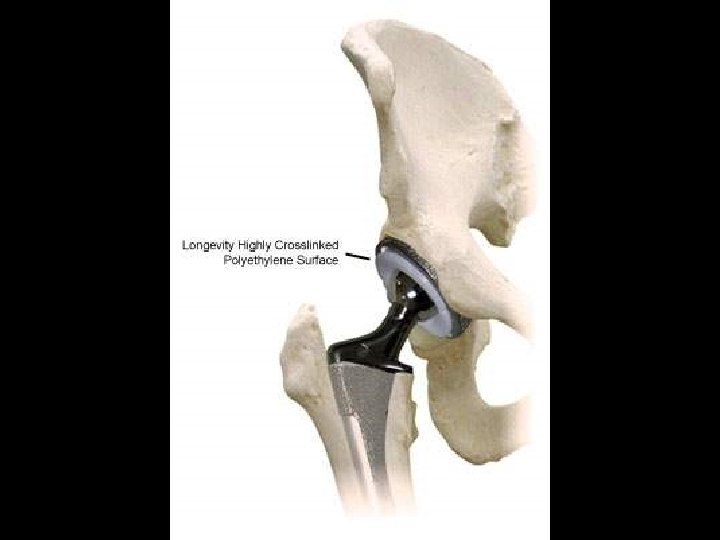
Alternate Bearing Surfaces l THA in younger and higher-demand patients l Long-term fixation of metal implants l Long-term failure due to PE wear, osteolysis and aseptic loosening. l Develop bearing surface that can function at high level and prolong life of well-fixed components
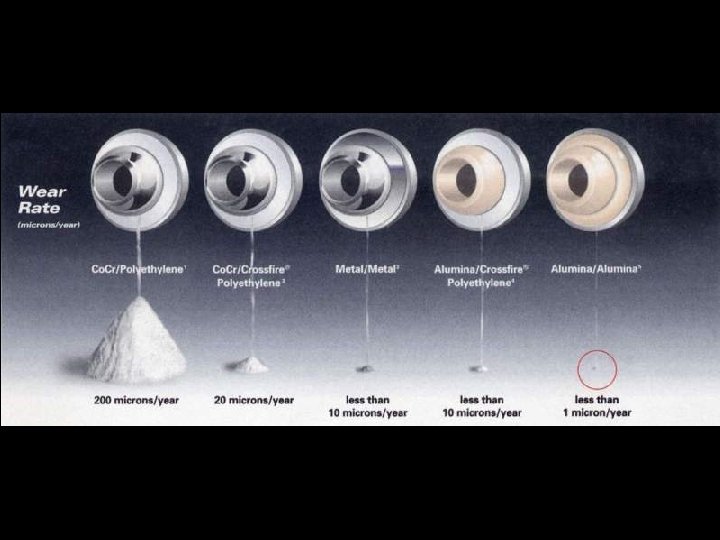
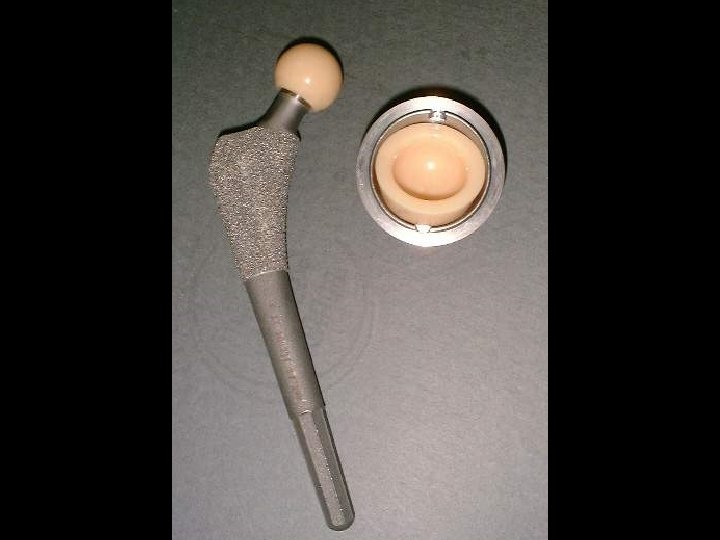
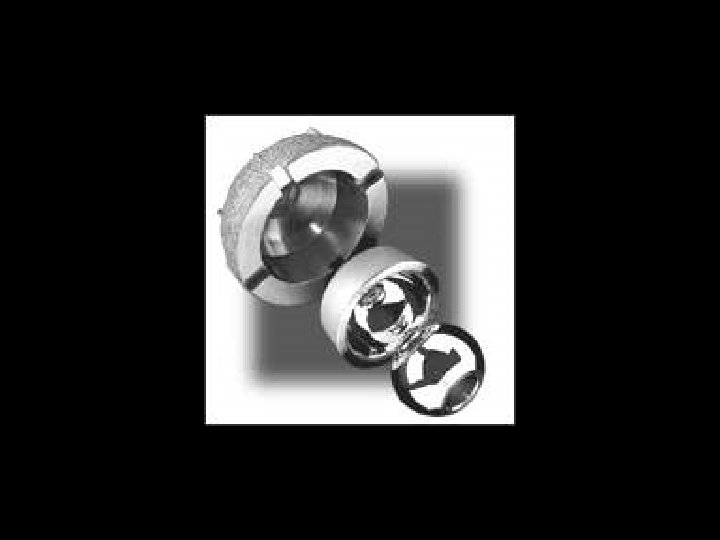
Ceramic THA l Mid-term study has demonstrated efficacy and safety of a ceramic on ceramic bearing surface compared to the standard ceramic/PE surface. l No failures or complications related to the bearing surfaces.
Ceramic THA l Improved wear and biocompatibility with a ceramic/ceramic bearing surface may increase implant longevity. l Further follow-up is indicated to determine the long-term outcome.
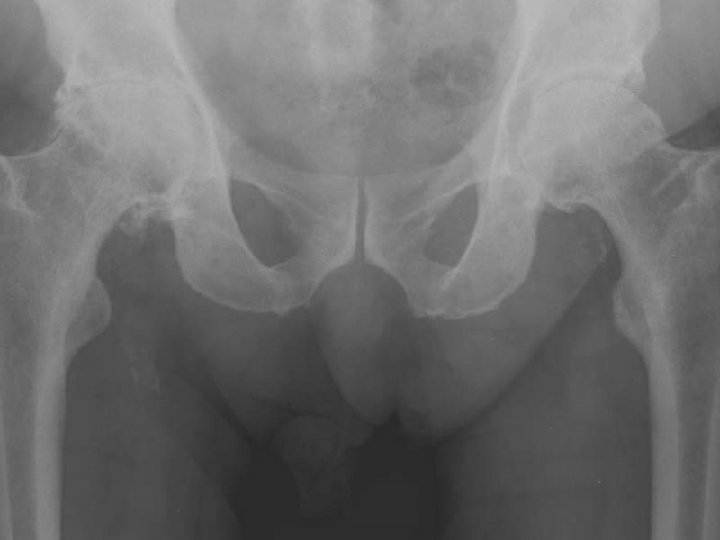
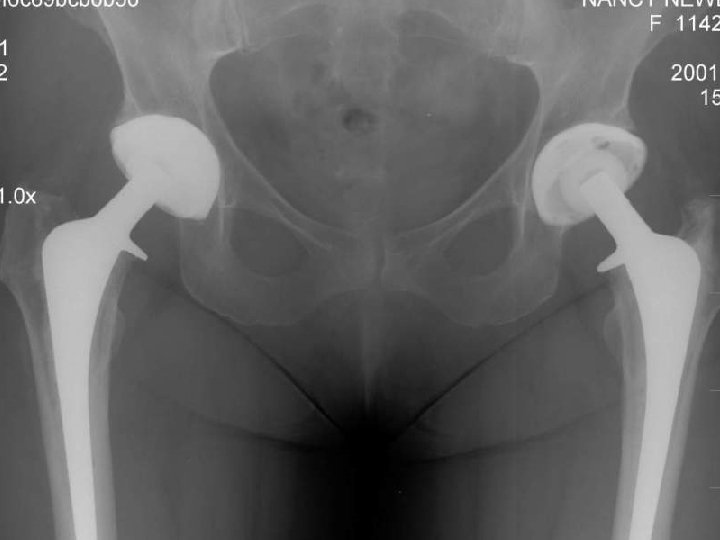
Rehabilitation l FWB immediately l Range of motion, strengthening exercises l Progress as quickly as possible
Minimal Invasive Surgery l Single 3 -4 inch incision l Two 2 inch incisions l Shorter surgery time l Less blood loss l Quicker rehabilitation l Improved functional outcome
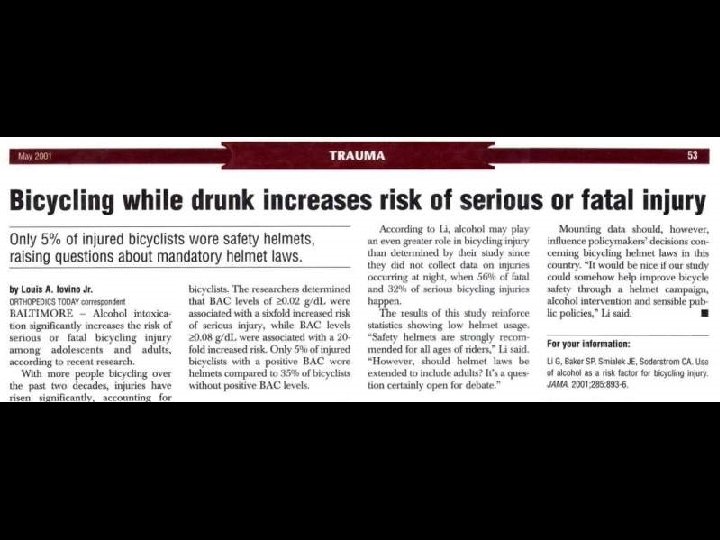
Minimal Incision Surgery l Major marketing ploy l No differences in – blood loss – surgery time – pain levels – functional outcomes
Hip. Resurfacing l Younger more active patients l Higher expectations l Proven benefit/cost ratio l Continuing to push the envelope
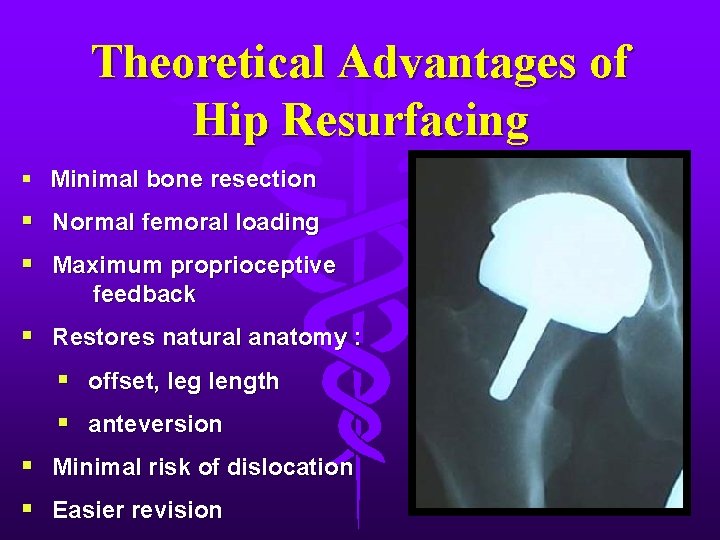
Theoretical Advantages of Hip Resurfacing § Minimal bone resection § Normal femoral loading § Maximum proprioceptive feedback § Restores natural anatomy : § offset, leg length § anteversion § Minimal risk of dislocation § Easier revision
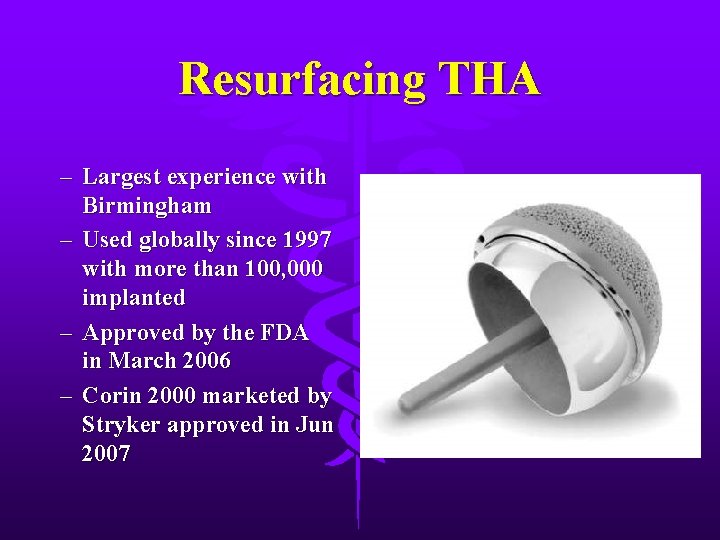
Resurfacing THA – Largest experience with Birmingham – Used globally since 1997 with more than 100, 000 implanted – Approved by the FDA in March 2006 – Corin 2000 marketed by Stryker approved in Jun 2007
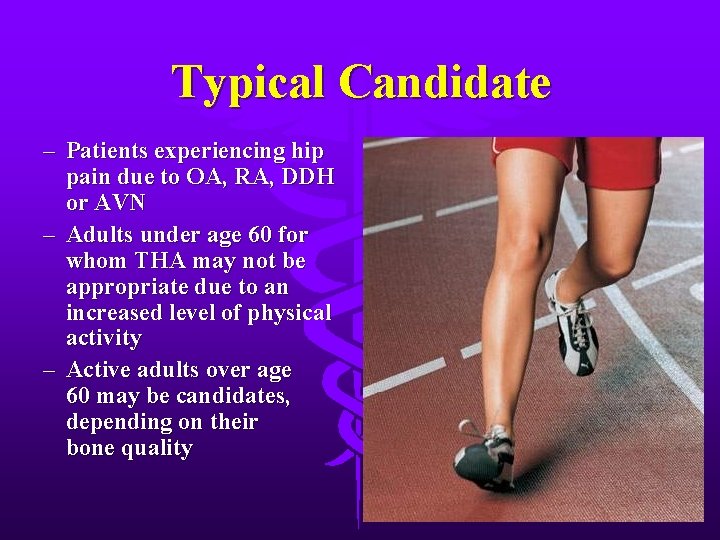
Typical Candidate – Patients experiencing hip pain due to OA, RA, DDH or AVN – Adults under age 60 for whom THA may not be appropriate due to an increased level of physical activity – Active adults over age 60 may be candidates, depending on their bone quality
Patient Selection Criteria l l Hip resurfacing is most appropriate for physically active patients with good bone quality and adequate femoral and acetabular bone stock. Such patients will generally be under the age of 65. l l l OA Strong Heavy Male Women < 50 years Men < 60 years High Expectation High activity level
Indications l l Primary osteoarthritis. Post traumatic OA. Secondary OA, e. g. DDH, SCFE, Perthes’ disease. AVN of the femoral head if remaining bone stock is adequate. l l l Inflammatory arthritis if bone quality is adequate. Any patient with a deformity of the femur or hardware that would prevent insertion of a stemmed femoral component. Patients with a high risk of dislocation.
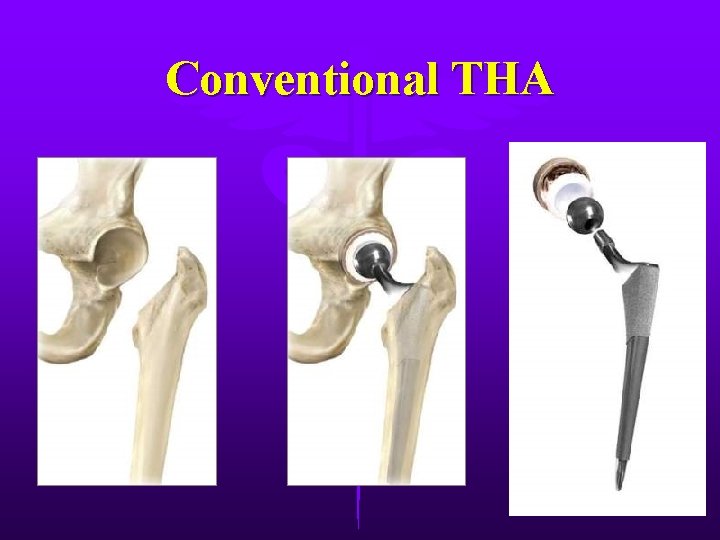
Conventional THA
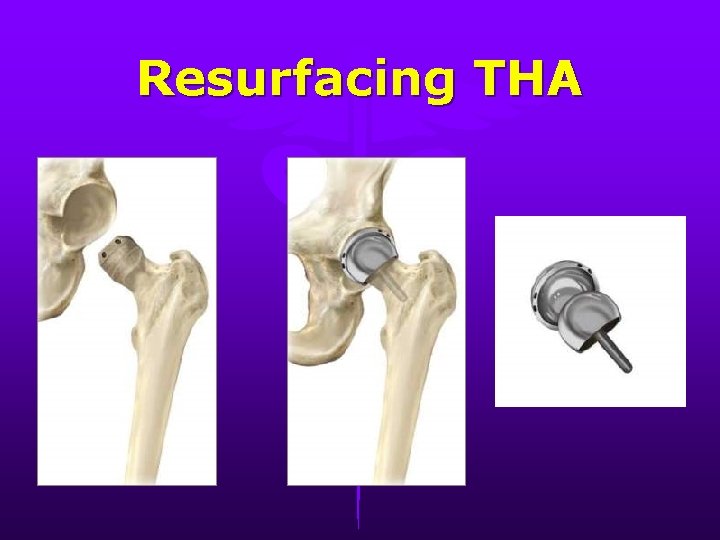
Resurfacing THA
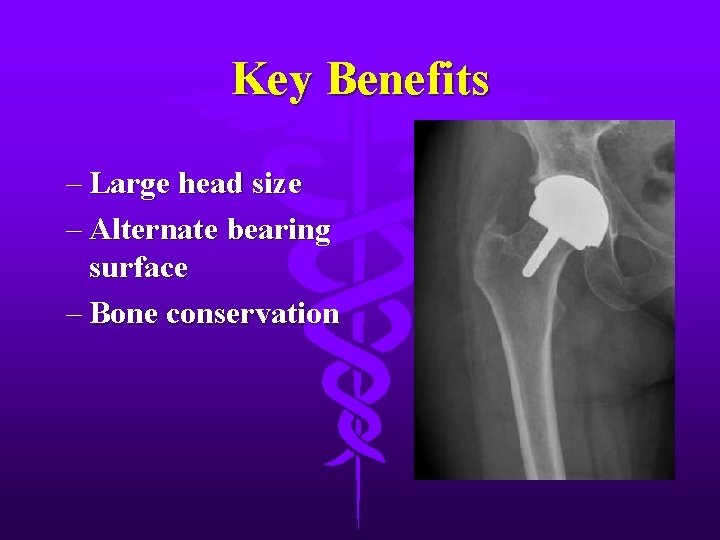
Key Benefits – Large head size – Alternate bearing surface – Bone conservation
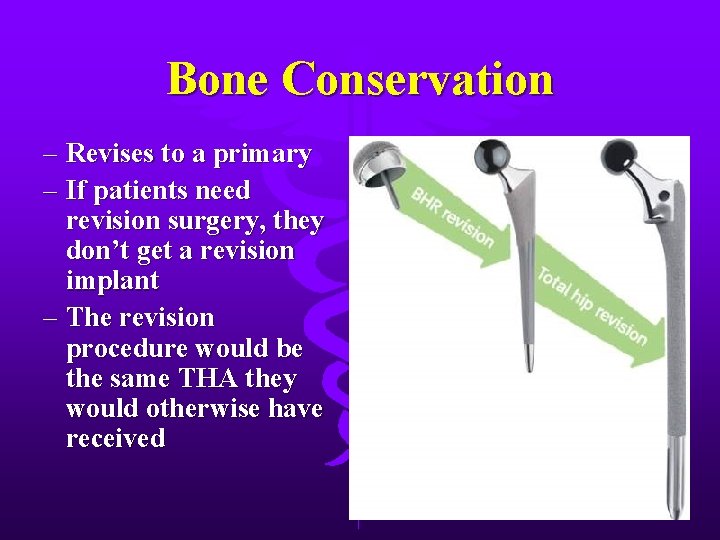
Bone Conservation – Revises to a primary – If patients need revision surgery, they don’t get a revision implant – The revision procedure would be the same THA they would otherwise have received
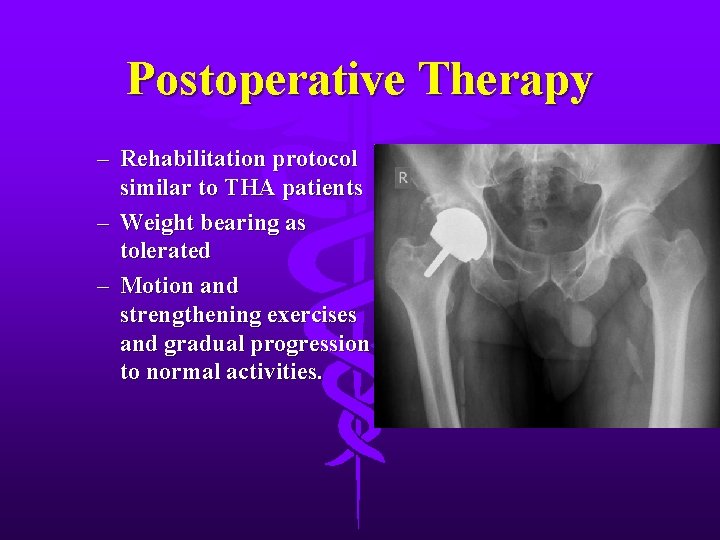
Postoperative Therapy – Rehabilitation protocol similar to THA patients – Weight bearing as tolerated – Motion and strengthening exercises and gradual progression to normal activities.
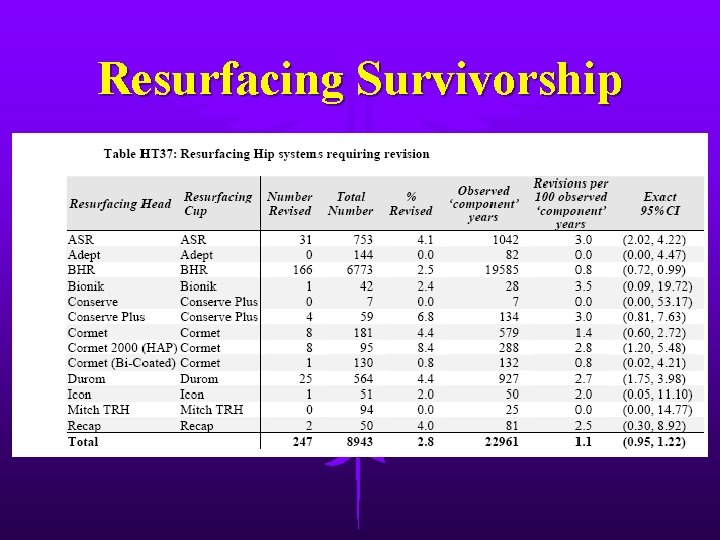
Resurfacing Survivorship
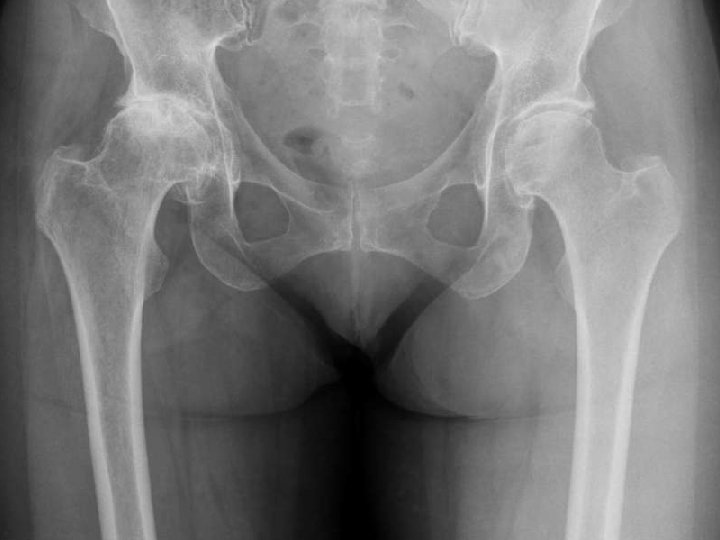
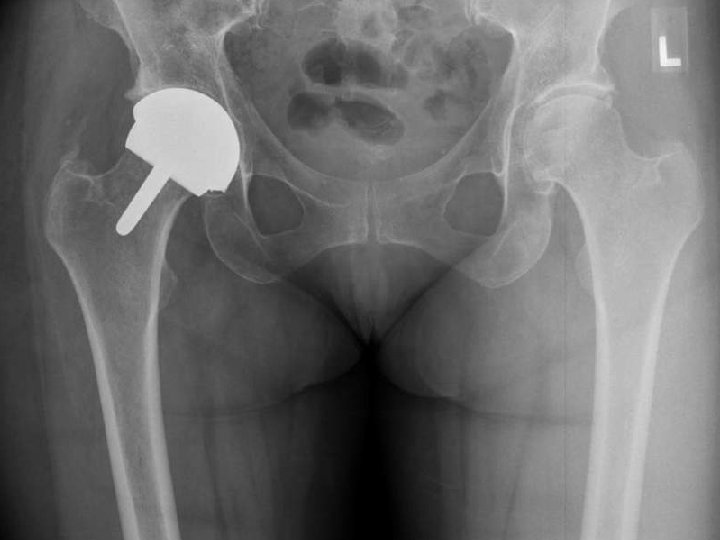
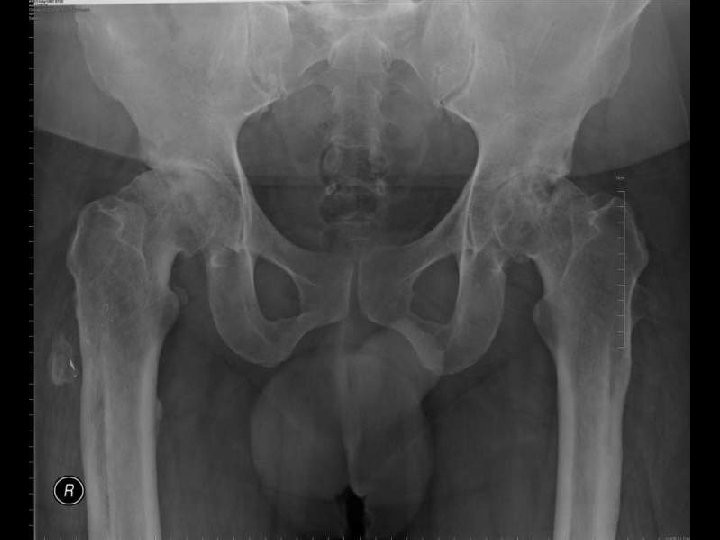
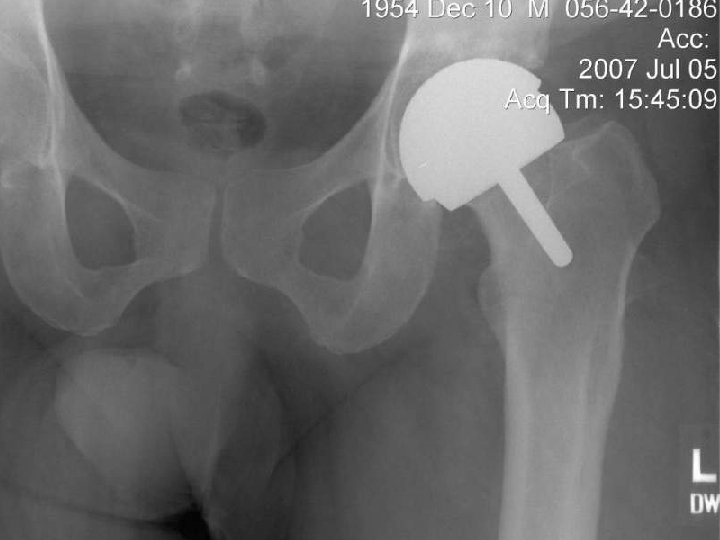
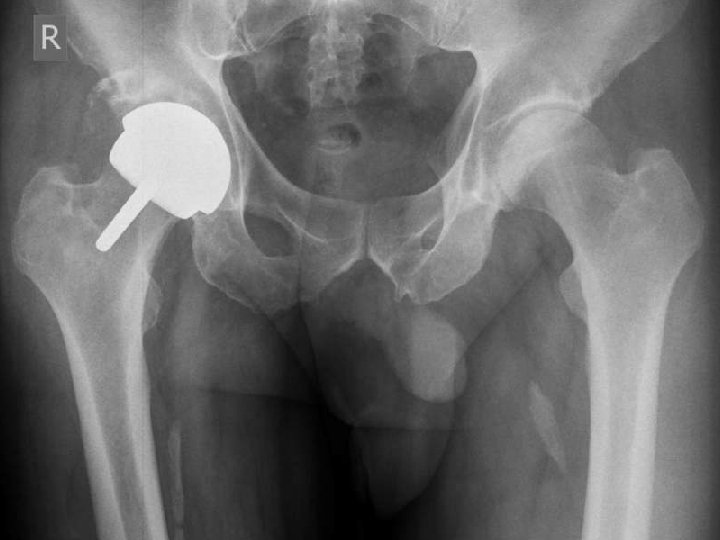
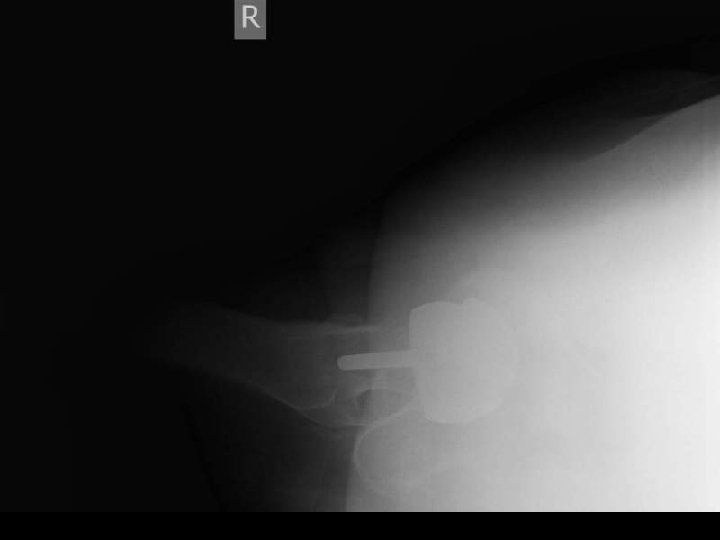

Resurfacing THA l Quality of life issues. l Conservative approach. l No bridges burned. l Careful patient selection. l Meticulous surgical technique.
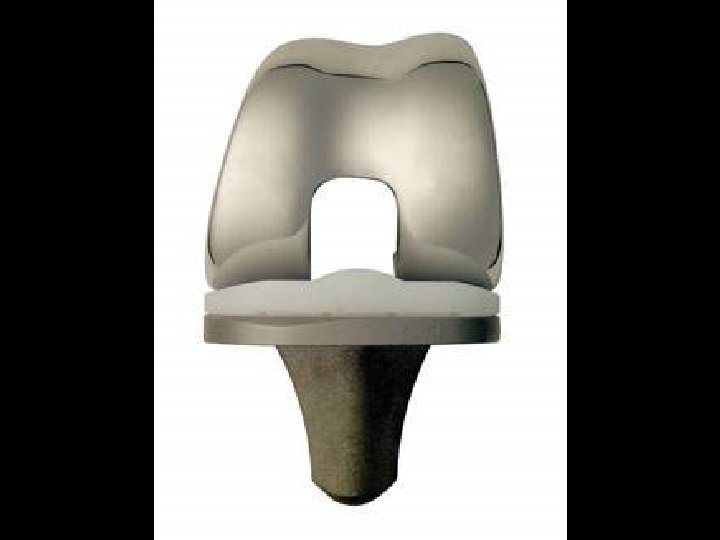
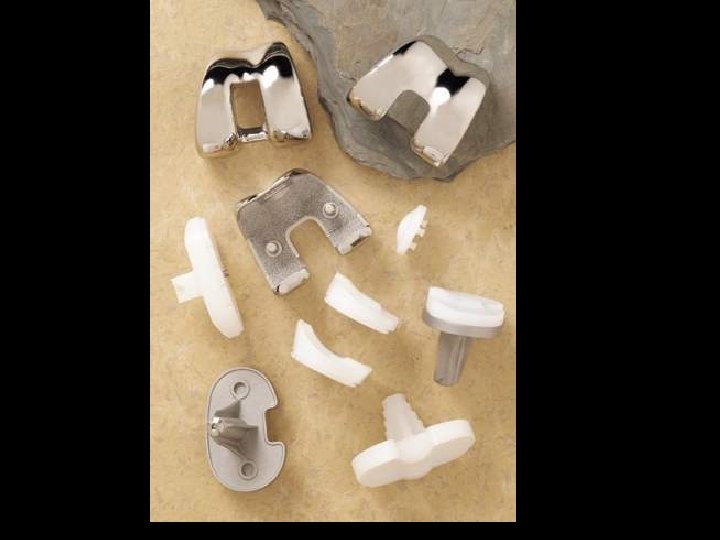
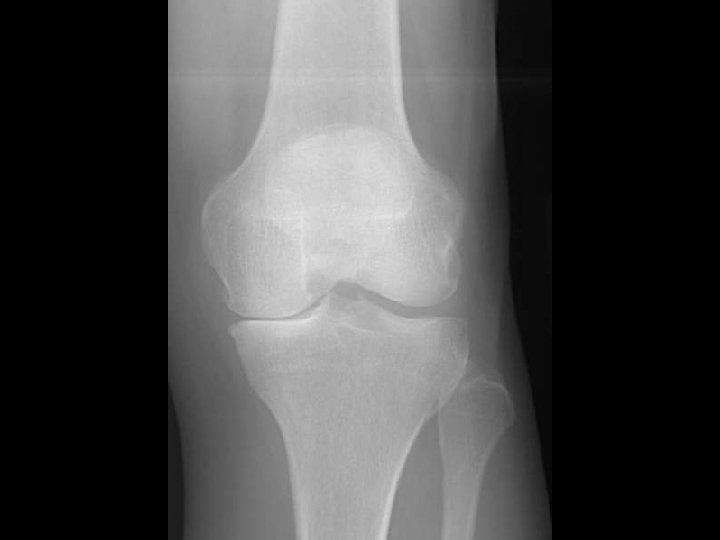
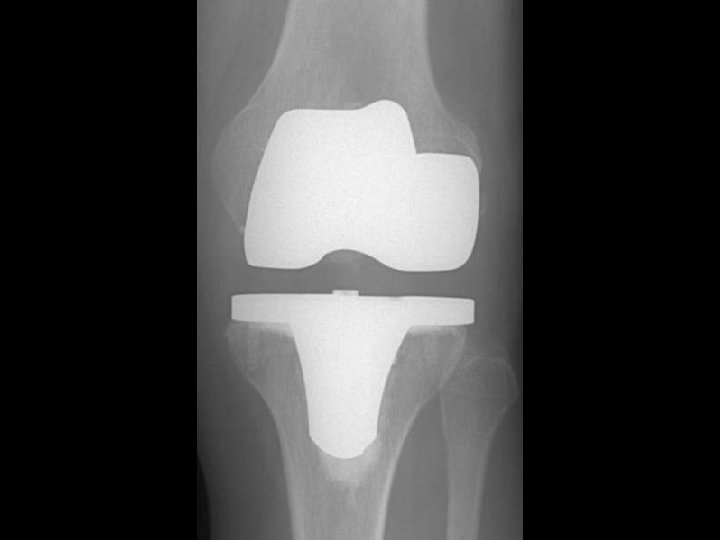
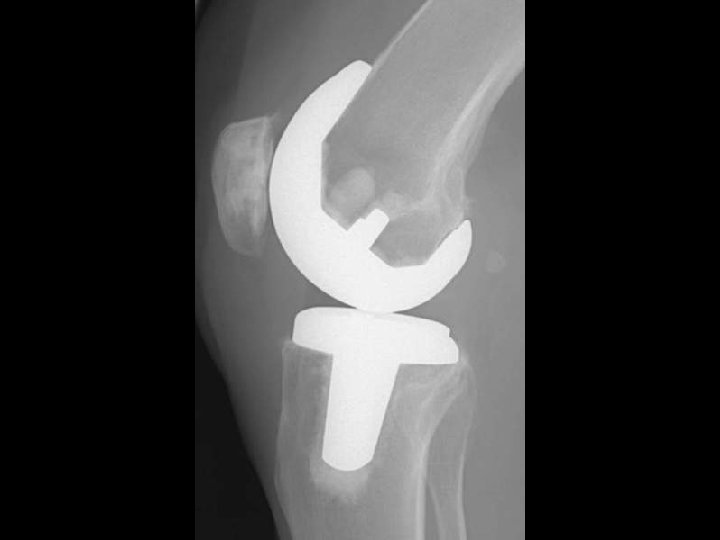
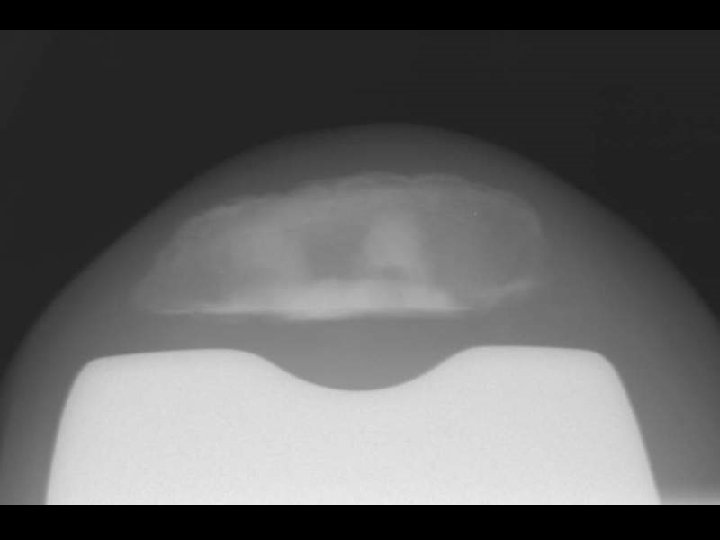
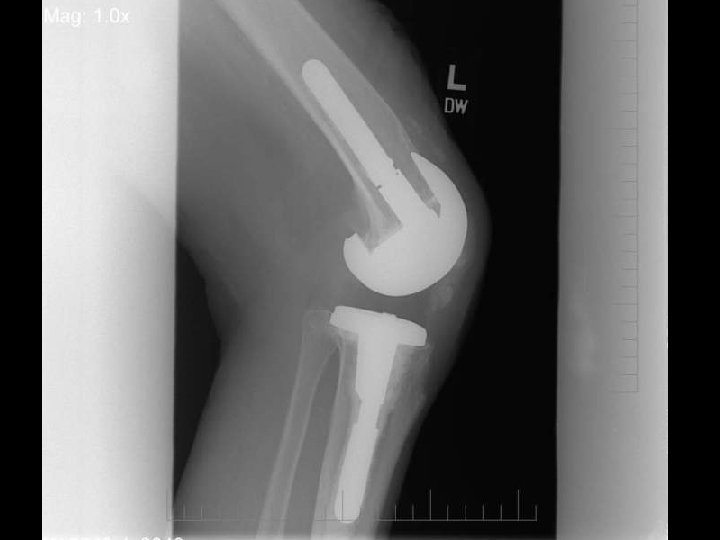
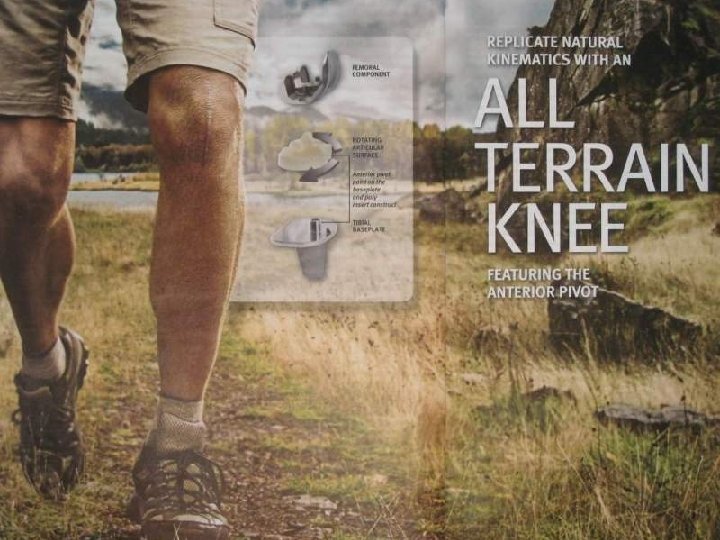
TKA State-of-the Art l Posterior cruciate retention l Posterior cruciate sacrificing l Both achieve 95%+ success at 10 yrs l Metal/PE articulation

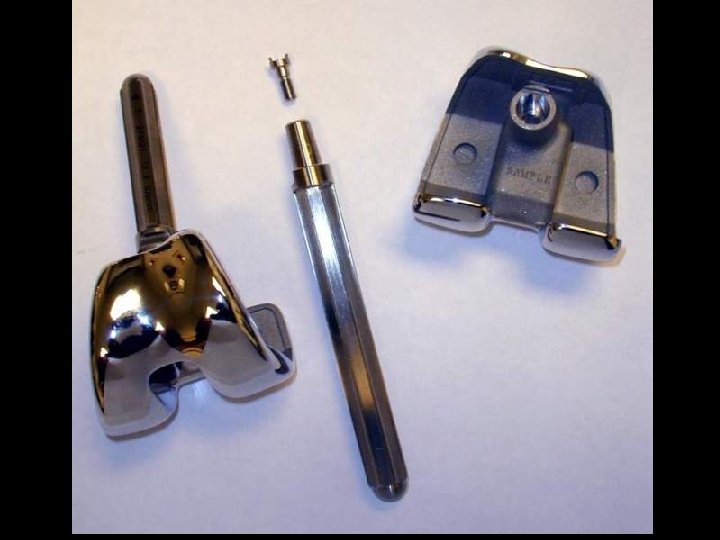
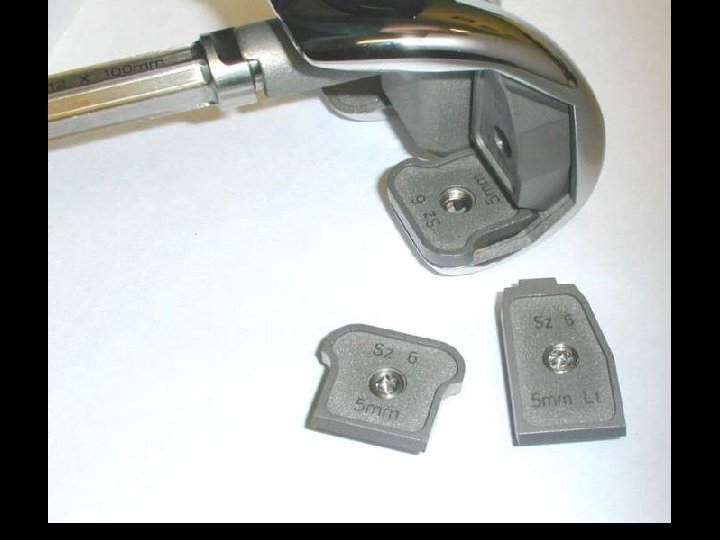
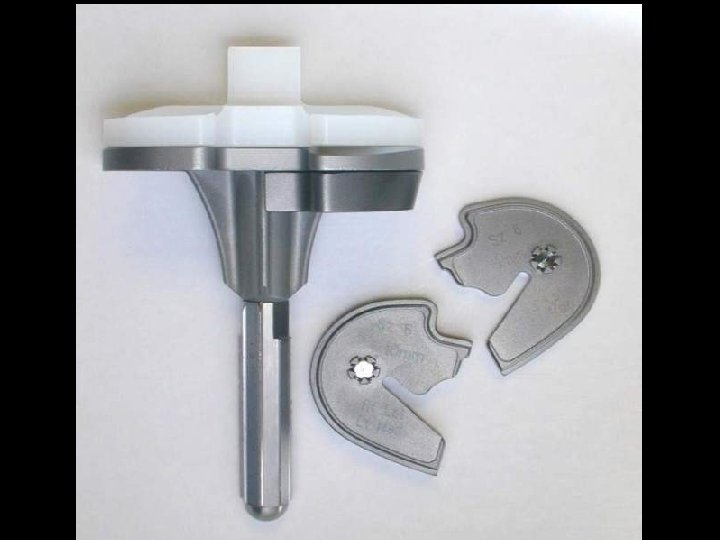
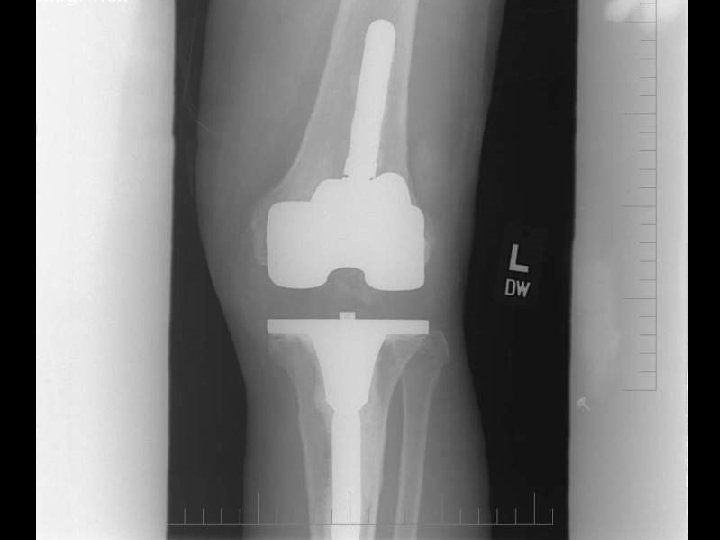


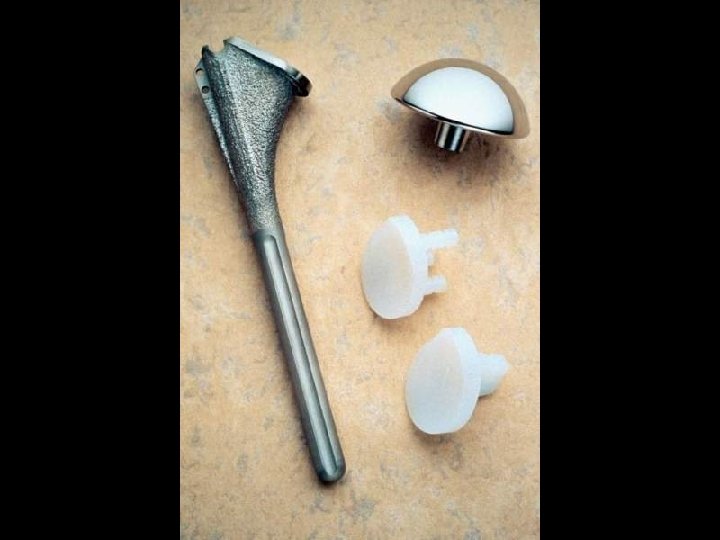
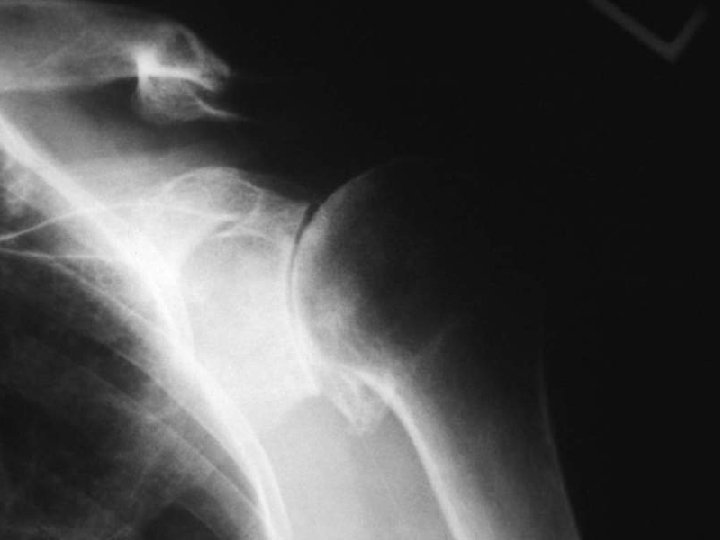
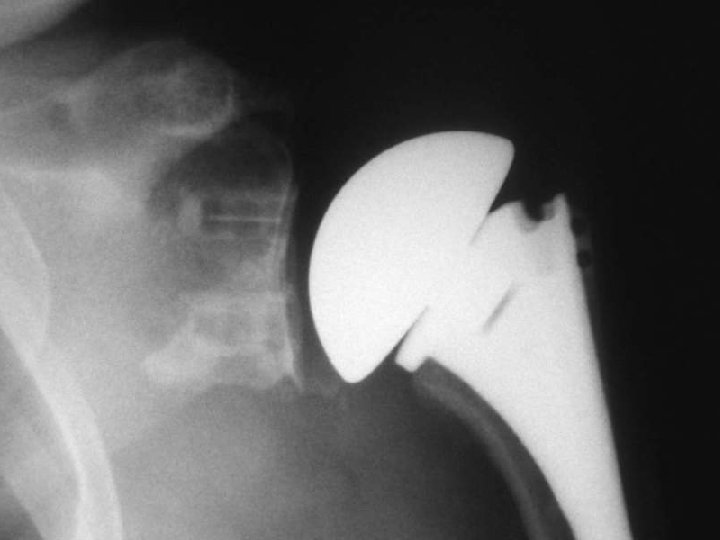
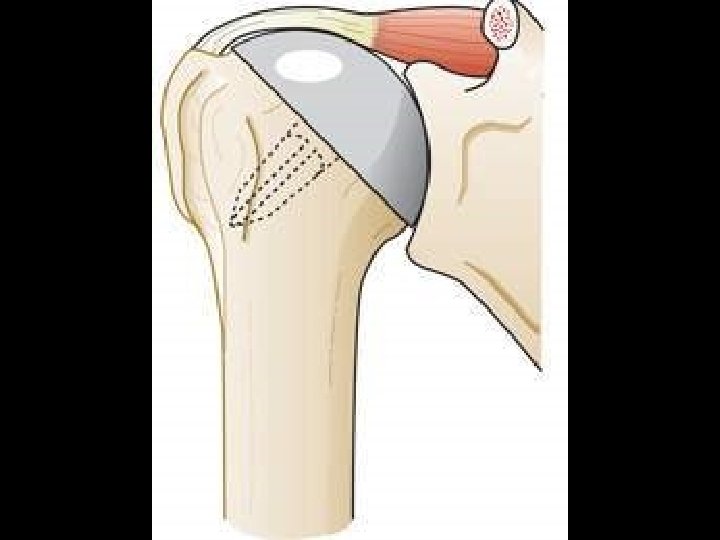
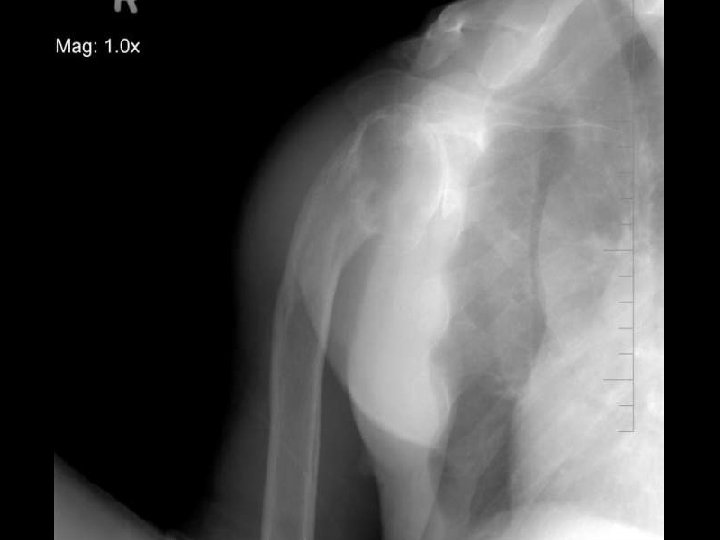
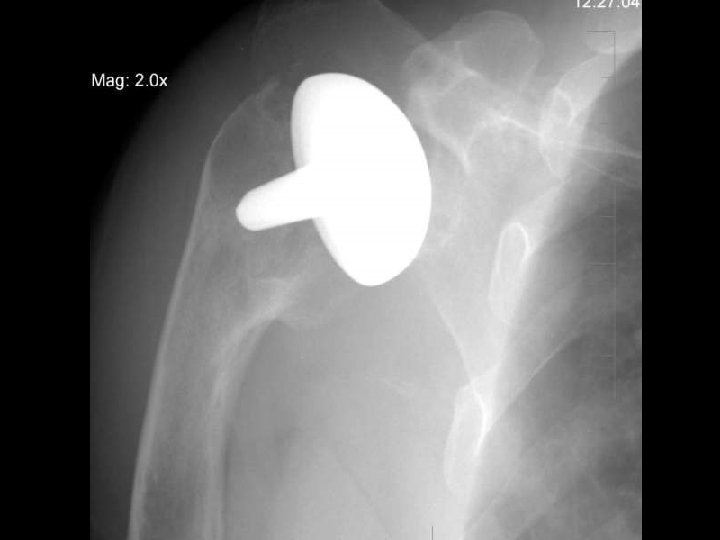
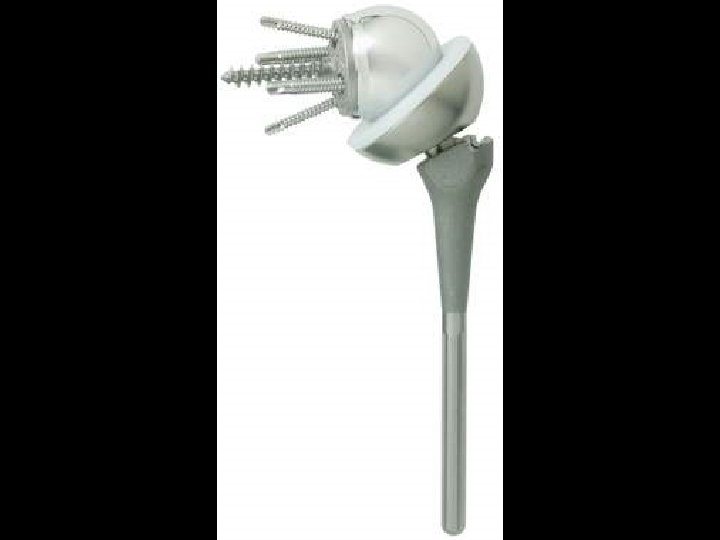
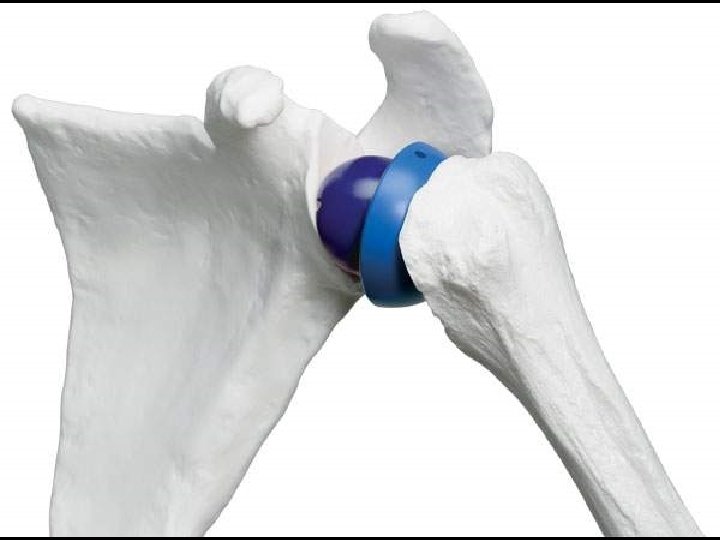
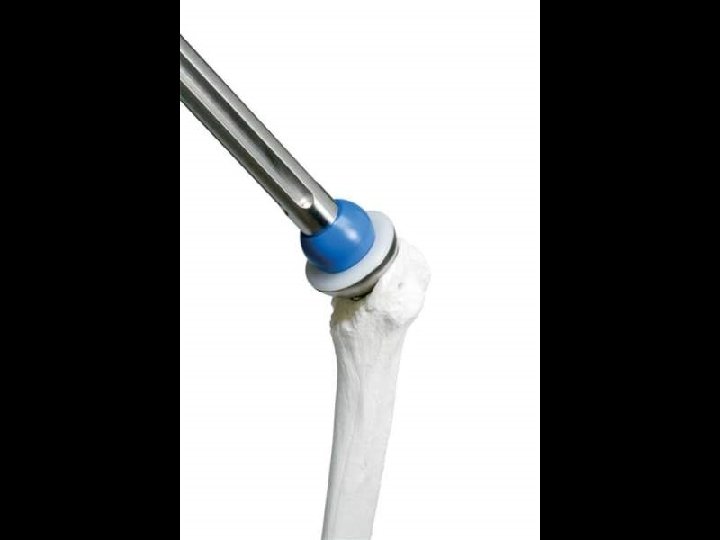
Reverse TSA l What is it? l Why use it? l Who uses it? l When should it be used? l Where can it get you?
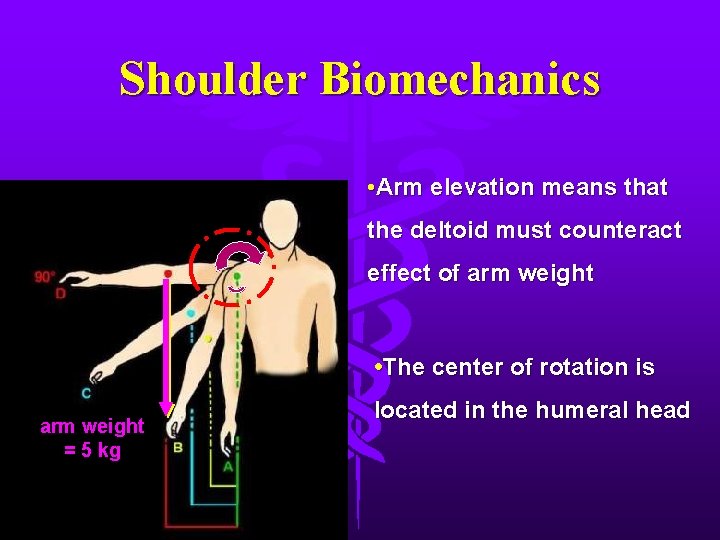
Shoulder Biomechanics • Arm elevation means that the deltoid must counteract effect of arm weight • The center of rotation is arm weight = 5 kg located in the humeral head
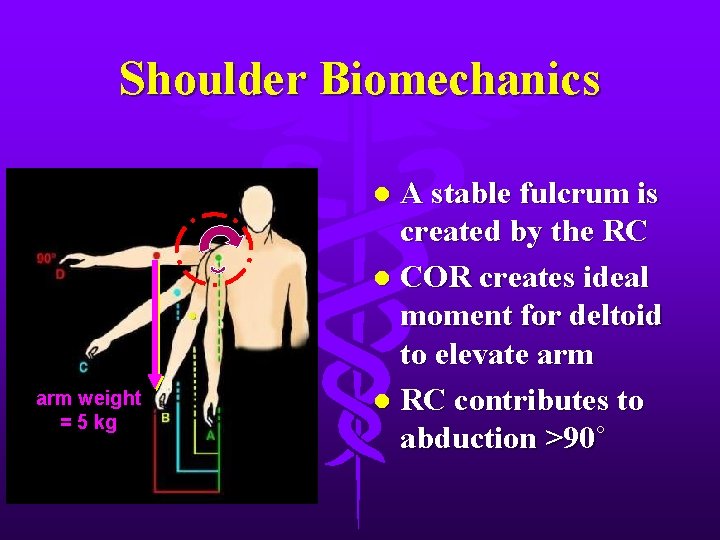
Shoulder Biomechanics A stable fulcrum is created by the RC l COR creates ideal moment for deltoid to elevate arm l RC contributes to abduction >90˚ l arm weight = 5 kg
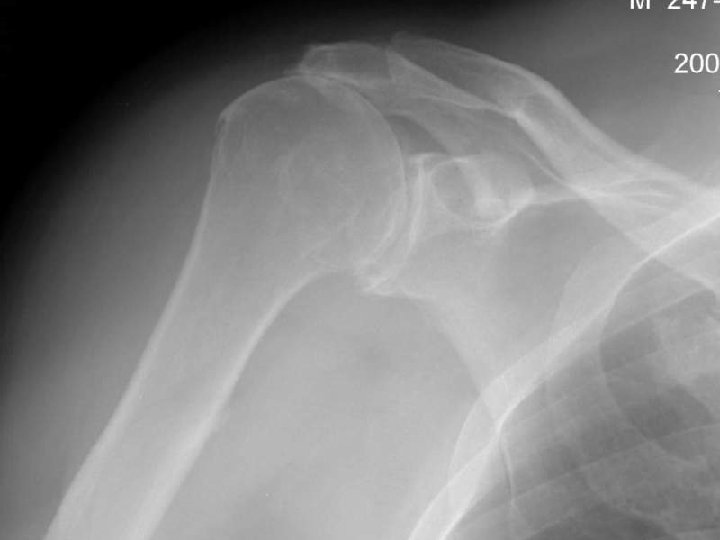
Problem l Massive rotator cuff tears l Instability l Glenohumeral arthritis
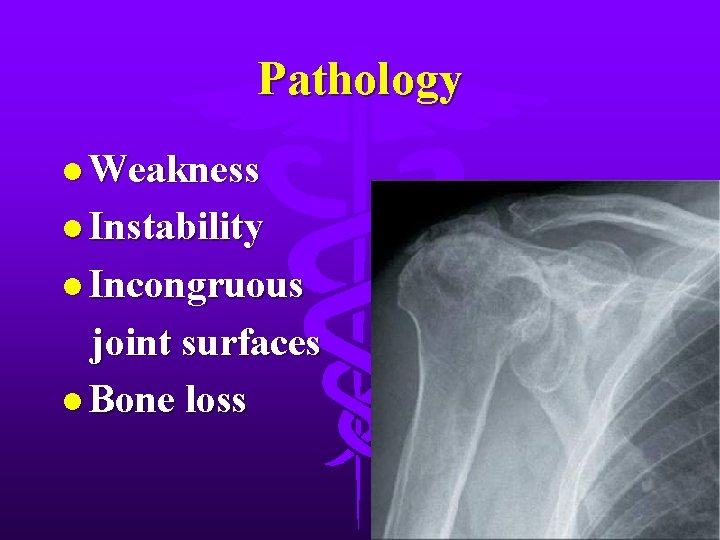
Pathology l Weakness l Instability l Incongruous joint surfaces l Bone loss
Treatment Objectives l Restore stability to GH joint l Provide smooth articulating surfaces l Replace bone loss l Optimize remaining cuff muscles, restoring rotational strength
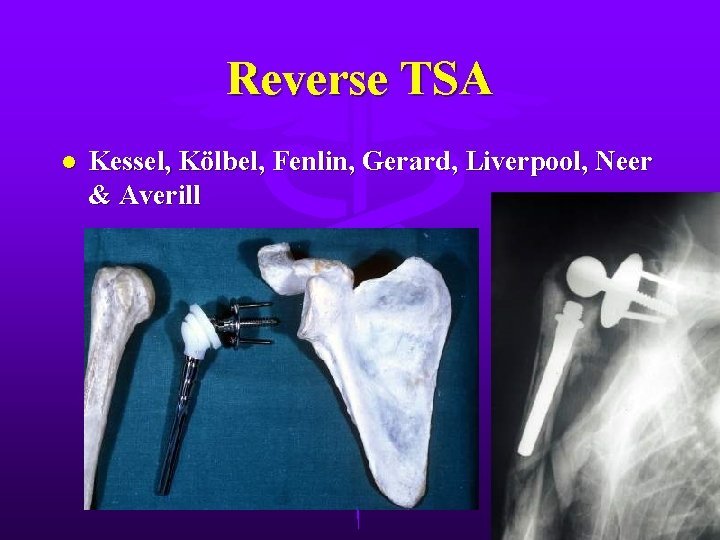
Reverse TSA l Kessel, Kölbel, Fenlin, Gerard, Liverpool, Neer & Averill
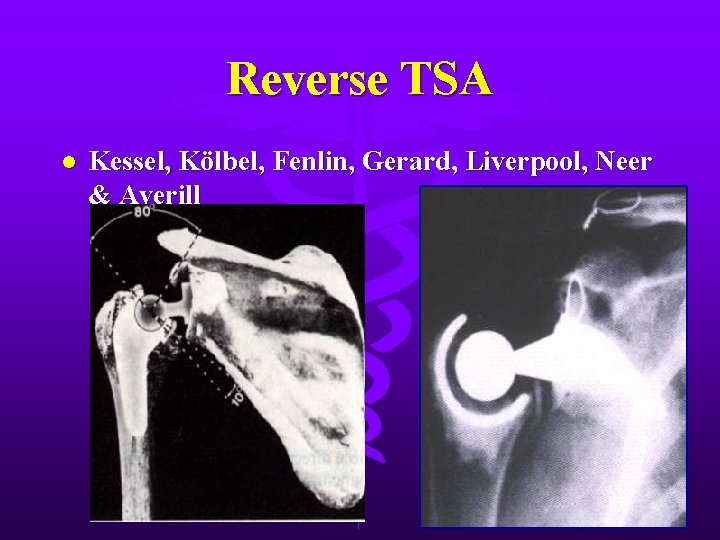
Reverse TSA l Kessel, Kölbel, Fenlin, Gerard, Liverpool, Neer & Averill
Reverse TSA No reliable surgical solution to restore anatomy prior to reverse TSA l Unconstrained arthroplasty may resurface arthritic humeral head but instability will remain l Prosthetic design with increased constraint can potentially help instability l
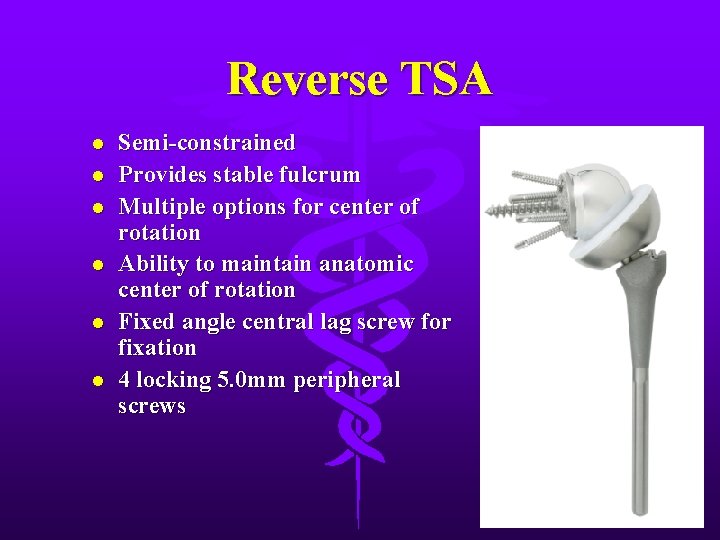
Reverse TSA l l l Semi-constrained Provides stable fulcrum Multiple options for center of rotation Ability to maintain anatomic center of rotation Fixed angle central lag screw for fixation 4 locking 5. 0 mm peripheral screws
Indications l Glenohumeral OA with massive cuff tear. Failed cuff repairs with static instability. Massive irreparable rotator cuff tear. Post-traumatic arthritis w/wo static instabilty. Malunited and nonunited fractures. Primary fracture treatment in the elderly. l No other satisfactory option available. l l l
Indications l Failed hemiarthoplasty. Prosthetic instability. Rotator cuff insufficiency. Glenoid bone reconstruction. Rheumatoid shoulder. Neoplasm. l No other satisfactory option available. l l l
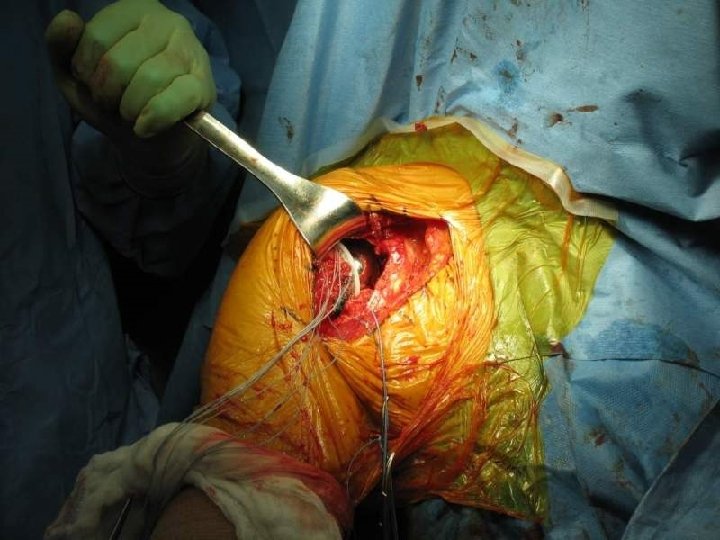
Surgical Lessons l Place glenoid baseplate low and tilt inferiorly. l Inferior capsular release important. l Bone graft on glenoid behind baseplate for wear.
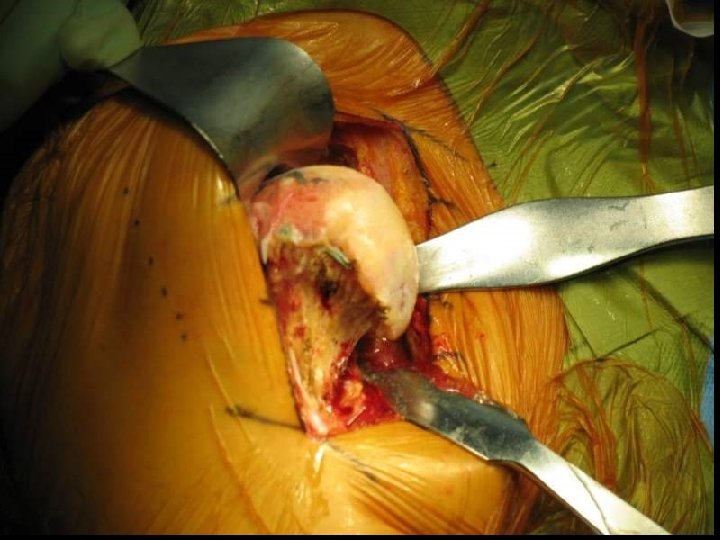
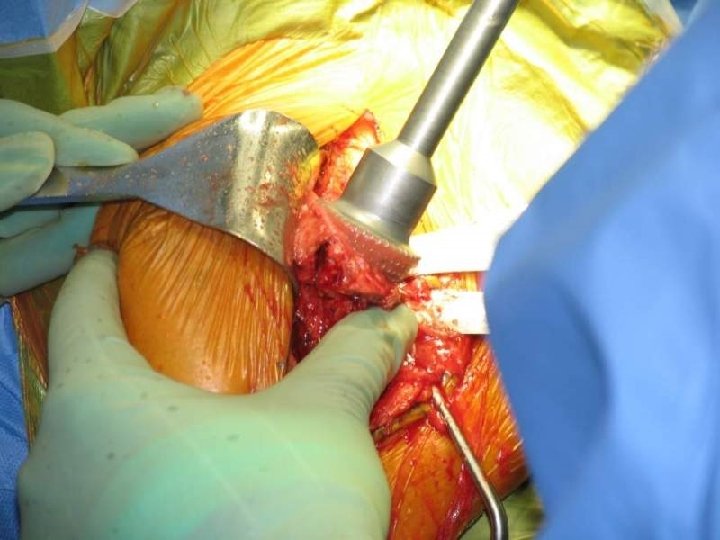
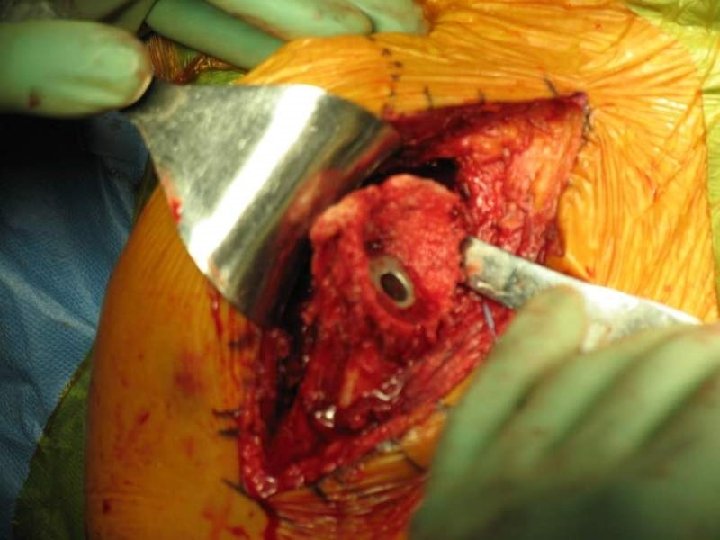
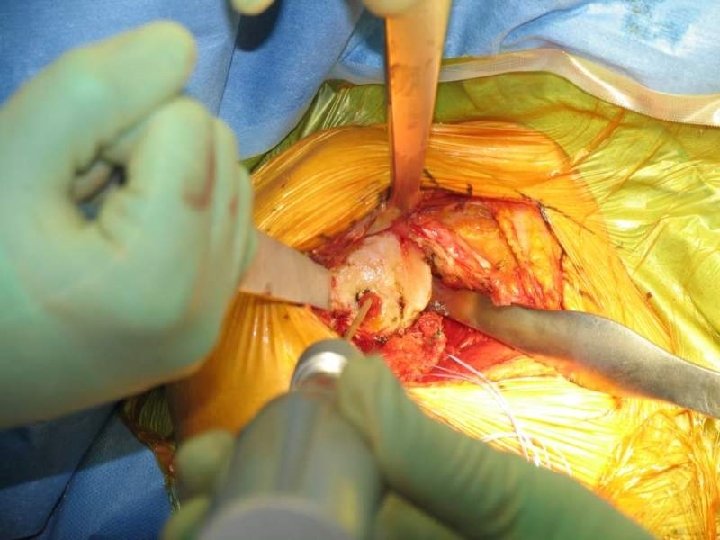
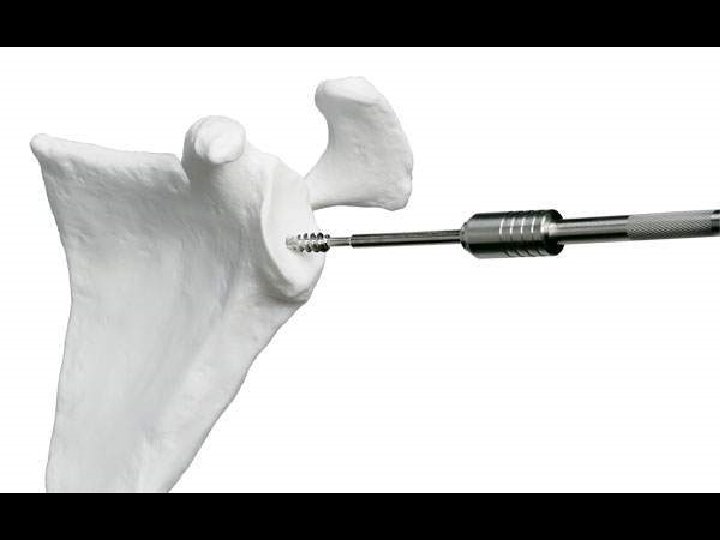
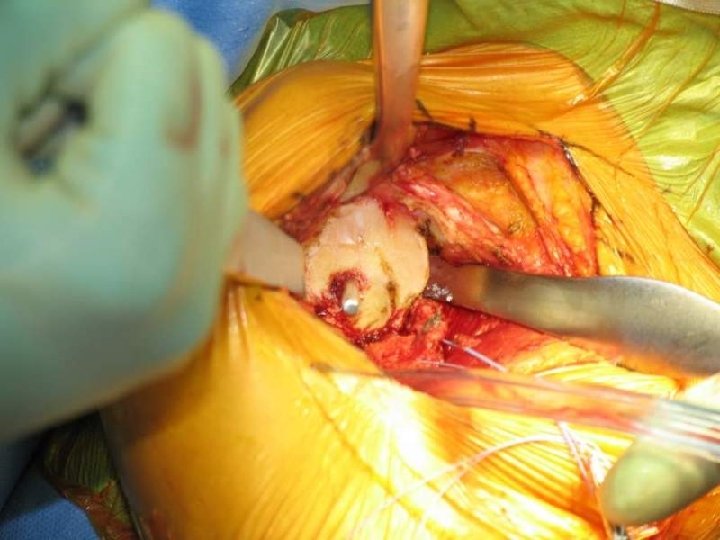
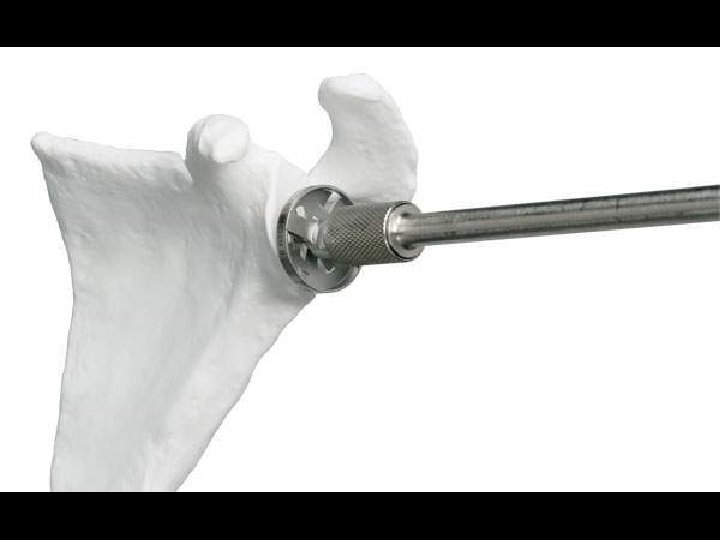
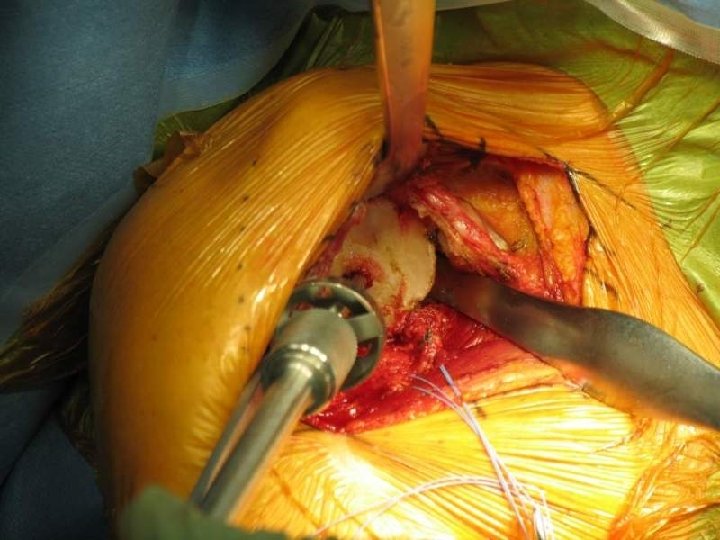
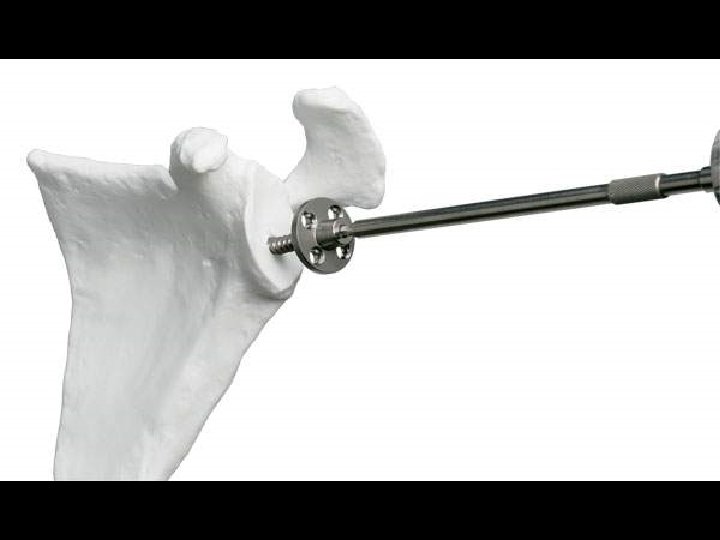
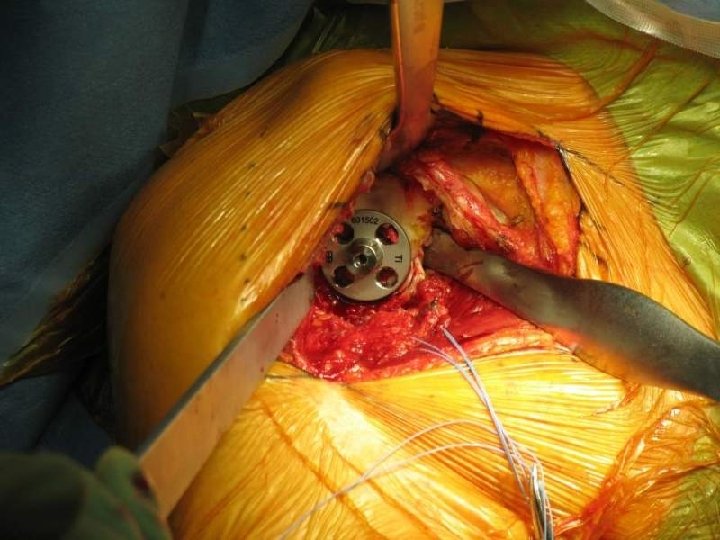
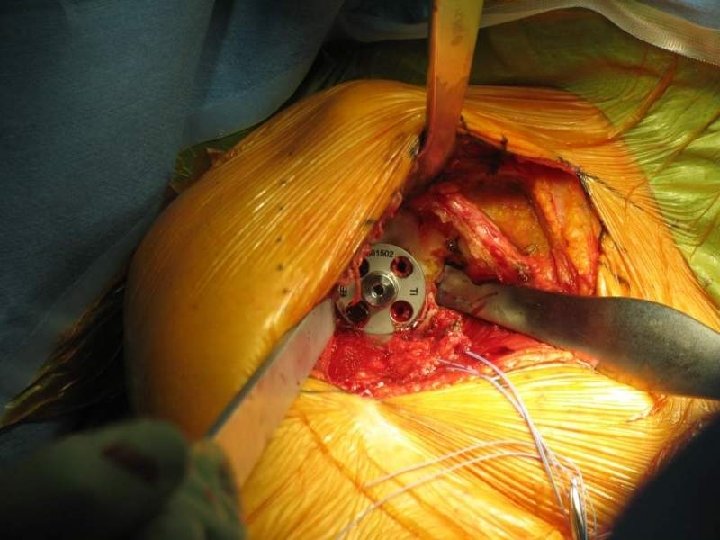
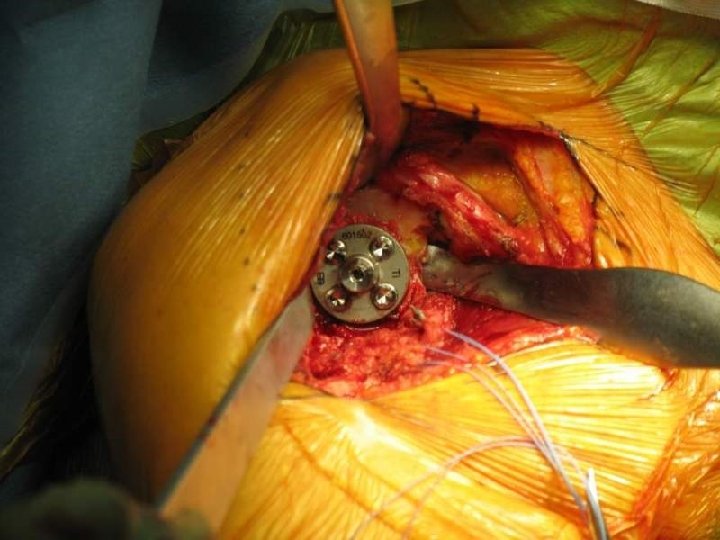
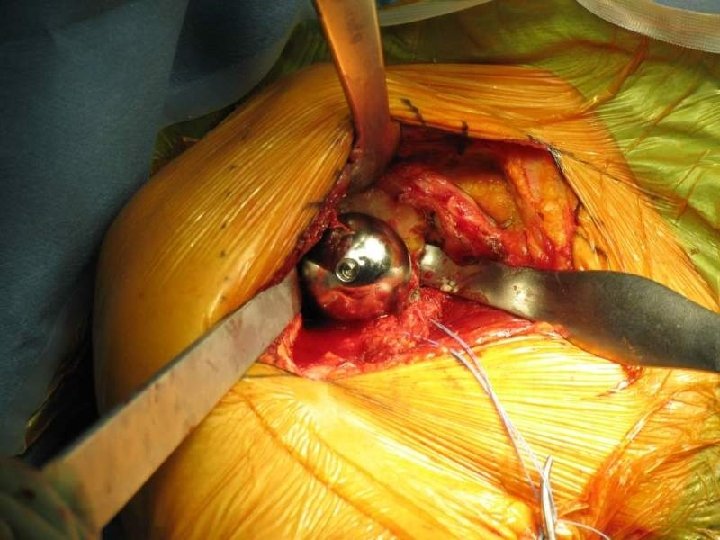

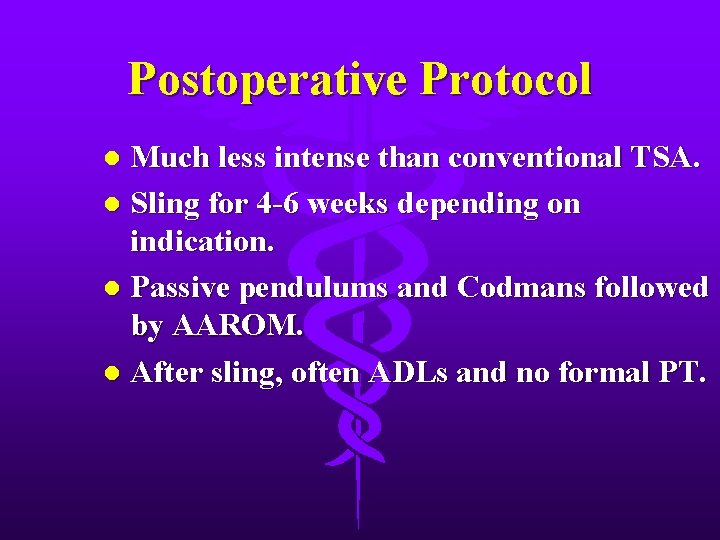
Postoperative Protocol Much less intense than conventional TSA. l Sling for 4 -6 weeks depending on indication. l Passive pendulums and Codmans followed by AAROM. l After sling, often ADLs and no formal PT. l
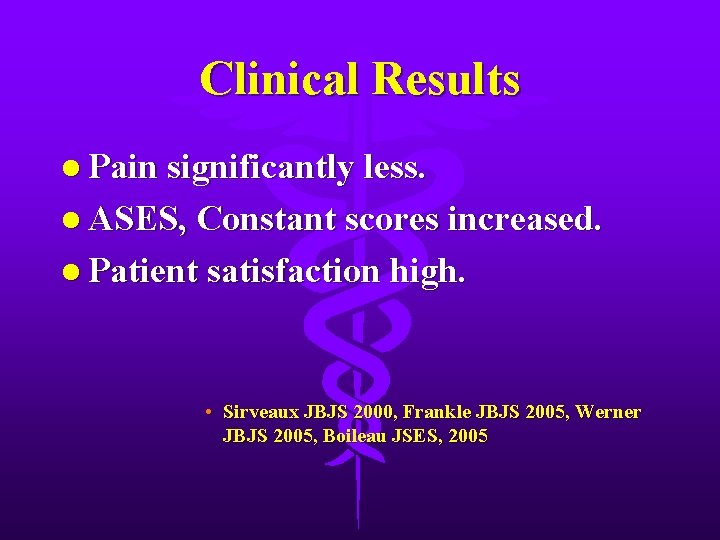
Clinical Results l Pain significantly less. l ASES, Constant scores increased. l Patient satisfaction high. • Sirveaux JBJS 2000, Frankle JBJS 2005, Werner JBJS 2005, Boileau JSES, 2005
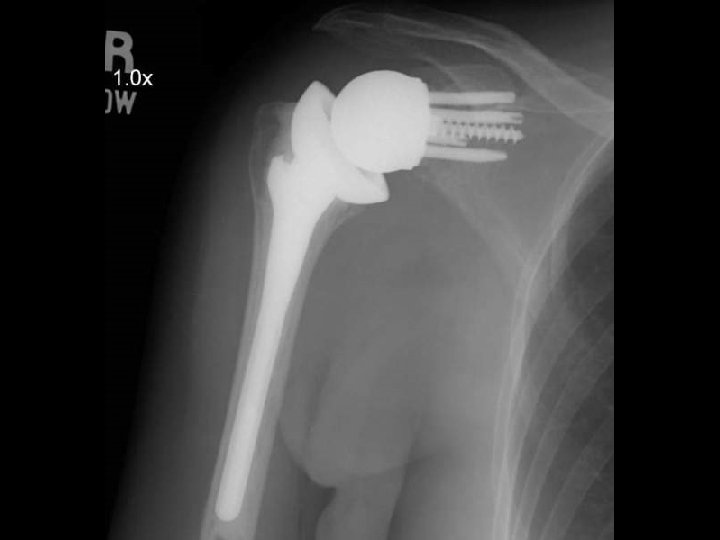
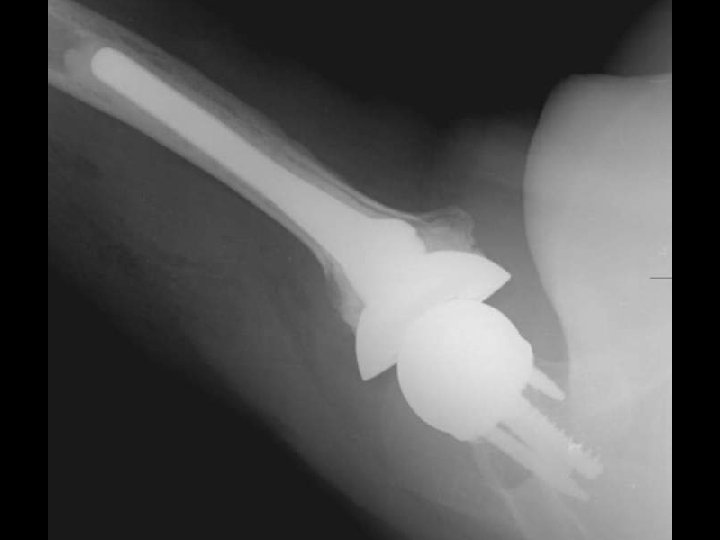
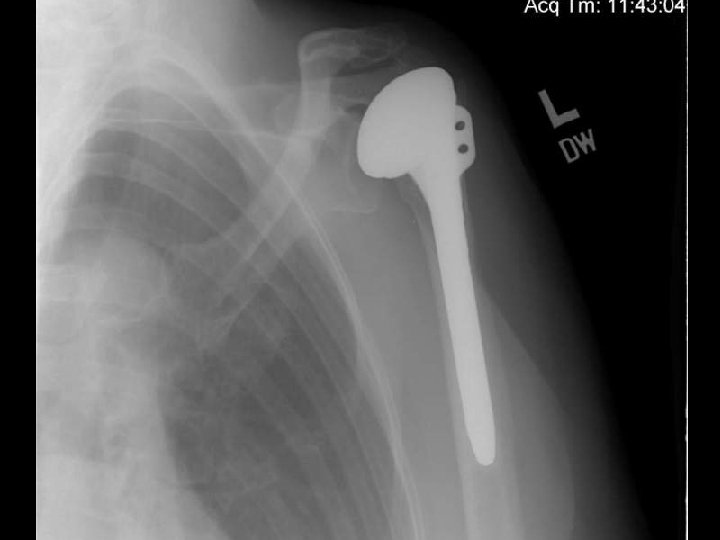
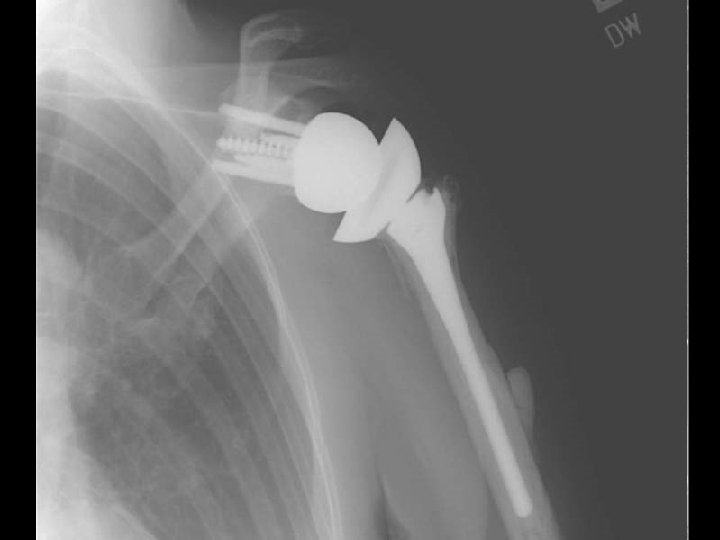
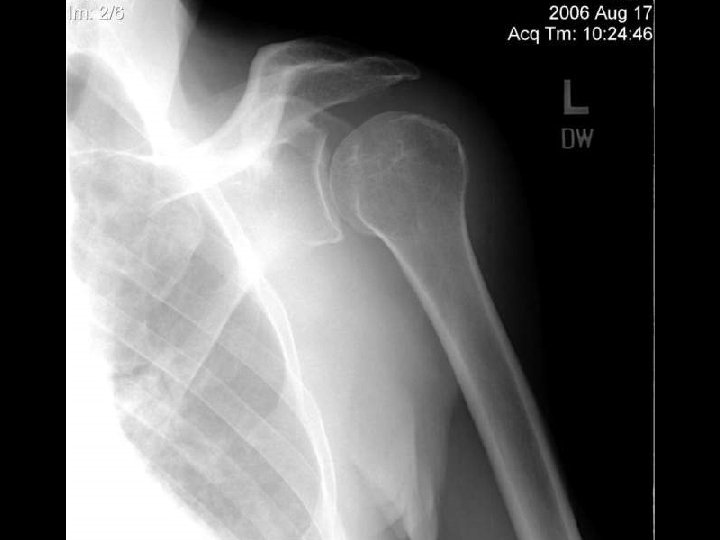
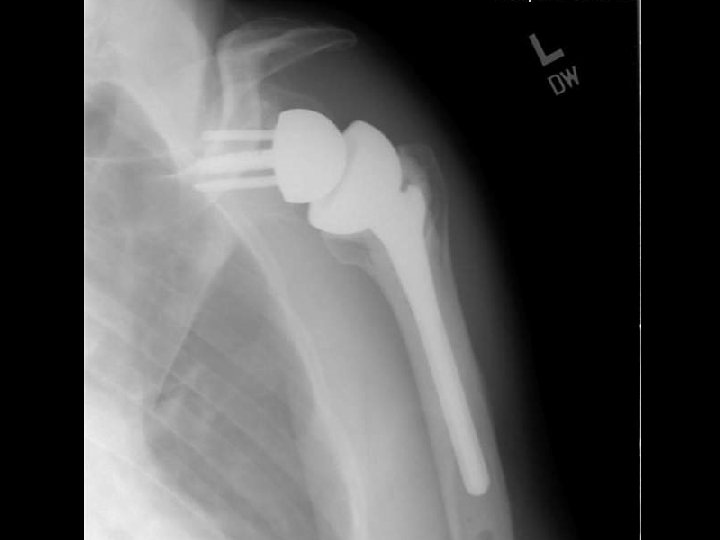
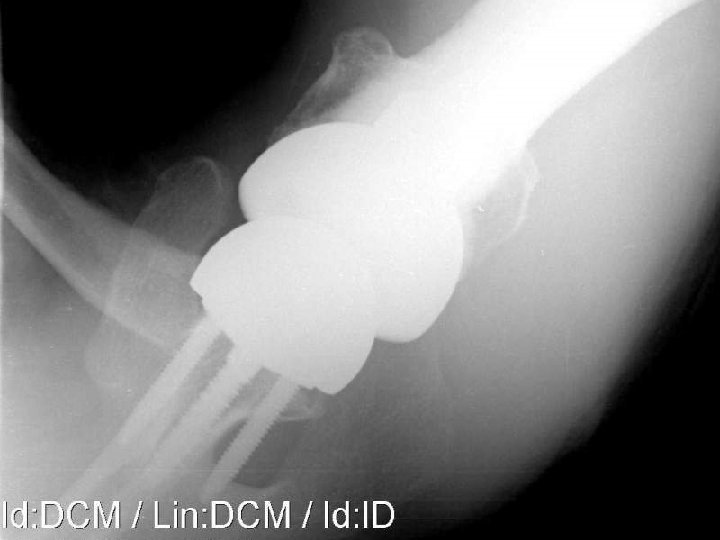
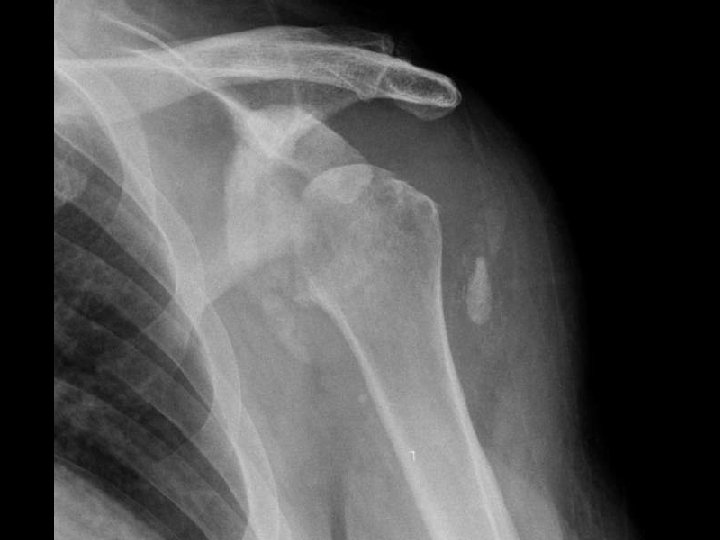
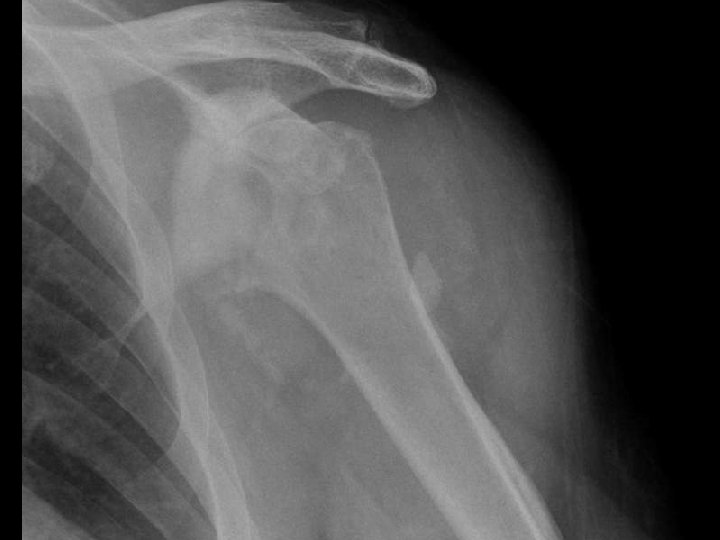
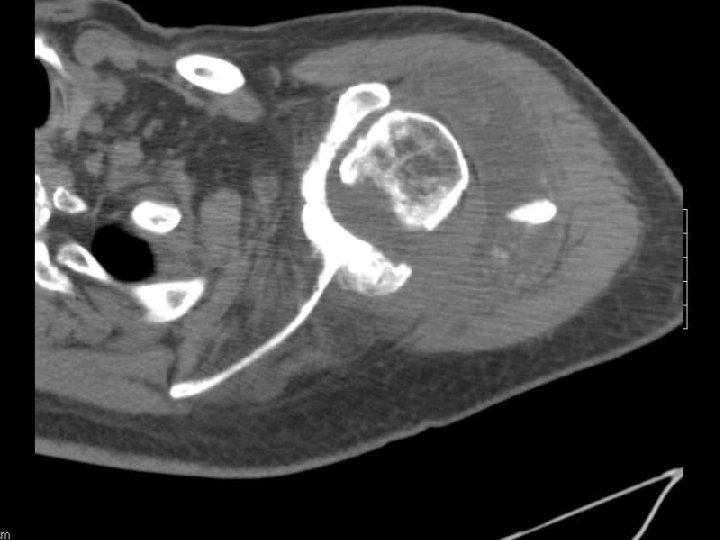
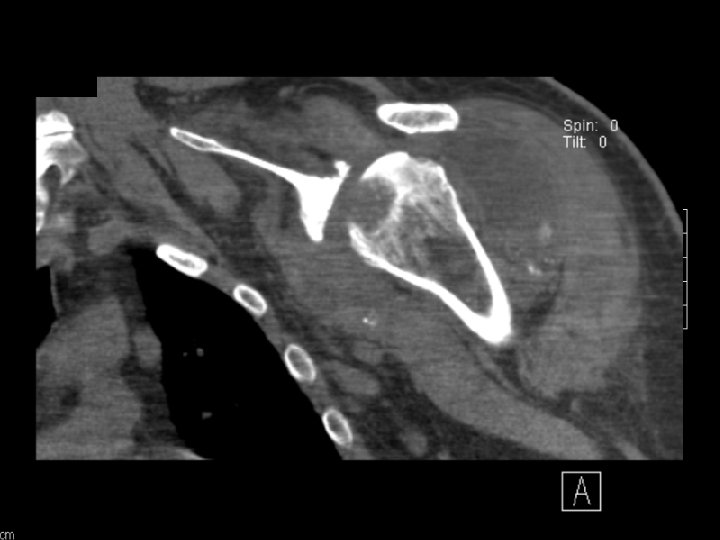
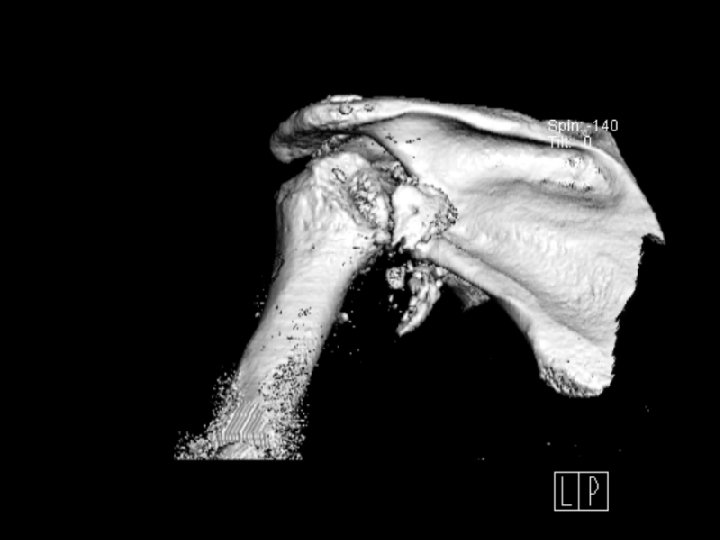
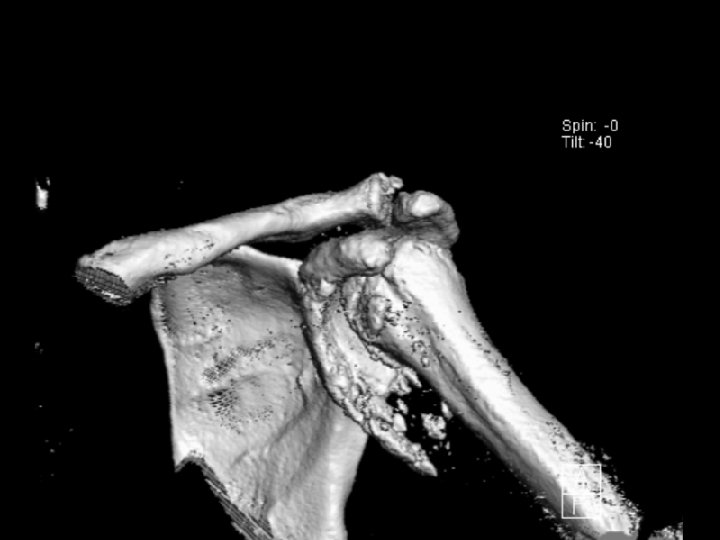
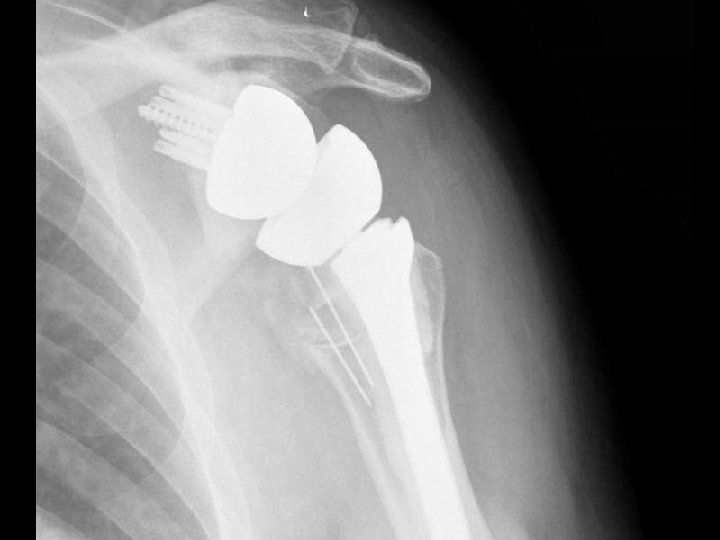
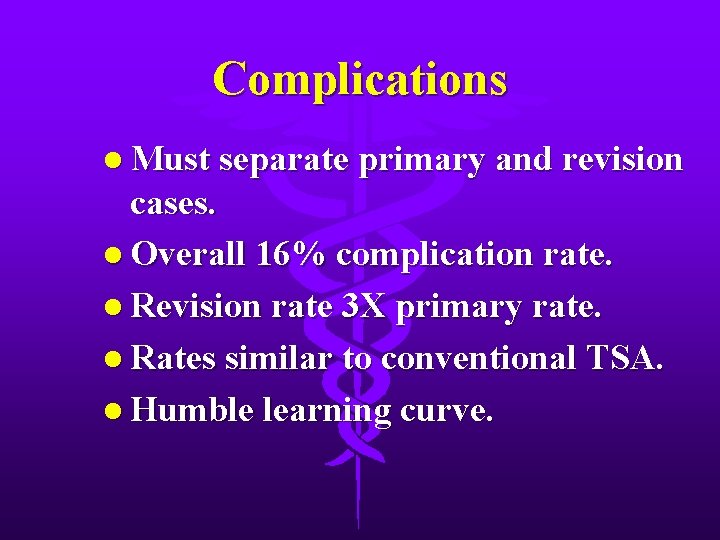
Complications l Must separate primary and revision cases. l Overall 16% complication rate. l Revision rate 3 X primary rate. l Rates similar to conventional TSA. l Humble learning curve.
Complications l Instability l Infection l Postoperative fracture
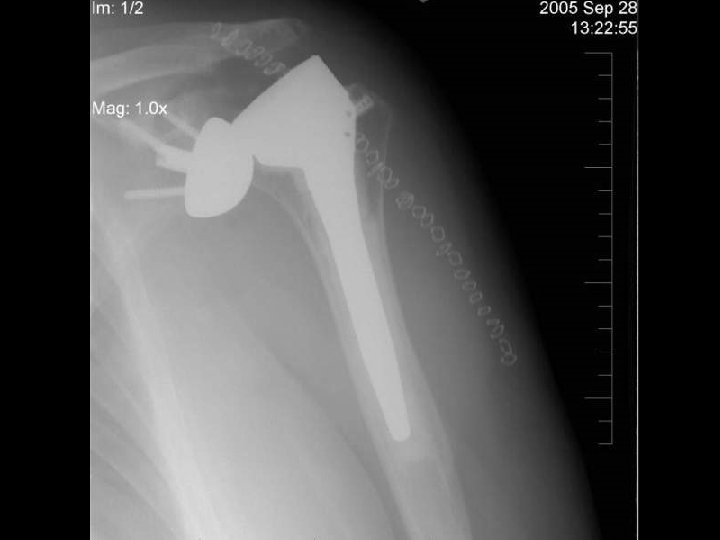
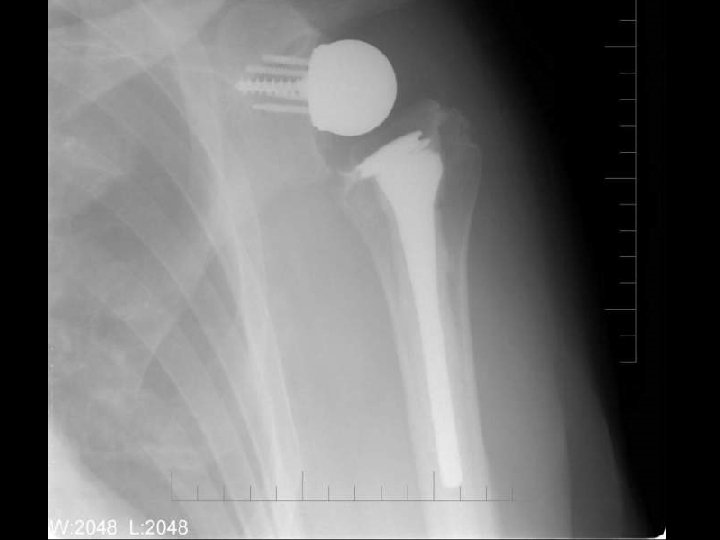
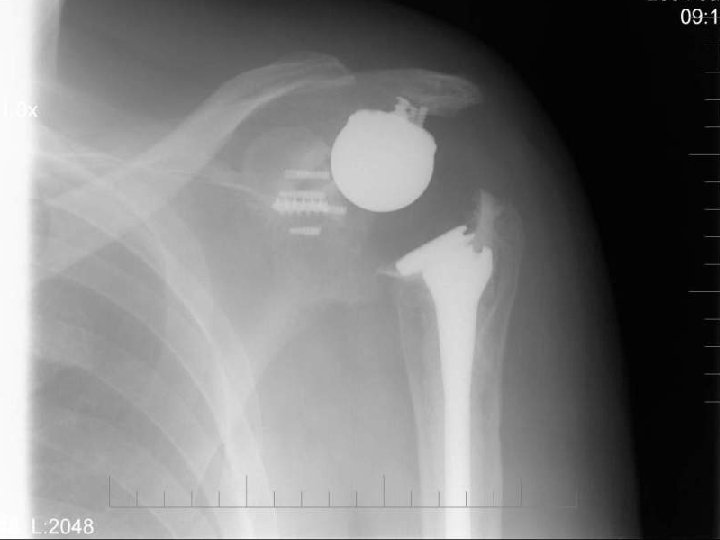
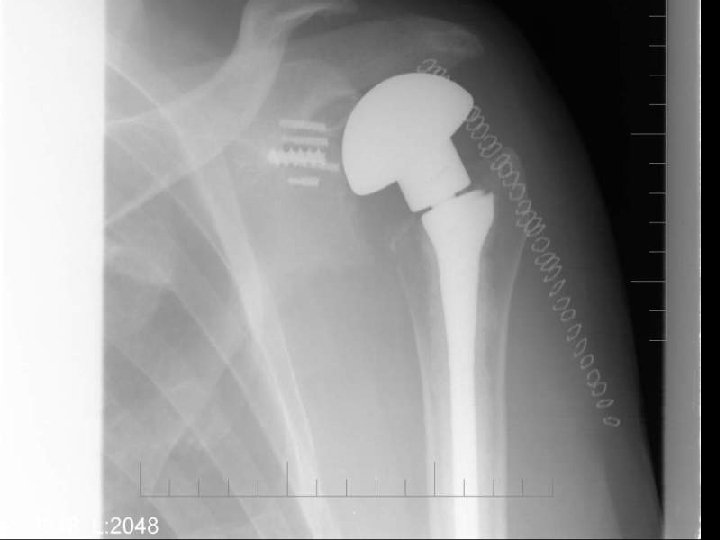
Survivorship l Survivorship 98% at 7 years with RSP. l Survivorship 91% at 10 years with Delta III.
Patient Management l Anaesthesia l Perioperative pain control l VTE Prophylaxis l Long-term results
Anaesthesia l General l Regional l Blocks - sciatic, femoral, lumbar plexus, interscalene
Pain Management l Multimodal pain management l Anaesthesia blocks l Cox 2 NSAIDs l Long acting narcotics
Venous Thromboembolism l All THA and TKA need prophylaxis l Guidelines recommend LMWH, warfarin or anti-Xa agents. l Minimum 2 weeks l Consider extended prophylaxis (4 weeks) in patients with increased risk factors
Long-term results l Cost-benefit ratio high l Quality of life issues l THA 85% doing well at 20 years l TKA 90% doing well at 20 years l TSA >90% doing well at 20 years

Thank You
- Slides: 132