
Solid Earth Plate Tectonics and the Rock Cycle
- Slides: 15
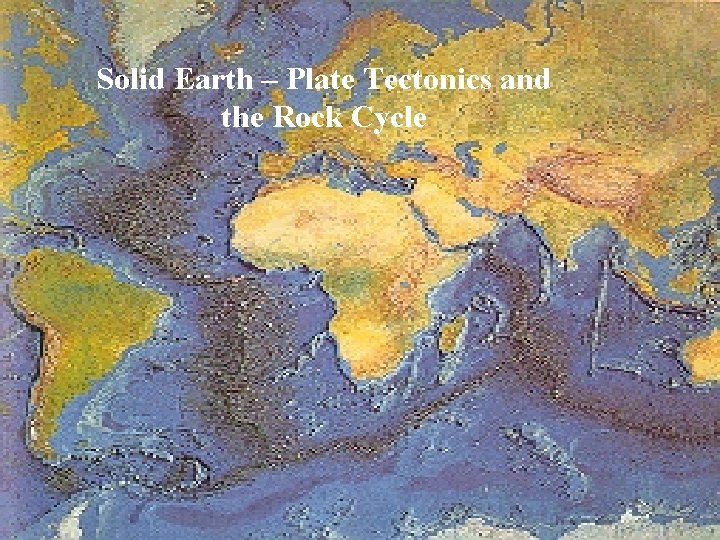
Solid Earth – Plate Tectonics and the Rock Cycle
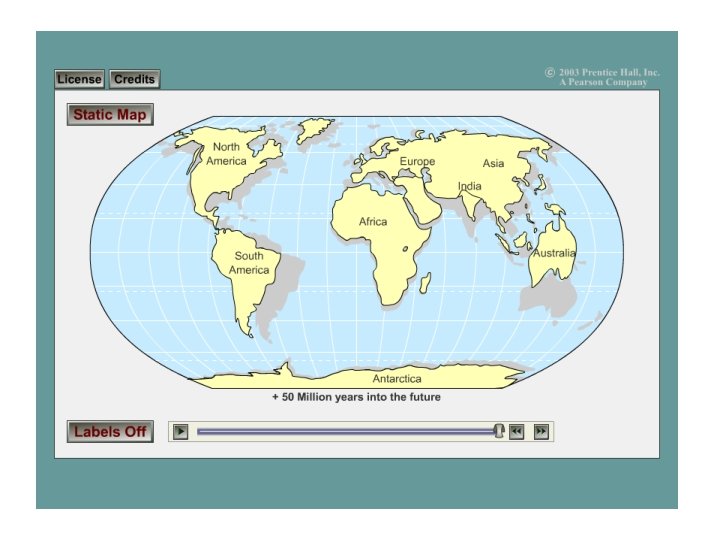
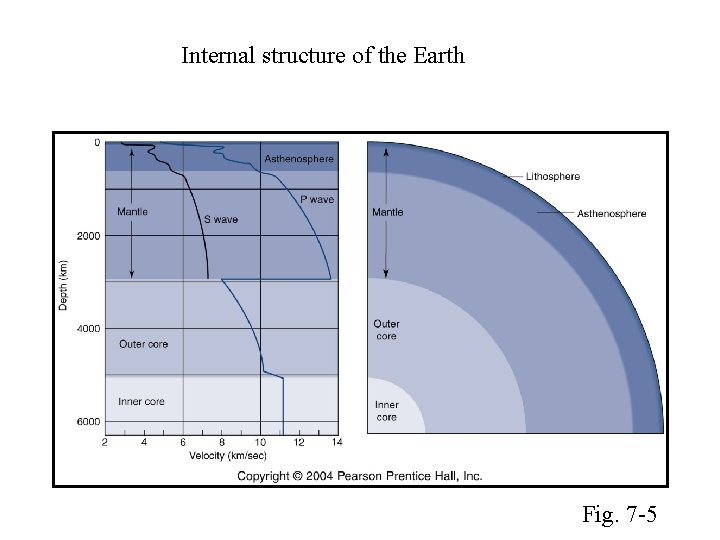
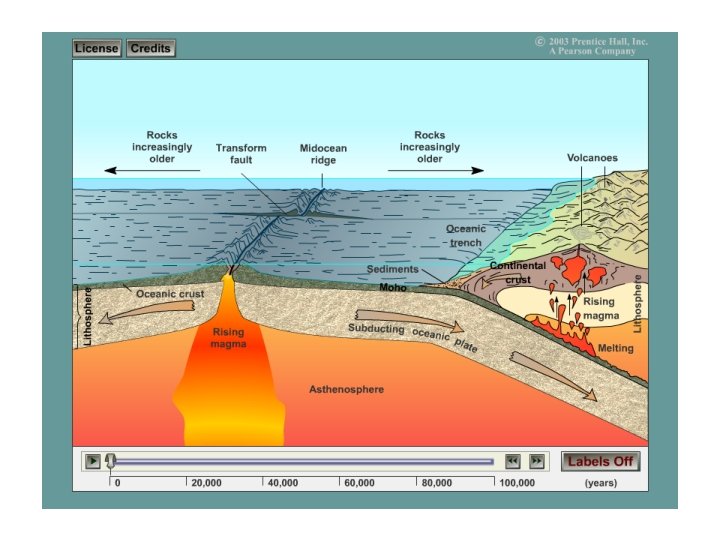
Important questions 1. How do the physical and chemical characteristics of Earth change with depth toward its center? 2. What is “plate tectonics? ” 3. What is the rock cycle? 4. How have the positions of the continents changed through time as a result of plate tectonics?
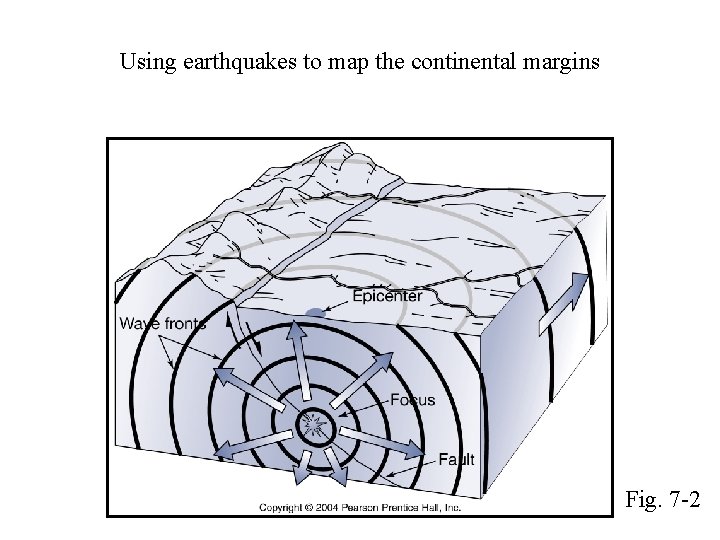
Using earthquakes to map the continental margins Fig. 7 -2
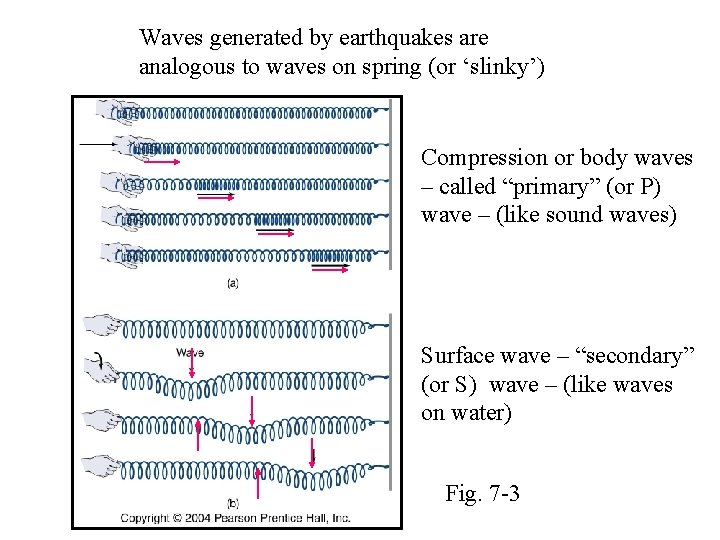
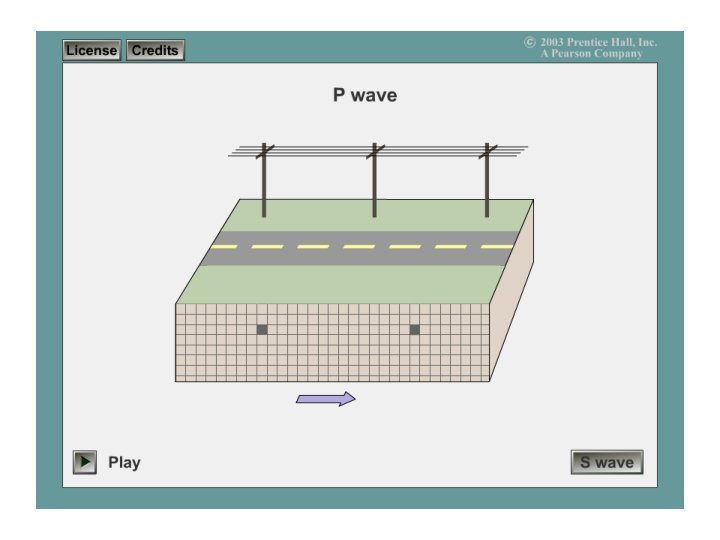
Waves generated by earthquakes are analogous to waves on spring (or ‘slinky’) Compression or body waves – called “primary” (or P) wave – (like sound waves) Surface wave – “secondary” (or S) wave – (like waves on water) Fig. 7 -3
Internal structure of the Earth Fig. 7 -5
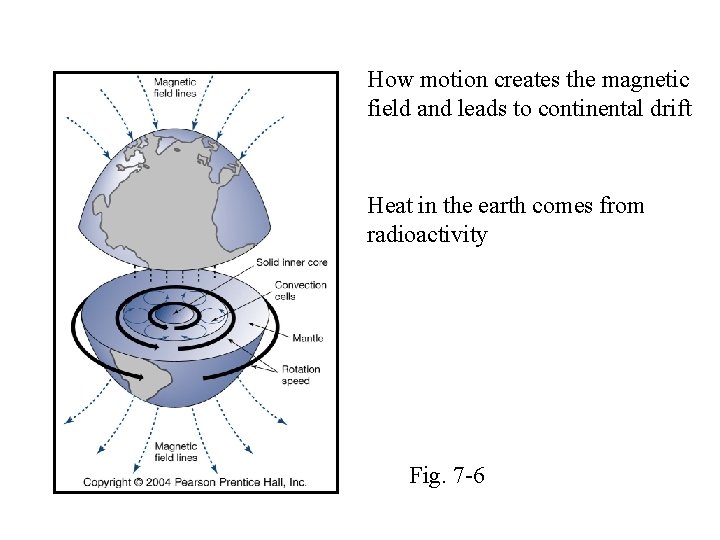
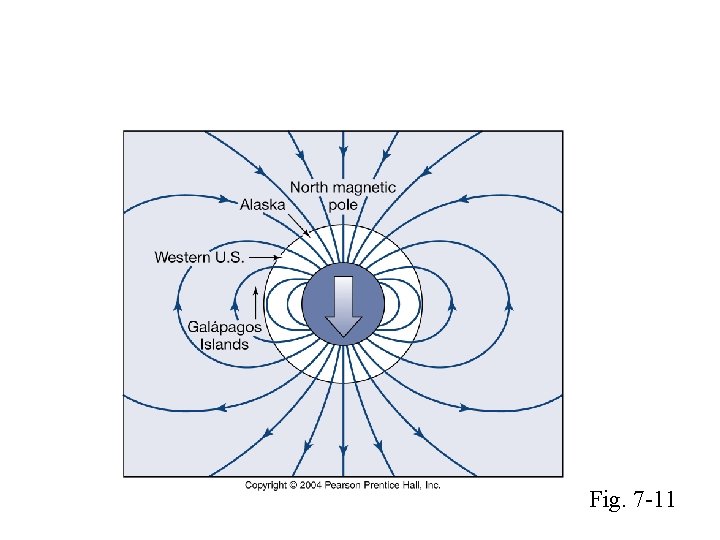
How motion creates the magnetic field and leads to continental drift Heat in the earth comes from radioactivity Fig. 7 -6
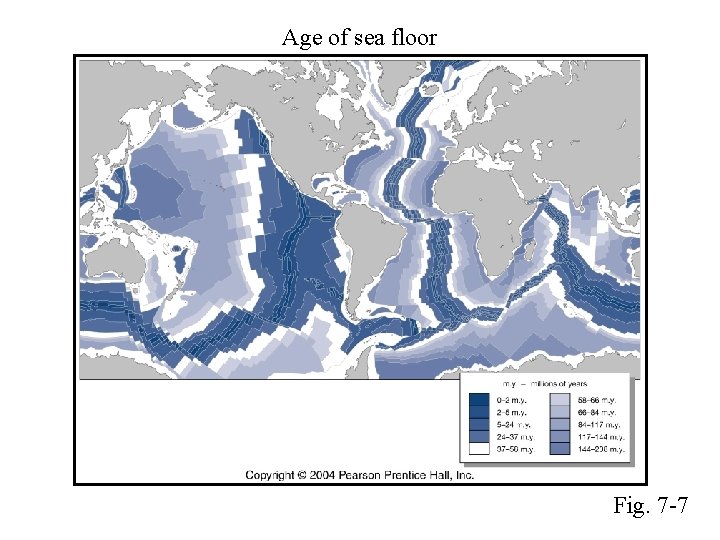
Age of sea floor Fig. 7 -7
Fig. 7 -11
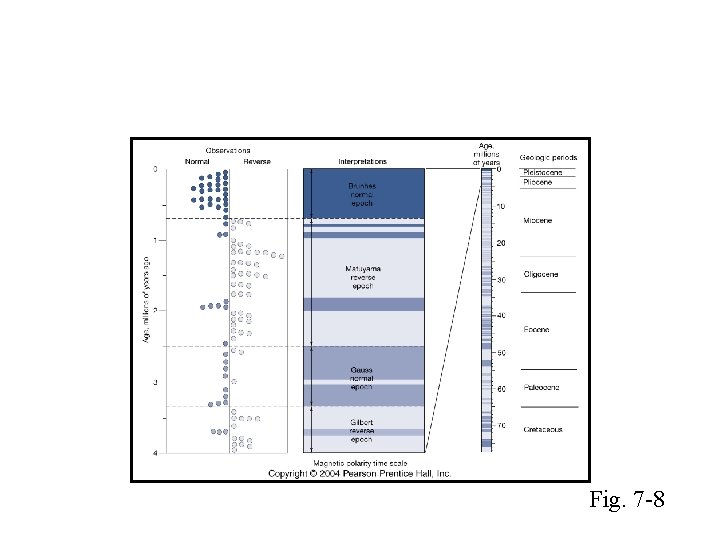
Fig. 7 -8
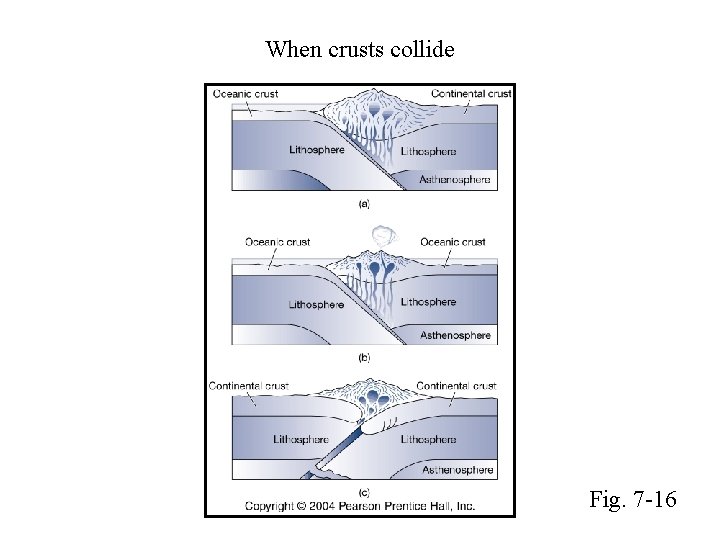
When crusts collide Fig. 7 -16
Short Question 20 When continental crust and oceanic crust collide, (a) oceanic crust is subducted below the continental crust (b) continental crust is subducted below oceanic crust (c) tall mountains like the Himalayas form (d) the motion of the plates stops (e) the crusts mix to form sand
Short Question 21 Alternating directions of magnetic fields in rocks at the ocean bottom are evidence of (a) “hot spots” (b) global warming (c) seafloor spreading (d) magnetic fish (e) Atlantis