
SOL Literary Terms Review 1 archetype Definition basic
SOL Literary Terms Review 1

archetype • Definition: basic storytelling pattern; a perfect example of a group or type • Example: In Native American literature, Coyote is an archetype of the trickster.
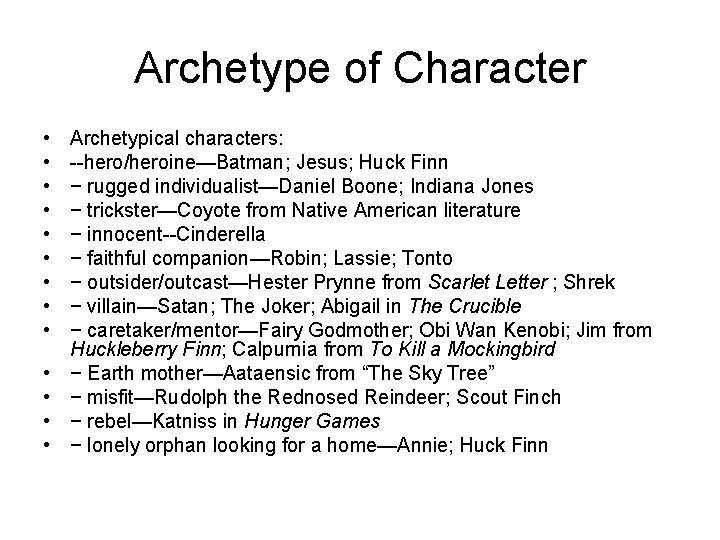
Archetype of Character • • • • Archetypical characters: --hero/heroine—Batman; Jesus; Huck Finn − rugged individualist—Daniel Boone; Indiana Jones − trickster—Coyote from Native American literature − innocent--Cinderella − faithful companion—Robin; Lassie; Tonto − outsider/outcast—Hester Prynne from Scarlet Letter ; Shrek − villain—Satan; The Joker; Abigail in The Crucible − caretaker/mentor—Fairy Godmother; Obi Wan Kenobi; Jim from Huckleberry Finn; Calpurnia from To Kill a Mockingbird − Earth mother—Aataensic from “The Sky Tree” − misfit—Rudolph the Rednosed Reindeer; Scout Finch − rebel—Katniss in Hunger Games − lonely orphan looking for a home—Annie; Huck Finn
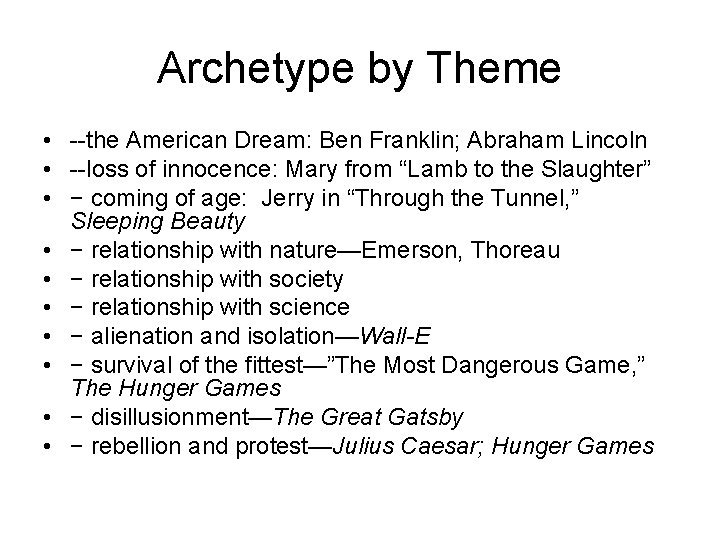
Archetype by Theme • --the American Dream: Ben Franklin; Abraham Lincoln • --loss of innocence: Mary from “Lamb to the Slaughter” • − coming of age: Jerry in “Through the Tunnel, ” Sleeping Beauty • − relationship with nature—Emerson, Thoreau • − relationship with society • − relationship with science • − alienation and isolation—Wall-E • − survival of the fittest—”The Most Dangerous Game, ” The Hunger Games • − disillusionment—The Great Gatsby • − rebellion and protest—Julius Caesar; Hunger Games
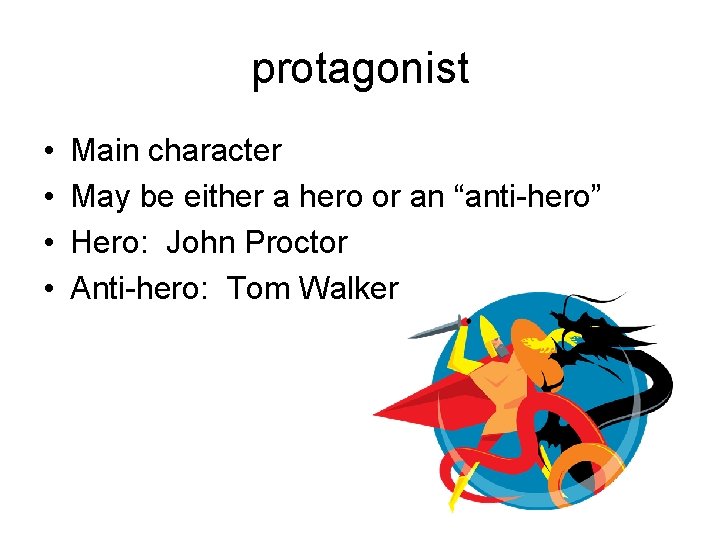
protagonist • • Main character May be either a hero or an “anti-hero” Hero: John Proctor Anti-hero: Tom Walker
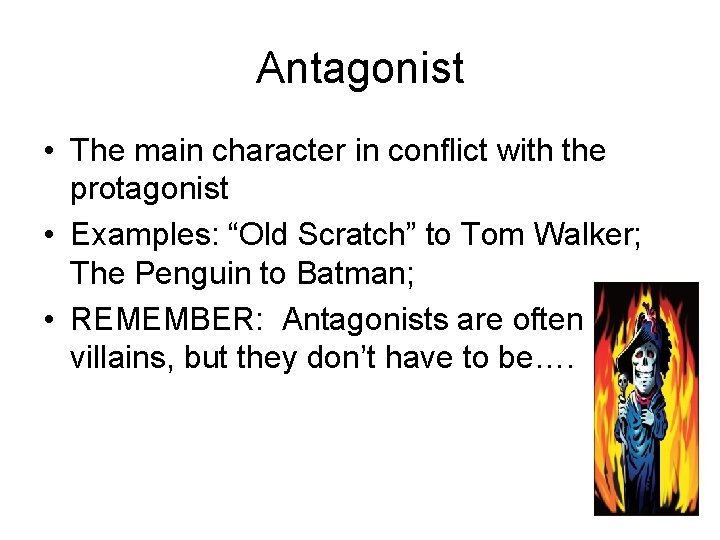
Antagonist • The main character in conflict with the protagonist • Examples: “Old Scratch” to Tom Walker; The Penguin to Batman; • REMEMBER: Antagonists are often villains, but they don’t have to be….
Narrator • The one telling the story
Point of View • The vantage point from which the story is told • Main types: first person; third person limited; third person omniscient
First Person • The narrator is “I” • Everything the reader knows is limited to this one character’s point of view • Examples: Huckleberry Finn; “By the Waters of Babylon”
Third Person Omniscient • The narrator knows multiple characters’ thoughts and feelings • This point of view gives the reader the widest vantage point • Example: “The Storyteller”
Third Person Limited • The narrator is “he” or “she” • Again, the reader is limited to this one character’s point of view • Examples: “Contents of the Dead Man’s Pockets, ” “The Pedestrian”
Setting • Time and Place • Often, the time of a story is as or more important than the place • Example: In “The Pedestrian, ” it’s important that the action takes place in the future
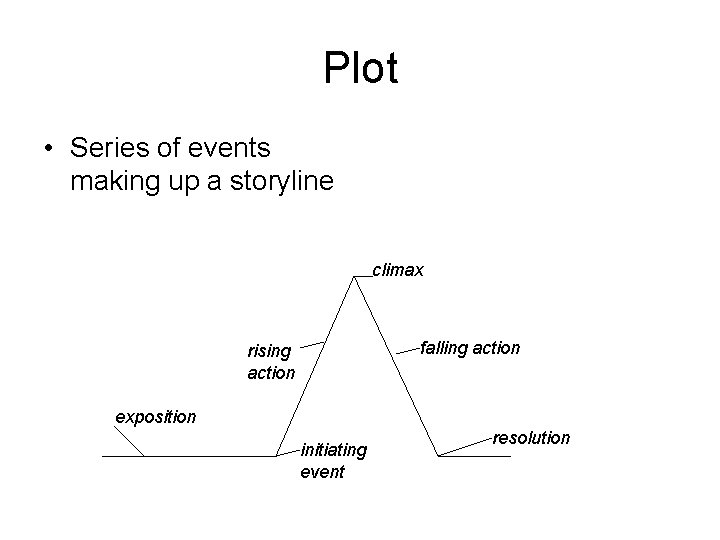
Plot • Series of events making up a storyline climax falling action rising action exposition initiating event resolution
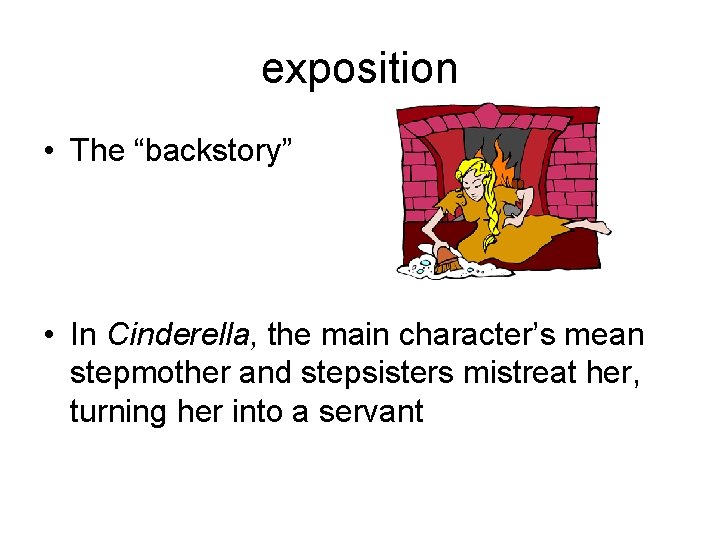
exposition • The “backstory” • In Cinderella, the main character’s mean stepmother and stepsisters mistreat her, turning her into a servant
Initiating event • The event in the narrative that “hooks” the reader • In Cinderella, an invitation to the ball comes, but Cindy is told that she can’t go….
Rising Action • The events leading up to the climax In Cinderella: • The Fairy Godmother comes to give Cindy a makeover • Cindy goes to the ball • The prince falls for her • Cindy must rush out at midnight • She leaves the glass slipper behind
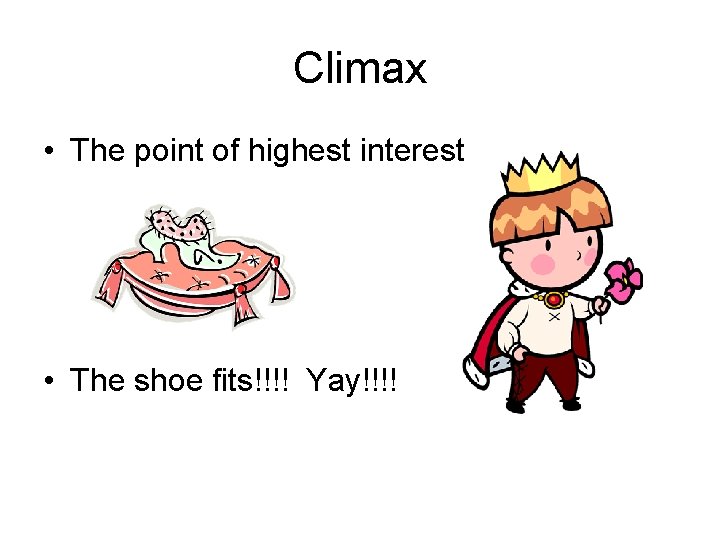
Climax • The point of highest interest • The shoe fits!!!! Yay!!!!
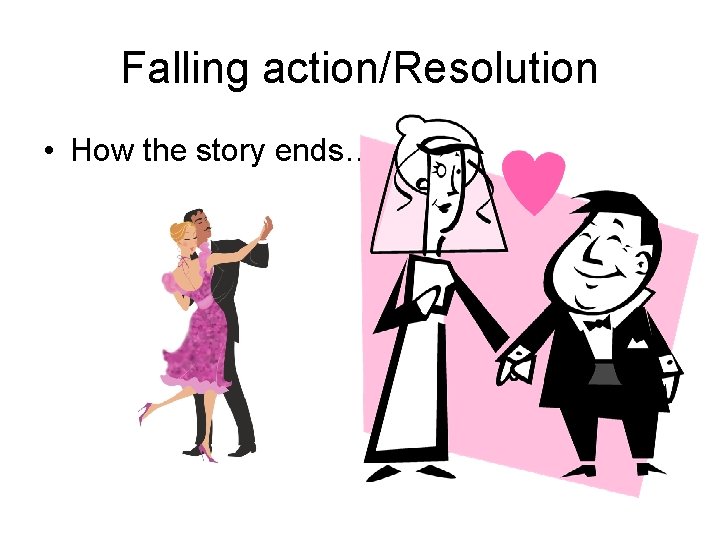
Falling action/Resolution • How the story ends….
theme • The main idea, lesson, moral, or basic human truth…. • Example: In “The Bass, the River, and Sheila Mant, ” one theme is that we shouldn’t change or hide who we really are just so others will like us
motif • In literature, a motif is a theme, idea, or image that recurs within a text or across multiple texts. • Example: In Macbeth, the motif of blood as a sign of guilt appears throughout….
- Slides: 20